Variable valve timing failures are becoming a practical ownership issue for 2026 Harley-Davidson riders, especially as the brand’s engine families span old-school pushrod designs and newer electronically managed platforms. In simple terms, variable valve timing, often shortened to VVT, is a system that changes valve opening and closing events to improve torque, emissions, fuel economy, and drivability across the rev range. When it works, the engine feels broad, smooth, and responsive. When it starts to fail, the first clues are usually sounds, idle behavior, fault codes, and uneven performance that many owners mistakenly blame on fuel quality, exhaust changes, or a weak battery.
This matters because the warning signs rarely appear all at once. I have diagnosed timing control problems that started as a light metallic tick on warm restarts, then turned into unstable idle, delayed cranking, and cam correlation codes weeks later. Riders who caught the issue early often limited the repair to a phaser, actuator, oil control valve, tensioner, or sensor. Riders who ignored it sometimes ended up with chain damage, contaminated oil, or valve-to-piston contact on high-performance builds. That difference is why every 2026 owner should know what to listen for.
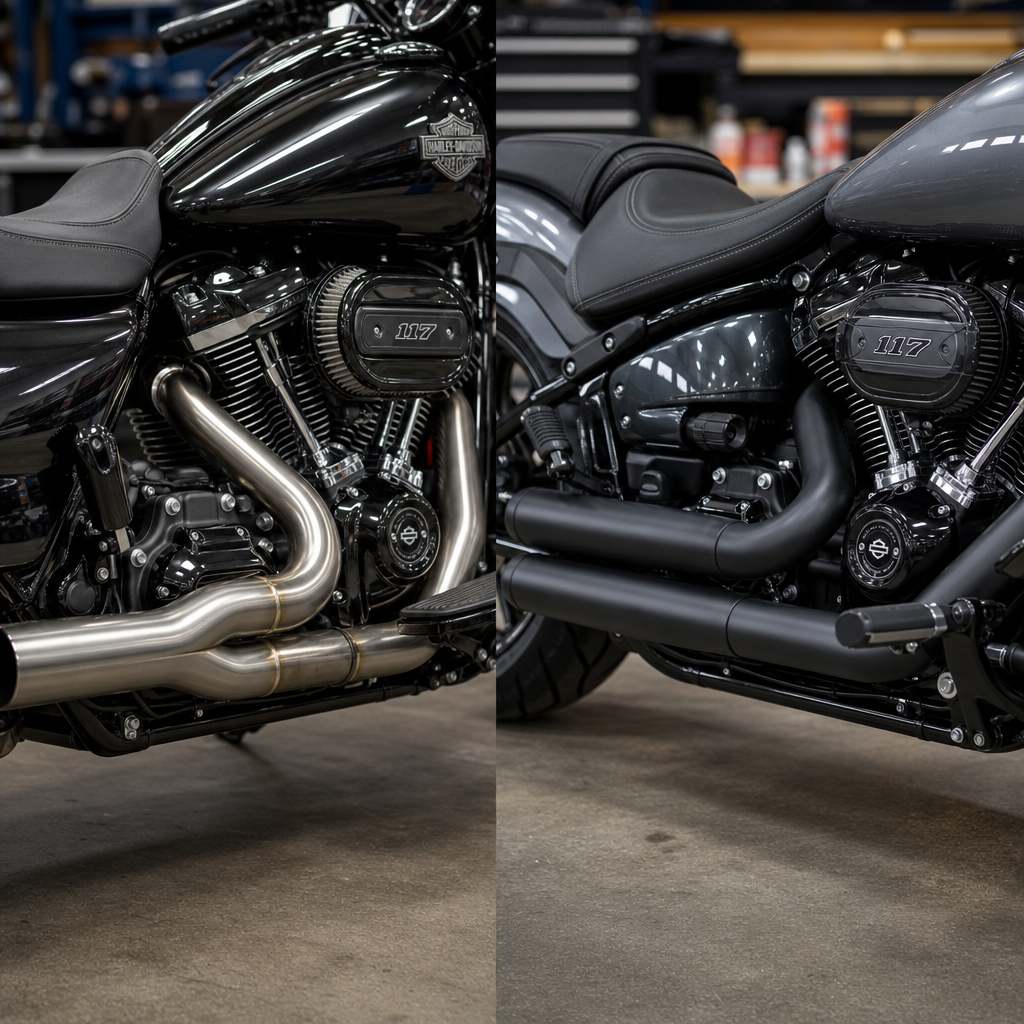
Within Harley-Davidson technical discussions, this subject also sits inside a broader engine conversation. Milwaukee-Eight, Twin Cam, Evolution, and RevMax engines do not all use the same timing architecture, and not all of them use variable valve timing at all. That distinction is critical. Many owners hear “timing problem” and assume every engine shares the same failure modes. They do not. The pushrod Evo and Twin Cam families mainly raise issues around cam chest wear, chain tensioners, oiling, pinion alignment, or cam support components. The Milwaukee-Eight largely continues that mechanical tradition with refinements. RevMax, by contrast, introduces overhead cam complexity, modern engine management, and, in certain applications, variable valve timing hardware that changes the diagnostic path entirely.
So this hub article does two jobs. First, it explains what variable valve timing failure sounds and feels like in terms owners can use in a garage, on a test ride, or during a cold start. Second, it acts as the central technical deep-dive for M8, Twin Cam, Evo, and RevMax engines, helping you separate genuine VVT symptoms from other valvetrain, cam drive, and oil-pressure issues. If you want to protect reliability, avoid misdiagnosis, and make better service decisions in 2026, start with the noises, then match them to the engine family.
What Variable Valve Timing Failure Usually Sounds Like
The most common early symptom of variable valve timing failure is a brief rattle at startup, especially after the bike sits overnight and the oil drains back. Owners often describe it as a dry chain slap, a marbles-in-a-tin sound, or a sharp metallic chatter lasting one to three seconds. That noise typically points to a phaser that is not locking correctly at rest, an oil control valve that is sticking, or oil pressure that is arriving too slowly to stabilize the mechanism. On systems designed to alter cam position hydraulically, oil condition matters as much as hardware condition. Sludged passages, incorrect viscosity, and neglected service intervals can all trigger the same audible symptom.
After startup, the next clue is usually idle instability. If the commanded cam angle does not match actual cam angle, combustion quality suffers. The bike may lope irregularly, stall when hot, or hesitate just off idle. In scan data, this often appears as cam position deviation, intermittent actuator response, or a correlation fault between crankshaft and camshaft signals. Without scan data, riders notice a softer but persistent sign: the engine sounds mechanically busier than normal, yet feels flatter on throttle pickup. That combination matters because classic Harley valvetrain noise is not unusual, but new noise paired with reduced response deserves attention.
Load-dependent sounds are also telling. Under light acceleration, a failing timing actuator can create a faint chirp, ticking, or phasing flutter around a narrow rpm band. On deceleration, you may hear a short flutter as oil pressure changes and the actuator moves inconsistently. I have seen this mistaken for exhaust heat-shield buzz more than once. A quick isolation test is to compare cold start, hot idle, and a steady 2,500 rpm hold. If the sound changes with oil temperature and settles or worsens exactly as pressure changes, timing control should move higher on the suspect list.
Engine Family Differences: M8, Twin Cam, Evo, and RevMax
Harley-Davidson owners need a clear baseline: Evolution and Twin Cam engines do not present variable valve timing failures in the same way a modern overhead-cam engine does, because they were not designed around the same system architecture. Evo engines are gear and pushrod focused, simple in comparison, and generally reveal timing-related issues through worn lifters, noisy rocker gear, cam bushing wear, or ignition timing concerns on older setups. Twin Cam engines are famous for cam chain tensioner wear on early versions, with debris, chain noise, and cam chest damage becoming the bigger concern than any true VVT malfunction.
Milwaukee-Eight engines refine the pushrod platform with four-valve heads, improved cooling strategies in some variants, and stronger overall breathing. Their common timing-related discussions still center on lifter noise, oil aeration, sumping on modified builds, cam plate choices, chain versus gear-drive conversions, and correct installation of high-lift cams. A rider hearing top-end noise on an M8 should not jump straight to variable valve timing. The more probable causes are hydraulic lifter bleed-down, exhaust leak tick, rocker arm wear, or a cam chest component issue. Accurate diagnosis starts by respecting what the engine actually is.
RevMax changes the picture. This liquid-cooled, overhead-cam platform used in models such as the Pan America and Sportster S introduces a much more contemporary timing control environment, including electronically managed systems, chain-driven cams, and model-specific variable valve timing implementation. On these bikes, startup rattle, cam position errors, and oil-controlled actuator issues belong much closer to the front of the diagnostic queue. That is why this subtopic hub matters: a 2006 Twin Cam, a 2018 Milwaukee-Eight, a 1998 Evo, and a 2026 RevMax bike can all make a ticking sound, but the mechanical explanation can be completely different.
| Engine family | Valve train layout | Likely timing-related noises | Most relevant first checks |
|---|---|---|---|
| Evolution | Pushrod, cam-in-case | Lifter tick, rocker noise, cam bushing wear | Oil pressure, lifter condition, pushrod adjustment |
| Twin Cam | Pushrod, chain-driven cams | Cam chain noise, tensioner wear, cam chest rattle | Tensioner shoe inspection, debris in oil, cam plate health |
| Milwaukee-Eight | Pushrod, single-cam architecture | Lifter noise, exhaust tick, cam chest sounds | Lifter bleed-down, exhaust leaks, oiling, scan for codes |
| RevMax | DOHC, chain-driven cams | Startup rattle, actuator chatter, cam correlation fault symptoms | Scan data, oil condition, actuator and sensor performance |
Common Root Causes Behind Timing Control Problems
Oil quality is the first root cause to consider because most timing control systems rely on precisely metered hydraulic pressure. If the oil is degraded, aerated, contaminated with fuel, or simply too thick during cold operation, the actuator may respond slowly or stick. Manufacturers calibrate these systems around specific viscosity ranges and pressure behavior. In practice, I have found that extended drain intervals and aftermarket oil choices outside the intended spec cause more intermittent faults than many owners expect. Clean oil does not fix every failed phaser, but poor oil can absolutely create phaser-like symptoms.
The second root cause is mechanical wear inside the actuator or phaser assembly. Locking pins wear, return springs weaken, internal vanes leak, and chain dynamics amplify the problem. Once wear advances, the unit can no longer hold its parked position reliably, so startup noise becomes the first audible flag. As wear grows, commanded and actual cam angles drift farther apart. This is when scan tools become essential. Harley owners using Digital Technician through a dealer, or advanced aftermarket platforms such as TEXA on compatible models, can compare requested cam position against measured feedback and avoid replacing random parts.
Sensors and electrical controls come next. Camshaft position sensors, crankshaft position sensors, wiring faults, and sticking oil control solenoids can all mimic a failed mechanical unit. Heat is a major factor. Some bikes behave perfectly when cold, then show erratic timing response once engine temperature rises and electrical resistance changes. That is why a proper diagnostic routine includes cold and hot tests, battery voltage verification, charging system checks, and harness inspection around high-vibration areas. A weak charging system can distort actuator performance enough to confuse the diagnosis.
Finally, modifications matter. Aggressive cam profiles, altered idle speed, nonstandard tuning, free-flow exhausts, and oil pump changes can all influence perceived timing behavior. The modification itself may not cause failure, but it changes the baseline sound of the engine and the expectations of the rider. On heavily modified M8 and Twin Cam builds, I often hear owners describe normal valvetrain character as a new fault. On RevMax machines, software changes and adaptation issues can complicate what the control system is trying to do. Before assuming catastrophic failure, verify the tune, the service history, and the exact hardware installed.
How Owners Should Diagnose the Noise Before Damage Spreads
Start with the conditions under which the noise appears. Does it happen only on cold start, only after a long heat soak, only between 2,000 and 3,000 rpm, or only under light load? Pattern recognition narrows the fault list faster than replacing parts. Record a phone video from the same side of the engine at the same distance during three moments: first start of the day, hot restart after ten minutes off, and a steady idle once fully warm. That simple evidence helps separate a one-second startup lock-pin rattle from a constant lifter tick or exhaust leak.
Next, verify oil level, viscosity, age, and filter quality. If the engine family uses oil pressure to control timing, do not diagnose around old oil. I treat fresh, correct-spec oil and a known good filter as a prerequisite, not a repair shortcut. Then scan for diagnostic trouble codes and freeze-frame data. Correlation codes, actuator performance codes, and sensor plausibility faults carry far more diagnostic value than the noise alone. If scan access is limited, a dealer or independent shop familiar with Harley-Davidson platforms can usually complete this step quickly and cheaply compared with unnecessary teardown.
Mechanical confirmation comes after electronic checks. A stethoscope, borescope, oil filter inspection, and in some cases cam cover removal will reveal whether the issue is really timing control or a different failure sharing the same soundtrack. Metal in the filter, damaged tensioner material, and unusual chain slack demand immediate action. If the bike still runs well but starts noisily, schedule service soon rather than parking it indefinitely. If the noise becomes continuous, performance drops sharply, or the engine sets repeat cam correlation faults, stop riding until the cause is confirmed. Timing problems rarely improve with use.
What This Hub Means for Harley-Davidson Owners in 2026
The key takeaway is straightforward: listen for startup rattle, unstable idle, narrow-band ticking under light load, and any change in response that appears alongside mechanical noise. Then identify the engine family before deciding what the sound means. On Evo, Twin Cam, and many Milwaukee-Eight bikes, the answer is often conventional valvetrain or cam chest wear rather than true variable valve timing failure. On RevMax models, variable timing components, oil control behavior, and cam position feedback deserve early attention because the platform is built around modern timing management.
As the Harley-Davidson lineup grows more diverse, owners need engine-specific thinking, not generic internet advice. This technical deep-dive hub is the starting point for that approach across M8, Twin Cam, Evo, and RevMax platforms. Use it to frame the right questions, document symptoms accurately, and choose informed next steps before small timing faults become major repairs. If your bike has developed a new rattle, tick, or idle change, compare the sound to the engine architecture, inspect the basics, and book a professional diagnosis early. Fast attention is still the cheapest repair strategy.
Frequently Asked Questions
What are the most common signs of a variable valve timing problem on a 2026 Harley-Davidson?
The most common signs usually show up as changes in how the engine sounds, idles, and responds to throttle. Riders may notice a new ticking, rattling, or light clatter from the top end, especially during cold starts, idle, or when rolling on the throttle from low rpm. In many cases, the bike can also feel less smooth than normal, with weaker low-end pull, uneven midrange power, or hesitation during acceleration. Because variable valve timing is designed to optimize valve events across different engine speeds and load conditions, a failure can make the engine feel like it has lost some of its normal flexibility and broad torque delivery.
Other clues can include rough idle, harder starting, reduced fuel economy, hotter running behavior, or a check engine light if the fault is severe enough to trigger a diagnostic code. On electronically managed platforms, the system may default to a safe operating mode that keeps the bike running but not performing as intended. It is also important to remember that not every top-end noise is automatically a VVT issue. Cam chain tensioners, oil pressure problems, worn valvetrain parts, or even exhaust leaks can produce similar symptoms. The key is to pay attention to patterns: when the noise happens, whether performance changes happen at the same time, and whether the condition is getting worse. That combination of sound and drivability change is often what separates a true VVT concern from normal mechanical character.
What should 2026 owners listen for if they suspect a VVT failure?
Owners should listen for sounds that are new, repeatable, and tied to engine speed or operating temperature. A brief startup noise can sometimes be normal on many engines, but a persistent rattle that lingers after oil pressure has stabilized deserves attention. With a VVT-related problem, the sound may resemble a metallic ticking, phaser-style rattle, light knocking from the cam area, or an irregular clatter that becomes more noticeable at idle or during low-rpm roll-ons. If the noise changes as the engine warms up, becomes louder under light load, or appears in a narrow rpm range, that is useful information for diagnosis.
It also helps to listen beyond the obvious mechanical noise. A VVT issue may create a less direct throttle response, a slight surge, or a “flat” feeling where the bike used to pull cleanly. Some riders describe it as the engine sounding busy but not producing the expected torque. If your Harley has a mix of traditional mechanical feel and modern electronic control, this can be subtle at first. Try to notice whether the idle rhythm has changed, whether deceleration sounds are different, or whether there is a brief stumble when pulling away from a stop. Recording the sound on your phone during cold start, warm idle, and a light rev can help a technician compare conditions and determine whether the noise matches a VVT actuator, oil control issue, or another valvetrain-related fault.
Can low oil level or poor oil maintenance cause variable valve timing problems?
Yes, absolutely. Variable valve timing systems depend heavily on clean oil at the correct level and pressure. In most designs, oil pressure is used to move internal components that advance or retard valve timing, and those components rely on precise oil flow through small passages and control valves. If the oil is low, degraded, contaminated, too thick, too thin, or simply overdue for service, the system may not respond quickly or accurately. That can create timing errors, noise, sluggish response, and intermittent drivability issues that feel very similar to a failing mechanical part.
For 2026 Harley-Davidson owners, this matters because engine families and operating characteristics differ, but the principle stays the same: modern timing control does not tolerate neglected lubrication nearly as well as older, simpler systems. A rider who stretches oil intervals, uses the wrong viscosity, or ignores signs of oil consumption may unintentionally create conditions where the VVT hardware cannot function properly. Before assuming a major failure, it is smart to verify oil level, confirm the correct specification was used, and inspect service history. That said, fresh oil is not a cure-all. If the system has already suffered wear, sludge buildup, sticking control valves, or actuator damage, the symptoms may persist even after maintenance. Good oil habits are one of the best preventative measures, but once warning signs appear, proper diagnosis is still essential.
Is it safe to keep riding if the bike has VVT-related noise or symptoms?
It depends on the severity, but in general, riders should treat suspected VVT symptoms with caution rather than as a minor annoyance. If the bike only has a faint intermittent noise and no obvious drivability problems, it may not be an immediate catastrophic issue, but it still deserves prompt inspection. If the engine is rattling loudly, idling poorly, stumbling under throttle, showing a warning light, or feeling dramatically down on power, continuing to ride can increase the risk of secondary damage. A variable valve timing system that is not operating correctly can affect combustion timing, heat, efficiency, and valvetrain stress, and in some cases the original fault may be less serious than the damage caused by ignoring it.
The safest approach is to avoid hard acceleration, high rpm, or long trips until the problem is checked. If the noise is getting worse, if oil pressure concerns are suspected, or if the bike enters a limp or reduced-performance mode, it is smarter to stop riding and arrange service. Modern engines often give some warning before a major failure, but that warning window can be short. Riders sometimes hope a top-end noise will “clear up,” especially after the engine warms, but that can lead to expensive consequences if an actuator, control solenoid, chain-related component, or lubrication issue is involved. In short, a mild symptom may not mean instant disaster, but it is never something to ignore on a VVT-equipped engine.
How do technicians diagnose and fix variable valve timing failures on newer Harley-Davidson models?
Diagnosis usually begins with a combination of rider feedback, basic inspection, electronic fault scanning, and careful listening. A good technician will want to know when the symptom occurs: cold start, hot idle, low-rpm acceleration, steady cruise, or higher engine speed. From there, they may check oil level and condition, inspect for related fault codes, verify that the engine management system is seeing expected cam timing values, and compare commanded timing behavior to actual performance. On modern electronically managed motorcycles, scan tool data can reveal whether the system is slow to respond, stuck in one position, or producing implausible readings. That information helps separate a true VVT issue from ignition, fueling, or general valvetrain noise.
If the evidence points to the VVT system, repair can range from relatively simple to fairly involved. The fix might be as straightforward as correcting an oil-related issue, replacing a faulty control solenoid, updating calibration if applicable, or cleaning out contamination that is affecting oil flow. In more serious cases, the technician may need to inspect timing components, actuators, phasers, chains, tensioners, or cam-related hardware for wear or damage. Because Harley-Davidson’s lineup can include both more traditional engine architecture and newer technology layers, proper diagnosis matters more than guesswork. Replacing parts based only on noise can get expensive quickly. The best repairs come from confirming the fault, fixing the root cause, and then verifying that timing control, idle quality, and throttle response have returned to normal. For owners, that means detailed symptom notes and early service often make diagnosis faster, cheaper, and more accurate.