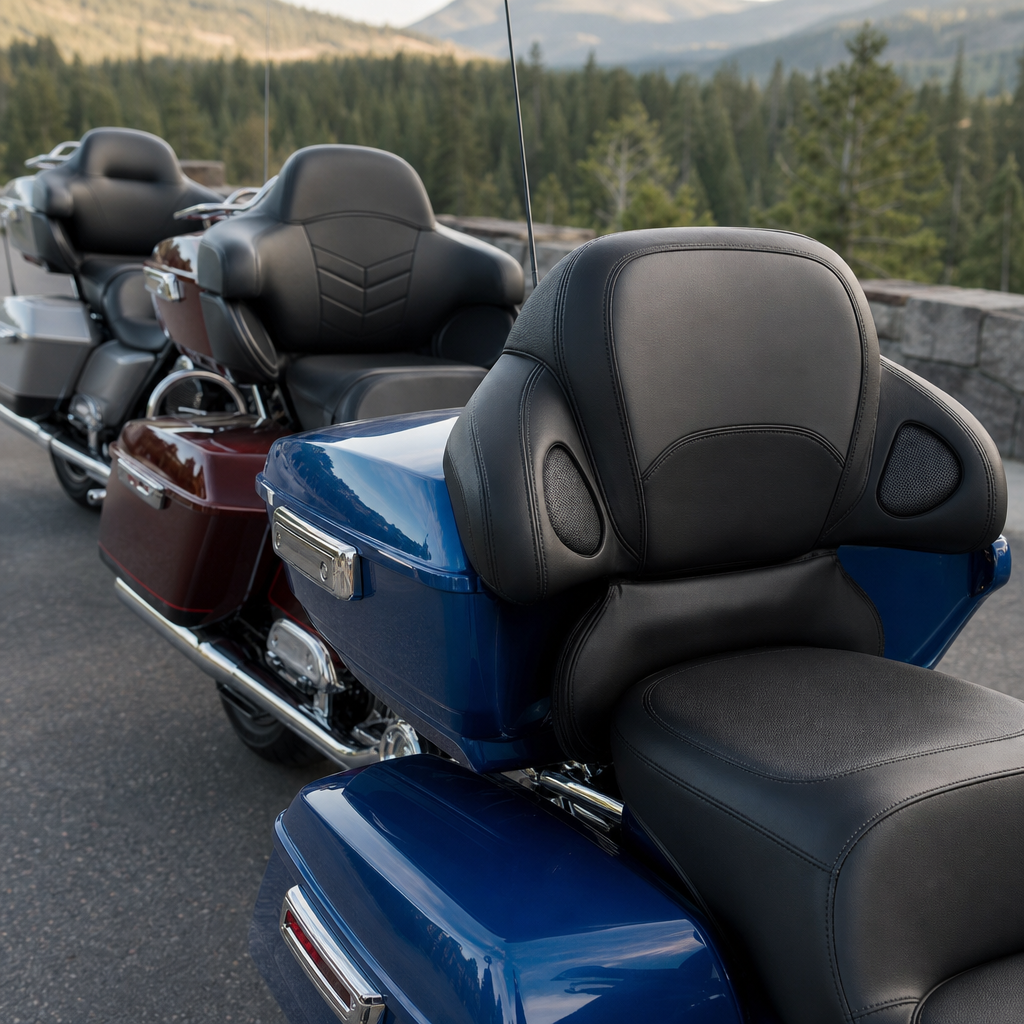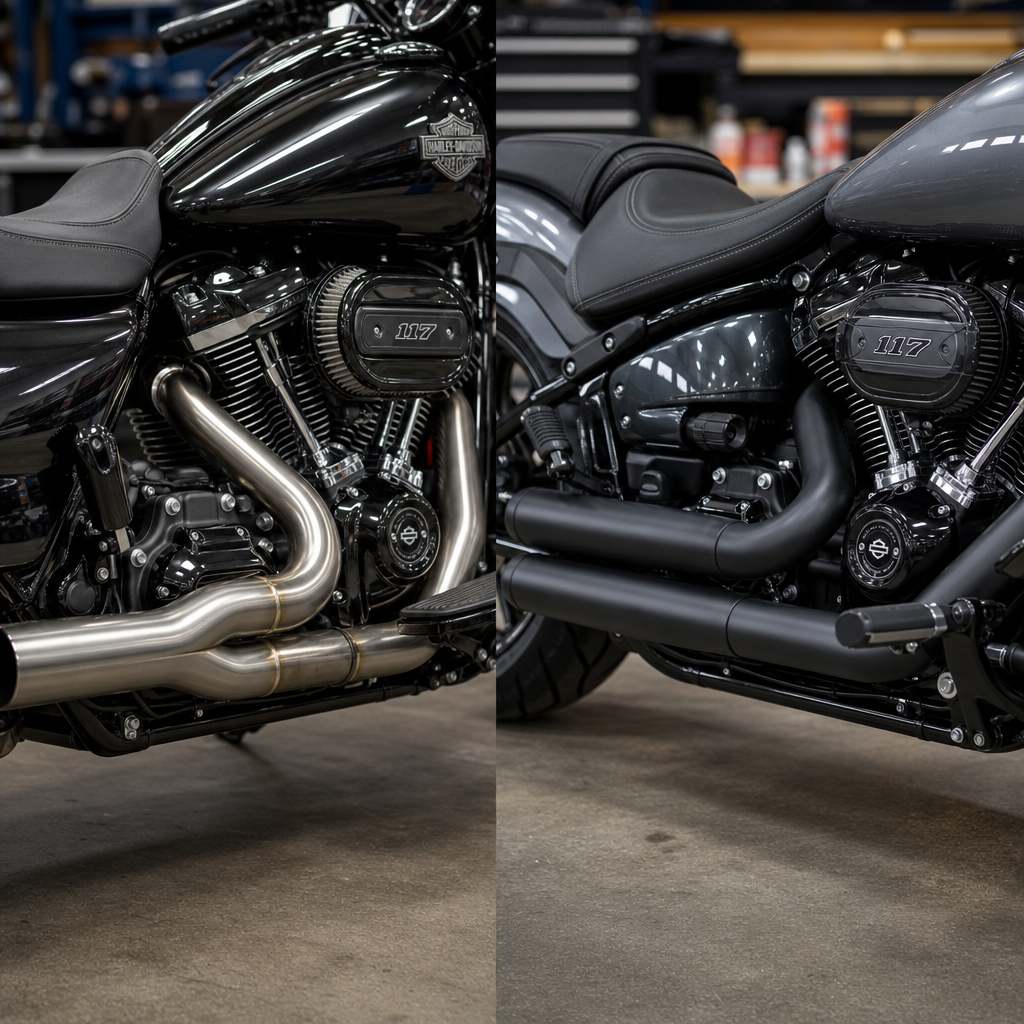
The Harley-Davidson 117 VVT engine responds dramatically to exhaust design, but riders often reduce the choice to sound or style when the real question is torque delivery across the rpm range. On this platform, “2-into-1” means both header pipes merge into a single collector and muffler path, while “dual exhaust” means each cylinder largely keeps its own outlet path to separate mufflers or balanced dual cans. “Torque recipes” are practical combinations of exhaust, cam timing behavior, intake flow, rider ergonomics, gearing feel, and calibration choices that produce a predictable riding result. For the 117 Variable Valve Timing engine used in current touring applications, that result matters because this motor is built for broad street performance, heavy-bike drivability, two-up load carrying, and heat-conscious cruising rather than dyno-sheet bragging alone.
I have tuned Milwaukee-Eight touring bikes long enough to see the same pattern repeat: riders buy a pipe for appearance, then chase back the bottom-end feel they lost in the first 2,000 rpm. The 117 VVT changes the conversation slightly because variable valve timing widens the usable band and masks some compromises, yet it does not repeal exhaust physics. Scavenging, pulse timing, collector efficiency, gas velocity, and reversion still determine whether the bike leaves a stop with authority, pulls cleanly in sixth from 2,500 rpm, and stays composed when loaded with a passenger and luggage. That is why this comparison sits at the center of model-specific ergonomics and performance recipes. Exhaust choice influences rider comfort, floorboard position perception, heat at the right calf, passenger noise, bag clearance, and even how aggressive a throttle map feels in real use.
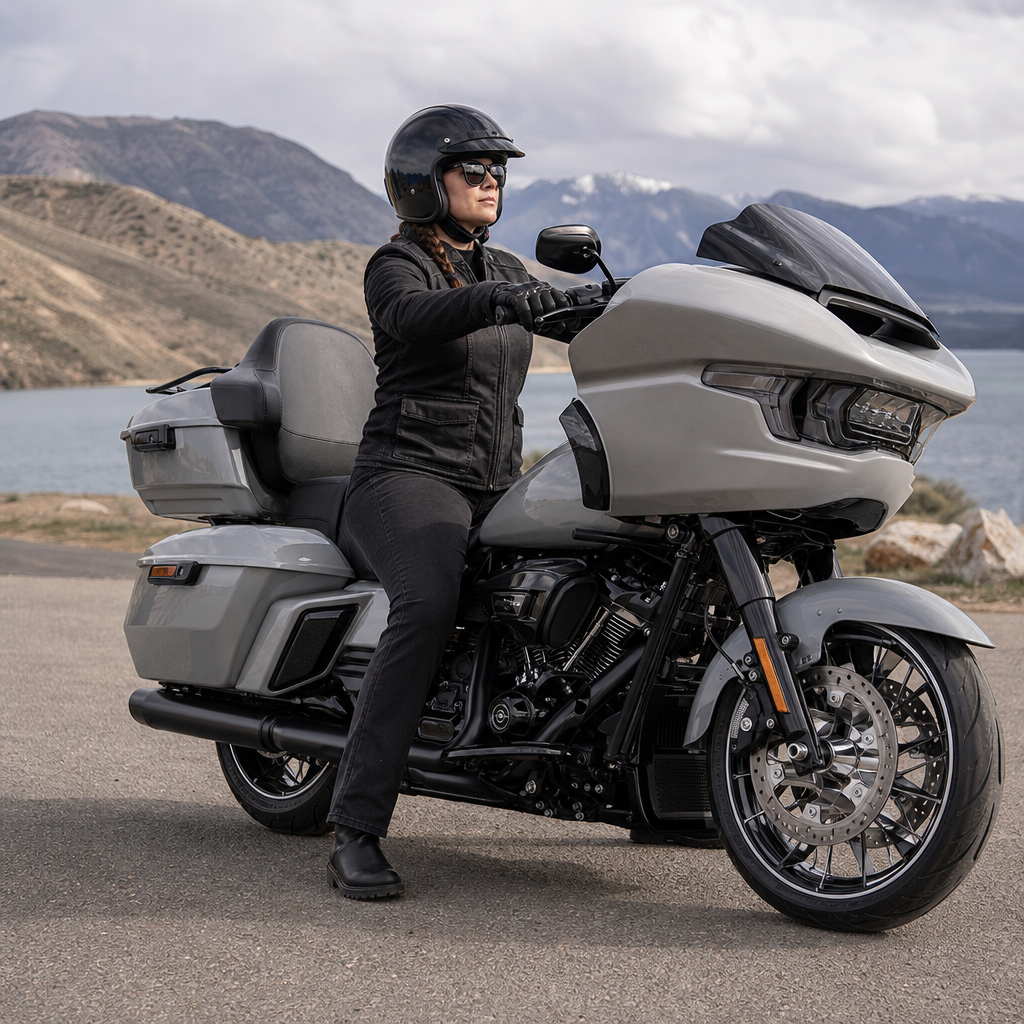
As a hub for Harley-Davidson fit and performance planning, this article connects the mechanical side of the 117 VVT to rider use cases. A shorter rider on a Road Glide may prioritize low-rpm response to reduce clutch slip and parking-lot effort. A tall rider on a Street Glide with a heavy touring load may care more about midrange passing torque and right-side heat management. Riders coming from older Twin Cam or non-VVT Milwaukee-Eight bikes also need a clear baseline: the 117 VVT already makes strong torque, so the best upgrade is usually the one that preserves velocity and improves area under the curve, not the one that posts the highest peak horsepower number. When you frame the problem that way, 2-into-1 and dual exhaust stop being fashion categories and become distinct torque strategies.
The short answer is simple. If your priority is maximum usable torque, sharper throttle response, and the broadest tuning window, a well-designed 2-into-1 is usually the best match for the 117 VVT. If your priority is classic balanced styling, passenger-pleasing sound distribution, and a smoother, less aggressive feel with respectable street torque, a quality dual system can still work well. The right answer depends on cam behavior, intended rpm range, rider size, bike model, luggage, and tuning discipline. The sections below break down exactly how to choose the best recipe.
How the 117 VVT Engine Changes Exhaust Decisions
The 117 VVT is not just a larger Milwaukee-Eight with a badge update. Variable valve timing alters intake closing and overlap behavior across engine speed and load, giving engineers more freedom to support low-end tractability while retaining upper-range breathing. In practice, that means the engine can tolerate a slightly broader range of exhaust combinations than a fixed-timing setup, but it still rewards systems that maintain strong exhaust gas velocity. Torque is cylinder filling, and cylinder filling at street rpm depends heavily on how effectively spent gases leave the chamber without creating dilution from reversion. A merge collector in a good 2-into-1 helps create that extraction effect more consistently than many dual layouts.
On the dyno, the difference often shows up less as a huge peak gain and more as a stronger curve between roughly 2,250 and 4,000 rpm, which is where touring Harleys spend much of their lives. That matters more than many riders realize. A bagger that picks up even 8 to 12 lb-ft through the midrange will feel materially stronger rolling out of corners, climbing grades in top gear, or accelerating two-up without a downshift. By contrast, an exhaust that sacrifices velocity can make the same engine feel softer at takeoff even if it sounds deeper or eventually catches up at higher rpm. Variable valve timing can reduce the severity of that loss, but it does not make an inefficient exhaust efficient.
The other overlooked factor is calibration. Harley-Davidson’s stock control strategy, emissions constraints, and closed-loop behavior can conceal or exaggerate what a pipe is doing. Once you add a freer-flowing intake and proper flash tune using a platform such as Screamin’ Eagle Pro Street Tuner where legal, Dynojet Power Vision, or ThunderMax depending on the build philosophy, the engine’s true preferences become clearer. The 117 VVT generally likes coordinated changes. A pipe alone can improve feel, but the best torque recipe is a system, not a single part.
2-into-1 vs. Dual Exhaust: What Each Design Really Does
A 2-into-1 exhaust combines pressure pulses from both cylinders in a collector designed to improve scavenging. When one pulse exits, it can help draw the next pulse along, especially if primary length, diameter, and collector shape are matched to the engine’s displacement and intended rpm band. On a 117 VVT touring bike, that usually translates into quicker torque rise, stronger midrange, and a more direct throttle feel. Good examples in the Harley world often come from brands such as D&D, S&S, Bassani, Fuel Moto’s partnered packages, and Stealth-oriented touring systems that emphasize collector design rather than cosmetic shell size alone. Not every 2-into-1 is good, but the good ones are predictably effective.
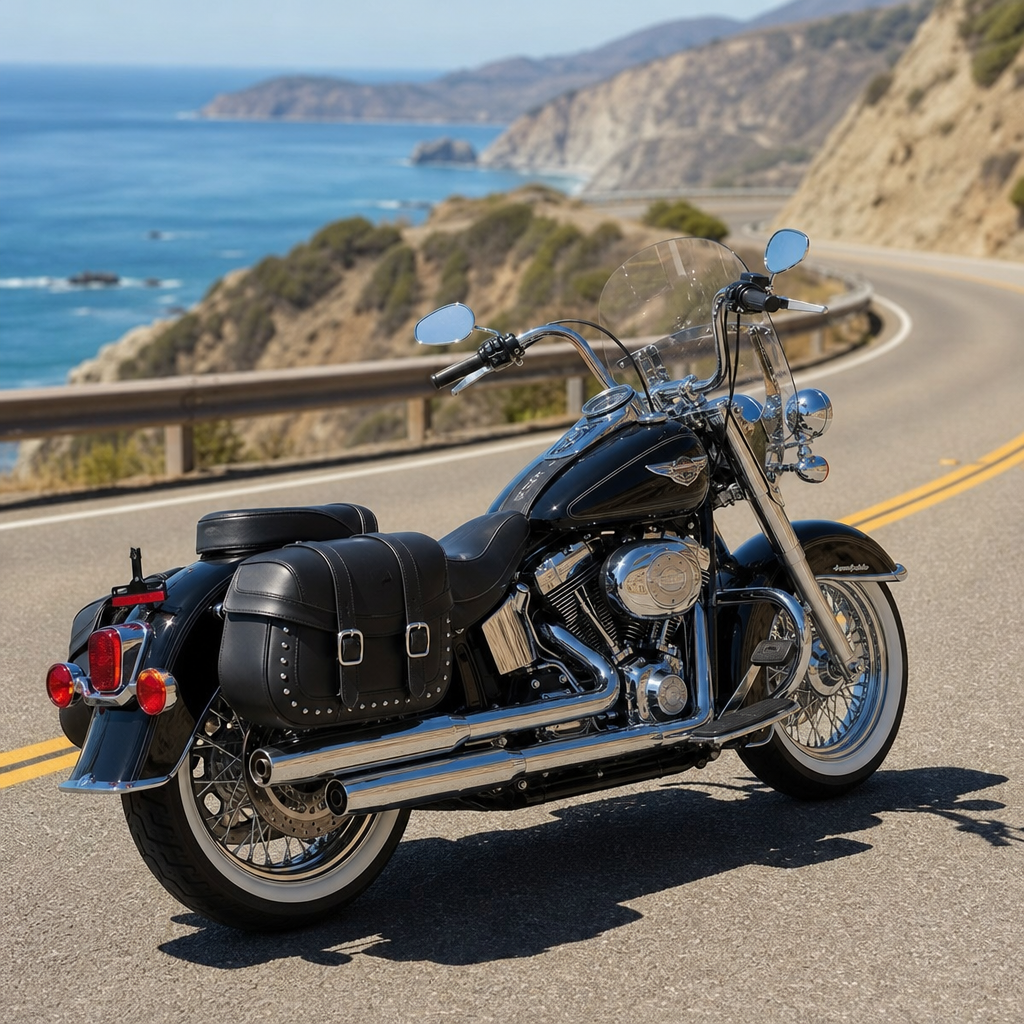
Dual exhaust systems prioritize separate flow paths and often deliver the traditional touring look many riders want, especially on full-dress bikes where symmetry matters. Some use crossover sections or balance features to share pulses and recover part of the scavenging benefit. High-quality true dual or head-pipe-and-slip-on combinations can perform acceptably, especially with conservative cams and riders who stay in the lower to middle range of throttle opening. They also spread sound more evenly behind the bike, which many passengers prefer. The limitation is that many dual systems simply do not create the same collector-induced extraction effect as a tuned 2-into-1, so they can give up some torque in the exact zone where baggers need it most.
There is also the issue of fit and use. A 2-into-1 may offer better cornering clearance and easier right-side bag packaging on some models, but certain designs can direct more concentrated sound near the rider or passenger depending on outlet placement. Duals can preserve the factory silhouette and often integrate more cleanly with stock heat shield lines. Riders who cover long interstate miles frequently notice that the “best sounding” setup at idle is not always the least fatiguing setup after five hours in the saddle. That is why the exhaust decision belongs inside a broader ergonomics-and-performance recipe, not on a showroom wall judged from ten feet away.
Best Torque Recipes for Different Harley-Davidson Riding Profiles
The right setup depends on how the motorcycle is used, not on forum mythology. I use a simple framework when advising riders: define the bike, define the load, define the rider’s inseam and posture needs, then choose the torque curve that reduces effort in normal riding. The table below summarizes the most reliable street recipes for the 117 VVT engine.
| Riding profile | Best exhaust choice | Supporting parts | Expected torque character |
|---|---|---|---|
| Urban bagger, solo rider, frequent stop-and-go | Stepped 2-into-1 with efficient merge collector | High-flow air cleaner, stock or mild torque cam, careful tune | Fast spool-up, strong launch, less clutch work below 3,000 rpm |
| Two-up touring with luggage and highway grades | Touring-focused 2-into-1 or balanced head pipe with high-quality slip-ons | Heat management strategy, torque-oriented calibration, stock gearing | Broad midrange pull, easier passing in top gear, stable load response |
| Style-first dresser owner wanting classic symmetry | Premium duals with crossover or tuned head pipe | Moderate intake upgrade, conservative tune, stock cam timing | Smooth delivery, respectable low-end, less aggressive but pleasant feel |
| Performance touring rider, spirited backroad use | High-quality 2-into-1 matched to mild performance cam | Cam chest plan, dyno tune, clutch evaluation if heavily modified | Strong roll-on torque from 2,500 to 4,500 rpm, crisp exits from corners |
For most riders, Recipe One is the default winner: a true performance 2-into-1, high-flow intake, and a refined street tune on the stock 117 VVT cam strategy or a very mild torque cam. This setup keeps the bike easy to ride, starts cleanly, and gives the strongest real-world benefit per dollar. Recipe Two is ideal for riders who travel with weight. Here the goal is not drama but effortless pull, especially against wind and grade. Recipe Three exists because aesthetics are a valid ownership priority; the key is choosing duals engineered with flow in mind rather than simply loud slip-ons. Recipe Four is for riders who want the bagger to feel athletic without sacrificing touring manners.
Ergonomics, Heat, and Model-Specific Fitment Considerations
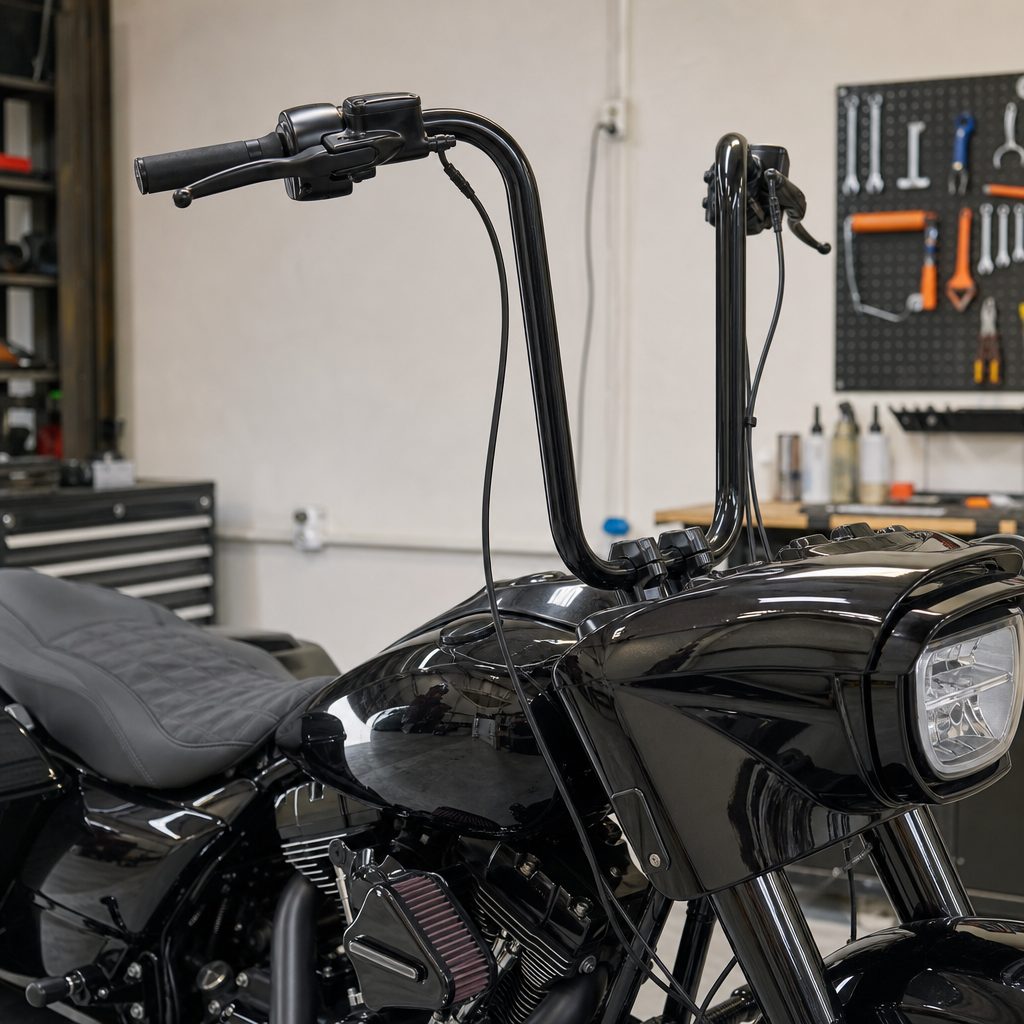
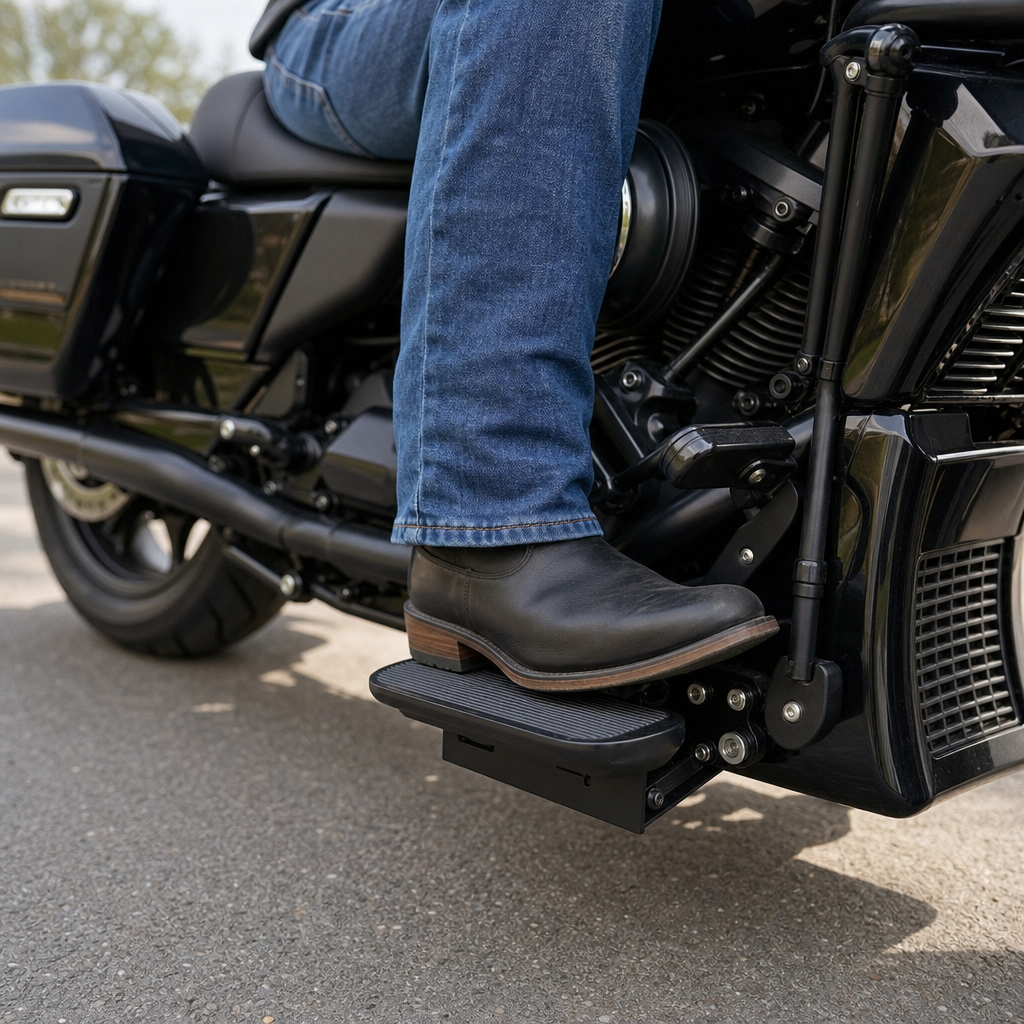
Performance on a Harley-Davidson touring bike is never just horsepower and torque because rider position determines how that torque is perceived. A shorter rider who sits deeper in the saddle and reaches farther for the bars tends to notice off-idle softness immediately because it increases low-speed workload. That rider benefits most from a 2-into-1 recipe that builds torque early and reduces clutch feathering. A taller rider with more leverage at the bars may tolerate a softer bottom end but will care about midrange pull and knee comfort around exhaust routing. This is why sub-pillar pages covering seats, bars, floorboards, and suspension should be treated as linked decisions, not separate shopping lists.
Heat is another major concern on the 117 VVT. Harley’s rear-cylinder management strategies help, but exhaust layout still affects radiant and convective heat felt at the inner thigh, calf, and passenger foot area. In my experience, some dual systems trap or spread heat differently around the right bag and lower leg, while some 2-into-1 systems move the main outlet farther rearward and simplify right-side air flow. The exact result depends on pipe routing, catalyst placement where applicable, heat shields, lowers, ambient temperature, and speed. Riders in southern climates or dense traffic should ask not just “Which pipe makes more torque?” but “Where does the heat go when I am stuck at three lights in a row?”
Fitment details also matter. O2 sensor placement, floorboard clearance, center stand compatibility on police or specialty configurations, passenger peg room, and bag lid opening can all change with aftermarket exhausts. A system that dynos well but requires awkward compromises can make the bike worse to own. On Road Glide and Street Glide models, I usually prioritize a setup that preserves service access and luggage function. On Road King builds, appearance often weighs more heavily, so a rider may willingly accept a small torque penalty for the traditional dual look. The best recipe is the one that supports how the motorcycle is actually ridden and lived with every week.
Tuning, Validation, and Common Mistakes to Avoid
The biggest mistake riders make is evaluating exhausts by idle note or one peak dyno number. Street torque is about the shape of the curve, air-fuel control, spark strategy, throttle mapping, and repeatable cylinder-to-cylinder behavior. A 2-into-1 that is poorly tuned can feel worse than well-sorted duals. Likewise, a dual setup with a smart crossover and proper calibration can outperform a cheap 2-into-1 built around noise instead of collector science. Validation should include before-and-after dyno pulls, but also road testing in the scenarios that matter: uphill roll-on from 60 mph in top gear, two-up launch from a stop, slow-speed U-turn smoothness, and heat perception in traffic.
Choose parts from companies with a record on Milwaukee-Eight touring bikes, not just generic V-twin branding. Collector geometry, stepped primary sizing, and muffler core design are not interchangeable details. Pair the exhaust with an intake that does not create turbulence at the throttle body, and resist oversizing components for a near-stock engine. Too much flow without adequate velocity is the classic way to build a bike that sounds serious but rides lazily. When considering cams, remember that the 117 VVT already has a broad operating window. Many riders get their best result from preserving that flexibility and strengthening the existing curve rather than installing a more radical profile that shifts gains too high.
If you are building a sub-pillar content map for Harley-Davidson ergonomics and performance recipes, this is the page that should branch into model-specific guides for Road Glide, Street Glide, Road King, and CVO touring setups, plus deeper articles on seats, bars, floorboards, suspension sag, intake selection, and tuning methods. Exhaust choice sits at the center because it changes the motorcycle’s feel everywhere. For the 117 VVT engine, the evidence is consistent: a quality 2-into-1 is the best torque recipe for most riders, especially those who value launch, midrange pull, and reduced effort under load. Dual exhaust remains a legitimate option when styling, sound balance, and factory-like visual symmetry matter more than extracting every pound-foot. Decide based on use, fit, and tuning quality, then test the result in the conditions you actually ride. If you want the best outcome, map your full riding profile before buying parts and build the package as a system.
Frequently Asked Questions
1. Which makes better torque on a Harley-Davidson 117 VVT engine: a 2-into-1 or a dual exhaust?
In most real-world performance builds, a well-designed 2-into-1 exhaust will produce the strongest and broadest torque curve on the 117 VVT engine. The reason is not just that it “flows better,” but that the merged collector helps create stronger scavenging. When one cylinder’s exhaust pulse moves through the collector, it can help pull spent gases out of the other cylinder during valve overlap. On a big-inch V-twin like the 117 VVT, that effect usually improves cylinder filling in the low-to-midrange, which is exactly where most street riders feel torque and acceleration.
That said, dual exhaust is not automatically a poor choice. A properly engineered dual system can still make excellent torque, especially if the design includes an effective balance strategy such as a crossover or tuned sections that reduce pulse disruption. Duals often preserve the classic Harley look and can deliver smooth, predictable power. But when riders compare true performance-oriented setups back to back, the 2-into-1 usually wins in terms of earlier torque, stronger midrange pull, and better overall efficiency.
For the 117 VVT specifically, variable valve timing changes the conversation slightly because the engine has more flexibility in how it manages cylinder filling across different rpm ranges. Even so, exhaust pulse tuning still matters tremendously. VVT can help optimize breathing under changing conditions, but it cannot completely overcome a weak exhaust layout. If your goal is the best torque recipe rather than simply the best sound or appearance, a quality 2-into-1 remains the most consistent answer for broad, usable torque.
2. Why does exhaust design matter so much for torque delivery on the 117 VVT engine?
Torque on the 117 VVT is heavily influenced by how efficiently the engine evacuates exhaust gases and draws in a fresh intake charge. Exhaust design affects backpressure, gas velocity, wave timing, and scavenging, all of which determine how full the cylinders are when combustion begins. Riders often focus only on peak horsepower numbers, but on a touring or performance cruiser platform, what really transforms the bike is torque spread: how hard it pulls from low rpm through the middle of the rev range. Exhaust design is central to that outcome.
On the 117 VVT, the variable valve timing system allows the engine to adjust valve events based on load and rpm. This improves flexibility, but it also means the engine can respond more noticeably to a tuned exhaust. If the pipes are sized correctly and the collector is doing its job, the engine takes better advantage of those shifting valve events. If the exhaust is oversized, poorly merged, or tuned mainly for appearance, the engine may lose exhaust gas velocity and soften the low-end torque that riders want for roll-on acceleration, passing power, and loaded touring.
In practical terms, exhaust design matters because it determines whether the bike feels crisp and muscular at 2,500 to 4,000 rpm or lazy until higher rpm. A torque-friendly system usually balances pipe diameter, header length, collector efficiency, and muffler restriction so the engine can maintain strong pulse energy without becoming choked on the top end. That is why the “best exhaust” for the 117 VVT is rarely the loudest or the most open. It is the one that matches the engine’s displacement, airflow needs, and intended riding range.
3. What is the best torque recipe for a street-ridden 117 VVT: exhaust, intake, cam behavior, and tune?
The best street torque recipe for a 117 VVT usually starts with a high-quality 2-into-1 exhaust designed for strong midrange scavenging rather than maximum peak horsepower. Pair that with a high-flow intake that improves breathing without sacrificing filtration quality or throttle response. From there, the ideal cam strategy is usually one that complements the VVT system instead of fighting it. In other words, you generally want cam behavior that supports fast cylinder fill and efficient low-to-midrange combustion rather than chasing an aggressive high-rpm profile that pushes the powerband too far up.
The tune is where the entire recipe comes together. On a 117 VVT, fueling and ignition must be calibrated to the actual exhaust and intake combination, not guessed at based on brand names or general assumptions. The right tune improves throttle response, stabilizes air-fuel delivery under transient conditions, and allows the engine to capitalize on the scavenging characteristics of the exhaust. It can also reduce excessive heat and sharpness that sometimes show up when hardware is installed without a proper recalibration. A bike with a moderate cam, excellent 2-into-1, good intake, and a careful tune often feels dramatically stronger than a bike with more radical parts that are poorly matched.
For riders who prioritize usable street performance, the winning combination is usually broad torque, not a dyno-sheet spike. That means choosing parts that work together from idle to the midrange. A collector design that preserves pulse energy, an intake that supports steady airflow, and a tune that respects the VVT engine’s operating logic will typically deliver the most satisfying result. The bike will launch harder, pull cleaner in the passing zone, and require fewer downshifts, which is exactly what most riders really mean when they say they want “more torque.”
4. Are dual exhaust systems ever the better choice for the 117 VVT engine?
Yes, dual exhaust systems can be the better choice in certain situations, but usually for reasons that go beyond pure torque performance. If a rider strongly prefers the traditional balanced look of dual mufflers, values a specific exhaust note, or wants a style that matches a particular touring or custom build, duals can absolutely make sense. There are also well-built dual systems that perform far better than outdated assumptions suggest, especially when they incorporate thoughtful internal design and some form of pressure equalization or pulse management.
Where duals can be attractive on the 117 VVT is in delivering a smoother, more linear character without the sharper, more aggressive feel some 2-into-1 systems create. Depending on the exact setup, the torque curve may be slightly softer in the midrange but still very usable and enjoyable on the street. For some riders, that tradeoff is worthwhile if they prefer the visual symmetry and deeper, separated exhaust cadence of duals. In touring applications where comfort, sound quality, and appearance matter just as much as outright thrust, a good dual setup can be the right overall choice.
The key is to be realistic about priorities. If the goal is maximum broad torque with the fewest compromises, the 2-into-1 still tends to lead. If the goal is a balanced package that preserves classic styling while still improving performance over stock, dual exhaust may be the smarter fit. On the 117 VVT platform, success comes from matching the exhaust to the intended use of the motorcycle rather than treating every build like a dyno competition.
5. How should riders choose between a 2-into-1 and dual exhaust if they care about real-world riding more than spec-sheet numbers?
The simplest way to choose is to decide where you want the engine to feel strongest. If you want the bike to hit harder off the line, pull more authoritatively through the midrange, and respond better during roll-ons without needing frequent downshifts, a 2-into-1 is usually the better answer. That setup tends to reward everyday riding conditions, especially on the 117 VVT engine, where efficient scavenging can noticeably improve the kind of torque riders use most often on the street and highway.
If your riding priorities include long-distance comfort, a traditional Harley appearance, and a particular sound signature, dual exhaust may better suit your overall experience. Real-world riding is not only about torque graphs. It is also about how the bike feels over hours in the saddle, how the exhaust note sits at cruise, and whether the build matches the rider’s aesthetic goals. A dual system that gives up a little midrange compared with the best 2-into-1 may still be the right choice if it better aligns with the rider’s expectations and use case.
The smartest approach is to think in terms of a complete torque recipe, not just one part. Exhaust choice should be considered alongside intake flow, cam behavior, VVT responsiveness, tuning quality, and even bike weight or typical load. A rider who mostly does two-up touring with luggage may value different torque characteristics than someone riding solo and aggressively through back roads. When viewed that way, the question is no longer “Which is best, period?” but “Which setup gives me the best torque where I actually ride?” For most riders, that answer points toward a tuned 2-into-1. For some, a refined dual system will still be the more satisfying total package.