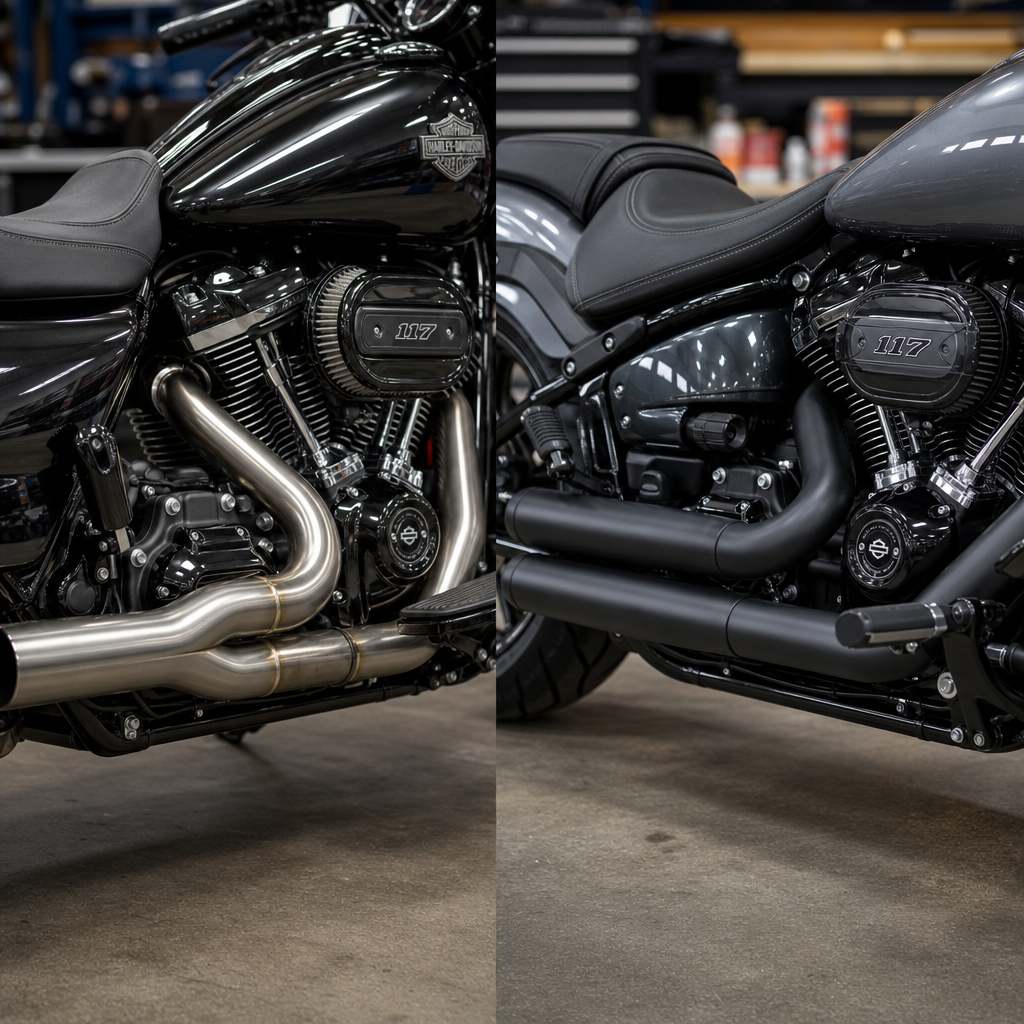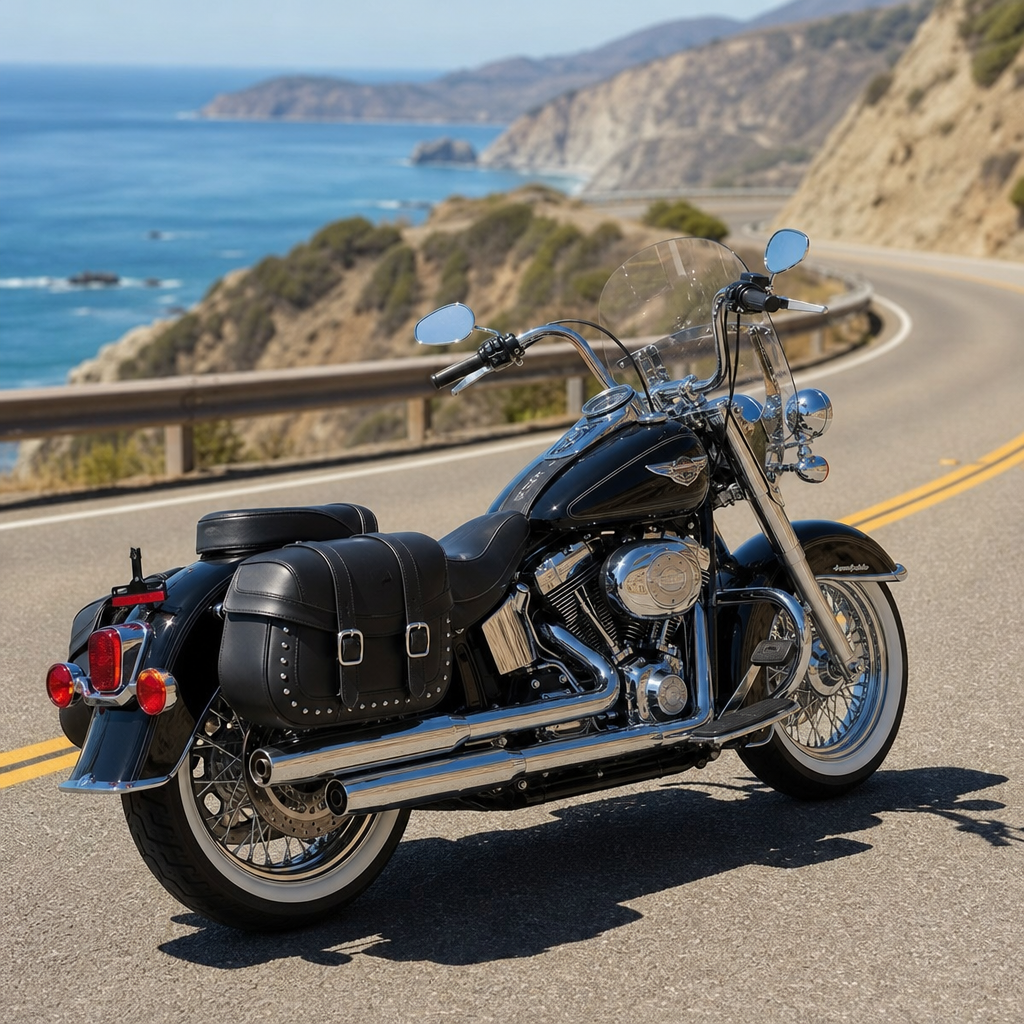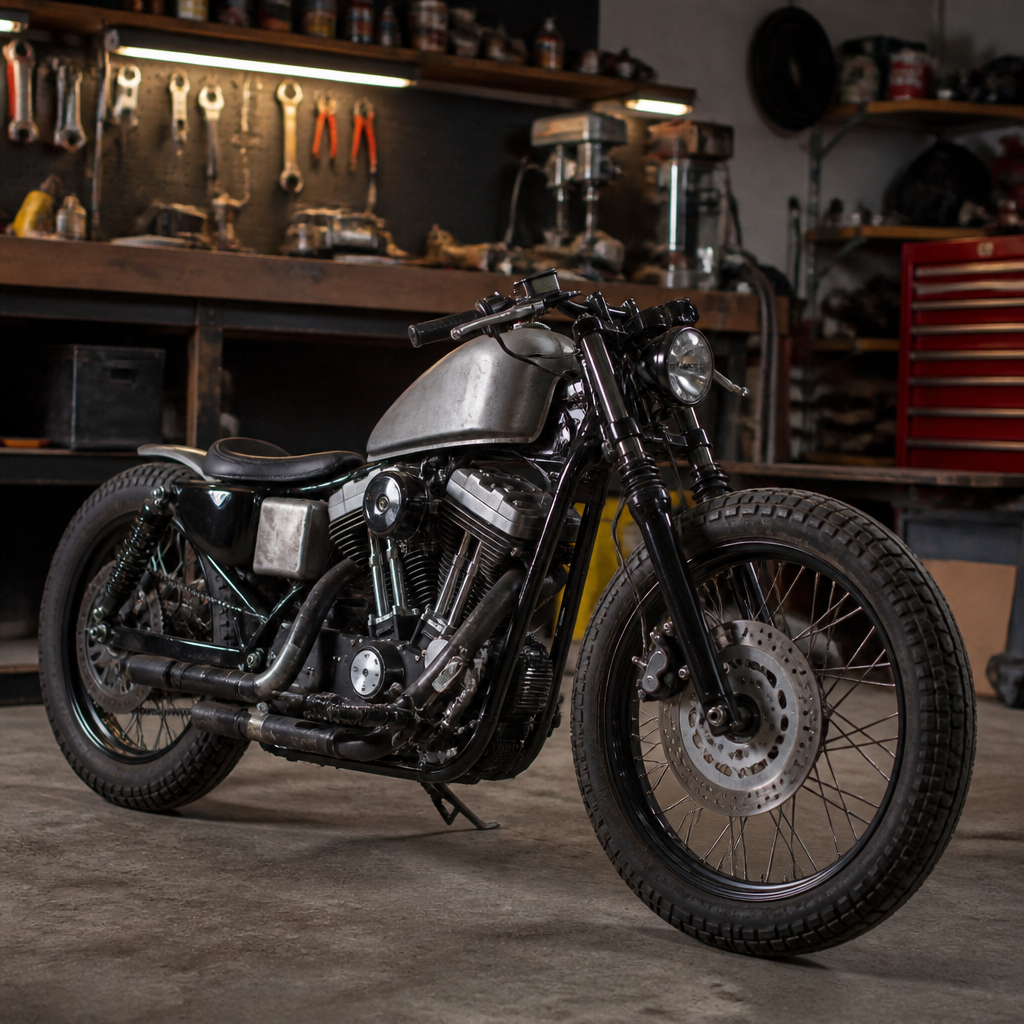
The Harley-Davidson Evolution era matters in 2026 because it sits at the perfect intersection of mechanical honesty, parts availability, and rising enthusiast respect. When riders talk about an “Evo” Sportster, they mean the air-cooled 45-degree V-twin powered by the Evolution engine family, fitted to Sportsters from 1986 through 2022, with the 1990s models standing out as especially attractive project bikes. A project bike, in practical terms, is not just a cheap motorcycle needing work. It is a platform with clear upgrade paths, manageable complexity, and enough aftermarket support that time spent in the garage turns into reliable miles instead of endless troubleshooting.
I have worked on Ironhead, Evo, Twin Cam, Milwaukee-Eight, and RevMax machines, and the 1990s Evo Sportster consistently delivers the best balance for owners who want to wrench, customize, and actually ride. It uses proven architecture, simple service procedures, and durable bottom-end design without the electronic density that defines many newer bikes. At the same time, it avoids many of the oiling, vibration, and heat-management frustrations that make earlier Harley platforms less forgiving for a first serious build. That combination is why the 1990s Sportster has become a smart buy in a market where Knuckleheads, Panheads, and even early Dynas have climbed far beyond casual project territory.
This hub covers the technical deep-dives every Harley-Davidson shopper or builder should understand: Evolution, Twin Cam, Milwaukee-Eight, and RevMax. The goal is not to flatten them into one ranking, because each engine was engineered for a different mission. The Evo is compact, tactile, and direct. Twin Cam brought displacement growth and stronger highway touring capability. Milwaukee-Eight refined combustion efficiency, cooling strategy, and vibration control. RevMax broke with tradition entirely, using a modern liquid-cooled, high-output architecture designed for performance and structural integration. Understanding those differences helps explain why a 1990s Sportster can be the ultimate 2026 project bike even while newer engines outperform it on paper.
For buyers, this subject matters because the wrong project starts with the wrong expectations. If you want effortless 120-horsepower performance, a stock 1996 Sportster is not the right answer. If you want a motorcycle you can strip, inspect, re-jet, re-gear, hardtail, tracker-build, or return to near-stock form with widely available parts and factory documentation, it absolutely is. That is the Evo soul: mechanical transparency. This article acts as the hub for the whole engine-family discussion, showing where the 1990s Sportster fits, what makes it special, and how it compares with Twin Cam, M8, and RevMax from a builder’s perspective.
What Makes the 1990s Evo Sportster Such a Strong Project Platform
The 1990s Sportster earns its reputation because Harley-Davidson had already solved many of the platform’s earlier weaknesses while preserving its essential simplicity. By that decade, the Evolution Sportster engine had matured into a dependable unit with hydraulic lifters, aluminum heads and cylinders, and straightforward carburetion. Common displacements were 883cc and 1200cc, and both used the same basic architecture. That shared foundation matters because it created a huge ecosystem of interchangeable parts, service knowledge, and conversion kits. Builders can turn an 883 into a 1200 with off-the-shelf components from S&S, Hammer Performance, Wiseco, and others, often for less money than repairing a more exotic engine with limited support.
The frame and packaging also make sense for real-world customization. A 1990s Sportster is physically smaller and visually tighter than most Big Twins, which means it can become a bobber, club-style commuter, canyon toy, or rigid-frame custom without fighting excess bulk. The bikes are narrow, relatively light by Harley standards, and use belt final drive on many models, reducing routine mess compared with chain setups. Most importantly, they remain mechanically legible. You can see the pushrod tubes, carburetor, ignition components, oil routing, and mounting strategy. Diagnosing problems does not usually begin with plugging in a scan tool; it starts with compression, spark, fuel, and timing, which is exactly what many home mechanics want.
Cost is the final reason these bikes stand out in 2026. Clean original examples have appreciated, but they are still attainable compared with collector-era Harleys or late-model performance builds. A rider can often buy a running 883 or 1200, refresh suspension, brakes, and charging components, and still spend less than the entry price of many newer used cruisers. Insurance is usually reasonable, and the supply of used tins, controls, wheels, and takeoff parts remains deep. When I advise first-time Harley project buyers, I usually steer them toward the cleanest, most complete 1994 to 2003 Sportster they can afford, because missing parts and bad prior modifications cost more than engine mileage.
Evo in Context: How It Differs from Twin Cam, M8, and RevMax
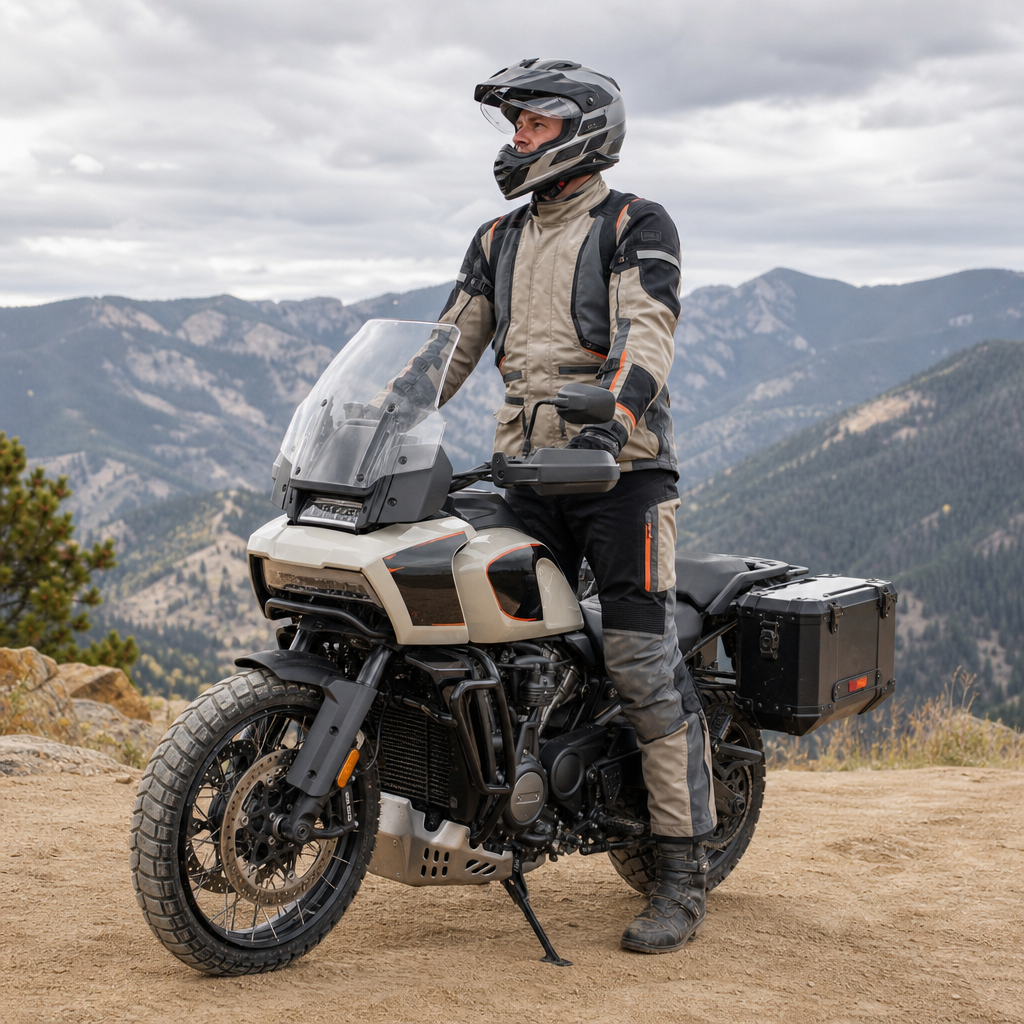
The Evolution Sportster engine is simple, air-cooled, and characterful, with a direct mechanical feel that later engines intentionally smooth out. Twin Cam, introduced for Big Twins in 1999, added a dual-cam valvetrain, larger displacement potential, and better highway authority, but it also introduced known concerns such as cam chain tensioner wear on early versions. Milwaukee-Eight, launched in 2017, moved further toward refinement with four valves per cylinder, improved combustion, stronger torque delivery, and much better stock cooling strategy on many models. RevMax, used in the Pan America and Sportster S, is a different species entirely: liquid-cooled, overhead cam, high compression, variable valve timing on some versions, and engineered as a stressed member for modern chassis performance.
For a project builder, “better” depends on the task. Twin Cam and M8 respond very well to performance modifications, but access, cost, and electronics rise quickly. Cam chest work, tuning hardware, ride-by-wire calibration, emissions equipment, and model-specific packaging all increase the skill threshold. RevMax is objectively advanced, but it is not a casual garage platform in the same way an Evo Sportster is. Its compact integration, liquid cooling, sensor network, and software dependence make it a poor candidate for the kind of low-cost personalization that defines classic project culture. The Evo’s advantage is not absolute performance. It is the ability to understand, service, and reshape the motorcycle with normal tools and established procedures.
This is why the 1990s Sportster sits at the center of the technical deep-dive conversation. It gives riders a baseline from which Harley-Davidson’s later engineering evolution becomes easier to grasp. Start with the Evo and you understand pushrod simplicity, rubber mounting changes that arrived later, carbureted fueling behavior, and the relationship between displacement and torque in a relatively light chassis. Move to Twin Cam and you see how Harley chased more cubic inches and touring capability. Move to M8 and you see combustion and refinement gains. Move to RevMax and you see the company answering a completely different market. The old Sportster remains relevant because it makes those shifts visible.
Known Weak Points, Maintenance Priorities, and Smart Upgrades
No honest guide should pretend 1990s Sportsters are flawless. They vibrate, especially in solid-mounted form, and that vibration affects fasteners, mirrors, and rider comfort on longer trips. Stock suspension is often underdamped. Brakes are adequate rather than impressive, especially by 2026 standards. Charging systems deserve scrutiny; regulators and stators can fail, and weak grounds create confusing symptoms. Carburetors, usually Keihin CV units on many models, are reliable when stock or mildly modified, but neglected bikes often arrive with random jets, intake leaks, or poorly fitted aftermarket air cleaners. Oil leaks are less dramatic than on older Harleys, yet rocker box seepage, primary gasket issues, and breather-related mess are common enough to inspect before purchase.
The good news is that the fixes are known and affordable. A proper baseline service includes compression testing, charging-voltage checks, intake leak inspection, fresh fluids, primary and clutch adjustment, wheel bearing evaluation, steering head bearing inspection, and a careful review of wiring integrity. I replace aged fuel lines, vacuum lines where applicable, and suspect battery cables immediately. Suspension upgrades transform these bikes more than many owners expect. Progressive Suspension, Bitubo, Öhlins, and Race Tech all offer solutions that sharpen control without changing the bike’s identity. Brake improvements such as braided stainless lines, quality pads from EBC or Galfer, and a master-cylinder refresh can make a bigger everyday difference than chasing horsepower.
When comparing platforms for a 2026 project, this pattern becomes clear:
| Engine family | Project strength | Main drawback | Best use case |
|---|---|---|---|
| Evo Sportster | Simple mechanics, huge aftermarket, low entry cost | Vibration, modest stock braking and suspension | Custom builds, first Harley projects, garage learning |
| Twin Cam | Strong torque, broad model range, proven hop-up path | Higher parts cost, early cam tensioner concerns | Dyna and touring performance builds |
| Milwaukee-Eight | Smooth torque, better stock efficiency, refined chassis integration | More electronics, more expensive mistakes | Modern bagger, cruiser, and club-style builds |
| RevMax | High output, advanced design, strong sport potential | Complexity, limited traditional customization pathways | Adventure and performance-focused ownership |
Engine upgrades should be chosen with discipline. A well-tuned 1200 conversion, improved ignition, proper exhaust scavenging, and accurate carb setup often outperform random bolt-ons. The best Evo Sportster builds I have seen were coherent systems, not parts catalogs on wheels. Builders matched cam timing to compression, carburetor flow to intended rpm range, and gearing to real riding. That approach preserves reliability. It also aligns with what makes these bikes attractive: you can make meaningful improvements without turning the machine into an expensive science project.
How This Hub Connects the Harley-Davidson Engine Families
As a hub under the wider Harley-Davidson topic, this page organizes the key technical pathways riders usually explore next. If your interest starts with project-bike value and engine accessibility, begin with Evo. The natural follow-up questions are straightforward: How does a Sportster 883 differ from a 1200 in piston, head, and gearing terms? Which years are better for sourcing parts? What changes after the 2004 rubber-mount redesign? Those are Evo-specific branches. From there, many riders cross-shop Dynas, Softails, and touring models, which leads directly into Twin Cam territory: cam chest design, tensioner updates, six-speed transmissions, and stage-building strategies.
The next branch is Milwaukee-Eight, where the conversation shifts toward combustion efficiency, thermal management, and rider-facing refinement. Here, technical deep-dives should address four-valve head design, single-cam layout, counterbalancing strategy on select models, and why M8 motorcycles feel dramatically smoother and stronger in stock form than older Big Twins. For riders considering a newer Harley but still valuing do-it-yourself ownership, understanding where M8 maintenance remains accessible and where dealer tools or advanced calibration enter the picture is critical. That is one of the most important links from this article, because many Evo owners eventually shop for a second Harley rather than replacing the first one.
RevMax completes the subtopic by showing Harley-Davidson’s modern engineering pivot. Any comprehensive Harley technical hub in 2026 must explain why the Pan America 1250 and Sportster S cannot be evaluated with the same assumptions used for carbureted Sportsters. RevMax uses liquid cooling, dual overhead cams, modern electronics, and chassis integration that make it comparable to contemporary performance machines from Ducati, KTM, and BMW more than to traditional air-cooled Harleys. That does not make it better for every owner. It makes it better for a different mission. A strong hub page should help readers move confidently among these articles based on riding goals, budget, and maintenance appetite.
Buying Advice for 2026: Which 1990s Sportster Should You Choose
If you want the best 1990s Sportster project bike in 2026, prioritize condition, completeness, title status, and evidence of sane ownership over model-year mythology. A stock or lightly modified bike is usually worth paying more for. The 883 is often the value play because purchase prices can be lower, insurance can be friendlier, and 1200 conversion paths are well documented. The 1200 makes sense if you want immediate torque and do not plan to tear into the top end right away. I tell buyers to inspect cold-start behavior, listen for top-end clatter that does not settle, verify charging output, check for intake leaks with carb cleaner or smoke testing, and look carefully at wiring splices, stripped fasteners, and hacked fender struts.
Specific year ranges matter less than maintenance records, but there are practical considerations. Mid-to-late 1990s examples often strike the best balance between maturity and classic feel. Pre-2004 solid-mount bikes are rawer and visually cleaner for many custom styles. They also retain the direct, compact character that builders often prefer. If your intended use includes longer freeway rides, a carefully sorted later rigid-mount bike with suspension and seat upgrades can still work very well, but you must be realistic about vibration. Avoid buying someone else’s unfinished “performance” project unless documentation is excellent. Unknown cams, mystery ignition modules, and nonstandard wiring can easily erase the low-cost advantage that made the bike appealing in the first place.
The central takeaway is simple: 1990s Evo Sportsters are the ultimate 2026 project bikes because they reward effort with understanding, not just with appearance. They teach owners how Harley-Davidson engines breathe, vibrate, oil, and respond to tuning. They connect directly to the broader story of Evo, Twin Cam, M8, and RevMax, making them the ideal entry point into serious Harley technical knowledge. Buy the cleanest example you can, baseline it properly, and build with restraint. Then use this hub to explore the deeper articles on each engine family and choose your next step with clarity.
Frequently Asked Questions
What makes a 1990s Evo Sportster such a strong project bike choice in 2026?
A 1990s Evo Sportster hits a rare sweet spot that project-bike hunters are always looking for: it is old enough to feel mechanical, simple, and character-rich, but modern enough to live with, repair, and upgrade without turning every job into an archaeological dig. In 2026, that balance matters more than ever. Riders want machines they can actually wrench on at home, understand without a laptop, and personalize without fighting impossible parts shortages. The 1990s Sportster delivers on all three fronts.
The Evolution-powered Sportster has earned respect because it is durable, straightforward, and deeply supported by the aftermarket. The engine is air-cooled, visually honest, and easy to access compared with many newer motorcycles. That means routine service, troubleshooting, and customization are more approachable for first-time builders and experienced garage mechanics alike. You are not just buying a motorcycle that needs work; you are buying a platform that rewards work. That is the real difference between a project bike and a money pit.
Another big reason these bikes stand out is parts availability. In the Harley world, few platforms have the long-term support that the Evo Sportster enjoys. Factory take-off parts, reproduction components, performance upgrades, suspension options, tanks, seats, bars, electrical replacements, and cosmetic pieces are still easy to find. That dramatically lowers the risk of a stalled build. Instead of hunting endlessly for one discontinued bracket or sensor, owners can focus on shaping the bike into what they want it to be.
There is also a cultural shift happening. For years, 1990s Sportsters were overlooked by collectors chasing older iron or bigger twins. In 2026, that underappreciation is exactly why they make sense. Enthusiasts have started to recognize their value, not just in price, but in experience. They are honest motorcycles with a strong mechanical identity, and they give owners room to build a custom, a canyon-carver, a stripped urban bike, or a light touring machine without starting from an overly complex platform.
When people say “Evo Sportster,” what exactly are they talking about?
When riders refer to an “Evo Sportster,” they mean a Harley-Davidson Sportster powered by the Evolution engine family, specifically the air-cooled 45-degree V-twin introduced to the Sportster line in 1986. That engine remained in Sportsters all the way through 2022, but the 1990s models have become especially appealing because they combine the classic Evo character with a relatively uncomplicated chassis and electrical setup.
The Evolution engine marked a major turning point for Harley-Davidson. Compared with earlier designs, it improved durability, oil control, and day-to-day reliability while preserving the look, sound, and feel that riders associate with traditional Harley twins. On a Sportster, the Evo motor gives the bike a distinctly raw but usable personality. It vibrates, talks back, and feels alive, yet it is robust enough to be ridden regularly rather than treated like a fragile vintage artifact.
In practical project-bike terms, “Evo Sportster” has become shorthand for a machine that can be restored, customized, and maintained without extreme technical barriers. These bikes are old-school in the best sense: carbureted on many 1990s examples, mechanically legible, and supported by decades of shared owner knowledge. Forums, manuals, tuning guides, and build recipes are abundant, which is incredibly important if you are buying a project and want confidence that someone has solved your problem before.
It is also worth noting that not every Evo Sportster is equally attractive to every builder. Some buyers want rigid-mount 1990s examples because they prioritize simplicity, visual compactness, and a more traditional feel. Others may prefer later versions for certain refinements. But if the conversation is specifically about the ultimate 2026 project bikes, the 1990s Evo models tend to stand out because they embody the era before complexity began to creep further in, while still benefiting from the Evolution engine’s reputation for toughness and usability.
Why are the 1990s models more desirable for projects than many newer or older Sportsters?
The 1990s models are desirable because they land in a very usable middle ground. Older Harleys can be incredibly charismatic, but they often demand more specialized knowledge, more expensive restoration paths, and more patience with outdated components or scarce parts. Newer bikes may be more refined, but they can also feel less accessible to builders who want a machine they can completely understand and reshape. A 1990s Evo Sportster often gives you the best of both worlds.
From a project standpoint, the 1990s bikes are attractive because they are still fundamentally simple. Their systems are easier to inspect, diagnose, and modify than those of many later motorcycles. The chassis is familiar, the engine is proven, and there is a huge amount of interchangeability across years and aftermarket manufacturers. That means a builder can correct deferred maintenance, improve reliability, and personalize the bike without needing exotic fabrication or model-specific wizardry for every step.
They are also desirable because they still feel like compact Harleys. Many riders appreciate that 1990s Sportsters have a lean, direct, purposeful character that works especially well for custom builds. Whether the goal is a period-correct restoration, a tracker-inspired setup, a club-style interpretation, or a minimalist bar-and-shield hot rod, the 1990s platform gives you a strong visual foundation. It is difficult to fake authenticity, and these bikes tend to have it naturally.
Finally, value plays a huge role. In 2026, the smartest project bikes are not just inexpensive to buy; they are sensible to own. A 1990s Sportster can often be purchased for less than many trend-driven customs or collector bikes, while still offering real long-term enjoyment and a reasonable chance of retaining enthusiast interest. That makes it a compelling platform for someone who wants to invest time, skill, and money into a bike that feels worth saving and worth riding once the work is done.
What should buyers inspect before choosing a 1990s Evo Sportster project bike?
The first thing to understand is that a good project bike is not necessarily the cheapest bike. It is the bike with a manageable list of problems, a solid core structure, and a clear path forward. On a 1990s Evo Sportster, buyers should start with the fundamentals: engine health, title status, frame condition, completeness, and signs of past neglect or poor modifications. A bargain disappears quickly if the motorcycle has major hidden damage, missing paperwork, or a pile of hacked wiring.
Engine condition is critical. Listen for unhealthy noises, assess how easily the bike starts if it runs, and look for excessive smoke, major oil leaks, or obvious signs of long-term abuse. Some seepage is not unusual on an older Harley, but heavy leakage, metal in drained oil, or evidence of botched repairs should raise concern. Compression and leak-down testing, when possible, can tell you far more than seller optimism ever will. A tired top end may still be acceptable in a project, but buyers should price it realistically.
The electrical system deserves close attention because neglect often shows up there first. Check for brittle connectors, nonstandard splices, mismatched switches, cheap aftermarket lights wired badly, and charging-system issues. Many project bikes become frustrating not because the engine is bad, but because the electrical work has been butchered by multiple owners. A mostly stock, unmolested harness is often worth paying extra for, even if the bike looks rough cosmetically.
Also inspect chassis and cycle parts carefully. Look for bent forks, rusty tanks, damaged wheels, worn swingarm components, tired shocks, and braking systems that have been ignored. Cosmetic ugliness is usually manageable; structural problems are not. And perhaps most importantly, evaluate completeness. Missing air cleaners, side covers, carb components, exhaust brackets, hardware, or model-specific trim can create a slow, annoying drain on time and budget. The best 1990s Evo Sportster project is usually the most complete, least tampered-with example you can afford, not the most dramatic “barn find” on the marketplace.
What kind of build can a 1990s Evo Sportster become, and is it still practical to ride regularly in 2026?
One of the biggest strengths of the 1990s Evo Sportster is how many directions it can go without losing its identity. That is why it works so well as a project bike. It can become a faithful stock-style restoration for riders who appreciate period Harley character, a stripped-down custom with cleaner lines and improved stance, a sporty backroad machine with suspension and brake upgrades, or even a compact light-tourer with the right ergonomic and luggage choices. The platform is versatile enough to support creativity, but grounded enough that the result still feels coherent.
That versatility is tied directly to the bike’s mechanical honesty. Because the platform is so well understood, owners can choose sensible upgrades rather than modifying blindly. Carb tuning, exhaust changes, intake improvements, fork upgrades, rear shock improvements, better tires, modern lighting, charging-system refreshes, and brake work can transform the riding experience without erasing the bike’s original soul. In fact, the best Sport