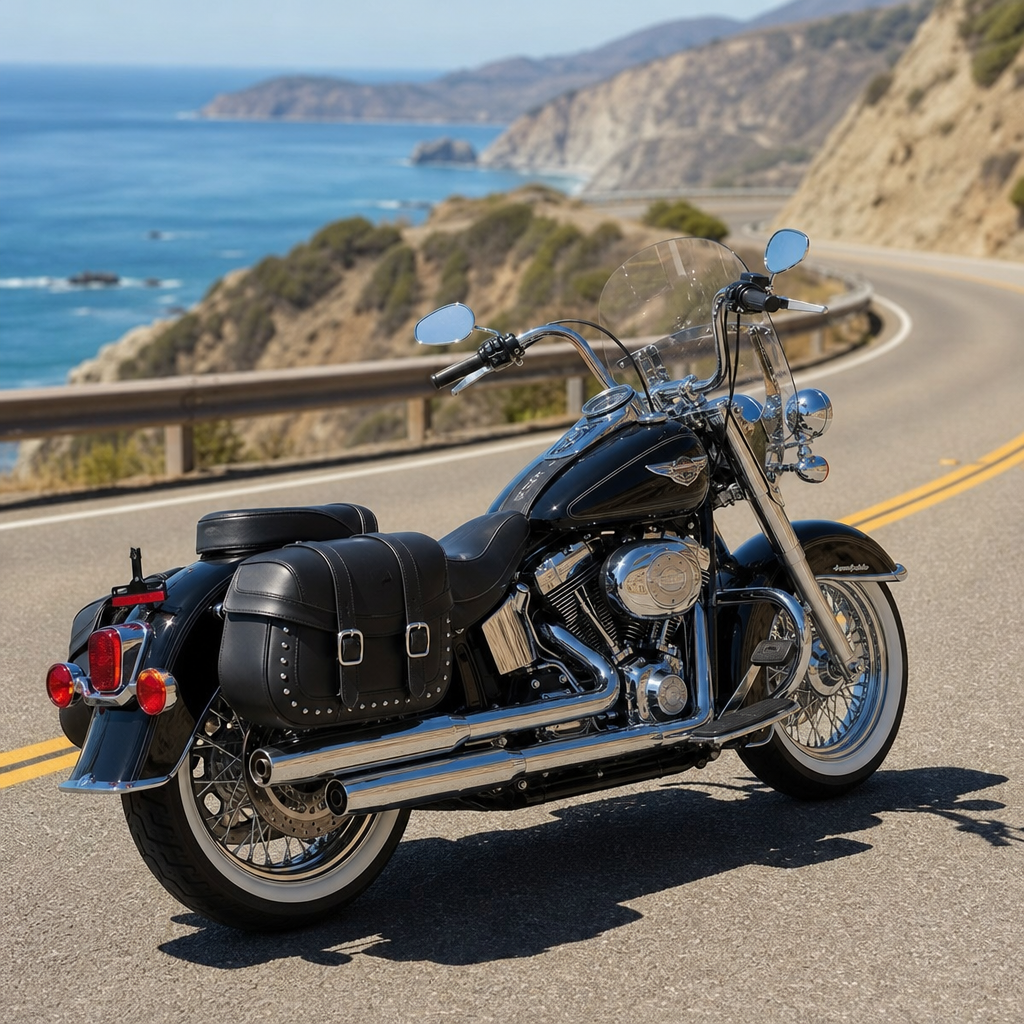
The California Lean on a 2026 Softail Heritage is the deliberate setup of air ride suspension so the bike sits slightly lower at rest, stays level under rider load, and still preserves the steering geometry, belt alignment, and cornering clearance that make the platform predictable on real roads. Riders use the phrase loosely, but in practice it means balancing stance, ergonomics, and travel instead of simply dumping the rear for looks. On a Harley-Davidson touring-style cruiser like the Heritage, that balance matters because seat height, floorboard position, windshield reach, passenger load, and luggage weight all interact with suspension pressure. I have set up dozens of Softail air systems over the years, and the best results always came from treating ride height as a recipe tied to rider size, use case, and handling goals rather than a universal number.
For the 2026 Softail Heritage, model-specific ergonomics and performance recipes matter because this motorcycle asks one chassis to do several jobs. It can be a boulevard cruiser, a light weekend tourer, a two-up machine, or a custom show bike. Each role changes the target suspension settings. A solo rider under 170 pounds typically wants a lower static height and quicker pressure changes than a rider carrying hard bags, a passenger, and a trunk roll. Meanwhile, front end feel cannot be ignored. If the rear is lowered too aggressively without considering fork position, trail increases, steering slows, and floorboards touch down earlier. If the rear is overinflated, the bike may feel tall, harsh, and vague over expansion joints. Understanding those tradeoffs is the foundation of a safe and attractive California Lean setup.
Key terms help clarify the process. Static ride height is the bike’s height with no rider. Rider sag is the amount the suspension compresses with the rider aboard in normal gear. Total travel is the full movement available before bottoming. Spring rate in an air system is effectively adjusted by pressure, but damping still controls how quickly the suspension compresses and rebounds. Geometry refers to rake, trail, and wheelbase relationships that shape handling. On the Heritage, these are especially noticeable because of the relaxed chassis, wide bars, floorboards, and substantial curb weight. Get the setup right and the bike feels planted, compliant, and easy to place in a corner. Get it wrong and even a premium air ride kit will mask problems until the first pothole, driveway transition, or hard sweeper exposes them.
This hub article explains how to adjust air ride suspension on the 2026 Softail Heritage with the California Lean in mind, while connecting the broader subtopic of model-specific ergonomics and performance recipes. It covers baseline measurements, pressure tuning, rider-fit strategies, cargo compensation, common mistakes, and practical maintenance. The goal is straightforward: help you build a repeatable setup that looks right in the parking lot and works right at speed.
Start With Baseline Measurements and Factory Geometry
Before touching pressure, measure the motorcycle exactly as it sits. I use three repeatable points: rear axle center to a fixed fender point, front axle center to lower triple clamp, and frame rail to the ground on level concrete. Record all three unloaded, with rider, and with rider plus normal cargo. This gives you a useful picture of static ride height, rider sag, and front-rear attitude. On Softails, a visual change of even half an inch at the rear can meaningfully alter steering feel because the low seating position makes geometry shifts feel larger than the raw number suggests.
Harley-Davidson does not engineer the Heritage around a slammed stance. The platform is designed to retain enough rear travel for comfort and tire control over broken pavement. In my experience, the smartest California Lean starts from a conservative drop at rest and restores enough operating height once the rider is aboard. That usually means avoiding the show-bike temptation to run near-empty pressure when rolling. If the fender sits dramatically close to the tire under rider load, you have already used too much travel before the first bump. On a cruiser with passenger capability and floorboards, that is not style; it is reduced margin.
Baseline geometry also includes tire pressure, wheel alignment, and belt tension at the intended ride height. Belt drive Harleys are sensitive to suspension position because axle-to-pulley distance changes through the arc of travel. If you tension a belt with the bike aired fully down but ride it aired up, the dynamic tension can end up tighter than expected. The same principle applies to brake hose slack and wiring near compressors or solenoids. A proper recipe starts with the ride height where the bike will actually spend most of its miles, not the pose used for photos.
Build a Pressure Recipe for Solo, Two-Up, and Loaded Touring Use
The fastest way to make an air ride Heritage inconsistent is to rely on memory instead of a written pressure recipe. Because temperature, cargo, and passenger weight all influence air spring behavior, every rider benefits from a simple chart kept on a phone or in the saddlebag. I recommend creating at least three presets: solo city, solo highway, and two-up or loaded. If your kit uses independent left and right control, note equal pressure first, then test whether compensation is needed for luggage imbalance. Most quality systems work best when side-to-side pressure differences are minimal.
As a working rule, target enough pressure that the suspension sits in the usable middle of its travel with the rider aboard. You want compliance over sharp edges and enough extension to keep the rear tire following dips. A Heritage used for local cruising can tolerate a slightly lower ride height than one used for long highway days, because repeated large-amplitude bumps expose underinflated settings quickly. The heavier the luggage, the more important it becomes to avoid “soft and low” assumptions. Low pressure can feel plush in a parking lot bounce test yet bottom repeatedly on real roads, which overheats components and unsettles the chassis.
| Use case | Primary goal | Typical setup priority | Common mistake |
|---|---|---|---|
| Solo city riding | Low stance with comfort | Moderate pressure, generous rider sag, easy compressor access | Running too low and scraping floorboards early |
| Solo highway | Stability and bump control | Slightly higher rear ride height, firmer damping if adjustable | Keeping the same low-pressure city setting at speed |
| Two-up cruising | Maintain geometry under load | Higher pressure, verify tire pressure and belt tension | Adding air only after the bike already squats excessively |
| Loaded weekend touring | Protect travel and tire contact | Balance luggage, increase pressure before departure, recheck hot | Ignoring asymmetrical bag weight and rear wallow |
Real-world testing matters more than static numbers. Ride a known loop with patched asphalt, a freeway expansion section, and one decreasing-radius corner. If the rear kicks up after bumps, rebound damping may be too fast or pressure too high. If it blows through travel and feels vague exiting corners, add pressure first before blaming damping. Over time, your recipe becomes specific: for example, one setup for a 185-pound rider with windshield and empty bags, another for that same rider plus 35 pounds of camping gear. Specificity is what makes a hub page on performance recipes useful.
Dial in Ergonomics: Seat, Floorboards, Bars, and Wind Protection
Suspension height is an ergonomic setting as much as a handling setting. On the 2026 Softail Heritage, small ride-height changes alter knee angle, hip rotation, and how the rider reaches the bars at slow speed. Lowering the rear can make flat-footing easier for shorter inseams, but if the bike squats too much with rider weight, the relationship between seat and floorboards tightens and the knees carry more bend on longer rides. Riders often blame the stock seat when the actual problem is excessive sag putting the pelvis in a rearward slump.
I have repeatedly found that riders between 5’6″ and 5’10” benefit from setting static height for confidence at stops, then using enough riding pressure to open the hip angle once moving. That is the essence of a practical California Lean: low when parked, correct when ridden. Taller riders, especially over six feet, usually prefer a higher running height than they expect because it restores legroom and reduces the tendency to drag boards early. If mini-floorboards or heel-toe shifter adjustments are planned, suspension should be finalized first. Otherwise, ergonomic parts get chosen around a temporary stance and may feel wrong after tuning.
Wind management changes too. On the Heritage, torso angle relative to the windshield affects buffeting. Drop the rear too far and the rider sits deeper behind the screen, which can move turbulence from chest level to helmet level. Raise the rear slightly and airflow may clean up. This is why model-specific recipes should consider more than inseam. A rider with a taller aftermarket seat and a 12-inch windshield needs a different setup from a rider using a low-profile saddle and short screen, even if their body weight is identical.
Protect Handling, Cornering Clearance, and Tire Life
Many air ride discussions focus on appearance, but the 2026 Softail Heritage still has to steer, brake, and hold a line on imperfect pavement. Lowering the rear increases rake and trail, slowing turn-in and making the bike resist midcorner corrections. Some riders like that heavy, settled feeling on straight roads, but there is a point where calm becomes reluctant. If you notice the bars needing extra effort in linked turns, the rear may simply be too low in motion. Raising it a small amount often transforms confidence more than any handlebar or tire change.
Cornering clearance is the next limit. Heritage floorboards, mufflers, and bracketry tell the truth faster than a parking-lot glance does. If sparks appear during ordinary cornering, the bike is not “dialed”; it is under-supported. The goal is to use available lean angle intentionally, not accidentally consume it because the suspension recipe leaves too little travel in reserve. This matters doubly two-up, where extra load compresses the rear and increases the chance of hard parts contacting the road over dips.
Tire wear offers useful evidence. Under-supported rear suspension often shows up as uneven rear tire wear, cupping from poor damping control, or a vague sensation when accelerating out of a bend. Overinflated air setups can reduce compliance and make the contact patch work harder over broken surfaces, leading riders to mistake chatter for aggressive handling. Keep in mind that tire pressure and suspension pressure are separate systems with related outcomes. A Heritage on correct tire pressures but poor ride height can still feel wrong, and no premium tire will fix repeated bottoming or skewed geometry.
Choose Components That Match the Heritage’s Real Use
Not every air ride kit is equally suited to a Heritage that sees miles instead of trailers. A quality system should include a compressor with a realistic duty cycle, weather-resistant fittings, abrasion-protected lines, and shocks or air struts with known travel figures. If damping is adjustable, that is a major advantage because pressure alone cannot solve every ride issue. I strongly prefer kits from established motorcycle suspension brands or proven Harley specialists over generic universal systems marketed mainly on stance. Parts support, rebuildability, and clear pressure guidance matter more over two riding seasons than an extra half inch of drop.
Installation quality determines reliability. Route air lines away from exhaust heat, protect them from chafe near the swingarm, and secure wiring with service loops rather than tight bends. Use thread sealant only where the manufacturer specifies it. After install, spray fittings with a leak-detection solution and leave the bike overnight at a known pressure. A drop indicates a problem that should be solved before road testing. On a touring-capable cruiser, a slow leak is more than an annoyance; it can change handling significantly over a day’s ride.
Also consider how controls fit your routine. Bar-mounted switches are convenient for quick compensation when adding a passenger, but hidden controls can be cleaner if the bike is mostly set-and-forget. Gauges should be readable in daylight. If the system lacks a trustworthy gauge, add one. Guessing pressure by eye is how good setups drift into bad habits.
Maintenance, Inspection, and Seasonal Re-Tuning
Air suspension on a Softail is not fragile, but it is maintenance-sensitive. Check pressure regularly, inspect lines at service intervals, and reassess settings when temperatures change significantly. Air pressure varies with ambient conditions, so a setup that feels perfect on a mild spring morning can sit lower on a cold autumn ride. Riders who commute notice this first because consistency matters more than occasional weekend use. I advise rechecking baseline measurements every few months, especially after tire replacement, luggage changes, or seat swaps.
Listen for compressor behavior. Longer run times, frequent top-offs, or inconsistent response usually point to leaks, electrical issues, or moisture contamination. If your system includes a tank, drain moisture as recommended. Corrosion inside valves or fittings shortens service life and creates erratic pressure changes. During routine chassis maintenance, inspect rear tire clearance at full load and verify that no wiring, hoses, or fender hardware has shifted into the travel path. These are simple checks, but they prevent the expensive mistakes most often blamed on the suspension itself.
The best riders treat tuning as iterative, not emotional. If a change improves comfort but increases wallow, note it and back up half a step. If a taller running height sharpens handling but adds seat reach anxiety, pair it with seat shaping instead of dropping pressure blindly. That recipe mindset is what makes model-specific ergonomics and performance tuning useful across the Harley-Davidson category.
The California Lean for the 2026 Softail Heritage is not a trick stance or a one-number pressure setting. It is a repeatable method for giving the bike a lowered visual attitude while preserving the suspension travel, rider fit, and steering behavior that make the Heritage enjoyable on real roads. Measure first, tune for rider sag, build written presets for solo and loaded use, and judge every change by comfort, clearance, and control. That approach keeps the bike attractive at rest and composed in motion.
As the hub for model-specific ergonomics and performance recipes, this page should guide every related decision: seat choice, floorboard position, windshield height, luggage load, and component selection all connect back to suspension setup. When you tune the air ride with the whole motorcycle in mind, the Heritage stops feeling like a compromise between style and function. It becomes a machine tailored to your body, your roads, and your miles.
Use this article as your baseline, document your own pressure recipes, and move next into the linked Harley-Davidson subtopics for seats, bars, wind management, and two-up touring setups. A few careful measurements and test rides will get you closer to the California Lean that looks right, rides right, and lasts.
Frequently Asked Questions
What does the “California Lean” actually mean on a 2026 Softail Heritage with air ride suspension?
On a 2026 Softail Heritage, the “California Lean” is not just a slammed look or a rear end dropped for parking-lot style. In practical suspension terms, it means setting up the air ride so the motorcycle sits slightly lower at rest, then rises into a balanced, usable attitude once the rider is on board. The goal is a clean stance without sacrificing the things that matter on the road: stable steering, correct belt tracking, enough suspension travel to absorb bumps, and enough cornering clearance to keep hard parts off the pavement too early.
That distinction matters because the phrase gets used loosely. Some riders use it to describe any low rear stance, but on a Softail Heritage the smart version is more measured. You want the bike to appear composed and intentional when parked, yet remain level and predictable when loaded with a rider, passenger, or luggage. If the rear is set too low, the chassis can become lazy or inconsistent, the front end can feel light, and the bike may drag earlier in turns. If the setup is too aggressive in the opposite direction, you lose the visual effect and often some of the easy reach and comfort riders want from an air ride conversion.
In short, the “California Lean” done correctly is a balance of aesthetics, ergonomics, and mechanical discipline. It is about managing ride height in a way that preserves the Heritage’s real-world manners rather than defeating them. That means using pressure, sag, and ride-height measurements as your reference points instead of chasing the lowest possible parked position.
How should I adjust air ride pressure to get the look I want without hurting handling or ride quality?
The best approach is to treat air pressure as a tuning tool, not as a styling shortcut. Start by establishing three conditions: the fully extended height, the parked resting height, and the loaded ride height with the rider in normal gear seated on the bike. Those three points tell you much more than pressure numbers alone, because different air ride systems can reach similar pressures while producing different ride heights and spring behavior. What you are looking for is a parked stance that is slightly lower than stock, then a loaded height that keeps the bike close to level and leaves enough usable travel for actual road impacts.
A good rule is to make small changes and evaluate one variable at a time. Raise or lower pressure in modest increments, then check how the Heritage responds during braking, corner entry, mid-corner stability, and acceleration over uneven pavement. If the rear feels harsh and skips over bumps, pressure may be too high or travel too limited by the setup. If the bike wallows, bottoms out, or squats excessively under load, pressure may be too low. You should also pay attention to steering response. Too much rear drop can slow steering and alter chassis attitude enough to make the bike feel less precise, especially in faster sweepers or when transitioning through turns.
Ride quality depends on maintaining enough available stroke in the shock to let the suspension work. That is where many poor setups go wrong. Riders focus on static appearance and forget that air ride still needs room to compress and rebound. On a touring-style cruiser like the Heritage, that matters even more because the motorcycle is expected to carry weight and remain composed on imperfect roads. The ideal setup is one where the bike looks intentionally lower when parked, but once underway it feels planted, controlled, and consistent rather than soft, choppy, or vague.
Also remember that passenger weight, luggage, and ambient temperature can all influence the final result. Air systems are sensitive to load and can change character if you tune for solo riding and then add a passenger without compensating. For that reason, many owners keep a simple record of ride height and pressure for solo, two-up, and loaded touring use. That gives you repeatable settings and reduces guesswork.
Can lowering the rear too much affect steering geometry, belt alignment, or tire and fender clearance?
Yes, and this is one of the most important reasons to approach the “California Lean” carefully. On the 2026 Softail Heritage, rear ride height affects more than just the visual line of the bike. It changes chassis attitude, which influences rake and trail in practical terms, and that can alter how the motorcycle initiates turns, holds a line, and reacts during braking or acceleration. An excessively low rear can make the front end feel less settled in some situations and can reduce the balanced, predictable feel the Softail platform is known for when properly set up.
Belt alignment and drivetrain geometry are also concerns. While modest ride-height changes are often manageable, extreme lowering can place the swingarm and belt system into positions they were not meant to live in continuously under load. That can contribute to unusual belt behavior, inconsistent tracking, extra wear, or unwanted tension changes through suspension travel. The farther you move away from a sensible operating range, the more likely you are to create side effects that may not be obvious until miles later.
Clearance is another major issue. Rear tire-to-fender clearance, shock travel before bottoming, and the position of saddlebags or other accessories all need to be checked with the bike compressed under real rider weight, not just while it sits unloaded in the garage. A setup that looks fine at rest can still contact internally over a dip, bridge joint, or pothole. Likewise, reducing ride height too far lowers cornering clearance, so floorboards or other hard parts may touch down earlier than expected. On a heavy cruiser, that is not just inconvenient; it can upset the bike if it happens abruptly mid-turn.
The safe way to evaluate a lowered setup is to inspect full travel, check belt line and clearance points, and confirm the bike remains level and usable in the conditions you actually ride. If any part of the system is close to interference, the stance is too aggressive for real-world use, no matter how good it looks parked.
What is the right way to set sag and loaded ride height on an air ride Softail Heritage?
The right way is to think in terms of loaded geometry, not just unloaded appearance. Sag is essentially how much the suspension settles under the bike’s own weight and then under the rider’s weight. With air ride, that same principle applies even though the spring medium is air rather than a conventional coil. You want the suspension to settle enough to stay compliant and planted, but not so much that it runs out of travel or changes the chassis attitude excessively.
Begin by measuring from a repeatable point on the chassis to the axle center or another consistent reference with the suspension fully extended. Then measure the bike at rest under its own weight. Finally, measure it again with the rider seated in normal riding position, feet up if possible, and any typical luggage installed. The most meaningful number is the loaded ride height because that is where the motorcycle spends its working life. For the “California Lean,” the parked number can be lower for visual effect, but the loaded number should bring the chassis back into a near-level, roadworthy position.
As you adjust, the question to ask is simple: does the bike still have enough upward and downward suspension movement to function properly? If the bike barely compresses further once you are seated, it will ride harshly and may top out or feel skittish. If it collapses too deeply into the stroke, it may bottom, steer poorly, and lose composure on rough pavement. The sweet spot is where the bike feels settled and controlled, keeps a reasonable relationship between front and rear ride heights, and still offers enough travel to absorb normal road inputs without drama.
It is also wise to check your settings in the exact trim you use most often. Solo around-town riding, highway cruising with bags packed, and two-up touring can all require different pressures to maintain the same effective sag. Air ride can be very adaptable, but only if you tune it for the actual load. That is why riders who get the best results treat setup like calibration rather than decoration.
How can I tell if my “California Lean” setup is too extreme, and what are the warning signs on the road?
If the setup is too extreme, the bike will usually tell you quickly. One common sign is reduced cornering clearance. If the Heritage starts touching floorboards, brackets, or other hard parts much earlier than expected in normal riding, the rear may be sitting too low under load. Another warning sign is frequent bottoming over dips, expansion joints, or broken pavement. That means the suspension does not have enough remaining travel for real road use, which defeats the purpose of an air-adjustable system.
Handling feedback matters too. If the front feels vague, the bike resists turning and then falls in awkwardly, or it seems less composed mid-corner than it did before, ride height may be compromising the chassis attitude. Likewise, if the rear feels bouncy, choppy, or unpredictable, the pressure and travel balance may be off. Some riders also notice belt noise, unusual wear patterns, or a sense that the drivetrain feels more strained when the geometry is pushed too far away from normal operating range.
Visually, there are clues as well. Very little tire-to-fender clearance, the bike appearing severely tail-low with the rider aboard, or accessories sitting unusually close to the ground all suggest the setup may be more show-oriented