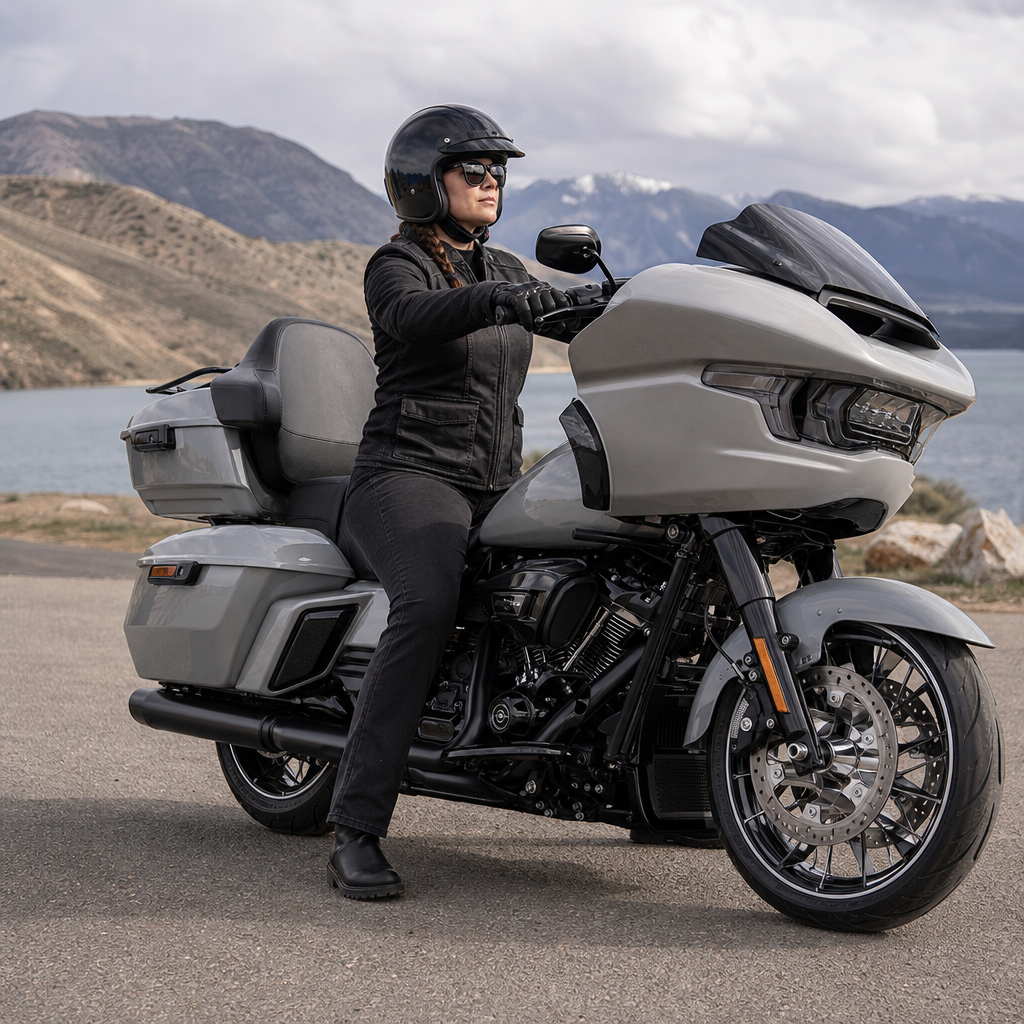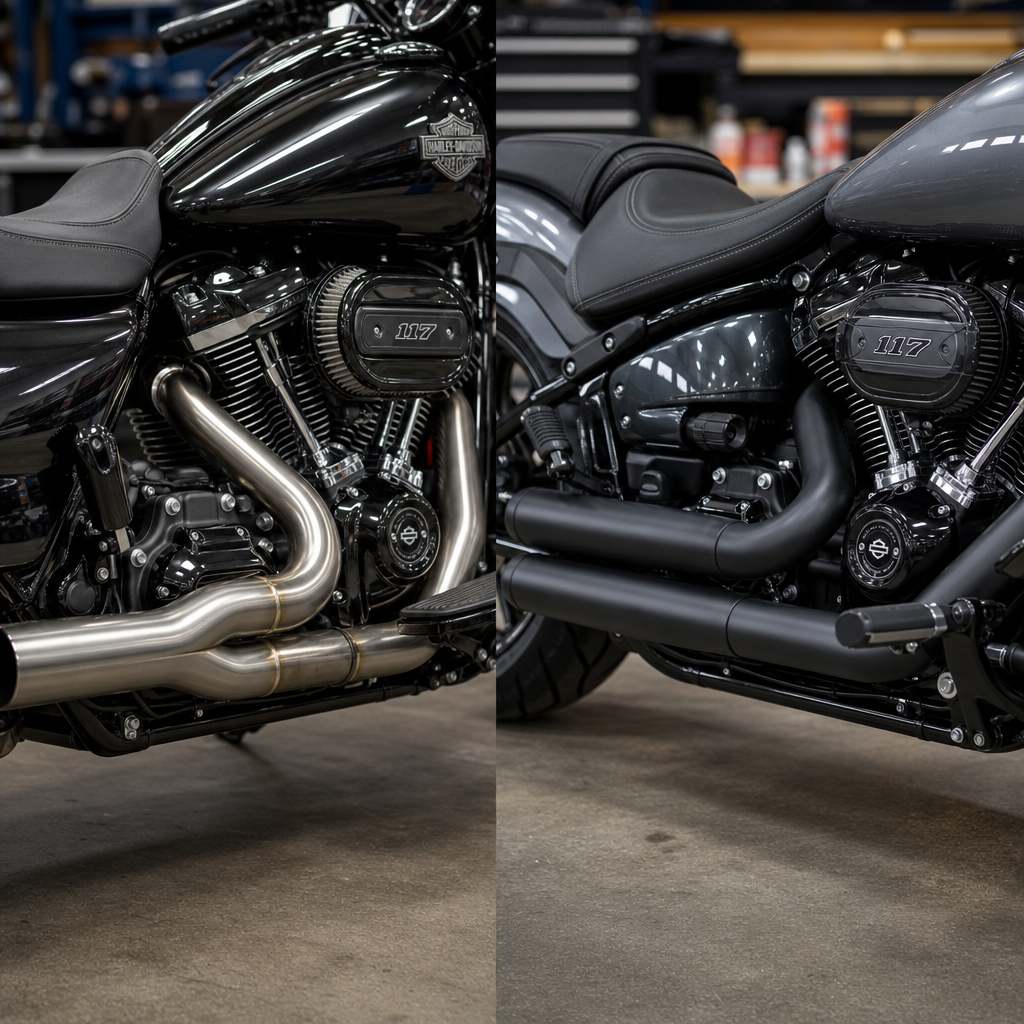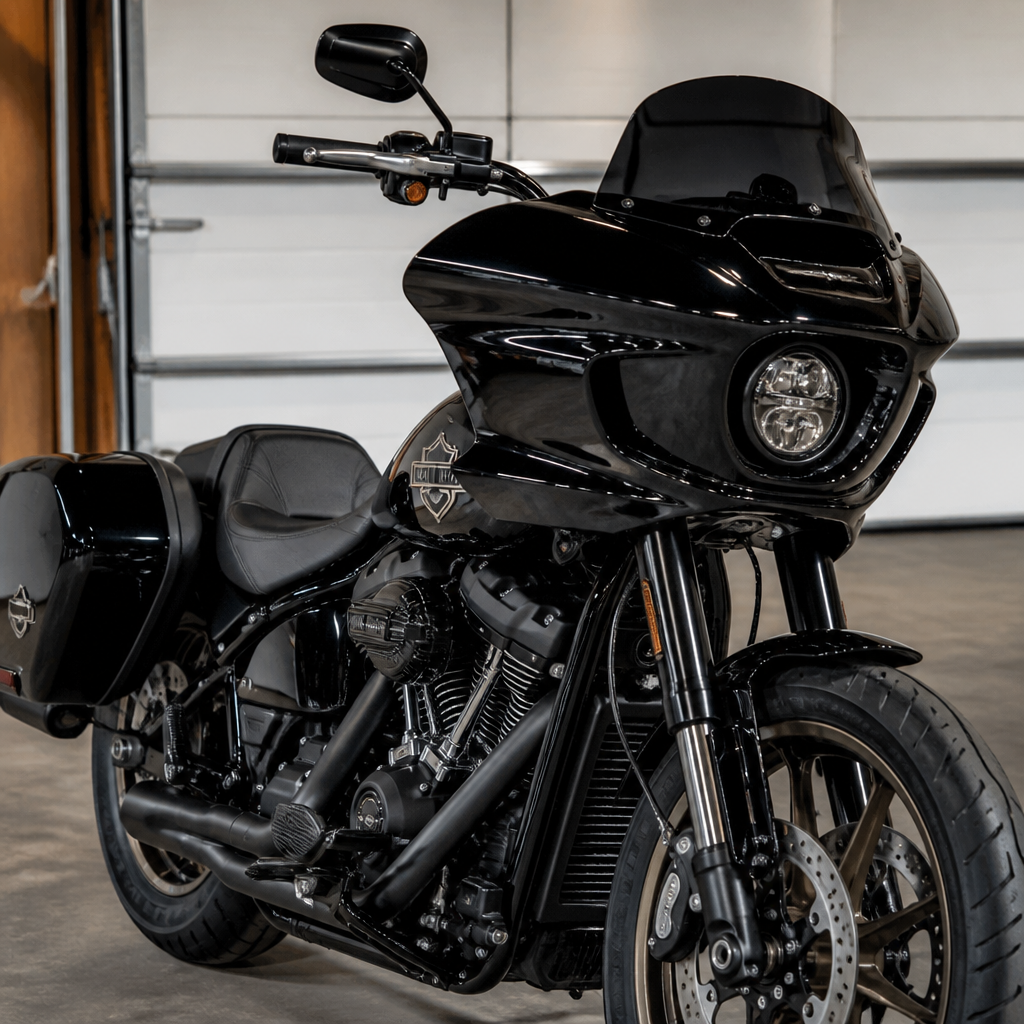
The used 2022 Low Rider ST sits at a sweet spot in Harley-Davidson’s modern lineup: new enough to deliver the Milwaukee-Eight 117, frame-mounted fairing, and performance-touring intent, yet old enough that early wear patterns are now visible in the resale market. For buyers shopping this model as part of a broader Harley-Davidson used buyer guide spanning 1990 through 2049, two details deserve unusually close attention during inspection: the fairing brackets and the clamshell hard bags. Those parts define the bike’s identity, affect handling and practicality, and can become expensive if neglected, damaged, or poorly repaired. A careful inspection helps separate a genuinely well-kept Low Rider ST from a cosmetically clean bike hiding tip-over stress, vibration fatigue, or luggage alignment issues.
In plain terms, the fairing brackets are the metal mounting structures that secure the frame-mounted fairing, headlight nacelle components, and related hardware to the motorcycle’s chassis. On the Low Rider ST, bracket condition directly influences wind protection, high-speed stability, headlight aim, and long-term resistance to cracking around mounting points. The clamshell bag is Harley-Davidson’s side-opening hard saddlebag design fitted to this model. Each bag uses a rigid shell, hinge arrangement, latch hardware, seals, and support structure that must remain correctly aligned to keep water out, prevent rattles, and avoid contact with suspension or exhaust components. These are not minor trim pieces. They are structural, functional assemblies that buyers should treat as core value drivers when evaluating a used example.
This matters because the 2022 Low Rider ST attracts a broad mix of owners. Some bikes were used for commuting and weekend trips. Others were modified quickly with taller bars, audio kits, suspension changes, and custom paint. I have inspected enough used Harleys to know that fairing and bag issues often appear after small incidents owners do not consider serious: a garage tip-over, a trailer strap compressing bodywork unevenly, an overloaded saddlebag on rough pavement, or accessory installation that placed stress on original mounts. Problems may not show up on a quick walk-around. They emerge as vibration at speed, uneven bag gaps, latch resistance, stress whitening in paint, or fasteners that no longer sit square. Buyers who understand these clues can negotiate more effectively and avoid inheriting repair bills that easily run well into four figures once paint, brackets, and labor enter the estimate.
As a hub article for Harley-Davidson used buyer guides from 1990 to 2049, this page focuses on one model-specific case while showing the inspection mindset that applies across decades. Whether you are comparing a carbureted Dyna from the 1990s, an early Twin Cam touring bike, a Softail from the 2010s, or a future release later folded into this guide range, the same used-buying rule holds: inspect the expensive model-defining components first. On a 2022 Low Rider ST, that means verifying the fairing bracket system and clamshell bag assembly before getting distracted by paint gloss, aftermarket exhaust, or low odometer readings.
Why the 2022 Low Rider ST deserves a model-specific used inspection
The Low Rider ST is not just a Low Rider S with bags added. Harley-Davidson built it around a distinct sport-touring brief, combining the Milwaukee-Eight 117 engine, frame-mounted fairing, mid-mount controls, taller rear suspension stance than many cruisers, and lockable hard luggage. That package gives the bike a unique blend of acceleration, lean angle, and highway range appeal, which is exactly why used demand remains strong. Strong demand, however, can create rushed purchases. Buyers may assume that a two- or three-year-old Harley should need only routine checks. In practice, this model’s touring hardware creates inspection points that are more specialized than on a stripped cruiser.
The frame-mounted fairing places aerodynamic load into the bracket structure instead of the handlebars. That setup improves stability at speed, but it also means any prior impact or twisting force can transfer into mounts, welds, and fastener points. A bike can track straight on a test ride and still have a bracket that has been bent slightly then reinstalled. Similarly, the clamshell bags are practical and visually clean, but they depend on accurate alignment. If a bag support is off by a few millimeters, the owner may live with a hard latch, uneven lid gap, or occasional leak. You, as the next owner, inherit the nuisance and the future repair.
Because this article serves as a hub within Used Buyer Guides: 1990–2049, it also helps establish a process you can apply to linked Harley-Davidson inspections by year, platform, and engine family. Start with model-specific weak points. Confirm originality or quality of modifications. Inspect evidence of drops, vibration, and overloading. Then move to the universal checks: service records, tire age, brake wear, battery health, charging output, fork condition, belt and pulley wear, wheel trueness, and electronic fault codes where applicable. The Low Rider ST simply gives us a clear case study because its fairing and hard bags are easy to value yet often underestimated.
How to inspect the fairing brackets for damage, fatigue, and poor repairs
Begin with symmetry. Stand several feet in front of the motorcycle and sight the fairing relative to the front wheel, fork tubes, and fuel tank centerline. The fairing should appear centered and level, with even spacing around visible edges and no obvious droop to one side. Next, move closer and inspect the bracket mounting points using a flashlight. Look for chipped paint around bolt heads, witness marks showing hardware has shifted, non-matching fasteners, washers stacked as shims, or fresh black paint applied only to a localized area. Those clues often indicate prior disassembly after a tip-over or minor collision.
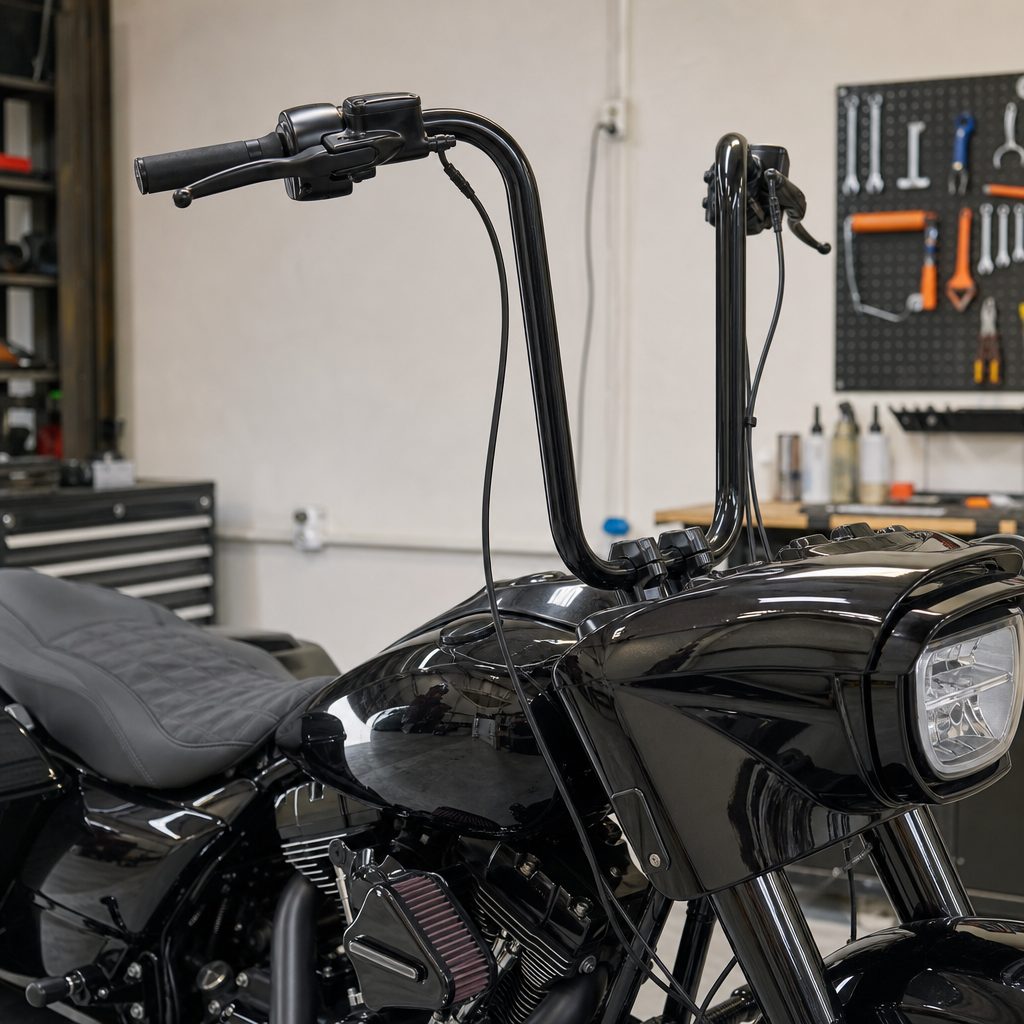
On a used 2022 Low Rider ST, ask whether accessories were mounted to the fairing. Audio amplifiers, phone mounts, extra lighting, and taller windscreens can add weight or vibration. None of these upgrades is automatically a problem, but they change load paths. I pay close attention to any bracket tab that supports added equipment because cracks usually begin at edges, weld toes, or bolt holes where cyclic stress concentrates. Even if no crack is visible, rust staining or a fine line in the coating can be an early warning. If possible, remove the windshield or inner trim panels only with the seller’s permission so you can inspect hidden bracket sections and confirm that hardware is not cross-threaded.
During a test ride, fairing bracket issues often announce themselves through resonance. At certain rpm ranges, especially under moderate load, a compromised mount may produce a buzz, flutter, or plastic-on-metal rattle that disappears when engine speed changes. Check headlight aim after the ride as well. If the beam appears unusually high, low, or slightly skewed despite normal suspension sag, bracket distortion may be part of the story. Also inspect steering from lock to lock with the bike stationary. A frame-mounted fairing should not interfere with controls, wiring, or brake lines. Binding or stretched cables can mean prior modifications were installed without regard to original clearances.
| Inspection area | What to look for | Why it matters |
|---|---|---|
| Fairing alignment | Uneven gaps, left-right tilt, off-center headlight | Can indicate bent bracket or previous impact |
| Bracket hardware | Tool marks, mismatched bolts, stacked washers, fresh paint | Suggests repair, adjustment, or hidden damage |
| Vibration signs | Cracks in coating, rattles at set rpm, loose trim | Points to fatigue or unsupported accessory weight |
| Bag fitment | Hard latching, uneven lid gap, rubbed paint, water stains | Shows bag misalignment, hinge wear, or seal failure |
| Support structure | Scuffed rails, bent mounts, exhaust-side heat damage | Affects safety, durability, and replacement cost |
How to inspect the clamshell bags for alignment, sealing, and structural integrity
The Low Rider ST’s clamshell hard bags are central to the bike’s value because they transform it from performance cruiser to credible light tourer. Start by opening and closing each bag multiple times. The motion should feel deliberate but not forced. A bag that needs to be slammed, lifted, or pushed inward before latching is telling you something. Misalignment may come from a bent support, a shifted hinge, damaged latch hardware, or shell distortion after impact. Compare both sides. One side often serves as the control. If the right bag latches cleanly and the left requires pressure, inspect the left support and hinge geometry more aggressively.
Look along the bag seams for even gaps. Check the weather seals for flattening, tears, or sections that have pulled away from the channel. Water intrusion leaves evidence: mineral spotting, dusty streaks that turn muddy, corrosion on latch hardware, mildew smell, or owner-added foam strips trying to compensate for a failed seal. Also inspect the inner surfaces for cargo rash beyond normal use. Deep gouges, cracked plastic near mounting points, or elongated bolt holes suggest the bag has carried excessive weight or bounced over rough roads while loose. Harley does not intend these bags to behave like indestructible utility boxes; overloading them accelerates fatigue.
Heat exposure matters on the exhaust side. If the bike has an aftermarket pipe, verify there is still sufficient clearance between the bag and the exhaust path through suspension travel. I have seen used Harleys where a nonstandard muffler angle slowly cooked the lower bag surface until the plastic dulled, warped, or discolored. Small heat marks can become larger structural issues because plastic loses shape gradually. Finally, inspect locks and keys. A sticking lock cylinder may just need lubrication, but replacement keyed components add cost and inconvenience, especially if you want one key for ignition and luggage. On a premium used motorcycle, luggage should work cleanly, not as a project.
Common causes of fairing and bag problems on used Harley-Davidson models
Most defects in these areas come from four causes: tip-overs, vibration, poor accessory installation, and improper transport. Tip-overs are the obvious one. Even a stationary drop can tweak a fairing bracket enough to alter panel fit while leaving the bike cosmetically presentable after touch-up. Vibration is subtler. The Milwaukee-Eight platform is smoother than older rubber-mount big twins in many conditions, but any large-displacement V-twin still transmits pulses through mounted accessories. If hardware loosens or a heavy windshield and electronics package is added, vibration can accelerate wear at bracket interfaces.
Poor accessory installation is common in the used market because owners personalize Harleys aggressively. Tall bars may require rerouted cables near the fairing. Auxiliary lights can stress mounting tabs. Speaker pods and amplifiers add mass. Inside the bags, quick-detach organizers or drilled accessory mounts can compromise sealing if installed carelessly. Improper transport is the issue many buyers miss. A bike strapped too tightly on a trailer, especially if straps pull asymmetrically around bodywork or luggage supports, can create stress that shows up later as cracks, distorted bag lids, or shifted bracket alignment.
These causes are not unique to the 2022 Low Rider ST, which is why this article works as a hub concept for Harley-Davidson used buyer guides across 1990–2049. The exact materials, fastener types, and fairing shapes differ by generation, but ownership patterns repeat. Enthusiast bikes get modified. Touring hardware gets overloaded. Minor incidents go undisclosed because owners do not view them as accidents. Your job is to inspect parts that reveal truth better than a verbal description does.
Where this model fits in a Harley-Davidson used buyer guide from 1990 to 2049
Within the broader Harley-Davidson timeline, the 2022 Low Rider ST represents the modern performance-touring branch of the Softail family. Buyers often cross-shop it against Street Glide models, Low Rider S variants with aftermarket bags, and even older Dyna-based club-style builds. That comparison matters because resale pricing can blur the distinction between factory engineering and aftermarket imitation. A genuine Low Rider ST offers integrated design, but only if the fairing and bag systems remain straight, complete, and properly functioning.
For earlier decades in a 1990–2049 buyer guide, the lesson is transferable. On 1990s and 2000s Harleys, inspect carburetion, cam chain tensioner history, charging components, and frame accessories. On 2010s bikes, add infotainment, ABS, and suspension electronics where fitted. On this 2022 model, put fairing brackets and clamshell bags near the top of the list because they are expensive, visible, and ride-defining. If you are building internal topic clusters for Harley-Davidson research, this article naturally connects to model-year inspections, Milwaukee-Eight buying guides, Softail chassis comparisons, and touring luggage durability topics. For the shopper, the practical takeaway is simpler: buy the bike whose core hardware needs the least correction.
A used 2022 Low Rider ST can be an excellent buy when its defining components are inspected with discipline. The fairing brackets determine whether the bike keeps its intended stability, wind protection, and clean factory fit. The clamshell bags determine whether it delivers the convenience and weather resistance that justify the ST badge in daily ownership. Cosmetic shine, low mileage, and a popular exhaust note should never outrank these checks. A straight, dry, properly aligned motorcycle will cost less to own than a prettier example with hidden bracket stress or distorted luggage.
As a hub within Harley-Davidson Used Buyer Guides: 1990–2049, this page also points to a broader method. Learn the signature parts of each model. Inspect those first. Confirm modifications were installed to a professional standard. Use symmetry, hardware condition, seal health, and test-ride behavior as evidence, not assumptions. That approach works on old Evo-era machines, Twin Cam tourers, Milwaukee-Eight Softails, and the models that will follow in later years of this guide range.
If you are shopping a used Low Rider ST now, bring a flashlight, allow extra time for luggage and bracket inspection, and compare more than one bike before committing. The right example will reveal itself through fit, function, and mechanical honesty. Start your Harley-Davidson used buyer research with the parts that matter most, and you will make a better purchase with fewer surprises after the title transfer.
Frequently Asked Questions
Why are the fairing brackets such an important inspection point on a used 2022 Low Rider ST?
The fairing brackets matter because the Low Rider ST uses a frame-mounted fairing, and that setup depends on solid bracket alignment and structural integrity to keep the bike stable, quiet, and confidence-inspiring at speed. On a used 2022 model, the concern is not just obvious crash damage. You are also looking for subtler signs of stress from repeated vibration, poor accessory installation, tip-overs, rough road use, or previous front-end disassembly. If the brackets are bent, cracked, loose, or shimmed incorrectly, the fairing can sit unevenly, transmit extra vibration, create wind buffeting, or develop rattles that are expensive and time-consuming to chase down.
During inspection, look at the fairing from the front, side, and rider’s seat to confirm it sits centered and level relative to the fork, tank, and headlight opening. Uneven panel gaps, a fairing that appears twisted, rubbed paint around mounting points, fresh hardware, or mismatched fasteners can all suggest prior repair work. Also examine the bracket areas for chipped powdercoat, hairline cracking, witness marks around bolts, and signs that the mounting holes have elongated. None of these automatically make the bike a bad buy, but they do tell you to slow down, ask better questions, and price the motorcycle accordingly. On this model, bracket condition directly affects ride quality and the ownership experience, so it deserves more attention than many buyers give it.
How can I tell if the Low Rider ST fairing has been damaged, removed, or poorly repaired?
Start with visual symmetry. A healthy fairing should look planted and square, not cocked to one side or pulled tighter at one corner. Check the gap where the fairing meets adjacent components and compare the left and right sides. If one side sits closer, shows rubbing, or has fasteners that do not match the opposite side, that can indicate prior removal or repair. Many used bikes have had windshields, audio components, lighting, or cosmetic parts added, and every time the fairing comes apart there is an opportunity for clips to break, bolts to be over-tightened, or bracket hardware to be reinstalled incorrectly.
Next, inspect the bracket itself and the surrounding mounting points with a flashlight. Look for cracked paint, stress lines in the metal, bent tabs, stripped threads, washers that seem out of place, and tool marks on hardware. Turn the bars lock to lock and watch for unusual clearance issues, wiring tension, or contact between components that should not touch. Then take the bike on a test ride if possible. A fairing with hidden issues may reveal itself through buzzing at certain rpm, a shake over rough pavement, wind noise from one side, or a sense that the front of the bike feels less settled than it should. Ask the seller directly whether the fairing has ever been removed, whether the bike has fallen over, and whether any bracket, inner fairing, or windshield parts have been replaced. Straight answers backed by receipts are far better than vague claims that everything is “just cosmetic.”
What should I check on the clamshell hard bags before buying a used 2022 Low Rider ST?
The clamshell bags are a standout feature on the Low Rider ST, but they are also easy to overlook during a rushed inspection because buyers tend to focus on engine, suspension, and cosmetics first. Do not make that mistake. Open and close each bag several times and pay close attention to latch feel, hinge smoothness, lid alignment, and sealing surfaces. The lids should shut positively without being forced, and both bags should operate with a similar amount of effort. If one bag needs to be slammed, sits proud when closed, or appears shifted relative to its mount, you may be looking at damage, warped components, worn latch hardware, or a mounting issue rather than a simple adjustment.
Inspect the outer shells for scuffs, cracks, gouges, and repairs, especially near hinge and latch areas where stress tends to concentrate. Look inside the bags as well. Water staining, mildew smell, rust on internal hardware, or dirty sealing channels can indicate that the weather seal has been compromised. Check the bag mounts and the points where the bags interface with the bike for looseness, rubbing, and signs of fatigue. Because these bags are meant to be used, some normal wear is expected, but misalignment, broken tabs, latch slop, or evidence of repeated water intrusion should affect your valuation. Replacement bag components can add up quickly, and poorly fitting luggage takes away from one of the main reasons people buy the ST in the first place: practical, performance-oriented touring capability.
Are fairing bracket problems or bag issues a sign that the bike has been crashed?
Not always, but they should absolutely raise your level of scrutiny. Fairing bracket issues can result from a crash, a low-speed tip-over, transport damage, aggressive pothole impacts, or simply incorrect reassembly after accessory work. Likewise, clamshell bag problems can come from a drop, overloading, garage mishaps, careless parking lot incidents, or years of opening and closing with misadjusted latches. The key is to determine whether the wear is consistent with normal use or whether it points to a larger story the seller is not telling.
To do that, step back and inspect the whole motorcycle for related clues. On a bike with front-end impact history, you may find mismatched paint texture, scraped bar ends, lever scuffs, fork blemishes, replaced turn signals, or fresh hardware around the fairing and nacelle area. On a bike with bag damage from a tip-over, look for abrasions on the lower bag edge, exhaust shield, passenger peg, or side of the rear fender. The strongest approach is pattern recognition: one imperfect bag latch on an otherwise straight, original bike is different from a crooked fairing, touched-up paint, new fasteners, and a seller with no service records. Fairing bracket and bag issues do not automatically mean “walk away,” but they do mean “verify everything.” If the price is right and the damage is fully understood, the bike may still be worth buying. If the story keeps changing, it is smarter to keep shopping.
What is the best way to use fairing and bag condition when negotiating the price of a used 2022 Low Rider ST?
Use specifics, not general impressions. Instead of telling the seller that the bike “seems rough,” identify exactly what you found: uneven fairing alignment, bracket paint cracking, loose hardware, latch inconsistency, water intrusion in one bag, worn seals, or evidence of previous repair. Buyers get better results when they demonstrate that they understand the difference between cosmetic wear and functional concerns. A small surface scuff is one thing. A bent fairing mount or a bag that will not close correctly is another, because those problems affect ride quality, weather protection, storage usability, and future resale value.
It also helps to frame the discussion in terms of total ownership cost. Explain that correcting bracket problems may require disassembly, replacement parts, alignment work, and labor to eliminate vibration or restore proper fit. Likewise, bag repairs may involve latches, seals, hinge components, shell pieces, or mounting hardware. You do not need to be confrontational; just be factual and calm. If the seller has records showing professional repairs, that may support a stronger asking price. If they cannot explain the issues or insist that obvious misalignment is “normal,” that is your cue to negotiate harder or move on. On a used Low Rider ST, the fairing and clamshell bags are not minor details. They are core parts of what makes the model desirable, so their condition should carry real weight in your buying decision and in the final number you are willing to pay.