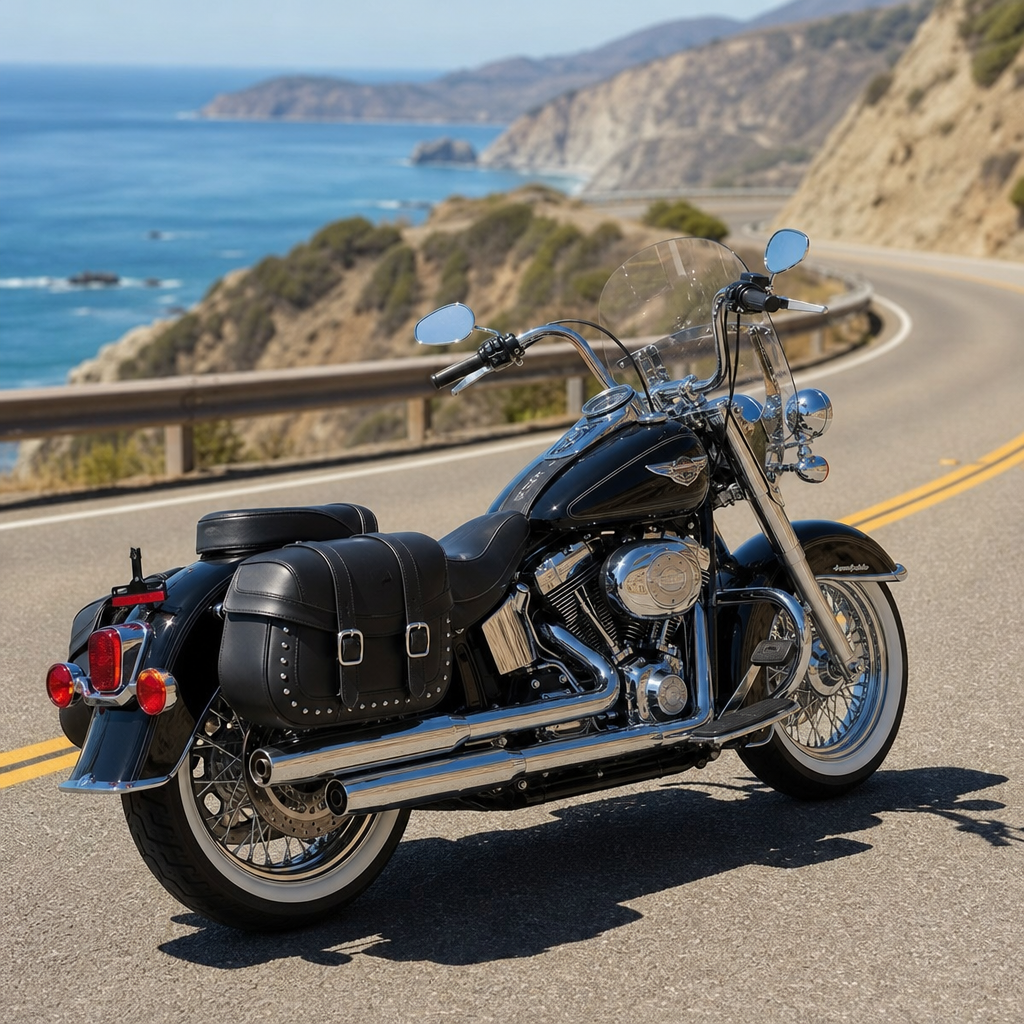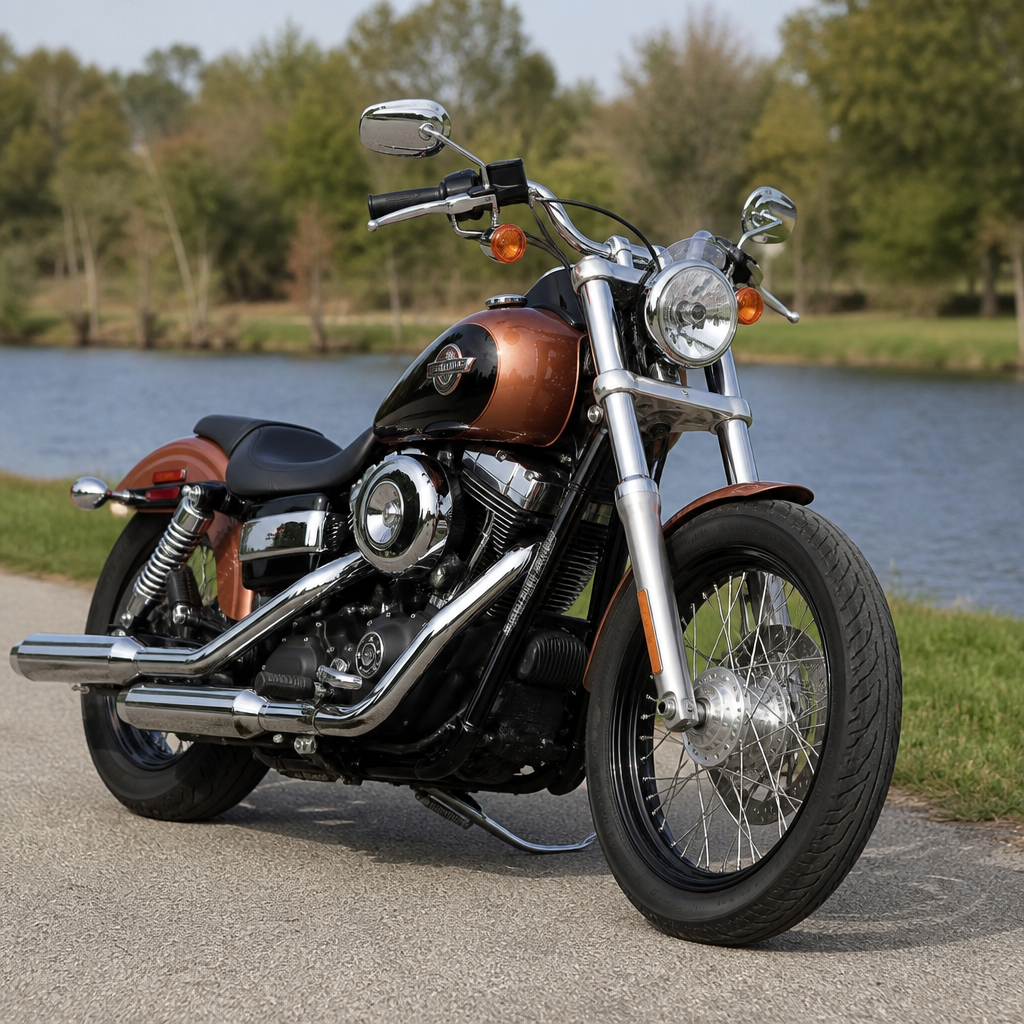
The 2013 Harley-Davidson Anniversary Edition stands out immediately because of its two-tone Copper Pearl and Vivid Black paint, commemorative tank badges, and limited-run status tied to the company’s 110th year. For used buyers, that paint is more than decoration. It is a value driver, a condition indicator, and often the quickest clue to how carefully the motorcycle has been stored, cleaned, ridden, and repaired. When I inspect one of these bikes, I start with the finish before I look at mileage, service receipts, or accessories, because original paint tells a story fast.
This used buyer guide is designed as a hub for Harley-Davidson shoppers researching model years from 1990 through 2047, with the 2013 Anniversary Edition as the focal point. The core question is simple: is the Copper/Black paint still pristine? The useful answer is more detailed. Pristine means the finish retains factory gloss, consistent metallic depth, correct pinstriping and badges, minimal swirl marks, no clear-coat failure, and no evidence of repainting after tip-overs or corrosion repair. On a special-edition Harley, paint quality affects resale more than many buyers expect, especially when the bike is presented as collectible.
The topic matters because cosmetic originality and mechanical condition intersect on these motorcycles. Harsh cleaners can stain black wrinkle finishes on engines and leave residue around fasteners. Outdoor storage can fade paint while also drying seals, oxidizing chrome, and encouraging electrical issues in connectors. Conversely, a carefully garaged bike with excellent paint often comes with complete records, original take-off parts, and less deferred maintenance. That is not a guarantee, but after years of evaluating used Harleys, I have found the finish to be one of the best opening indicators of owner behavior. A sharp Anniversary Edition can be a rewarding buy; a shiny but poorly repaired one can become an expensive lesson.
Because this article serves as a sub-pillar hub for Used Buyer Guides: 1990–2047, it also explains how to evaluate rarity claims, verify originality, compare regional pricing, and decide when cosmetic flaws are acceptable. Whether you are shopping a touring model, Softail, Dyna, Sportster, Trike, or CVO-adjacent special edition from this broader era range, the inspection logic here applies across Harley-Davidson listings. Start with paint, validate with documentation, and then judge the whole machine as a package rather than chasing low mileage or accessories alone.
What makes 2013 Anniversary Edition paint special
Harley-Davidson used anniversary-specific finishes and badging across multiple 2013 models, but the Copper Pearl and Vivid Black combination is the signature most buyers remember. The paint has a warm metallic character in sunlight and a deep black section that highlights waves, swirl marks, and touch-up work more brutally than many single-color schemes. Factory paint lines are crisp, badge placement is consistent, and the clear coat should appear even across the tank, fenders, and side covers. If one panel looks flatter, darker, or more orange-peeled than the others, assume closer investigation is needed.
On used examples, common paint threats include tank-bag scuffing, jacket zipper scratches on the tank console area, boot marks near fender edges, fuel drips around the filler, and abrasive washing techniques. I also watch for bubbling near lower fender brackets and chips at the leading edge of the front fender caused by road debris. Copper sections can hide minor blending at a glance, but under angled light mismatched metallic flake orientation becomes obvious. Black sections show every sanding mark. If you are buying remotely, request high-resolution images taken outdoors, indoors, and under direct LED lighting, because each environment reveals different defects.
Collectors pay attention to originality, but riders should care too. A properly preserved original finish usually supports stronger resale and makes future valuation easier. Repainted motorcycles are not automatically bad purchases; I have seen excellent repaints done after minor parking-lot damage. The issue is disclosure and quality. If the seller cannot explain why a panel was repainted, or if replacement badges, pinstripes, and clear depth do not match the rest of the bike, treat the motorcycle as a repaired example and price it accordingly.
How to inspect the Copper/Black finish like a serious buyer
The best inspection starts cold and clean, in daylight, with enough time to look slowly. Walk around the bike twice before touching anything. On the first pass, stand back and check color consistency from panel to panel. On the second, get low and use reflected light to search for ripples, sanding trails, tape lines, and overspray on rubber or wiring. Run a microfiber lightly across suspect areas; roughness can indicate contamination, cheap touch-up, or clear-coat damage. Then remove the seat if the seller allows it and compare hidden paint and frame areas to exposed sections for color mismatch.
Next, inspect the hardware around painted parts. Tool marks on tank bolts, fresh washers, disturbed grommets, or non-matching fasteners can signal panel removal. Look underneath fenders with a flashlight for uneven undercoating, body filler texture, or bent brackets. A small paint meter can help, although curved motorcycle panels make readings less precise than on cars. I rely more on visual consistency and evidence chains: misaligned badges plus overspray plus replaced hardware usually means refinishing, even if a listing says original paint.
Pay close attention to known wear zones. The tank sides near the rider’s knees, the rear fender around luggage contact points, and the front fender nose collect the most visible damage. On touring bikes, detachable backrests and luggage racks can chip fender paint at mounting points. On Softails and Dynas, aftermarket seat swaps sometimes rub side covers. If the seller claims the paint is pristine, these zones should support that claim, not contradict it. Minor swirls are normal on a ten-plus-year-old black motorcycle; clear evidence of correction, blending, or neglect is not.
| Inspection area | What to look for | What it usually means |
|---|---|---|
| Tank top and sides | Swirls, zipper marks, fuel staining, badge mismatch | Normal use, careless fueling, or repaint work |
| Front fender leading edge | Stone chips, touch-up dots, color blend lines | Road wear or cosmetic repair |
| Rear fender mounts | Chips near hardware, cracks, disturbed fasteners | Accessory installation or panel removal |
| Side covers | Rub marks, tab damage, inconsistent gloss | Frequent removal, seat fit issues, or repainting |
| Undersides and hidden edges | Overspray, filler texture, uneven finish | Lower-quality bodywork |
Original paint versus repaint: how to verify what you are seeing
The cleanest way to verify originality is to combine visual inspection with documentation. Ask for the VIN, original sales paperwork, service invoices, and any insurance repair history. Harley dealers and independent shops sometimes note tank or fender replacement on work orders, especially when replacing a damaged panel with factory-painted stock. That kind of repair can still be acceptable, but it is not the same as untouched original paint. A transparent seller will usually tell you immediately what was replaced and why.
Factory finishes tend to show uniform aging. If the tank is flawless but the side covers and fenders show expected wear, question the tank. If one panel has fresher pinstriping or sharper badge adhesive edges, compare part numbers where possible. On some bikes, reproduction badges and aftermarket painted tins are convincing in photos but easier to detect in person. I also compare the panel gaps and mounting feel. Factory-fitted parts generally seat cleanly without forced alignment, while replacement pieces sometimes reveal subtle bracket strain or inconsistent spacing.
There is also a market reality worth stating clearly. A high-quality, correctly disclosed repaint may be a better purchase than a badly preserved “all original” bike with corrosion, leaks, and neglected maintenance. Originality matters most when the seller is asking a premium based on collectibility. If your goal is to own and ride a 2013 Anniversary Edition regularly, condition and honesty matter more than purity. The right decision depends on intended use, price, and how much future resale value you want to preserve.
Mechanical and ownership clues hidden behind great or poor cosmetics
Paint does not exist in isolation. On used Harleys, finish quality often correlates with storage and maintenance patterns. A bike with excellent paint but pitted fork tubes, aged tires, cloudy brake fluid, and an old battery was probably detailed for sale after long inactivity. That can still be workable, but it changes your budget. Fluids, tires, drive belt condition, charging output, and rubber components matter just as much as glossy tins. I never let beautiful anniversary paint distract me from checking service intervals and wear items.
For 2013-era Harley-Davidson models, inspect the charging system, ABS function if equipped, fork seals, wheel bearings, brake rotor thickness, compensator or primary noise on applicable models, exhaust mounting integrity, and signs of tuner use if the bike has intake or pipe changes. On Twin Cam platforms, maintenance history is crucial. Confirm regular oil changes for engine, primary, and transmission, and listen for top-end noise that suggests neglected service or poor tuning. A seller who babied the paint but ignored calibration after engine mods can leave you with drivability problems.
Ownership clues show up everywhere. Matching quality across the bike is what you want. If the paint is exceptional, the fasteners should not be heavily corroded, the saddle should not be torn, and switchgear should not be sticky. If everything aligns, you may be looking at a genuinely cared-for bike. If only the visible paint shines, assume there is more story to uncover. That principle applies not just to the 2013 Anniversary Edition but across Used Buyer Guides: 1990–2047, especially when sellers market special trims as investment-grade motorcycles.
Pricing, rarity, and where this guide fits in Used Buyer Guides: 1990–2047
Not every Anniversary Edition deserves a collectible premium. Price should reflect model, mileage, originality, maintenance, regional demand, and whether the motorcycle includes original accessories, keys, security fobs, owner’s manual, and take-off parts. In the current used market, cosmetic excellence can add meaningful value, but only when supported by the rest of the bike. I advise buyers to compare at least ten listings nationwide, then narrow to same-model examples with similar mileage and equipment before assigning any premium for paint.
Rarity claims need context. Anniversary badging is limited compared with standard trims, but limited production does not automatically equal scarce supply in the used market. Popular touring models often appear more frequently than sellers imply. What is harder to find is a truly unmodified, documented, low-drama example with pristine Copper/Black paint and no accident history. That distinction matters. Buyers should pay for documented condition, not just for the anniversary story printed in the ad.
As the hub page for Harley-Davidson Used Buyer Guides: 1990–2047, this article sets the evaluation framework for every era-specific or model-specific guide under the topic. The checklist scales well across Evo-era bikes from the 1990s, Twin Cam models through the 2000s and 2010s, Milwaukee-Eight machines, and future collector-focused buying discussions. Cosmetics, originality, service evidence, and honest pricing remain the four pillars. When you move from this hub to a deeper guide on a Road King, Ultra Limited, Fat Boy, Street Glide, Heritage Softail, or Sportster, use the same discipline: verify what is original, decide what flaws are acceptable, and price sentiment separately from substance.
When pristine paint is worth paying for, and when it is not
Pristine Copper/Black paint is worth paying for when three conditions are met: the finish is genuinely original or professionally documented, the mechanical condition matches the cosmetic standard, and the seller’s asking price stays within a rational premium over comparable non-special examples. In that scenario, you are buying lower risk, easier resale, and the satisfaction of owning a special-edition Harley that still presents as intended. That has real value, especially if you enjoy careful ownership or selective collecting.
It is not worth stretching for perfect paint if the motorcycle needs immediate tires, brake work, suspension service, battery replacement, or corrective tuning. It is also not worth paying a collectible premium for a bike you plan to customize heavily, tour in all weather, or park in unpredictable urban environments. For many riders, a lightly blemished but mechanically sorted Anniversary Edition is the smarter purchase. A few honest chips on a front fender are cheaper to live with than hidden charging issues, stale fuel system components, or overdue cam-chain related work on older platforms.
The smart move is to decide your ownership goal before you shop. If you want a display-quality rider, hold out for the best paint and full records. If you want a dependable Harley-Davidson with anniversary style and no anxiety over the first new scratch, buy condition-adjusted value. Either way, inspect the Copper/Black finish carefully, use it as a gateway to the motorcycle’s broader history, and compare every asking price against evidence. Start your search with that discipline, and this hub will help you navigate the rest of the 1990–2047 used Harley landscape with fewer surprises and better buys.
Frequently Asked Questions
Why is the Copper Pearl and Vivid Black paint so important when buying a used 2013 Anniversary Edition?
On a used 2013 Harley-Davidson Anniversary Edition, the factory Copper Pearl and Vivid Black paint is not just a styling feature—it is one of the clearest indicators of originality, care, and market value. Because this finish was specific to the 110th Anniversary models, buyers and collectors often look at the paint first to judge whether the motorcycle has been preserved properly or has lived a harder life than the odometer suggests. A clean, glossy, uniform finish with sharp transition lines between the two colors, correct commemorative tank badges, and no visible signs of repainting can support the bike’s authenticity and desirability. On the other hand, faded clear coat, swirl-heavy surfaces, touched-up chips, mismatched panels, or altered striping can suggest outdoor storage, poor cleaning habits, minor crash repairs, or cosmetic work done after damage. In practical terms, paint condition affects both emotional appeal and resale leverage. Even a mechanically sound bike may lose some of its premium if the Anniversary finish has lost its depth or originality. That is why experienced used buyers often study the paint before they worry about mileage, because it reveals how the motorcycle has been treated over time.
How can I tell whether the original Anniversary paint is still pristine or has been repainted or repaired?
Start by inspecting the motorcycle in bright natural light, because metallic and pearl finishes can hide flaws under indoor lighting. Look closely at the tank, fenders, side covers, and fairing pieces if equipped, checking for consistency in color tone, metallic flake, gloss level, and reflection quality from panel to panel. Factory paint should appear even and cohesive, while repainted sections may look slightly darker, flatter, more orange-peeled, or too fresh compared with surrounding parts. Pay attention to the edges around badges, trim, fasteners, and rubber grommets. Overspray, tape lines, paint on hardware, or uneven clear near emblems can point to refinishing work. Examine the pinstriping and separation lines between Copper Pearl and Vivid Black, since factory work tends to be clean and precise. Also inspect the tank badges and Anniversary medallions for correct placement and fitment. Small clues matter: mismatched fasteners, tool marks around body panels, chips that reveal different primer colors underneath, or one fender that carries a noticeably different gloss can all suggest previous repair. If you want to go further, use a paint-depth gauge or have a qualified detailer, appraiser, or Harley specialist inspect the bike. Repainted panels are not automatically a deal breaker, but if the seller claims “all original,” the finish should hold up under close scrutiny.
What kinds of paint damage are most common on these bikes, and which issues should concern me the most?
The most common flaws on a used 2013 Anniversary Edition are stone chips on the front fender and lower tank area, boot scuffs near side covers, light scratches around the fuel cap, swirl marks from improper washing, and fine oxidation or dullness if the bike has spent time in the sun. You may also see wear from tank bags, belt buckles, careless fueling, or straps used during transport. Those issues are common on ridden motorcycles and are not necessarily signs of neglect if they are minor and localized. More concerning problems include cracking in the clear coat, widespread fading in the Copper Pearl, bubbling near seams, discoloration from chemical exposure, and mismatched paint between adjoining panels. Those issues can indicate long-term UV exposure, moisture problems, substandard repair work, or hidden accident history. Also watch for chips or abrasions on one side of the tank, engine guard, hard bags, and exhaust at the same time, because a pattern of damage can suggest a tip-over that may have led to panel refinishing. The key is to separate honest use from value-reducing damage. A few tiny chips on an otherwise well-kept original bike are normal. But if the finish lacks depth, shows inconsistent repairs, or has obvious neglect across multiple surfaces, you should factor that into the price and inspect the rest of the motorcycle even more carefully.
Does imperfect paint always mean the bike was abused or stored poorly?
No, not always. Paint flaws need context. A 2013 Anniversary Edition is now old enough that even well-maintained examples can have minor cosmetic wear from regular riding, careful cleaning, and normal age. A few small chips on the leading edges, very light swirls in the clear coat, or tiny marks around luggage contact points can exist on a bike that was otherwise garage-kept and serviced on schedule. The real question is whether the wear pattern matches the story the seller is telling. If a bike has low mileage but severe fading, etched surfaces, corroded hardware, and weathered rubber, that suggests outdoor storage or long periods of neglect. If it has moderate mileage and a handful of small, honest marks but retains strong gloss, clean badges, and consistent color across all panels, that can still be an excellent buy. It is also worth remembering that some cosmetic issues come from enthusiastic but incorrect detailing rather than outright abuse. Harsh compounds, automatic car washes, or silicone-heavy products can create haze or swirls on otherwise original paint. So do not reject a bike solely because it is not showroom perfect. Instead, use the paint as one part of a broader condition picture that includes storage history, maintenance records, fastener condition, chrome quality, and signs of impact or corrosion elsewhere on the motorcycle.
How should paint condition affect the price I am willing to pay for a used 2013 Anniversary Edition?
Paint condition should have a direct effect on your offer because this model’s special finish contributes significantly to its appeal and market position. If the Copper Pearl and Vivid Black paint remains original, glossy, and largely free of noticeable defects, that supports a stronger price, especially when paired with stock components, documented service, and clean overall presentation. Buyers tend to pay more for Anniversary models that still look correct and well-preserved because replacing or accurately replicating that finish is expensive and originality matters. If the bike has cosmetic flaws, think in tiers. Light swirls, a few tiny chips, or age-appropriate marks may justify only a modest discount. Noticeable scratches, repaired panels, badge replacement, fading, or one-off repaint work deserve a more meaningful adjustment because they affect both visual impact and future resale. Major clear-coat failure, obvious collision-related refinishing, or multiple mismatched panels should lead to a much more cautious valuation. The smartest approach is to compare the bike against similar Anniversary Edition listings, then estimate what it would cost to professionally correct or refinish the affected areas while also recognizing that repainting may not restore collector-level originality. In short, pristine original paint commands a premium, average original paint supports a fair market number, and compromised or non-original paint should give you room to negotiate.