The Twin Cam 88 chain tensioner system is one of the most discussed maintenance topics in Harley-Davidson ownership because it sits at the intersection of reliability, performance, and long-term engine survival. In this 2026 guide, I will explain how the original spring-loaded shoes work, why riders convert to hydraulic chain tensioners, which conversion kits fit which engines, and how this topic connects to broader Harley-Davidson technical deep-dives covering Milwaukee-Eight, Evolution, Twin Cam, and RevMax platforms. For riders building a dependable touring bike, reviving a used Dyna, or evaluating a Twin Cam-powered Softail, understanding chain tensioners is not optional. A worn tensioner shoe can shed debris into the oiling system, damage the cam chest, and in severe cases contribute to oil pump scoring or valve timing issues. That makes the hydraulic conversion one of the smartest preventive upgrades on many early Twin Cam engines.
Before getting into kits and parts, define the core terms clearly. The Twin Cam 88 is Harley-Davidson’s 1450cc V-twin introduced for 1999 Touring models and 2000 Dyna models, with Softail adoption following in 2000. “Chain tensioners” refers to the cam chain shoe assemblies that control slack in the cam drive system. Early engines used mechanical spring-loaded tensioners with plastic shoes that wear over time. “Hydraulic conversion kits” replace that arrangement with later-style oil-fed tensioners, new support plate hardware, and usually a higher-capacity oil pump. Depending on the kit, the conversion may also involve new cams, bearings, lifters, pushrods, and either retaining chain drive or switching to gear drive. The reason the subject matters in 2026 is simple: many Twin Cam 88, 95, and early 103 motorcycles remain on the road, often with enough mileage that original components are at risk, yet with enough value that owners want to preserve them correctly.
Twin Cam architecture and where tensioner problems start
To understand the hydraulic conversion, you need to understand the Twin Cam cam chest. The engine uses two chain-driven camshafts mounted in a support plate, with an outer chain from the crankshaft sprocket to the rear cam sprocket and an inner chain linking the two cams. On 1999 through 2006 Dyna and 1999 through 2006 Touring and Softail Twin Cam engines, both chains are controlled by spring-loaded tensioner shoes. In the shop, I have seen original outer shoes worn deeply by 25,000 to 35,000 miles, while some survive much longer depending on oil change intervals, riding style, and cam profile. The key point is that wear is inevitable. The original design puts constant mechanical force on the shoe, and over time the plastic friction material erodes.
Once the shoe material starts to groove, pieces can circulate through the engine oil. Those particles may clog the oil pump, score pump internals, and contaminate the cam chest. The rider may not notice dramatic symptoms right away. Sometimes there is a slight top-end noise, a change in idle character, or debris in the oil during service. Often the first real warning comes only when the cam chest is opened. That is why inspection intervals matter. Harley-Davidson and experienced independent shops have long treated early Twin Cam tensioner inspection as preventive maintenance rather than a repair to postpone. If you are buying a used Twin Cam, documented cam chest service is one of the most valuable records you can get.
This issue also illustrates why technical deep-dives across Harley engines matter. Evolution engines have their own valve train and oiling considerations, Milwaukee-Eight models bring different hydraulic chain tensioner and oiling strategies, and RevMax engines use a modern high-rev architecture that changes the diagnostic approach entirely. Yet the Twin Cam remains the platform where cam chest literacy matters most for the average owner because one hidden wear item can decide whether the engine stays healthy or turns expensive.
Why riders choose hydraulic conversion kits
A hydraulic conversion kit updates an early Twin Cam to the later factory-style system used on 2007-and-later chain-drive Twin Cams. Instead of relying solely on spring pressure, the revised setup uses oil-fed tensioners that maintain more controlled chain loading. In practice, the later shoes generally wear more slowly and more predictably. The conversion also gives the owner a chance to install the later high-volume oil pump and improved cam support plate design, both of which are meaningful upgrades. This is not internet folklore. Better scavenging, improved oil control, and more stable cam support are real advantages, especially on engines that will see touring miles, hotter climates, or mild performance builds.
The hydraulic conversion is popular because it solves multiple problems at once. First, it removes the highest-risk weak point in the original cam chest. Second, it modernizes the oiling system. Third, it creates a clean service baseline for future upgrades such as cams matched to touring torque, freer-flowing exhaust, or a big-bore 95-inch setup. Many riders arrive at the conversion after hearing about gear drive cams. Gear drive can be excellent, but it is not universally appropriate because crankshaft runout must be measured carefully. If the flywheel runout exceeds acceptable limits, chain drive with hydraulic tensioners is the correct path. On many used street bikes, that is the practical, durable answer.
Another reason conversions remain relevant in 2026 is the used-bike market. Twin Cam 88 motorcycles are often affordable, simple to support, and full of aftermarket options from S&S Cycle, Feuling, Andrews, SNS, and Harley-Davidson Screamin’ Eagle. A buyer can purchase a well-kept Road King, Electra Glide, Dyna Super Glide, or Heritage Softail for a fraction of a newer touring model’s price, then invest strategically in the cam chest. Done correctly, that produces a machine with excellent highway manners and years of remaining service life.
What a complete conversion kit usually includes
The exact contents vary by manufacturer, but a serious hydraulic conversion kit for an early Twin Cam generally includes a hydraulic-compatible cam support plate, a matched oil pump, inner and outer hydraulic tensioner assemblies, chains, sprockets where required, bearings, gaskets, and hardware. Some kits are sold as “plate and pump” packages, while others are complete cam chest systems with cams, lifters, pushrods, and adjustable components. For many owners, the best value is a comprehensive kit because labor overlap is significant. If the cam chest is already apart, it makes sense to evaluate lifters, pushrods, and cam choice at the same time.
| Component | Purpose | Why it matters on Twin Cam 88 |
|---|---|---|
| Hydraulic tensioners | Control chain slack using oil pressure and spring preload | Reduce shoe wear compared with early spring-only design |
| Cam support plate | Holds camshafts and routes oil | Allows use of later hydraulic system and improved oil passages |
| Oil pump | Feeds and scavenges engine oil | Improves reliability and addresses wear from debris-contaminated original pumps |
| Cam bearings | Support the cams in the case | Critical wear items often replaced during any proper cam chest service |
| Chains and sprockets | Transfer crank motion to the cams | Should match the new tensioner system and existing cam strategy |
| Gaskets and seals | Seal the cam chest during reassembly | Prevent leaks and ensure proper oil pressure after service |
Brands matter, and so does compatibility. Feuling’s Reaper and Race Series ecosystem is respected for oiling components and complete systems. S&S offers proven cam chest kits and clear fitment for touring, Dyna, and Softail applications. Harley-Davidson’s Screamin’ Eagle parts remain relevant for riders who prefer factory-backed solutions. Andrews cams are common in builds where the owner wants a conservative, torque-oriented profile. The right kit depends on year, chassis family, current engine displacement, intended rpm range, and whether the motorcycle already has performance work such as ported heads or a tuner calibration.
Fitment, model years, and choosing the right path
The most important fitment rule is this: early Twin Cam 88 engines with spring-loaded tensioners are the primary candidates for hydraulic conversion. That usually means 1999 through 2006 Twin Cam models, though exact parts differ by chassis and by cam sensor arrangement. Dyna fitment can differ from Touring and Softail because 2006 Dyna models moved to the six-speed Cruise Drive transmission and saw certain platform-specific changes before Touring and Softail followed with updated engines in 2007. Always verify the engine number, chassis family, and current cam chest configuration before ordering parts. In the workshop, I never trust the badge alone because many bikes have mixed-year replacement engines or previous aftermarket work.
There are three common upgrade paths. The first is a basic hydraulic conversion retaining chain drive and stock-style cams. This is ideal for owners prioritizing reliability on a near-stock bike. The second is a hydraulic conversion plus mild performance cams, often paired with adjustable pushrods and fresh lifters. This suits touring riders who want stronger low-end and midrange torque without sacrificing manners. The third is a full cam chest rebuild where the owner evaluates chain versus gear drive, oil pump clearance, crank runout, compression ratio, and supporting fuel calibration. That path is best for built 95-inch or 103-inch combinations.
Runout deserves direct discussion because it affects kit selection. Gear drive cams require a relatively true crank assembly; excessive pinion shaft runout can create noise, gear wear, and unstable valve timing. A dial indicator check is mandatory before recommending gear drive. If runout is beyond the accepted window, hydraulic chain drive is not a compromise; it is the correct engineering solution. That is one place where experienced Harley technicians differ from forum mythology. The best setup is not the loudest one or the most expensive one. It is the one matched to measured tolerances.
Installation realities, costs, and common mistakes
Hydraulic conversion is straightforward for a qualified Harley technician but not trivial for a first-time home mechanic. The job typically involves exhaust removal, cam cover access, pushrod strategy decisions, bearing extraction, careful oil pump alignment, torque-sequence compliance, and verification of cam timing marks. Service manual procedures matter. Harley-Davidson factory service manuals, JIMS specialty tools, and accurate torque wrenches are not optional extras here. A misaligned oil pump can lead to poor scavenging or premature failure. Incorrectly installed cam bearings can damage the case. Overlooking chain shoe contact surfaces or reusing compromised hardware can erase the benefit of the upgrade.
Cost varies widely by scope. Parts for a basic hydraulic conversion may fall around the low four figures if quality components are used, while a full cam chest package with cams, lifters, pushrods, bearings, oil pump, support plate, gaskets, and professional labor can climb substantially higher. In 2026, many owners should budget not just for the kit but also for ancillary needs: cam bearing tools, injector tuning, fresh fluids, exhaust gaskets, and potentially clutch or compensator inspection if mileage is high. Still, compared with repairing a failed cam chest after debris circulates through the engine, preventive conversion is usually the cheaper decision.
The most common mistakes are predictable. Owners buy incomplete kits and discover mismatched parts mid-installation. They skip runout measurement and choose the wrong cam drive strategy. They keep worn lifters to save money, only to reopen the engine later. They neglect tuning after a cam change, which can leave performance and durability on the table. The best conversions start with a written plan: confirm fitment, define power goals, inspect related systems, and decide whether the motorcycle is being preserved as a dependable stocker or evolved into a stronger touring or street build.
How this hub connects Twin Cam, M8, Evo, and RevMax deep-dives
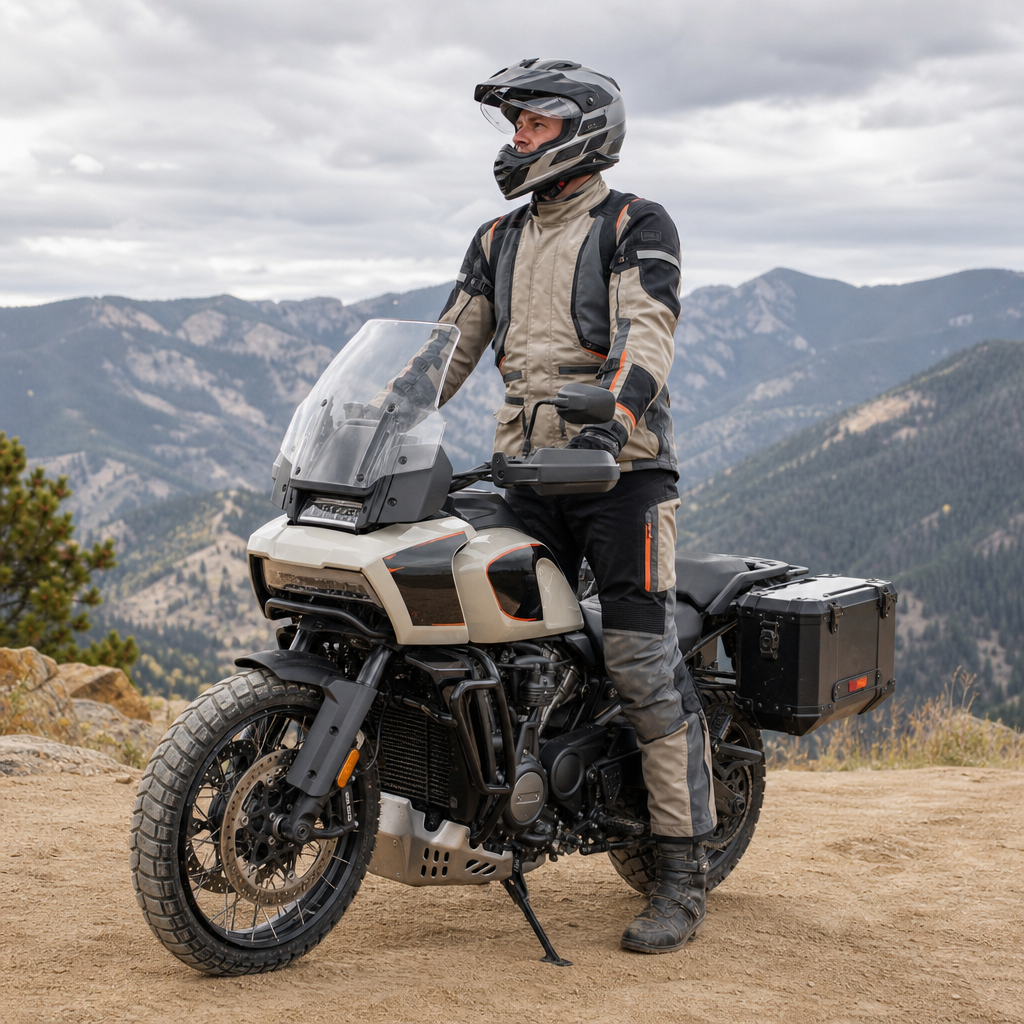
This page is the hub for the broader Harley-Davidson technical deep-dive series because cam chest service on a Twin Cam teaches the mindset needed for every engine family: understand the architecture, identify platform-specific wear points, and match upgrades to measured needs. On Evolution engines, that means paying attention to charging systems, breather behavior, and top-end sealing rather than chain tensioner conversion. On Milwaukee-Eight engines, the conversation shifts toward oil transfer, sumping debates on performance builds, variable rider demands, and the benefits of newer four-valve heads. On RevMax models, used in the Pan America and Sportster S families, diagnosis becomes more data-driven, with liquid cooling, higher engine speed, and integrated electronics changing the service approach.
For readers exploring Harley-Davidson technical deep-dives, Twin Cam sits in the middle of the brand’s modern history. Evo represents the durable, simpler foundation. Twin Cam introduces higher output and a more complex cam chest. Milwaukee-Eight refines combustion efficiency, cooling control, and smoothness. RevMax breaks furthest from the traditional formula with a structural engine design and very different performance envelope. Understanding the Twin Cam 88 tensioner story helps owners evaluate how Harley engineering evolved: when a manufacturer updates lubrication, support plates, chain control, and service recommendations, those revisions usually respond to real-world wear patterns. Smart owners pay attention to those lessons across every platform.
If you own or are shopping for a Twin Cam 88, the key takeaway is simple: inspect the cam chest history, know whether the bike still has spring-loaded tensioners, and plan a hydraulic conversion before wear becomes failure. A quality kit from a reputable brand, installed with correct measurements and service-manual discipline, transforms a known weak point into a durable long-term solution. It also creates the ideal foundation for future cam upgrades, touring reliability, and confident ownership. Use this hub as your starting point for deeper Harley-Davidson engine research, then move next into the specific M8, Twin Cam, Evo, and RevMax guides that match your motorcycle and riding goals.
Frequently Asked Questions
What is the problem with the original Twin Cam 88 spring-loaded chain tensioners, and why do they matter so much?
The original Twin Cam 88 cam chest uses spring-loaded chain tensioner shoes made from a wear material that rides directly against the cam chains. In stock form, the system works, but the weak point is that the shoes are consumable parts. As mileage accumulates, the constant chain contact gradually wears the tensioner material down. If that wear goes unnoticed long enough, the shoe can deteriorate to the point where debris circulates through the oiling system and the chain loses proper control. That is why this issue gets so much attention among Harley-Davidson owners: it is not just a minor maintenance item, but a component that can affect cam timing stability, oil system cleanliness, and in worst-case situations, overall engine survival.
What makes the topic especially important is that wear rates vary. Some bikes show significant shoe wear relatively early, while others go much farther depending on riding style, oil change habits, engine setup, heat cycles, and whether the bike has performance modifications such as hotter cams or higher spring pressures. Because there is no universal mileage number that guarantees safety, Twin Cam 88 owners often treat inspection as essential preventive maintenance. In practical terms, the original spring-tensioned setup is not automatically bad, but it demands awareness and periodic inspection in a way many riders do not expect when they first buy the motorcycle.
For that reason, the Twin Cam 88 tensioner discussion has become one of the defining technical subjects in air-cooled Harley ownership. It sits right at the crossover between routine service and catastrophic-risk prevention. Riders who understand how the stock system works are in a much better position to decide whether regular inspections are enough for their use case or whether a hydraulic conversion is the smarter long-term investment.
Why do riders convert to hydraulic chain tensioners instead of simply replacing the original shoes?
The main reason riders convert to hydraulic chain tensioners is to move from a spring-loaded design with a well-known wear pattern to a later-style oil-pressure-assisted system that is generally considered more refined and durable. The hydraulic setup uses engine oil pressure to help manage chain tension, which reduces some of the constant mechanical loading seen in the earlier arrangement. In real-world ownership, that often translates into better long-term confidence, improved wear characteristics, and a cam chest design that many riders feel is better suited for accumulating serious mileage.
Another major reason is efficiency while the cam chest is already open. If a bike needs inspection or replacement of worn original shoes, many owners decide it makes more sense to upgrade once rather than continue servicing the earlier system repeatedly. A proper hydraulic conversion can also open the door to related upgrades such as a higher-volume oil pump, improved cam support plate, and in some cases better compatibility with future camshaft changes. That means the conversion is often viewed not as a single repair, but as a foundational reliability upgrade.
There is also a strong resale and peace-of-mind factor. Buyers who know Twin Cam engines often ask whether the bike still has the original spring-loaded tensioners or has already been converted. A documented hydraulic conversion is commonly seen as a value-positive upgrade because it signals that the owner addressed one of the platform’s best-known maintenance concerns. For riders who tour, ride long distances, or simply want to reduce uncertainty, that peace of mind is often worth more than the upfront cost of the kit.
Which Twin Cam 88 engines can use a hydraulic conversion kit, and how do you know which kit fits?
Fitment depends on more than just the phrase “Twin Cam 88.” Harley-Davidson used different cam chest configurations across production years, and the correct conversion kit depends on factors such as engine year, whether the bike is an early or late Twin Cam variant, cam sensor arrangement, and whether the motorcycle is fuel injected or carbureted in a way that affects supporting components. As a result, no owner should buy a hydraulic conversion kit based solely on displacement or a casual model description. The correct approach is to verify the exact engine and chassis year, then match the kit to the manufacturer’s published fitment chart.
In most cases, hydraulic conversion kits are designed for early Twin Cam models that originally came with spring-loaded tensioners and are being updated to later hydraulic-style cam support components. These kits commonly include a hydraulic cam support plate, upgraded oil pump, hydraulic tensioners, chains, and related hardware. Some are configured for stock-style cams, while others are intended to work with gear-drive or performance-oriented combinations. Because cam journal style, bearing requirements, and inner cam compatibility can vary, it is important to think of the conversion as a system, not just a pair of tensioner shoes.
The safest way to confirm fitment is to use the VIN, model year, and current engine configuration when checking with a reputable kit manufacturer or experienced Harley parts supplier. If the bike has already had cam work, crank work, or previous cam chest modifications, those details matter too. In other words, “Will this fit my Twin Cam 88?” is a legitimate but incomplete question. The better question is, “Which complete hydraulic conversion package matches my exact year, current cam chest setup, and performance goals?” That is how you avoid expensive mistakes and ensure the parts work together correctly.
What parts are usually included in a Twin Cam 88 hydraulic conversion kit, and should anything else be replaced during the job?
A quality hydraulic conversion kit typically includes the major components needed to change the early spring-loaded cam chest over to the later hydraulic style. That often means a new cam support plate, upgraded oil pump, hydraulic tensioners, cam chains, and the required fasteners, bearings, spacers, or small hardware specific to the design. Some kits are more comprehensive and may also include cams, gaskets, seals, or adjustable pushrods, while others focus strictly on the core conversion hardware and require you to source related service items separately.
Beyond the kit itself, this is one of those jobs where it makes sense to inspect and refresh surrounding parts while access is available. Depending on the bike’s mileage and condition, many builders recommend evaluating the cams, lifters, bearings, oil pump drive surfaces, pushrods, and pinion shaft runout. Gaskets and seals should generally be replaced during reassembly, and it is also wise to inspect for evidence of prior wear debris in the cam chest and oiling system. If the original tensioner material has already started to break down significantly, a careful cleaning process becomes especially important.
This is also the right time to think strategically about the motorcycle’s future use. If the owner plans to install performance cams later, some prefer to choose a conversion kit now that supports that direction. If the rider values reliability above all else, a more conservative setup may be ideal. Either way, the best conversions are planned holistically. The goal is not just to install hydraulic tensioners, but to leave the cam chest in a stronger, more dependable configuration than it was before the teardown started.
Is a hydraulic conversion always the best choice, or can some riders keep the stock spring-loaded setup?
A hydraulic conversion is not automatically mandatory for every Twin Cam 88 owner, but it is often the preferred long-term solution. Some riders do continue with the stock spring-loaded system successfully by inspecting the tensioner shoes at sensible intervals and replacing them before wear becomes dangerous. For motorcycles that are ridden lightly, maintained carefully, and kept close to stock, that can be a workable strategy. The key is discipline: the owner must treat tensioner inspection as a real maintenance requirement, not something to postpone indefinitely.
That said, the reason so many experienced owners and technicians recommend hydraulic conversion is that it reduces dependence on repeated inspection of a known wear point. If the rider wants to tour confidently, keep the bike for many years, or build a more robust cam chest foundation, the conversion usually makes excellent sense. It is especially attractive when the cam chest is already being opened for shoe wear, cam upgrades, or oil pump service. At that point, converting often feels less like an optional upgrade and more like a logical modernization of the engine.
The best choice comes down to budget, mileage, intended use, and the current condition of the bike. If a low-mileage machine has healthy components and an owner who is comfortable with periodic inspections, staying stock may be acceptable for a while. If the goal is maximum confidence, fewer future worries, and a more updated internal setup, hydraulic conversion is usually the stronger answer. In the Twin Cam 88 world, there is room for both approaches, but the most informed decision is the one based on inspection data, fitment accuracy, and a realistic plan for how the motorcycle will be ridden and maintained.