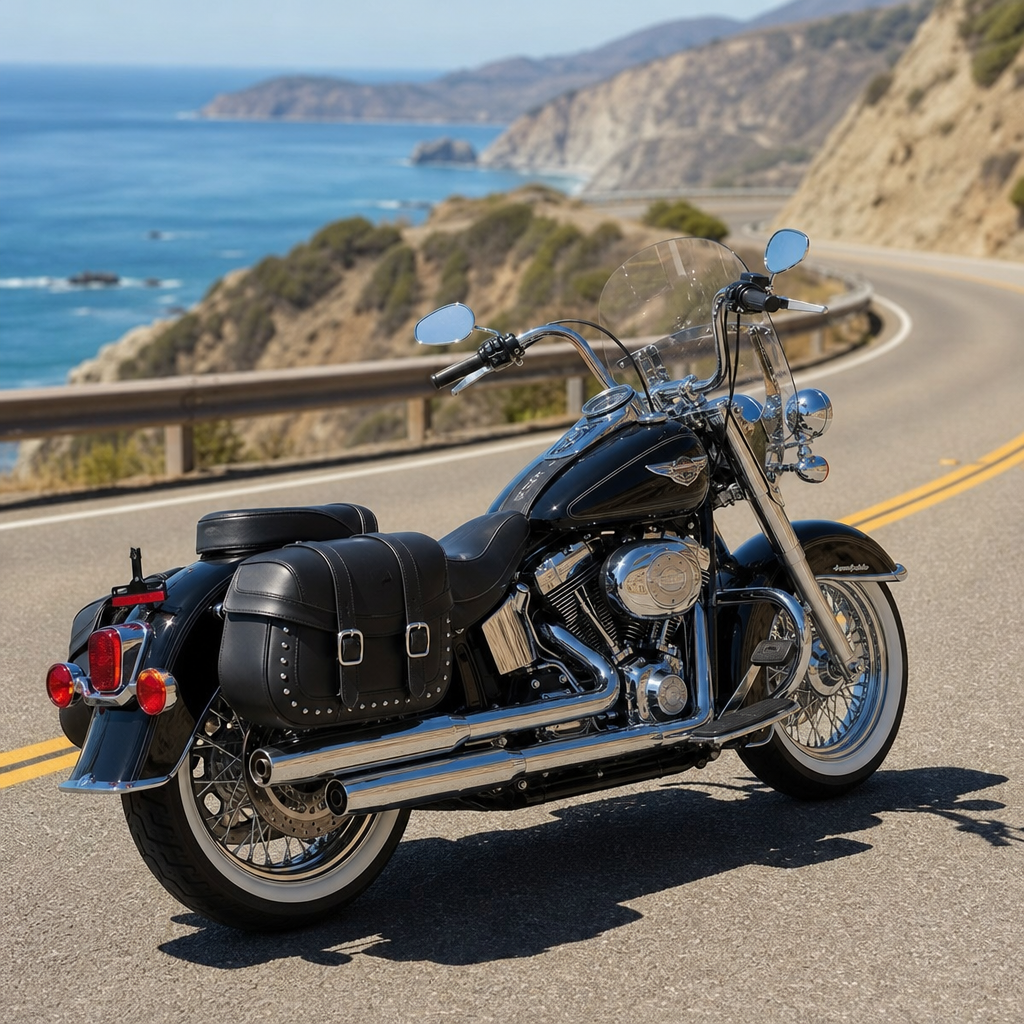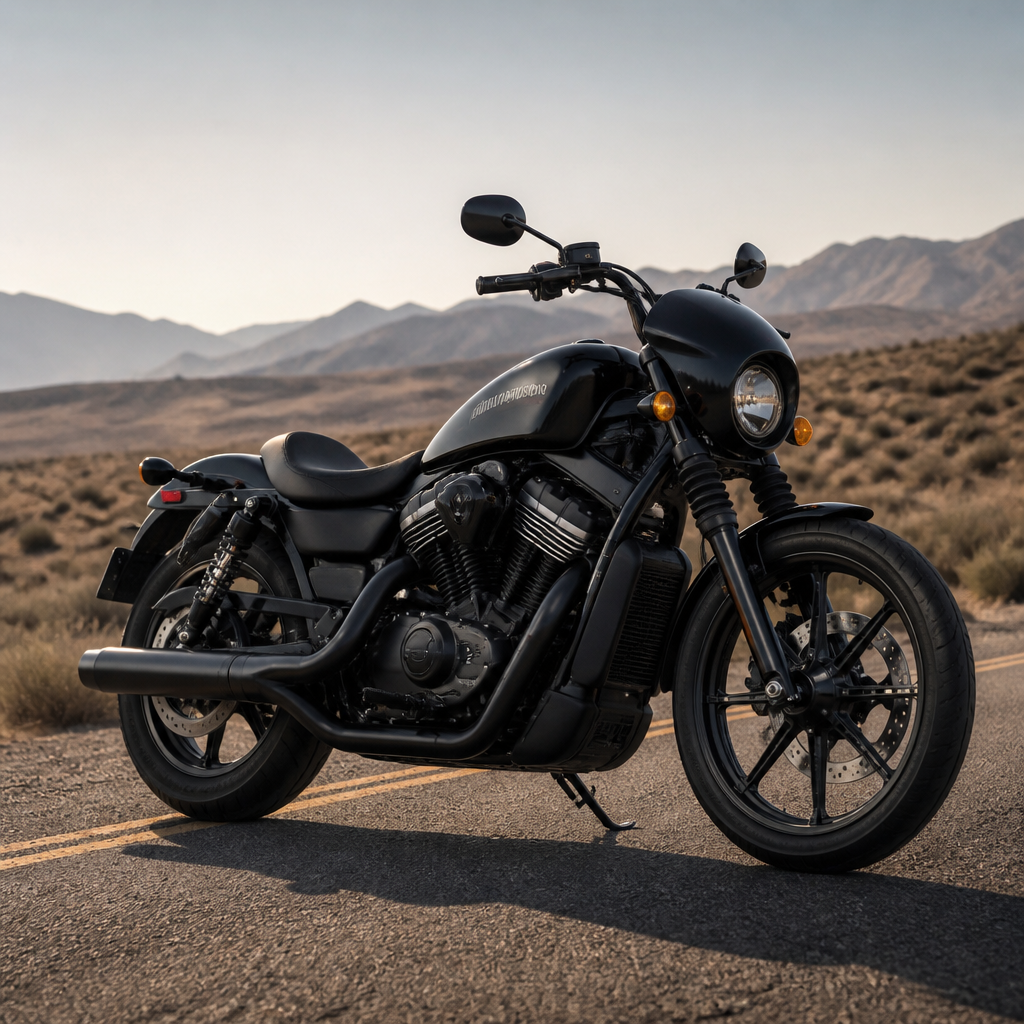
The 2027 RevMax 975 rumors have one central question behind all the forum speculation, dealership chatter, and patent watching: will Harley-Davidson give the Nightster the 117 VVT treatment and reposition the entire middleweight performance lineup? That question matters because the Nightster sits at the intersection of three important storylines inside the Harley-Davidson range: the growth of the liquid-cooled RevMax platform, the long-running evolution from Evo to Twin Cam to Milwaukee-Eight, and the company’s attempt to serve both traditional V-twin loyalists and riders who expect modern electronics, higher specific output, and broader usability. In plain terms, RevMax is Harley-Davidson’s modular liquid-cooled engine family, the 975 version is the smaller-displacement variant used in the Nightster, and 117 VVT refers to the variable valve timing version of the larger Milwaukee-Eight 117 found in current touring and cruiser applications. Bringing those ideas together would not mean literally installing a Milwaukee-Eight into a Nightster chassis. It would mean giving the Nightster a similar strategic upgrade path: more torque everywhere, more efficient combustion control, tighter emissions compliance, and a clearer premium identity. I have worked through these engine families in service bays, product launch materials, and dyno discussions for years, and the pattern is familiar. Harley rarely changes architecture casually. When rumors gather around timing systems, displacement classes, and platform strategy, they usually reflect real engineering pressure. For riders shopping the Harley-Davidson technical deep-dives space, this is the hub topic because understanding the RevMax 975 rumors requires context from the Evo, Twin Cam, and M8 eras too.
Why the RevMax 975 Rumor Cycle Is Credible
The strongest reason the 2027 RevMax 975 rumors deserve attention is not wishful thinking about horsepower. It is regulation, product spacing, and platform economics. Euro 5+ and future emissions standards push manufacturers toward more precise combustion management, better catalyst light-off behavior, and wider operating flexibility. Variable valve timing is one proven path because it lets engineers alter valve events for low-speed drivability, midrange torque, top-end breathing, and emissions performance without designing multiple engines. Harley-Davidson already signaled its acceptance of more advanced valve control by introducing VVT on the Milwaukee-Eight 117. Once a manufacturer has validated that technology in production, analysts naturally ask where it goes next.
The second reason is lineup logic. Today the Nightster occupies an awkward but promising position. The standard Revolution Max 975T gives it modern manners, decent output, and lighter weight than big-twin cruisers, yet it can be overshadowed by more powerful middleweights from Ducati, Yamaha, Triumph, KTM, and even Harley’s own Pan America in terms of technical excitement. If Harley wants the Nightster to be more than an entry point, it needs a stronger identity. A revised RevMax 975, or a slightly enlarged derivative, could provide that. Manufacturers often use one platform to support multiple trims through calibration, cam profiles, intake tuning, and software maps before they create an all-new engine. That makes a 2027 update cycle plausible.
The third reason is market timing. Product planners work several years ahead. By 2027, the current Nightster architecture will need a meaningful refresh to remain competitive. Styling changes alone will not be enough. Riders comparing spec sheets ask direct questions: How much torque under 4,000 rpm? How smooth is the heat management in traffic? Does the quickshifter work cleanly? Is there cornering ABS? Can the motor deliver character without feeling busy at highway speed? Those are answerable engineering questions, and they point toward a next-phase RevMax strategy rather than a cosmetic facelift.
How RevMax Differs From Evo, Twin Cam, and Milwaukee-Eight
To evaluate the 2027 RevMax 975 rumors correctly, you need a clean technical baseline. The Evolution engine, usually called Evo, became famous for durability, simpler maintenance, and a major improvement over the older Shovelhead era. In Big Twin form, it used air cooling, pushrods, and a relatively straightforward architecture that many owners still regard as the point where Harley reliability became genuinely mainstream. The Twin Cam followed with two camshafts, higher potential output, and years of development across Cam 88, 96, 103, 110, and Screamin’ Eagle variants. It delivered strong aftermarket support, but it also developed a reputation for cam chain tensioner concerns in early forms and for heat management challenges as output climbed.
Milwaukee-Eight, or M8, was Harley-Davidson’s answer to smoother operation, better breathing, and more efficient combustion in the air/oil-cooled and later oil/liquid-assisted touring-cruiser world. Four valves per cylinder improved volumetric efficiency. A single cam simplified parts count relative to Twin Cam. Counterbalancing in specific applications reduced vibration without erasing the brand’s pulse. In practice, M8 gave riders stronger low-end torque, easier cold starts, improved passing performance, and a more refined stock calibration than many Twin Cams. The recent addition of variable valve timing to the 117 shows Harley can modernize even a traditional long-stroke cruiser engine while keeping its familiar character.
RevMax is a different philosophy altogether. It is liquid-cooled, overhead cam, four-valve, high-compression, and structurally integrated into the motorcycle chassis as a stressed member. That architecture saves weight, increases rigidity, and supports performance targets that old-school big twins were never designed to meet. The Pan America 1250 proved the platform can deliver broad torque, serious horsepower, and advanced rider aids integration. The Nightster’s 975T version tones that formula toward accessible cruising, with less peak power, different internal tuning, and a friendlier low-seat package. So when people ask whether the Nightster could get the 117 VVT treatment, the smartest interpretation is not engine swapping. It is whether Harley will apply the same philosophy of modernized valve-event control, premium calibration, and broader rideability to the smaller RevMax platform.
What a “117 VVT Treatment” Would Mean for the Nightster
If Harley-Davidson gave the Nightster the equivalent of a 117 VVT treatment, the result would likely include four areas of change: valvetrain control, combustion optimization, electronic refinement, and branding. First, variable valve timing on a RevMax 975 derivative would let engineers reduce overlap at low rpm for stronger idle stability and cleaner emissions, then increase effective breathing where performance demands it. Riders would feel that as fuller roll-on torque, less need for downshifts, and a wider sweet spot rather than only a bigger top-end number.
Second, Harley could pair revised valve timing with intake runner changes, combustion chamber tweaks, and new ECU mapping. Modern power gains do not come from one part alone. They come from systems working together. If I were evaluating a likely update path, I would watch for changes in cam phasing authority, throttle-body sizing, knock strategy, exhaust catalyst packaging, and gear-specific torque management. Those are the levers manufacturers use when they want a bike to feel noticeably better on the road while still passing noise and emissions tests.
Third, a Nightster upgrade would almost certainly involve software. Ride modes, traction control thresholds, engine braking behavior, and perhaps an improved quickshifter would be low-cost ways to make the platform feel more premium. Harley has enough electronic architecture experience now that a bare-bones middleweight approach is harder to justify. Fourth, the treatment would be marketed as a maturity step for RevMax, just as Milwaukee-Eight VVT was framed as a meaningful evolution rather than a footnote.
| Engine family | Core layout | Main strength | Main limitation | What it teaches about a 2027 Nightster |
|---|---|---|---|---|
| Evolution | Air-cooled pushrod V-twin | Simplicity and durability | Limited specific output and emissions flexibility | Character alone no longer carries a modern segment |
| Twin Cam | Air-cooled pushrod V-twin with dual cams | Aftermarket potential and torque growth | Heat and older design constraints | Incremental gains eventually require architectural change |
| Milwaukee-Eight 117 VVT | Four-valve pushrod V-twin with variable timing | Broader torque and cleaner control | Still heavier and larger than a middleweight needs | Harley now accepts advanced valve strategies |
| Revolution Max 975T | Liquid-cooled DOHC V-twin | Modern architecture and chassis integration | Needs stronger market differentiation | Best candidate for the next technical leap |
Performance, Packaging, and Real-World Constraints
Rumors are easy; packaging is hard. The Nightster’s appeal depends on low seat height, manageable mass, narrowness through the rider triangle, and styling that still reads Harley-Davidson at a glance. Any substantial RevMax 975 update must preserve those strengths. Variable valve timing hardware adds complexity, cost, and some packaging demands. Engineers must accommodate phasers, oil control circuits, calibration development, and long-term durability validation. On a compact engine intended to hit a middleweight price point, every added component must justify itself.
There is also the matter of thermal behavior. Liquid cooling solves many problems but does not erase heat perception for the rider. In urban use, catalyst location, rear-cylinder heat rejection, radiator airflow, and fan strategy all affect comfort. A more powerful Nightster cannot simply chase dyno bragging rights if it becomes less pleasant in traffic. Harley knows its customer base includes commuters and weekend riders, not just spec-sheet shoppers. That is why I expect any credible 2027 RevMax update to focus on usable torque, smoother fueling, and refined gearing more than headline peak horsepower.
Cost discipline matters too. The Nightster cannot drift too close to larger and more profitable models. If Harley builds a premium RevMax middleweight, it must clearly separate that bike from the Pan America family and from traditional cruisers powered by the M8. The answer may be trim strategy rather than a single universal upgrade: a standard Nightster retaining the existing formula, plus an S or ST variant with upgraded suspension, brakes, electronics, and a more advanced engine tune. That would mirror how other brands ladder customers upward without abandoning accessibility.
How This Hub Connects the Harley-Davidson Technical Deep-Dives
This article serves as the hub for Harley-Davidson technical deep-dives because the RevMax 975 rumors make more sense when each engine family is viewed as a chapter in one engineering story. Evo taught Harley the value of robustness and serviceability. Twin Cam showed how far the company could stretch a traditional architecture before cooling, breathing, and emissions pushed back. Milwaukee-Eight proved Harley could materially improve refinement and performance while preserving the big-twin identity that touring and cruiser buyers expect. RevMax is the company’s clearest admission that some segments now demand a fundamentally different solution.
If you are building an internal reading path across this subtopic, the practical sequence is simple. Start with Evo if you want the baseline for modern Harley durability and mechanical simplicity. Move to Twin Cam to understand cam drive evolution, oiling debates, and the rise of factory-displacement escalation. Then study Milwaukee-Eight to see how four-valve heads, better combustion, and newer calibrations changed the riding experience. Finish with RevMax to understand chassis integration, liquid cooling, high compression, and why Harley’s future performance products cannot rely only on legacy engine logic.
The biggest mistake readers make is treating these engines as competing tribes rather than technical responses to different constraints. A Road Glide buyer, a Dyna enthusiast, and a Nightster prospect are not asking the same thing from a motorcycle. The engineering answer should differ. That is why the 2027 RevMax 975 rumor discussion is so useful. It forces a clearer question: what should a modern Harley middleweight be, now that the company has experience with both traditional pushrod twins and advanced liquid-cooled designs?
Prediction: What Is Most Likely for 2027
My view is that a full transformation is less likely than a targeted evolution. I do not expect Harley-Davidson to abandon the Nightster or stuff an oversized big twin into it. I do expect pressure for a more differentiated RevMax middleweight by 2027. The most probable outcome is an updated 975-class engine with revised calibration, improved electronics, and possibly some form of valve-event enhancement if the business case supports it. A displacement bump into the low- to mid-1000cc range is possible, but only if Harley needs a cleaner gap between an entry model and a premium variant.
What would make the rumors wrong? If sales data show Nightster buyers care more about price, seat height, and styling than advanced hardware, Harley may keep the existing formula and invest elsewhere. If development resources are tied up in touring, electric, or adventure priorities, the RevMax 975 could receive only modest changes. Those are real limitations, and they matter.
Still, the logic behind the speculation is sound. Harley-Davidson now has the engineering tools, regulatory incentive, and competitive reason to make the Nightster more sophisticated. For riders following Harley-Davidson engine development, that is the key takeaway. Use this hub to compare Evo, Twin Cam, Milwaukee-Eight, and RevMax on their own terms, then watch how the 2027 cycle develops. The benefit of understanding these platforms deeply is simple: you can separate realistic product direction from rumor noise and make smarter buying, tuning, and long-term ownership decisions. Keep tracking the RevMax story, because the Nightster is where Harley’s next technical statement could become visible.
Frequently Asked Questions
What is the main rumor surrounding the 2027 RevMax 975 and the Nightster?
The core rumor is that Harley-Davidson could significantly revise the Nightster by giving it a version of the larger “117” treatment with variable valve timing, or at least by using lessons from that higher-output, more advanced engine strategy to reshape the middleweight RevMax lineup. In plain terms, enthusiasts are asking whether the current Nightster formula will remain a lighter, more accessible liquid-cooled performance cruiser, or whether Harley will push it further upscale in power, technology, and market positioning. That matters because the Nightster is not just another model in the catalog. It represents one of Harley-Davidson’s most visible moves away from traditional air-cooled architecture and into a new generation of liquid-cooled, high-efficiency V-twin engineering.
The speculation has grown because the Nightster sits at a strategic crossroads in the brand’s product story. On one side is Harley’s heritage path, from Evolution to Twin Cam to Milwaukee-Eight, where large-displacement torque and classic packaging have defined the company’s identity for decades. On the other side is the RevMax family, which signals a more modern engineering direction with liquid cooling, higher specific output, and broader flexibility for future emissions and performance targets. Whenever Harley files patents, updates platform components, or reshuffles trim levels, people naturally wonder whether the company is preparing a bigger leap. The “117 VVT treatment” rumor is really shorthand for a larger question: will Harley use the Nightster and the 975-class RevMax platform to create a more sophisticated middleweight machine that closes the gap between entry performance bikes and premium high-output cruisers?
Would a 117 VVT-style upgrade actually make sense for the Nightster platform?
It could make sense, but only if Harley-Davidson sees a clear business case for broadening the Nightster’s role. From a technical standpoint, applying a more advanced valve timing strategy to a modern liquid-cooled V-twin is not a wild idea. Variable valve timing can improve flexibility across the rev range, potentially helping an engine deliver stronger low-end response without sacrificing top-end performance. It can also support emissions compliance and rideability, which are increasingly important as regulations tighten and buyers expect modern refinement. So when people talk about a “117 VVT treatment,” they are not just talking about more peak power. They are also talking about smoother torque delivery, stronger real-world acceleration, and a more premium feel in everyday riding.
That said, whether it makes sense for the Nightster specifically depends on product positioning. The current appeal of the Nightster has a lot to do with accessibility. It gives riders a lighter, more manageable Harley with modern performance character, but without the size, complexity, or price of the company’s larger flagship offerings. If Harley were to add a more elaborate high-output engine setup, it would likely affect weight, cost, and separation from other models in the lineup. That creates a balancing act. A heavily upgraded Nightster could attract enthusiasts who want a sportier or more advanced Harley cruiser, but it could also blur the distinction between middleweight and premium segments. In other words, the engineering case is plausible; the brand and pricing case is where the rumor becomes more complicated.
How would a more advanced RevMax 975 Nightster change Harley-Davidson’s middleweight lineup?
If Harley-Davidson reworked the Nightster around a more ambitious RevMax 975 concept, it could have ripple effects across the entire middleweight performance range. The company would not simply be updating one bike; it would be redefining what its middleweight category is supposed to do. Right now, the Nightster occupies a space that blends approachable cruiser ergonomics with a modern liquid-cooled engine and a less intimidating overall package than Harley’s bigger touring and heavyweight cruiser machines. A major engine and technology upgrade could move the Nightster from being an access point into the brand to being a sharper, more performance-defined product with broader appeal to experienced riders.
That kind of repositioning would likely force Harley to clarify the roles of nearby models. A stronger, more premium Nightster might sit closer to a street-performance cruiser than a beginner-friendly standard cruiser. That could create room below it for a simpler or more affordable RevMax-based model, while opening opportunities above it for higher-spec variants with upgraded suspension, electronics, and braking packages. It could also help Harley better address riders who compare bikes across brands rather than staying inside the traditional V-twin category. In that scenario, the Nightster becomes less of a transitional product and more of a strategic anchor for a family of modern middleweights. That is why these rumors matter beyond one badge: they hint at how Harley may organize its future lineup around the RevMax platform rather than around older, more conventional engine families.
Why are people connecting these rumors to Harley-Davidson’s broader engine evolution from Evo to Twin Cam to Milwaukee-Eight?
Because the Nightster rumor is not really just about one model year update. It reflects a deeper question about how Harley-Davidson evolves without losing its identity. For decades, the company’s most recognizable engine progression moved through air-cooled or air/oil-cooled big twin families such as Evolution, Twin Cam, and Milwaukee-Eight. Each step brought improvements in smoothness, power, packaging, and emissions performance, but the basic character remained familiar: large-displacement torque, visible mechanical presence, and a strong connection to classic cruiser proportions. The RevMax platform represents a different kind of evolution. It is more radical in architecture and intent, designed from the outset for modern performance, efficiency, and regulatory durability.
That is why the Nightster occupies such an interesting place in Harley’s portfolio. It links the brand’s historic cruiser audience with the company’s newer engineering direction. If Harley gives the Nightster a more advanced 975-based configuration or technology inspired by higher-end VVT thinking, it would signal that the RevMax story is no longer confined to niche experimentation or isolated product concepts. It would suggest that Harley is ready to let liquid-cooled performance engineering play a much larger role in the mainstream identity of its motorcycles. For longtime followers of the brand, that makes the rumor symbolically important. It is not only about horsepower or specifications. It is about whether the next major chapter of Harley-Davidson’s engine evolution will be shaped more by the legacy path of traditional big twins or by the expanding capabilities of the RevMax platform.
What should buyers and enthusiasts realistically expect from the 2027 Nightster rumors right now?
The most realistic approach is cautious interest rather than certainty. Rumors built from dealer chatter, online forums, and patent observation can sometimes point in the right general direction, but they often exaggerate the scale or timing of an eventual product change. It is entirely possible that Harley-Davidson is developing refinements for the RevMax 975 platform without planning a full “117 VVT” transformation in the way enthusiasts imagine it. Manufacturers commonly test components, file broad patents, or evaluate multiple engineering paths before deciding what reaches production. So while the rumor captures a very real strategic question, it should not be treated as confirmation that a specific engine configuration or model designation is already locked in.
For buyers, the practical takeaway is to watch for signals rather than headlines alone. The most meaningful clues would be changes in Harley’s language around the Nightster’s mission, evidence of platform-wide RevMax investment, moves toward more advanced electronics or emissions strategies, and any indication that the middleweight lineup is being repositioned as a more performance-focused family. If those signs begin to line up, then the rumor gains credibility even if the final result does not literally arrive as a “Nightster 117 VVT.” For enthusiasts, that is the important distinction: the exact badge or displacement figure may change, but the underlying question remains the same. Is Harley preparing to push the Nightster from a modern entry point into a more technologically ambitious and strategically central machine? At this stage, that is the smartest way to interpret the speculation.