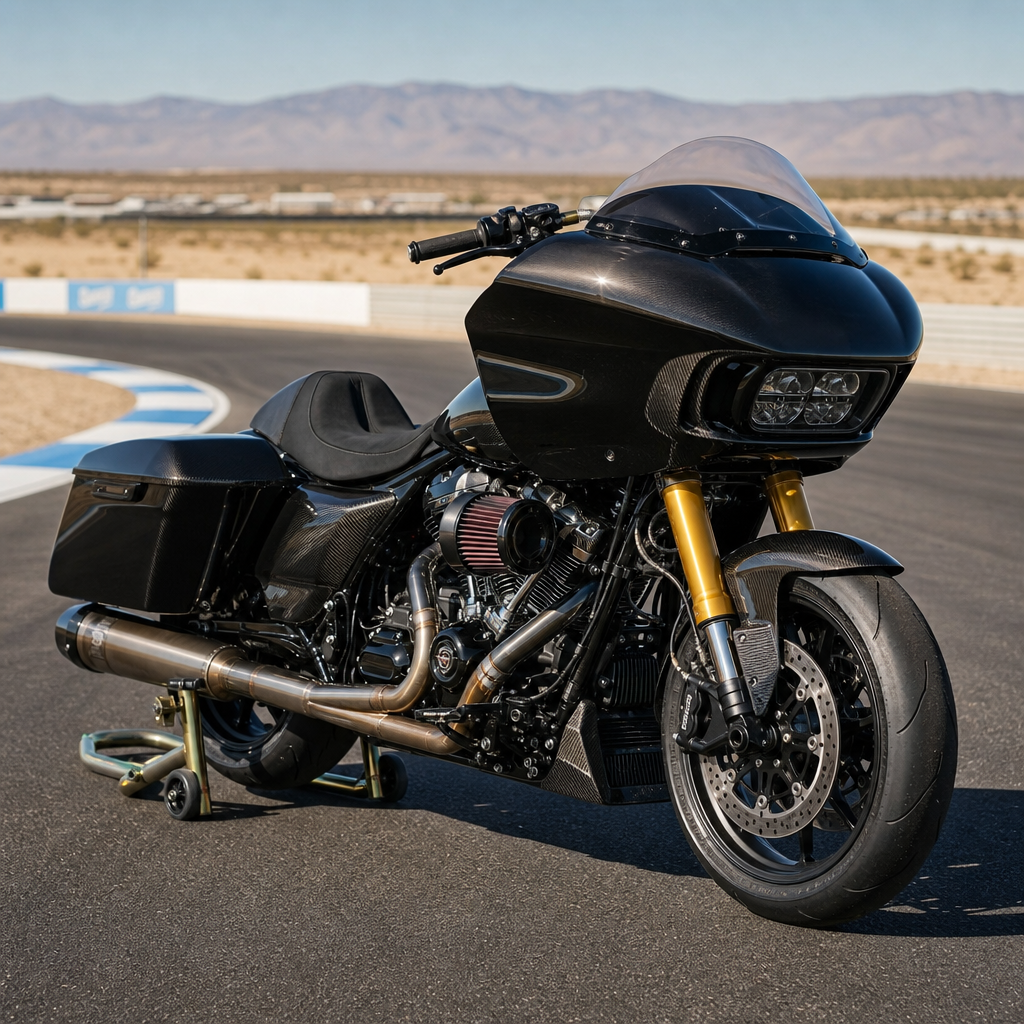
The “King of the Baggers” look blends race-inspired stance, purposeful ergonomics, and unmistakable V-twin presence into a style many Harley-Davidson owners now want for the street. In practical terms, it means taking touring models such as the Road Glide, Street Glide, Road King Special, and CVO baggers and giving them a lower, longer visual line, sharper rider triangle, and a more aggressive exhaust note without sacrificing real-world comfort. I have built and tested versions of this formula on customer bikes and shop project machines, and the pattern is consistent: suspension and exhaust changes create the biggest visual and sensory transformation per dollar, but only when they are matched to the motorcycle’s frame geometry, rider size, wheel diameter, and intended use.
For 2026, the conversation is more nuanced than simply “slam it and add pipes.” Harley-Davidson’s current touring platform, especially late-model Milwaukee-Eight baggers, responds differently depending on whether the bike carries a 17-inch rear, 19-inch front, 21-inch front, or performance-oriented wheel package. Suspension travel, swingarm angle, cornering clearance, passenger load, and catalytic converter placement all affect what works. Exhaust choice is equally technical. Header diameter, collector design, muffler core size, backpressure, and tuning support determine whether a bike gains usable midrange torque or just noise. Riders searching for a true bagger performance recipe usually have three goals at once: preserve long-haul comfort, sharpen handling, and achieve the race-bred silhouette seen in modern series-inspired customs.
This hub article covers model-specific ergonomics and performance recipes across the Harley-Davidson touring range, with suspension and exhaust as the foundation. It also serves as the organizing page for deeper subtopic articles on fitment, shock length, fork cartridges, two-into-one systems, and rider setup. If you want the shortest answer, here it is: the best “King of the Baggers” street setup is not the lowest bike or the loudest pipe. It is the combination that keeps the chassis balanced, supports the rider’s weight correctly, and uses an exhaust that broadens the torque curve while clearing bags, floorboards, and passenger accommodations.
What Defines the 2026 King of the Baggers Street Look
The visual recipe starts with stance. A bagger looks “right” when the front and rear ride heights are coordinated, the wheel and tire package does not overpower the fenders, and the bags sit level relative to the ground rather than appearing tail-high or collapsed. On 2026-style builds, that usually means slightly increased front control with a measured rear drop or, more accurately, a lower visual line created through spring preload, shock body length, seat profile, and side-cover alignment. The key distinction is important: a good build looks low without destroying suspension stroke. In my experience, the best street bikes retain enough travel to absorb expansion joints and mid-corner pavement changes.
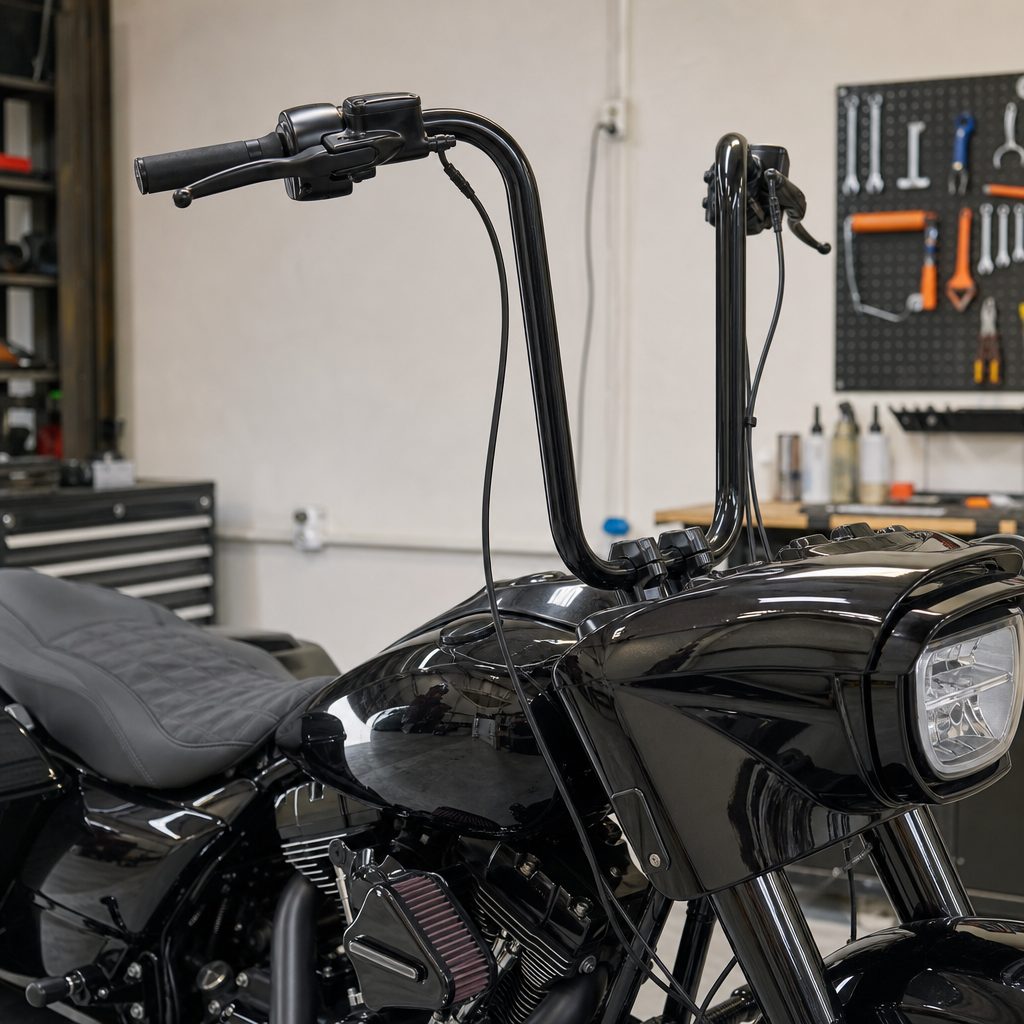
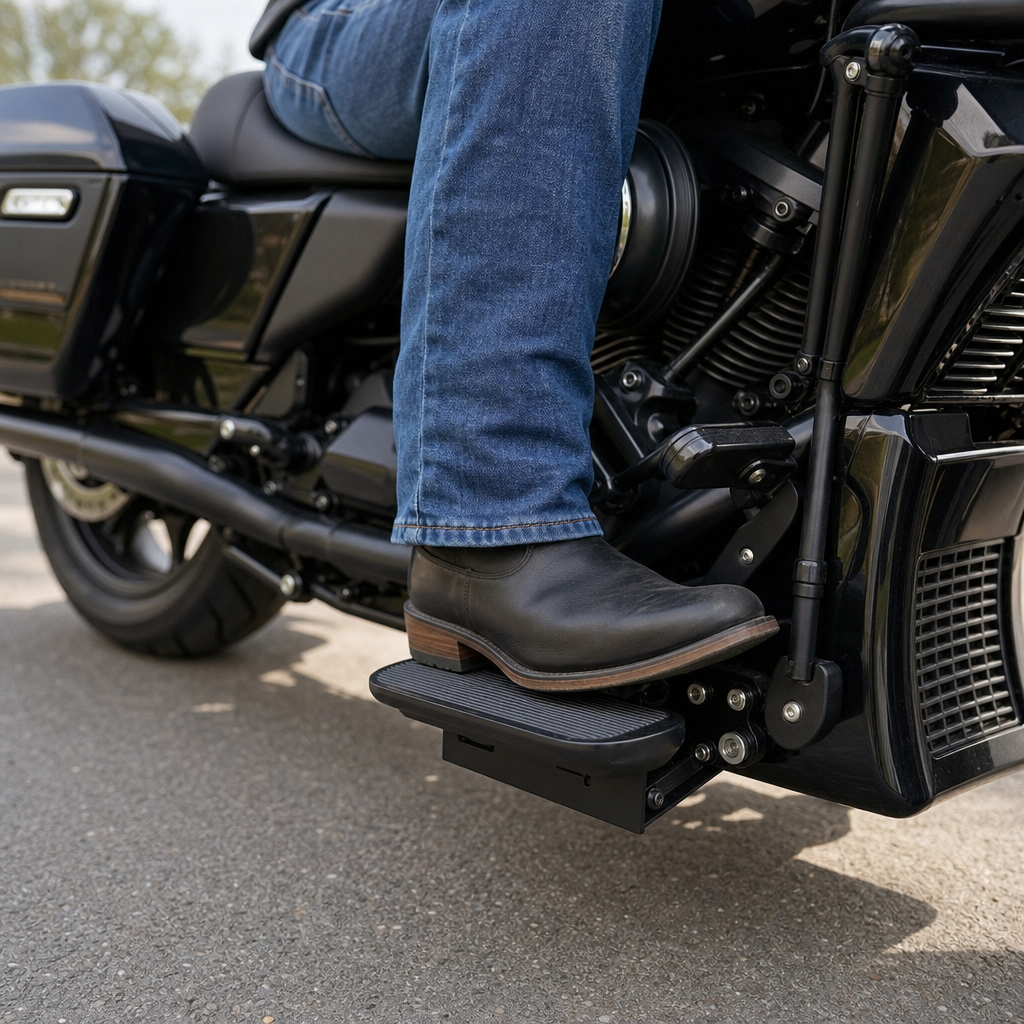
Ergonomics complete the look because the rider’s position determines whether the motorcycle appears composed or awkward. The modern performance-bagger silhouette typically pairs a supportive seat with mid-height moto-style bars or performance bends that reduce reach compared with tall ape hangers. Floorboard position, brake pedal angle, and shifter throw matter more than many owners expect. If the rider must lock their elbows or collapse their hips to reach the controls, the bike may photograph well but feel poor after thirty minutes. For most Road Glide and Street Glide riders, the sweet spot is a neutral torso angle with a slight forward hinge and relaxed shoulders, allowing leverage during low-speed maneuvers and aggressive corner entries.
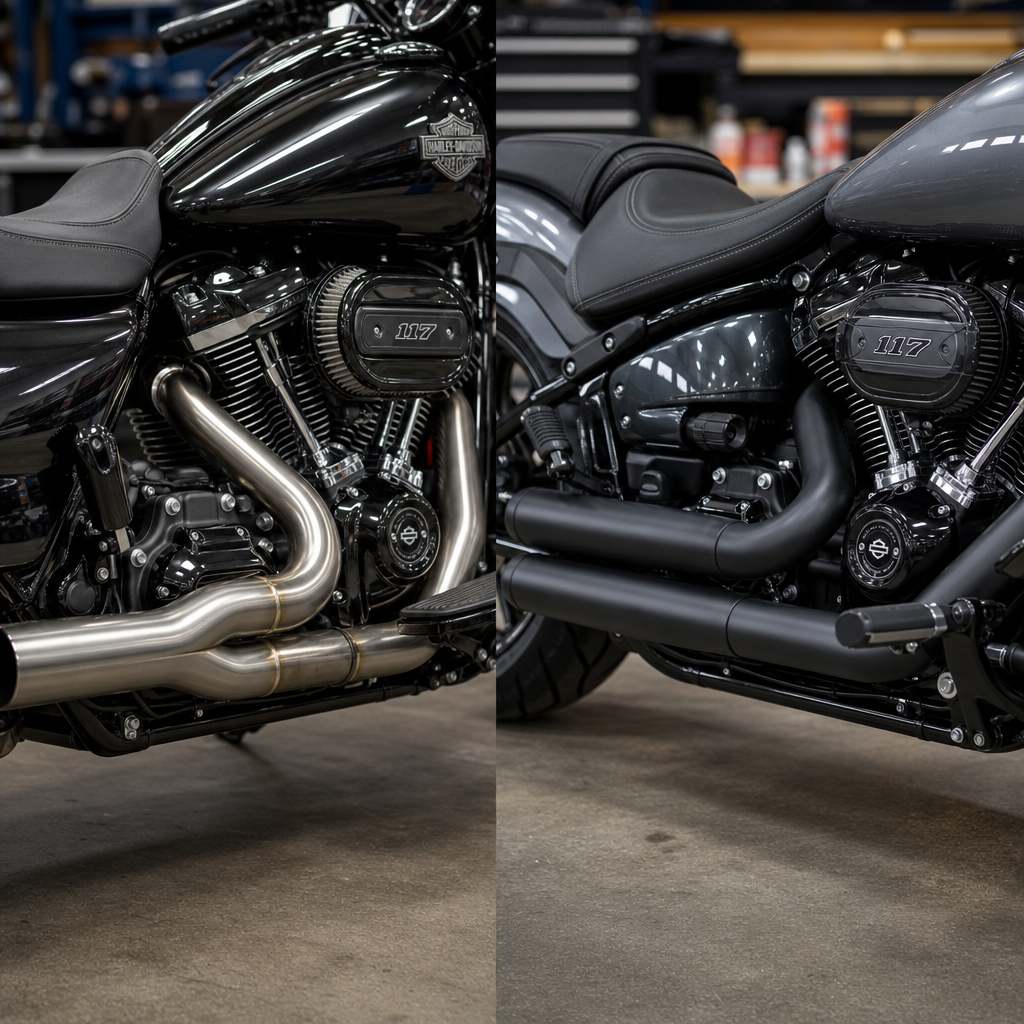
Exhaust is the finishing layer because it changes both form and function. A two-into-one system with a compact muffler usually gives the clearest race-bike cue, while a high-quality dual setup can preserve classic touring symmetry. The tradeoff is that the strongest performance gains on Milwaukee-Eight touring bikes generally come from well-engineered two-into-one systems from brands such as S&S, D&D, Trask, Bassani, Fuel Moto, and Sawicki Speed, especially when paired with intake and calibration work. That does not make every two-into-one automatically better. Bag clearance, heat management, passenger leg room, and sound pressure all vary significantly by design.
Suspension Recipes by Harley-Davidson Bagger Model
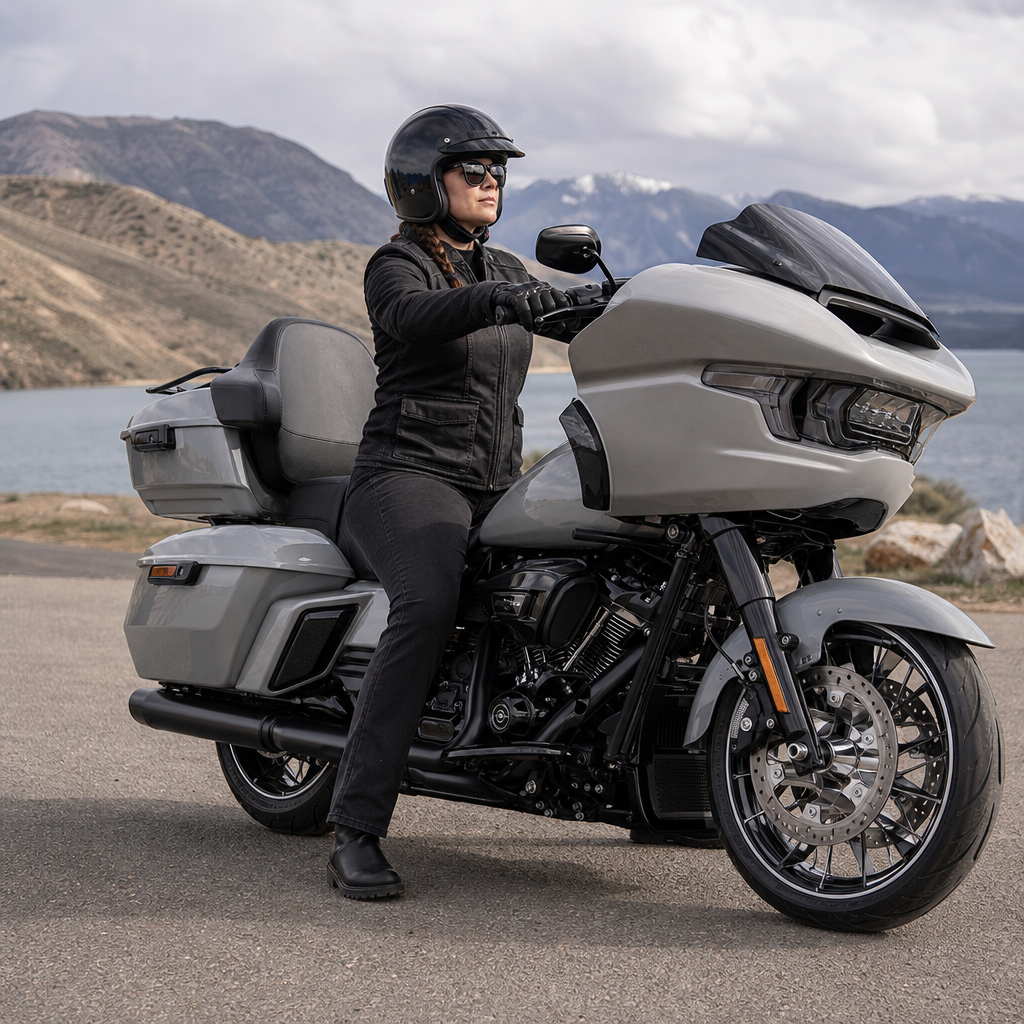
Road Glide models are the most common starting point because the frame-mounted fairing already suggests competition intent. For a solo rider seeking the bagger-race look on a 2024–2026 Road Glide, the proven recipe is premium rear shocks in the 13-inch class, correctly sprung for rider weight, paired with fork cartridges or performance fork internals rather than simple lowering kits. This keeps the bike settled under braking and prevents the “rear-low, front-vague” feeling that plagues cosmetic builds. On these bikes, Öhlins, Legend Suspensions, Fox, and Pro Action all offer solutions that materially improve chassis control. The ergonomic companion pieces are a seat that locks the rider in place and bars that reduce wrist extension.
Street Glide models follow a similar formula but require more attention to upper-body fit because the fork-mounted fairing changes steering feel and wind interaction. Riders under about 5-foot-9 often benefit from a narrower bar bend and a seat that moves them slightly forward, while taller riders may need more rise and less pullback to avoid knee crowding. The suspension target should still be balance, not maximum drop. I generally advise against ultra-short shocks on current Street Glides unless the bike is primarily for show. Once rear travel is excessively reduced, floorboard contact arrives early, belt guards suffer, and passenger comfort falls off quickly.
Road King Special owners often chase the same low, menacing line but have a different ergonomic baseline because there is no batwing or sharknose fairing to manage windblast. That makes handlebar choice more consequential. A Road King can tolerate a slightly lower, leaner cockpit if the rider also adds a windshield suited to highway speed. Suspension-wise, the Road King responds especially well to high-quality fork damping because the front end is visually exposed and dynamically honest. If the fork is underdamped, the bike will show it immediately during corner transitions and rough-road braking. The right exhaust recipe for a Road King usually emphasizes ground clearance and right-side bag spacing, since owners often ride them harder than expected.
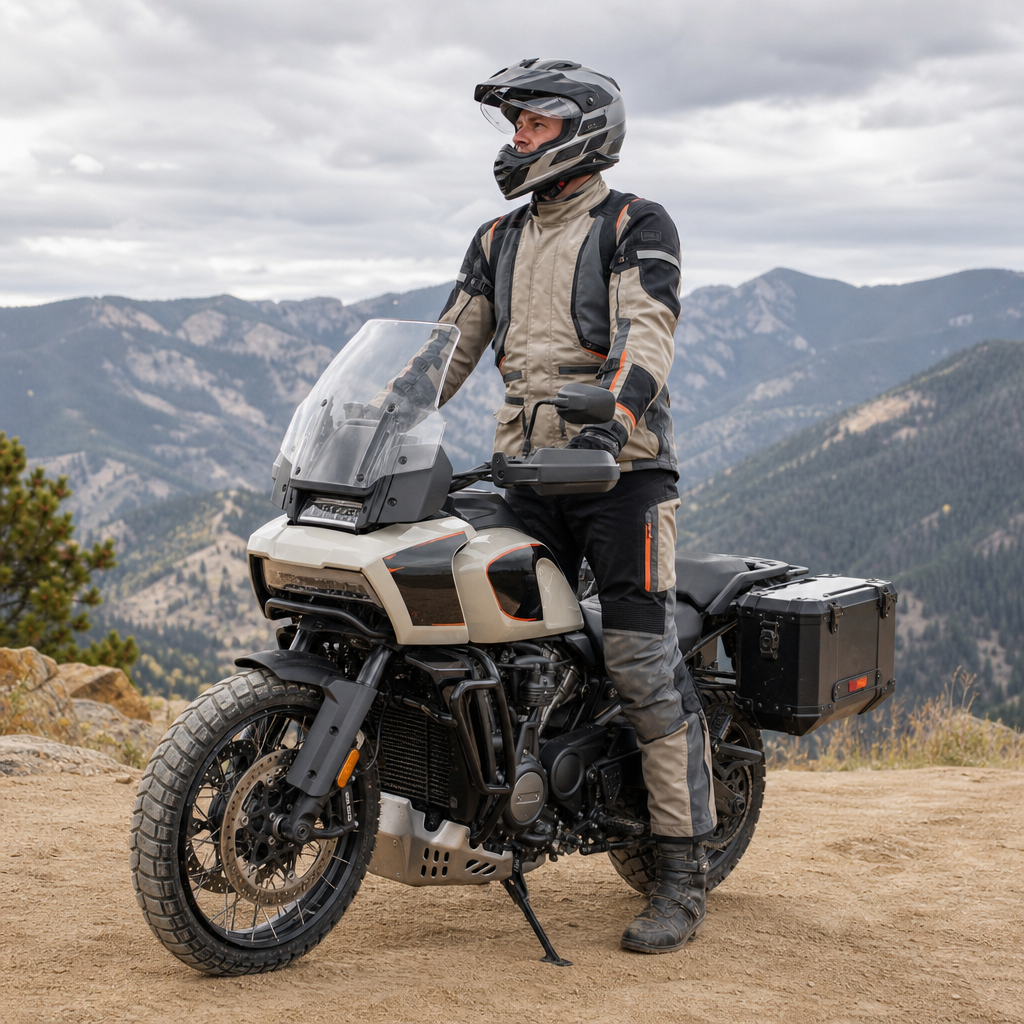
CVO and ST variants deserve separate treatment because they arrive with stronger component baselines. A Road Glide ST or Street Glide ST may need less dramatic hardware replacement and more careful tuning of preload, sag, and rider interface. Many owners overspend here by replacing competent parts before measuring static sag, rider sag, and fork position. A disciplined setup session can reveal that the bike mainly needs springs matched to actual load, not a full suspension overhaul.
| Model | Best Suspension Direction | Typical Exhaust Match | Ergonomic Focus |
|---|---|---|---|
| Road Glide | 13-inch rear shocks, fork cartridges, correct spring rate | Two-into-one for midrange and visual aggression | Neutral reach, firm seat, leverage at the bars |
| Street Glide | Balanced rear height, controlled fork damping, avoid overshort shocks | Compact two-into-one or tuned duals | Bar width and reach matched to torso length |
| Road King Special | Strong fork damping, usable rear travel, stable highway composure | Clearance-friendly two-into-one | Wind management plus low-fatigue hand position |
| CVO/ST | Measure sag first, then upgrade selectively | High-flow system with precise calibration support | Fine-tune seat, pegs, and preload to rider load |
How to Choose Suspension Without Ruining Ride Quality
The first rule is to select spring rate before chasing shock length. Suspension supports weight through springs and controls movement through damping; lowering by itself solves neither problem. A 170-pound solo rider and a 260-pound rider with luggage need different rates even on the same model. If spring rate is too soft, the bike rides deep in the stroke, steers slowly, and bottoms over square-edge hits. If too stiff, it skips over broken pavement and loses compliance. This is why top suspension brands ask for rider weight, passenger frequency, luggage load, and riding style during ordering.
Preload and sag are the practical language of fit. As a baseline, a touring Harley should settle into its travel enough to maintain comfort and grip without consuming so much stroke that hard parts drag early. On customer setups, I always measure static and rider sag before changing bar position or seat height because many ergonomic complaints are actually chassis problems. A bike with excessive rear sag pushes the rider rearward, increases reach to the bars, and makes floorboards feel oddly high during stops. Correcting shock preload can improve comfort even before any custom parts are installed.
Fork upgrades matter because heavy touring motorcycles ask a lot from the front end. Cartridge kits and properly valved internals improve brake support, rebound control, and mid-corner stability. Cheap lowering springs often reduce travel while worsening damping, which creates the harsh ride many owners mistakenly blame on “performance suspension.” The best recipe keeps front and rear working together. If you install premium rear shocks but leave a soft, diving fork, the bike will feel unbalanced and visually disconnected.
Exhaust Recipes That Add Style and Useful Power
For most Milwaukee-Eight baggers, the strongest street-performance exhaust remains a well-designed two-into-one with a stepped header and an efficient collector. The reason is simple: scavenging improves cylinder evacuation, which boosts torque where touring riders actually use it, usually between 2,500 and 4,500 rpm. That is the rpm band for roll-ons, passing, and corner exits. On the dyno, I have repeatedly seen quality systems produce broader gains than cosmetic slip-ons, especially when paired with an intake and proper ECU calibration through platforms such as Dynojet Power Vision or Screamin’ Eagle Pro Street Tuner where legal and available.
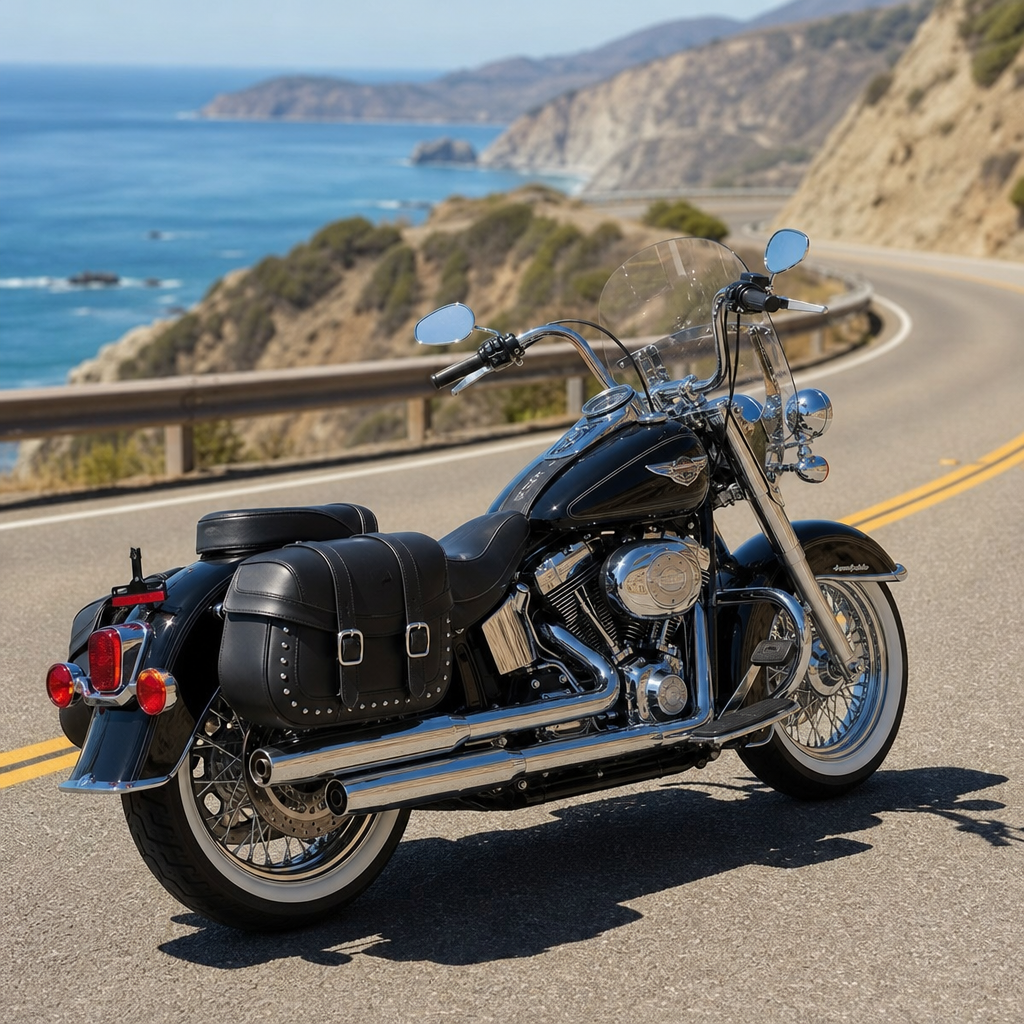
That said, not every rider wants the same behavior. If the priority is classic bagger symmetry, tuned duals or high-flow slip-ons can preserve the factory silhouette and still reduce heat and weight. They usually will not match the best two-into-one systems for peak efficiency, but they can deliver a cleaner tone and adequate gains for riders who value aesthetics and passenger space. Material choice also matters. Stainless systems resist corrosion and discoloration better than mild steel, while ceramic coatings can reduce radiant heat near the right leg and side cover.
Sound should be judged on frequency and fatigue, not volume alone. A pipe that seems exciting for fifteen minutes can become punishing on a four-hour ride, especially with a fork-mounted fairing that reflects sound toward the rider. Bagger owners who travel should prioritize deep, controlled tone over harsh bark. Also remember that camshaft choice, catalytic layout, and tune quality all change perceived sound. The right exhaust recipe is one that complements your engine package and your actual riding range.
Building a Complete Ergonomic and Performance Recipe
The most successful builds follow an order of operations. Start with rider fit: seat, handlebar reach, floorboard relationship, and control adjustment. Then set sag and preload, choose shock and fork upgrades, and only after the chassis is settled should you finalize exhaust and tuning. This sequence prevents one modification from masking another. For example, many riders install taller bars to relieve back strain when the deeper issue is a seat that places them too far rearward because the rear suspension is sagging excessively under load.
This hub is designed to connect those decisions across the Harley-Davidson lineup. A Road Glide rider considering 13-inch shocks, a Street Glide owner comparing two-into-one options, and a Road King Special rider trying to preserve comfort while sharpening cornering all need model-specific guidance, not generic catalog claims. The core lesson for 2026 is clear: the “King of the Baggers” look works best when suspension and exhaust are treated as integrated systems. Done correctly, the bike gains a cleaner stance, better control, stronger midrange, and an ergonomic package that supports real miles, not just parking-lot approval.
Use this page as your starting point for deeper Harley-Davidson fitment and recipe articles, then choose parts based on weight, model, riding style, and passenger needs. Measure first, buy second, and tune last. That process delivers the look riders want and the performance they can actually feel every time the road opens up.
Frequently Asked Questions
What does the “King of the Baggers” look actually mean for a 2026 Harley touring build?
The “King of the Baggers” look is not just about making a big Harley-Davidson louder or lower. It is a very specific visual and functional recipe inspired by race-prepped baggers that compete with a low, aggressive stance, strong forward motion, and a cockpit that looks ready for fast, committed riding. On a 2026 touring model, that usually means reducing excess visual height, tightening up suspension attitude, improving chassis control, and choosing an exhaust system that delivers both performance character and the unmistakable V-twin sound people expect from a serious bagger.
In street terms, the look usually starts with the profile. Owners want the bike to sit lower and appear longer without becoming unusable on real roads. That means carefully selected rear suspension length, sag setup, and front-end balance rather than simply dropping the bike as far as possible. The goal is a controlled, athletic stance that still allows the suspension to work. From there, ergonomics matter just as much. The race-inspired effect comes from a sharper rider triangle: bars, seat, and floorboard relationship should put the rider in command, not slouched behind the fairing.
Exhaust is the finishing touch because it changes both the visual language and the personality of the motorcycle. A proper bagger-style exhaust setup usually has a more performance-oriented appearance, a deeper and more defined note, and cleaner routing that complements the long lines of the bike. When these parts work together, the result looks intentional rather than pieced together. The best builds do not sacrifice comfort or touring capability; they simply add a more aggressive stance, stronger chassis feel, and a soundtrack that matches the bike’s visual attitude.
How low should I go with suspension if I want the bagger race look without ruining ride quality?
This is the most important question because suspension determines whether the build feels premium or compromised. For a street-driven touring Harley, the sweet spot is usually a moderate drop that improves stance and response without destroying travel. Many owners make the mistake of chasing the lowest possible rear ride height, but a bagger that bottoms out over freeway joints, drags hard parts constantly, or unsettles the chassis in corners is not really capturing the spirit of a race-inspired build. It is just uncomfortable and less capable.
The right answer depends on your model, rider weight, passenger use, and how aggressively you ride, but in general, a quality rear shock setup with properly matched spring rate and damping is more important than the advertised drop number. A slightly shorter shock can absolutely help achieve the visual line most riders want, but it should still provide enough usable travel to manage potholes, expansion joints, and loaded touring miles. On the front, balance matters. If the rear comes down too much without addressing the fork, the bike can feel lazy or awkward. If the front is overly lowered, ground clearance and control can suffer. The best-looking setups preserve chassis attitude and composure rather than simply pushing everything closer to the pavement.
For most 2026 Harley bagger builds aiming at this style, a thoughtful suspension package from a reputable manufacturer is the smartest move. Look for adjustable preload at minimum, and ideally damping control as well. Set rider sag correctly, then test the bike on the kind of roads you actually use. You want a lower, tighter feel with better support under acceleration and braking, not a harsh ride. Done correctly, the bike will look more aggressive, steer with more confidence, and still remain a machine you can ride all day.
What suspension combination works best for Road Glide, Street Glide, Road King Special, and CVO baggers?
There is no single universal combination, but there is a reliable pattern. These bikes respond best when front and rear suspension are treated as a complete system rather than separate cosmetic changes. For a Road Glide or Street Glide, a very effective formula is a premium rear shock setup tuned for rider weight and intended load, paired with cartridge-style fork internals or upgraded fork components that improve damping control and front-end support. That gives you the planted, performance-inspired feel people want while preserving highway comfort and predictable steering.
The Road King Special often benefits especially well from this approach because its stripped-down bagger appearance already leans toward the aggressive look. A corrected suspension setup can make it feel sharper and more deliberate without taking away the classic character. CVO baggers are a little different because they often begin with more premium components and finishes, so parts selection should respect the overall refinement of the bike. On those models, it is even more important to choose high-quality shocks, carefully matched fork upgrades, and settings that improve control without introducing unnecessary harshness.
In practical terms, the ideal recipe usually includes rear shocks selected for proper spring rate, ride height, and damping quality; fork upgrades that reduce dive and improve composure; and a setup session to dial in preload and sag. If your bike carries a passenger or loaded bags often, account for that from the start. A bagger can absolutely have the “King of the Baggers” silhouette and still remain useful for travel, but only if the suspension is chosen around real use. The best results come from brands and tuners with proven Harley touring experience, because these are heavy motorcycles and they react very differently than lighter performance bikes.
What kind of exhaust gives the right sound and style without making the bike annoying or difficult to tune?
The right exhaust for this style should deliver three things at the same time: a purposeful performance look, a deep and authoritative V-twin tone, and compatibility with a clean tune. Too many riders focus only on volume. That usually leads to a bike that sounds harsh at cruise, drones on longer rides, and may lose some of the refined feel that makes modern touring Harleys enjoyable in the first place. A better approach is to choose an exhaust system known for balanced sound quality, solid fitment, and real-world tuning support.
For the bagger race-inspired look, many owners prefer a performance-oriented 2-into-1 system because it visually reinforces the athletic character of the build and often supports stronger midrange performance. Others want the symmetry and traditional bagger presence of duals, especially if preserving a more classic touring silhouette matters. Neither choice is automatically right or wrong. The best option depends on whether your priority is maximum performance influence, traditional styling, passenger comfort, luggage clearance, or a specific sound signature. What matters most is avoiding cheap systems that look good in photos but produce excessive resonance, poor heat management, or awkward fit around bags and floorboards.
Tuning is just as important as the hardware. Modern Harley touring models respond best when the exhaust, intake, and calibration are considered together. If you install a freer-flowing system, make sure your tuner or calibration solution is appropriate for the bike and your local emissions regulations. A properly tuned exhaust setup should improve throttle feel, deliver a stronger and cleaner power character, and sound crisp without becoming tiring. The ideal bagger exhaust is not merely loud; it sounds expensive, controlled, and intentional every time you roll into the throttle.
Can I get the “King of the Baggers” stance and exhaust note while still keeping the bike comfortable for daily street use and touring?
Yes, and that is exactly what separates a smart build from a show-only imitation. The most successful street baggers inspired by the racing scene are the ones that keep the bike enjoyable over distance. Comfort does not have to disappear just because the bike looks more aggressive. In fact, when suspension is chosen intelligently, many riders find that their bagger becomes more comfortable because the chassis is better controlled, impacts are managed more cleanly, and the riding position feels more supportive.
The key is moderation and part selection. Use lowering only where it serves the overall geometry and appearance. Choose shocks that still have meaningful travel, and do not ignore spring rate or damping quality. Match the front end to the rear so the bike remains stable and confidence-inspiring. If ergonomics are part of the plan, make sure bars, seat, and controls support your actual riding style. A racier stance should help you feel connected to the bike, not folded up or strained after an hour in the saddle.
With exhaust, comfort means paying attention to more than the startup bark. Think about highway drone, passenger experience, luggage heat, and how the bike sounds at part throttle in the real world. A well-designed system with a proper tune can absolutely provide the aggressive note owners want while remaining civilized enough for long rides. The overall formula is simple: build for balance. When suspension, stance, ergonomics, and exhaust are selected as one package, a 2026 Harley touring model can capture the “King of the Baggers” look while still doing what a bagger is supposed to do—cover miles with confidence, comfort, and attitude.