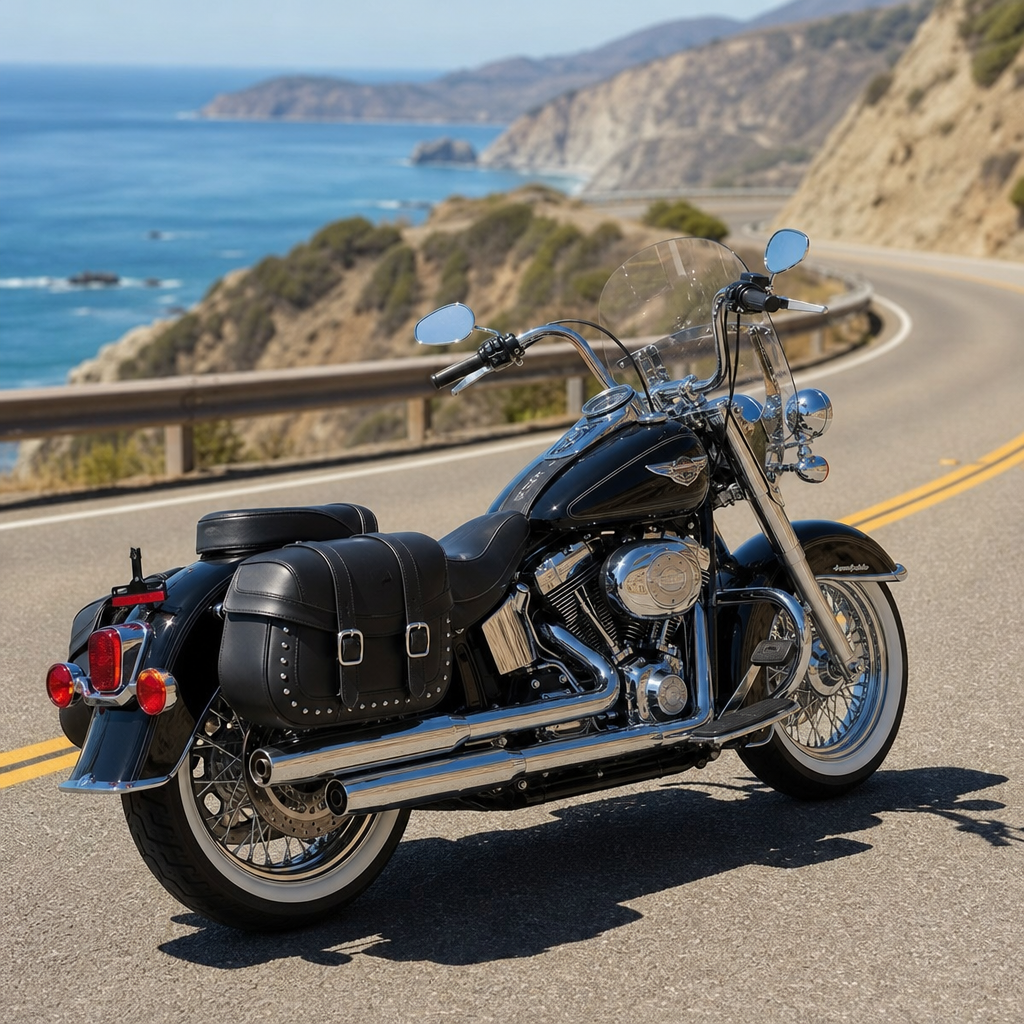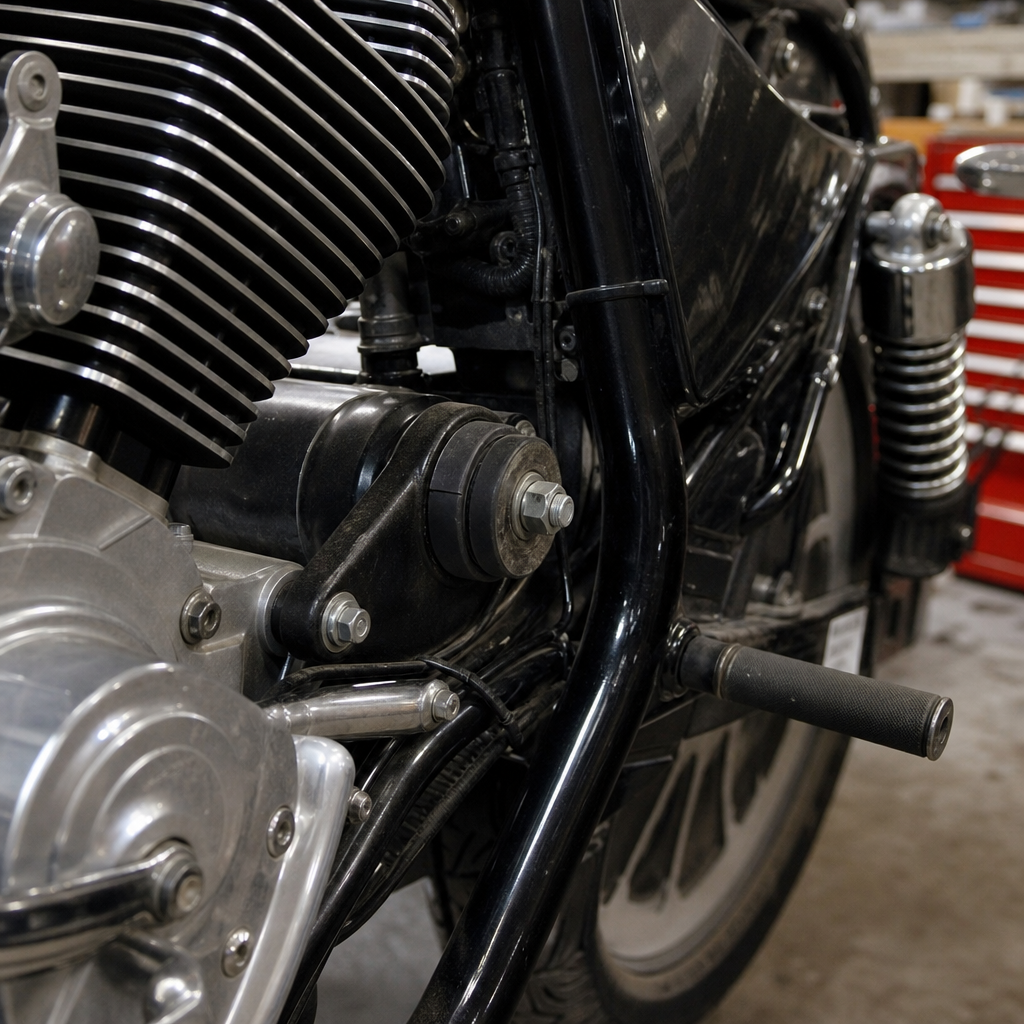
Reducing vibration on older used Dynas starts with understanding how Harley-Davidson’s rubber-mounted big twin chassis was designed to balance character, comfort, and control. In practical terms, a Dyna uses elastomer motor mounts and a stabilizer link to isolate much of the engine’s movement from the frame, bars, pegs, and seat. On a healthy bike, that system preserves the unmistakable pulse riders expect while keeping highway numbness, mirror blur, and mid-corner chassis weave within acceptable limits. On a worn bike, the same system can become the source of harsh buzz, vague handling, driveline clunk, and rider fatigue.
I have inspected and test-ridden many older used Dynas, from carbureted Evo models to Twin Cam 88 and 96 examples, and the pattern is consistent: owners often blame “Harley vibration” when the real culprit is deferred rubber mount maintenance. That matters because ergonomics and performance recipes on a Dyna are interconnected. Handlebar height, seat foam density, foot control position, suspension sag, tire pressure, wheel balance, and motor mount condition all interact. If the mounts are tired, every other comfort or performance modification is working around a compromised foundation.
This hub article covers the full picture for model-specific ergonomics and performance recipes on older used Dynas, with rubber mount maintenance at the center. You will learn what the mounts do, how to identify symptoms of wear, which model-year differences affect diagnosis, and how to pair mount service with rider-fit improvements that actually work. The goal is simple: reduce unwanted vibration without stripping away the mechanical feel that makes a Dyna appealing. When the isolation system is restored correctly, the bike tracks better, shifts cleaner, and feels calmer at the speeds where most owners actually ride.
How the Dyna Rubber Mount System Works
A Dyna’s engine and transmission assembly is mounted in the frame through rubber isolators rather than being rigidly bolted in as on a Softail or touring chassis with different layouts. The big twin still produces substantial primary shaking forces, especially at idle and low rpm, but the mounts absorb a meaningful portion before it reaches the rider. A top stabilizer link, often called the engine stabilizer or tie link, limits excessive movement and helps keep the powertrain aligned under acceleration, deceleration, and cornering loads.
On older used Dynas, especially 1991 through 2017 examples that have seen aftermarket exhausts, harder launches, passenger loads, or years of weather exposure, the elastomer degrades. Heat cycling, oil contamination, and age harden the rubber. Once that happens, isolation declines and movement increases in directions it should not. Riders describe it as a sharper handlebar buzz at 2,800 to 3,500 rpm, blurred mirrors at cruise, or a lazy rear-steer sensation when rolling on the throttle through sweepers. Those symptoms are not cosmetic. They indicate the powertrain is no longer being controlled as designed.
Model differences matter. Early Evolution-powered Dynas have their own baseline feel, while 1999 to 2005 Twin Cam models can show different harmonic behavior than six-speed bikes from 2006 onward. The 2006 chassis revision improved torsional rigidity, but it also made worn mounts easier to feel through the seat and bars. The takeaway is clear: there is no single “normal vibration” standard for every Dyna. A proper diagnosis starts with the specific model, engine, mileage, and modifications on the bike in front of you.
Symptoms, Inspection Points, and Common Failure Patterns
The fastest answer to “How do I know my Dyna needs rubber mount maintenance?” is this: if vibration has increased noticeably, handling feels looser, or driveline lash feels more abrupt than it used to, inspect the mounts and stabilizer system before buying comfort parts. Start with the front and rear engine mounts, the top stabilizer link bushings, mounting hardware torque, and any signs of oil saturation. Rubber that is cracked, compressed, offset, or shiny from metal contact is suspect. A mount can also fail without dramatic visual damage by simply hardening beyond useful elasticity.
Real-world symptoms usually appear in clusters. A rider may complain that the right-side mirror is unreadable above 65 mph, the bike shudders on shutdown, and the exhaust bracket keeps loosening. Another may report that a previously smooth 75-mph cruise now tingles through the floorboards and seat after a tire change, when the true issue is that fresh wheel balance exposed an already marginal rear mount. I have also seen bikes with upgraded shocks and fork springs that still wallowed under throttle because the stabilizer link bushings were worn enough to let the powertrain steer the chassis.
Inspection should include the surrounding system, not just the rubber itself. Check belt alignment and tension, rear axle alignment, wheel bearings, swingarm play, exhaust mount integrity, and contact points such as the air cleaner backing plate or pipes touching the frame. Many vibration complaints are cumulative. A slightly hardened front mount, a loose stabilizer, and an out-of-balance front wheel can combine into a problem that feels much worse than any one fault alone. Good maintenance separates those variables methodically.
Best Maintenance Recipe for Older Used Dynas
The most effective maintenance recipe follows a sequence: establish baseline condition, restore isolation components, then tune ergonomics around the corrected chassis. For a newly purchased used Dyna, I recommend documenting current symptoms by rpm and road speed, then inspecting service records. If there is no proof that mounts or stabilizer bushings have been replaced within the last decade, assume they deserve close evaluation. Harley-Davidson service manuals remain the first reference for model-specific procedures and torque values, and they should be treated as mandatory, not optional.
Use original-equipment quality parts or proven aftermarket replacements from suppliers known in the Harley service world, especially for stabilizer assemblies and mount hardware. Cheap rubber compounds often transmit more vibration or deteriorate faster. During replacement, inspect adjacent brackets for elongation, verify fastener condition, and torque everything at the bike’s specified ride condition if the manual requires it. After reassembly, test ride the bike before changing bars, grips, pegs, or seat. You need to know what the mount service accomplished on its own.
| Maintenance task | What it addresses | Typical rider complaint improved |
|---|---|---|
| Replace front and rear rubber mounts | Restores isolation and powertrain control | Seat buzz, mirror blur, shutdown shudder |
| Renew top stabilizer link bushings | Limits unwanted engine movement | Loose handling, clunk on throttle transitions |
| Check torque on mount and bracket hardware | Prevents shift in alignment under load | Intermittent vibration and rattles |
| Inspect belt, wheels, bearings, and exhaust mounts | Eliminates overlapping vibration sources | Buzz that persists after mount replacement |
| Test ride by rpm range and road speed | Confirms whether the fix matched the symptom | Unclear improvement after service |
Once the chassis is mechanically right, small ergonomic adjustments become far more meaningful. A quality seat that supports the sit bones, grips with moderate compliance, and bars that keep wrists neutral can reduce perceived vibration dramatically because the rider is no longer bracing against motion. That is why this article serves as a hub for model-specific ergonomics and performance recipes: on a Dyna, comfort and control are built in layers, and rubber mount maintenance is the first layer.
Model-Specific Ergonomics and Performance Recipes
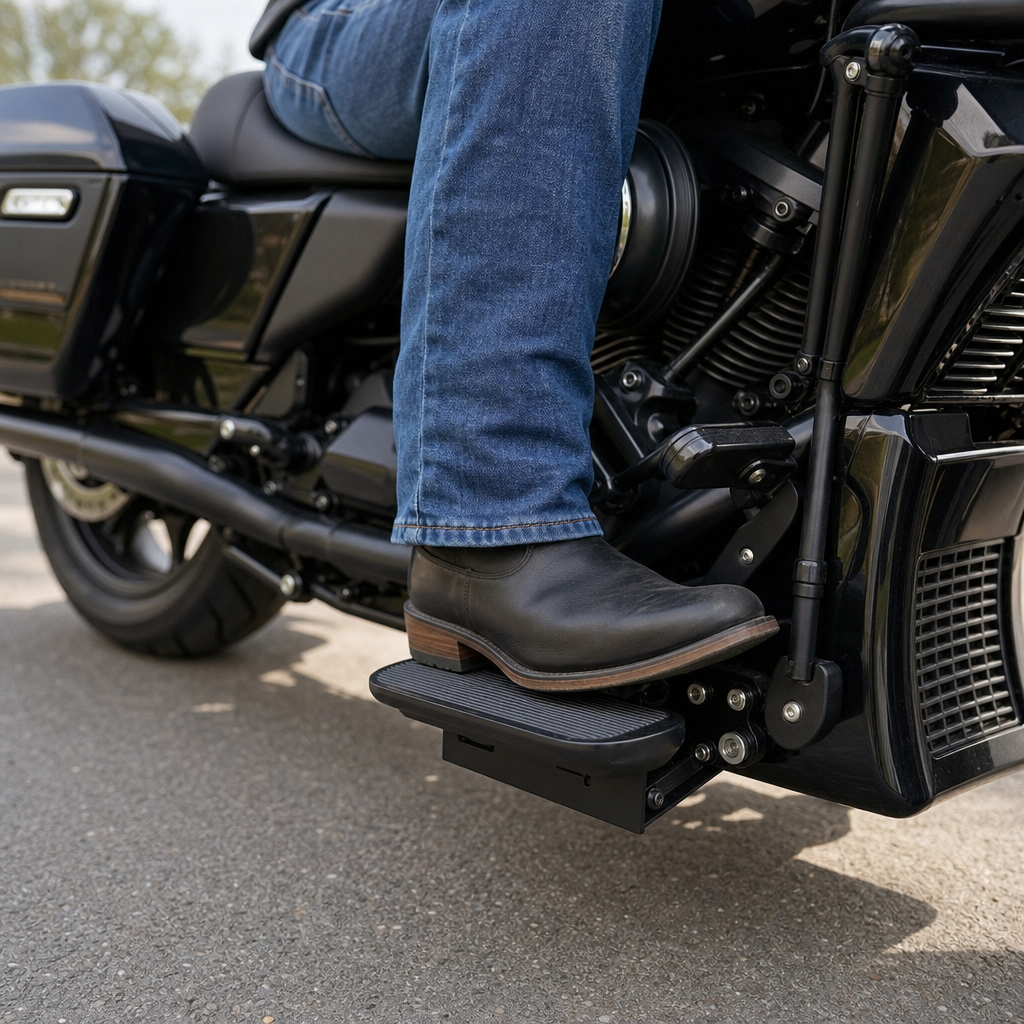
For riders under about 5’9″, older Super Glide and Low Rider variants often respond best to a recipe centered on mid-controls, a seat with defined lumbar support, and bars that bring the hands slightly inward rather than upward. This position reduces the tendency to lock the elbows, which amplifies buzz into the shoulders. If the bike still feels busy after mount service, look at grip diameter and lever angle before chasing suspension changes. Small fit corrections often calm the entire rider triangle.
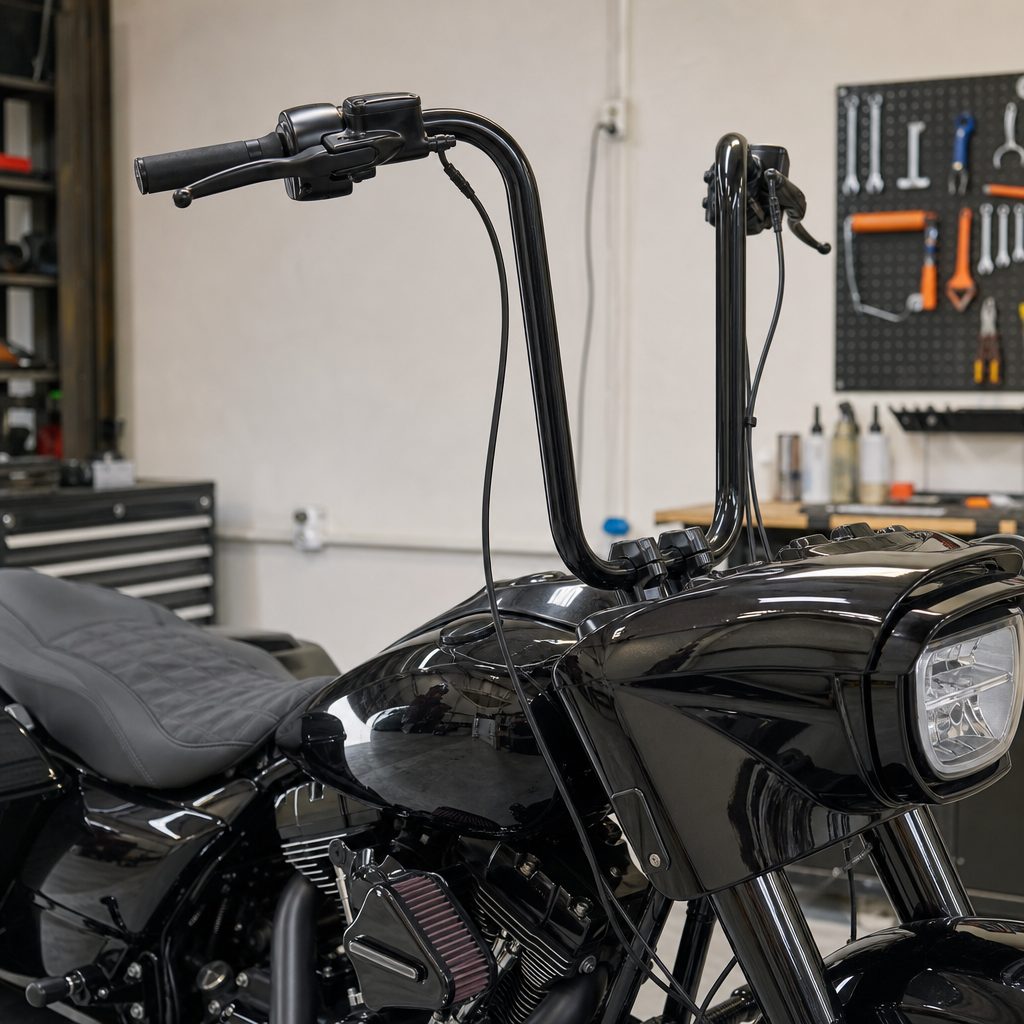
For taller riders or anyone using a Wide Glide or Street Bob for longer distances, the common mistake is adding tall ape hangers before correcting seat-to-peg distance and rear suspension preload. Hands above the heart and feet too far forward make the rider hang from the bars, which makes any remaining vibration feel worse. A better recipe is a supportive seat, foot controls matched to inseam, modest-rise bars with rearward sweep, and shocks set for actual rider sag. On 2006 and later Dynas, this setup usually improves both comfort and lane-change stability.
Performance-oriented builds, especially on FXDX, FXDL, and later FXDB models, need a different balance. Here the priority is chassis precision under braking and throttle. Fresh mounts and stabilizer bushings are non-negotiable because aggressive corner exits reveal slop quickly. Pair that service with quality shocks from companies such as Progressive Suspension, Ohlins, or Bitubo, matched fork springs, and carefully chosen tires from Michelin Commander, Dunlop American Elite, or Metzeler Cruisetec depending on use. The right recipe does not chase the lowest vibration number. It preserves feedback while removing the excess motion that reduces confidence.
For two-up touring on a Dyna, especially on Switchback or accessory-equipped Super Glide Customs, load management matters as much as mount condition. Passenger weight increases how sharply degraded mounts are felt because the rear suspension works deeper in the stroke and the chassis sees more fore-aft transfer. Set sag correctly, confirm tire pressures cold, and keep luggage weight balanced side to side. Owners who do this usually report that fresh mounts improve not just vibration but also passenger comfort because the seat no longer receives as much secondary shake from the powertrain.
Tools, Service Standards, and What Owners Often Miss
A credible Dyna vibration diagnosis uses more than guesswork. You need the factory service manual, a torque wrench with the correct range, a straightedge for visual alignment checks, and patience during test rides. When available, a dial indicator or careful reference measurements can help verify whether the powertrain sits where it should after mount replacement. This is not glamorous work, but it prevents the common mistake of replacing visible rubber while ignoring the alignment problem that damaged it.
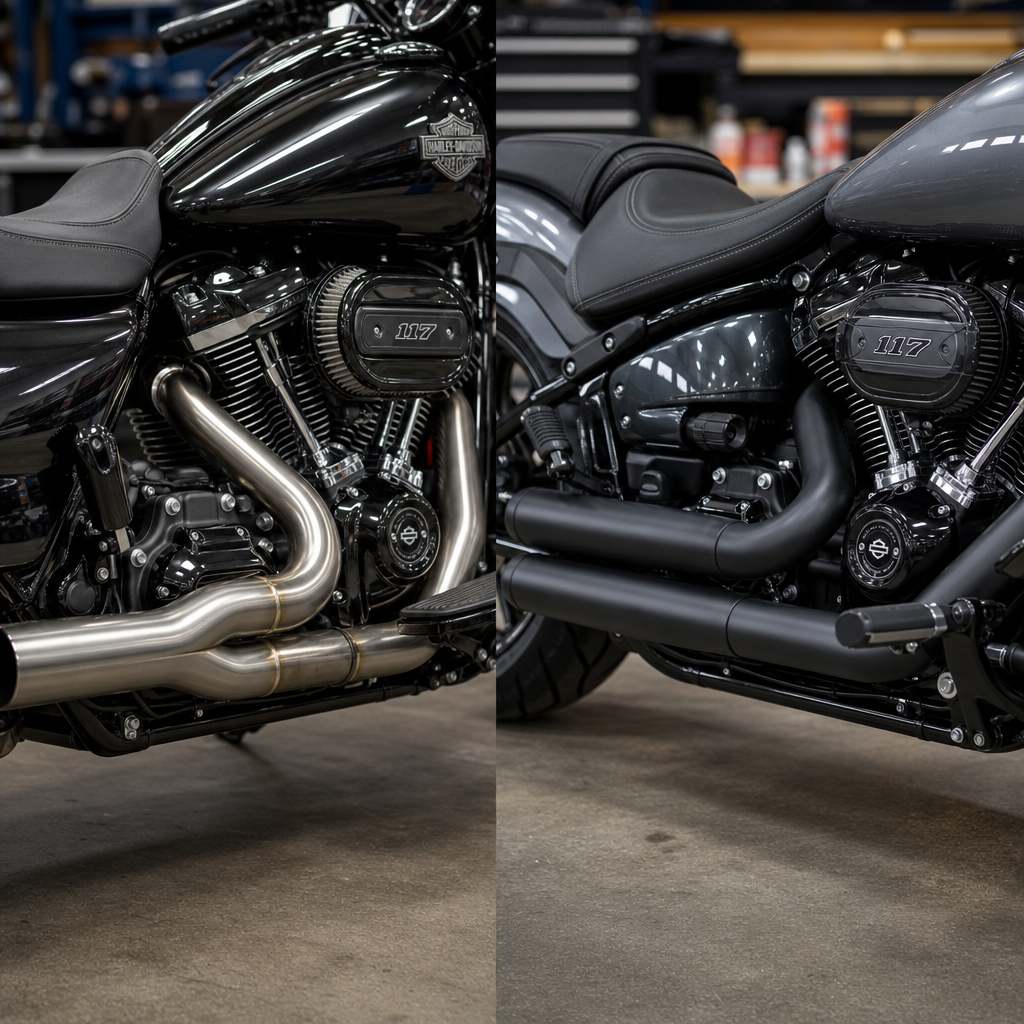
Owners also miss the role of intake and exhaust tuning in perceived smoothness. A lean-running Twin Cam with a high-flow intake and slip-ons can feel harsher in the cruising range than a properly mapped bike, even if mounts are healthy. Carbureted bikes with intake leaks or poorly adjusted idle mixture can exaggerate idle shake and off-idle stumble, which riders mistake for mount failure. The correct sequence is always mechanical baseline first, tune second, accessories third. Skipping that order wastes money.
Another overlooked issue is parts stacking. Iso pegs, gel grips, and plush seats can mask symptoms temporarily, but they also reduce diagnostic clarity if installed before the chassis is sorted. I have removed expensive comfort parts from used Dynas only to find loose stabilizer hardware underneath years of compensation. That does not mean comfort parts are ineffective. It means they work best after the primary vibration path has been corrected. Internal linking on a Harley-Davidson content hub should reflect that logic too: mount service, suspension setup, rider fit, wheel and tire selection, then engine tune.
Buying Advice for Used Dynas and Long-Term Prevention
If you are shopping for an older used Dyna, ask specifically when the engine mounts, stabilizer link bushings, and related hardware were last serviced. During a test ride, note whether vibration changes sharply with rpm, with road speed, or with throttle load. Rpm-linked vibration points toward engine isolation or tune issues. Road-speed vibration suggests wheels, tires, or bearings. Load-sensitive weave or clunk often implicates mounts or stabilizer wear. This simple framework helps you separate a bike with ordinary character from one hiding deferred maintenance.
Prevention is straightforward. Keep oil leaks from soaking rubber parts, inspect mounts during tire changes and major services, and replace worn components before they damage brackets or encourage sloppy riding habits. Avoid over-tightening related hardware outside specification, because compressed or misloaded bushings will fail early. If you modify the bike with cams, a big-bore kit, firmer suspension, or aggressive riding geometry, revisit mount condition more often. More torque and more grip reveal weaknesses sooner.
Older used Dynas reward riders who treat vibration as a system, not a personality trait. Restore the rubber mounts, verify alignment, and then build your ergonomics and performance recipe around the way you actually ride. That approach delivers the real benefit of this Harley-Davidson sub-pillar hub: a Dyna that keeps its mechanical soul while becoming more comfortable, more predictable, and more enjoyable mile after mile. Start with an inspection, use the factory manual, and make mount health the foundation for every upgrade that follows.
Frequently Asked Questions
What causes excessive vibration on an older used Dyna if it already has a rubber-mounted engine?
Excessive vibration on an older used Dyna usually means the rubber-mount system is no longer working the way Harley-Davidson intended. The Dyna chassis was designed to let the engine move in a controlled way through elastomer mounts while a stabilizer link helps keep that movement in check. When everything is healthy, the bike still feels like a big twin, but the vibration transmitted to the bars, pegs, seat, and mirrors stays manageable. When parts wear out, that balance changes quickly.
The most common causes are aged or collapsed motor mounts, a worn or misadjusted stabilizer link, loose mounting hardware, and drivetrain issues that amplify normal engine pulse. Rubber hardens, cracks, compresses, and loses its damping ability over time, especially on bikes that have seen years of heat cycles, oil contamination, heavy loads, or aggressive riding. Once the front or rear mount starts sagging, engine movement becomes less controlled, which can create more buzz at speed, more mirror blur, and a less planted feeling in corners or during roll-on acceleration.
It is also important to look beyond the mounts themselves. A Dyna with poor primary alignment, worn swingarm bearings, tired suspension, damaged isolators, or an engine tune issue can feel rougher than it should. Misfires, uneven idle, and fueling problems may be mistaken for mount failure. Likewise, if the stabilizer link bushings are worn or the link is improperly set, the chassis can develop a vague, wandering sensation that riders often describe as wobble or weave rather than simple vibration. In short, the rubber-mounted design reduces vibration, but it depends on every related part being in spec and in good condition.
How can I tell when the rubber motor mounts on a used Dyna need inspection or replacement?
There are several classic warning signs that suggest a Dyna’s motor mounts need attention. One of the first is a noticeable increase in vibration through the handlebars, footpegs, or seat compared with what is normal for a rubber-mounted Harley. Another is excessive mirror blur at cruising speed, especially if the bike used to be clearer at the same rpm range. Riders may also feel more shaking when pulling away from a stop, hear clunks during throttle transitions, or notice the bike feels less settled when leaned over on rough pavement.
A visual inspection can reveal a lot. Look for cracked rubber, separation between the rubber and metal portions of the mount, obvious sagging, oil-soaked material, or shiny witness marks showing the engine has been moving more than it should. On older used Dynas, oil leaks and road grime often hide mount deterioration, so cleaning the area before inspection is worthwhile. Pay special attention to the front mount and the rear isolation components because they do a great deal of the work in managing engine motion.
Handling symptoms matter just as much as visual ones. If the bike develops a high-speed weave, feels loose in sweeping turns, or reacts strangely when transitioning on and off the throttle, the mount system and stabilizer link should be checked immediately. While not every vibration problem means the mounts are bad, mount wear is common enough on aging Dynas that it belongs near the top of the checklist. If the bike’s service history is unknown, a thorough inspection of the mounts, stabilizer link, fasteners, and surrounding chassis components is a smart baseline step.
What maintenance should be done to keep rubber mounts on an older Dyna working properly?
Good rubber-mount maintenance starts with regular inspection rather than waiting for a major symptom to appear. On an older used Dyna, the goal is to catch deterioration before it becomes a comfort problem or a handling problem. That means checking the front and rear motor mounts for cracking, distortion, compression set, and contamination, while also inspecting the stabilizer link, bushings, brackets, and all related hardware. A mount can look only mildly worn but still allow enough movement to affect ride quality, so condition and function both matter.
Fastener torque is another critical piece of maintenance. Loose hardware can mimic bad mounts or accelerate wear in otherwise usable parts. Because the rubber-mounted system depends on controlled engine movement, even small changes in bracket alignment or clamp load can alter how the chassis behaves. Follow the factory service manual for torque values and tightening procedures, especially when reinstalling mount hardware or adjusting the stabilizer link. Guesswork is not a good strategy here.
It also helps to keep oil leaks under control and the underside of the bike reasonably clean. Oil and chemical exposure can shorten rubber life, and heavy grime makes it harder to spot problems early. While servicing the mounts, inspect related wear items such as the swingarm, rear suspension, exhaust mounts, primary mounts, and drivetrain alignment. These systems all influence how vibration is felt by the rider. In practical terms, the best maintenance plan is periodic inspection, prompt replacement of deteriorated components, correct torque on all hardware, and verification that the stabilizer link is adjusted to specification after any mount or chassis work.
Should I replace just the bad rubber mount, or all the mounts and stabilizer components at the same time?
The right answer depends on the bike’s age, mileage, symptoms, and how much of the service history is known, but on many older used Dynas it makes sense to think in terms of the whole system rather than a single failed part. If one mount is visibly collapsed or torn, the others have usually experienced the same years of heat, vibration, contamination, and load cycles. Replacing only the most obviously worn component may improve things for a while, but it can leave older parts in place that still compromise ride quality or shorten the life of the new part.
For a bike with unknown history or multiple symptoms such as mirror blur, increased rider fatigue, and unstable handling, a more complete refresh often gives the best result. That can include the front and rear motor mounts, stabilizer link bushings, related hardware, and a careful setup check once everything is installed. A system-wide approach restores the engineered relationship between engine movement and chassis control. It also reduces the chance that a remaining worn component will keep masking the improvement you expected from the repair.
That said, if the bike has been well maintained and a single mount was damaged by a specific issue, replacing only what is defective may be reasonable. The key is making that decision after a full inspection, not by assumption. An experienced technician or a very careful owner should evaluate mount condition, bracket integrity, link adjustment, and any signs of secondary wear. On an older Dyna, selective replacement can work, but comprehensive replacement is often the smarter long-term move when the goal is smoother, more predictable performance.
Will new rubber mounts completely eliminate vibration and improve handling on an older used Dyna?
New rubber mounts can make a major difference, but they will not turn a Dyna into a perfectly smooth touring bike, nor are they a cure for every chassis issue. The Dyna platform was designed to preserve the distinctive big twin character while reducing the harshness that would otherwise reach the rider. Even in excellent condition, you should still expect some idle shake and mechanical pulse. What healthy mounts do is keep that movement controlled and prevent it from becoming tiring, distracting, or destabilizing.
When worn mounts are replaced and the stabilizer link is correctly set up, riders often notice clearer mirrors, less numbness at highway speed, smoother throttle transitions, and a more secure feel in sweepers and uneven pavement. The bike may also track more predictably because the engine is no longer shifting around in ways the chassis has to react to. On machines that had significant mount wear, the improvement can feel dramatic. Many owners are surprised by how much better an older used Dyna feels once the rubber-mount system is returned to proper condition.
Still, the best results come when mount replacement is part of a broader evaluation. Tires, wheel balance, suspension condition, steering head bearings, swingarm play, engine tune, clutch and primary setup, and even rider ergonomics can all affect how vibration is perceived. If those areas are neglected, new mounts alone may not deliver the full improvement you expect. In other words, fresh rubber mounts are one of the most effective ways to reduce unwanted vibration on an older Dyna, but they work best as part of a complete chassis and maintenance strategy.