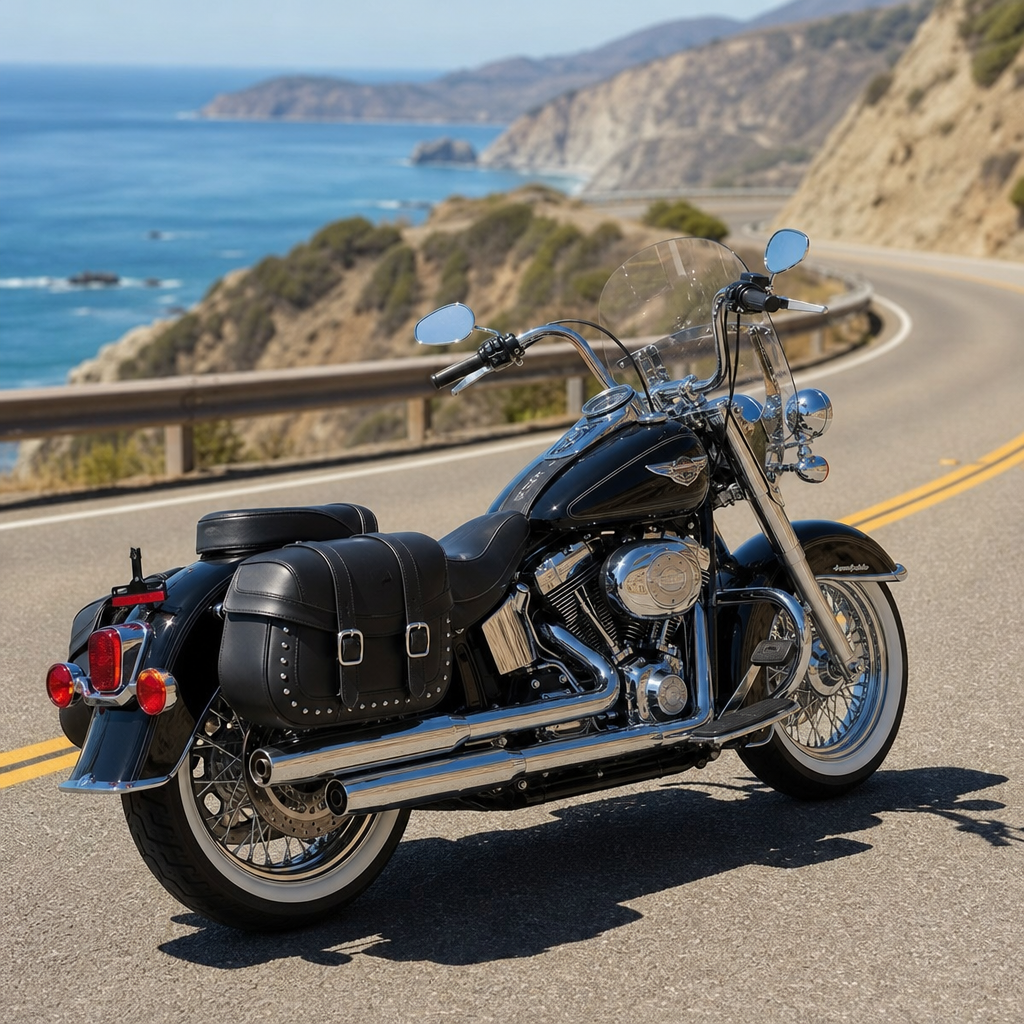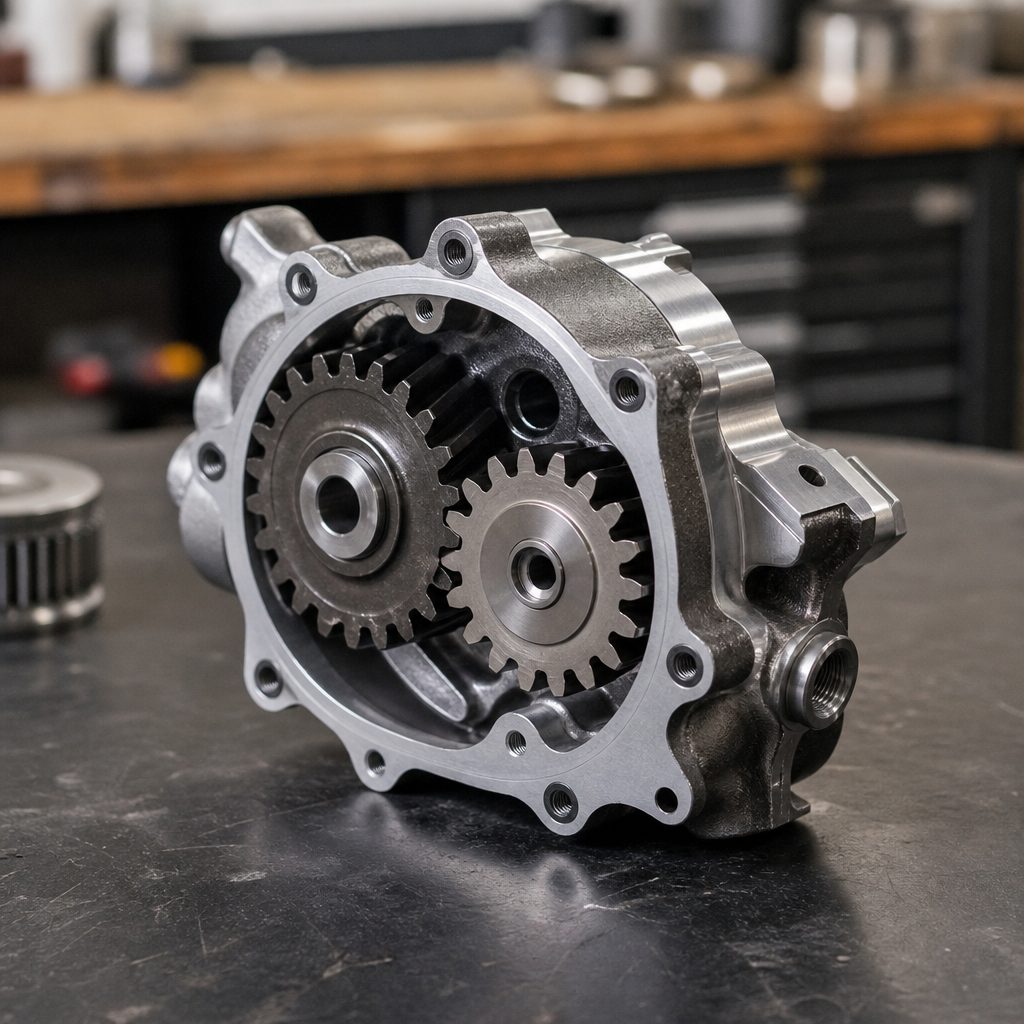
The 2026 H-D oil pump marks the most important lubrication update since the Milwaukee-Eight platform launched, because it targets the one issue that has defined M8 reliability debates for years: sumping. In Harley-Davidson terms, sumping is the condition where excess oil collects in the crankcase instead of being scavenged quickly back to the tank, raising crankcase pressure, increasing oil carryover, and hurting performance. Riders notice it as heat, erratic idle after hard runs, oil misting through the breather system, and in severe cases a lazy, aerated feel at sustained highway speed. I have worked through enough M8 teardown benches, pressure tests, and pump alignment checks to say the pattern is real, but so is the progress. The 2026 H-D oil pump matters because it reflects a long engineering arc: from early M8 scavenging complaints, through revised pump plates and tighter machining, to a more mature package aimed at fixing root causes rather than masking symptoms.
This article serves as a technical hub for Harley-Davidson engine deep-dives, with the 2026 update as the anchor point and the broader family context built around it. To understand why the new pump matters, you need to know how Harley oiling systems evolved from Evolution to Twin Cam, then to Milwaukee-Eight and RevMax. Each engine family solves lubrication, crankcase evacuation, and thermal control differently. Those differences affect power delivery, service intervals, common failures, and upgrade strategy. For riders researching M8 sumping, builders comparing pump options, or owners trying to decide whether the 2026 changes are enough to buy with confidence, this guide connects the engineering dots in plain terms. It explains what changed, why previous fixes helped only part of the problem, how the latest design likely works, and what lessons from Twin Cam, Evo, and RevMax tell us about where Harley-Davidson is heading next.
Why M8 Sumping Became the Defining Technical Issue
The Milwaukee-Eight arrived with clear advantages: four-valve heads, improved combustion efficiency, stronger torque, lower mechanical noise, and better overall refinement than Twin Cam. Yet the oiling system quickly became the topic that overshadowed those gains. The basic problem was not that the engine lacked pressure oiling. The problem was scavenging efficiency under sustained load and high rpm, especially when crankcase volume, flywheel windage, breather behavior, and pump tolerances all stacked against each other. In a dry-sump V-twin, pressure side delivery and scavenge side recovery must stay in balance. If the scavenge stage cannot evacuate oil fast enough, oil pools in the sump and the engine starts working against its own lubrication system.
Real-world symptoms matched the theory. Touring riders doing long interstate pulls reported elevated oil consumption and oil expelled into the intake through the breathers. Performance shops saw engines that made solid dyno power on short hits but showed increased carryover and heat after repeated runs. Some motorcycles never displayed obvious issues, which led to confusion, but that variation also pointed to tolerance stack, usage pattern, and assembly alignment rather than a single simple defect. On the bench, even minor misalignment between the oil pump, cam plate, and crankshaft runout can affect scavenge efficiency. That is why aftermarket fixes often included not just a pump, but a matched cam plate, blueprinted clearances, and crank inspection. The 2026 H-D oil pump enters a field where the diagnosis is mature: scavenging must be improved under real operating stress, not merely on paper.
What Changed in the 2026 H-D Oil Pump
Harley-Davidson has not historically solved oiling complaints with marketing language alone; when the factory makes a meaningful pump revision, it usually follows accumulated field data, warranty analysis, supplier process changes, and a recheck of geometry that owners never see. The 2026 H-D oil pump is best understood as an evolution in three likely areas: scavenge capacity, sealing control, and alignment stability. Higher scavenge efficiency can come from rotor volume changes, tighter end clearance management, revised port timing, and reduced internal leakage. Better sealing lowers the amount of oil that slips past the pumping elements instead of being returned to the tank. Improved alignment matters because a well-designed pump still loses effectiveness if mounted in a way that is vulnerable to distortion or shaft runout effects.
From a practical service perspective, the most important question is simple: does the pump keep the crankcase drier during sustained operation? That is the standard that matters. If the answer is yes, the benefits cascade. Lower sump oil volume reduces parasitic drag from the flywheels, decreases aeration, stabilizes breather behavior, and often lowers operating temperature because less oil is being whipped into foam. A better scavenge system also helps ring seal consistency by controlling crankcase pressure. Riders may describe that as smoother throttle response or less mechanical strain at speed, but the underlying physics are straightforward. A dry-sump V-twin runs best when oil is where it belongs: circulating through bearings and valvetrain, then returning promptly to the tank rather than collecting below the rotating assembly.
| Engine family | Oiling layout | Typical concern | What improved over time |
|---|---|---|---|
| Evolution | Dry-sump, simpler architecture | Leaks, heat management, age-related wear | Breathing updates, materials, service practices |
| Twin Cam | Dry-sump with cam plate-driven pump | Cam chain tensioners, runout sensitivity, pump wear | Hydraulic tensioners, better plates, aftermarket blueprinting |
| Milwaukee-Eight | Dry-sump, improved top-end efficiency | Sumping under sustained load, breather carryover | Revised pumps, plates, tighter manufacturing control |
| RevMax | Modern liquid-cooled integrated design | Complexity and packaging tradeoffs | Advanced cooling and tightly managed internal oil circuits |
How Evo and Twin Cam Set the Stage
To appreciate the 2026 solution, it helps to look backward. The Evolution engine earned its reputation through mechanical simplicity, serviceability, and a relatively forgiving nature. Evo motors could leak, run hot, and show wear from neglect, but their oiling behavior was easier to understand and diagnose. The system had fewer moving variables than later engines, and that simplicity made the platform durable in the hands of riders who maintained it consistently. Many independent shops still respect Evo because problems usually announce themselves clearly and fixes are rarely mysterious.
Twin Cam added performance and complexity. The oil pump interacted more critically with the cam plate and bottom-end geometry, while cam chain tensioners became a headline issue of their own. In the field, Twin Cam taught Harley owners an important lesson: lubrication reliability is not just about pump capacity. It is about the whole system, including component alignment, debris control, thermal load, and valvetrain design. Builders learned to inspect crankshaft runout, verify plate trueness, and treat the pump as part of a calibrated assembly rather than a bolt-on commodity. Those habits carried directly into M8 diagnosis. When Milwaukee-Eight owners began reporting sumping, experienced Twin Cam technicians already knew where to look: not only at the pump, but at breathing, crankcase evacuation, and the interaction between pressure and scavenge stages under load.
Why RevMax Shows Harley-Davidson’s Future Direction
RevMax, used in the Pan America and other modern applications, is important in this discussion because it reveals how Harley-Davidson approaches lubrication when packaging freedom and liquid cooling are available. RevMax is not simply a different V-twin; it is a different engineering philosophy. With tighter thermal control, high specific output, and integrated architecture, the engine manages oil as one part of a larger systems approach that includes cooling passages, structural cases, and advanced electronic control. That makes direct comparison with a big air- or oil-cooled touring engine imperfect, but the contrast is useful.
What RevMax demonstrates is that Harley-Davidson understands modern oil management deeply when it designs from a clean sheet. The challenge with Milwaukee-Eight has never been lack of engineering capability. The challenge has been balancing traditional architecture, rider expectations, emissions constraints, heat management, manufacturing scale, and backward-compatible service realities. In other words, solving M8 sumping was harder because Harley was refining an established large-displacement touring platform, not starting over. The 2026 H-D oil pump should therefore be read as a sign of convergence: applying more rigorous fluid-control thinking to the classic big-twin format without abandoning what core Harley riders want from the platform.
How Riders and Builders Should Evaluate the New Pump
A successful oil pump update is measured on the road, in the service bay, and inside used oil reports. Riders should watch for reduced oil carryover into the intake tract, more stable oil level behavior after long hot rides, cleaner breather passages, and less heat stress during sustained cruising. Shops should look for improved crankcase evacuation, less aeration, and more consistent return flow under controlled tests. Builders should still check the fundamentals: crank runout, cam chest alignment, pressure relief behavior, rotor side clearance, and any service bulletin guidance tied to installation procedure. No pump can compensate for a bottom end that is out of spec or for assembly errors that preload the pump body.
It is also important to stay balanced. Even a significantly improved factory pump may not make every aftermarket solution obsolete. High-output builds with aggressive cams, increased displacement, or repeated high-rpm use may still benefit from performance-oriented pump and plate packages from established suppliers such as S&S Cycle or Feuling, especially when those parts are installed as a matched system. But for stock or mildly modified engines, the factory finally appears to be addressing the issue at the level most owners actually need: durable, repeatable scavenging performance without extra tuning drama. That matters because most riders want reliability, not a cam chest science project.
Where This Hub Connects the Rest of the Harley Technical Deep-Dive Series
As a sub-pillar hub, this page connects four essential Harley-Davidson technical tracks. M8 coverage focuses on sumping, oil pump evolution, crankcase breathing, hydraulic lifter behavior, and common performance upgrade paths. Twin Cam coverage examines cam chain tensioner generations, oil pump and cam plate upgrades, crank runout concerns, and the best reliability modifications for touring and Dyna models. Evo coverage centers on simplicity, common leak points, charging and oiling maintenance, and why the platform remains a favorite for riders who value mechanical access. RevMax coverage explores liquid cooling strategy, variable performance mapping, integrated engine design, and what Harley’s newest architecture suggests for future touring technology.
Taken together, these engine families tell a consistent story. Harley-Davidson rarely abandons core design values, but it does evolve them when field experience forces the issue. The 2026 H-D oil pump is the clearest current example. It addresses a known M8 weakness using the lessons of earlier big twins and the systems discipline visible in newer platforms. For owners, the practical takeaway is encouraging: the Milwaukee-Eight can now be viewed less as an engine with a lingering question mark and more as a mature platform entering its most complete factory form. If you are researching Harley-Davidson technical deep-dives, start here, then follow the linked model-specific articles, compare your engine family’s known issues, and use that knowledge to choose smarter upgrades, maintenance intervals, and long-term ownership plans.
Frequently Asked Questions
What is M8 sumping, and why has it been such a persistent concern for Milwaukee-Eight owners?
Sumping on a Milwaukee-Eight engine happens when the oil pump cannot scavenge oil out of the crankcase quickly enough, allowing excess oil to pool where it should not. In a healthy dry-sump system, oil is supposed to circulate through the engine and return efficiently to the tank. When that balance is disrupted, crankcase pressure rises, oil aeration can increase, and the engine may start pushing oil mist through the breather system. For riders, that often shows up as extra heat, a rough or erratic idle after sustained high-speed riding, inconsistent performance, and in some cases visible oil residue around the intake or air cleaner area.
The reason sumping became such a defining issue in Milwaukee-Eight discussions is that it affected confidence in an otherwise strong engine platform. The M8 brought major gains in power, refinement, and rideability, but owners and tuners quickly learned that under certain conditions—especially heat, higher RPM, aggressive riding, engine modifications, or sustained highway operation—the stock oiling system on some bikes could struggle to keep scavenging ahead of oil accumulation. That made sumping more than a theoretical mechanical topic; it became a real-world reliability and drivability concern. Because lubrication and crankcase control are so central to engine health, any weakness in this area naturally attracted attention and made riders closely watch every oil pump revision Harley-Davidson introduced.
Why is the 2026 H-D oil pump considered such a major update compared to earlier Milwaukee-Eight oil pump revisions?
The 2026 H-D oil pump is viewed as a landmark update because it directly addresses the root mechanical problem that shaped years of M8 oiling debates: scavenging efficiency under demanding conditions. Earlier revisions improved parts of the system and reduced the frequency of complaints, but the 2026 version stands out because it represents a more focused and mature response to the platform’s biggest lubrication vulnerability. In practical terms, this means Harley-Davidson is no longer treating sumping as a minor side issue or a tuning nuisance. Instead, the oil pump itself is being recognized as a core reliability component that needed meaningful evolution.
What makes this especially important is timing. By 2026, Harley-Davidson has had years of field data, warranty trends, dealership feedback, tuner insight, and rider experience to inform the redesign. That kind of development cycle usually leads to more than small internal tweaks. It points to a clearer understanding of oil volume control, pressure management, and scavenging behavior across different riding styles and engine loads. For owners, that matters because a properly engineered pump update can improve not just one symptom, but the entire oiling balance of the engine—reducing crankcase oil accumulation, lowering oil carryover, stabilizing operation after hard runs, and helping the engine maintain more consistent behavior when hot. That is why many riders see the 2026 oil pump as the most significant lubrication change since the Milwaukee-Eight platform first launched.
How does an improved oil pump actually help solve sumping in the real world?
An improved oil pump helps solve sumping by doing a better job at two linked tasks: supplying oil where the engine needs it and scavenging used oil back out of the crankcase fast enough to prevent buildup. On an engine prone to sumping, the issue is not simply that oil exists in the bottom end—it is that too much oil stays there too long. Once that happens, rotating assemblies can whip the oil into a froth, crankcase pressure can rise, breather output can increase, and overall engine efficiency can suffer. A stronger scavenging design works to keep the crankcase cleaner and drier during operation, especially when the engine is hot and being ridden hard.
In the real world, riders may notice the benefits in ways that feel very practical rather than technical. The engine may idle more consistently after a long highway run. Heat management may feel more controlled because the oiling system is working with less internal drag and less pressure imbalance. Oil misting through the intake tract may be reduced. Performance may feel more stable from one ride to the next, particularly on bikes that previously showed symptoms only after sustained RPM or heavy load. While no single part can guarantee perfection under every possible setup, a more effective oil pump gives the engine a much better chance of maintaining proper lubrication behavior across normal street use, touring miles, and more aggressive riding conditions. That is exactly why this update is so important: it targets the cause, not just the symptoms.
Will the 2026 H-D oil pump matter only for high-performance builds, or should everyday riders care too?
Everyday riders should absolutely care, even if they never plan to build a high-horsepower engine. Sumping is often discussed in performance circles because modified bikes tend to expose oiling weaknesses faster, but the underlying issue affects any engine that spends time hot, loaded, or running for long periods. Touring riders, two-up riders, highway commuters, and owners in hotter climates all put real demands on the lubrication system. Even a stock engine benefits when oil returns efficiently to the tank, crankcase pressure stays in check, and the pump maintains better control over circulation.
For regular owners, the value of the 2026 oil pump is really about consistency and peace of mind. A better scavenging system can help the motorcycle feel more predictable in traffic, on long-distance rides, and after repeated heat cycles. It may also reduce the kind of nagging concerns that have followed the Milwaukee-Eight platform for years—questions about excessive blow-by, hot idle behavior, or unexplained oil misting after hard use. Performance enthusiasts may appreciate the update because it creates a stronger foundation for modified engines, but stock-bike owners stand to gain just as much from a reliability standpoint. In other words, this is not just a “race part” improvement. It is a platform-wide refinement that speaks directly to the ownership experience of daily riders and long-haul Harley customers.
Does the 2026 oil pump mean M8 sumping is finally solved for good?
The 2026 oil pump strongly suggests Harley-Davidson has made its most serious and potentially most effective move yet toward ending the M8 sumping conversation, but the most accurate answer is that “solved for good” depends on the bike, the setup, and the way it is ridden. Mechanical systems always operate within a range of variables. Engine temperature, RPM, oil choice, maintenance condition, tuning quality, riding style, and aftermarket modifications all influence how well any oiling system performs. Even the best pump design can be challenged by extreme conditions or poorly matched supporting components.
That said, if the 2026 pump delivers the improved scavenging control riders expect, it could mark the point where sumping shifts from a widespread platform concern to a much rarer edge-case issue. That would be a major victory. The real significance is not that the engine suddenly becomes immune to every lubrication-related problem, but that the central design weakness tied to crankcase oil accumulation is finally being addressed at the source by the manufacturer. For most owners, that is the standard that matters. If the new pump consistently reduces oil pooling, lowers pressure-related side effects, and restores confidence in hot, hard, real-world riding, then the 2026 update will deserve its reputation as the oil pump evolution that finally put the M8 sumping debate to rest.