The Milwaukee-Eight primary chain lube recipe for 2027 maintenance is not a kitchen formula or a home-brew fluid. It is a practical service framework for choosing the right lubricant, fill volume, inspection interval, and riding-position adjustments for Harley-Davidson motorcycles that use the Milwaukee-Eight engine family. In workshop terms, a “recipe” means a repeatable setup: the fluid specification, the service steps, and the supporting ergonomics changes that make the bike smoother, quieter, and easier to control across touring, cruiser, trike, and performance-oriented builds.
This matters because the primary drive on a Milwaukee-Eight bike does more than transfer power. It houses the compensator, primary chain, clutch assembly, and related bearings inside a shared lubricant environment. If the lube is too thin, overheated, contaminated, or simply wrong for the clutch design, riders notice hard shifts, abrupt clutch take-up, extra chain noise, and heat at the left side case. If the fluid level is off, the problem can become drag at idle, inconsistent neutral selection, or accelerated wear on the chain shoe and clutch hub. I have seen bikes come in with no catastrophic failure, yet the owner assumed the transmission was failing when the real issue was an overloaded or neglected primary cavity.
For 2027 maintenance planning, the best approach is model-specific rather than generic. Milwaukee-Eight Softail, Touring, CVO, and Trike platforms share broad architecture, but ergonomics and performance goals differ. A Road Glide set up for long interstate days needs a different service rhythm from a Low Rider S used for aggressive backroad riding or a Street Glide carrying two people and luggage in summer heat. The hub purpose of this article is to map those differences clearly, define the core lube recipe, and connect maintenance choices to comfort, clutch feel, driveline behavior, and rider confidence.
Key terms are straightforward. Primary chain lube refers to the approved fluid in the primary case, commonly Harley-Davidson Formula+ or an equivalent wet-clutch-compatible lubricant that meets the application requirements for the primary drive. Fill level refers to the amount added during service, usually checked against the clutch basket specification in the service manual for the exact model year. Ergonomics means the rider triangle: seat, bars, floorboards or pegs, and control reach. Performance recipes are the matched combinations of maintenance settings and rider-interface parts that deliver a defined outcome, such as cooler operation, smoother low-speed clutch control, or faster, cleaner shifts under load.
Core Milwaukee-Eight primary chain lube recipe for 2027 maintenance
The baseline recipe starts with the service manual for the exact motorcycle, because Harley-Davidson has revised details across years, side covers, clutch hardware, and platform packaging. In practice, the safest rule is to use a primary lubricant specifically approved for wet clutches, verify the drain interval by model and riding conditions, replace the derby and drain sealing components as needed, inspect chain shoe wear, and set the fluid level precisely rather than approximately. “Close enough” is how many primary cases end up overfilled.
For most riders, Harley-Davidson Formula+ remains the reference fluid because it is designed to balance clutch friction behavior, chain lubrication, and component protection in the primary environment. Quality equivalents from respected brands can work, but only if they clearly state compatibility with Harley-Davidson primary chaincases and wet clutches. Avoid improvising with automotive engine oil or friction-modified products. I have tested bikes that arrived with the wrong fluid after owner experimentation, and the pattern is predictable: more clutch chatter when hot, heavier feel at the lever, and dirtier engagement from a stop.
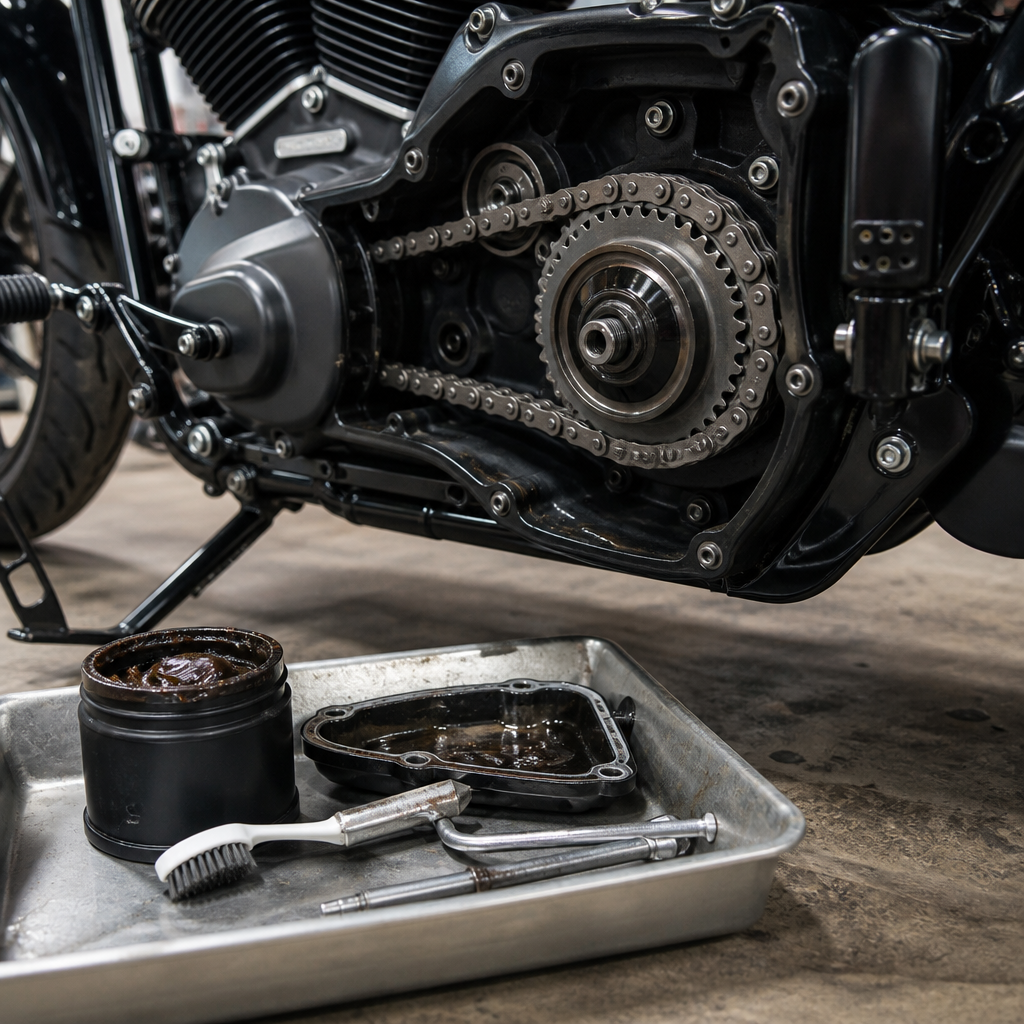
The process is equally important. Warm the bike so the old fluid drains fully. Keep the motorcycle upright and level. Drain the primary case completely, inspect the magnetic drain plug for debris, remove and examine the derby cover seal, and refill to the specified level. On many Milwaukee-Eight applications, that means the fluid sits at the lower edge of the clutch diaphragm spring when the bike is upright, but exact wording varies by manual. After filling, rotate the drivetrain, check for leaks, and confirm clutch action before the road test. A clean shift into first without excessive clunk and stable engagement at takeoff are basic confirmation points.
Why primary lubricant selection affects ergonomics and perceived performance
Riders often separate maintenance from ergonomics, but on a Milwaukee-Eight Harley they interact every time the clutch lever is pulled or a floorboard-mounted bike is launched in traffic. When primary fluid degrades, the first symptom is not always visible wear. It is usually a change in feel. The clutch take-up point gets less predictable. Neutral becomes harder to find at a stop. The bike can creep more with the lever pulled in. Those small changes increase rider workload, especially for shorter riders, older riders with hand fatigue, or anyone managing a heavily loaded touring machine on uneven pavement.
On performance-oriented models, fluid condition also changes how the bike responds to quick upshifts and rev-matched downshifts. A Milwaukee-Eight 117 ridden briskly on mountain roads places different thermal stress on the primary than a Heritage Classic used mainly for weekend cruising. Better fluid stability helps maintain consistent clutch plate separation and engagement, which translates into cleaner shift timing and less driveline lash. Riders describe that as a smoother, more connected motorcycle, but the mechanical explanation is simple: the lubricant is supporting controlled friction rather than allowing heat and contamination to alter it.
From an ergonomics standpoint, a poor primary setup can trick riders into chasing hardware fixes they do not need. I have had customers ask for a different clutch lever, reduced-reach bars, or a new seat because low-speed starts felt awkward. After proper fluid service and clutch adjustment inspection, the original parts worked acceptably. The lesson is that rider comfort begins with mechanical baseline. Ergonomic upgrades are most effective after the primary, clutch, and controls are functioning exactly as intended.
Model-specific recipes across the Harley-Davidson lineup
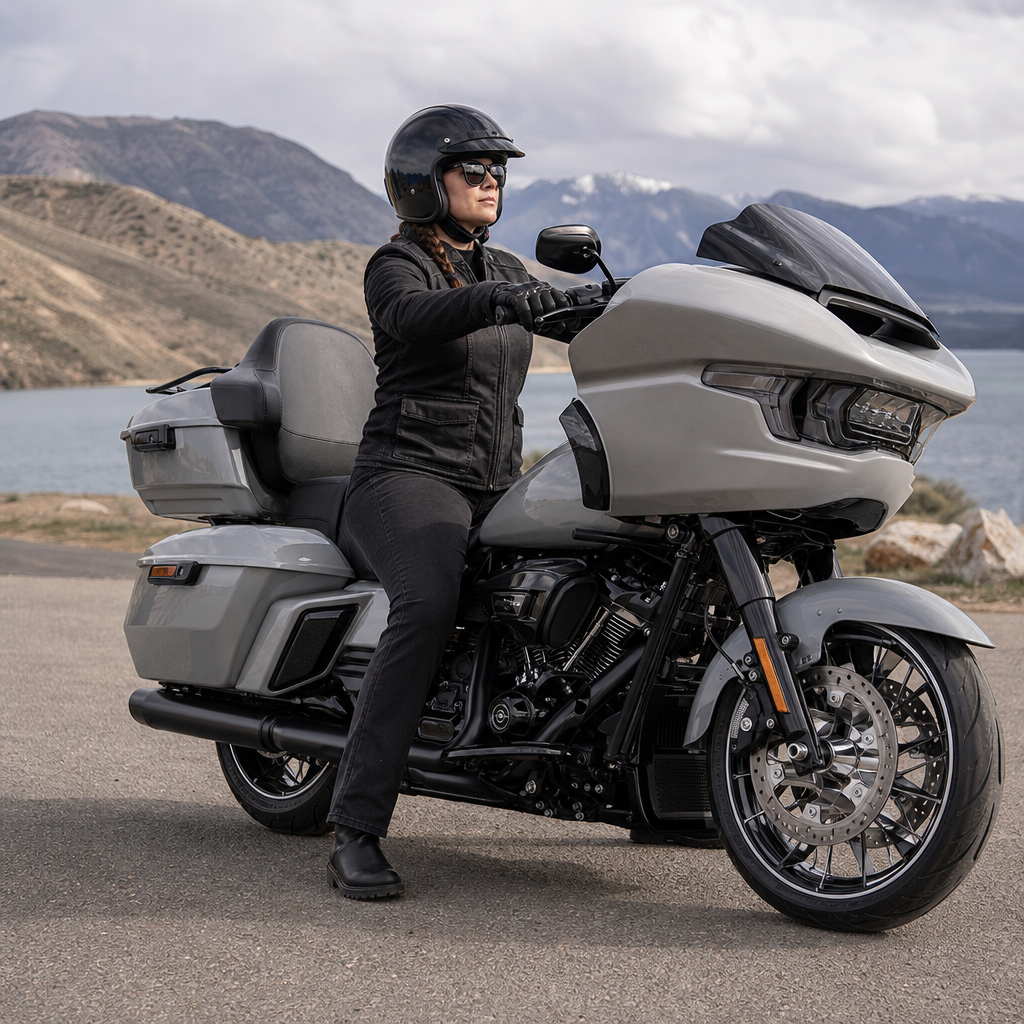
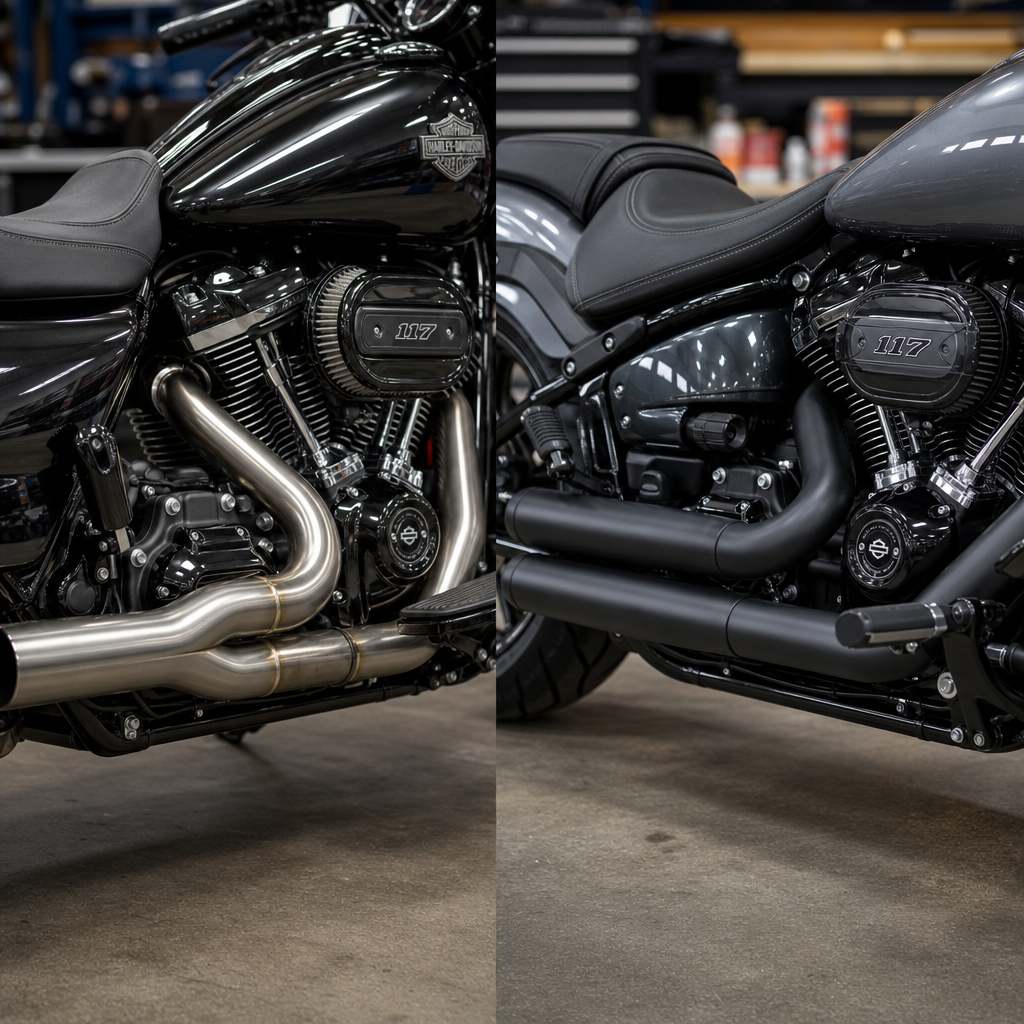
The best hub structure for model-specific ergonomics and performance recipes is to group Milwaukee-Eight motorcycles by use case. Touring models such as Road Glide, Street Glide, Road King, and Ultra Limited prioritize heat management, clutch consistency in stop-and-go traffic, and low-effort control over long distances. Their primary lube recipe should emphasize strict interval discipline, especially for riders who idle in traffic, tow small trailers, or ride two-up with cargo. Softail models like Heritage Classic, Breakout, Low Rider ST, and Fat Boy often see more mixed riding and more owner customization, so fluid checks should be paired with peg, bar, and seat reviews after any significant change in riding position. Trike models add weight and low-speed maneuvering demands, which makes smooth clutch engagement even more important.
For CVO and larger-displacement variants, riders should be even more cautious about heat cycles. High-output Milwaukee-Eight configurations create stronger acceleration and often encourage brisk throttle use, which can elevate clutch and compensator loads. That does not mean exotic fluid is required; it means interval discipline and exact fill procedures matter more. If a rider also installs a high-clamp clutch, performance compensator components, or tuning changes that alter torque delivery, the primary should be monitored as part of a system, not treated as a sealed-afterthought service item.
| Model group | Primary maintenance priority | Common ergonomic concern | Performance recipe focus |
|---|---|---|---|
| Touring | Heat and fluid interval control | Hand fatigue in traffic | Smooth engagement and easy neutral selection |
| Softail cruiser | Seasonal inspection after customization | Foot and hip position | Low-speed drivability and reduced lash |
| Performance Softail | Frequent checks under hard use | Body position during aggressive riding | Clean shifts and stable clutch feel when hot |
| Trike | Load-related clutch consistency | Reach and steering effort | Predictable takeoff and parking-lot control |
This model grouping also supports internal navigation within a broader Harley-Davidson content cluster. A hub article should lead riders toward narrower guides on Road Glide cockpit setup, Low Rider ST backroad gearing feel, Tri Glide low-speed clutch management, and two-up touring heat mitigation. The common foundation is the same primary lube recipe, but each platform expresses the benefit differently through comfort, shift quality, and controllability.
Service intervals, inspection points, and common mistakes
Primary fluid intervals are not one-size-fits-all. The factory schedule is the minimum framework, not the universal best practice. Riders who sit in urban congestion, use the friction zone heavily on hills, or ride in very hot weather should inspect and often service earlier. A bike that spends most of its life on open roads at steady speed usually stresses the primary less than one doing short trips and frequent starts. Time also matters. Even with low mileage, seasonal condensation, contamination, and repeated heat cycling justify regular service.
The main inspection points are simple but often skipped: magnetic drain plug debris, derby cover gasket condition, chain shoe wear, fluid color and odor, clutch feel change, neutral-finding behavior, and any increase in chain or compensator noise. Fine gray paste on the magnetic plug can be normal wear material. Large chips, coppery flakes, or a burnt smell are not. If fluid comes out unusually dark after limited mileage, investigate clutch drag, excessive heat, or riding patterns before simply refilling and forgetting it.
The most common mistakes are overfilling, mixing unsuitable lubricants, ignoring leaks, and confusing clutch adjustment issues with transmission problems. Overfill is especially common after online advice strips away model specifics. Too much fluid can increase drag and aeration. Another mistake is replacing comfort parts before verifying maintenance basics. If a rider complains that a bagger feels awkward leaving stoplights, inspect the primary and clutch function before recommending bars, seats, or floorboard relocation kits. Maintenance first, ergonomics second, fine-tuning third is the correct order.
Building 2027 ergonomics and performance recipes around the primary system
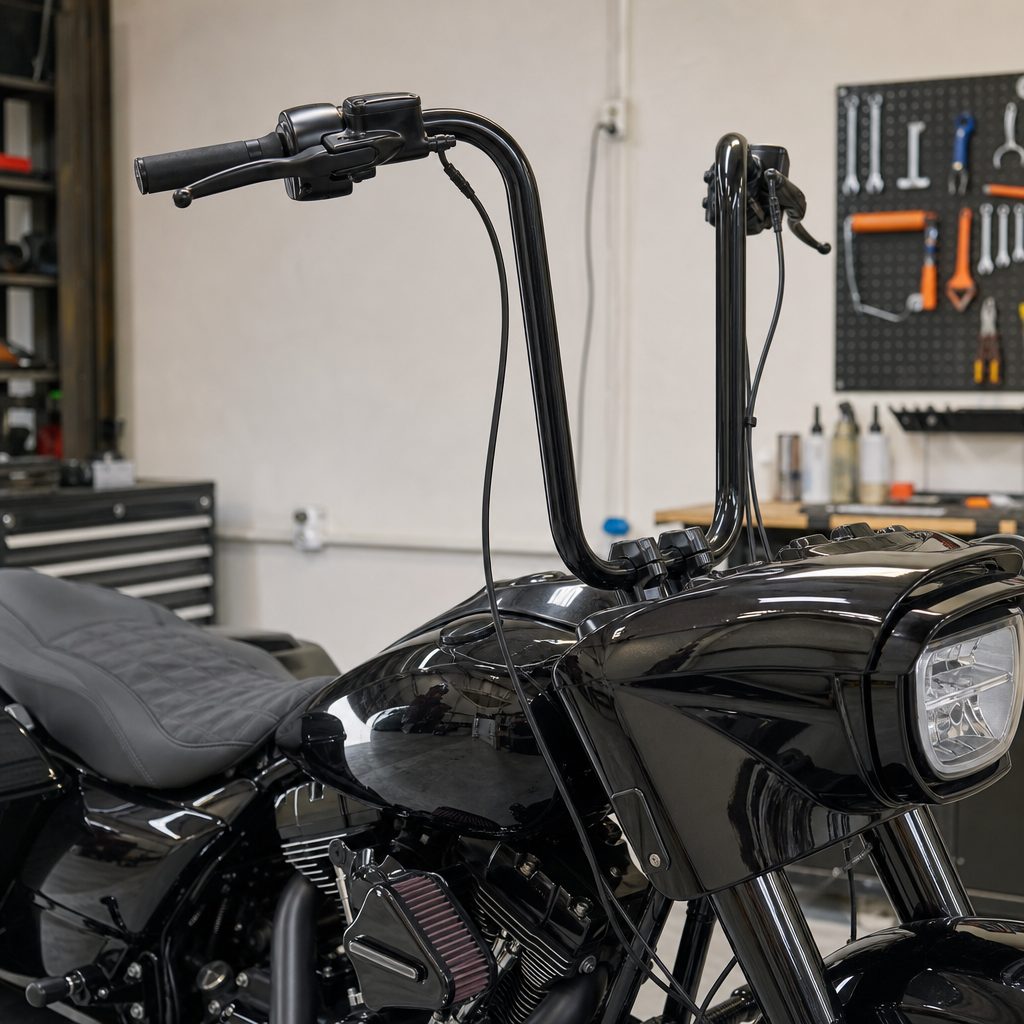
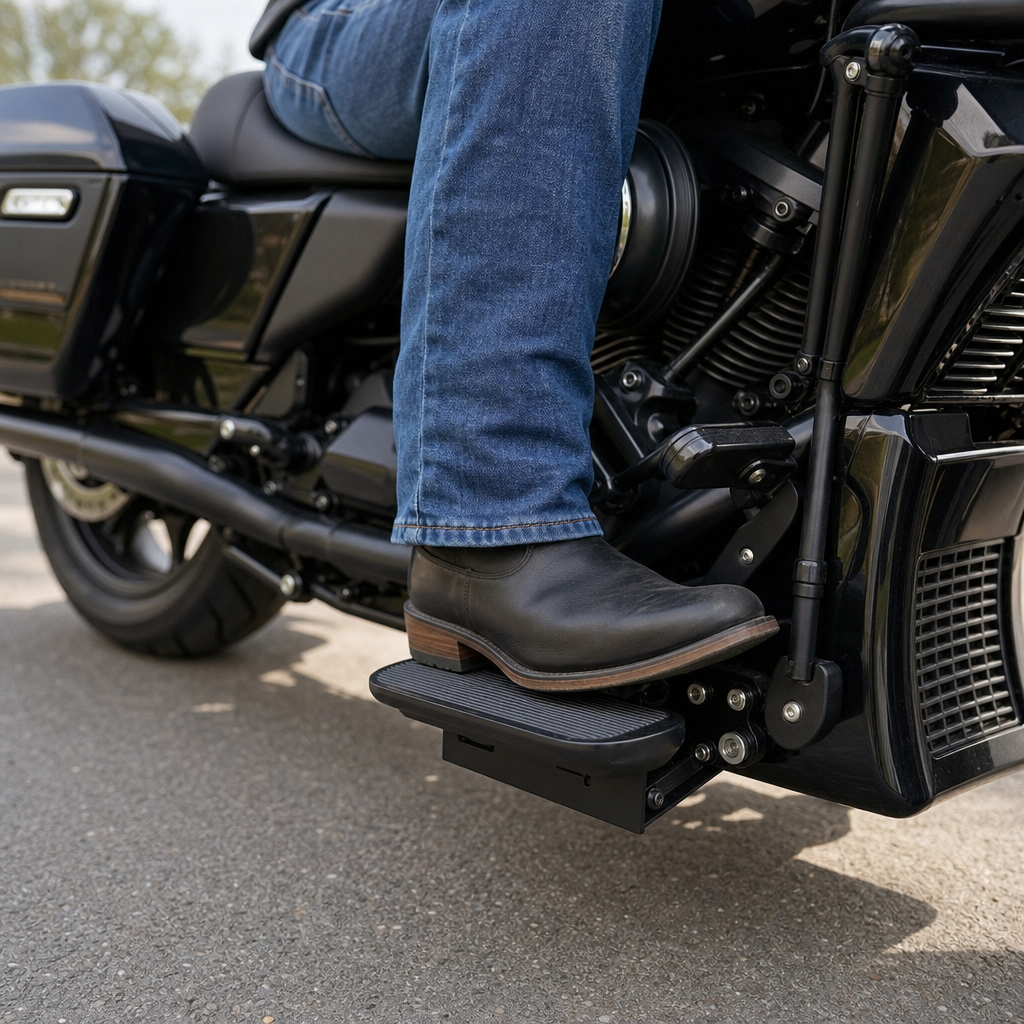
For 2027 maintenance planning, think in recipes tied to riding style. A long-distance touring recipe includes fresh primary fluid before peak travel season, clutch cable or hydraulic feel inspection, lever reach optimization, seat support that reduces pelvis rotation, and floorboard placement that allows stable starts with one foot down. A shorter rider recipe adds reduced-reach controls and boot choice evaluation, because slippery soles can make a mildly grabby clutch feel much worse in real traffic. A performance recipe for a Low Rider ST or Road Glide ST includes tighter service intervals, careful attention to hot-shift consistency, and bar positioning that keeps wrists neutral during aggressive corner exits.
The strongest results come from measuring outcomes instead of guessing. After service, note idle engagement behavior, neutral selection at operating temperature, shift effort on a known route, and any change in left-side heat feel. If ergonomics changes are added, test one variable at a time. In the workshop, the riders who solve comfort and driveline complaints fastest are the ones who avoid stacking five modifications at once. They service the primary, verify baseline clutch behavior, then adjust seat, bars, pegs, or boards with a clear before-and-after comparison.
That is why this page works as a sub-pillar hub under Harley-Davidson. It connects mechanical care with rider fit and real-world use rather than treating them as separate topics. Milwaukee-Eight primary chain lube recipe decisions influence clutch smoothness, heat perception, low-speed confidence, and shifting quality across the lineup. When the lubricant, fill level, interval, and inspection habits are correct, every ergonomics upgrade performs better and every performance impression becomes more accurate.
The practical takeaway is clear: use the correct wet-clutch-compatible primary lubricant, follow the exact model service manual for fill level and procedure, and adjust your interval based on heat, load, traffic, and riding style. Treat the primary case as a living system that affects feel as much as durability. On Milwaukee-Eight Harley-Davidson motorcycles, smooth launches, easy neutral selection, reduced rider fatigue, and consistent hot shifting usually start with disciplined primary maintenance, not expensive parts.
As a hub for model-specific ergonomics and performance recipes, this article establishes the common rule set. Touring bikes need heat-aware service timing. Softails need maintenance matched to customization and mixed-use riding. Performance models need closer monitoring under hard use. Trikes need clutch consistency for low-speed control. Across all of them, the primary lube recipe is the baseline that makes every other setup choice easier to evaluate and more effective on the road.
If you maintain your own Harley-Davidson, start your 2027 plan by opening the service manual for your exact Milwaukee-Eight model, confirming the approved primary fluid, and setting a service log tied to your real riding conditions. If you work with a shop, ask for the fill procedure, inspection notes, and any debris findings from the drain plug. Then use that mechanical baseline to refine seat, bars, pegs, boards, and clutch feel one step at a time. That method delivers the result riders actually want: a Harley that fits better, shifts cleaner, and feels right every mile.
Frequently Asked Questions
What does “Milwaukee-Eight primary chain lube recipe” actually mean for 2027 maintenance?
In this context, a “recipe” is not a custom-mixed oil or a homemade fluid blend. It refers to a repeatable maintenance setup for Harley-Davidson motorcycles equipped with the Milwaukee-Eight engine platform. That setup includes selecting a lubricant that meets the manufacturer’s requirements for the primary drive, filling it to the correct volume, checking the system at consistent service intervals, and pairing the fluid service with practical riding-position adjustments that reduce strain and improve overall smoothness. In other words, the recipe is the complete service framework, not a bottle of mystery liquid.
For 2027 maintenance planning, this matters because many riders search for a “recipe” expecting a secret formula, when what actually produces the best results is consistency and specification accuracy. The primary system depends on the right fluid characteristics for clutch operation, chain lubrication, and heat management. If the wrong type of lubricant is used, the rider may notice harsh shifting, excessive clutch drag, noisy operation, or inconsistent feel at the lever. A proper recipe avoids that by focusing on approved fluid types, proper fill procedures, and regular inspections instead of experimentation.
It also helps to think of the recipe as a workshop checklist. A solid process typically includes confirming the bike model and service requirements, warming the motorcycle before draining fluid, inspecting the drained oil for contamination, refilling with the correct lubricant in the correct amount, verifying clutch feel, and evaluating whether handlebar, lever, foot control, or seating position changes are affecting rider input. That last part is often overlooked, but rider ergonomics can influence how smoothly the clutch is engaged and how much stress is placed on the drivetrain during normal use.
What kind of lubricant should be used in a Milwaukee-Eight primary, and can riders use homemade or substitute fluids?
The safest and most professional approach is to use a primary lubricant that is specifically recommended for Harley-Davidson primary drive and wet clutch applications, or an equivalent product that clearly states compatibility with those systems. The Milwaukee-Eight primary is not the place for guesswork. This compartment serves several jobs at once: it lubricates the primary chain, supports wet clutch function, and helps manage operating heat. Because of that, fluid choice must be based on specification and clutch compatibility, not on internet folklore or improvised blends.
Homemade fluids and unverified substitutes are not recommended. A DIY mix may lack the friction characteristics needed for proper clutch engagement, or it may be too thin or too thick for the operating conditions of the primary drive. Even if a substitute seems to work temporarily, it can create long-term issues such as clutch chatter, poor take-up, noisy chain operation, difficult shifting, or increased wear on internal components. The small savings from trying an unapproved fluid rarely outweigh the cost of poor performance or mechanical damage.
When choosing a lubricant, riders should look for products marketed for V-twin primary chaincase use or those explicitly approved for wet clutch primary systems. The owner’s manual and current service literature should always be the first reference, especially as service recommendations can evolve over time. If the bike is used in hotter climates, heavy traffic, touring conditions, or frequent two-up riding, fluid quality becomes even more important because the primary system sees more thermal load and more repeated clutch use. Sticking with a known, properly rated primary fluid is the foundation of a dependable 2027 maintenance routine.
How important is correct fill volume in the Milwaukee-Eight primary, and what happens if the level is wrong?
Correct fill volume is critical because the primary on a Milwaukee-Eight is engineered to operate within a specific fluid range. Too little lubricant can reduce protection for the chain and related components, increase heat, and accelerate wear. Too much fluid can create a different set of problems, including increased drag, messy venting behavior, and inconsistent clutch performance. This is why the primary chain lube recipe is never just “use the right oil.” It is “use the right oil in the right amount.”
Overfilling is especially common when riders rely on guesswork instead of the proper fill procedure. An overfilled primary may contribute to heavy clutch feel, excess fluid motion inside the case, and less crisp shifting behavior. Underfilling can leave the system inadequately protected under sustained riding conditions, particularly on touring bikes or machines that spend time idling in traffic and then accelerating repeatedly. In either direction, a poor fill level can make an otherwise healthy bike feel rougher, louder, or less refined than it should.
The best practice is to follow the exact fill method outlined for the specific motorcycle model and year range, using measured volume rather than visual estimation alone unless the service documentation specifically instructs otherwise. During service, the motorcycle should be positioned correctly, the drained fluid should be allowed to empty fully, and the refill should be done carefully to avoid introducing an inaccurate level. After refilling, the rider should verify clutch operation and pay attention during the first ride for any signs of drag, slipping, unusual noise, or awkward shifting. Precision here is part of what makes the maintenance recipe repeatable and reliable.
How often should the primary lubricant and related components be inspected or serviced in a 2027 maintenance schedule?
The most reliable answer is to begin with the official Harley-Davidson service interval for the specific Milwaukee-Eight model, then adjust attention level based on real-world use. Not every motorcycle experiences the same load. A bike used for long-distance touring, stop-and-go commuting, hot-weather operation, mountain riding, or frequent passenger duty may need closer observation than one used occasionally in mild conditions. That does not always mean changing fluid far ahead of schedule, but it does mean inspecting more intentionally between full services.
A good 2027 maintenance routine includes checking for leaks around the primary cover, monitoring clutch feel, listening for changes in chain or drive noise, and noting whether shifts have become harsher or less consistent. These small changes often reveal fluid degradation or a developing issue before it becomes serious. When the fluid is changed, the drained lubricant should be observed for metallic debris, unusual discoloration, or burnt odor. Those clues can tell a lot about the health of the system and whether normal wear is occurring or something needs deeper diagnosis.
Riders should also treat seasonal timing as part of the interval strategy. For example, many owners prefer to service the bike before the main riding season or after a heavy touring season so the machine is ready for sustained use. If the motorcycle sits for extended periods, it is still worth checking fluid condition, seal integrity, and clutch response before returning to regular riding. A strong maintenance recipe is not just calendar-based or mileage-based; it is condition-based as well. The combination of scheduled service and attentive inspection is what keeps the Milwaukee-Eight primary smooth, quiet, and dependable.
Why do riding-position and ergonomic adjustments matter in an article about primary chain lube maintenance?
They matter because smooth drivetrain behavior is influenced not only by lubrication, but also by how the rider interacts with the motorcycle. If the clutch lever reach is awkward, the handlebar position is forcing the wrists into a poor angle, or the foot controls are set in a way that compromises shift timing, the rider may unintentionally introduce harsh clutch engagement and abrupt load changes into the primary system. That can make the bike feel noisy or rough even when the fluid is correct and the mechanical service has been done properly.
In practical workshop terms, the maintenance recipe becomes more effective when it includes supporting ergonomics checks. A properly adjusted clutch lever allows better modulation during takeoff. A more natural bar position reduces fatigue in the hands and forearms, which helps the rider apply smoother clutch and throttle inputs. Foot control placement affects how cleanly and confidently shifts are made, especially in traffic or during repeated low-speed maneuvering. Seat position and posture can also influence how balanced and deliberate the rider feels when starting, stopping, and changing gears.
This is particularly relevant for Milwaukee-Eight owners who are trying to make the bike feel smoother and quieter after service. Sometimes the issue is not that the fluid is wrong, but that the rider’s setup is causing abrupt engagement that amplifies normal drivetrain sounds. By combining correct lubricant selection, proper fill volume, routine inspection, and ergonomic refinement, the rider gets the full benefit of the maintenance process. That is why the term “recipe” is useful here: it describes a complete, repeatable system that improves both mechanical performance and rider experience.