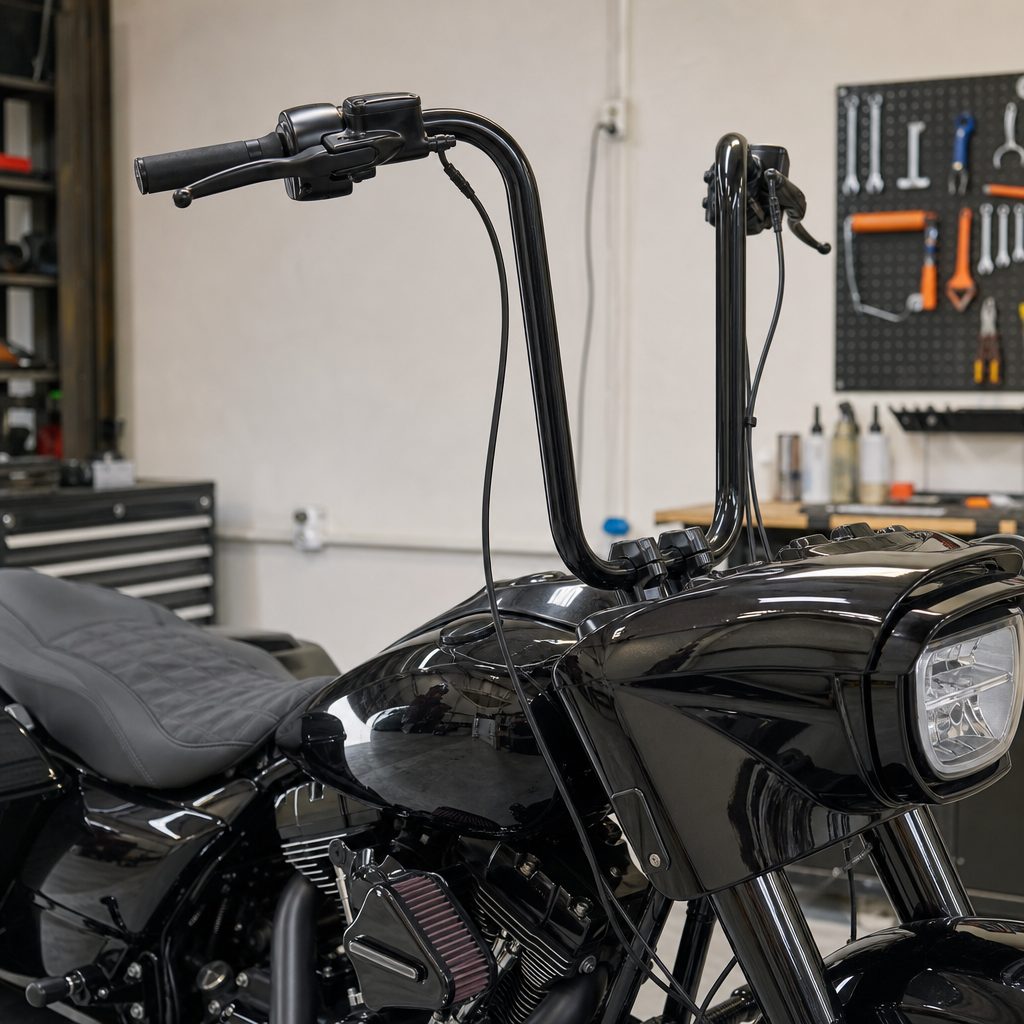
The used Harley-Davidson market has few stronger stories in 2026 than the 2010-2017 Street Bob, a bike that has moved from affordable entry point to premium-priced cult favorite. Within Harley-Davidson used buyer guides covering 1990-2028 models, these years matter because they sit at the intersection of old-school feel, modern reliability, broad customization, and a style template that later manufacturers kept chasing. When riders talk about the “Cult of Dyna,” they mean the unusually loyal following around Harley’s rubber-mounted Dyna chassis, especially stripped-back versions like the FXDB Street Bob. That loyalty now shows up in pricing, where clean, unmolested examples routinely command more than newer alternatives with better electronics on paper.
I have watched this shift firsthand while helping buyers compare Dynas against Softails, Sportsters, and Twin Cam touring bikes. A decade ago, the Street Bob was often recommended as the practical used Harley: simple, raw, cheaper than a Low Rider S, and easier to personalize than a Fat Bob. In 2026, the same bike is more likely to be treated as a keeper. Sellers know it, dealers know it, and experienced buyers know that the right 2010-2017 Street Bob can disappear within days if the mileage, title history, and parts list line up. That pricing strength is not hype. It is the result of genuine market forces.
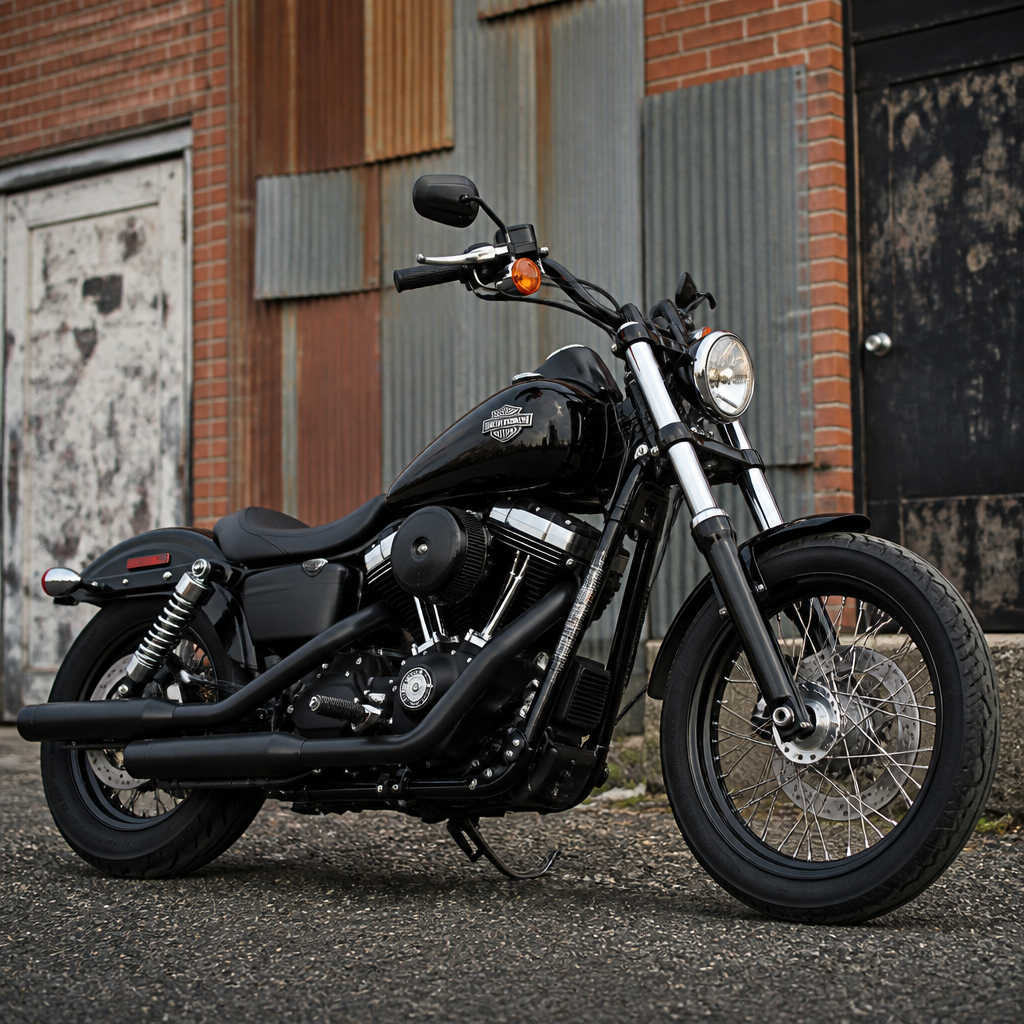
To understand why these Street Bobs command premium 2026 prices, you need to define three things clearly. First, the Dyna platform was Harley-Davidson’s mid-size big twin line using a rubber-mounted engine and twin rear shocks, giving a distinct feel under acceleration and at idle. Second, the Street Bob was the minimalist member of that family, sold with blacked-out finishes, mini-ape bars, solo-seat styling cues, and fewer cosmetic extras. Third, 2010-2017 captures the mature Twin Cam 96 and 103 era before the Dyna line ended and Harley folded performance-cruiser demand into the new Softail range. Scarcity plus reputation created a collector-consumer hybrid market.
This hub page matters because used buyer guides from 1990-2028 require context, not isolated recommendations. A 1998 Evo-powered Harley is judged differently from a 2006 Twin Cam with early six-speed concerns, and differently again from a 2022 Milwaukee-Eight Softail with ride modes and ABS. The 2010-2017 Street Bob sits in the sweet spot many buyers seek: modern enough to ride daily, analog enough to feel mechanical, common enough for parts support, and discontinued enough to trigger nostalgia. If you are shopping the broader used Harley-Davidson universe, this model range is one of the clearest examples of how desirability, supply, and rider culture can outweigh simple age or spec-sheet logic.
Why the 2010-2017 Street Bob became the reference-point used Dyna
The Street Bob became the benchmark used Dyna because it delivered the core architecture enthusiasts wanted without forcing them to pay for trim they planned to remove anyway. Buyers got the Twin Cam engine, six-speed Cruise Drive transmission, midsize big-twin proportions, narrow styling, and a lighter visual footprint than heavier-looking Dynas. Harley pitched it as elemental, but that simplicity aged well. In the used market, simplicity translates into lower cosmetic repair cost, easier inspection, and wider buyer appeal. A Street Bob with stock tins and a clean frame tells you more quickly whether the bike has been cared for than a heavily dressed cruiser loaded with bolt-ons and hidden wiring.
The 2010 model year is important because by then Harley had ironed out many of the rougher edges associated with earlier Twin Cam ownership. By 2012, the Street Bob gained the 103 cubic-inch engine in many markets, increasing torque without changing the bike’s essential character. Through 2017, the formula stayed consistent enough that buyers can shop by condition first and year second, which is unusual in motorcycle resale. That consistency stabilizes demand. When owners know any example from the run can satisfy the brief, they shop aggressively for the cleanest bike rather than waiting for one narrow production year. Stable demand supports stronger pricing.
The other reason this generation became a reference point is that it represents the end of an era without being obsolete. Harley discontinued the Dyna chassis after 2017, replacing it with the redesigned Softail platform. The newer Softails are objectively stiffer, smoother, and often faster. Yet many riders still prefer the Dyna’s kinetic personality: the visible shake at idle, the way the bike settles under load, and the directness of the chassis. In enthusiast markets, being the “last of” something matters. The 2010-2017 Street Bob is widely recognized as one of the most usable ways to own that final version of the classic Dyna experience.
What buyers are really paying for in 2026
Premium 2026 prices are driven by more than nostalgia. Buyers are paying for a specific bundle of attributes: proven Twin Cam reliability, customization support, visual authenticity, and social proof from the performance Dyna scene. Many riders who came of age watching club-style builds, West Coast stunt influence, and blacked-out tracker-cruiser hybrids now have the income to buy the bike they wanted then. The Street Bob is often the cleanest starting point. It works as a near-stock cruiser, a tall-suspension canyon build, a quarter-faired commuter, or a mild performance project using recognized parts from S&S, Saddlemen, Thrashin Supply, Bung King, and Öhlins.
There is also an economic logic. The supply of untouched examples shrinks every year because many Street Bobs were customized hard, dropped, or parted out. A stock exhaust, original fenders, factory wiring integrity, and matching paint now add real value because returning modified bikes to baseline costs money. In practice, I have seen buyers pay several thousand dollars more for a bike that simply avoided cheap tuner-era mistakes: cut harnesses, discount air cleaners, mystery engine maps, stretched cables, and poor-quality LED conversions. The premium is not irrational. It reflects the future cost of sorting neglected modifications, especially when labor rates at independent Harley shops can exceed $110 per hour in many U.S. markets.
Regional demand amplifies this trend. Sun Belt states, coastal metros, and affluent exurbs tend to support higher Street Bob pricing because year-round riding increases usability and motorcycle culture remains visible. Clean-title bikes in California, Texas, Arizona, Florida, and the Carolinas often set the market tone seen on Cycle Trader, Facebook Marketplace, Bring a Trailer, and dealer used inventory. Finance availability also helps. Unlike true vintage Harleys, 2010-2017 bikes are old enough to feel special but new enough that some lenders and franchised dealers still structure financing and warranty products around them. That keeps the buyer pool larger than many assume.
How the Street Bob compares with other used Harleys from 1990-2028
Within used buyer guides spanning 1990-2028, the Street Bob sits between eras. It is newer and more daily-rideable than many 1990s Evolution models, less mechanically controversial than some early Twin Cam years, and more emotionally distinctive than later, highly competent Softails. Compared with a 1990s Dyna Evo, the 2010-2017 Street Bob offers better brakes, more parts availability for contemporary riding upgrades, fuel injection on most examples, and stronger highway performance. Compared with a 2000-2006 Twin Cam Dyna, it generally avoids being defined by cam-chain tensioner anxiety, though service records still matter. Compared with 2018-up Softails, it gives up refinement but gains identity.
| Used Harley range | Main appeal | Common caution | 2026 buyer pattern |
|---|---|---|---|
| 1990-1999 Evo Big Twins | Mechanical simplicity, classic sound, easier home maintenance | Age-related seals, charging systems, carb tuning, wear from neglect | Bought by traditionalists and tinkerers |
| 2000-2006 Twin Cam models | Strong value, broad model choice, big aftermarket | Cam-chain tensioner history, mixed service quality, heat management | Price-sensitive buyers willing to inspect carefully |
| 2010-2017 Dyna Street Bob | Modern-enough reliability, iconic chassis feel, customization base | Premium pricing, over-modified examples, suspension often needs upgrading | Enthusiasts and daily riders paying extra for clean bikes |
| 2018-2024 Softails | Better frames, Milwaukee-Eight power, ABS and electronics availability | Higher entry prices, less of the classic Dyna feel some riders want | Performance-minded buyers prioritizing capability |
| 2025-2028 used nearly-new Harleys | Latest tech, warranty potential, stronger emissions compliance | Depreciation still unfolding, less aftermarket maturity | Buyers seeking low drama ownership |
This wider comparison explains why the Street Bob functions so well as a sub-pillar hub model. It touches almost every major used-bike buying question: air-cooled versus newer engineering, stock versus modified, collectible versus usable, and emotional appeal versus objective performance. If you are navigating Harley-Davidson used buyer guides from 1990-2028, this model teaches the central lesson of the category. The best buy is rarely the cheapest bike or the newest bike. It is the bike whose maintenance history, market reputation, and intended use align most tightly. On that measure, the 2010-2017 Street Bob remains unusually strong.
Buying advice: what to inspect before paying premium money
If a seller wants premium 2026 Street Bob money, inspect it like a premium bike. Start with the basics: VIN consistency, clean title status, cold-start behavior, visible crash damage, fluid leaks, and service records. Then get model-specific. Check for compensator noise, charging-system health, clutch feel, fork seal leakage, wheel bearing play, belt condition, and evidence of poor electrical work under the seat and around the bars. Listen for top-end noise beyond normal Harley mechanical character. Confirm whether the bike has a tuner and, if it does, ask which one. A proper calibration using a Dynojet Power Vision or Screamin’ Eagle tuner is far preferable to undocumented fueling changes.
Suspension and ergonomics deserve special attention because they shape whether a Street Bob feels merely cool or genuinely good. Stock rear shocks are often the bike’s weakest component, and many owners upgrade to Progressive, Legend, or Öhlins units. Done correctly, that improves ride control dramatically. Done cheaply, it creates mismatched geometry or harshness. Inspect handlebar swaps for cable routing, clutch line strain, and steering lock clearance. On club-style conversions with quarter fairings and taller risers, verify that the front end tracks straight and that fork internals were set up for the added leverage. A build sheet from a respected shop adds confidence; random receipts do not always.
Finally, be realistic about modifications. Some upgrades add value when they are coherent and reversible: quality suspension, reputable exhausts, proper tune, crash protection, and good saddlebags from makers like LeatherPros. Many others do not. Engine work without documentation should be treated cautiously. Cosmetic black-out jobs can hide corrosion or repair. Very low-mileage bikes are not automatically best if they sat with stale fuel, original tires, and old brake fluid. My rule is simple: buy condition, documentation, and taste. If two Street Bobs cost similar money, choose the one maintained by an owner who understood the platform rather than one assembled to chase social media trends.
Why prices may stay strong, and where the ceiling is
The best argument for continued price strength is that the Street Bob occupies a rare overlap between rider demand and limited replacement options. Harley can build excellent new cruisers, but it cannot build another new Dyna. That finality matters. As long as younger and mid-career riders continue to value analog character, adaptable styling, and the Twin Cam sound and feel, demand will remain durable. The used market also benefits from the bike’s broad competence. A Street Bob can commute, tour lightly, handle weekend back roads, and serve as a social centerpiece at local meets. Bikes that do many things reasonably well tend to keep deeper buyer pools.
There are limits, however. Street Bob pricing cannot rise indefinitely because later Softails offer objectively better frames, stronger stock suspension options, and Milwaukee-Eight torque. If premium Dyna prices climb too close to newer Low Rider S or standard Softail territory, rational buyers start cross-shopping harder. Insurance costs, fuel prices, and tightening discretionary budgets can also compress demand. The ceiling is therefore emotional but not infinite. In my view, the cleanest low-mileage 2010-2017 Street Bobs will keep outperforming average used Harleys, while rough, heavily modified examples will separate sharply and lose the shelter of the model’s reputation. The market is maturing, not blindly inflating.
For anyone building a Harley-Davidson buying strategy across 1990-2028 used models, the lesson is straightforward. The “Cult of Dyna” is real because the riding experience is distinct, the platform is proven, and the Street Bob distilled the formula better than almost anything else Harley sold in the 2010s. Premium 2026 prices are not just about nostalgia or internet mythology. They reflect scarcity, usability, aftermarket support, and the end-of-era effect that makes certain motorcycles more than transportation. If you want one, shop patiently, verify records, and pay for the best example you can justify. In the used Harley world, that discipline usually costs less than buying cheap and fixing regrets later.
Frequently Asked Questions
Why are 2010-2017 Harley-Davidson Street Bobs so expensive in 2026?
The short answer is that these bikes sit in a very rare sweet spot, and the market has finally caught up to that reality. The 2010-2017 Street Bob combines the raw, mechanical personality riders associate with the Dyna platform with enough real-world reliability and usability to make it desirable beyond nostalgia alone. Buyers are not just paying for a name or a badge; they are paying for a riding experience that feels more elemental than many later Harley models, while still being modern enough to own without treating it like a vintage project.
Several forces push values up at once. First, supply is fixed. Harley is not making any more Dynas, and the Street Bob became one of the cleanest expressions of that platform: mid controls, mini-apes, stripped-down styling, and a factory look that already resembled what many riders wanted to build anyway. Second, demand is unusually broad. Longtime Harley riders want them because they represent the end of an era, younger buyers want them because they became a visual and cultural benchmark, and custom builders want them because the aftermarket support is massive. Third, the 2010-2017 range avoids many of the compromises that affect both earlier and later alternatives. Earlier Twin Cam bikes can be excellent, but some buyers perceive them as older, rougher, or more likely to need sorting. Later Milwaukee-Eight Softails are objectively better in some areas, but they deliver a different feel and do not scratch the exact same itch.
There is also a cultural premium attached to these bikes in 2026. The “Cult of Dyna” is not just a slogan. It reflects years of rider loyalty, social media visibility, club influence, stunt and performance culture, and a custom scene that treated the Dyna as the default canvas. Once a motorcycle becomes both mechanically respected and symbolically important, prices tend to stop behaving like ordinary used-bike depreciation. That is exactly what happened here. The Street Bob moved from budget-friendly entry Harley to highly sought-after enthusiast machine, and premium pricing followed.
What makes the 2010-2017 Street Bob more desirable than other used Harley-Davidson models?
Its appeal comes from balance. Many Harley-Davidson models do one or two things extremely well, but the 2010-2017 Street Bob manages to blend classic styling, usable performance, customization potential, and emotional character in a way few others do. It looks stripped-down without feeling cheap, feels traditional without being obsolete, and responds well to personalization without needing major surgery just to get the stance and vibe right. That matters enormously in the used market, where buyers increasingly want bikes that are rewarding on day one and still offer room to make them their own.
Compared with heavier touring models, the Street Bob feels simpler, lighter on its feet, and less intimidating to live with. Compared with many Sportsters, it offers more torque, more highway ease, and a stronger “big twin” identity. Compared with later Softail-based Street Bobs, the Dyna version carries a different character altogether. Riders often describe the Dyna as having more movement, more pulse, and more attitude. Some of that is subjective, but subjectivity drives enthusiast markets. The bike does not just transport the rider; it communicates a very specific kind of Harley experience.
The years themselves matter too. By 2010, the formula was mature enough that buyers generally see these bikes as modern and dependable when maintained properly. By 2017, the Dyna chapter was closing, which gave the final examples a kind of end-of-line prestige. Across that span, the styling stayed faithful to the minimalist Street Bob identity while remaining highly compatible with bars, suspension upgrades, seats, exhausts, fairings, wheels, and performance parts. In buyer-guide terms, that makes it unusually liquid and resilient. Even when the wider used market softens, bikes with a strong enthusiast base, broad parts support, and established cultural cachet tend to hold value better than average.
Are all 2010-2017 Street Bob model years equally collectible, or are some years better than others?
They are not all valued exactly the same, although the entire 2010-2017 run benefits from the same broader market trend. In general, condition, mileage, maintenance history, originality versus quality modifications, and regional demand often matter more than a one-year difference. A clean, documented example from the middle of the production run can easily outperform a neglected “more desirable” year in actual selling price. That said, buyers and collectors do tend to split this era into smaller preference groups.
Early bikes in the 2010-2011 range attract riders who want entry into the Dyna Street Bob world at slightly less aggressive pricing than the very latest examples, assuming the market still leaves room for that. Mid-run bikes often appeal to practical buyers who want a mature version of the platform without paying the full emotional premium attached to the final years. The 2016-2017 models usually draw the strongest attention because they are among the newest Dynas available and represent the end of the line before Harley folded the Street Bob into the Softail family. End-of-era status matters in enthusiast markets, especially when the replacement product, however capable, feels different enough that riders view it as a separate branch rather than a direct continuation.
Collectors also care about how a bike was modified. Because Street Bobs are such common custom platforms, truly clean and tasteful examples can be more desirable than heavily altered ones, especially if the changes were done with quality components and documented well. On the other hand, a smartly built performance-oriented Dyna with suspension, brake, wheel, and engine upgrades from respected brands may command strong money because it saves the next owner time and expense. So yes, some years carry more market heat, but in 2026 the bigger dividing line is usually between average examples and exceptional ones, not simply year versus year.
Why does the Dyna platform have such a loyal following compared with newer Harley chassis?
The loyalty comes from a combination of feel, identity, and community. The Dyna occupies a special place in Harley-Davidson history because it preserves enough of the brand’s old-school mechanical personality to feel alive and involving, yet remains modern enough to ride regularly without constant compromise. For many owners, a Dyna does not filter the experience too much. It shakes, talks back, and delivers a kind of analog charisma that many riders find addictive. Newer Harley chassis, especially those built for greater refinement, performance, and broad-market usability, may outperform the Dyna in objective ways, but objective advantages do not automatically replace emotional attachment.
The platform also became the center of an enormous subculture. Over time, the Dyna was embraced by club-style builders, performance-minded Harley riders, custom shops, photographers, online communities, and younger enthusiasts who wanted a bike that felt authentic without looking like a museum piece. That matters because loyalty is reinforced socially. When a platform becomes the standard reference point for cool, capable, modifiable Harleys, more riders seek it out, more companies support it, and more content celebrates it. This creates a loop: strong community drives demand, demand drives aftermarket development, and aftermarket depth makes ownership even more appealing.
Another reason is that the Dyna Street Bob arrived from the factory with a notably usable starting point. It did not require buyers to strip off excessive chrome or undo a heavy styling theme. It already had the pared-back silhouette many riders wanted. That made it feel honest. In contrast, some newer bikes may be better engineered but more curated, more polished, or less raw in a way that changes the emotional equation. The “Cult of Dyna” is ultimately about more than frame design or model-year specs. It is about how the bike fits into rider identity. Once that happens, loyalty becomes durable, and durable loyalty is one of the strongest value supports any used motorcycle can have.
If I want to buy a 2010-2017 Street Bob in 2026, how can I avoid overpaying?
Start by accepting that premium pricing is real, but not every asking price is justified. The smartest buyers separate market hype from bike-specific value. A Street Bob should be evaluated on service history, title status, mileage consistency, tire and brake condition, suspension health, drivetrain feel, charging-system performance, and the quality of any modifications. A seller may ask top dollar because the bike is a Dyna Street Bob, but top dollar only makes sense when the example itself is clean, properly maintained, and configured with parts that add real value rather than just personal taste.
Documentation is one of the best tools against overpaying. Look for service records, receipts for major work, evidence of regular fluid changes, and invoices for known upgrades. If the bike has aftermarket bars, suspension, exhaust, intake, tuner, wheels, or brakes, find out exactly what was installed and who did the work. Cheap cosmetic parts rarely add value. Good suspension, quality performance tuning, reputable exhaust systems, and professionally installed components often do. Also pay attention to whether the bike includes stock take-off parts. In some cases, that improves resale flexibility and supports a stronger purchase decision.
It is also wise to shop the market nationally, not just locally, because Dyna pricing can vary by region. Compare dealer offerings, private-party sales, and auction trends if