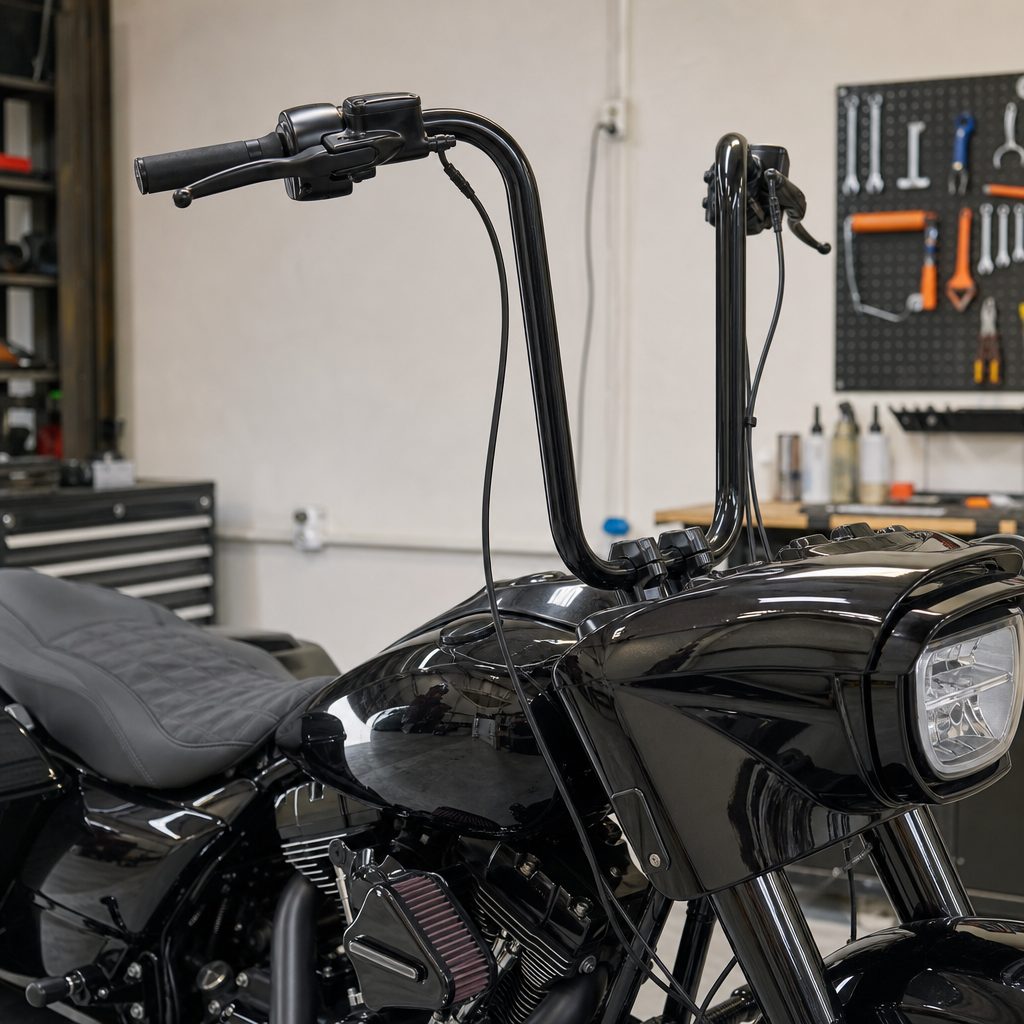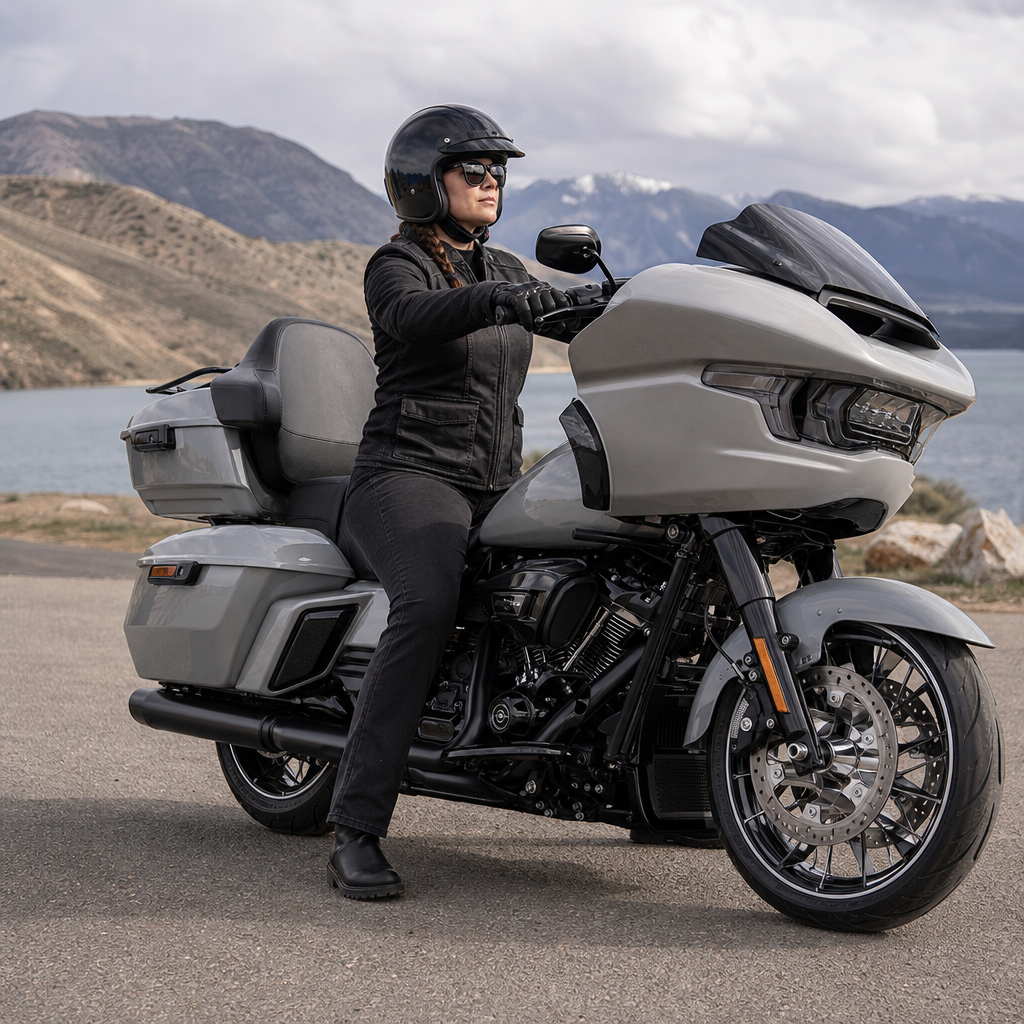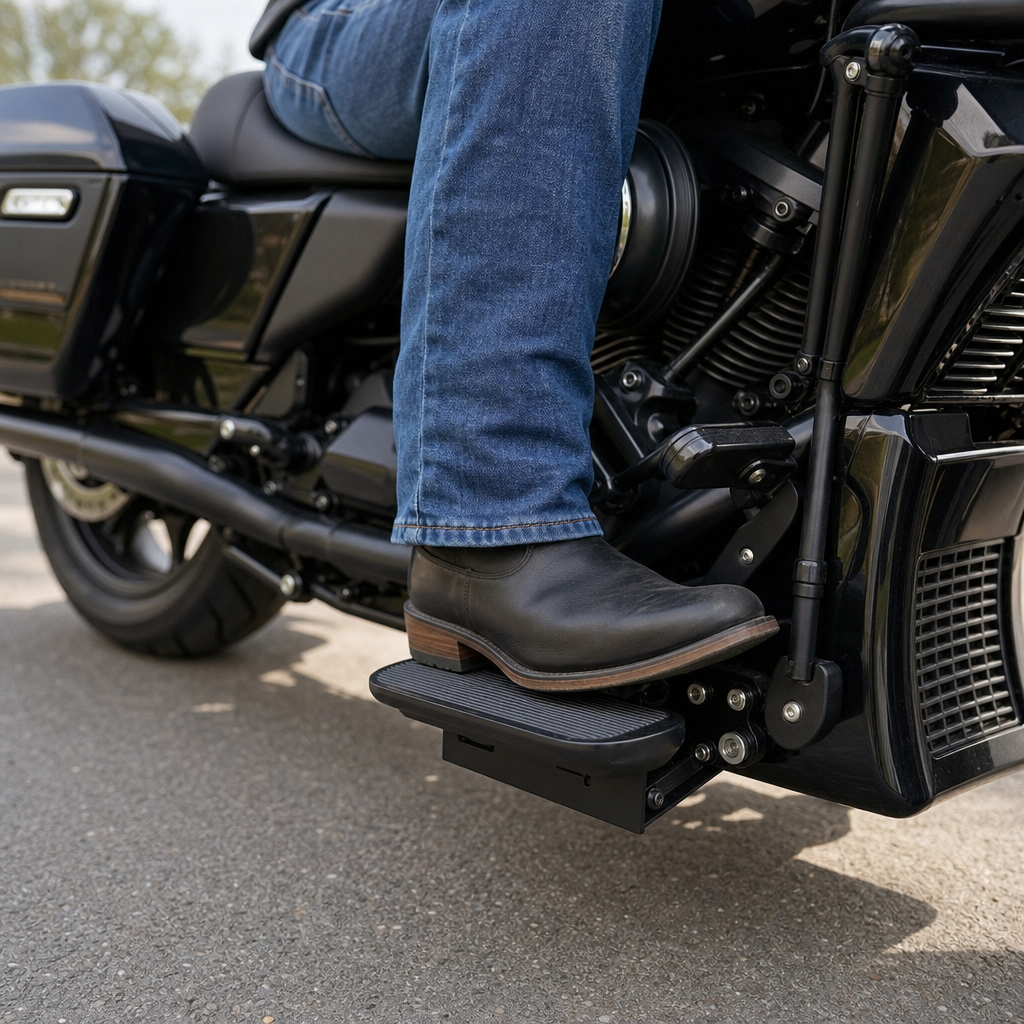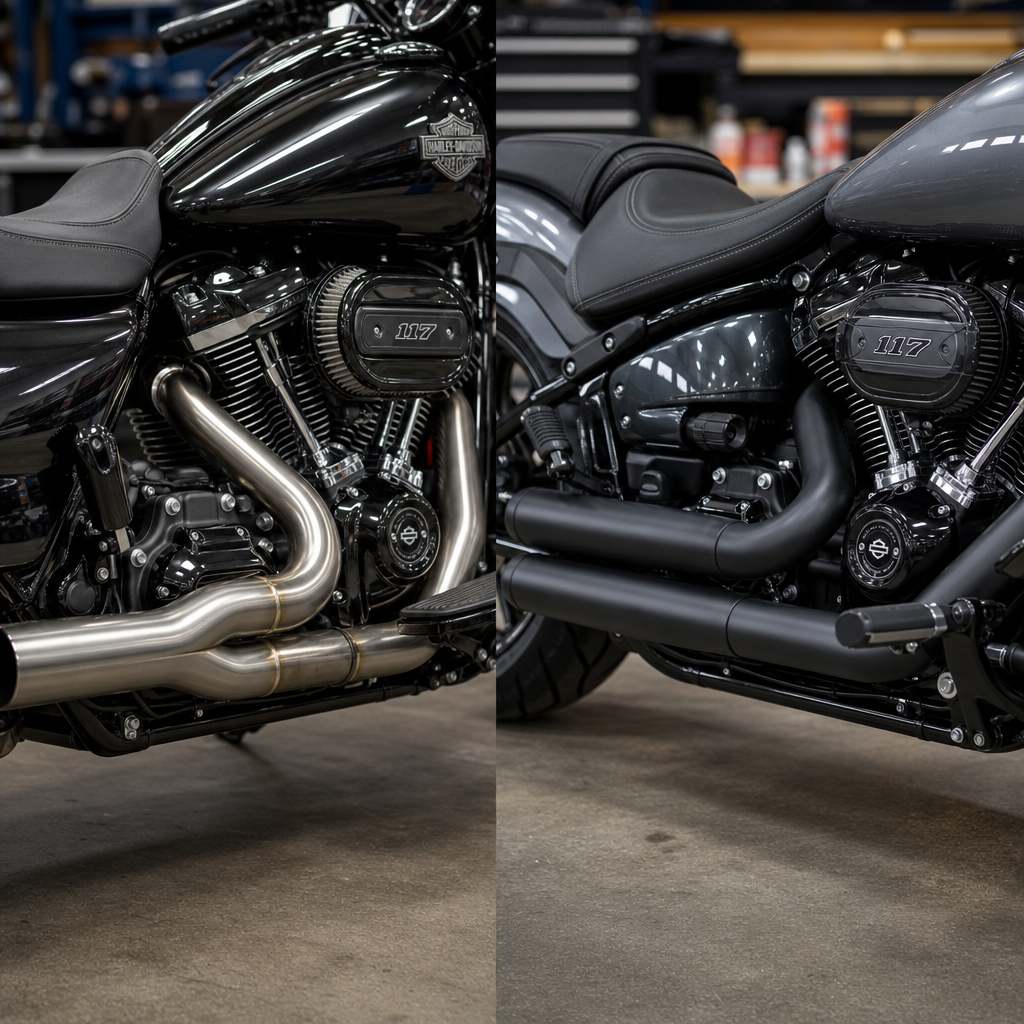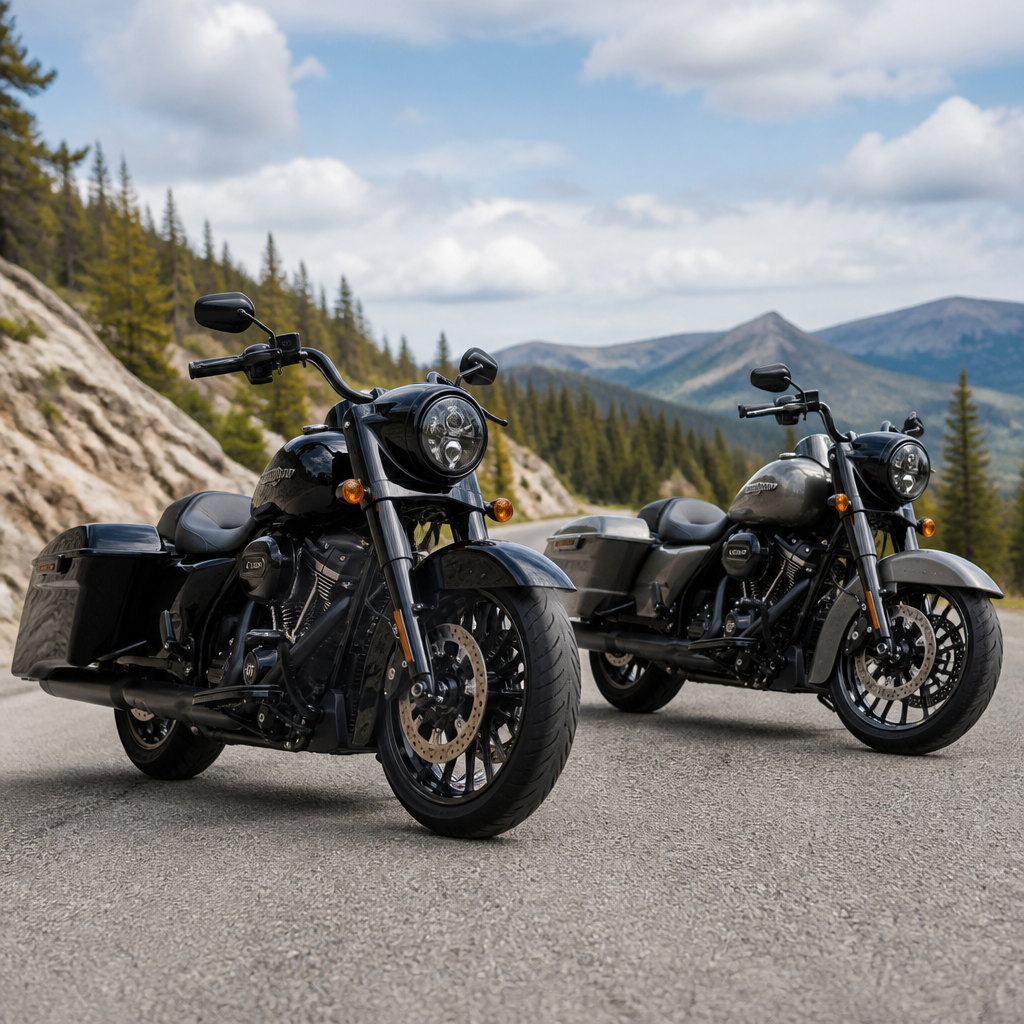
The 2014-2025 Road King Special sits at an interesting crossroads in Harley-Davidson resale value because it blends classic touring design with two distinct Milwaukee-Eight eras: the 107 and the 114. For used buyers, sellers, and dealers, tracking the resale value of the 107 vs. 114 is not just about engine size. It involves production years, equipment changes, title history, mileage bands, service records, regional demand, financing conditions, and how buyers perceive long-term ownership costs. I have watched these bikes move through dealer trade lanes, private-party listings, and auction channels, and one pattern stays consistent: the Road King Special rewards informed buying more than almost any big V-twin in Harley’s modern lineup.
Before getting into pricing, it helps to define the model and the scope of this guide. The Road King Special is the blacked-out, hard-bagger version of the Road King, pairing a fork-mounted nacelle-free front end with stretched saddlebags, a lowered stance, and stripped touring styling. In this article, 107 refers to Milwaukee-Eight 107-equipped Road King Special models, while 114 refers to Milwaukee-Eight 114-equipped versions sold later in the run. Resale value means the real-world amount a buyer is willing to pay today, not simply an asking price on a classified site. This page also serves as a hub for used Harley-Davidson buyer guides from 1990 through 2027, so the aim is to give you a framework you can apply across model years, not only a snapshot of current numbers.
Why does this matter? Because the spread between a well-bought 107 and an overpriced 114 can fund several years of maintenance, tires, insurance, and travel. On the other hand, paying a premium for the right 114 can make sense if the bike’s spec, records, and market timing support it. Used touring Harleys hold value better than many heavyweight motorcycles, but they are not immune to depreciation curves, seasonality, or shifts in buyer demand. If you want a machine to ride hard and sell cleanly later, the details below will save you money.
Model timeline: where the 107 ends and the 114 begins
For Road King Special shoppers, the first resale question is simple: which years carry the 107 and which carry the 114? The Road King Special debuted for the 2017 model year with the Milwaukee-Eight 107. In later years, Harley-Davidson moved the model to the Milwaukee-Eight 114, creating two pricing bands that still shape the used market. That split matters because many shoppers search by displacement first, then by condition. In actual transactions, engine badge recognition influences clicks, showroom attention, and negotiation leverage even before a buyer checks maintenance records.
The broader 2014-2025 framing matters because many buyers cross-shop late Twin Cam touring bikes, early Milwaukee-Eight models, and current-generation examples. A 2014-2016 Road King is not a Road King Special, but it often competes for the same dollars. That means resale pressure on 2017-2019 107 Specials can increase when clean Twin Cam bikes are available at lower prices. Likewise, late 114 Specials face competition from newer Street Glide Special and Road Glide Special models that share the same engine family and attract buyers with fairings and infotainment. Used value does not exist in isolation; it is always tied to substitute choices within Harley-Davidson’s touring catalog.
From experience, the cleanest valuation shortcut is this: early 107 Specials attract value-focused riders who want the styling without paying the late-model premium, while 114 bikes attract buyers who care about the bigger number on the air cleaner and stronger stock torque. Neither group is wrong. They are simply shopping with different priorities.
What actually drives Road King Special resale value
Resale value comes from a stack of variables, and engine size is only one of them. The biggest factors are year, mileage, service documentation, accident history, cosmetic originality, modifications, tire age, and seller type. A dealer bike with warranty options, reconditioning, and financing support often lists higher than a private-party bike, but the transaction gap narrows quickly if the private seller has complete records and the motorcycle needs nothing. I have seen a documented one-owner 107 outsell a neglected 114 because buyers trust history more than displacement when the asking price is close.
Mileage bands matter on these touring bikes, but not in the simplistic way many shoppers assume. On a Road King Special, 18,000 well-maintained miles can be less risky than 5,000 poorly stored miles with old fluids, original tires, and a dead battery. Touring Harleys are built to accumulate distance. What hurts resale is deferred maintenance, not honest use. Buyers should look for evidence of scheduled fluid changes, brake service, charging-system health, fork condition, and driveline smoothness. Sellers who can show dealer invoices, Harley-Davidson Digital Technician records, or organized independent shop receipts gain immediate credibility.
Color and trim also affect pricing. Blacked-out touring bikes typically move faster than chrome-heavy equivalents because they match current buyer taste. Factory paint usually protects value better than custom paint unless the work is from a recognized builder and suits mainstream demand. Accessories are even trickier. Genuine Harley-Davidson parts like a detachable windshield, rider backrest, luggage rack, or security upgrade can help a sale, but loud exhausts, stretched audio builds, and extreme suspension drops rarely return full cost. The market values tasteful usability over personalization.
107 vs. 114: price behavior in the real used market
The Milwaukee-Eight 107 usually represents the better value-per-dollar purchase, while the 114 usually commands the stronger asking price and slower depreciation in late-model form. In broad market terms, a clean 107 Road King Special tends to trade at a meaningful discount to a comparable 114, but the discount is often wider than the real-world performance difference. That gap creates opportunity for riders who prioritize condition, ownership cost, and negotiating room over headline displacement.
The 114 does have practical resale advantages. First, many buyers entering the touring segment expect the bigger engine because Harley positioned the 114 as the premium standard in several special models. Second, later 114 examples benefit from being newer, which usually means fewer age-related issues and stronger financing eligibility through dealerships and credit unions. Third, when a buyer plans future resale, the 114 feels easier to market because the spec is easier to explain in one sentence: bigger engine, newer bike, same iconic format.
Still, price behavior often favors the 107 for buyers who know what to inspect. When 107 bikes soften in winter or in high-supply regions, they can become some of the smartest entries into Harley touring ownership. The key is to compare transaction-ready condition, not internet fantasy pricing. A realistic seller with a sorted 107 can offer a significantly better ownership equation than a dealer-stickered 114 loaded with fees.
| Factor | Road King Special 107 | Road King Special 114 |
|---|---|---|
| Typical market position | Value-focused entry to Milwaukee-Eight touring | Premium used choice with broader buyer pull |
| Purchase price | Lower initial outlay | Higher asking and transaction prices |
| Performance perception | Strong enough for most riders | More desirable on spec sheet and test ride |
| Depreciation exposure | Often already absorbed by prior owners | Can hold stronger but starts from a higher base |
| Best buyer profile | Rider prioritizing value, records, and upgrades | Buyer wanting newer age and easier future resale |
Performance, maintenance, and ownership-cost differences
On the road, the 114 offers more torque and a stronger roll-on feel, especially with passenger weight, luggage, or highway passing. The 107 is hardly underpowered, but the 114’s extra displacement gives it easier acceleration with less downshift urgency. That said, resale is influenced less by absolute power than by how well the bike performs during inspection and test ride. A smooth 107 with correct clutch feel, stable idle, and crisp fueling leaves a better impression than a poorly tuned 114 with aftermarket exhaust and no calibration documentation.
Maintenance costs between the two are broadly similar because both sit in the Milwaukee-Eight family and share many service expectations. Buyers should focus on consumables and common touring-bike wear items: tires, brake pads, battery age, steering-head feel, fork seals, drive belt condition, and evidence of proper fluid service for engine, primary, and transmission. If a seller cannot answer basic maintenance questions, the lower asking price is not a bargain; it is a warning. A pre-purchase inspection by a Harley-Davidson dealer or respected independent shop is money well spent, especially on modified bikes.
Modifications deserve special caution. Stage kits from Harley’s Screamin’ Eagle catalog can support value if installed professionally and backed by receipts. Random tuning hardware, unknown maps, or deleted emissions equipment can shrink the buyer pool and complicate financing or warranty-backed service. In my experience, the best resale setup is close to stock with practical touring additions. Buyers want confidence, not someone else’s project.
Used buyer guide strategy for 1990-2027 Harley-Davidson touring shoppers
Because this page anchors the broader Used Buyer Guides: 1990-2027 section, it helps to place the Road King Special in a long-view Harley context. For 1990s Evolution-era bikes, value usually centers on originality, carburetion condition, and chassis age. For 1999-2016 Twin Cam touring models, the conversation shifts to cam chain tensioner history, engine mount feel, six-speed behavior, and heat management. From 2017 forward, Milwaukee-Eight touring bikes introduce stronger stock performance, revised engine character, and a newer baseline that many first-time touring buyers prefer. The Road King Special sits right in the middle of that transition, making it a key comparison point for almost every used Harley bagger shopper.
If you are building your own short list, organize it by budget band rather than by model alone. In one band, a late Twin Cam Road King, an early 107 Road King Special, and a higher-mileage Street Glide can all compete. In another, a lower-mileage 114 Road King Special overlaps with Road Glide Special territory. This is why hub-page thinking matters. Buyers who understand adjacent models negotiate better because they know what else their money can buy.
For internal research flow, compare this Road King Special guide with dedicated pages on Twin Cam Road Kings, Milwaukee-Eight Street Glides, Road Glide Specials, and Ultra Limited models. Those related used buyer guides help clarify whether your priority is simplicity, wind protection, passenger comfort, or visual style. The strongest purchase decisions come from comparison, not impulse.
How to value a specific bike before you buy or sell
Start with three benchmarks: dealer retail, private-party asking price, and actual transaction condition. Use J.D. Power values as a rough baseline, then compare listings on Cycle Trader, Facebook Marketplace, dealership sites, and Bring a Trailer for unusually clean or collectible examples. Do not average everything together. Instead, remove outliers, separate modified bikes from stock ones, and adjust for mileage, region, and season. In northern states, bagger prices often soften when riding weather closes. In Sun Belt markets, demand is steadier but premium inventory moves quickly.
Then inspect value killers. Salvage or rebuilt title status can slash resale appeal. Missing keys, inactive security fobs, mismatched paint, worn grips, leaking fork seals, corroded fasteners, and cracked saddlebags all weaken confidence. So do old date-code tires, even if tread looks deep. Buyers should price immediate needs in cash, not emotion. Sellers should do the opposite: service the bike, replace obvious wear items, clean every surface, and assemble documents before listing. Presentation affects resale more than many owners realize.
For the 107 vs. 114 choice specifically, ask one honest question: will the extra purchase price of the 114 be recovered in your ownership period? If you ride the bike for several years and pile on miles, maybe not. If you plan a shorter ownership cycle and want the easiest future listing, the 114 premium can be justified. Value is not only what you pay today. It is what the market will understand when you sell.
The resale story of the 2014-2025 Road King Special comes down to disciplined comparison, not brand mythology. The 107 is usually the smarter buy for riders who want maximum Harley-Davidson touring style per dollar and are willing to shop carefully for condition and records. The 114 is usually the stronger resale candidate for buyers who want the newer, easier-to-market specification and are comfortable paying more up front. Neither engine automatically wins. The better motorcycle is the one with the cleaner history, stronger maintenance file, and more realistic price.
As the hub for Used Buyer Guides: 1990-2027 within the Harley-Davidson category, this page should help you evaluate more than one model. Use the same process across every used Harley: confirm the exact year and specification, compare nearby substitutes, inspect maintenance evidence, discount poor modifications, and judge value by transaction-ready condition. That method works whether you are considering an Evolution Road King, a Twin Cam tourer, or a Milwaukee-Eight bagger.
If you are shopping now, shortlist both a 107 and a 114 Road King Special, inspect them side by side, and let the records decide. If you are selling, document everything and price to the real market, not to wishful listings. Do that, and the Road King Special becomes what it has always been at its best: a deeply usable Harley that holds value when bought with discipline and sold with proof.
Frequently Asked Questions
Does the Milwaukee-Eight 114 always have higher resale value than the 107 on a Road King Special?
Not automatically. In most used-market scenarios, a Road King Special with the Milwaukee-Eight 114 will command a higher asking price than a comparable 107, but resale value is shaped by more than displacement alone. Buyers tend to pay a premium for the 114 because it is associated with stronger factory performance, a later production window, and a perception of being the more desirable long-term spec. That said, the real-world spread between a 107 and a 114 can narrow quickly when the 107 has cleaner history, lower mileage, documented maintenance, better cosmetics, and more desirable ownership records.
For example, a well-kept 107 with consistent dealer or specialist service, no accident history, stock or tastefully upgraded components, and mileage in a favorable band can outperform a neglected or heavily modified 114 in both buyer interest and actual transaction price. Market timing also matters. When financing tightens and buyers become more payment-sensitive, the lower entry cost of a 107 can make it more liquid in the used market. Dealers may prefer the easier turn rate of a competitively priced 107, while private buyers shopping for value may see it as the smarter buy if the equipment and condition are right.
In short, the 114 usually sets the higher ceiling, but the 107 can remain surprisingly resilient because many touring buyers prioritize condition, reliability, and ownership cost over headline engine size. The best way to track the difference is to compare like-for-like examples by year, mileage, title status, service history, and modification quality rather than assuming the 114 wins in every case.
Which model years matter most when comparing Road King Special resale values from 2014 to 2025?
The production year matters a great deal because it helps explain what engine the bike has, what factory equipment came with it, and how buyers mentally position that bike in the broader Harley-Davidson timeline. For resale analysis, the Road King Special market is best understood in two broad phases: the earlier Milwaukee-Eight 107 period and the later Milwaukee-Eight 114 period. Even if two bikes look similar at first glance, buyers and dealers often sort them into different value brackets based on where they fall in that transition.
Later model years generally benefit from newer-bike appeal, lower average mileage, and a shorter gap from original sale to present ownership. Those factors support stronger prices, especially when combined with factory features that are viewed as modern, dependable, and easier to finance. Newer bikes also tend to attract buyers who want longer remaining service life and fewer age-related concerns such as neglected fluids, stale tires, battery issues, faded finishes, or deferred maintenance. As a result, a clean later-year 114 usually has a broader buyer pool than an older 107, even before engine preference enters the conversation.
However, not every year-to-year price gap is driven by the factory. Some years develop better resale reputations simply because more examples survive in good condition, fewer were heavily customized, or market supply is tighter in certain regions. Title branding, ownership count, and documentation can also override the expected year advantage. A newer bike with a salvage history often trails an older clean-title bike. Likewise, an older example that has been garage-kept, serviced on schedule, and sold with records can be more competitive than its age suggests. For this reason, model year should be treated as a valuation framework, not a standalone answer.
How much do mileage and service records affect the resale value of a 107 versus a 114 Road King Special?
Mileage and service history are two of the most powerful value drivers in this category, often more influential than buyers expect. Touring motorcycles are built to cover distance, so high mileage is not automatically negative, but the market still reacts strongly to mileage bands. Lower-mile examples usually generate more clicks, more showroom attention, and stronger offers because they signal less wear and a longer perceived ownership runway. That effect is especially noticeable on later 114 models, where buyers may already be stretching their budgets and want reassurance that the bike feels close to new in mechanical terms.
Service records matter because they convert a listing from a generic used bike into a documented asset. Oil-change intervals, scheduled services, brake and tire replacement, battery history, fluid flushes, and any warranty or recall documentation all reduce uncertainty. A 107 with thorough records can inspire more confidence than a 114 with vague maintenance history, and confidence is a major factor in resale value. Dealers factor reconditioning costs into trade offers, while private buyers discount for unknowns. Missing records can lead buyers to assume deferred service, even if the bike presents well cosmetically.
The interaction between mileage and records is what really shapes price. A moderate-mile 107 with full documentation may hold value better than a low-mile 107 that sat unused for long stretches with little proof of upkeep. Likewise, a 114 with above-average miles can still sell well if it shows careful ownership and predictable maintenance. For both engine versions, buyers do not just ask, “How many miles?” They ask, “What kind of miles, and how was the bike cared for?” That distinction often determines whether a listing attracts premium buyers or bargain hunters.
Do modifications, accessories, and title history help or hurt Road King Special resale value?
They can do either, depending on the quality of the changes and how closely they match what the next buyer actually wants. In the touring Harley market, tasteful and functional upgrades can support value, but they rarely return dollar-for-dollar. Common examples include suspension improvements, quality exhaust systems, touring comfort upgrades, security additions, and premium seating. These can make a bike easier to sell because they reduce the next owner’s setup costs. On the other hand, highly personalized cosmetics, extreme audio builds, aggressive tuning choices, stretched components, or bargain-brand parts often narrow the buyer pool and can lower offers.
The 107 versus 114 comparison becomes especially interesting here because modifications sometimes mask the original market difference between the two engines. A nicely equipped 107 with sensible touring upgrades may be more appealing than a stock 114 that needs immediate spending. But if a bike has been tuned hard, shows signs of poor installation work, or lacks documentation for aftermarket parts, buyers start pricing in risk. That risk can offset the engine premium very quickly. Many experienced shoppers prefer stock or near-stock bikes because they are easier to evaluate, insure, finance, and maintain.
Title history is even more decisive. A clean title remains one of the clearest supports for strong resale value. Salvage, rebuilt, flood, theft recovery, or major accident history can sharply reduce marketability for both 107 and 114 models, regardless of appearance after repair. Dealers often bid more conservatively on branded-title units, and lenders may be less favorable, which shrinks the buyer pool. In practical terms, a clean-title 107 often retains stronger resale credibility than a branded-title 114. When tracking value, title status should be viewed as a primary pricing factor, not a footnote.
What market conditions most influence whether a 107 or 114 Road King Special sells faster and for more money?
Regional demand, seasonality, inventory levels, and financing conditions all play major roles in how quickly these bikes move and what they ultimately bring. In strong riding regions with an active Harley touring culture, both 107 and 114 Road King Specials can hold value well, but the 114 often benefits more when buyers are confident and willing to pay for preferred specs. In softer markets, the 107 can become more competitive because it offers the Road King Special look and touring experience at a lower buy-in. That lower entry point matters when shoppers are balancing monthly payments, insurance, and long-term maintenance costs.
Seasonality also changes the conversation. During peak riding months, cleaner examples of both engine versions usually receive more attention, and sellers gain a little more leverage. In colder or slower periods, the spread between asking price and actual sale price can widen, especially for higher-priced 114 models. Dealers may be more selective on trade values when floorplan costs rise or inventory is already deep. Private sellers may also find that realistic pricing matters more than engine preference when overall buyer traffic is down.
Financing is another underappreciated variable. When rates are favorable and lenders are active, later-year 114 models often benefit because more buyers can stretch into them. When credit tightens, affordability becomes a bigger driver, and strong-condition 107 bikes may sell faster simply because they fit more budgets. This is why resale tracking should always include broader market context. The “better” bike on paper is not always the easier bike to sell. Sometimes the strongest performer is the one priced correctly for the current market, backed by records, and aligned with what local buyers value most.