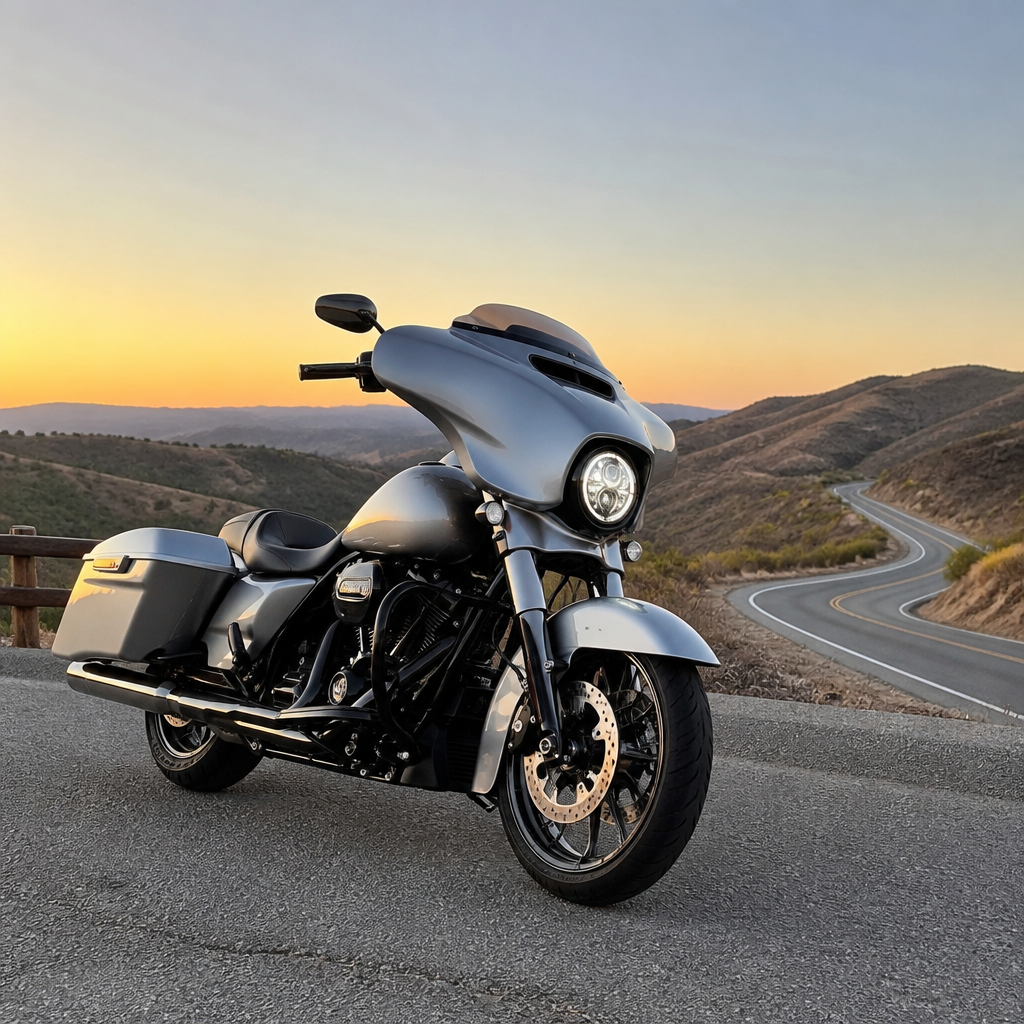
The 2026 used motorcycle market has created a clear dividing line for Harley-Davidson buyers: 2017 and newer Street Glides now represent the most balanced mix of modern engineering, proven durability, parts support, and resale stability, which is why many riders and dealers increasingly describe them as the new golden era. In practical terms, a golden era is not just a nostalgic label. It means a range of model years that delivers the strongest ownership value over time, with fewer major compromises than what came before and better affordability than what came after. For the Street Glide, that sweet spot starts in 2017 because the platform gained the Milwaukee-Eight engine, improved heat management, stronger low-end torque, and a riding character that corrected several of the persistent complaints associated with late Twin Cam touring bikes.
I have spent years evaluating used Harleys at dealerships, auctions, service departments, and private-party listings, and the pattern is unusually consistent in 2026. Buyers shopping the full used buyer guide spectrum from 1990 through 2025 often begin with a broad question—what Harley touring years should I actually trust—and end up narrowing their shortlist to 2017+ Street Glides because the answer keeps pointing there. These bikes sit at the center of the modern used market. They are new enough to feel current, old enough to have established maintenance history, and common enough that pricing, accessories, and repair knowledge are easy to verify.
This hub article covers the entire Used Buyer Guides: 1990–2025 landscape under Harley-Davidson, using the Street Glide as the anchor because it illustrates larger market forces better than any other model. Earlier eras still matter. Evolution-era bikes from the 1990s remain simple and charismatic. Twin Cam models from 1999 onward opened the door to more power and broader touring demand. Rushmore updates from 2014 to 2016 brought meaningful chassis and infotainment improvements. The 2024 redesign changed the conversation again. But if your goal is to identify the most dependable value zone in the 2026 used market, the evidence centers on 2017 and newer Street Glides.
Why does this matter? Because used Harley pricing is no longer driven by age alone. It is driven by a combination of engine generation, electronics complexity, service history, rider demand, financing availability, and whether a given platform solves real ownership problems. A smart buyer in 2026 is not just comparing chrome, paint, and mileage. That buyer is comparing cam chain tensioner risk, oil transfer history, infotainment obsolescence, suspension quality, ABS availability, and the long-term availability of stock and aftermarket parts. Understanding those factors helps you avoid expensive mistakes and identify the years that still deliver daily satisfaction after the honeymoon period ends.
Why 2017+ Street Glides define the current sweet spot
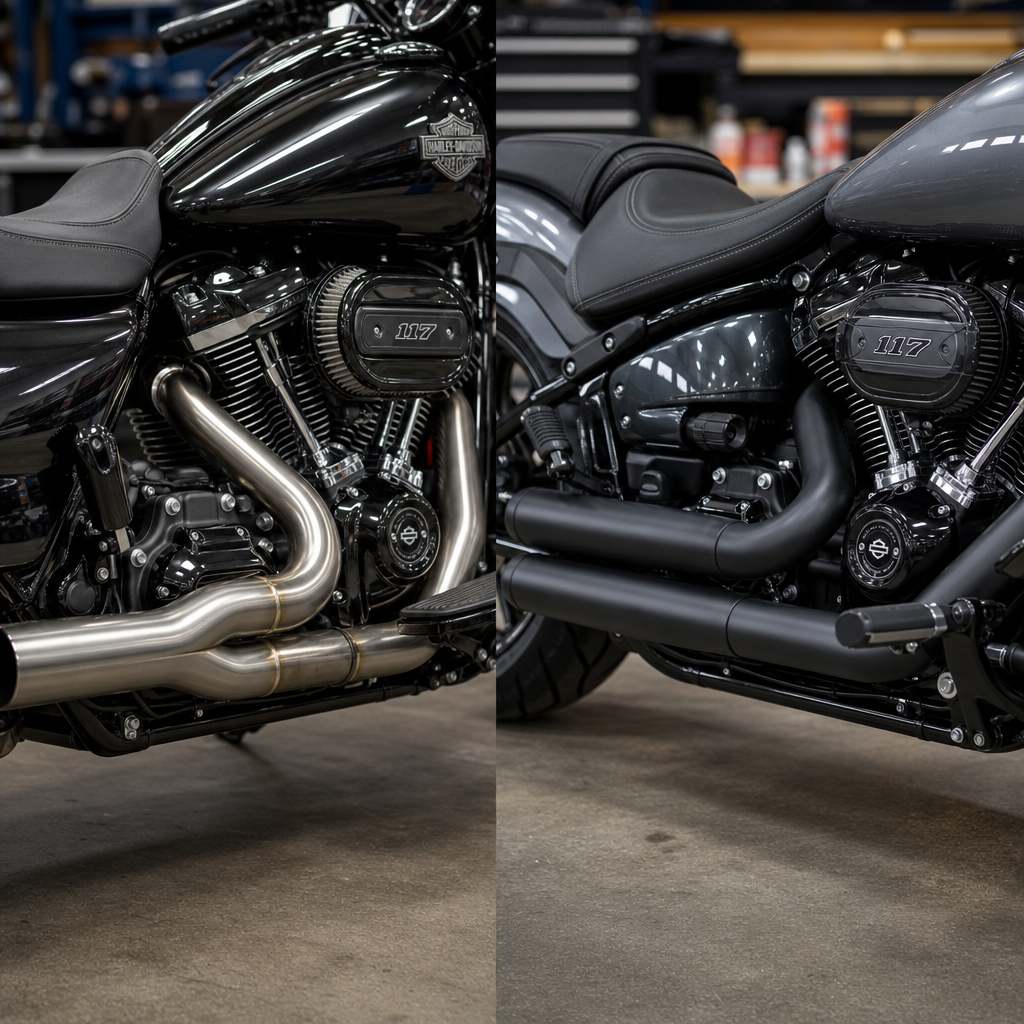
The single biggest reason 2017+ Street Glides stand out is the Milwaukee-Eight engine. In stock form, the M8 brought a major improvement in combustion efficiency, vibration isolation, torque delivery, and mechanical smoothness compared with the Twin Cam 103 and 110. Riders noticed it immediately. The bike pulled harder off idle, ran cleaner, and felt less busy at highway speeds. On a heavy touring motorcycle, those changes are not minor. They shape every start, pass, hill climb, and two-up ride. Harley-Davidson also addressed long-standing rider complaints about excess heat, especially on bikes used in traffic or warm climates.
The rest of the package matters just as much. The Street Glide already benefited from the Project Rushmore touring updates introduced for 2014, including improved braking, revised ergonomics, and better wind management. Starting in 2017, buyers effectively got that refined chassis with a better engine. That combination is the foundation of the golden-era argument. Most used bikes that become market favorites do so because they arrive after the major fixes but before major cost inflation. That is exactly what happened here. A 2017–2023 Street Glide feels modern without carrying the same price premium or first-model-year uncertainty associated with the newest redesign cycle.
There is also a data-backed market reason. Dealers prefer bikes that are easy to appraise, finance, and retail. The 2017+ Street Glide checks all three boxes. It has broad buyer recognition, straightforward valuation comps through NADA and auction channels, and enough production volume that condition-based pricing is easier to judge. Private sellers benefit too, because demand remains deep across stock bikes, lightly customized examples, and higher-trim variants like the Street Glide Special and ST. In a market where some older Harleys sit for months, clean M8 Street Glides still move.
How 1990–2025 Harley used buyer guides break down by era
To understand why 2017+ is so strong, it helps to place every era in context. From 1990 to 1998, most big-twin used buyer guides focus on Evolution-powered bikes. These machines earn points for mechanical simplicity, classic styling, and approachable service work. Their weaknesses are equally clear: age-related rubber deterioration, charging-system wear, carburetor variability, and less capable braking and suspension. They suit buyers who want analog character more than modern refinement.
From 1999 to 2006, the Twin Cam 88 era matters because it modernized the lineup, but it also introduced cam chain tensioner concerns that every serious used buyer must inspect. Service records are decisive here. A properly updated Twin Cam can be an excellent value. A neglected one can become expensive fast. The 2007 to 2013 period brought the Twin Cam 96, then the 103, plus a six-speed transmission and electronic throttle on many models. These are often attractive on price, but heat, suspension limitations, and model-specific quirks still separate good buys from false bargains.
The 2014 to 2016 Rushmore years are widely respected because Harley improved brakes, storage functionality, aerodynamics, and infotainment integration. For some shoppers, especially those who prefer late Twin Cam character and lower acquisition cost, these are still excellent choices. Then 2017 to 2023 delivered the Milwaukee-Eight breakthrough. Finally, 2024 to 2025 introduced the newest touring redesign with updated styling, revised electronics, and in some trims a stronger performance orientation. Those bikes are impressive, but in the used market they remain expensive enough that value hunters often circle back to the earlier M8 Street Glide as the smarter buy.
| Era | Core Strength | Main Watchout | Best Buyer Fit |
|---|---|---|---|
| 1990–1998 Evolution | Simple, classic, easy to understand | Age, charging systems, outdated brakes | Collectors and hands-on riders |
| 1999–2006 Twin Cam 88 | Affordable entry to modern big twins | Cam chain tensioners | Budget buyers with inspection discipline |
| 2007–2013 Twin Cam 96/103 | Six-speed touring comfort | Heat and model-specific maintenance history | Value-focused riders |
| 2014–2016 Rushmore | Major chassis and touring refinements | Twin Cam limitations remain | Buyers wanting late pre-M8 bikes |
| 2017–2023 Milwaukee-Eight | Best balance of power, reliability, and price | Modification quality varies widely | Most used touring buyers |
| 2024–2025 latest touring | Newest technology and features | Higher prices, shorter track record | Buyers prioritizing latest design |
What makes the Street Glide the hub model for Harley touring buyers
The Street Glide matters more than its sales numbers alone suggest because it sits at the intersection of style, practicality, and aftermarket depth. In Harley-Davidson terms, it is the benchmark bagger. It offers hard saddlebags, a frame-mounted fairing, real highway comfort, and visual identity that appeals to a very wide range of riders. That broad appeal matters in the used market because it creates a self-reinforcing ecosystem: more sales lead to more parts, more accessories, more service familiarity, and stronger resale confidence.
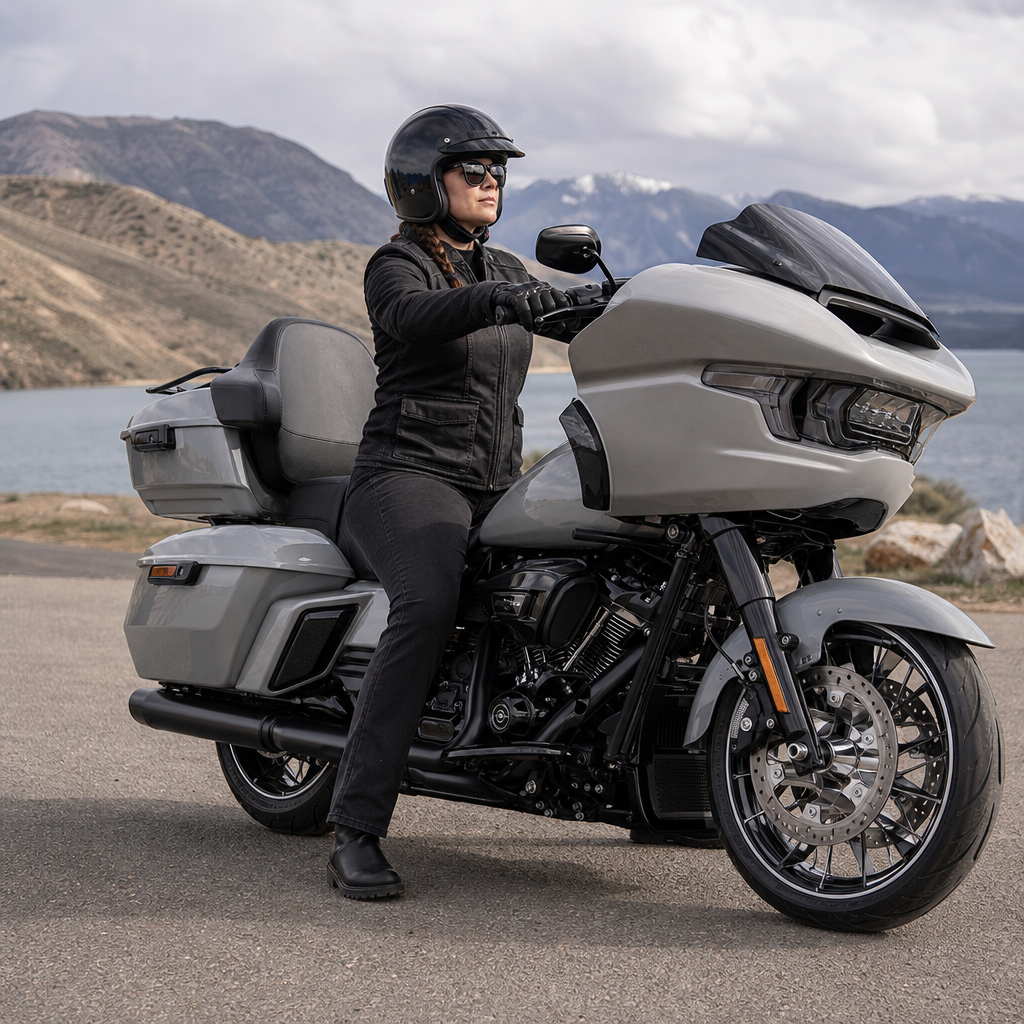
As a hub for Used Buyer Guides: 1990–2025, the Street Glide also helps buyers understand adjacent models. If you are comparing a Road Glide, Road King, Electra Glide, Ultra Limited, or even a performance bagger conversion, many of the same era-specific questions apply. Engine generation, ABS availability, infotainment aging, suspension setup, charging health, compensator behavior, clutch feel, and ownership modifications all carry over. That means a shopper can use Street Glide buying logic as a framework for the larger Harley touring market.
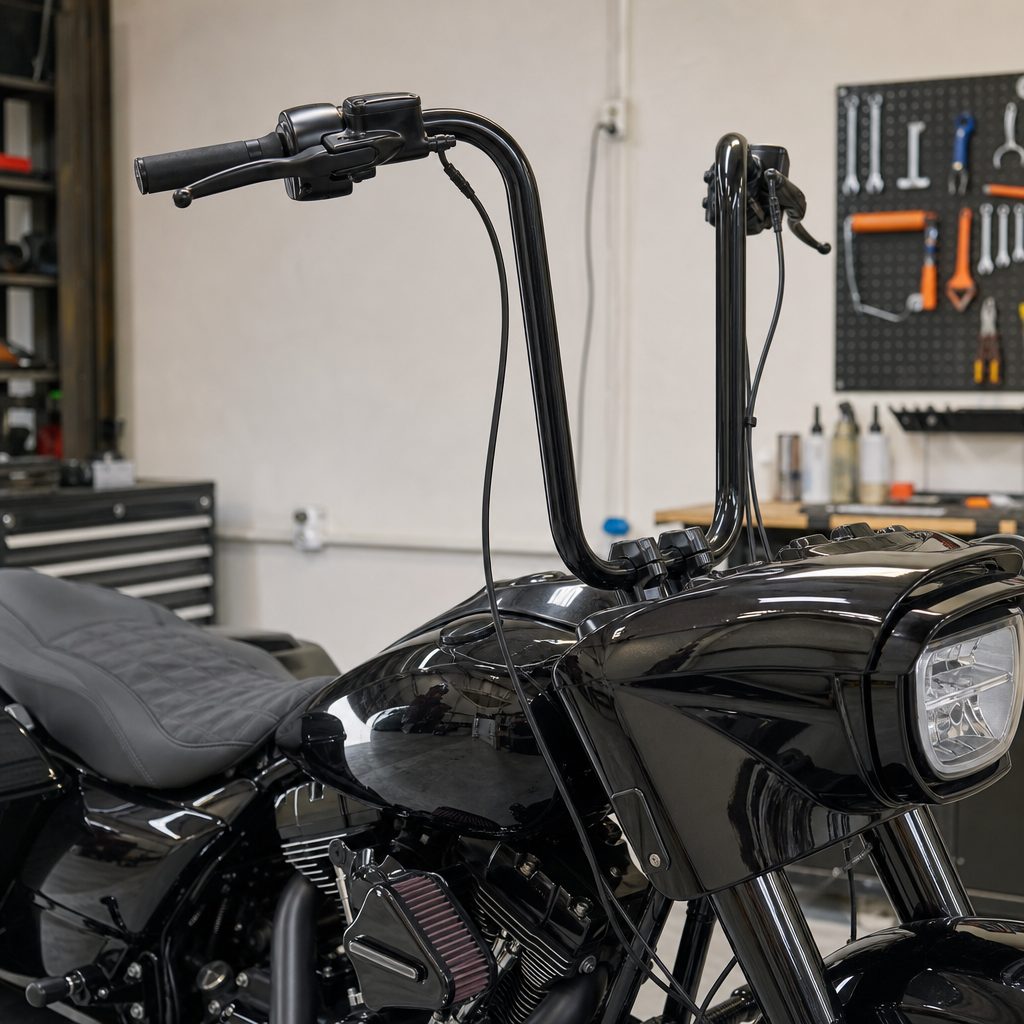
Another reason the Street Glide leads this subtopic is modification culture. Used Harleys are rarely untouched. Exhaust systems, cams, tuners, bars, wheels, seats, and suspension upgrades are common. On 2017+ bikes, those modifications can be a benefit when documented properly. A quality setup using components from S&S, Woods, Öhlins, Legend, Klock Werks, or Harley’s Screamin’ Eagle catalog can improve the bike substantially. A poorly tuned bike with unknown engine work, cut wiring, and bargain suspension can turn a desirable model year into a liability. The Street Glide teaches buyers to judge the work, not just the parts list.
What to inspect on any used Harley from 1990 to 2025
A serious used Harley inspection starts with documentation, not cosmetics. Ask for service records, title status, recall completion, and a complete list of modifications. Verify VIN consistency and compare mileage patterns with registration or maintenance paperwork. Then inspect cold-start behavior. A healthy bike should start cleanly, idle consistently, and avoid excessive valvetrain clatter, smoke, or warning lights. On Twin Cam bikes, cam chest service history is essential. On Milwaukee-Eight bikes, look closely at tuning quality, oil leaks, charging performance, and clutch operation.
Next, inspect chassis condition. Check fork seals, rear suspension sag, wheel bearings, brake pad life, rotor wear, tire date codes, and belt condition. Touring Harleys are heavy, and neglected wear items add up quickly. On bikes with infotainment, test every switch, speaker, Bluetooth pairing function, and navigation-related feature if equipped. Electrical gremlins often reveal themselves through nonworking accessories, weak batteries, or sloppy audio and lighting installations. A clean fairing exterior does not tell you what is happening behind the dash.
Finally, road-test whenever possible. Listen for compensator noise, feel for clutch drag, verify straight tracking, and test front and rear brakes independently. Pay attention to heat management in traffic and fueling behavior during low-speed transitions. A well-sorted Street Glide should feel stable, planted, and predictable, not hesitant or agricultural. In my experience, buyers who skip the road test and rely on appearance alone are the ones most likely to inherit someone else’s unfinished project.
Pricing, depreciation, and why the market rewards the middle years
In 2026, the used Harley market rewards bikes that have already taken their biggest depreciation hit but still feel current. That is the middle-year advantage, and 2017+ Street Glides own it. Older Twin Cam bikes may look cheaper at first glance, but deferred maintenance, dated suspension, and lower buyer demand can erase the savings. Newer 2024–2025 machines deliver advanced features, yet they command enough premium that financing costs and insurance often push them beyond practical value territory for many riders.
Street Glide pricing also reflects trim and condition more than many buyers expect. A stock 2018 bike with complete records, original paint, ABS, healthy tires, and no tuning issues can be a better purchase than a heavily modified 2020 example with uncertain engine work. Mileage matters, but not in isolation. A 35,000-mile touring Harley that has been serviced correctly is often a safer buy than a 7,000-mile garage queen with stale fluids, old tires, and a weak battery. Touring bikes are built to be ridden. Consistent use with documented maintenance is usually a positive sign.
For buyers building a long-term ownership plan, the market logic is straightforward. Buy the newest, best-documented 2017+ Street Glide you can comfortably afford, prioritize condition over flash, and reserve budget for baseline service after purchase. That formula has proved reliable across dealership lots, online marketplaces, and auction lanes. It works because the bike’s engineering, demand curve, and support network are aligned in a way that few other Harley year ranges can match.
How this hub should guide your next Harley research step
The broad lesson from Used Buyer Guides: 1990–2025 is that every Harley era has a buyer, but not every era offers equal value in 2026. Evolution bikes reward mechanical simplicity and nostalgia. Early Twin Cams demand careful inspection. Late Twin Cams, especially Rushmore models, can still make sense for price-conscious riders. The latest redesign serves buyers who want the newest package and are willing to pay for it. Yet the center of the market—the place where performance, reliability, familiarity, and resale overlap most cleanly—is the 2017+ Street Glide.
That is why these bikes deserve the golden-era label. They solved the right problems at the right time, they remain widely supported, and they have now accumulated enough real-world history to be judged on evidence rather than launch excitement. For a sub-pillar hub under Harley-Davidson, this is the key takeaway: use the year ranges to narrow your risk, then use model-specific inspection standards to choose the right motorcycle. If you are starting your search today, begin with 2017 and newer Street Glides, compare them against a late Rushmore bike and a current redesign, and let documented condition make the final decision.
Your next step is simple: shortlist the exact years that fit your budget, pull service records before you fall for paint or accessories, and use this hub as the foundation for deeper Harley-Davidson buyer guides across every major model and generation.
Frequently Asked Questions
Why are 2017 and newer Street Glides often called the new “golden era” in the 2026 used market?
The phrase “golden era” is being used more and more for 2017 and newer Street Glides because these bikes hit a rare sweet spot that matters in the real world of ownership. They are modern enough to benefit from major engineering improvements, especially with the Milwaukee-Eight platform, but they are also old enough to have established a strong reputation for reliability, serviceability, and long-term value. In other words, buyers are no longer gambling on whether these models will hold up. The market has already answered that question.
From a used-bike perspective, this matters a lot. A true golden era is not simply about styling or nostalgia. It is about finding model years that minimize compromise. With 2017+ Street Glides, riders get better power delivery, smoother overall performance, improved heat management compared with many earlier expectations, excellent aftermarket and OEM parts availability, broad mechanic familiarity, and strong resale demand. That combination is difficult to beat.
Another reason these bikes stand out in 2026 is market clarity. Earlier generations still have loyal fans, and newer premium models may offer more tech, but 2017+ Street Glides occupy the middle ground that many used buyers want most: modern enough to feel current, proven enough to buy with confidence, and common enough to support easy ownership. Dealers like them because they move. Private buyers like them because they are easier to evaluate and easier to resell later. That is exactly the kind of ownership equation that creates a golden era.
What changed in 2017 that makes these Street Glides more desirable than many earlier used models?
The biggest shift in 2017 was the broader arrival of the Milwaukee-Eight engine in the Touring lineup, including the Street Glide. That engine family represented a meaningful step forward for Harley-Davidson in refinement, torque character, and overall ride quality. Buyers noticed the stronger low-end and midrange response, the more modern feel, and the fact that these bikes generally delivered a better balance between classic Harley personality and contemporary performance expectations.
Beyond the engine itself, 2017+ models benefited from being part of a period where Harley’s touring platform had matured significantly. By then, the Street Glide formula was already well understood: batwing fairing, bagger styling, highway capability, and strong aftermarket support. What 2017 did was update that formula in a way that made the bike feel more complete for everyday riders. For many buyers, that means fewer “I wish it had…” moments after purchase.
There is also a practical ownership advantage. Earlier bikes can still be excellent, but they may involve more tradeoffs depending on the year, engine generation, wear history, and buyer expectations around vibration, heat, power, electronics, or comfort. With 2017 and newer Street Glides, the baseline is simply stronger. Even a stock example tends to start from a better place, which makes it easier for used buyers to find a bike they can enjoy immediately without planning a long list of upgrades or corrections.
Are 2017+ Street Glides a good value in 2026, or have prices already become too strong?
In most cases, they are still a strong value, even if prices remain firmer than some bargain hunters would like. Value and cheapness are not the same thing. A bike can cost more upfront but still deliver better ownership economics over time if it has better reliability, stronger demand, easier financing, broader parts support, and more predictable resale. That is where many 2017+ Street Glides continue to shine in 2026.
These bikes tend to avoid the steepest depreciation zone because the market sees them as highly usable, highly recognizable, and broadly desirable. That stability matters. If you buy a well-kept 2017 or newer Street Glide at a fair market price, maintain it properly, and avoid overpaying for cosmetic modifications that do not add real value, there is a good chance your ownership cost will compare favorably with both older “cheaper” bikes and newer, more expensive alternatives.
It is also important to consider replacement cost and ease of resale. A buyer shopping for a used touring Harley often wants a familiar platform with no major surprises. That keeps demand healthy for these models. So while a 2017+ Street Glide may not always be the cheapest option on the floor, it often represents one of the smartest purchases in the segment because it offers a well-established blend of capability, confidence, and liquidity in the marketplace.
What should buyers inspect when shopping for a used 2017 or newer Street Glide?
Start with the fundamentals: service history, mileage consistency, ownership pattern, and overall condition. A clean title, documented maintenance, and evidence of routine care matter more than flashy accessories. These bikes are often customized, but the smartest buyers look past add-ons and focus on the underlying machine. Check for fluid leaks, cold-start behavior, charging system health, brake condition, tire age, suspension wear, clutch feel, transmission operation, and any unusual engine noise. A bike that starts cleanly, idles properly, tracks straight, and shifts consistently is usually telling you more than the paint or audio system ever will.
On touring Harleys, it is also wise to evaluate how the bike was modified. Some upgrades are neutral or beneficial, while others may signal hard use, poor installation quality, or tuning shortcuts. Ask whether engine tuning was performed professionally, whether exhaust or intake changes were matched with proper calibration, and whether wiring for lights, sound systems, or accessories was installed neatly. Poor electrical work can create expensive and frustrating ownership problems, even on an otherwise solid bike.
Finally, think in terms of total buy quality, not just purchase price. A slightly more expensive Street Glide with records, stock or well-executed modifications, healthy wear items, and no mystery issues is often the better deal than a cheaper one that needs tires, brakes, battery work, suspension attention, and troubleshooting. If possible, have the bike inspected by a Harley-experienced technician. In a market where 2017+ models remain desirable, patience and careful inspection are what separate a good purchase from a costly one.
Will 2017+ Street Glides likely remain a strong ownership choice beyond 2026?
All signs suggest yes. These models are well positioned to remain attractive because they sit at the intersection of modern relevance and long-term support. They are new enough to satisfy riders who want a current-feeling touring motorcycle, yet established enough that independent shops, dealerships, and the aftermarket all know them well. That support network is a major reason certain bikes age gracefully in the market while others fade.
Another advantage is that Street Glides have broad rider appeal. They are not niche machines. They appeal to traditional Harley buyers, touring riders, custom bagger fans, and people moving up from smaller cruisers. That wide audience helps protect demand. When a model attracts multiple buyer types, it typically remains easier to sell and easier to justify maintaining properly over the long term.
Of course, no used motorcycle is future-proof in an absolute sense. Condition, mileage, maintenance, accident history, and market timing will always matter. But if the question is whether 2017 and newer Street Glides have the characteristics that support ongoing value, the answer is clearly yes. They combine proven engineering, widespread parts availability, strong name recognition, and real-world usability in a way that few used touring motorcycles can match. That is why so many riders and dealers see them not just as good used bikes, but as the defining ownership-value era of the current Street Glide market.