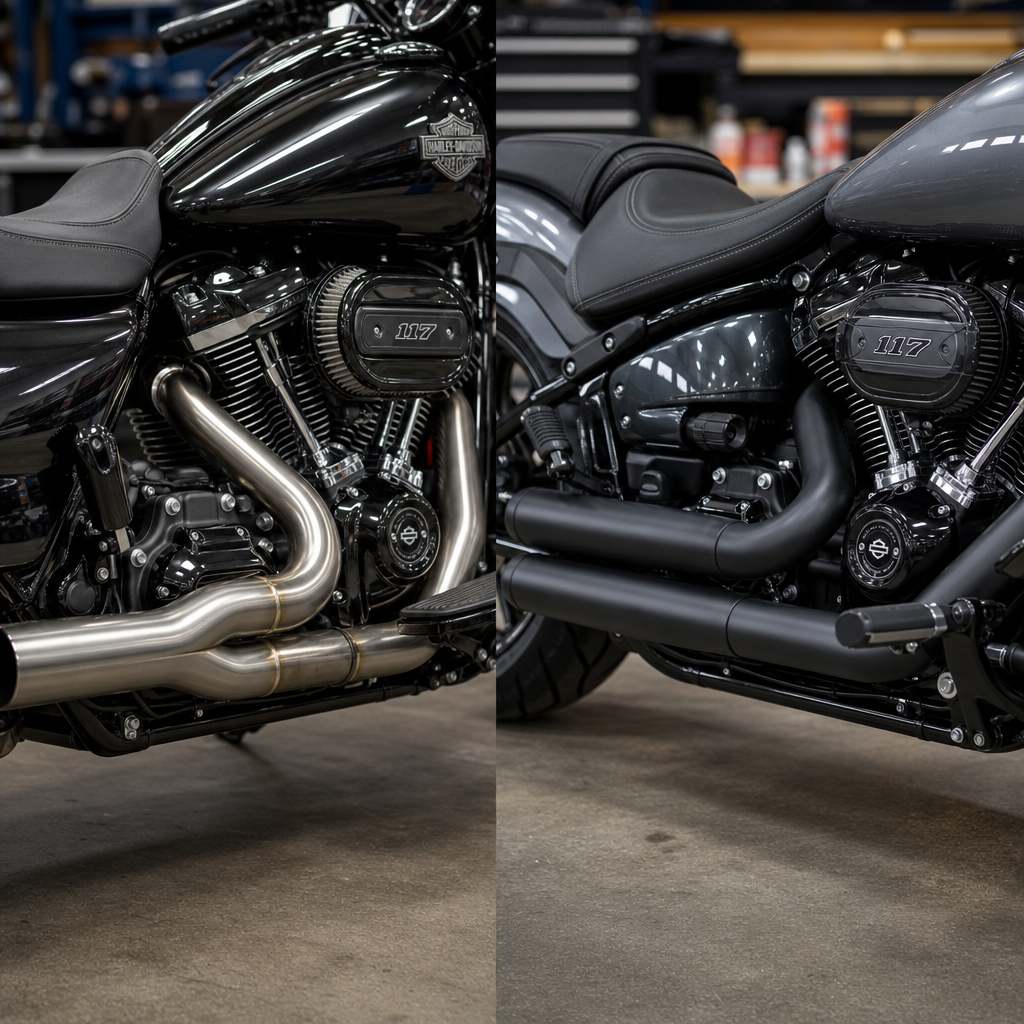
The 2026 reach seat is one of the most practical comfort upgrades a Harley-Davidson rider can evaluate because it changes where the body sits relative to the bars, floorboards, foot controls, and wind management. In Harley-Davidson terms, a reach seat is designed to move the rider slightly forward, usually by reducing the pocket length, reshaping lumbar support, and narrowing the front of the saddle so shorter inseams can put boots down with more confidence. That sounds simple, but on modern touring, cruiser, and trike platforms, a few centimeters of rider position can alter control feel, passenger room, hip angle, and even how air hits the helmet at highway speed.
This matters even more in 2026 because Harley-Davidson’s lineup spans very different ergonomic baselines. A Road Glide with mid-height bars, a Street Glide with a low touring stance, a Heritage Classic with floorboards, and a Tri Glide with trike geometry all ask different things from the rider. I have set up enough Harley-Davidson cockpits to know that seat choice is rarely about softness alone. It is about the whole rider triangle: seat-to-bar reach, seat-to-peg distance, and seat height under real sag, not brochure numbers. A seat that feels perfect in a showroom can create tailbone pressure after ninety minutes, while a firmer saddle with correct shape can stay comfortable all day.
Comparing H-D factory options to aftermarket reach saddles is valuable because the two categories solve the same problem in different ways. Harley’s factory reach seats are engineered around stock styling, fitment, warranty compatibility, and predictable installation. Aftermarket brands typically push further on contouring, foam density, suspension materials, and rider-specific sizing. Riders searching for the best 2026 reach seat usually want direct answers to practical questions: Which seat reduces the reach to the bars most effectively? Which one preserves passenger space? Which works best on Touring, Softail, CVO, or trike models? This hub article answers those questions and organizes the larger topic of model-specific ergonomics and performance recipes so you can choose upgrades in the right order.
Before comparing products, define the key terms clearly. Ergonomics is the relationship between your body and the motorcycle’s contact points. A reach seat is an ergonomic tool, not just a comfort accessory. Performance recipe in this context means a tested combination of seat, bars, foot controls, suspension setup, and wind management that solves a specific rider complaint on a specific Harley-Davidson platform. For example, a rider who feels stretched on a Road King may need a reach seat and slightly rearward bar change, while a rider who struggles to flat-foot a Low Rider ST may benefit more from seat shape and preload adjustment than from lowering parts. Good setup starts with diagnosis, not shopping.
How H-D Factory Reach Seats Are Designed and Who They Suit
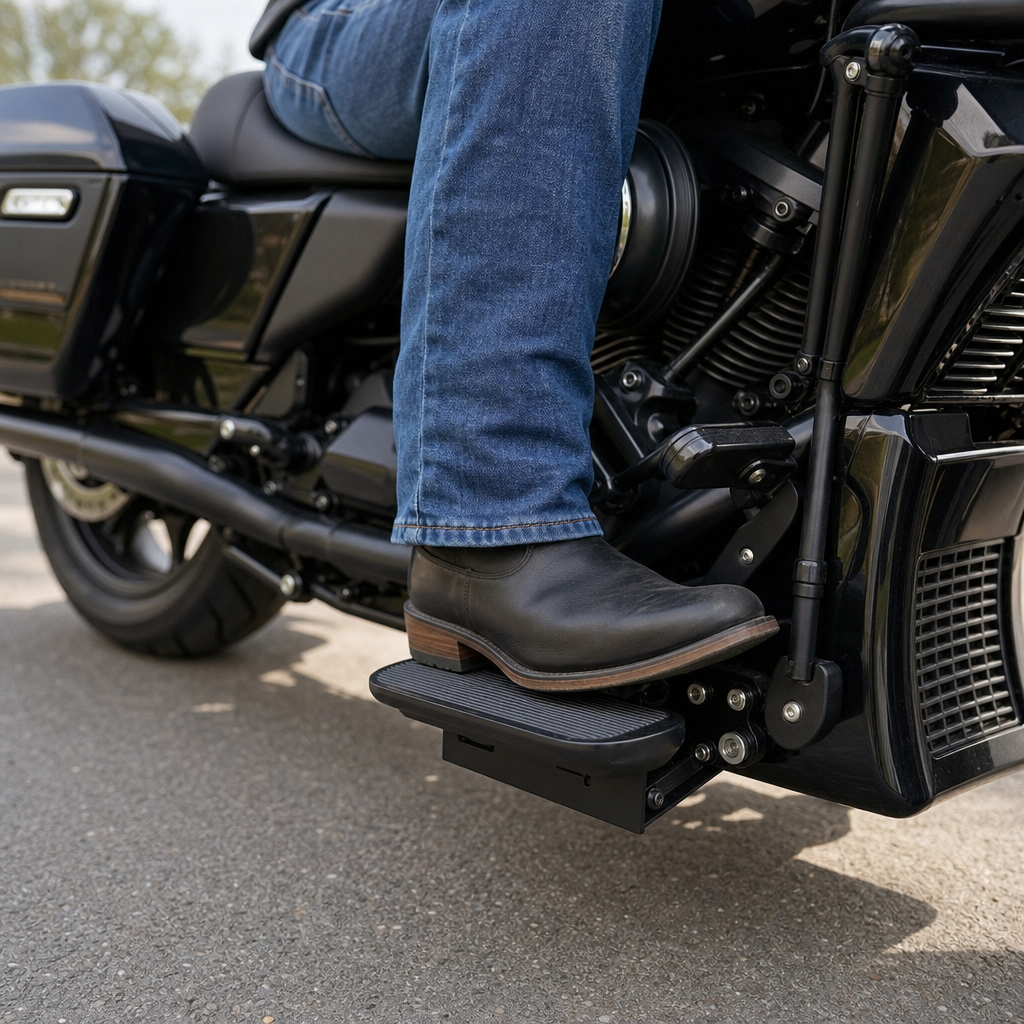
Harley-Davidson factory reach seats generally prioritize integration. The pan fit is precise, latch operation is straightforward, and the upholstery, stitch lines, and grain usually match the bike’s visual language better than generic aftermarket pieces. On many models, the factory reach seat reduces effective reach by moving the rider forward around one inch, sometimes paired with a modest change in seated height. The front nose is often narrower than stock, which helps shorter riders more than published seat-height figures suggest because leg splay is reduced at stops. In practical terms, that can be the difference between one-footing awkwardly and getting solid contact with both boots.
The strongest case for an H-D factory seat is predictability. Dealership parts departments can confirm fit by exact model year and trim, installation is usually fast, and compatibility with heated seat wiring, passenger pillions, tour-paks, and rider backrests is easier to verify. For many owners, especially those with new 2026 Touring or Softail models, that matters. Factory accessories also preserve a cohesive resale story: the bike stays visually stock, and buyers often trust genuine accessories more than unknown custom parts. If you want the motorcycle to feel like Harley should have built it that way from day one, factory reach options are often the cleanest path.
There are limits, though. Factory foam tends to target broad rider acceptance rather than all-day endurance for a specific body type. That means some riders get the position they wanted but not the pressure distribution they need. I have seen this especially with heavier riders, riders with narrow hips, and riders doing repeated 300-mile days. The seat solves the reach issue yet creates hot spots because foam density and pocket width are still compromise settings. Another tradeoff is range of adjustment. Most Harley factory reach seats are one defined shape. If that shape does not match your pelvis, inseam, and riding posture, there is little tuning beyond adding a backrest or changing bars.
Where Aftermarket Reach Saddles Usually Outperform Factory Options
Aftermarket reach saddles earn their reputation by focusing aggressively on shape, support, and rider-specific goals. Brands such as Saddlemen, Mustang, Le Pera, Corbin, and Saddlemen’s performance-oriented lines approach the same Harley-Davidson cockpit problem from different design philosophies. Some use firmer foam and a pronounced lumbar wall to lock the rider into one efficient position. Others use wider rear support zones, gel layers, or proprietary foam blends to distribute pressure over a larger area. The best aftermarket reach seat does not merely move you forward; it supports your pelvis so your arms can relax, your lower back stays neutral, and your weight is carried by the seat bones rather than the tailbone.
On performance baggers and aggressive Softail builds, aftermarket saddles often outperform factory seats because they control body movement better under braking and throttle. A rider on a Road Glide ST or Low Rider ST who pushes hard through corners may want a seat pocket that prevents sliding rearward during acceleration and keeps hips planted during transitions. That stability reduces the tendency to brace on the bars, which can improve steering feel and reduce wrist fatigue. On long-distance touring models, premium aftermarket seats also tend to offer stronger support over six to ten hours because the foam and pan design are less compromise-driven than mass-market OEM accessories.
Fitment and styling are the tradeoffs. Some aftermarket seats sit taller than expected once installed, even when marketed as reach seats, because denser foam does not collapse as much under rider weight. Others can interfere with detachable accessories, leave slight gaps at the tank junction, or change the visual line of the fender in ways some owners dislike. Break-in is another real factor. Corbin, for example, is known for firm support that can take significant miles to appreciate, while a very soft seat may feel impressive on day one and disappointing by the third fuel stop. Buying aftermarket is often rewarding, but it rewards riders who understand their own ergonomics clearly.
Model-Specific Ergonomics and Performance Recipes Across the Harley-Davidson Range
Model-specific ergonomics and performance recipes work because Harley-Davidson platforms vary so much. Touring models respond strongly to seat-to-bar changes because fairing position and floorboard location define the rider’s upper body. Softails are more sensitive to hip angle and stoplight confidence because many have compact cockpits and lower visual mass. Trikes magnify seat comfort because you cannot shift body weight the same way as on two wheels. Sport models and performance cruisers expose the importance of pelvic support because hard acceleration and braking move the rider more dramatically. A useful hub page should therefore sort recommendations by platform, riding style, and body dimensions rather than pretending one reach seat suits every bike.
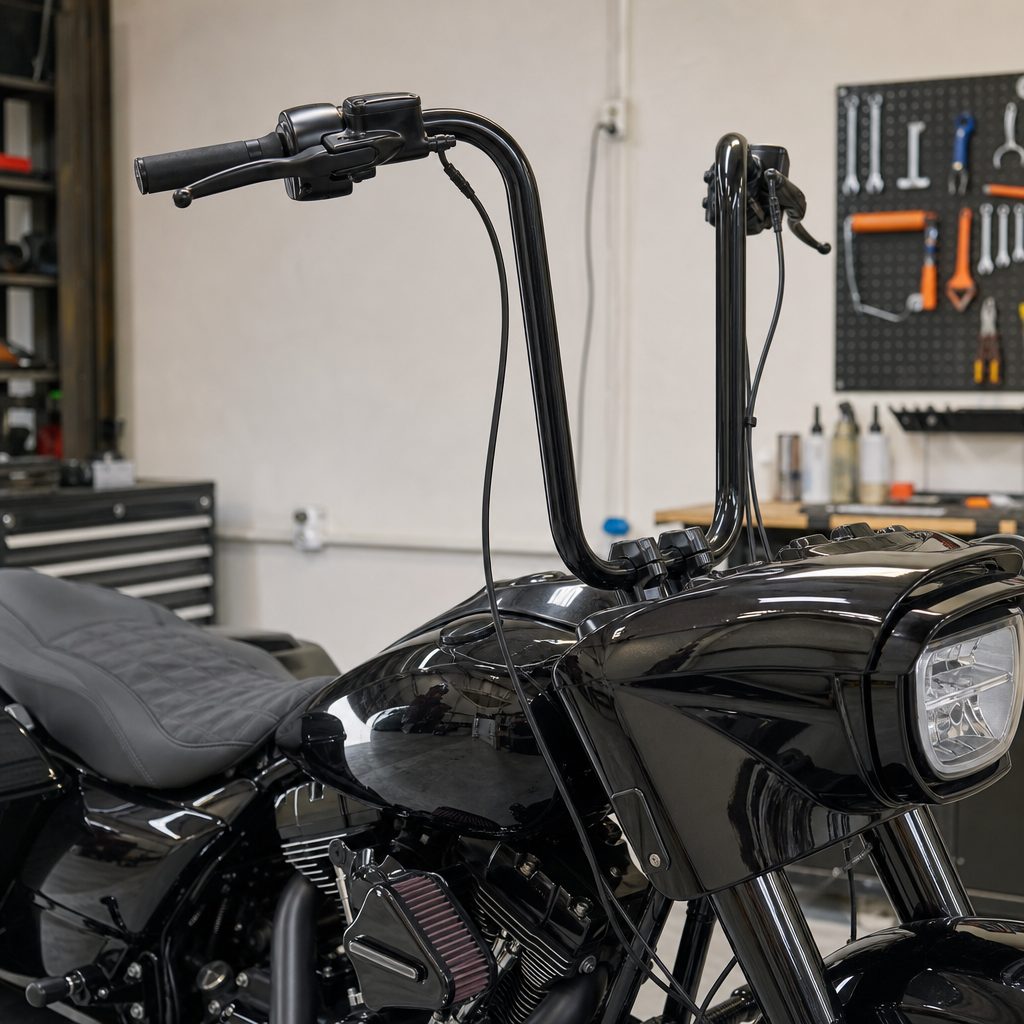
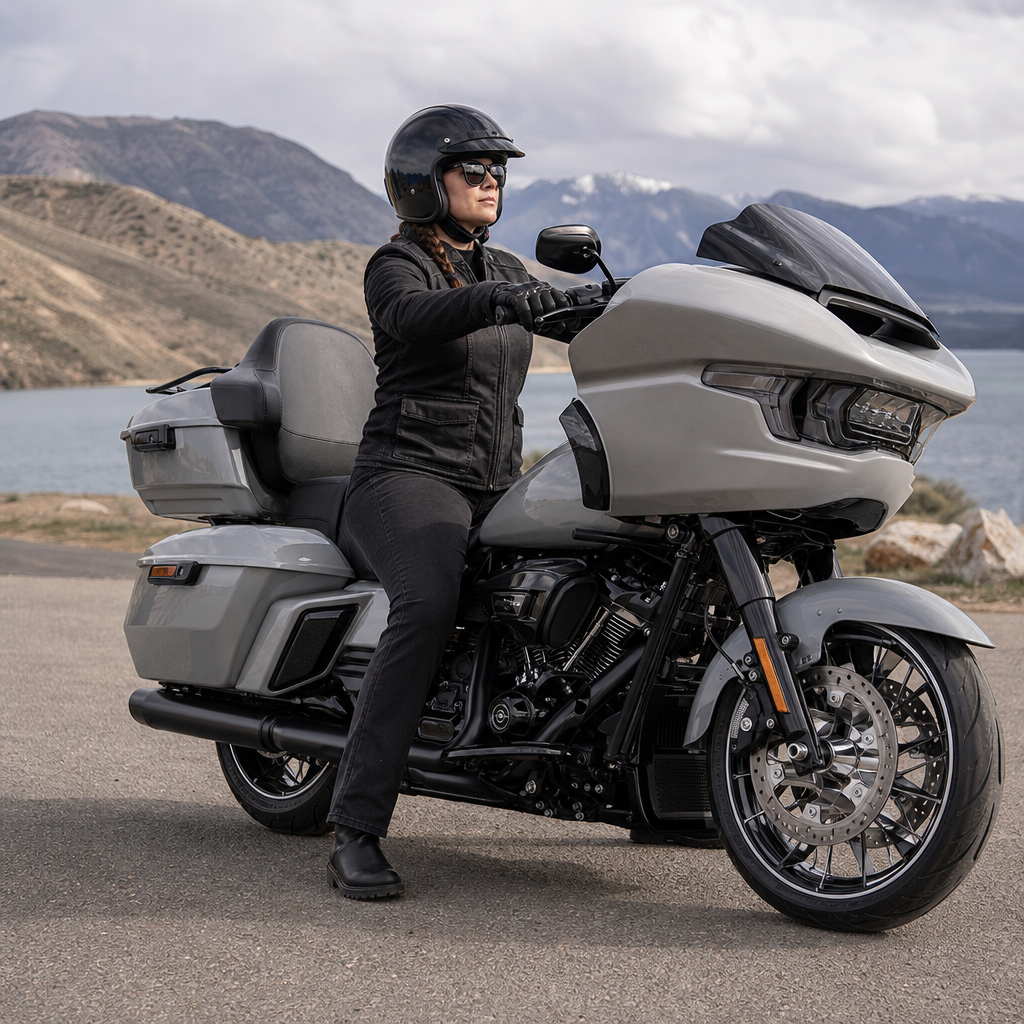
On 2026 Touring models such as Road Glide, Street Glide, Road King, and Ultra variants, the common complaints are stretched shoulders, back fatigue, and unstable footing at stops. The most effective recipe often starts with a reach seat, then confirms whether bars still need adjustment. If your elbows lock out with shoulders rounded forward, a seat alone may not be enough. If your main issue is just reaching the ground, a narrower saddle nose may solve it without compromising knee angle much. On Softail models including Heritage Classic, Breakout, Fat Boy, and Low Rider families, a reach seat can dramatically improve low-speed confidence, but lowering the rear preload too far to chase seat height usually harms ride quality and cornering clearance.
Use this quick comparison to frame expectations before buying.
| Platform | Typical rider complaint | Factory reach seat strength | Aftermarket reach saddle strength |
|---|---|---|---|
| Touring | Long reach to bars, stop confidence | Clean fit, stock styling, accessory compatibility | Better all-day support and lumbar control |
| Softail cruiser | Short inseam, cramped or stretched hip angle | Narrower front aids footing | More tailored pocket shape and support |
| Performance cruiser | Sliding under throttle and braking | Moderate position change with OEM appearance | Superior rider retention during aggressive riding |
| Trike | Lower back pressure over long miles | Easy installation and known compatibility | Pressure distribution and endurance comfort |
For shorter riders, the best recipe usually begins with the seat, not with suspension lowering kits. That is a lesson repeated across Harley-Davidson setups. A lower brochure height means little if the saddle is wide where your thighs pass the tank. Narrowing the seat front can improve real-world reach more effectively than reducing static height by half an inch. For taller riders, reach seats can be the wrong answer entirely unless the goal is better bar access; moving forward may cramp the knees and force the spine upright in a tiring way. This is why subtopic pages under this hub should evaluate each model by inseam range, torso length, handlebar position, and intended riding distance.
How to Choose the Best 2026 Reach Seat Without Guesswork
The smartest way to choose a 2026 reach seat is to measure your current problem before you buy. Start with three observations after a one-hour ride: where pressure develops, how bent your elbows are in neutral posture, and how stable you feel when stopping on uneven pavement. Then note your inseam, boot sole thickness, and whether your bars are stock. These details matter because many riders blame the seat for a handlebar issue, or blame bar reach for a seat pocket that tips the pelvis backward. In my experience, seat selection gets far easier once the rider states the problem in plain language, such as “I slide into the tank,” “my shoulders round forward,” or “I cannot plant both feet with confidence.”
Next, evaluate materials and construction honestly. A fiberglass or rigid molded pan can feel very different from a flexible OEM-style base. Foam density determines whether support improves or pain simply arrives later in the day. Seat width changes pressure distribution; wider is not always better if it interferes with leg drop at stops. Backrest compatibility, heated options, and passenger accommodations should also be decided upfront rather than treated as afterthoughts. If you ride two-up, a rider-only performance saddle may solve your problem while creating one for your passenger. If you commute in rain, upholstery texture and seam placement affect water management and durability more than many buyers realize.
Finally, test in the correct order. Seat first, then bars, then suspension fine-tuning, then wind management. That order works because rider position determines every other contact point. Once your hips are correctly placed, you can judge whether bars should rotate back, whether a riser change is needed, and whether wind buffeting increased because your helmet moved higher into the airflow. For a Harley-Davidson ergonomics hub, this ordering principle is crucial. It prevents waste, avoids stacking incompatible parts, and gives riders a repeatable recipe. If you are building your 2026 setup now, start with a clear ergonomic goal, compare factory and aftermarket reach seats by actual fit and support, and use that decision as the foundation for every upgrade that follows.
The right 2026 reach seat improves much more than comfort. It can increase stoplight confidence, reduce shoulder fatigue, improve lower-back support, and make the whole motorcycle feel easier to control. Harley-Davidson factory reach seats are the safest choice when you want predictable fit, OEM styling, and straightforward compatibility with stock components. Aftermarket reach saddles are usually the stronger choice when you need better pressure distribution, firmer support, or a more specialized riding position for long-distance touring or aggressive performance use. Neither category is automatically better; the correct answer depends on your model, body dimensions, riding style, and tolerance for tradeoffs such as break-in, cost, or styling changes.
As the hub for model-specific ergonomics and performance recipes, this topic should guide every related decision on Touring, Softail, trike, and performance Harley-Davidson models. Seat choice comes before bar swaps, lowering parts, and windscreen experiments because the seat defines the rider triangle. Measure your current fit, identify whether the problem is reach, support, or footing, and then compare factory and aftermarket options with those priorities in mind. Do that carefully, and your next Harley-Davidson upgrade will feel less like a gamble and more like a solution. Use this hub as your starting point, then map your model-specific recipe one contact point at a time.
Frequently Asked Questions
What exactly does a 2026 reach seat change on a Harley-Davidson, and why does it matter so much for rider comfort?
A 2026 reach seat changes much more than simple padding. Its main job is to reposition the rider slightly closer to the controls by shortening the seating pocket, narrowing the nose of the saddle, and often reshaping the lumbar area to support a more forward seating position. On many Harley-Davidson models, that small shift can make a major difference because it affects the entire rider triangle: your relationship to the handlebars, floorboards or foot pegs, hand controls, and the windshield or fairing airflow. For riders with shorter inseams, the narrower front section is especially important because it can improve how easily both boots reach the ground at stops, which often increases confidence during parking lot maneuvers, stop-and-go traffic, and uneven road conditions.
It also matters because comfort is not just about softness. A seat can feel plush in the showroom and still create fatigue on the road if it places your hips too far back, makes you overreach for the bars, or loads too much pressure into your tailbone. A properly designed reach seat can reduce shoulder tension, let elbows relax naturally, and improve low-speed control because the rider feels more connected to the bike. That is why the 2026 reach seat discussion is so practical: it is one of the few upgrades that can influence ergonomics, confidence, and comfort all at once without changing the motorcycle’s core character.
How do Harley-Davidson factory reach seats compare to aftermarket reach saddles for fit, comfort, and overall value?
Harley-Davidson factory reach seats usually appeal to riders who want a solution engineered specifically around OEM fitment, styling, and compatibility. In many cases, a factory option is designed to install cleanly, preserve the visual language of the bike, and provide a predictable change in rider position without introducing surprises. That can be a major advantage for riders who want to stay close to the original look of the motorcycle or who prefer parts developed within Harley-Davidson’s own accessory ecosystem. Factory reach seats also tend to make sense for owners who want straightforward installation and confidence that the seat profile was intended to work with stock tanks, side covers, and body lines.
Aftermarket reach saddles, however, often offer more variety in foam density, contouring, width, cover material, and long-distance support. Many aftermarket seat makers focus heavily on pressure distribution and may provide options tailored to solo touring, two-up riding, aggressive cornering, or specific body types. In practical terms, that means an aftermarket saddle may outperform a factory seat for all-day comfort even if both claim to move the rider forward. The tradeoff is that fit, shape, and feel can vary more dramatically from one brand to another. Some aftermarket seats are firmer by design, which can feel less comfortable initially but work better over several hours. Others prioritize a deep bucket shape that supports the lower back but may slightly restrict movement compared with flatter designs.
As for value, the right answer depends on the rider’s priorities. If your goal is moderate improvement with OEM appearance and minimal guesswork, a factory reach seat may be the better buy. If your goal is maximizing comfort for your exact body dimensions and riding style, an aftermarket option may deliver more benefit per dollar, especially for riders who spend long days in the saddle. The key is not to compare seats only by price or by claimed seat height reduction, but by how effectively each one changes your reach, support, and confidence on the bike.
Is a reach seat the same thing as a low seat, and how should riders evaluate the difference?
No, a reach seat and a low seat are related but not identical concepts. A reach seat is primarily about moving the rider forward into a more accessible relationship with the controls and the ground. A low seat, by contrast, is focused more directly on reducing seat height. Some seats accomplish both at once, but they do so through different design strategies. A reach seat may narrow the front and shorten the pocket without dropping the rider dramatically lower. A low seat may reduce height but not necessarily move the rider closer to the bars in a meaningful way. That distinction matters because a rider can gain ground reach yet still feel stretched to the bars, or sit lower yet remain too far rearward in the saddle.
The best way to evaluate the difference is to think in terms of total ergonomics rather than a single measurement. Ask how the seat changes your hip position, knee bend, arm extension, and balance when stopped. If a seat lowers you but pushes you into an awkward posture or removes support under your thighs, the benefit may be limited. Likewise, if a seat moves you forward but increases knee bend too much on a touring model, it may solve one issue while creating another. Riders should look at the full seating triangle and, if possible, compare how the bike feels with hands on the grips, feet on the boards, and boots down at a stop. That is where the real difference between “reach” and “low” becomes clear.
What should riders look for when choosing between a factory 2026 reach seat and an aftermarket saddle for shorter inseams?
Riders with shorter inseams should start by paying close attention to the seat’s front width and pocket shape, not just the advertised seat height. A seat that is narrower where your legs pass down toward the pavement can improve footing more effectively than one that is technically lower but still wide and bulky. That is one reason reach seats are often so effective: they are designed to reduce splay at the hips while also moving the rider into a more controlled position. For many Harley-Davidson owners, that combination feels more natural at stoplights and during backing or parking than a generic low-profile seat.
It is also important to consider how much forward movement the seat creates. A small shift can make the bars easier to reach and reduce the feeling of being “behind” the motorcycle, but too much forward movement may crowd the rider against the tank or place too much bend in the knees. Riders should also think about how they actually use the bike. A shorter rider who mostly commutes or rides locally may prioritize immediate confidence at stops. A shorter rider who spends full days on the highway may need that confidence without sacrificing lumbar support or pressure relief over distance.
When comparing options, look for specific information on riding position change, foam firmness, weight distribution, and whether the seat is intended for solo comfort or also for passenger use. Reviews from riders on the same Harley platform can help, but body proportions vary, so one rider’s perfect seat can be another rider’s compromise. In short, shorter-inseam riders should shop for shape and posture first, then appearance and branding second. The best seat is the one that lets you sit securely, control the bike confidently, and stay comfortable after the first hour as well as the first five minutes.
Can switching to a reach seat affect handling, posture, and wind management on long rides?
Yes, absolutely. Even though a reach seat looks like a simple contact-point change, it can influence how the motorcycle feels in multiple ways over the course of a ride. By moving the rider slightly forward, a reach seat can alter posture enough to reduce overextension at the shoulders and wrists. That often helps riders maintain a more neutral spine and relaxed elbow bend, especially on heavier Harley-Davidson touring and cruiser models where the stock seating position may place some riders farther back than ideal. Better posture can translate into less fatigue, smoother steering input, and improved confidence in low-speed transitions.
Handling effects are usually subtle rather than dramatic, but they are real. When the rider is seated in a position that supports stronger footing and easier control reach, the bike often feels more manageable in slow maneuvers, starts, stops, and tight turns. A seat that locks the rider into a better pocket can also reduce the tendency to slide backward under acceleration or brace awkwardly during braking. That said, seat shape matters. A deeply dished seat may improve support but reduce freedom to move around, while a flatter aftermarket saddle may provide more body positioning options for experienced riders.
Wind management is another overlooked factor. Moving forward even slightly can place the rider’s torso and helmet in a different airflow pocket relative to the windshield, fairing, or batwing. For some riders, this improves buffeting and makes the cockpit feel calmer. For others, it can move their helmet into a more turbulent zone. That is why a reach seat should be evaluated as part of the complete setup, including bars, windshield height, and foot control placement. On long rides, the ideal seat is not just the one that feels good under you in the driveway. It is the one that keeps your body aligned, your hands relaxed, and your airflow manageable mile after mile.