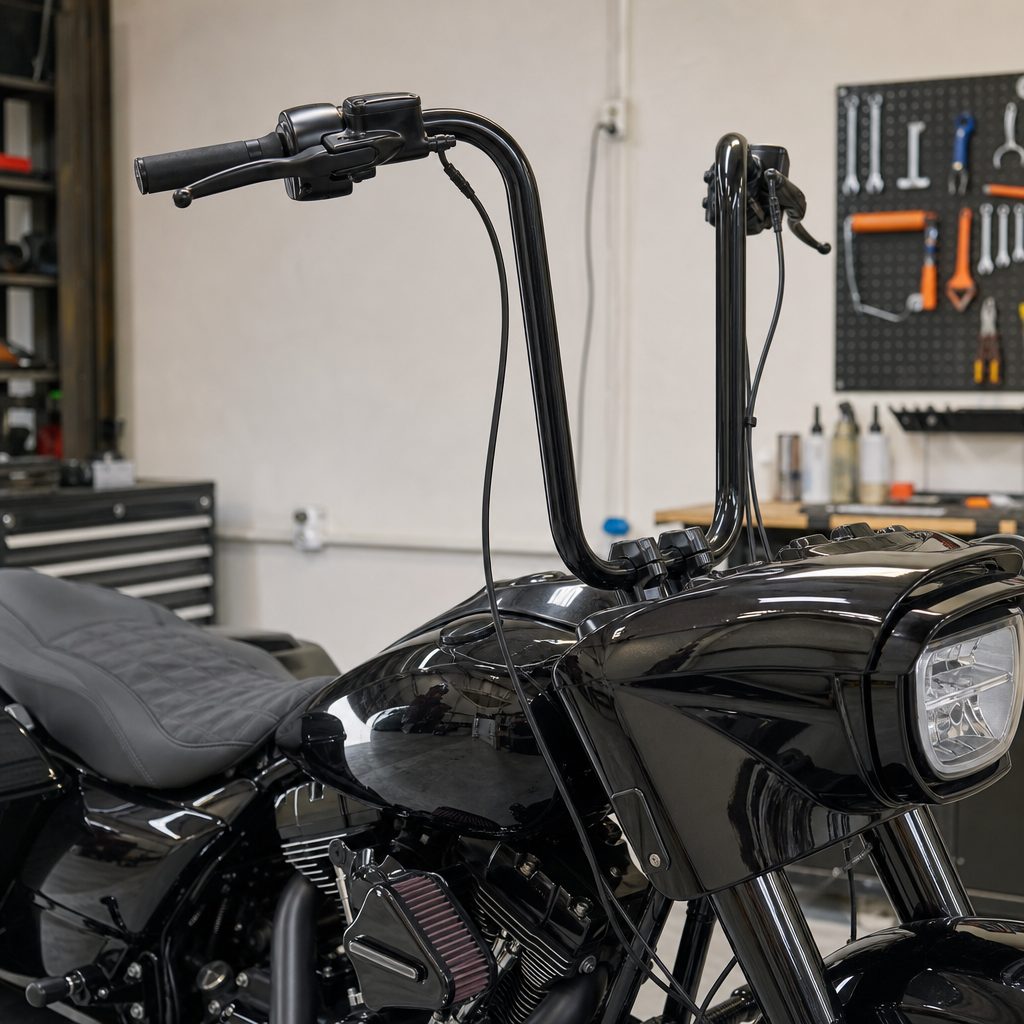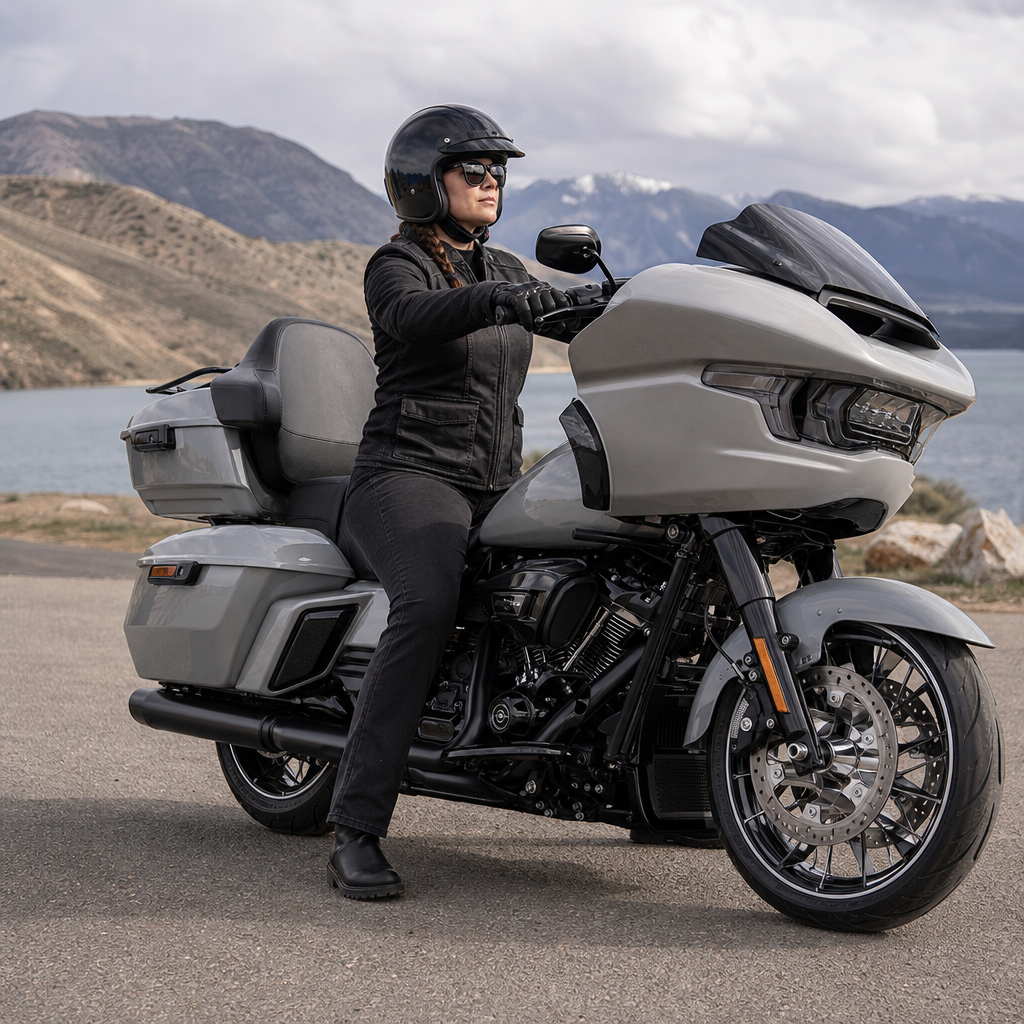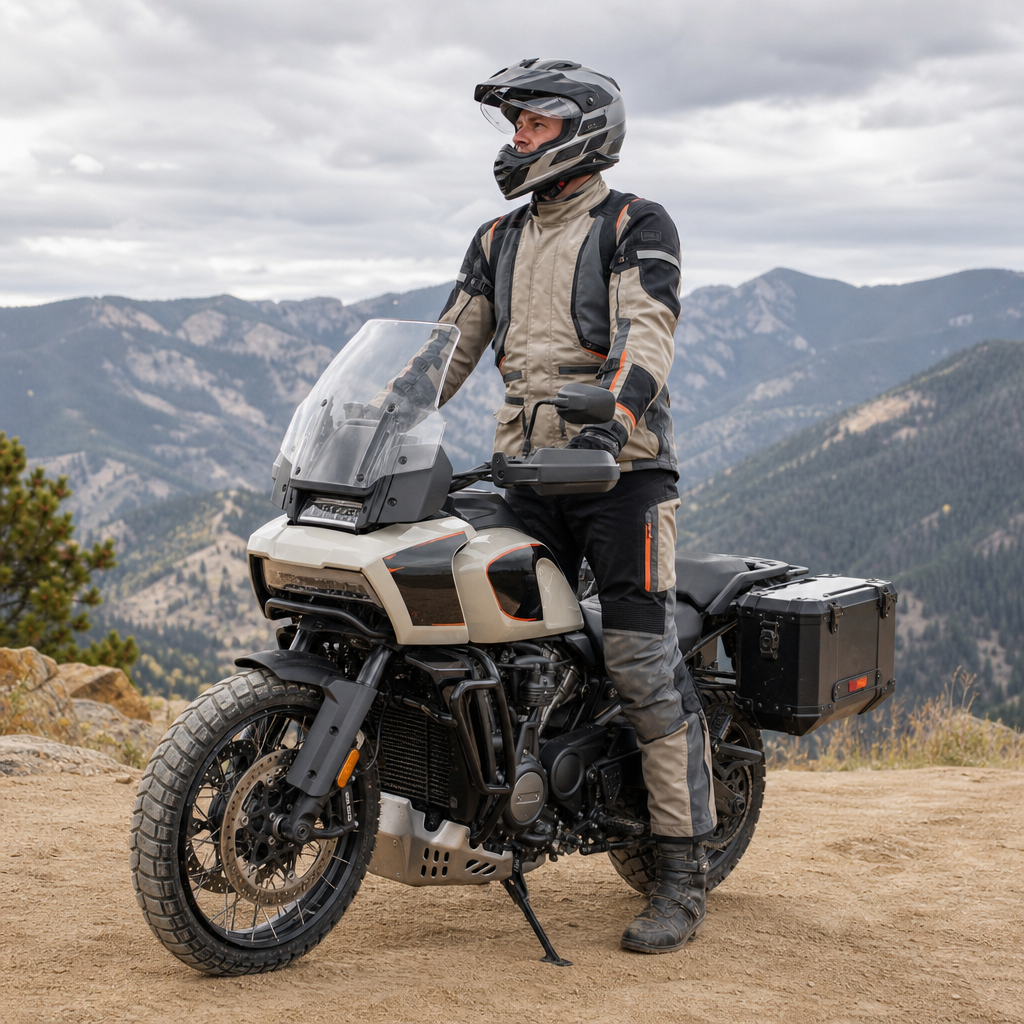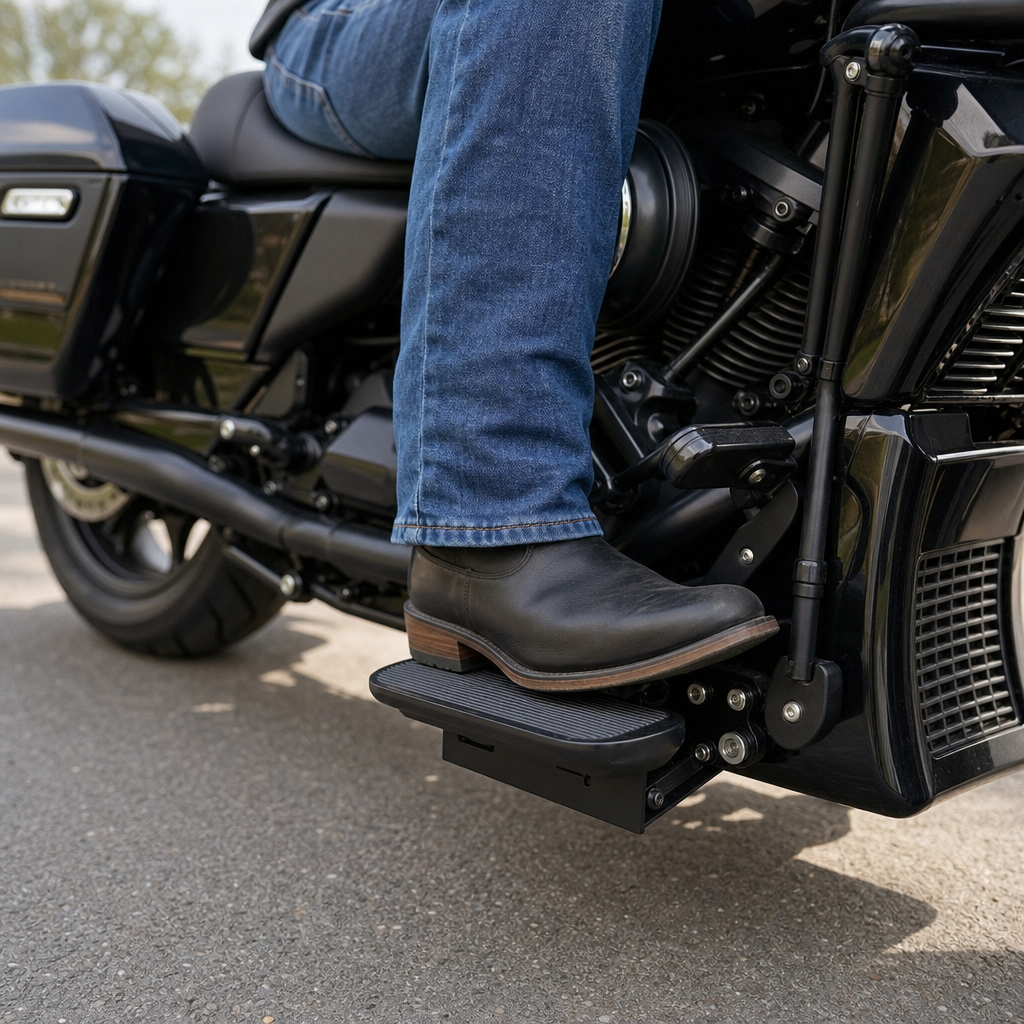
The CVO Street Glide ST is already one of Harley-Davidson’s sharpest factory baggers, but swapping to flat-out moto bars is the performance modification riders will talk about most in 2026 because it changes leverage, posture, steering precision, and rider confidence in one move. In practical terms, moto bars are a straighter, flatter handlebar layout inspired by motocross and supermoto ergonomics, adapted for big American touring performance builds. On a CVO Street Glide ST, that means less rearward sweep than traditional ape or pullback bars, a lower and more neutral wrist angle, and a more aggressive rider triangle that better matches the motorcycle’s suspension, braking, and power. I have installed bar setups on Road Glides, Low Riders, and Street Glides for riders ranging from weekend canyon riders to long-distance touring owners, and the same pattern keeps showing up: if the bar shape is wrong, even the best engine tune and suspension package never feels fully connected. That is why this topic matters as a model-specific ergonomics and performance recipe, not just a style trend.
This hub article explains how flat-out bars affect the CVO Street Glide ST specifically, what measurements actually matter, how to match bars to seat height and riser position, and where this setup fits among other Harley-Davidson performance upgrades. The goal is simple: help riders build a repeatable recipe that improves control without ruining comfort or reliability. Because the Street Glide ST platform blends touring mass with sporting intent, small ergonomic changes create outsized results. If you understand reach, sweep, rise, clamp area, cable requirements, and fairing clearance, you can transform the bike from merely fast in a straight line into something that feels deliberate in every corner, every braking zone, and every hour in the saddle.
What flat-out moto bars change on a CVO Street Glide ST
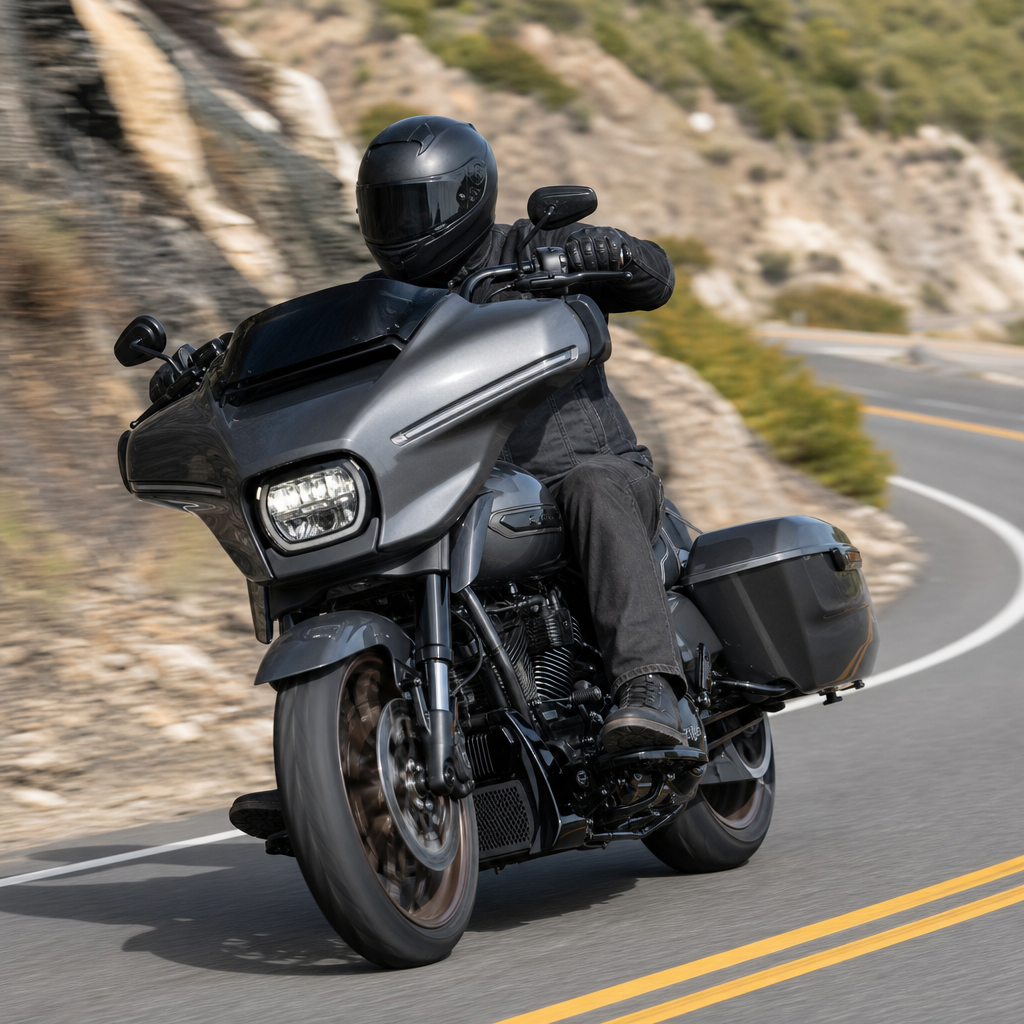
Flat-out moto bars improve performance because they increase steering leverage while reducing the vague, elbows-tucked posture common with stock or heavily pulled-back touring bars. On the CVO Street Glide ST, the rider sits behind a fixed batwing fairing and carries significant weight over a long wheelbase bagger chassis. That combination rewards direct inputs. A flatter bar opens the chest, rotates the elbows outward slightly, and lets the rider push the bike into a turn instead of merely guiding it. The result is better countersteering authority at speed and less mid-corner correction. Riders often describe the first test ride the same way: the bike suddenly feels 80 pounds lighter.
There is also a braking benefit. Under hard deceleration, especially with upgraded calipers, radial masters, or high-friction pads, a flatter bar gives better support through the core and shoulders. Instead of hanging from the grips, the rider braces through the torso. That reduces wrist fatigue and improves front-end feedback. On heavy Harley baggers, this matters more than many owners expect. Strong braking exposes poor ergonomics quickly. If the bar brings the hands too close, the rider compresses into the fairing and loses precision. If the bar is too tall, shoulder tension increases and steering becomes slower. Flat-out moto bars hit the middle ground that performance-oriented Street Glide owners want.
The model-specific ergonomics recipe that actually works
For the CVO Street Glide ST, the best setup is never just “install moto bars.” It is a three-part recipe: bar bend, riser geometry, and seat relationship. Start with the rider triangle. A shorter rider on a deep-pocketed seat may need more rise and slightly more sweep than a taller rider using a firmer, taller saddle. On this model, I generally look for a grip position that keeps the forearms close to parallel with the ground, elbows softly bent, and wrists neutral when cruising at highway speed. That sounds simple, but the fixed fairing, tank shape, and bagger steering arc make the margin for error narrow.
Typical successful builds use a moto-style bend with moderate rise, a straight control section, and reduced pullback, paired with risers that place the clamp rearward only as much as needed for full-lock clearance. The reason is mechanical as much as ergonomic. Too much rearward movement shortens the rider compartment and can make steering inputs abrupt. Too much rise can move the hands into wind turbulence above the fairing. Seat choice then finishes the recipe. A performance seat with stronger lumbar support often allows a lower, flatter bar because the rider is no longer sliding backward under throttle. This is why bar discussions should always link to seat setup, riser selection, suspension sag, and control reach adjustment within the broader Harley-Davidson performance system.
Key measurements to evaluate before buying bars
Bar fit should be measured, not guessed. The numbers that matter most are width, rise, sweep, clamp diameter, control area length, and total effective reach from the steering stem to the grip center. For a Street Glide ST, width affects both leverage and mirror sightlines. A wider bar usually increases control, but too much width can interfere with garage storage, lane filtering, or fairing edge clearance at full lock. Sweep determines wrist comfort. Performance riders usually prefer less sweep because it keeps the wrists straighter during aggressive steering. Rise determines shoulder load and posture. Small changes, even 1 inch, are very noticeable on long rides.
Cable and line planning is equally important. Depending on the final rise and pullback, riders may need extended brake lines, clutch cable adjustments, throttle-by-wire harness slack management, and careful switch housing alignment. This is where many disappointing installs happen. A bar can feel perfect statically but become problematic when the brake line tightens at full extension or the controls hit the inner fairing. Harley-specific builders often dry-fit bars with the outer fairing off, cycle the fork lock to lock, and verify no binding before final torque. Follow torque values from the service manual and use the correct clamp orientation; bars that rotate under load are dangerous and usually trace back to poor prep or mismatched knurling.
| Measurement | Why it matters on a Street Glide ST | Common performance target |
|---|---|---|
| Width | Controls leverage and turn-in effort | Wider than stock, but not excessive for fairing clearance |
| Rise | Affects shoulder comfort and torso angle | Low to moderate rise for neutral posture |
| Sweep | Determines wrist angle and elbow position | Reduced sweep for direct steering feel |
| Control area | Ensures switches, master cylinder, and grips fit correctly | Enough straight section for clean control placement |
| Effective reach | Defines whether the rider is cramped or stretched | Hands naturally forward with soft bend at elbows |
Performance benefits beyond comfort: steering, cornering, and fatigue
The biggest misconception is that bars are mostly about comfort. On this motorcycle, they are a chassis tuning tool. A flatter moto bar changes how quickly the rider can initiate lean, how confidently the bike holds a chosen line, and how much energy it takes to correct for bumps or surface changes mid-corner. With upgraded rear shocks and properly set fork damping, the Street Glide ST can corner far harder than many riders expect. But if the bars force a compromised hand position, the rider cannot fully use that capability. Better leverage means the suspension can do its job while the rider stays relaxed enough to feel grip.
Fatigue also drops for the right reasons. Not because the setup turns the bike into a recliner, but because it removes unnecessary muscular compensation. When wrists are neutral and shoulders are not hunched, the rider uses larger muscle groups instead of loading small joints. On 300-mile days, that reduction in tension matters more than plush foam alone. I have seen riders report less neck tightness, fewer numb fingers, and better low-speed control after a properly measured bar swap. These gains become more obvious when combined with quality grips, correctly adjusted clutch and brake lever angles, and a seat that supports pelvic position rather than forcing the rider to brace on the bars.
How flat-out bars fit into a full Harley-Davidson performance build
As the hub for model-specific ergonomics and performance recipes, this topic connects directly to suspension, controls, braking, seat fitment, and rider contact points. If you are building a CVO Street Glide ST for real-world performance, start by thinking in systems. Stage one is ergonomics: bars, risers, seat, lever angle, and foot position. Stage two is chassis control: rear shocks, fork cartridges or tuned internals, tire choice, and sag settings. Stage three is braking and power delivery: pads, rotors, hydraulic feel, tuning, and throttle response. That order is intentional. More power without better control usually makes a fast bagger feel busier, not better.
Flat-out moto bars often unlock the value of those other modifications. A rider who upgrades to premium suspension from Ohlins, Fox, or Legend can only exploit the added composure if their upper body position allows clear steering input. A bike with sticky Michelin Commander III, Dunlop Harley-Davidson Series, or Metzeler Cruisetec tires still needs rider leverage to transition cleanly. Even a refined tune on the Milwaukee-Eight 121 benefits, because stronger acceleration tends to pull the rider rearward; a supportive seat and better bar placement prevent the common cycle of overgripping the bars. In that sense, bars are not an accessory. They are a primary interface, and on this model they belong near the top of the modification list.
Fitment pitfalls, tradeoffs, and installation best practices
No performance mod is perfect for every rider. Flatter bars can increase wind exposure, especially for riders who previously used tall bars that lifted the hands behind calmer air. Some riders with limited shoulder mobility may prefer a touch more sweep than aggressive bagger setups use. There is also the issue of aesthetics. A very flat setup can look purposeful and modern, but it may not match every owner’s preferred touring style. None of these are reasons to avoid moto bars; they are reasons to test your intended position carefully before purchasing expensive components.
Best practice is to mock up the grip position with dowels, adjustable fit tools, or temporary bar references while the bike is upright on a lift. Measure from seat reference point to grip center, then compare at full lock both directions. Confirm master cylinder angle, switch clearance, and fairing spacing. Use quality components from established Harley performance brands, and verify whether the chosen bar is drilled for internal wiring, compatible with throttle-by-wire, and matched to the riser clamp diameter. During installation, inspect bushings, replace worn hardware, and route wiring to avoid pinch points near the neck. After the first ride, recheck torque and evaluate numbness, shoulder load, and slow-speed turning. Minor lever-angle changes can make a major difference.
Why 2026 is the year this mod stands out
The reason flat-out moto bars emerge as 2026’s best performance mod is timing. Harley bagger performance has matured. More riders now understand suspension setup, brake upgrades, and tire selection, so the weak link increasingly becomes rider interface. At the same time, the visual language of performance baggers has shifted toward club-style precision and race-inspired function. Riders want parts that look right and work better, and moto bars deliver both on the CVO Street Glide ST. They sharpen steering feel, support aggressive riding, and integrate naturally into the current generation of bagger builds.
Just as important, this is one of the few modifications that changes every mile, not just peak numbers. You feel it pulling out of the driveway, threading traffic, setting turn-in on a back road, and settling into a three-hour highway run. That broad impact is what makes it such a strong hub topic within Harley-Davidson model-specific ergonomics and performance recipes. The best setup is measured, not copied: choose the right bend, pair it with the right riser and seat, verify clearances, and treat the cockpit as part of the chassis. Do that, and the CVO Street Glide ST becomes more precise, less tiring, and more rewarding to ride. If you are planning your next upgrade, start with the bars and build the rest of the bike around a position that truly works.
Frequently Asked Questions
What are moto bars on a CVO Street Glide ST, and why are they considered such a major performance upgrade for 2026?
Moto bars are a flatter, straighter handlebar setup inspired by motocross and supermoto ergonomics, then adapted for aggressive V-twin performance baggers like the CVO Street Glide ST. Instead of the more pulled-back, touring-oriented feel of many stock handlebar layouts, moto bars place the rider in a stronger, more athletic position with the hands wider and more neutral. That change sounds simple, but on a performance bagger it affects nearly everything the rider feels through the front end.
What makes them such a standout upgrade in 2026 is that they improve several riding characteristics at once. Riders usually notice better leverage first. Because the bars are flatter and often wider, steering inputs feel more direct and less delayed. The bike responds with less effort when transitioning side to side, tightening a line, or correcting mid-corner. On a heavy machine like the CVO Street Glide ST, that added leverage can make the bike feel lighter, sharper, and more controllable without touching the engine or suspension.
The second reason they matter is posture. Moto bars typically reduce the rearward reach that can lock a rider into a passive position. With the torso slightly more forward and the elbows in a more engaged stance, the rider can better support the chassis during braking, corner entry, and quick directional changes. That translates into more confidence, especially when riding the bike the way the ST badge suggests it should be ridden. In short, flat-out moto bars are getting attention because they change leverage, posture, steering precision, and rider confidence in one modification, which is rare in the world of bolt-on parts.
How do flat-out moto bars change handling and rider confidence on the CVO Street Glide ST?
The biggest change is how connected the rider feels to the front of the motorcycle. The CVO Street Glide ST is already one of Harley-Davidson’s sharpest factory baggers, but it is still a large touring-based platform with real weight and mass. Flat-out moto bars help the rider manage that mass more effectively. A straighter bar shape gives clearer mechanical feedback, while the wider hand position creates better leverage over the steering axis. That means the bike reacts more cleanly to rider input, especially in fast sweepers, technical backroads, and quick lane changes.
Confidence improves because the rider is no longer fighting the cockpit. Stock-style bar positions can sometimes encourage a relaxed cruising posture that feels great on long highway miles but less ideal when the pace increases. Moto bars put the wrists, shoulders, and elbows in a position that supports active riding. Instead of pulling the bike around, the rider feels like they are guiding it with precision. Braking zones feel more stable, corner turn-in often feels more natural, and small steering corrections take less effort.
There is also a psychological effect that should not be overlooked. When a rider feels more balanced and more in command, they tend to ride smoother and make better inputs. That does not just help expert riders. Intermediate riders often gain the most because the bike becomes easier to read and less intimidating when pushed. On a performance bagger like the CVO Street Glide ST, confidence is a real performance advantage, and moto bars are one of the fastest ways to unlock it.
Are moto bars better than stock bars for aggressive street riding, canyon carving, and real-world touring?
For many riders, yes. If the priority is spirited street performance, backroad pace, and a more purposeful cockpit, moto bars are often a clear improvement over stock bars. They are especially effective on the CVO Street Glide ST because the rest of the motorcycle already supports a more aggressive riding style. The chassis, braking capability, and overall ST personality all benefit when the rider has better leverage and a more commanding upper-body position.
In canyon riding and fast two-lane work, moto bars usually make the bike feel easier to place accurately. Countersteering inputs are more immediate, body positioning feels more natural, and the rider is generally less likely to end up with overextended arms or a disconnected feel from the front wheel. That can result in cleaner lines, reduced fatigue from wrestling the bike, and a stronger sense of control when the road gets tight or the pace climbs.
For touring, the answer depends on bar height, width, rise, and rider fit. A well-chosen moto bar setup can still be very comfortable on longer rides because neutral wrist angle and a more upright spine can reduce strain. However, not every flat bar is automatically ideal for every rider. Someone who spends most of their time on long interstate runs may prefer a setup that balances performance with wind comfort and shoulder relaxation. The best way to think about it is this: stock bars often favor general-purpose touring comfort, while moto bars shift the CVO Street Glide ST more decisively toward performance ergonomics. For riders who want the bike to feel more alive, that trade is often absolutely worth it.
What should riders consider before installing moto bars on a CVO Street Glide ST?
The most important consideration is fit. Not all moto bars are the same, and small differences in rise, pullback, width, and sweep can completely change how the bike feels. The ideal setup depends on rider height, arm length, shoulder width, seat position, and how the motorcycle is actually used. A rider focused on urban responsiveness and canyon handling may want a different bend than someone who mixes performance riding with full-day touring. Choosing bars based only on looks is one of the most common mistakes.
Cable and control compatibility also matter. Depending on the exact bar dimensions, installation may require extended brake lines, clutch cable changes, wiring extensions, or adjustments to switchgear and riser hardware. On a modern CVO Street Glide ST, clean routing and proper control function are critical, so this is not an area to guess through. Riders should also think about fairing clearance, mirror placement, hand-control angle, and whether the final setup allows full lock-to-lock steering without interference.
It is also smart to view moto bars as part of an overall rider-interface package. They work best when paired with thoughtful setup of grips, levers, seat position, and suspension feel. Even the best bars can feel wrong if the lever angle is off or if the rider is sitting too far back to benefit from the improved posture. Professional installation and ergonomic dialing-in can make a major difference. When chosen correctly, moto bars can feel transformative. When chosen poorly, they can create discomfort or limit the handling gains riders are chasing.
Do moto bars really make that much difference on a factory performance bagger like the CVO Street Glide ST?
Yes, and that is exactly why they have become such a talked-about modification. The CVO Street Glide ST already leaves the factory with serious performance credibility, so riders are not starting with a dull platform. That means changes to rider ergonomics stand out even more. When the motorcycle already has strong power, capable brakes, and a performance-minded chassis, improving the rider’s ability to control and exploit those strengths delivers immediate real-world results.
Moto bars are one of those upgrades that riders feel within the first few minutes. Unlike internal engine work or more specialized chassis tuning that may reveal itself only under hard use, handlebars affect every steering input, every braking zone, every corner entry, and every mile of road. The change in leverage and body position can make the front end feel more trustworthy, the bike feel more flickable, and the rider feel more engaged. That is a big return from a single modification.
They also offer something many upgrades do not: they improve the machine without making it less usable. A properly selected moto bar setup can preserve the touring identity of the bike while making it noticeably more precise and performance-focused. That blend is exactly why flat-out bars are emerging as one of 2026’s smartest and most influential performance mods for the CVO Street Glide ST. They do not just change the appearance of the cockpit. They change how the rider and motorcycle work together, and that is where meaningful performance begins.