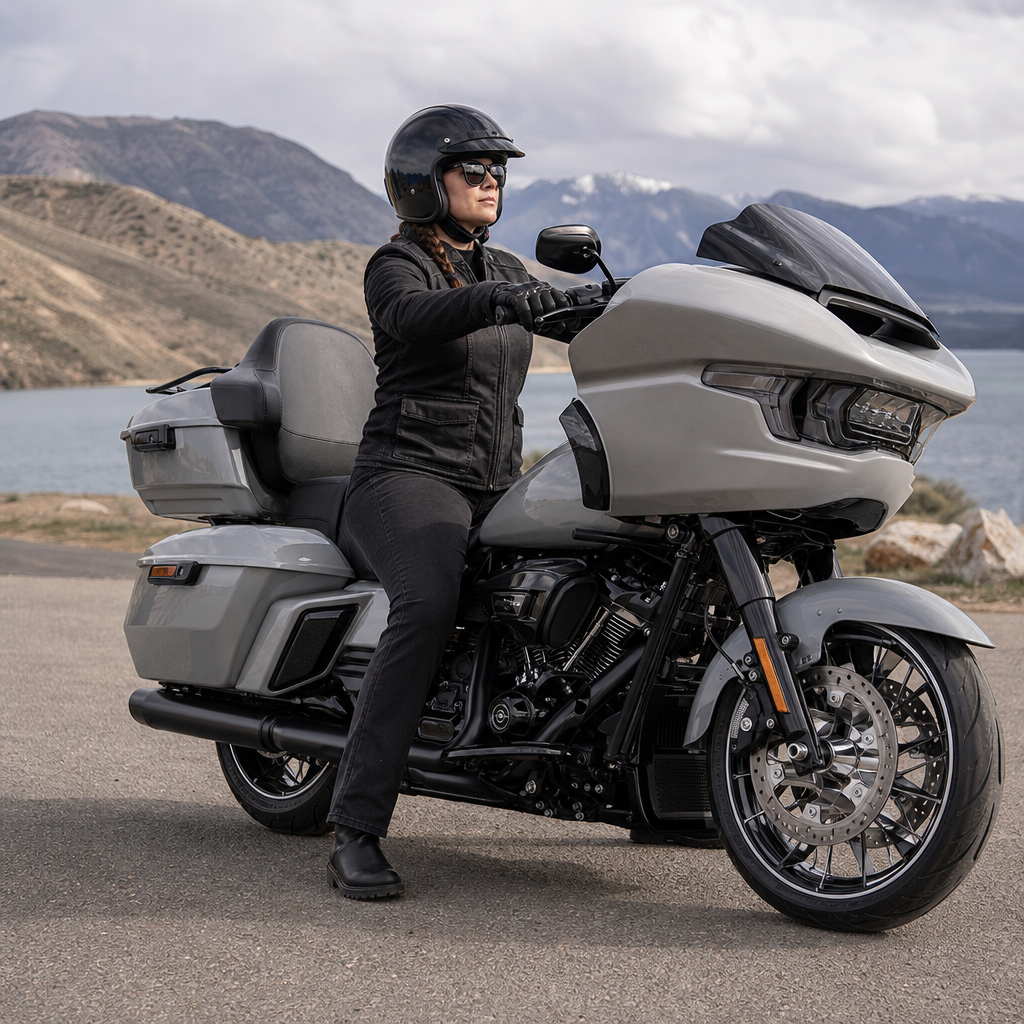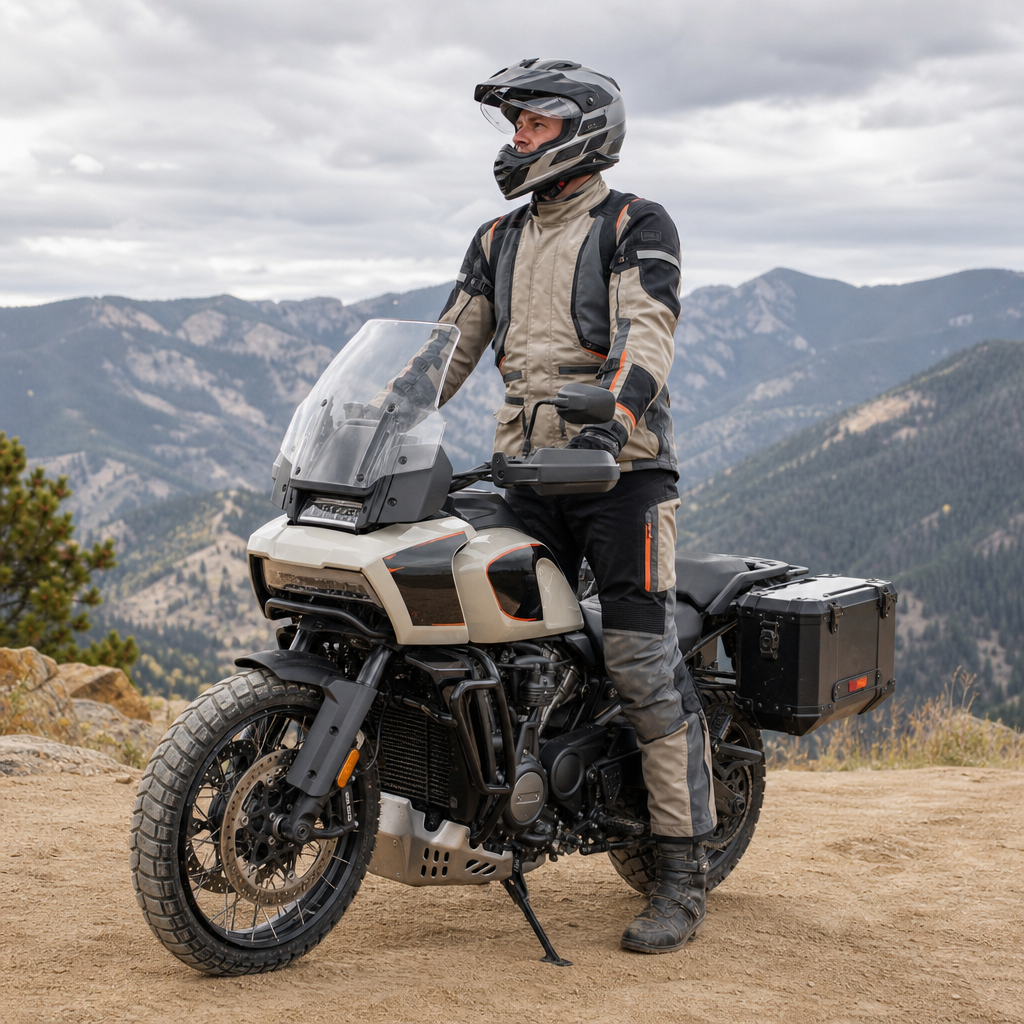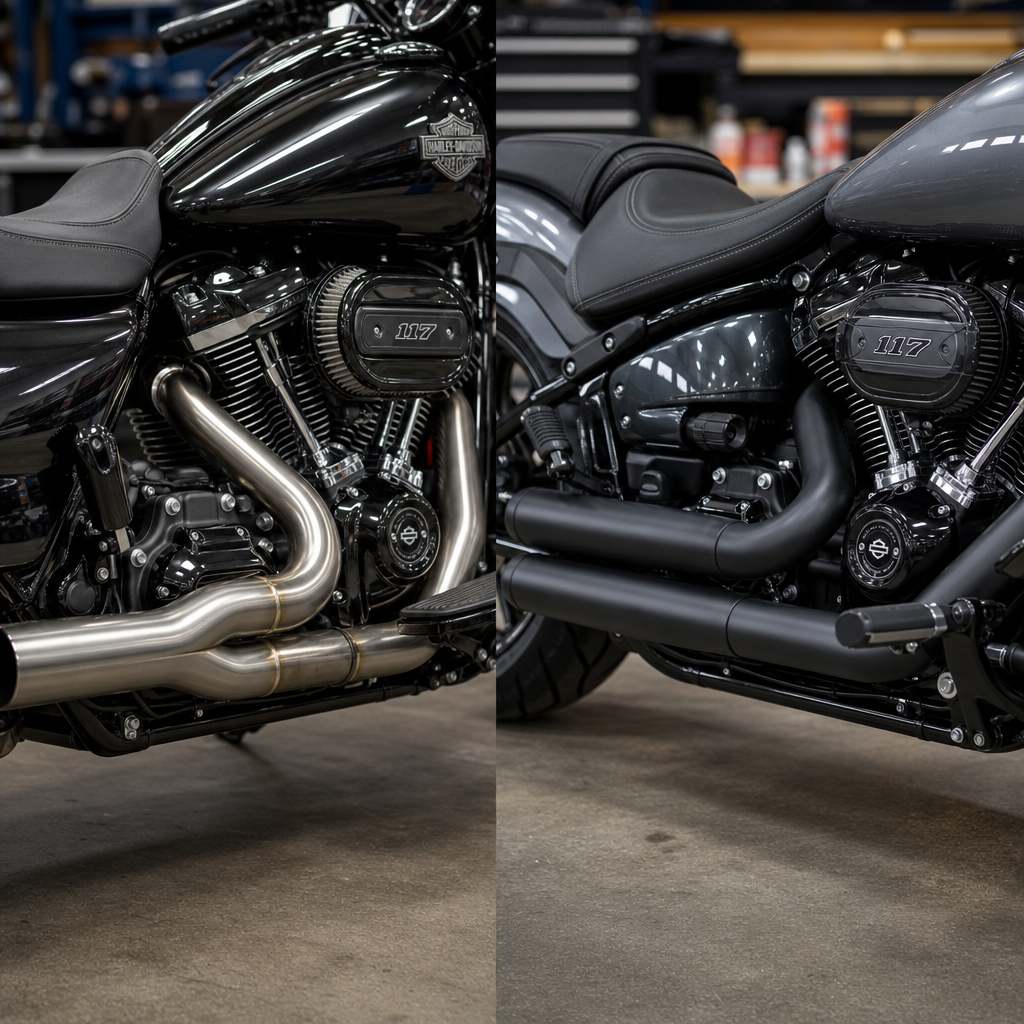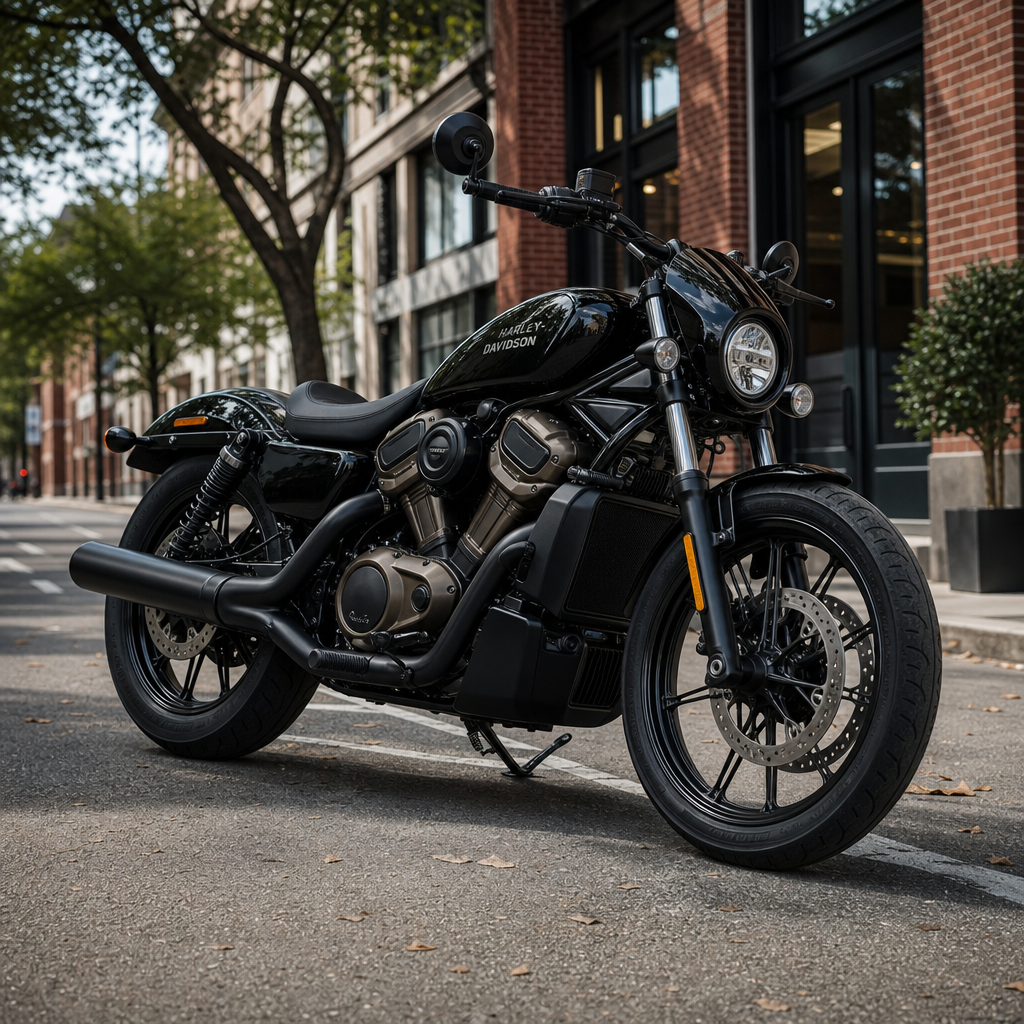
The 2026 Nightster Special is one of the most adaptable Harley-Davidson platforms for city riding, and the two changes that most directly shape comfort, control, and confidence are footpegs and riser combinations. On this motorcycle, ergonomics is not a cosmetic concern. It determines how easily you can thread through traffic, plant a foot at a stoplight, absorb broken pavement, and stay relaxed during repeated start-stop miles. When riders talk about a bike feeling cramped, twitchy, neutral, or natural, they are usually describing the relationship between the seat, bars, and pegs. For an urban commuter, that triangle matters as much as horsepower.
Model-specific ergonomics and performance recipes are practical setup patterns built around a particular motorcycle rather than generic advice. A recipe combines contact points and control positions to achieve a clear result: quicker steering in dense traffic, reduced wrist pressure, easier low-speed balance, or more legroom for taller riders. On the 2026 Nightster Special, recipes are especially useful because the bike starts with a compact layout, a liquid-cooled Revolution Max 975T engine, mid-mount controls, and a chassis that rewards active rider input. Small changes in peg height, peg offset, bar rise, and pullback produce outsized results.
This matters because urban commuting is repetitive and unforgiving. A poor setup punishes you every mile, while a good one compounds benefits over weeks and months. I have set up middleweight Harleys for riders ranging from new commuters to experienced weekend canyon riders, and the same pattern shows up every time: if the pegs are wrong, the rider braces against the bars; if the bars are wrong, the rider overloads the seat and wrists; if both are balanced, the motorcycle suddenly feels lighter and more precise. This hub explains how to choose Nightster Special footpegs and riser combinations for city use, what tradeoffs to expect, and which setup recipes make sense for different body sizes, route types, and riding priorities.
Why the Nightster Special Responds So Strongly to Ergonomic Changes
The Nightster Special is not a large touring Harley with broad ergonomic tolerance. It is compact, relatively light by Harley standards, and designed around a tighter rider triangle. That means fit changes are immediately noticeable. The Revolution Max 975T also encourages a more engaged riding style than traditional air-cooled cruisers. Its power delivery, higher-revving character, and modern chassis make riders shift body position more often in traffic, especially during lane positioning, quick merges, and low-speed U-turns. When the rider triangle is dialed in, the bike feels agile. When it is not, the same bike can feel nervous at the bars and cramped through the hips.
Three measurements drive the result. First is knee angle, controlled primarily by peg position relative to seat height. Tighter knee angles can improve leverage and ground reach at stops, but they fatigue taller riders and make repeated braking loads harder to absorb with the legs. Second is torso angle, influenced by riser height and pullback. A slightly more upright torso usually helps urban visibility and reduces wrist pressure, but too much rise or pullback can slow steering input and make the front end feel vague. Third is shoulder and elbow position. In city riding, neutral elbows with light bar pressure are ideal because they support rapid countersteering without locking the upper body.
On the Nightster Special, the best commuter setup usually keeps the rider upright but active, with enough legroom to stand slightly over potholes and enough bar rise to reduce hunching without turning the bike into a passive sit-back cruiser. That is the core principle behind every recipe that follows.
How Footpegs Change Comfort, Control, and Daily Usability
Footpegs affect more than legroom. They set the rider’s lower-body anchor point, and that anchor determines how stable the upper body feels during braking and corner entry. In urban commuting, a good peg allows the rider to support body weight with the legs over rough pavement, squeeze the bike lightly during evasive maneuvers, and reposition feet quickly at stoplights. Many riders focus only on peg style, but shape, length, grip pattern, and offset matter just as much as appearance.
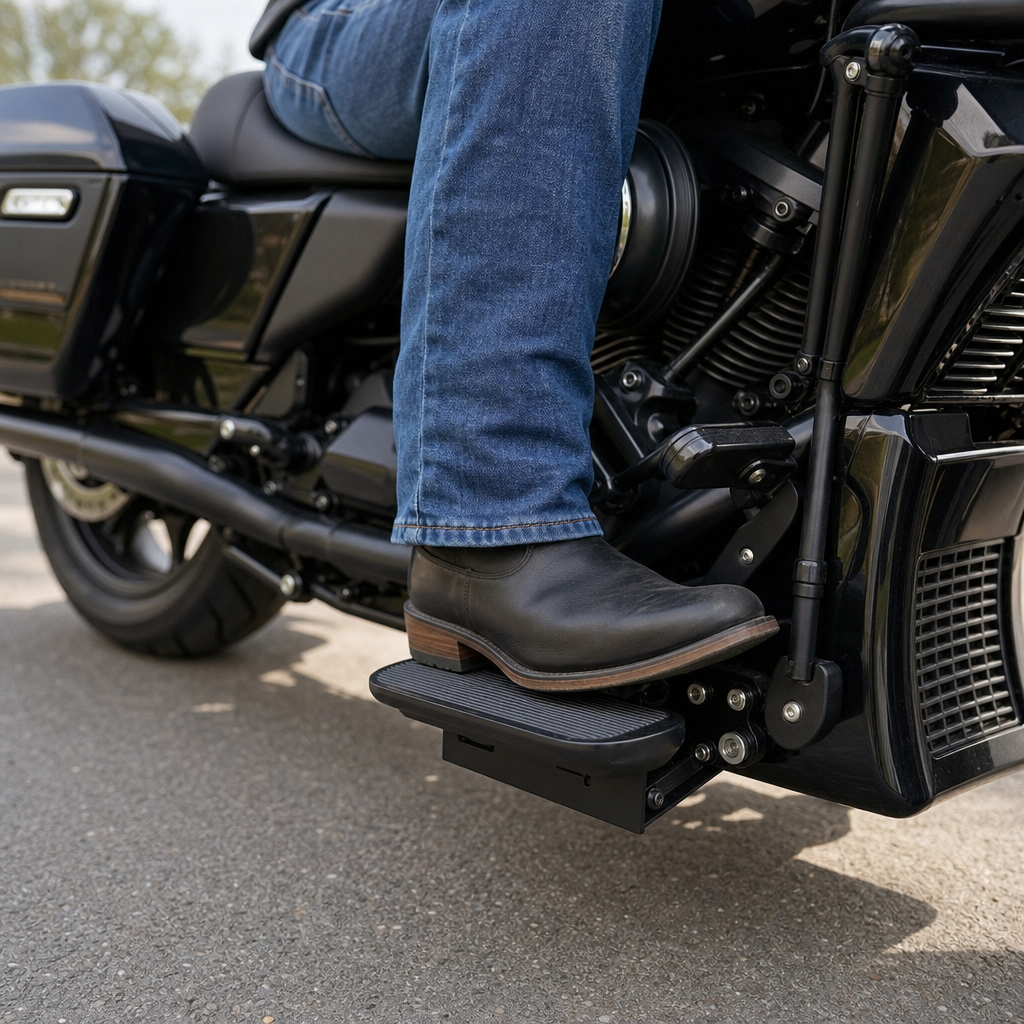
For the Nightster Special, commuter-oriented pegs generally fall into three categories: stock-style rubber pegs for vibration isolation, compact performance pegs with aggressive traction surfaces, and offset pegs that move the foot slightly down, forward, or out. Rubber pegs are best for riders prioritizing all-weather comfort and reduced boot sole wear. Performance pegs improve wet traction and foot security but can transmit more vibration and may feel harsh with thin-soled shoes. Offset pegs create space for taller riders, though every millimeter of downward or outward movement changes cornering clearance and can alter brake-pedal and shifter reach.
In practice, I have found that many urban Nightster riders benefit from moderate-width pegs with a secure top surface rather than oversized platforms. Large platforms can catch pant cuffs, reduce quick foot repositioning, and interfere with the compact rhythm this bike likes in city traffic. The sweet spot is a peg that gives enough support to unweight the seat over rough patches while preserving easy boot access to the rear brake and shift lever. Riders in wet climates should prioritize traction texture and drainage over styling, because slippery pegs turn routine stop-and-go riding into unnecessary work.
What Risers Really Do on the Nightster Special
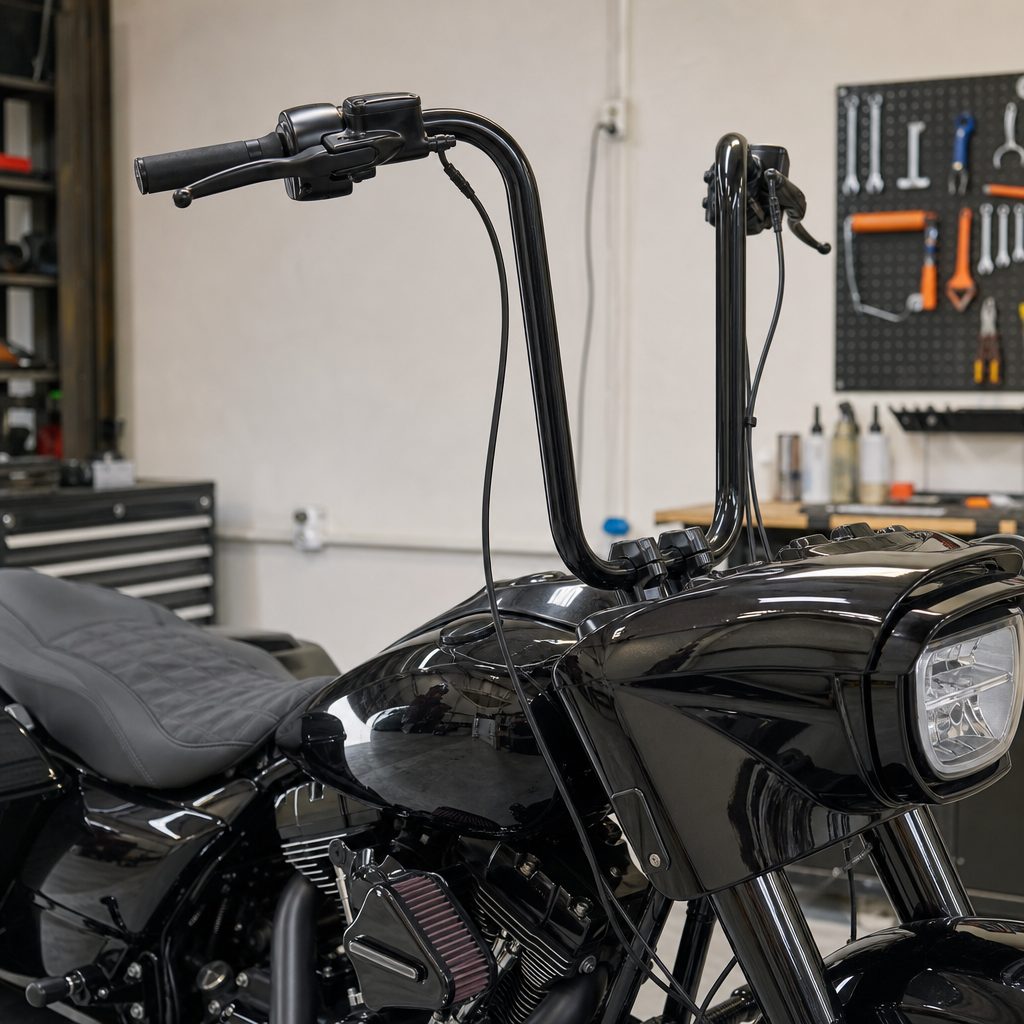
Risers change reach, steering leverage, and rider posture, but their effects depend on width, bend, and pullback at the handlebar. On the Nightster Special, even a small increase in rise can transform the cockpit because the stock layout is compact. Higher risers reduce the forward hinge at the hips, which can improve rearward visibility, make low-speed scans easier, and relieve neck tension during longer commutes. However, rise alone is not the full story. Pullback brings the grips closer, while increased bar width or a flatter bend can restore leverage and prevent the elbows from collapsing inward.
The common urban mistake is overcorrecting. Riders who feel cramped sometimes install tall risers with significant pullback, only to discover that the bars now sit too close. That closes the chest, loads the tailbone, and dulls steering precision. The Nightster Special responds better to incremental changes: enough rise to open the torso, enough pullback to keep a neutral wrist angle, and enough width to maintain confident low-speed control. Cable and hose length must also be checked before any meaningful rise increase, especially if paired with a different bend.
For commuting, the ideal riser setup lets your hands rest naturally with elbows slightly bent and shoulders down. You should be able to turn the bars lock-to-lock during parking maneuvers without your wrists binding or your knees hitting your arms. If that basic parking-lot test fails, the setup is wrong for city use no matter how good it looks parked outside a café.
Best Nightster Special Footpeg and Riser Recipes for Urban Commuting
The most effective way to choose parts is to start with a proven combination. These Nightster Special ergonomics recipes are built around common commuter profiles and real tradeoffs rather than one-size-fits-all claims.
| Recipe | Best For | Footpeg Choice | Riser Direction | Main Benefit | Tradeoff |
|---|---|---|---|---|---|
| Balanced City Neutral | Average-height daily commuters | Stock-height medium-grip peg | Small rise, mild pullback | Lower wrist pressure with precise steering | Less dramatic visual change |
| Tall Rider Relief | Riders over about 6 feet | Slightly lowered or offset peg | Moderate rise, neutral pullback | Opens knee and hip angle | Reduced cornering clearance |
| Traffic Attack | Dense downtown routes | Compact performance peg | Minimal rise, wider bar feel | Fast transitions and strong foot security | More vibration through boots and hands |
| Rough Street Comfort | Poor pavement and longer commutes | Rubber-isolated supportive peg | Moderate rise, relaxed wrist angle | Less fatigue over broken surfaces | Steering can feel slightly less direct |
The Balanced City Neutral recipe is the starting point I recommend most often. It preserves the Nightster’s agility while removing the cramped edge some riders feel after forty minutes of stop-and-go travel. A small rise paired with mild pullback typically improves posture without disconnecting the rider from the front tire. Combined with a peg that offers real grip but keeps the stock height, this setup suits mixed commuting, occasional highway miles, and weekend backroad use.
The Tall Rider Relief recipe solves the most common Nightster complaint from longer-legged riders: knee compression. A modest peg drop or offset can make the bike substantially easier to live with, especially if the rider commutes in armored pants with thicker knee protection. To avoid turning the cockpit into a recliner, use moderate rise with limited pullback. That keeps the torso open while preserving forward authority over the bars. The tradeoff is clear: any lower peg reduces lean-angle margin, so aggressive canyon riders should measure priorities honestly.
The Traffic Attack recipe is for riders who spend nearly all of their time in low-speed urban density. Here, control beats comfort. Grippy compact pegs lock boots in place during abrupt braking and quick lane changes, while a conservative riser setup keeps steering direct. This is the setup messengers and experienced city riders usually prefer because it helps the motorcycle feel smaller underneath them. It is less forgiving on rough pavement, but it sharpens the bike’s reflexes.
The Rough Street Comfort recipe suits commuters dealing with frost-heaved roads, expansion joints, patched asphalt, and longer cross-town rides. In these conditions, fatigue reduction matters more than razor-sharp response. A more forgiving peg surface and moderate rise let the rider absorb impacts through bent knees and relaxed arms. The bike will not feel as immediate as the Traffic Attack setup, but most riders arrive fresher and more consistent.
Fit by Rider Size, Commute Type, and Gear
No Nightster Special ergonomic recipe is complete until you account for rider dimensions and actual commuting gear. In fitting sessions, inseam and shoulder width usually matter more than overall height. Two riders who are both 5-foot-10 can require very different setups if one has a longer torso and the other has longer legs. Boot shape also matters. Thick urban or ADV-style boots may need more peg-to-shifter space, while narrow riding sneakers can tolerate tighter control spacing.
Route type changes priorities. If your commute is fifteen miles of traffic lights, bus lanes, and potholes, you need immediate balance and low-speed confidence. If it includes a fast ring road segment, bar stability at 70 mph becomes more important. Weather matters too. In rainy cities, peg grip and a neutral torso position reduce sloppy inputs. In hot climates, a less cramped knee angle can improve comfort dramatically because the Revolution Max powertrain sheds heat differently than older Harley layouts, and rider posture affects where that heat is felt.
Suspension setup should be considered alongside pegs and risers. If the rear preload is too soft, a lowered peg may scrape sooner than expected. If the front end is underdamped, adding tall risers can exaggerate a vague steering sensation that is actually a suspension issue. Ergonomics cannot fix poor chassis setup, but good ergonomics make correct chassis feedback easier to feel.
Installation, Testing, and Smart Next Steps
When installing footpegs and risers on the 2026 Nightster Special, treat the process like control tuning, not accessorizing. Verify torque specs, cable slack, brake-line routing, switch-housing alignment, and full steering lock before riding. After changing peg position, reset the shift lever and rear brake pedal so your ankles remain neutral. Many riders skip this step and then blame the peg for discomfort actually caused by a badly positioned control. If a riser change rotates your wrists inward or outward at rest, revisit bar roll and lever angle before deciding the parts are wrong.
Road test in stages. Start with a parking lot to check lock-to-lock clearance, one-foot stops, and low-speed circles. Then ride a short urban loop with rough pavement, several stop signs, and one higher-speed section. Pay attention to where tension appears first. If your wrists ache, the bars may be too low, too far, or too swept back. If your hips feel jammed, peg position is the likely issue. If your shoulders rise unconsciously, the grips may be too high or too wide. The best Nightster Special commuter setup feels almost invisible because nothing demands compensation.
As a hub for model-specific ergonomics and performance recipes, this page gives you the framework to evaluate every other Nightster Special fit article under the Harley-Davidson category. Start with your use case, choose the recipe that matches your body and commute, and make one controlled change at a time. The reward is significant: better comfort, cleaner control inputs, and a Nightster Special that works with you instead of against you in daily traffic. Review your current posture, measure your contact points, and build your urban setup deliberately.
Frequently Asked Questions
1. Why do footpegs and riser combinations matter so much on the 2026 Nightster Special for urban commuting?
On the 2026 Nightster Special, footpegs and risers have an outsized effect because they directly control the rider triangle: the relationship between your hands, hips, and feet. In city riding, that triangle determines far more than comfort. It affects how quickly you can react in traffic, how confidently you can support the bike at a stop, how naturally you countersteer around potholes or lane intrusions, and how much fatigue builds up over a week of repeated commuting. A setup that looks minor on paper can completely change whether the bike feels compact and alert or tense and awkward.
Footpegs establish lower-body position and leverage. If the pegs place your knees too sharply bent, the bike can feel cramped in stop-and-go conditions, especially when you are repeatedly standing the bike upright, dabbing a foot down, or lifting slightly off the seat to absorb rough pavement. If they are positioned in a way that reduces ground reach confidence, even short stops can become more stressful than they need to be. On the other hand, peg placement that supports a natural knee bend and allows easy transitions between seated control and quick foot-down stability makes commuting smoother and less tiring.
Risers influence upper-body posture and steering input. In town, you want a handlebar position that lets your elbows stay relaxed, your wrists remain neutral, and your shoulders avoid unnecessary tension. If the bars are too low or too far forward, you may end up loading your wrists and hunching over, which can make low-speed maneuvering feel heavier and less precise. If the bars are too high or too close, steering can start to feel vague or overly animated. The best riser combination usually creates a neutral reach that gives you leverage without forcing you to brace against the bar.
That is why these two changes are so often discussed together. Footpegs and risers work as a pair. Changing one without considering the other can solve one issue while creating another. For urban commuting, the goal is not extreme style or aggressive positioning. It is a balanced cockpit that helps you filter information quickly, move confidently in traffic, and finish a ride without your back, wrists, hips, or knees telling you something is wrong.
2. What kind of footpeg setup usually works best for stop-and-go city riding on a Nightster Special?
The best footpeg setup for stop-and-go city riding is usually one that prioritizes control, stability at low speed, and all-day practicality rather than maximum cornering aggression or long-distance leg stretch. On a Nightster Special used primarily for commuting, many riders benefit most from pegs that maintain a natural, centered leg position and offer a secure surface with good grip in both dry and wet conditions. In traffic, your feet do more than rest. They stabilize the motorcycle at lights, shift body weight during evasive maneuvers, and help your body absorb sharp impacts from uneven pavement.
A commuter-friendly peg should give you confidence when you need to quickly move your foot from peg to pavement and back again. Oversized or awkwardly shaped pegs can sometimes interfere with fast foot placement, while very small or slippery pegs can feel insecure when your boots are wet. A medium-to-large platform with a grippy surface often strikes the best balance. It supports the arch of the foot well enough to reduce fatigue but still allows easy repositioning when you need immediate access to the brake pedal or shifter.
Height and reach matter too. A peg position that forces too much knee bend may feel sporty at first but can become tiring in dense traffic where there is little chance to move around. Conversely, a position that stretches the legs too far forward can reduce the ability to stand slightly on the pegs over broken pavement or maintain a strong lower-body connection to the motorcycle. For most urban riders, a neutral, mid-control-oriented relationship tends to work best because it keeps the rider engaged with the chassis and makes low-speed balance easier to manage.
It is also worth considering the type of commuting you actually do. If your route includes frequent starts, rough intersections, railroad crossings, and lots of short lights, comfort under constant transition becomes the priority. If your commute includes faster arterial roads mixed with urban sections, you may want pegs that retain a planted feel at speed without compromising quick foot-down confidence. In either case, the ideal setup is one that disappears beneath you. You should not be thinking about where your feet are; the controls should simply feel natural, immediate, and repeatable every time you leave a stoplight.
3. How do riser height and pullback affect comfort and control in urban traffic?
Riser height and pullback change how the rider meets the handlebar, and that has a direct effect on both comfort and steering behavior. In urban traffic, where you are constantly scanning, braking, turning, and balancing at low speed, small changes in bar position can make a dramatic difference. Height determines how much you reach down or up for the bar, while pullback determines how far forward you have to extend your arms. Together, they influence posture, leverage, and how much tension you carry in your upper body.
If the risers are too low or offer too little pullback, the rider may end up reaching forward with rounded shoulders and bent wrists. That posture often leads to pressure on the palms, neck tightness, and reduced comfort during repeated stop-start miles. It can also make slow-speed steering feel heavier because the rider is supporting body weight through the hands rather than letting the core and lower body share the workload. In an urban environment, that added strain builds quickly.
If the risers are too tall or have excessive pullback, the opposite problem can happen. The rider may feel too upright or too close to the bars, which can reduce the sense of front-end connection. Steering inputs may start to feel overly quick or less settled, especially when weaving through tight spaces or making frequent lane changes. Bars that sit too close can also crowd the cockpit, making the bike feel smaller and reducing natural elbow angle.
The sweet spot for commuting is usually a neutral position where your elbows remain slightly bent, your wrists stay straight, and your shoulders can relax. You should be able to steer decisively without locking your arms, and you should not need to slide forward on the seat to comfortably reach the grips. A good riser setup also helps with visibility and awareness because relaxed posture makes it easier to keep your head up and eyes scanning rather than dropping into a tense, compressed riding stance.
For many Nightster Special riders, the right riser combination is less about chasing a dramatic look and more about refining everyday control. The ideal setup supports quick U-turns, easy clutch modulation, stable braking, and a calm upper body when the pavement gets choppy. When riser height and pullback are correct, the bike tends to feel more cooperative in the exact situations that define urban commuting.
4. Should you change footpegs first, risers first, or plan both modifications together?
In most cases, it is smartest to plan both together, even if you only purchase one part at a time. The reason is simple: footpegs and risers are connected through your body position. Move the feet and you change hip angle, knee bend, and how your torso sits. Move the bars and you change shoulder reach, elbow bend, and weight distribution. Looking at one without the other can lead to a piecemeal setup that never feels fully resolved.
If a rider has an obvious upper-body complaint such as wrist pressure, shoulder tension, or a feeling of overreaching, risers are often the first place to investigate. If the main issue is cramped legs, awkward control access, or unstable footing at stops, footpegs may deserve immediate attention. But even then, the best approach is to think in terms of total riding posture. For example, raising or repositioning the bars may feel better at first, but if your lower body is still folded too tightly, you may continue to shift around in the seat and lose the benefit. Likewise, improving the peg position can help your hips and knees, but if the handlebar still forces a forward hunch, the bike may never feel truly relaxed in traffic.
A practical strategy is to define your problem in commuting terms instead of parts terms. Ask yourself what actually feels wrong. Is it difficult to plant a foot cleanly at lights? Do your wrists ache after 20 minutes? Do your knees feel cramped in dense traffic? Does the bike feel twitchy during low-speed corrections? Those answers point toward the ergonomic imbalance, not just the accessory category. From there, you can choose the first modification with a clearer understanding of the end goal.
For riders trying to build the best urban setup on a Nightster Special, the strongest results usually come from treating the motorcycle like a system. Even if budget or timing means making changes in stages, you should still have a complete ergonomic plan. That prevents overcorrecting one area and helps ensure the final combination delivers what commuting riders actually need: neutral posture, easy control access, confident stops, and reduced fatigue over daily use.
5. What are the most common mistakes riders make when choosing footpegs and risers for a Nightster Special commuter build?
One of the most