The 2026 Heritage Classic used market tells a clear story: the Milwaukee-Eight 114 remains the resale king because it sits at the intersection of classic Harley-Davidson style, modern touring usability, and a buyer pool that understands exactly what it is getting. In the Harley-Davidson world, resale king means more than holding a high asking price. It means strong demand, faster time to sale, fewer painful negotiations, and consistent value across private-party listings, dealer trade-ins, and certified pre-owned inventory. For riders shopping the Heritage Classic, and for owners planning their next move, that distinction matters.
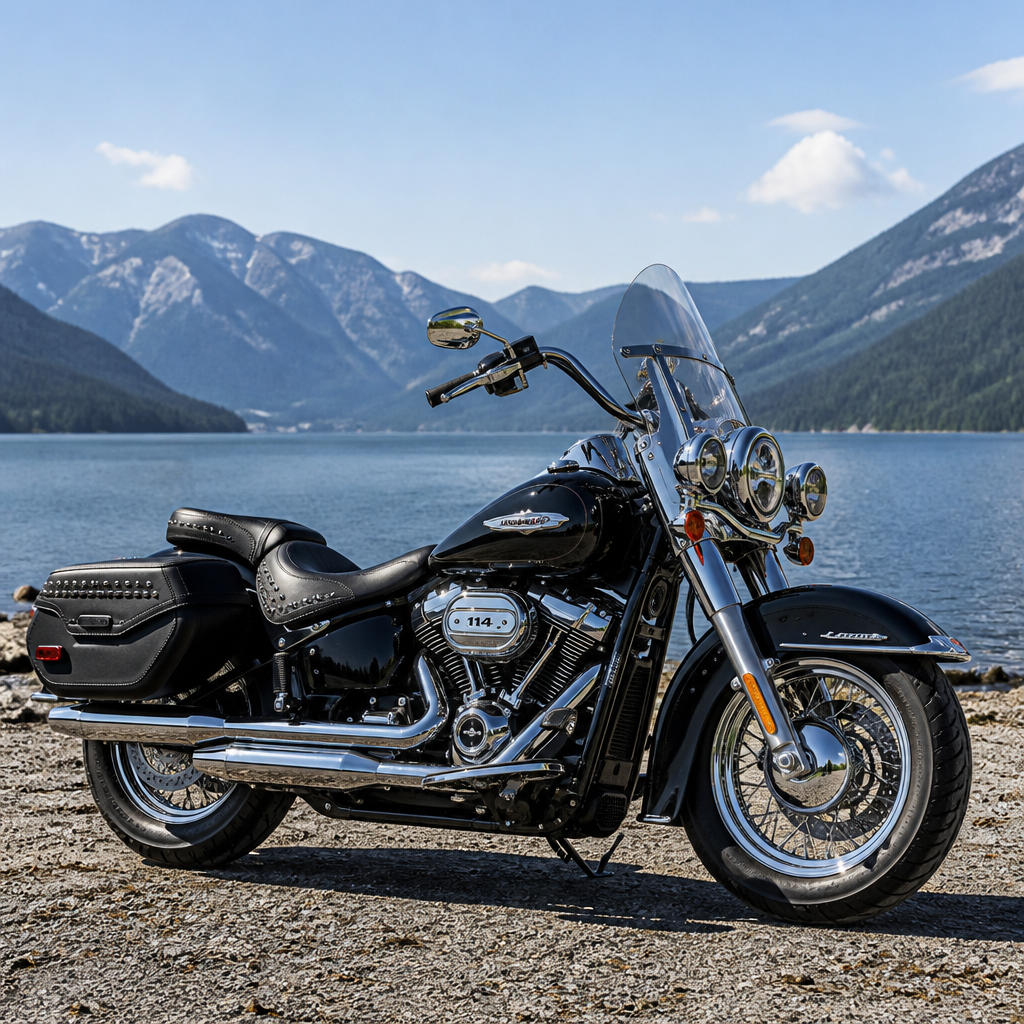
This guide serves as the hub for Used Buyer Guides: 1990–2044 within the broader Harley-Davidson topic, using the 2026 Heritage Classic market as the anchor point for understanding how long-run used values are created. The Heritage Classic is a Softail cruiser with detachable windscreen, lockable hard saddlebags, floorboards, relaxed ergonomics, and vintage styling cues. The 114 refers to the Milwaukee-Eight 114 V-twin, a 114 cubic-inch engine displacing 1,868 cc. In practical terms, that engine gives the bike enough torque for loaded highway riding without pushing the model into the price bracket or visual bulk of full-dress touring machines.
I have tracked used Harley pricing through dealership inventories, auction trends, and owner-to-owner sales for years, and the same pattern keeps repeating: buyers want heritage styling, but they do not want old-bike compromises. The 114-powered Heritage Classic answers that better than most Harley models. It looks traditional, starts instantly, cruises comfortably at interstate speed, and benefits from a mature aftermarket plus broad technician familiarity. That combination widens the buyer base, and a wide buyer base is the foundation of resale strength.
Why does this matter in 2026 specifically? Because the used motorcycle market has normalized after the extreme inventory distortions of the early 2020s. Pandemic-era spikes, supply-chain shortages, and speculative pricing have faded. Buyers are more analytical again. They compare mileage, service history, trim, accessories, financing rates, and known model-year changes. In a normalized market, truly resilient motorcycles separate themselves from temporarily inflated ones. The Heritage Classic 114 has done exactly that, which is why this page is useful not only for one model year but for understanding value trends across Harley used buyer guides from 1990 through projected ownership horizons into 2044.
Why the Heritage Classic 114 Holds Value Better Than Many Cruisers
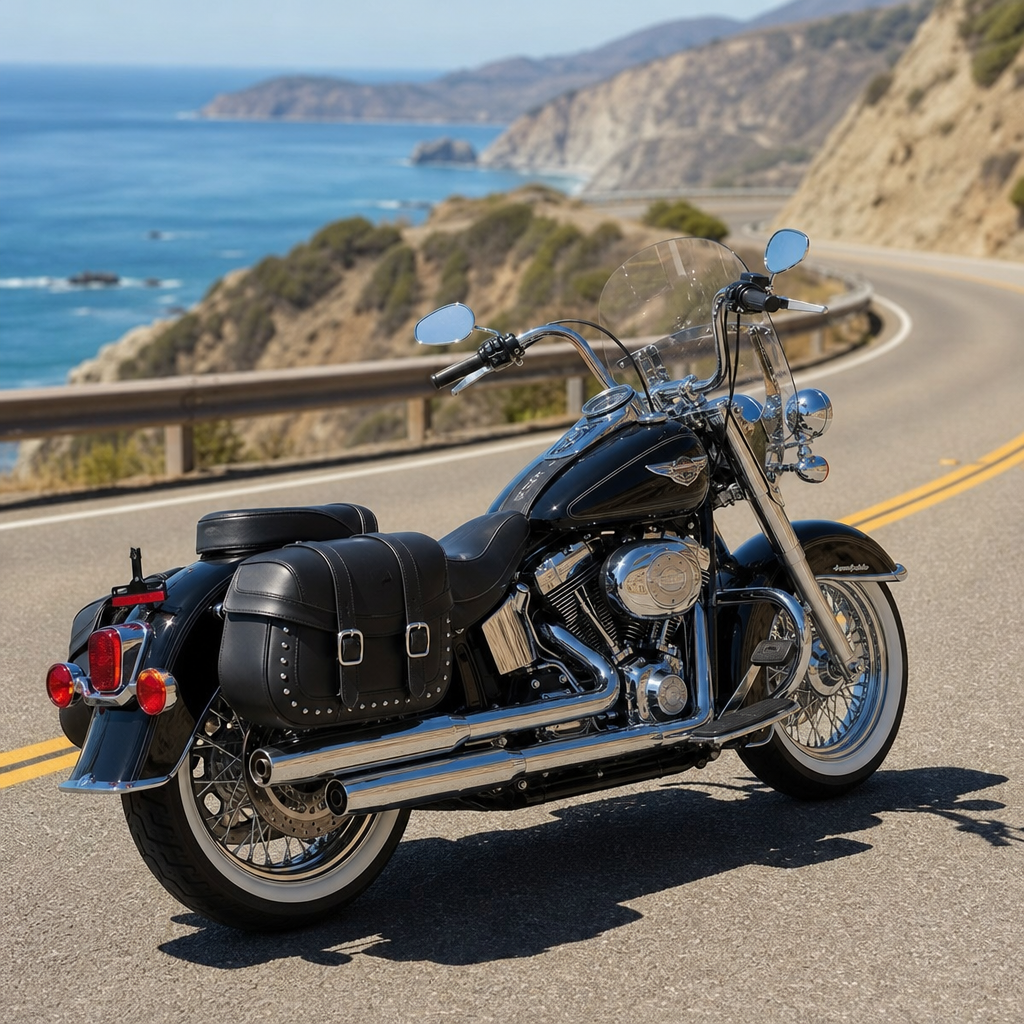
The main reason the Heritage Classic 114 holds value is product-market fit. Harley-Davidson has always sold identity as much as transportation, but the strongest used bikes are the ones that balance emotion and utility. The Heritage Classic looks unmistakably Harley, with valanced fenders, tank badge tradition, and a low-slung silhouette. At the same time, it includes practical equipment that many used buyers would otherwise need to add later: wind protection, luggage, passenger accommodations, and touring-friendly ergonomics. A used bike that requires fewer expensive modifications is easier to finance mentally and financially.
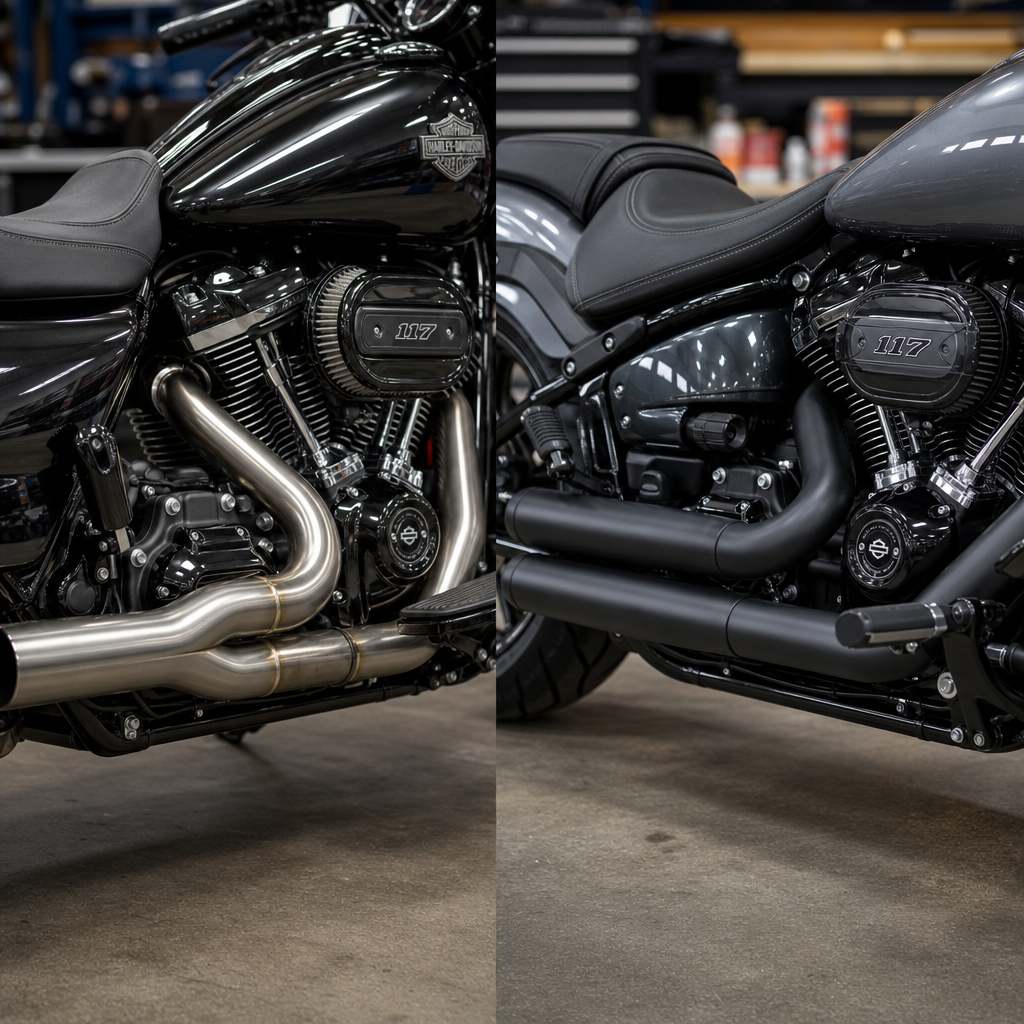
The Milwaukee-Eight 114 also matters more than some casual buyers realize. In dealer conversations, I consistently hear the same thing: shoppers see “114” as the sweet spot. The 107 is respected, but some buyers view it as the entry point. The larger 117 often commands a bigger premium and appears in performance-leaning or higher-trim models. The 114 lands in the middle where perceived value is strongest. It has enough displacement to feel substantial, enough torque to satisfy experienced riders, and enough familiarity to reassure second or third owners who care about long-term parts support.
Another factor is model clarity. Used buyers reward motorcycles they can understand quickly. The Heritage Classic does not need a long explanation. It is not a niche experiment, a short-lived trim package, or a technology-heavy outlier. That helps listings perform better. When a bike’s purpose is obvious, search interest converts more reliably into inquiries. In SEO terms, the model matches user intent; in plain terms, buyers know why they want it.
| Value Driver | Why It Helps Resale | Real-World Effect |
|---|---|---|
| Milwaukee-Eight 114 engine | Strong torque, familiar platform, broad appeal | More buyer confidence and less discount pressure |
| Standard touring features | Windshield, bags, floorboards reduce upgrade costs | Listings attract practical and lifestyle buyers |
| Classic styling | Timeless design ages better than trend-driven trims | Older examples still look relevant on the market |
| Softail chassis | Modern ride quality without losing traditional profile | Cross-shoppers include both cruiser and light-touring riders |
| Aftermarket support | Easy access to parts, seats, exhausts, lighting, service items | Ownership risk feels lower for second owners |
Depreciation patterns support this view. Motorcycles usually lose value fastest when they are expensive new, narrowly targeted, or difficult to compare against alternatives. The Heritage Classic 114 avoids all three problems. It is premium, but not at the top of Harley’s ladder. It serves commuting, weekend rides, and light touring. And it sits in a recognizable category where buyers can benchmark against Road King, Fat Boy, Indian Super Chief, and Japanese bagger-style cruisers. Transparency tends to stabilize pricing, not weaken it.
What Used Buyers Should Check on 2026 and Recent Heritage Classic Models
If you are buying a used Heritage Classic 114, inspect condition and ownership history more carefully than accessory count. Accessories rarely add dollar-for-dollar resale value, but maintenance documentation often does. Start with service records for engine oil, primary, transmission, brake fluid, and tire replacement intervals. Ask whether scheduled services were performed by a Harley-Davidson dealer or an independent shop familiar with Milwaukee-Eight models. Either can be fine if the paperwork is complete.
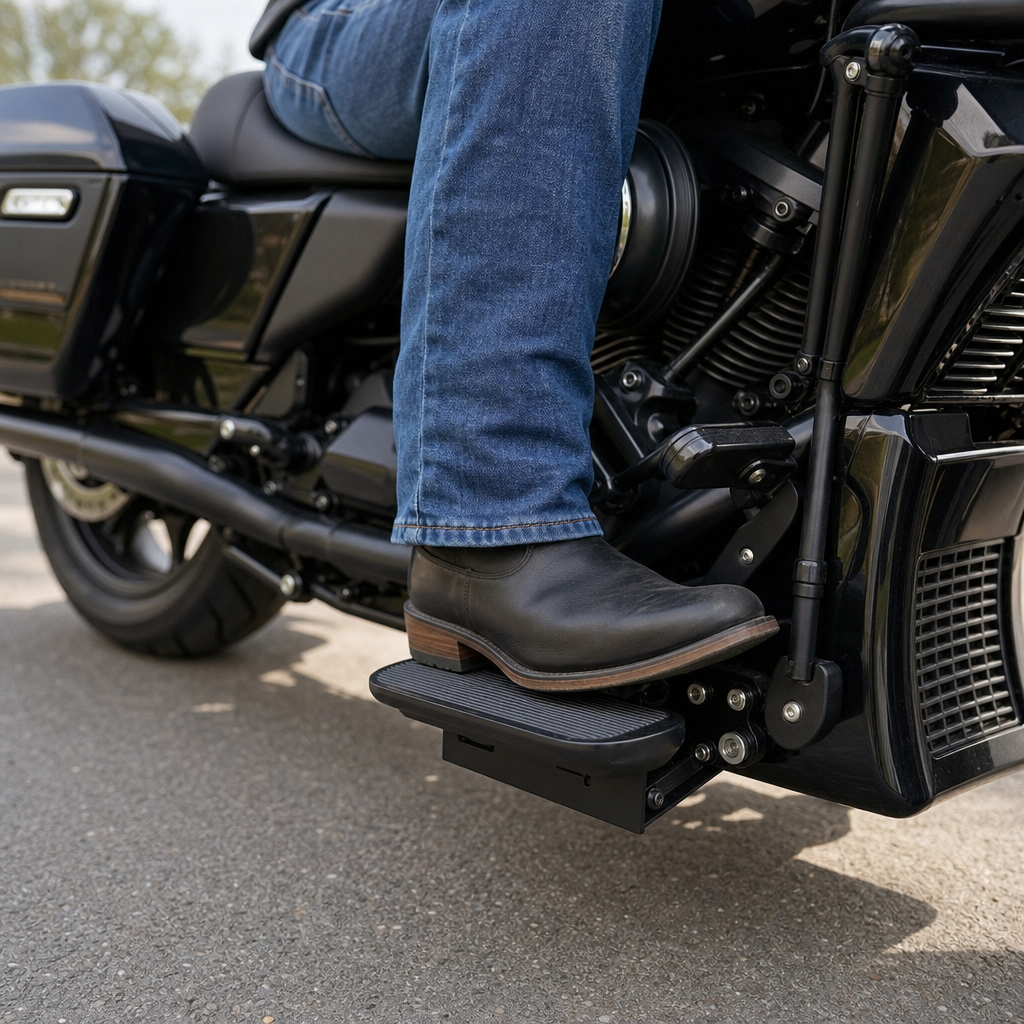
Look closely at the detachable windscreen mounts, saddlebag latches, bag seals, and lower edge wear. These are practical components that affect daily use, and they reveal how the motorcycle was treated. Check floorboards, heel-toe shifter wear, hand controls, and switchgear for signs of heavy use inconsistent with stated mileage. Inspect the exhaust for unauthorized tuning clues, especially if the bike has intake and pipe changes without evidence of an ECU calibration from a recognized tuner such as Screamin’ Eagle, Dynojet Power Vision, or Fuel Moto mapping support.
On test ride, verify cold-start behavior, clutch take-up, transmission shift feel, steering-head stability, front brake pulse, and rear suspension composure over broken pavement. The Heritage Classic should feel planted, not vague. A wobble, weave, or bar oscillation can indicate tires, steering-head bearings, alignment issues, or crash history. Also confirm all lighting, ABS function where equipped, and charging-system health with a voltmeter. A clean cosmetic bike with weak electrical performance is not a bargain.
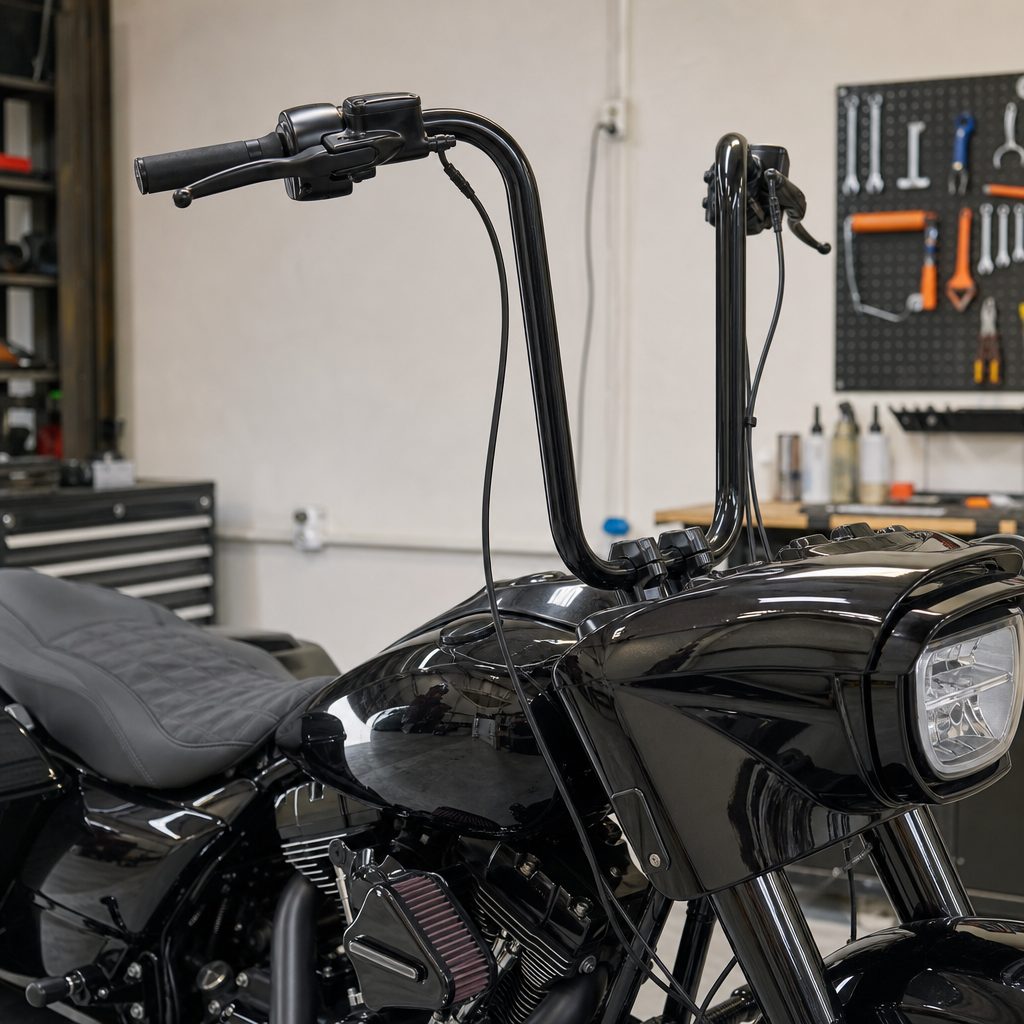
Title status and modification philosophy deserve equal attention. Many Harley owners personalize heavily. Mild upgrades from reputable brands can be positive, but extreme customization narrows the resale audience. Ape hangers beyond comfort norms, stretched bags, cut fenders, low-quality audio additions, or deleted practical parts typically reduce hub-value appeal. For most buyers, the best used Heritage Classic is close to stock, tastefully upgraded, and thoroughly documented.
How the 114 Compares With Other Harley-Davidson Used Options
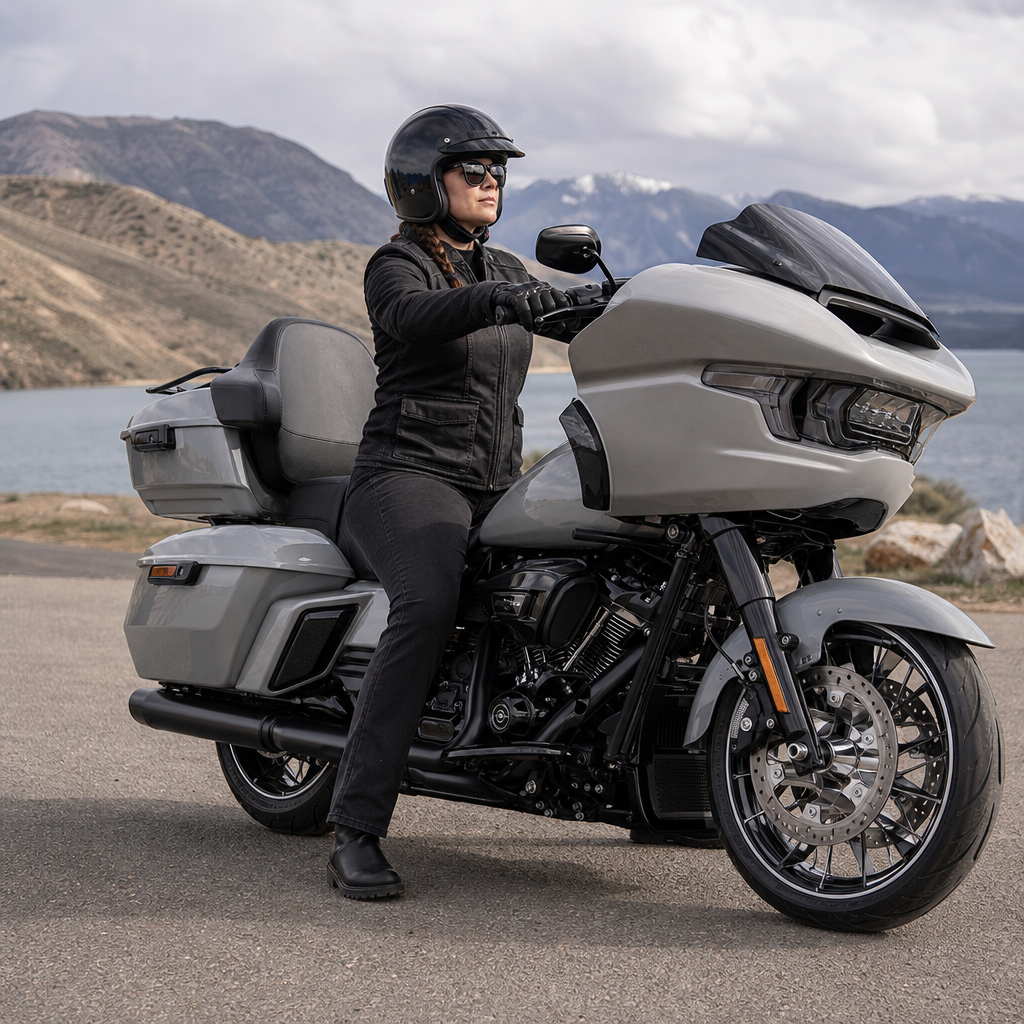
The Heritage Classic 114 succeeds because it captures buyers who might otherwise split across several Harley families. Against the Road King, it is lighter, usually less expensive, and more approachable for riders who do not need full touring scale. Against the Fat Boy, it offers far better travel utility thanks to bags and windshield. Against a Street Glide, it costs less to buy and often less to insure, while still covering long highway days. Against older Twin Cam-era Heritage models, it delivers better refinement, stronger braking confidence, and more immediate fuel-injected rideability.
That last comparison is especially important for this Used Buyer Guides: 1990–2044 hub. If you are researching Harley used bikes across decades, understand the broad arc. Evolution-era machines from the 1990s have nostalgia and mechanical simplicity, but age now affects rubber components, wiring, charging systems, and carburetor-related upkeep. Twin Cam models from 1999 onward expanded performance and aftermarket depth, yet some years require careful attention to cam chain tensioners, compensators, or heat management expectations. Milwaukee-Eight bikes moved the game forward with improved smoothness, breathing efficiency, and mainstream buyer confidence.
In resale terms, confidence is currency. A buyer choosing between a cheaper older Harley and a later Heritage Classic 114 often pays more for the 114 because the ownership unknowns are fewer. Better dealer familiarity, easier financing, more predictable parts sourcing, and stronger online knowledge communities all support that decision. That does not make older Harleys bad purchases; it means the 114 is the safer all-around buy for the broadest audience, and broad appeal is the engine of resale leadership.
Insurance and financing reinforce the pattern. Lenders prefer motorcycles with clearer market comps, and insurers favor models with established repair and replacement data. The Heritage Classic 114 benefits from being common enough to price accurately while still desirable enough to remain premium. That balance helps monthly affordability, and monthly affordability directly shapes the used market.
Pricing Trends, Mileage Bands, and the Best Buying Window
In the 2026 market, asking prices for late-model Heritage Classic 114 examples vary most by mileage, service history, paint condition, and region rather than by bolt-on accessories. Sunbelt states often show larger inventories and more seasonal price flexibility. Northern markets can produce cleaner low-mileage bikes, but short riding seasons sometimes create springtime seller optimism. In my experience, the best buying window is late fall through mid-winter, when discretionary sellers become more negotiable and dealers reassess aging inventory.
Mileage should be interpreted in context. A Harley with 18,000 highway miles and full service records can be a better purchase than a 4,000-mile garage queen with stale fluids, old tires, weak battery history, and long periods of inactivity. For the Heritage Classic 114, moderate annual use is often a good sign. These motorcycles are meant to be ridden. Evidence of regular exercise usually means seals stayed lubricated, charging systems cycled properly, and minor issues were discovered early rather than hidden by storage.
As a pricing framework, ultra-low-mile examples tend to command emotional premiums that are not always justified by ownership benefit. Mid-mile bikes, roughly the range many riders consider “used but not tired,” often represent the best value. High-mile examples can still be excellent if maintenance is transparent, but resale later will depend heavily on presentation and records. Buyers in this segment are not afraid of miles; they are afraid of neglect.
Regional equipment choices influence value too. A Heritage Classic with stock windshield, original saddlebags, passenger backrest, and clean paint usually appeals nationally. A bike built for one owner’s highly specific taste does not. When in doubt, buy the example that would be easiest to sell again in two years. That mindset is one of the best ways to protect yourself in any Harley-Davidson used market.
Building a Smart Harley Used-Buying Strategy From 1990 to 2044
As the hub for Used Buyer Guides: 1990–2044, this article should help you evaluate not just one motorcycle but an entire buying method. Start with era selection. If you want classic feel and hands-on maintenance, 1990s Evolution bikes still have a place. If you want stronger aftermarket variety and broad price dispersion, Twin Cam years open many doors. If you want the cleanest blend of heritage character and modern everyday usability, Milwaukee-Eight bikes, especially the Heritage Classic 114, are the benchmark.
Next, prioritize documentation over claims. A seller saying “dealer maintained” means little without invoices. Then prioritize reversibility of mods. Exhaust, seat, bars, and luggage changes are acceptable when executed well; hard-to-undo custom bodywork is riskier. Finally, think beyond purchase price. Tires, battery, 5,000-mile or 10,000-mile service intervals, brake components, registration, and insurance can quickly erase an apparent bargain.
Looking toward 2044, the Heritage Classic 114 has the ingredients of a long-lived used-market favorite. It is modern enough to remain practical, traditional enough to avoid visual obsolescence, and common enough to stay supportable. Future electrification, emissions policy shifts, and changing rider demographics may alter the broader motorcycle market, but analog V-twin cruisers with genuine road capability will retain a dedicated audience. Among them, the 114-powered Heritage Classic stands out because it delivers the Harley-Davidson experience without asking buyers to accept too many compromises.
That is the core lesson for any Harley sub-pillar page: lasting resale strength comes from overlap. The more a bike satisfies style-driven buyers, practical riders, second owners, dealers, lenders, and mechanics at the same time, the stronger its market position becomes. The 2026 Heritage Classic proves the rule. If you are researching Harley-Davidson used motorcycles from 1990 through 2044, start here, use the 114 as your benchmark, and compare every other candidate against its rare mix of desirability, usability, and value retention.
The 2026 Heritage Classic used market confirms what experienced Harley shoppers have been seeing for years: the Milwaukee-Eight 114 remains a resale king because it gives the widest group of buyers the fewest reasons to hesitate. It looks right, rides right, carries gear, handles highway work, and benefits from mature mechanical support. That combination is difficult to beat in the real world, where motorcycles are valued not just for image but for the confidence they inspire before and after the sale.
For used buyers, the takeaway is straightforward. Focus on service history, condition, stock or near-stock configuration, and realistic pricing based on mileage and region. For sellers, preserve original parts, keep records, avoid overpersonalizing, and time the market when inventory tightens. For anyone exploring Used Buyer Guides: 1990–2044 under the Harley-Davidson umbrella, use the Heritage Classic 114 as the reference point for what durable value looks like.
A good used Harley is never just the cheapest listing. It is the motorcycle that will satisfy you today, remain supportable tomorrow, and still attract buyers later. On that measure, the Heritage Classic 114 continues to lead. If you are building your shortlist, put it near the top, then work outward to older Heritage models, Road Kings, Twin Cam cruisers, and Evolution-era classics with a clear standard in mind. That standard is why the 114 remains the resale king.
Frequently Asked Questions
Why does the Milwaukee-Eight 114 Heritage Classic hold its value so well in the 2026 used market?
The 114-powered Heritage Classic holds value because it occupies a very strong middle ground in the Harley-Davidson lineup. Buyers shopping used want a motorcycle that delivers unmistakable traditional Harley styling, enough real-world power for highway and two-up riding, and modern dependability without pushing into a much higher price bracket. The Milwaukee-Eight 114 checks all of those boxes. It has the visual identity people expect from a Heritage, but it also feels current enough in performance and everyday usability that it does not come across as dated on the used market.
Another key factor is buyer confidence. The Heritage Classic 114 is a known quantity. Shoppers understand what it is built for: comfortable cruising, light touring, weekend trips, and daily enjoyment with classic looks. That clarity matters in resale. Bikes that are easy to understand are easier to sell because buyers do not have to be convinced of their purpose. They already know the formula works. In 2026, that translates into stronger demand, fewer pricing battles, and a broader audience ranging from first-time Harley buyers to returning riders and experienced owners downsizing from larger touring models.
Value retention also comes from market balance. There are enough used Heritage Classic 114s available to keep the category active, but not so many that listings become a race to the bottom. When demand stays healthy and inventory stays manageable, prices remain more stable across private-party sales, dealer trade-ins, and retail lots. That is why the 114 continues to be viewed as a resale king: not simply because a seller can ask a high number, but because the bike consistently attracts serious buyers and converts into sales with less friction.
What does “resale king” actually mean for the 2026 Heritage Classic used market?
In this market, “resale king” means much more than an optimistic asking price on a classified listing. A true resale leader shows strength in several ways at once. First, it maintains solid pricing relative to age, mileage, and condition. Second, it sells in a reasonable timeframe rather than sitting for months waiting for the seller to accept reality. Third, it attracts qualified buyers who understand the model and are less likely to demand deep discounts. And fourth, it performs consistently across different sales channels, including private sales, dealer trade-ins, and certified or standard dealer retail inventory.
The Heritage Classic 114 stands out because it checks all of those boxes more often than many other used Harleys in its class. Dealers like it because it fills a broad customer need and is easier to merchandise than more niche models. Private sellers like it because there is an established audience actively shopping for this exact mix of styling, comfort, and engine performance. Buyers like it because it feels premium and versatile without requiring the size, cost, or commitment of a full-dress touring bike.
In practical terms, “resale king” means owners typically face fewer painful negotiations, especially when the bike is clean, well-maintained, and sensibly equipped. It means trade-in numbers tend to be more defensible. It means the spread between unrealistic dream pricing and actual transaction pricing is often narrower than it is on more specialized models. That kind of consistency is what gives the Heritage Classic 114 its reputation in the 2026 used market.
How does the Heritage Classic 114 compare to other used Harley-Davidson models when it comes to demand and time to sale?
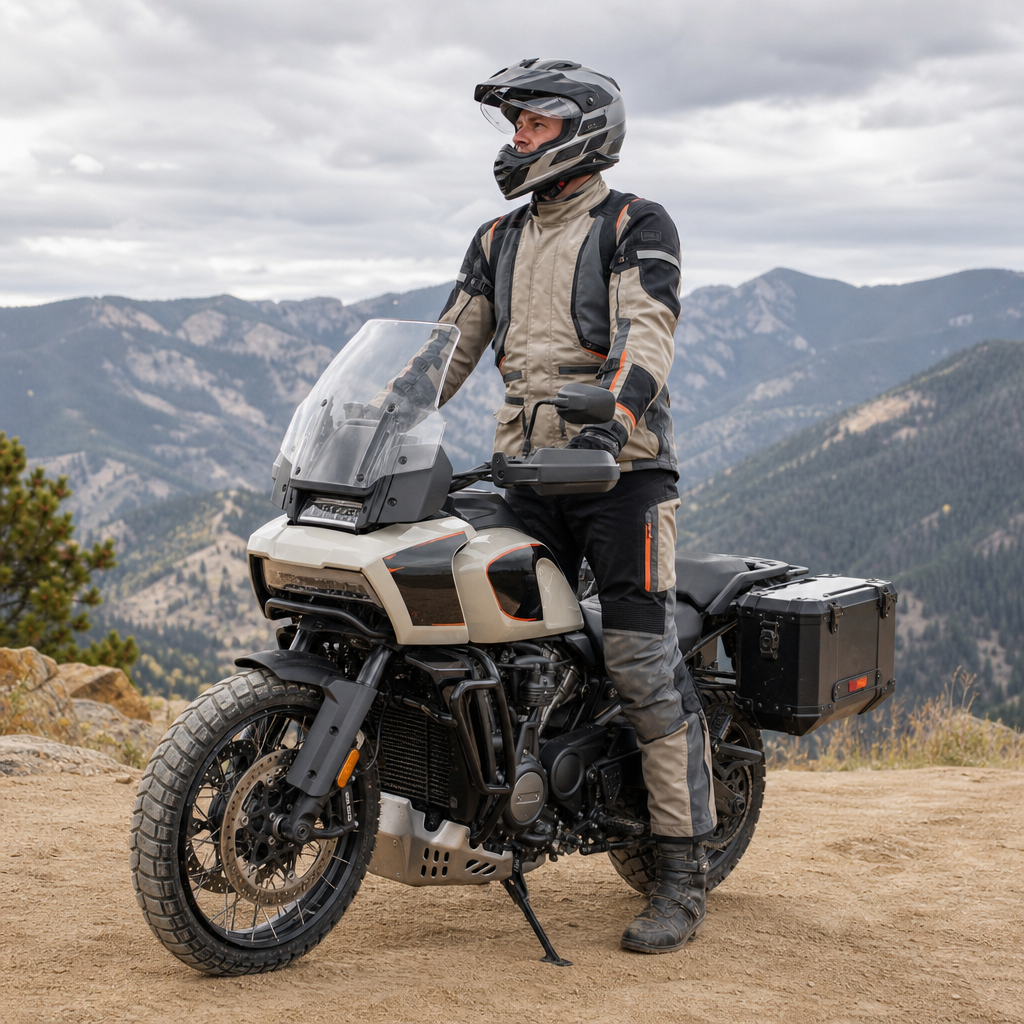
The Heritage Classic 114 tends to perform extremely well because it appeals to multiple types of buyers at once. Some are traditional cruiser buyers who want classic lines, leather-look luggage, and a windshield-equipped Harley with road-trip capability. Others are practical shoppers comparing it with larger touring bikes and deciding they would rather have something lighter, simpler, and less expensive to buy and own. There is also a meaningful group of buyers coming from non-Harley brands who want a recognizable Harley-Davidson experience without jumping straight into the heaviest or most expensive touring segment.
Compared with more specialized models, the Heritage often benefits from faster time to sale because its use case is broad and obvious. A performance-focused cruiser may appeal strongly to a smaller audience. A stripped-down minimalist model may require buyers to imagine adding comfort and luggage. A full touring bike may narrow the audience because of weight, size, and price. The Heritage 114 avoids many of those limitations. It arrives with touring-minded features, classic styling, and enough motor to feel substantial, which keeps it attractive to a larger slice of the used market.
That broad demand base helps listings move. Clean examples with service records, tasteful accessories, and realistic mileage usually generate interest quickly because buyers know they can use the bike in many ways right away. Dealers also tend to value that versatility because it increases showroom traffic and improves the odds of a quick retail turn. So while exact time to sale always depends on season, region, condition, and pricing discipline, the Heritage Classic 114 generally outperforms many niche Harley models in both buyer interest and transaction efficiency.
What factors matter most when pricing a used 2026-era Heritage Classic 114 for resale?
Condition is still the foundation, but in this segment, condition means more than cosmetic cleanliness. Buyers are paying attention to maintenance history, tire age and wear, brake condition, battery health, service intervals, and whether the bike has been cared for by an owner who understood Harley ownership. A spotless bike with vague service history will not inspire the same confidence as a very clean bike backed by records, receipts, and evidence of routine care. In a strong resale segment like the Heritage 114, confidence is often what separates a fast sale from a stale listing.
Mileage matters, but context matters more. Reasonable mileage on a touring-capable Harley is rarely a deal-breaker if the bike presents well and has clearly been maintained. Many buyers would rather purchase a properly ridden and serviced example than a suspiciously low-mileage bike that sat for long periods without attention. Accessories can also influence value, but only when they match buyer expectations. Factory-style upgrades, comfort improvements, quality exhausts, luggage refinements, backrests, and tasteful touring additions can help. Overly personalized cosmetic modifications, extreme audio setups, or parts that move the bike away from its Heritage identity often have less resale benefit than sellers hope.
Regional demand and selling channel also play a major role. Dealer trade-in values will typically be lower than private-party pricing because the dealer needs margin for reconditioning, warranty exposure, and resale risk. Dealer retail asking prices may be higher because they include overhead, financing convenience, and buyer confidence. The strongest pricing strategy is to study comparable bikes in your area, be realistic about seasonality, and position the bike based on actual market behavior rather than emotional attachment. The Heritage Classic 114 rewards disciplined pricing because demand is real, but even a resale king can go stale if the seller aims too far above the market.
What should buyers look for if they want the best value in a used Heritage Classic 114?
Start with originality, maintenance, and overall ownership quality. The best-value examples are not always the cheapest ones. In many cases, they are the bikes that have been thoughtfully maintained, stored properly, and kept close to the formula that makes the Heritage desirable in the first place. Buyers should look for complete service records, signs of regular fluid changes, healthy tires, strong brakes, smooth operation, and a bike that presents as consistently cared for from front to back. These details matter because a well-kept Heritage 114 tends to preserve not only its reliability, but also its future resale strength.
It is also wise to evaluate modifications carefully. Useful upgrades such as a comfortable seat, quality backrest, practical luggage additions, highway bars, or a well-chosen windshield setup can add real ownership value. By contrast, heavily customized examples can be more difficult to resell later, even if the current price looks attractive. One reason the Heritage Classic 114 remains so strong in the used market is that buyers know exactly what they want from it. The further a bike drifts from that expectation, the more likely it is to narrow its own future buyer pool.
Finally, buyers should think beyond the purchase price and focus on total market value. A fairly priced, stock-leaning, documented Heritage Classic 114 from a careful owner often represents a better long-term buy than a cheaper example with missing history or questionable modifications. Because these bikes continue to enjoy strong demand in 2026, buying the right one means you are not just getting a capable and stylish Harley today. You are also buying into a model with proven resale liquidity, which can make ownership less risky and more financially predictable when it is time to sell or trade.