Buying a used 2025 Breakout 117 starts with one reality every Harley shopper learns fast: the bike may look immaculate at ten feet, yet chrome pitting, surface wear, and neglected finish care can reveal far more about ownership quality than the odometer ever will. The 2025 Harley-Davidson Breakout 117 sits in the brand’s premium cruiser lane, with bold long-and-low styling, a Milwaukee-Eight 117 powertrain, and extensive brightwork that turns cosmetic condition into a meaningful buying signal. For used buyers, chrome pitting means tiny corrosion spots that form when moisture, road salts, acidic contaminants, or damaged protective layers attack plated metal. Wear includes scratches, hazing, blueing near heat, boot rub, stone chipping, and polishing damage. These issues matter because finish condition affects value, negotiating leverage, future restoration cost, and sometimes mechanical confidence. In practice, a seller who ignored visible corrosion may also have skipped battery care, brake fluid service, belt inspection, and torque checks. I have inspected used Harleys where flawless paint hid rust blooms under switch housings, around axle hardware, and on exhaust shield edges; once you know where to look, cosmetic clues become a reliable screening tool. This guide focuses on the 2025 Breakout 117, but it also serves as the central used buyer guide framework for Harley-Davidson models across 1990–2043, helping shoppers ask better questions, inspect smarter, and separate normal aging from costly neglect before money changes hands.
The used Harley-Davidson market rewards buyers who inspect methodically rather than emotionally. On a Breakout 117, chrome and polished surfaces are part of the bike’s identity, so finish defects are not minor details. They can indicate storage outdoors, infrequent washing after coastal riding, aggressive metal polish use, or prior parts replacement after a tip-over. Key terms help here. Pitting is crater-like corrosion in plating. Tarnish is dull discoloration without metal loss. Oxidation on aluminum differs from rust on steel beneath compromised chrome. Wear patterns from boots or microfiber scratches may be acceptable if consistent with mileage. The goal is not to find a perfect used motorcycle; it is to determine whether visible wear matches age, use, service history, and asking price. That is why this hub article covers model-specific checkpoints for the 2025 Breakout 117 while setting a repeatable inspection standard for Harley used buyer guides from 1990 through 2043. If you can evaluate brightwork, fasteners, coatings, records, and seller behavior on this bike, you can apply the same logic to Softails, Touring models, Dynas, Sportsters, CVO machines, and future Harley-Davidson platforms.
Why chrome condition matters on a used 2025 Breakout 117
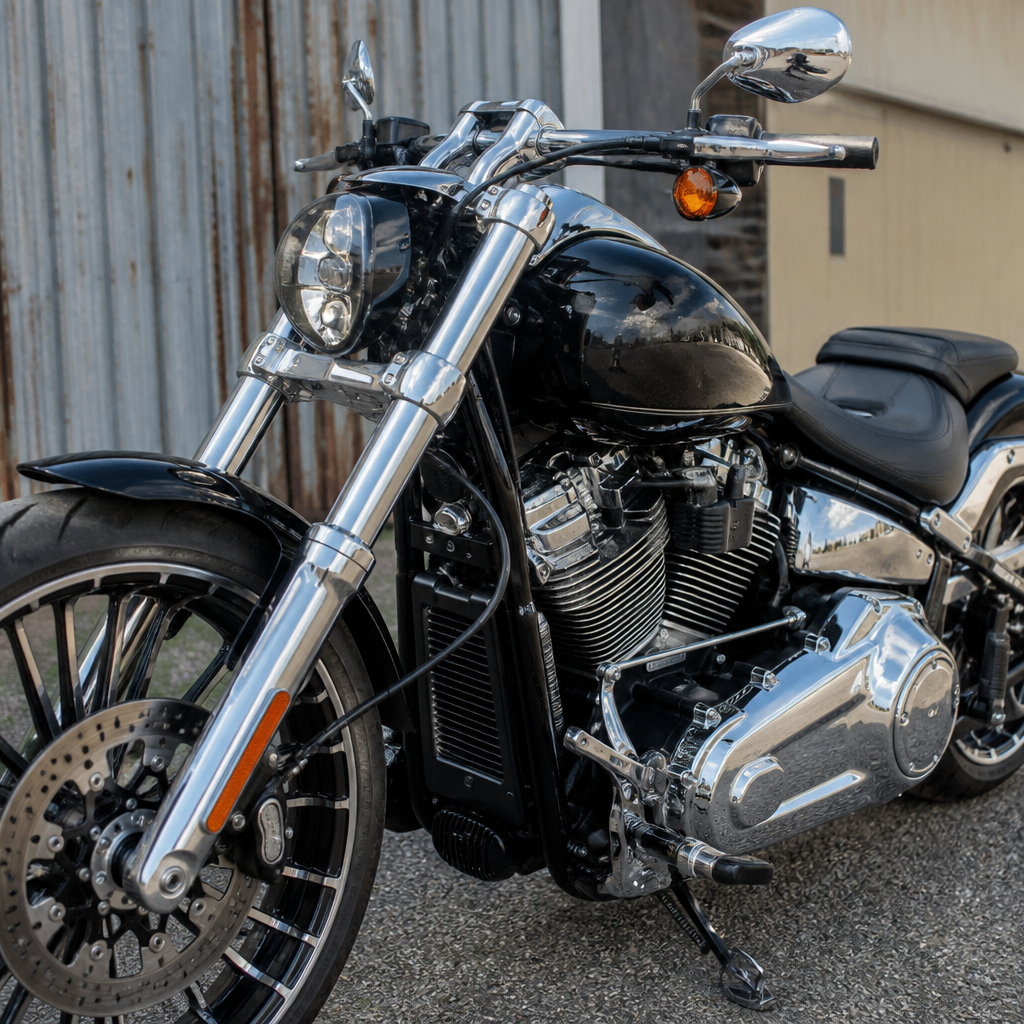
Chrome condition matters because it is both a cosmetic and diagnostic indicator. The Breakout 117 features a strong visual emphasis on exhaust surfaces, fork-area hardware, controls, mirrors, and trim, so corrosion usually appears where exposure, heat cycles, and cleaning habits intersect. On a used motorcycle, widespread pitting rarely develops overnight. It typically reflects repeated moisture exposure, long storage in a damp garage, coastal air, winter road salt, or delayed cleaning after rain. When I inspect Harley cruisers, I treat clustered pitting as a pattern, not an isolated flaw. If the muffler shields, lower fasteners, and mirror stems all show similar corrosion, the bike likely lived a harder life than the seller’s description suggests.
There is also a value dimension. Replacing heavily pitted chrome trim, shields, and hardware can become expensive quickly, especially when genuine Harley-Davidson parts, labor, and availability are considered. Light pitting can often be stabilized, but once plating is breached and corrosion migrates underneath, complete correction usually means replacement, not detailing. Buyers should remember that cosmetic reconditioning does not always raise market value dollar for dollar. A bike priced only slightly below cleaner comparables may become a poor deal if you must replace exhaust shields, bar-end hardware, and fasteners immediately. On the other hand, a well-documented Breakout with minor honest wear and strong maintenance records can be a better purchase than a low-mileage example with hidden finish neglect.
Where to inspect for chrome pitting, discoloration, and wear
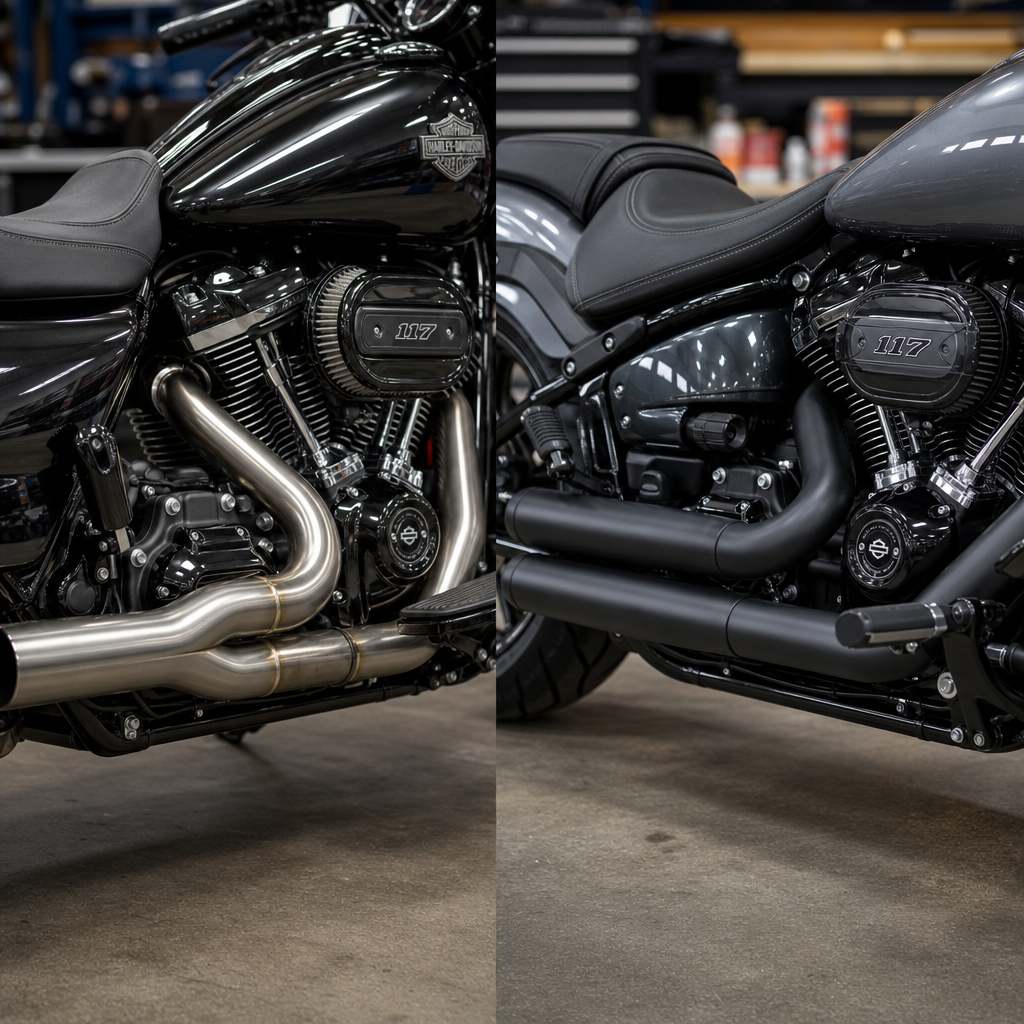
Start your inspection in bright natural light with the motorcycle cold and clean but not freshly dressed with silicone products. Fresh detail spray can temporarily mask light pitting and haze. Look closely at exhaust heat shields first, especially leading edges, clamp areas, underside seams, and sections nearest rider foot position where road debris and boot contact combine. Then move to mirror backs and stems, handlebar clamp hardware, switch housing screws, front axle hardware, fork-area fasteners, rear axle adjuster hardware, license plate bracket fasteners, and any decorative covers. Use your phone flashlight at a low angle; pitting often appears as pepper-like dots that scatter reflected light.
Do not confuse all marks with corrosion. Heat blueing or golding on exhaust components can be normal depending on tuning, riding style, and cleaning history, though extreme discoloration may justify checking fueling modifications and exhaust changes. Fine wash marring looks different from cratered pitting. Aluminum oxidation appears chalky rather than cratered. Stone chips on forward-facing surfaces may be acceptable on a ridden bike. What matters is consistency. A 2025 Breakout 117 with moderate mileage should not show severe corrosion in sheltered locations unless storage conditions were poor. Pay special attention to places sellers assume you will ignore, including the backside of exhaust shields, lower triple-tree hardware, underside bracketry, and bolt heads near the rear fender area.
| Area | What to Look For | What It May Indicate |
|---|---|---|
| Exhaust heat shields | Peppered pits, blueing, polish streaks, clamp corrosion | Moisture exposure, heat cycling, harsh cleaners, coastal storage |
| Mirror stems and backs | Spotting around edges and undersides | Outdoor parking, infrequent drying after washing |
| Axle and adjuster hardware | Rust bloom, flaking plating, tool marks | Neglected cleaning, repeated adjustment, careless service |
| Control fasteners | Corroded screw heads, stripped slots or Torx marks | Poor maintenance habits, amateur accessory installs |
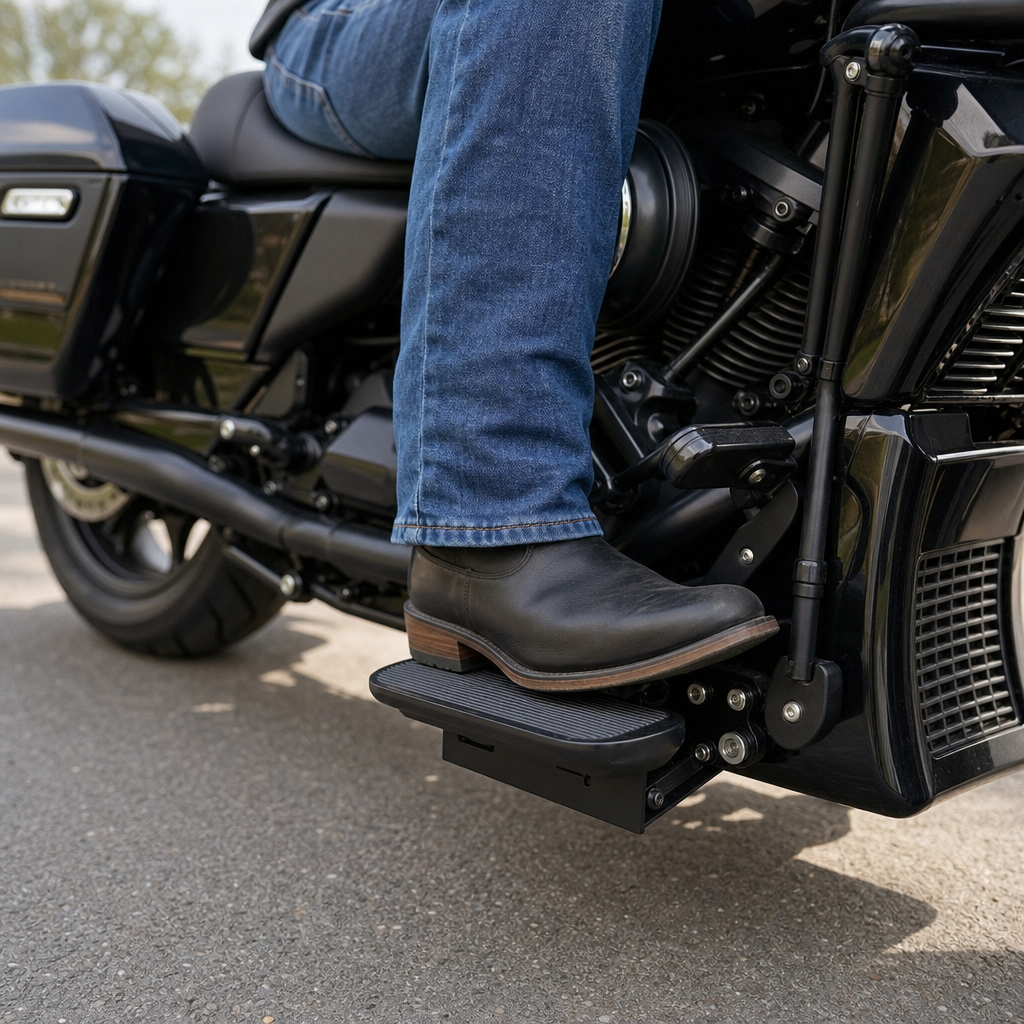
| Foot controls and nearby trim | Boot rub, scratches, missing coating | Normal use, tip-over evidence, aggressive polishing |
How to tell normal wear from neglect or hidden damage
Normal wear on a used 2025 Breakout 117 should match mileage, age, and use case. A bike with several thousand miles may show light boot rub on foot controls, faint exhaust haze, and minor stone marks behind the front wheel. That is not a red flag by itself. Neglect shows up differently. Look for pitting in protected areas, corrosion on multiple unrelated components, and finish failure around edges where trapped moisture sat for long periods. Also look for mismatched parts. One fresh mirror on an otherwise weathered bike may suggest a drop. New heat shields with old clamps can point to prior replacement after corrosion or impact.
Ask the seller exactly how the bike was stored, how often it was washed, whether it was ridden in rain, and what products were used on chrome. Serious owners answer specifically: climate-controlled garage, battery tender, pH-neutral wash, microfiber drying, corrosion inhibitor on hardware. Vague answers like “always babied” or “just detailed regularly” are less useful than receipts and routines. I also compare finish wear to service evidence. If a seller presents complete records from a Harley dealer or respected independent shop, consistent wear becomes easier to accept because the bike was likely cared for mechanically. If there are no records and visible pitting is already present, assume deferred maintenance until proven otherwise.
Mechanical clues that often accompany cosmetic corrosion
Chrome pitting does not cause mechanical failure directly, but bikes showing visible corrosion often reveal neglect elsewhere. Check brake fluid color through reservoirs if visible, inspect rotor surfaces for abnormal scoring or rust after storage, and examine the drive belt for nicks, embedded debris, or edge fraying. Confirm tire date codes and tread wear pattern. On a powerful cruiser like the Breakout 117, rear tire replacement intervals can be short, and an old tire on a low-mileage bike often signals long static storage rather than careful preservation. Static storage can bring battery sulfation, stale fuel, moisture in fluid systems, and hardened seals.
Listen to cold start behavior. A healthy Milwaukee-Eight should start cleanly without extended cranking. During the test ride, check clutch take-up, front and rear brake feel, straight-line tracking, and whether any handlebar vibration or wobble appears during deceleration. Corroded fasteners around controls or accessories can also mean prior owner modifications were not installed carefully. On used Harleys, sloppy wiring for lighting, audio, or charging accessories often hides behind otherwise attractive cosmetic presentation. If the seller focused on superficial shine while allowing pitting to spread in less visible areas, inspect the entire motorcycle with the same skepticism.
Pricing, negotiation, and ownership risk
When chrome pitting is present, price the bike as a rider, not a collector-grade example. Build a parts list before negotiating. Include shields, hardware kits, mirrors, covers, and labor if you will not do the work yourself. Then compare the total to cleaner local listings, auction results, dealer inventory, and price guides such as J.D. Power. Condition-adjusted pricing is more credible than pointing at one imperfect flaw and demanding a dramatic discount. Sellers respond better when you can say, “These shield edges are pitted, the axle hardware is rusting, and the mirror stems are spotted; replacing those items will cost X, so my offer reflects that.”
Be realistic about ownership risk. Light pitting can be a cosmetic annoyance you live with. Deep blistering or flaking chrome can become ongoing deterioration, especially if the bike remains in a humid region. For some buyers, a discounted used Breakout 117 with finish flaws is still worthwhile if the title is clear, service records are complete, and mechanical condition is strong. For others, especially those seeking a premium-cruiser presentation, waiting for a cleaner example is cheaper in the long run. The hub principle for Harley used buyer guides from 1990–2043 is simple: buy the best-maintained motorcycle you can verify, not the shiniest one you can photograph.
Using this guide as a hub for Harley-Davidson used buyer guides, 1990–2043
This article serves as a practical hub for Used Buyer Guides: 1990–2043 because the inspection logic scales across generations. On 1990s Evolution models, you will adapt it toward fastener corrosion, paint age, and rubber deterioration. On Twin Cam-era bikes, add cam chain tensioner history, compensator noise, and heat-related finish issues. On Milwaukee-Eight Softails and Touring models, focus on service records, battery and charging health, software campaigns where applicable, suspension wear, and cosmetic clues around higher-value trim. Future Harley-Davidson models through 2043 will vary in finish materials, electronics, and platform design, but the core used-buying method remains stable: verify condition, confirm records, inspect common failure points, and compare cosmetic wear to seller claims.
For shoppers building a Harley-Davidson research path, use this page as the starting point before drilling into model-specific guides for Softail, Touring, Dyna, Sportster, CVO, and limited-production variants. The key benefit of a hub approach is consistency. When every inspection begins with the same questions about corrosion, storage, maintenance, modifications, and title status, buyers make fewer emotional mistakes. A used 2025 Breakout 117 can be an excellent purchase if chrome pitting is minor, wear is proportionate, and the motorcycle shows evidence of disciplined care. Inspect in daylight, ask direct questions, document flaws, and compare against cleaner examples before you commit. Do that, and you will buy with confidence instead of hope.
Frequently Asked Questions
1. Why does chrome pitting matter so much when buying a used 2025 Harley-Davidson Breakout 117?
Chrome pitting matters because it is rarely just a cosmetic annoyance. On a used 2025 Breakout 117, the condition of the chrome can tell you a great deal about how the motorcycle was stored, cleaned, ridden, and maintained. This model carries a lot of visual impact through its bright finishes, so damage to chrome surfaces often stands out quickly, but more importantly, it can point to prolonged moisture exposure, road salt contamination, coastal air corrosion, or neglect after washing. Small pits usually begin when the protective chrome layer is compromised and corrosion starts underneath. Once that process starts, polishing may improve the appearance temporarily, but it does not truly reverse the damage.
For a buyer, pitting can also be a clue that the previous owner may have overlooked other routine care items. A seller who allowed visible finish damage on a premium Harley may also have delayed cleaning, skipped protective treatments, or been less attentive with storage practices. That does not automatically mean the bike is mechanically unsound, but it does justify a closer inspection. On a Breakout 117, where visual condition strongly affects value, chrome pitting can also become a negotiation point because replacement or refinishing of factory-bright components is not cheap. In short, chrome condition is not just about shine. It is a visible indicator of ownership quality, environmental exposure, and future reconditioning cost.
2. Which areas of a used 2025 Breakout 117 should I inspect most closely for chrome pitting and finish wear?
Start with the parts that take the most exposure to water, debris, heat cycles, and hand contact. On a used Breakout 117, inspect the exhaust surfaces carefully, especially lower sections where road spray accumulates and where heat can bake contaminants into the finish. Look at the muffler bodies, heat shields, clamps, and mounting points from multiple angles in good light. Then move to the front end, including fork covers, headlamp trim, handlebar hardware, mirrors, and any bright trim around the controls. These are high-visibility areas and can reveal tiny pits, clouding, spotting, or early corrosion that a quick wipe-down may hide.
Also pay close attention to wheels, spoke or cast-finish details, axle areas, and any lower hardware that lives closest to the road. If the bike has been ridden in wet conditions and not cleaned promptly, these areas often show wear first. Around the rear of the bike, inspect fender supports, fasteners, belt guard trim, and any chrome or polished metal near the swingarm and rear wheel where grime tends to collect. Do not ignore areas touched often by hands, boots, or cleaning tools. Lever surfaces, bar-end areas, foot controls, and trim pieces can show scratches, dullness, and rubbing from improper washing or abrasive polishing.
Bring a flashlight and do not rely on showroom reflections. Pitting often appears as tiny dark specks, pinprick texture, or haze under the surface. View parts from the side as well as straight on. A seller may polish the bike heavily before listing it, which can mask flaws under overhead light. Looking closely at seams, edges, underside surfaces, and mounting brackets can reveal the true level of finish care much better than the most visible outer panels alone.
3. How can I tell the difference between light surface wear, normal aging, and serious chrome damage?
Light surface wear usually looks like faint swirls, water spots, minor haze, or superficial marks in the top layer caused by routine cleaning and use. On a used 2025 Breakout 117, some mild finish wear may be completely normal depending on mileage, riding conditions, and storage history. If the chrome still feels smooth, reflects evenly, and the marks lessen with proper detailing, you are typically looking at cosmetic wear rather than material failure. This kind of aging is common on rider bikes and may not be a major concern if the overall condition is consistent.
Serious chrome damage looks different. Pitting typically shows up as tiny crater-like marks, dark pinpoints, rough texture, or bubbling that will not polish away. In more advanced cases, you may see flaking, peeling, discoloration around edges, or rust bleeding from seams and hardware. If you run a clean microfiber lightly across the area and it catches on rough spots, that is a warning sign. Also watch for uneven shine between adjacent components. One freshly polished part next to another with peppered corrosion can suggest the seller has tried to improve appearance selectively rather than address the root problem.
Context matters too. A few tiny imperfections on lower hardware may be less concerning than pitting on major visible components or on a nearly new bike being represented as exceptionally cared for. The key is pattern and severity. Is the wear isolated and believable for the bike’s use, or is it widespread and inconsistent with the seller’s story? A 2025 model with extensive pitting on multiple surfaces likely experienced poor storage, corrosive exposure, or neglected cleaning. That should influence both your confidence in the bike and the price you are willing to pay.
4. What questions should I ask the seller if I notice chrome pitting or unusual wear on the Breakout 117?
Ask direct but practical questions about storage, cleaning habits, environment, and riding use. Start with where the bike was kept. Was it stored indoors, under a breathable cover, in a climate-controlled garage, or outdoors for any period of time? Moisture trapped under non-breathable covers or frequent exposure to humid, salty, or rainy environments can accelerate pitting even on newer motorcycles. Then ask how often the bike was washed and what products were used. Harsh cleaners, neglect after washing, and failure to dry brightwork properly can all shorten the life of the finish.
It is also smart to ask whether the bike was ridden near the coast, on winter roads, or in areas where de-icing chemicals are common. Even if the seller says the bike was never ridden in bad weather, inspect the condition to see whether that claim matches reality. Ask whether any chrome parts have been replaced, refinished, or machine-polished. Replacement is not necessarily bad, but you want to know if visible pieces are original and whether there was prior corrosion or cosmetic repair. Service records, detailing receipts, or photos from earlier ownership periods can help confirm the story.
Finally, ask how long the seller has owned the motorcycle and why it is being sold. A short ownership period combined with visible finish issues can justify more scrutiny. The goal is not to interrogate the seller but to build a clear picture of the bike’s life. Good sellers usually answer confidently and consistently. Vague responses, defensive reactions, or claims that obvious pitting is “just dirt” should make you slow down and inspect even more carefully. On a premium cruiser like the Breakout 117, transparency about cosmetic condition is part of a trustworthy sale.
5. If I find chrome pitting on a used 2025 Breakout 117, should I walk away or use it to negotiate?
That depends on how extensive the damage is, where it appears, and whether the rest of the motorcycle supports confidence in the purchase. Minor isolated pitting on lower hardware or less visible areas does not always mean you should walk away. If the bike is mechanically sound, priced correctly, and otherwise shows strong care, small cosmetic flaws may simply become a negotiation point. In that case, estimate the likely cost of correction, whether through detailing, part replacement, or living with the flaw, and factor that into your offer. On a used Breakout 117, appearance has a strong effect on value, so even modest finish damage can justify a lower price.
If the pitting is widespread across major visible chrome surfaces, however, the issue becomes more serious. Extensive corrosion on exhaust components, front-end trim, wheels, or multiple bright parts can be expensive to address and may indicate a larger pattern of neglect. When a seller asks premium money for a motorcycle with obvious finish deterioration, it is reasonable to either negotiate aggressively or move on. Remember that cosmetic restoration on Harley brightwork can add up quickly, especially if you want the bike to look as sharp as the model is designed to look.
The best approach is to separate emotional appeal from purchase discipline. The Breakout 117 is a striking bike, and it is easy to focus on the overall stance and presence. But a smart used-bike buyer treats chrome condition as part of the value equation, not as an afterthought. If the flaws are manageable and the price reflects them, the bike may still be worth buying. If the cosmetic condition raises doubts about overall care, or if the seller minimizes clear problems, walking away is often the better decision. There will always be another bike, but correcting someone else’s neglect is usually more expensive than waiting for a better example.