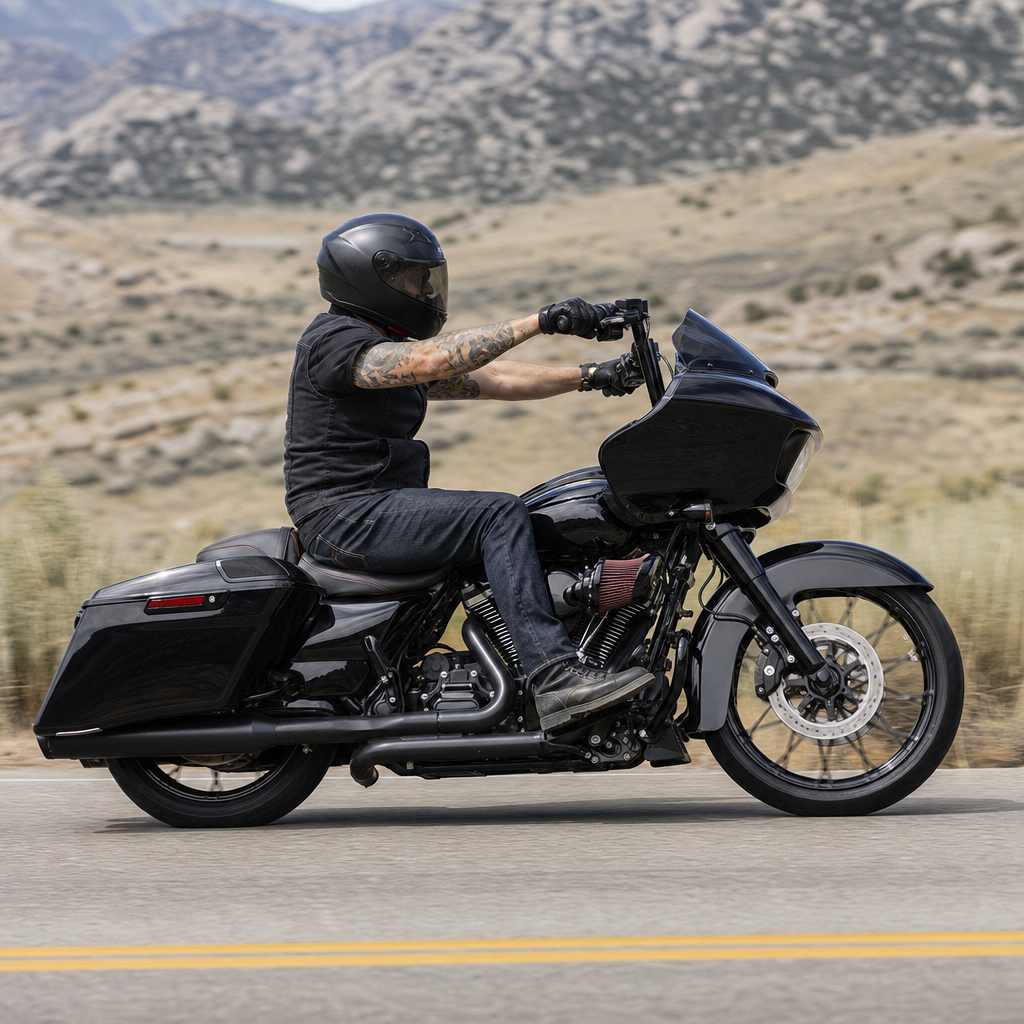
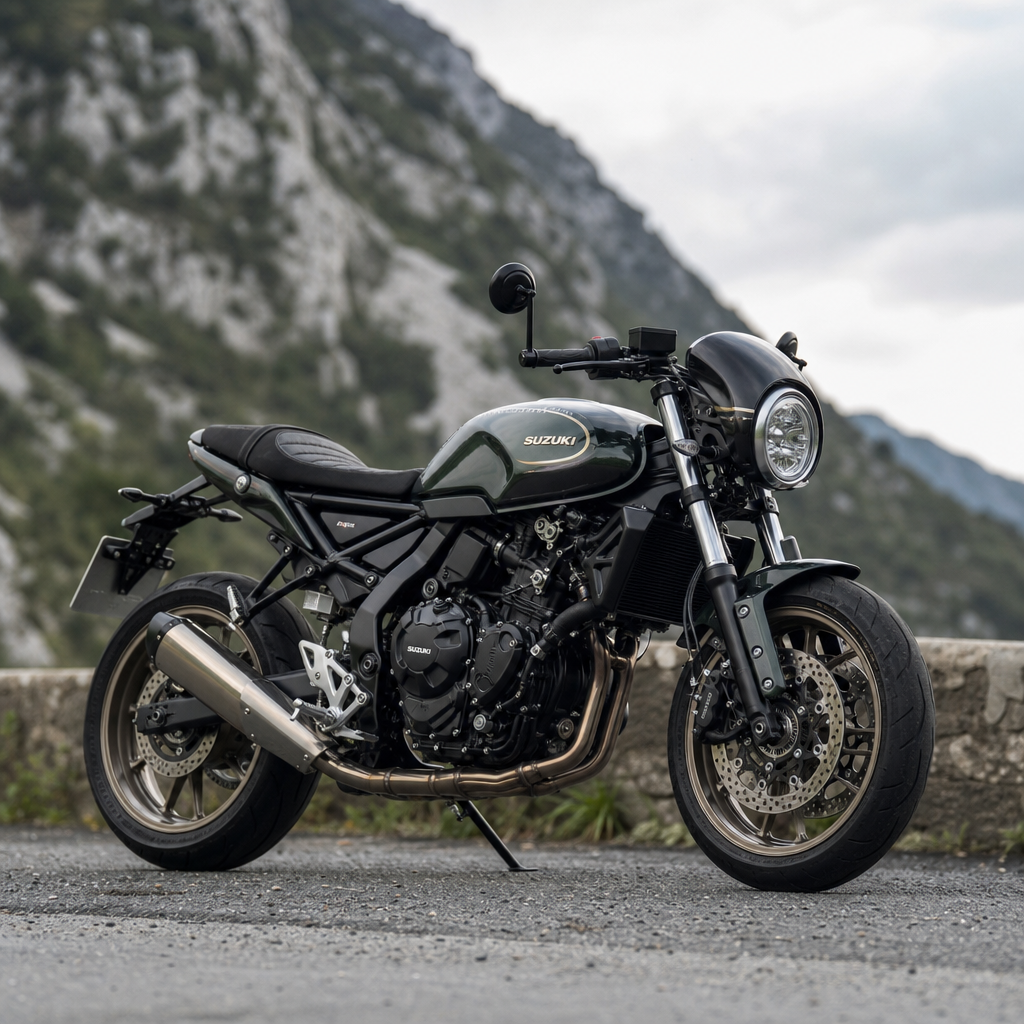
The 2026 Handbuilt Motorcycle Show: Austin’s Support Paddock Preview is the practical starting point for riders, builders, vendors, and travelers planning a spring trip built around one of America’s most distinctive custom motorcycle gatherings. In the rally world, a support paddock is the working layer around the headline event: transport staging, hotel strategy, trailer parking, fuel access, service support, route planning, rider meetups, and the calendar decisions that determine whether a trip feels smooth or chaotic. Handbuilt has earned its reputation through craftsmanship, brand activations, live builds, art direction, and a crowd that mixes local enthusiasts with long-distance travelers. For anyone mapping a season on the road, this Austin stop matters because it sits at the intersection of show culture, riding weather, airport access, central Texas day routes, and a dense calendar of nearby moto activity.
When I plan travel around a motorcycle show, I treat the event itself as only one line item. The larger job is logistics. That means identifying primary dates, likely peak arrival windows, parking constraints, weather patterns, gear requirements, and backup plans for breakdowns or sold-out lodging. A rally calendar is more than a list of dates; it is a sequencing tool that helps riders combine events, avoid regional conflicts, and manage costs. Austin is especially useful for that kind of planning because it is reachable by interstate, served by a major airport, connected to Hill Country roads, and supported by a strong network of independent shops, dealers, and hospitality options. That combination makes Handbuilt a natural hub page for the broader subject of rally calendars and logistics.
For this preview, the core question is simple: how should a traveler organize an Austin Handbuilt trip in 2026 so the support side is handled before the first engine starts? The answer begins with definitions. Rally calendars track timing, overlap, and routing between events. Logistics covers lodging, transportation, registration, bike prep, luggage, parking, and contingency planning. Support paddock, in this context, means the collection of practical systems that keep attendees moving: where tow vehicles go, where riders refuel, how exhibitors unload, how visitors move between hotel, venue, and after-hours meetups, and what local resources matter if plans change. Get those pieces right and the show becomes larger than a weekend; it becomes an anchor point for a high-value road trip.
Austin also deserves attention because event travel there carries specific tradeoffs. Demand can spike quickly around major festivals, races, university weekends, and conventions. Rates in central neighborhoods can jump, rideshare pricing can surge, and venue access can become slower than first-time visitors expect. On the positive side, the city offers unusual flexibility. Travelers can stay urban and walkable, choose airport-adjacent efficiency, or base farther out and ride in. That spread makes Austin ideal for a logistics-focused article, especially one meant to guide readers into related pages on route planning, shipping, packing, and event scheduling across the wider travel category.
Why Handbuilt Fits the Rally Calendar Better Than a Typical Show
Handbuilt is not simply a static exhibition where attendees circulate under convention lighting and leave. It behaves more like a hybrid between a custom culture showcase, a regional riding magnet, and a destination weekend. That matters for calendar planning because hybrid events attract multiple audiences with different needs. Local day visitors optimize for parking and timed entry. Fly-in attendees need airport transfers, hotel density, and rental strategy. Riders coming from Dallas, Houston, San Antonio, Oklahoma, Louisiana, or New Mexico need route timing, weather windows, secure overnight storage, and realistic arrival buffers. Builders and brands need load-in discipline, crate timing, staffing plans, and local support contacts.
In practice, this means the Handbuilt weekend should be blocked on a calendar as a three-layer commitment. First is the public event window. Second is the travel envelope, usually one day before and one day after at minimum. Third is the optional riding envelope, which often includes Hill Country loops, shop visits, and meetups. Many travelers under-budget that third layer, then discover Austin rewards an extra day. If your goal is to maximize value, the strongest strategy is to build an itinerary that includes the show, one structured ride day, and one flexible buffer period for weather or mechanical issues. That approach consistently reduces stress and improves attendance at side events.
Another reason Handbuilt matters inside a rally calendar is its geographic role. Austin can function as a central checkpoint in a broader southern circuit. Riders may pair it with Texas Hill Country weekend runs, MotoGP-related travel to Circuit of The Americas in another season, regional swap meets, or spring movement toward New Mexico and the Southwest. For content architecture, that makes this page a hub: readers interested in Handbuilt are also likely to need connected guidance on booking windows, trailer routing, fuel planning, event packing lists, and regional weather patterns.
Key 2026 Planning Variables: Dates, Demand, and Decision Points
The first planning variable is the confirmed event date, and until organizers publish the official 2026 schedule, smart travelers should work from a watchlist rather than assumptions. In my own event planning workflow, I set three checkpoints: organizer announcement, lodging trigger date, and transport lock date. The announcement confirms the weekend. The lodging trigger is the day you book cancellable rooms near your preferred zone. The transport lock is when flights, bike shipping, trailer reservations, or rental vehicles move from tentative to paid. Separating those decisions prevents rushed spending and keeps options open if the schedule shifts.
The second variable is demand compression. Austin pricing is heavily influenced by concurrent events. A motorcycle show weekend can be manageable in isolation, then expensive if it overlaps with major music dates, university events, or downtown conventions. Use Google Hotels, Hopper, or Kayak Price Alerts to monitor movement, but also cross-check direct hotel sites because event weekends often create inventory differences between aggregators and house reservations. I have repeatedly seen downtown rates climb first, then airport and suburban inventory tighten later, which means late bookers often end up paying more for less convenient locations.
The third variable is arrival timing. Riders towing in should target daylight arrival, especially if unloading at a hotel with limited parking geometry. Fly-in visitors should avoid assuming that landing close to the venue equals quick arrival at the hotel; Austin-Bergstrom can move efficiently, but baggage, rental counters, and rideshare staging still add time. If you plan to attend opening-day programming, arrive the previous evening. If you are transporting a show bike or vending inventory, arrive early enough to absorb at least one disruption without missing load-in.
| Planning Item | Best Timing | Why It Matters |
|---|---|---|
| Track official 2026 dates | Immediately, then weekly checks | Prevents booking against rumors or prior-year assumptions |
| Reserve cancellable lodging | Within days of date confirmation | Protects against Austin rate spikes and low inventory |
| Book flights or trailer rental | 6 to 10 weeks out for domestic travel | Balances price, availability, and schedule flexibility |
| Prepare bike service | 2 to 3 weeks out | Leaves time for parts delays or test rides after repairs |
| Build weather backup plan | 1 week out and again 48 hours out | Spring conditions can alter ride routes and packing needs |
Where to Stay, How to Move, and What to Budget in Austin
For most attendees, lodging choice determines the entire feel of the weekend. Downtown and close-in districts favor nightlife, walkability, and short rideshares, but they come with higher daily rates, parking fees, and more congestion. Airport-area hotels usually offer better value, easier vehicle access, and faster exits for early departures, though they trade away atmosphere. North or south corridor properties can work well for truck-and-trailer travelers because surface parking is more common, but commute times become less predictable during event-heavy weekends. If you are bringing a custom bike, secure parking matters more than boutique amenities. I would rather have visible, controlled parking and a simpler room than valet uncertainty and no trailer plan.
Budgeting should be done in categories, not guesses. Build a sheet with lodging, parking, fuel, food, event tickets, bike prep, emergency repair reserve, and local transportation. That last line gets overlooked. A city weekend can add repeated short trips between hotel, venue, restaurants, and after-hours gatherings. If you are not riding every leg, those costs stack quickly. Riders often focus on fuel and forget parking fees, while fly-in visitors underestimate rideshare surge periods. A realistic Austin event budget usually includes a contingency reserve of at least 15 percent for schedule changes, weather gear purchases, or unplanned service needs.
Movement strategy depends on your travel mode. Riders should confirm venue parking rules, nearby fuel stations, and whether helmets can be stored conveniently. Drivers with enclosed trailers need to ask hotels about length restrictions in writing. Exhibitors should map the last mile from interstate exit to venue, including turning space, gate timing, and unloading sequence. If you are traveling with friends, assign one person to own reservations, one to manage route files, and one to keep service contacts. That simple division prevents the common problem where everyone assumes someone else handled the critical details.
Bike Prep, Packing, and Support Paddock Readiness
The most common failure in motorcycle event travel is not a major mechanical catastrophe; it is small neglected maintenance that turns into lost time. Before a trip like Handbuilt, I check tire age and pressure, chain or final drive condition, brake pad thickness, battery health, fluid leaks, lights, and fasteners on luggage systems. If the route includes Hill Country roads after the show, tire condition matters even more because spring pavement temperature changes can expose weak setups. Use the owner’s service intervals as a baseline, but do not ignore actual wear simply because the mileage looks acceptable on paper.
Packing should match the trip structure. For a one-bag hotel stay, prioritize layered riding gear, compact rain protection, chargers, earplugs, a basic tool roll, a puncture kit, and a battery jump solution if your platform supports it. Builders and exhibitors need a separate inventory mindset: tie-downs, wheel chocks, soft straps, microfiber cloths, spare hardware, zip ties, painter’s tape, and a simple cleaning kit. Document the bike before loading. Photos of bodywork, controls, and tie-down placement help with insurance questions and speed reassembly if something shifts in transit.
The support paddock mindset also includes local backup. Before departure, save contacts for at least one independent motorcycle shop, one dealer relevant to your brand, one towing provider, and your insurer’s roadside assistance number. In Austin, strong local motorcycle culture is an advantage, but event weekends increase demand. Calling for help is easier when you already know who you intend to call. If you are traveling in a group, standardize communication. Shared location links, a designated morning departure time, and a simple fuel-stop rule prevent fragmented arrivals and unnecessary stress.
Extending the Trip: Hill Country Routes, Side Stops, and Smart Sequencing
The strongest argument for treating Handbuilt as a rally logistics hub is what surrounds it. Austin gives riders access to some of the most attractive short-format riding in Texas, especially toward the Hill Country. Depending on weather, traffic, and current road conditions, travelers often build half-day or full-day loops that include scenic ranch roads, small-town coffee stops, barbecue destinations, and river crossings. The key is not to overbuild the route. A realistic event weekend ride should leave margin for late starts, social stops, and fatigue. Eight ambitious map hours can turn into eleven very quickly once fuel, photos, and meal lines are included.
Sequencing matters. My preferred format is arrival evening, show day, ride day, departure morning. That order lets you enjoy the main event without worrying about returning dusty, tired, or late from a long route. It also gives you a full day after the show to follow up on contacts, visit shops, or photograph the bike in better light. Travelers trying to compress everything into one day usually see less, rush more, and spend more on last-minute fixes. If you are flying in and renting, prioritize a realistic radius over maximum mileage. Time at the event has value; do not cannibalize it with overambitious travel plans.
For readers using this page as a hub, the next practical topics are obvious: regional route guides, motorcycle shipping advice, event packing systems, and weather-based scheduling. Austin is where those pieces come together. A successful Handbuilt trip depends on aligning calendar awareness with transport planning and then leaving enough room for the kind of discovery that makes motorcycle travel memorable. Start your 2026 plan now: track the official dates, book flexible lodging early, prep the bike properly, and build an itinerary that supports the ride as much as the show.
Frequently Asked Questions
What does “Support Paddock” mean in the context of the 2026 Handbuilt Motorcycle Show in Austin?
In this context, the “support paddock” is the practical ecosystem that surrounds the Handbuilt Motorcycle Show rather than the display floor itself. It includes the logistics, timing, and rider infrastructure that make the trip work: where people stage trucks and trailers, how they choose hotels, where they fuel up, what service resources are nearby, which routes make sense for arriving riders, and how meetups, vendor schedules, and local traffic patterns affect the overall experience. For builders and exhibitors, the support paddock mindset starts with transport coordination, unloading plans, security, weather considerations, and backup tools or supplies. For riders, it usually means planning arrival windows, choosing lodging that balances cost with access, identifying safe overnight parking, and building a realistic daily schedule around Austin spring traffic and event density.
That is why a support paddock preview matters. A major custom motorcycle gathering is never just about what happens inside the show footprint. The real success of the weekend often depends on all the decisions made before the gates open: whether your hotel is close enough to avoid losing hours in traffic, whether your trailer setup is manageable in urban parking environments, whether your group has a meeting point, and whether you know where to find fuel, food, and emergency mechanical help. In other words, the support paddock is the operational layer of the event, and understanding it helps visitors turn a good trip into a smooth one.
When should riders, builders, and out-of-town attendees start planning for the 2026 Handbuilt Motorcycle Show?
The smart answer is: earlier than you think. For a spring motorcycle event in Austin with national visibility, serious planning should begin months in advance, especially for anyone traveling with a trailer, exhibiting a bike, or trying to coordinate a group ride. Lodging is usually the first pressure point. Hotels with convenient parking, easy venue access, and reasonable rates tend to narrow quickly once dates are firm and related events begin filling the city calendar. If you are flying in, shipping parts, or arranging a multi-stop Texas ride around the show, locking the framework early gives you more options and usually lowers cost.
Builders and vendors should start even sooner because their planning is not just about attendance; it is about execution. That means confirming transport schedules, checking load-in procedures, preparing tie-downs and protective materials, verifying insurance details if applicable, and making a contingency plan for weather, delays, or last-minute repairs. Riders coming from outside Texas should also build in buffer time. Austin spring weekends can be busy, and a plan that looks easy on paper can become stressful if traffic, storms, or accommodation changes compress your schedule. A strong planning timeline typically covers lodging, route mapping, parking strategy, fuel stops, and a communication plan for anyone traveling in a group.
If your goal is to enjoy the event rather than scramble through it, treat the show weekend like a small expedition. Early planning does not need to mean overcomplication. It simply means deciding the essentials in the right order: dates, stay location, vehicle setup, parking expectations, service backup, and ride routes. Once those pieces are in place, the rest of the trip becomes much easier to manage.
What are the most important lodging and parking considerations for attendees bringing motorcycles, trucks, or trailers?
The most important consideration is matching your lodging choice to the way you are actually traveling. A solo rider on one bike has very different needs from a builder towing a trailer or a group arriving in multiple support vehicles. If you are trailering motorcycles, prioritize hotels or rentals that clearly accommodate larger vehicles, offer straightforward access in and out, and do not create stress with tight urban parking lots, low-clearance entries, or vague overnight parking rules. Always confirm directly with the property rather than assuming online listings tell the full story. A “parking available” note does not automatically mean there is practical space for trailers, vans with bikes inside, or repeated loading and unloading.
Security is the second major factor. Look for well-lit parking, camera coverage, visible front-desk activity, and room placement that allows you to keep an eye on your vehicle when possible. If you are traveling with a high-value custom motorcycle, tools, riding gear, or spare parts, think beyond convenience and focus on risk reduction. That can include using additional locks, keeping removable gear out of sight, covering motorcycles, and choosing properties with reputations for hosting travelers rather than only maximizing room count. Some attendees prefer staying slightly outside the most congested zones if it means easier parking, lower cost, and less exposure to downtown bottlenecks.
Finally, think in terms of movement, not just overnight storage. You want a base camp that makes morning departures simple, evening returns manageable, and daily errands efficient. That means considering fuel station proximity, food options, freeway access, and whether the route to the venue will become frustrating during peak arrival times. A good lodging strategy supports the weekend; a bad one drains time and energy every day.
How should attendees prepare for fuel, mechanical support, and route planning during the show weekend?
Start with the assumption that convenience matters more than improvisation. Even experienced riders can lose valuable time during a busy event weekend if they rely on finding fuel, service, or alternate routes at the last minute. Before arriving in Austin, identify likely fuel stops near your lodging, near the venue area, and along your inbound and outbound routes. If you are traveling with older customs, performance builds, or bikes with short tank range, this step is especially important. Spring traffic, stop-and-go riding, and detours can change fuel consumption enough to matter.
Mechanical support planning should be practical and realistic. Bring the basics you are most likely to need: tire pressure gauge, compact tool roll, charging leads, zip ties, tape, chain care items if relevant, and any model-specific parts or fasteners you know can be trouble spots. For custom builds, carry what nobody else is likely to have. It is also wise to identify nearby shops, mobile service contacts if available, and towing options before the weekend gets busy. If your bike is highly specialized, do not assume local support can source unusual components on short notice.
Route planning should include more than the fastest GPS line. Build at least two approaches to the venue and one fallback route back to your lodging. Austin event traffic can change quickly, and weather can make a scenic route less attractive than a simple, direct one. Group riders should decide in advance where to meet, how long to wait, who leads, and what happens if someone gets separated. That kind of discipline prevents confusion and keeps the ride portion of the trip enjoyable rather than chaotic. The best support paddock planning is not glamorous, but it is what gives riders freedom once the weekend is underway.
Can the Handbuilt Motorcycle Show weekend be part of a larger Texas ride or motorcycle travel itinerary?
Absolutely, and for many attendees that is one of the best ways to experience it. The Handbuilt Motorcycle Show is strong enough to serve as the centerpiece of a broader spring trip, whether that means a long weekend loop through Central Texas or a multi-day journey that includes Hill Country riding, city stops, builder visits, and meetups with friends coming from other regions. The key is to plan the show as an anchor date, not as an afterthought. Once you know when you need to be in Austin, you can shape the rest of the trip around weather, road quality, daily mileage, and the kind of riding you actually enjoy.
For touring riders, this means balancing event energy with recovery time. A packed city schedule followed by long miles the next morning can be more tiring than expected, especially if you are also handling parking, social plans, and late-night logistics. Builders and vendors using the trip for both business and recreation should be even more realistic. If the motorcycle show is tied to setup duties, breakdown schedules, or client meetings, your travel loop should leave room for those obligations rather than assuming every day will feel like open-road touring. Strong itineraries have margin built in.
The advantage of using the event as a launch point is that it naturally gathers riders, ideas, and momentum in one place. You can arrive early, connect with other travelers, compare routes, and use Austin as the decision hub for what comes next. Whether you continue west, explore the Hill Country, or head home after a concentrated weekend, the support paddock approach helps ensure the trip is more than just attendance. It becomes a well-structured motorcycle journey with the Handbuilt show at its center.