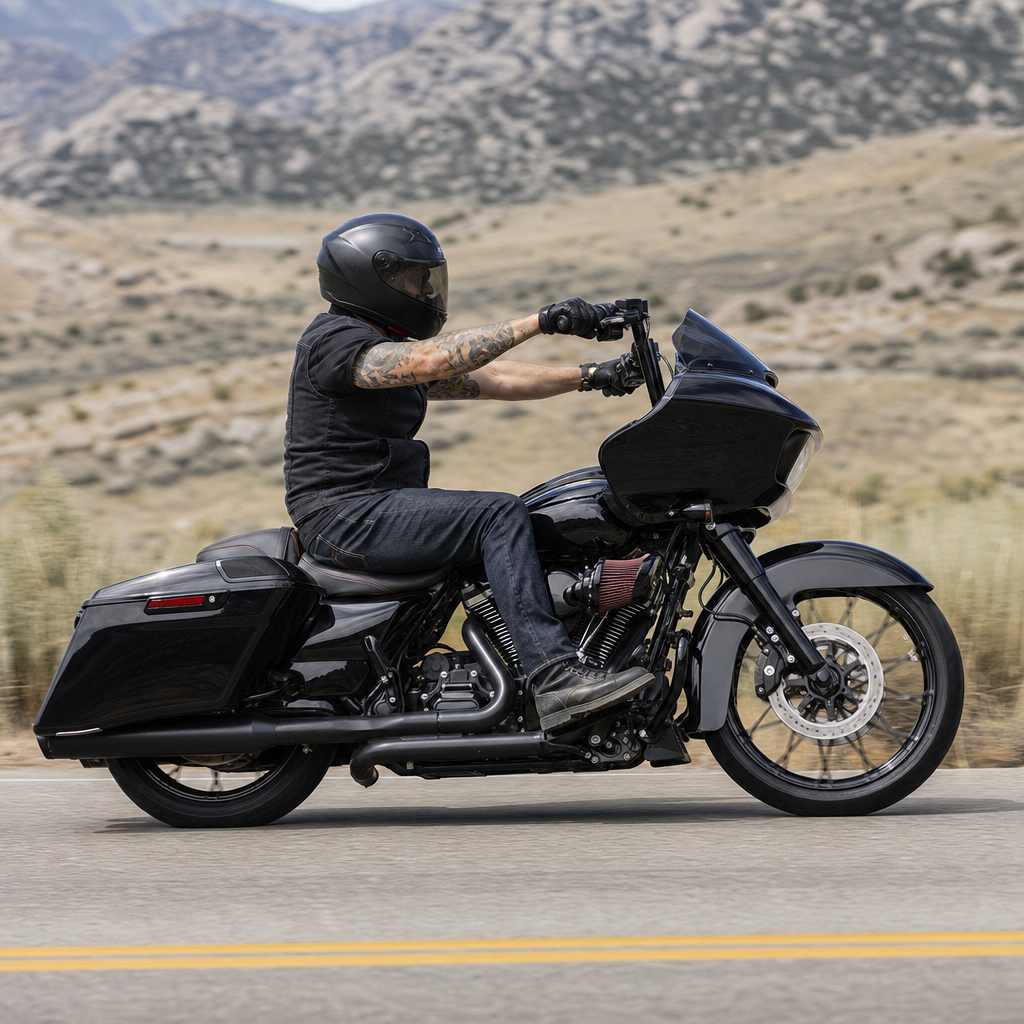
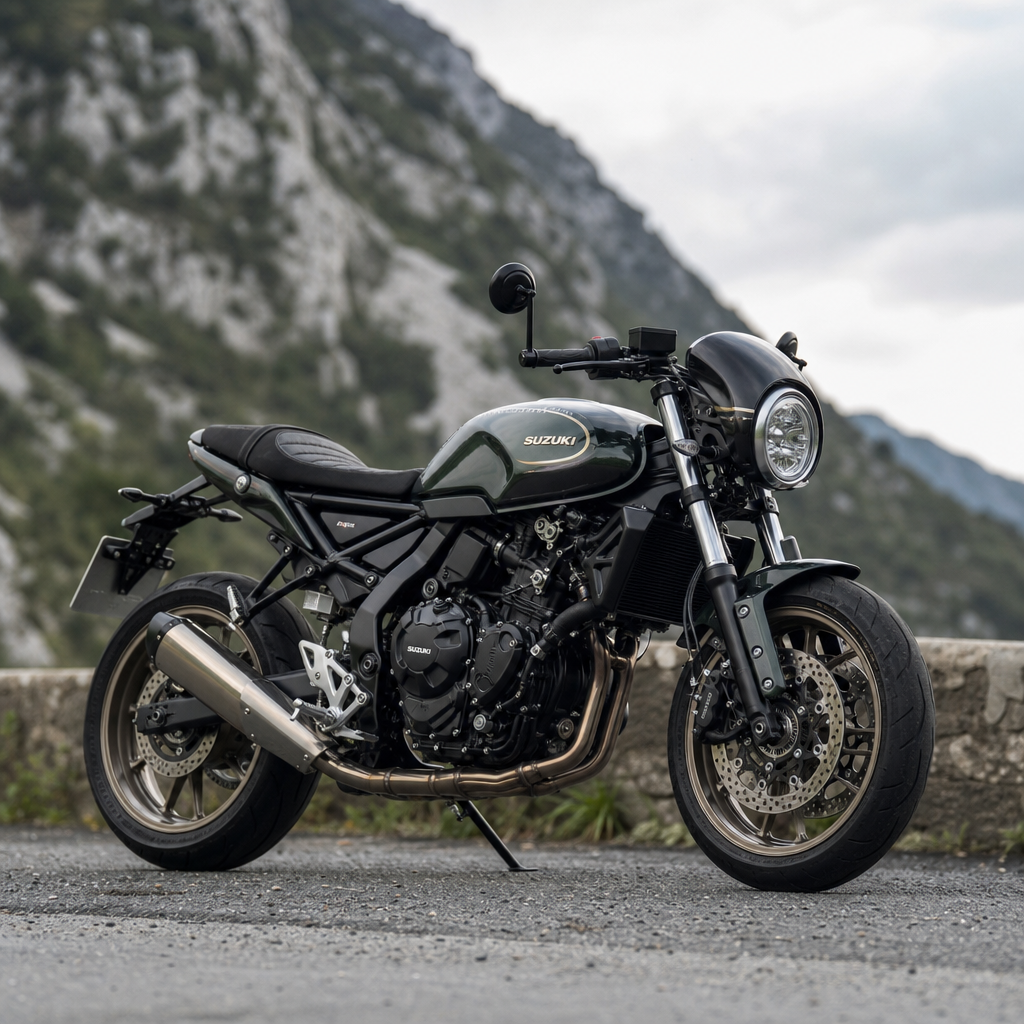
The Sturgis “Spirit of the Chip” Awards spotlight the builders, fabricators, and custom-bike shops that define rally culture, and the 2026 builder highlights matter because they shape travel demand, event planning, lodging patterns, and on-the-ground logistics across the wider Sturgis Motorcycle Rally calendar. For riders, vendors, media teams, and tour planners, this awards program is more than a custom motorcycle showcase; it is a scheduling signal, a route-planning driver, and a reliable anchor for deciding when to arrive in the Black Hills, where to stay, and which rally-week events deserve priority.
Within rally calendars and logistics, “hub” means a page that ties together dates, venues, transportation options, parking strategy, registration timing, support services, and nearby attractions into one practical guide. That framing fits the “Spirit of the Chip” Awards especially well. In my experience covering rally operations and event movement patterns, custom-build competitions consistently create secondary demand around reveal times, vendor traffic, photo shoots, demo rides, and award-night crowd surges. Builders draw not only enthusiasts but also parts suppliers, content creators, and shop owners looking for trends they can take home.
The Buffalo Chip has long occupied a central place in the Sturgis ecosystem, pairing headline concerts with bike shows, camping, and destination-level entertainment. The “Spirit of the Chip” Awards sit inside that larger machine, rewarding motorcycles that capture originality, craftsmanship, rideability, and visual impact. While categories and judging details can evolve year to year, the event’s practical importance remains consistent: it helps attendees decide which days of rally week will be busiest, which afternoons require earlier arrival, and how to connect a bike-show stop with concerts, scenic rides, vendor visits, and campground commitments.
This article serves as the hub for rally calendars and logistics under The Open Road. It covers what the awards are, why 2026 builder highlights deserve attention, how builders influence rally flow, what to expect when mapping an itinerary, and how to prepare for transportation, parking, lodging, and timing. If you want to make smart choices around the Sturgis schedule, avoid avoidable delays, and understand why one custom-bike event can reshape an entire rally day, this guide gives you the framework.
What the “Spirit of the Chip” Awards Mean in the Sturgis Rally Calendar
The “Spirit of the Chip” Awards are best understood as a high-visibility custom motorcycle recognition program embedded in one of the rally’s busiest venues. That placement matters. During Sturgis week, not all events carry equal weight in traffic generation. Some are destination rides, some are nightlife draws, and some are static displays. Builder awards combine all three patterns. They attract people who want to inspect motorcycles up close, photograph details, meet builders, and then stay onsite for concerts or campground nightlife.
From a logistics perspective, that means this awards event should be treated as a primary calendar block rather than an optional add-on. Travelers often underestimate dwell time at build showcases. A visitor may plan for one hour and spend three, especially when multiple high-profile shops are present and each bike has fabrication stories worth hearing. In prior rally planning cycles, I have seen custom-bike displays create spillover demand into food lines, shuttle routes, and evening departure windows because attendees cluster before judging and linger after awards are announced.
For 2026, expect the builder highlights to influence media attention across the rally’s first and middle phases. Major builds often circulate on social platforms before the event, which increases same-day turnout once bikes are on the grounds. That pattern affects everything from campground check-in timing to the availability of premium parking near key entrances. If your Sturgis plan includes both scenic riding and onsite event attendance, place the awards on your itinerary early and work surrounding activities around it, not the other way around.
2026 Builder Highlights: What to Watch For
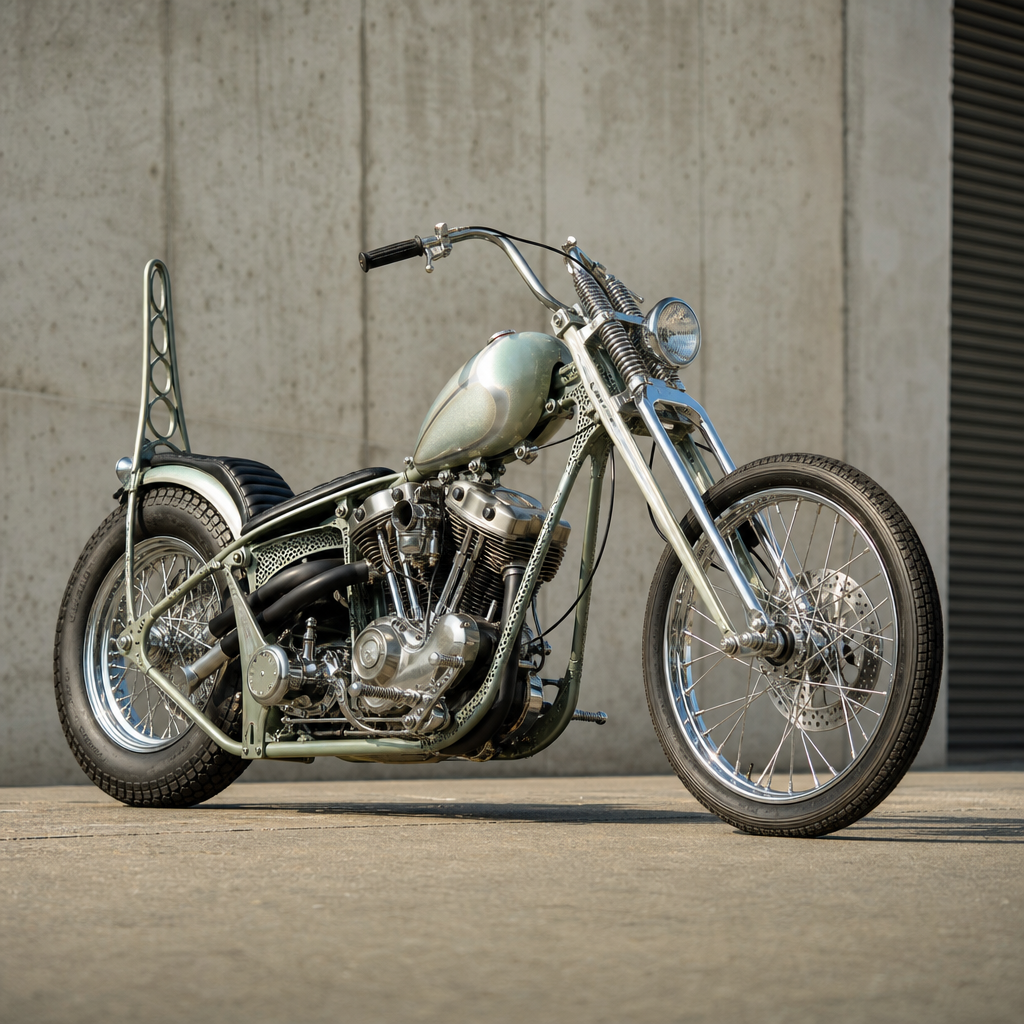
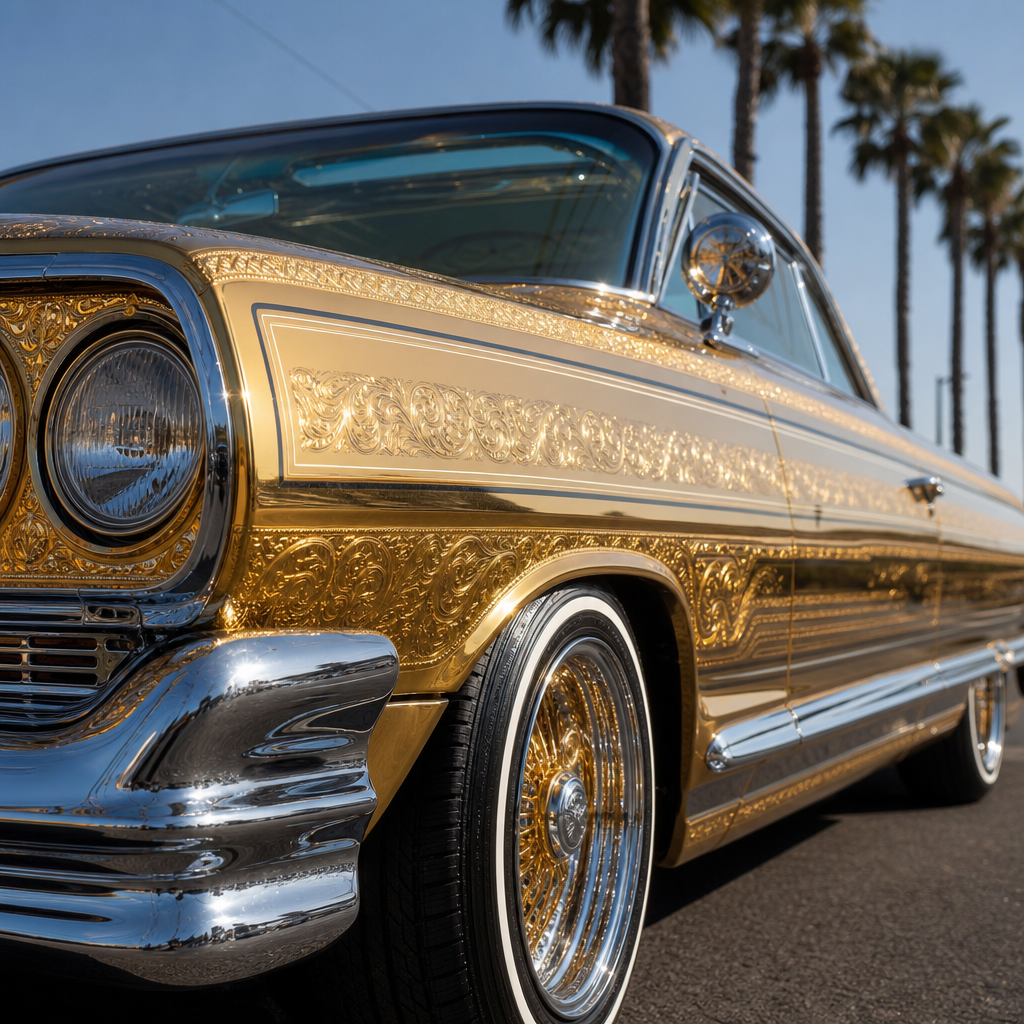
The strongest builder highlights usually reflect wider currents in custom motorcycle design. For 2026, expect attention around performance baggers, refined club-style builds, heritage-inspired choppers with modern reliability upgrades, and paintwork that balances hand-crafted artistry with sponsor-friendly visibility. Builders who stand out tend to do more than create a beautiful silhouette. They solve packaging problems, improve stance without destroying usability, and finish the machine to a level that survives close inspection under daylight, stage lighting, and cameras.
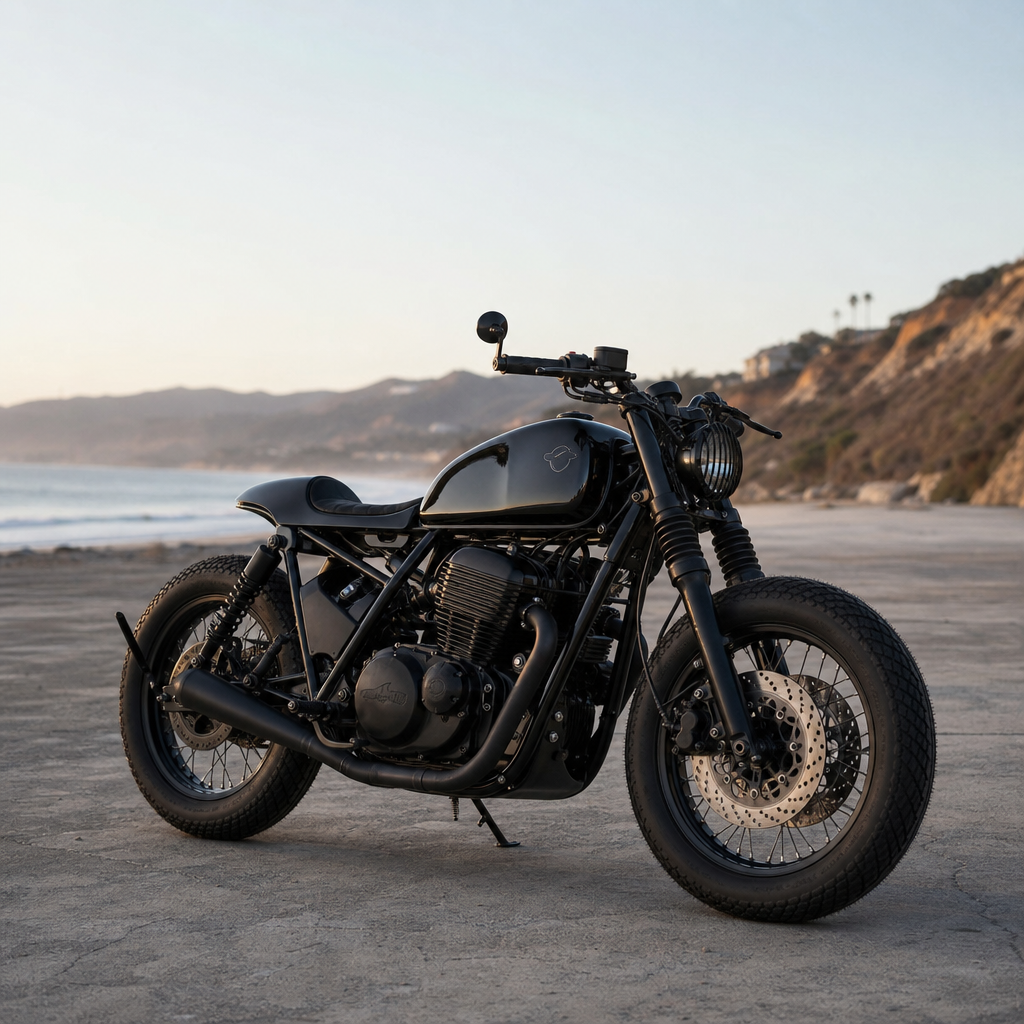
In builder judging, small details separate contenders from crowd favorites. Look for hidden wiring executed cleanly through bars or frames, brake-line routing that preserves both safety and visual simplicity, bodywork alignment around tanks and side covers, and consistent gap control between fabricated components. Serious builders also pay attention to ergonomics. A bike can win applause for style, but judges and experienced attendees notice whether controls, seat position, suspension geometry, and wheel-and-tire selection make practical sense.
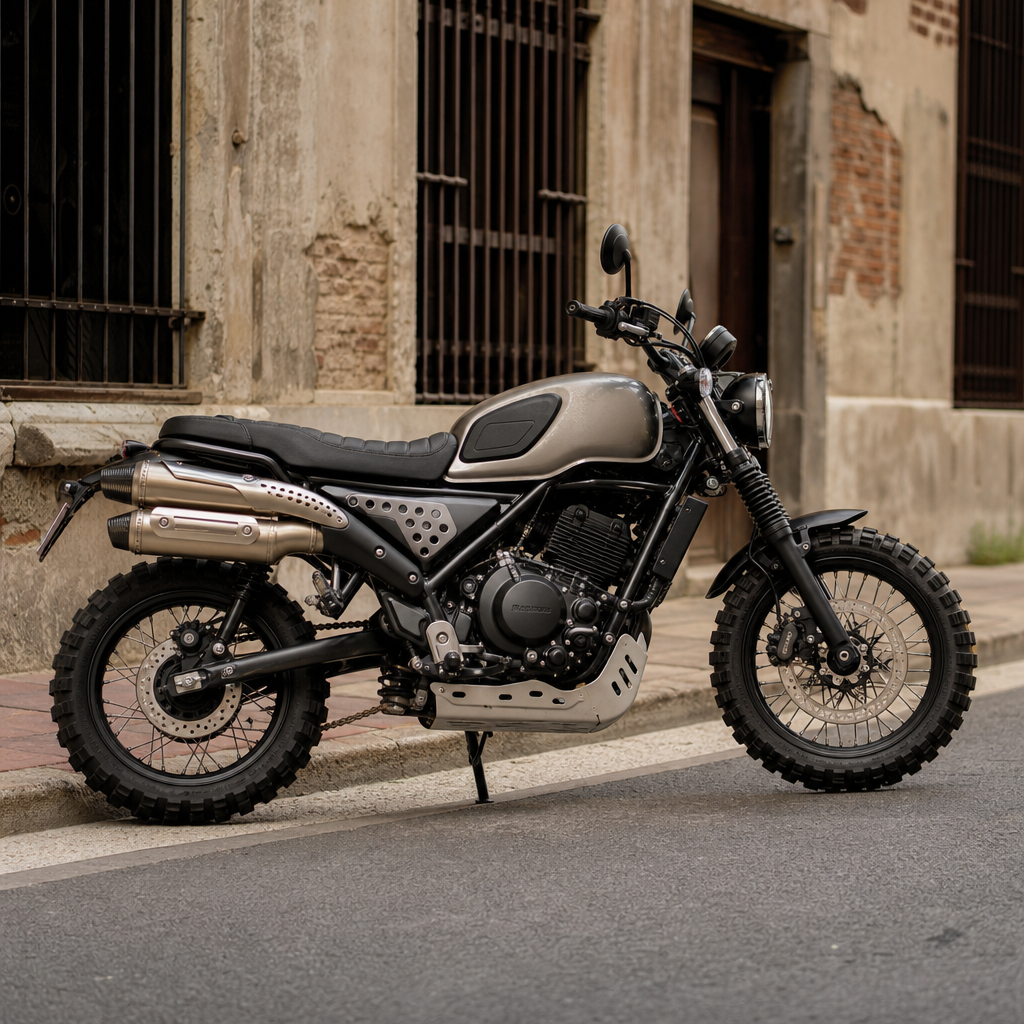
Another likely 2026 trend is thoughtful integration of modern components into classic forms. Fuel injection mapping, upgraded charging systems, CAN bus considerations on late-model donor platforms, and precision-machined accessories increasingly define professional-level builds. A shovel-style visual theme with contemporary electronics, or a stripped tracker profile with fully sorted braking and suspension, demonstrates the kind of balance that earns respect. The best custom motorcycles do not merely pose well; they reveal disciplined decision-making from concept sketch to final road test.
That is why these builder highlights matter to rally-goers even if they never intend to commission a custom bike. The awards show where the culture is moving. Dealers notice what paint styles resonate. Riders compare luggage solutions, fairing options, seat construction, and lighting treatments. Content creators identify stories their audiences will follow after the rally. In practical terms, the 2026 builder field will influence what people talk about on Main Street, in campgrounds, at vendor booths, and in shops long after the rally ends.
How Builder Showcases Affect Travel, Timing, and Crowd Flow
Large rally events function like temporary cities, and custom-bike competitions create predictable pressure points inside that city. Arrival peaks often begin ninety minutes before visible judging activity, especially when builder lineups include recognizable shops. Foot traffic compresses near staging areas, merchandise zones, beverage counters, and photography-friendly sightlines. Riders arriving late may still get in, but they lose the advantage of easy parking and unobstructed viewing.
If you are building a Sturgis day plan, treat the awards as a fixed appointment. I recommend identifying three windows: transit time to the venue, event dwell time, and exit time after awards or adjacent entertainment. Too many attendees budget only the first. During rally week, the exit is frequently the hardest phase because waves of pedestrians, bikes, trikes, rideshare vehicles, and campground carts all move at once. That congestion is magnified if a concert begins shortly after the awards segment or if weather shifts suddenly.
The event also changes route behavior across the Black Hills. Riders doing Needles Highway, Spearfish Canyon, Deadwood, or Vanocker Canyon loops often compress their scenic ride into the morning so they can return for afternoon or evening builder programming. As a result, fuel stops and lunch points may be busier earlier than expected. This is one reason rally logistics should always connect event scheduling with route planning. On paper, the ride and the awards may seem unrelated. On the ground, they absolutely interact.
| Logistics factor | Why it matters for award-day planning | Best practice |
|---|---|---|
| Arrival time | Parking and viewing quality decline quickly near showtime | Arrive 60 to 90 minutes early |
| Ride scheduling | Scenic loops can run long due to traffic, weather, or photo stops | Finish major rides before midday |
| Lodging distance | Longer returns increase fatigue after evening programs | Choose a stay with a realistic night return route |
| Weather exposure | Heat, hail, and fast-moving storms affect both bikes and attendees | Carry hydration gear and a compact rain layer |
| Cell service and coordination | Crowded venues can slow messaging and map refresh | Set a meeting point before entering |
Lodging, Parking, and Venue Strategy for Awards Week
Where you sleep during Sturgis often determines how much of the awards experience you actually enjoy. Camping at or near a major venue reduces transit friction, but it introduces noise, dust, late-night activity, and longer wait times for some services. Hotels and vacation rentals in Sturgis, Deadwood, Rapid City, Spearfish, and the northern Hills offer more recovery time, yet they require disciplined departure planning because rally traffic can turn a short map distance into a much longer trip.
When advising travelers, I separate lodging decisions into three categories: onsite convenience, regional access, and premium quiet. Onsite convenience is ideal for visitors who want to combine the builder awards with concerts and nightlife without moving the bike repeatedly. Regional access works for attendees balancing awards events with multiple rides or meetings across the Black Hills. Premium quiet suits photographers, journalists, older riders, and couples who need better sleep and are willing to trade spontaneity for a controlled routine.
Parking strategy deserves equal attention. If the venue offers motorcycle-specific parking, use it, but assess the surface. Gravel, dusty inclines, and soft ground can create trouble for heavy touring bikes loaded with gear. A puck or kickstand plate is a small item that solves a common problem. Also think about your departure angle. Parking nose-down on a slope looks harmless until you try to back out among hundreds of bikes and pedestrians after dark.
For groups, designate one arrival leader and one fallback location. I have watched well-organized riding groups lose thirty minutes because half the party passed an entrance and another half stopped for fuel without telling anyone. During rally week, “we’ll find each other inside” is rarely an efficient plan. Set the parking zone, the gate, and the regroup point before engines start.
How to Build a Complete Sturgis Rally Calendar Around the Awards
A strong rally calendar starts with immovable commitments and layers flexible activities around them. For most travelers, those fixed commitments are lodging check-in, headline concerts, booked tours, meet-and-greets, and one or two showcase events such as the “Spirit of the Chip” Awards. Once those anchors are set, fill remaining blocks with scenic rides, downtown browsing, vendor visits, and recovery windows. Recovery time is not wasted time at Sturgis. It prevents bad decisions caused by fatigue, heat, dehydration, or rushing after dark.
The most effective itinerary format is simple: morning ride, midday reset, afternoon event, evening entertainment, and a clearly planned return. This structure matches Black Hills riding conditions well because weather is often calmer earlier, light is strong for overlooks and photos, and afternoons can then pivot toward venue-based programs. If the awards schedule is not yet published when you begin planning, block a likely attendance window and leave space around it instead of packing the day too tightly.
This hub page should also guide readers toward related planning topics: annual rally dates, registration checkpoints, campground comparisons, airport access through Rapid City Regional, trailer parking, roadside assistance, fuel planning for peak days, and weather contingencies. Those subjects all connect to one central truth: successful Sturgis travel is less about spontaneity than people assume. The riders who seem most relaxed are usually the ones who prepared the most carefully.
Builder Awards as a Cultural Signal for the Open Road Community
The “Spirit of the Chip” Awards matter beyond trophies because they capture how custom motorcycle culture feeds travel culture. Builders give people reasons to travel farther, stay longer, and structure trips around moments of discovery. A standout machine can become a destination in itself, drawing riders who then spend on camping, hotels, food, fuel, photography, and local attractions. That economic and cultural spillover is part of why custom-bike events remain central to major rallies.
They also preserve craft knowledge. When attendees study a frame modification, a paint technique, a sheet-metal contour, or a drivetrain choice, they are learning how today’s builders solve old and new problems. That exchange keeps the scene healthy. Not every rider wants a show bike, but many leave inspired to improve comfort, safety, style, or luggage setup on the motorcycle they already own. In that sense, the awards support the broader open-road mission: helping riders travel better and with more intention.
For 2026, use the builder highlights as both inspiration and planning intelligence. Watch the event schedule, confirm venue access rules, arrive earlier than feels necessary, and build the rest of your rally calendar around realistic transit times. If you do that, you will see more, wait less, and understand why this awards program remains one of the most useful markers in the Sturgis logistics picture.
The key takeaway is simple. The Sturgis “Spirit of the Chip” Awards are not just a custom-bike attraction; they are a rally-planning anchor that affects routes, timing, lodging, parking, and crowd flow across the week. Follow the builders, map the day carefully, and use this hub as your starting point for every rally calendars and logistics decision connected to Sturgis.
Frequently Asked Questions
What are the Sturgis “Spirit of the Chip” Awards, and why do the 2026 builder highlights matter so much?
The Sturgis “Spirit of the Chip” Awards are widely recognized as a high-visibility celebration of the builders, fabricators, and custom-bike shops that help define the creative identity of the Sturgis Motorcycle Rally. While many rally events focus on rides, concerts, and vendor activity, this awards program puts the spotlight on the craftsmanship and personalities shaping custom motorcycle culture in and around Sturgis. The 2026 builder highlights matter because they do more than identify standout motorcycles or honor respected shops. They influence where riders gather, which events gain extra attention, how media outlets plan coverage, and when crowds surge around key venues during rally week.
For travelers and rally participants, the awards serve as a practical planning signal. When a builder or shop is expected to draw strong interest, nearby lodging can fill faster, vendor foot traffic can increase, and surrounding event schedules can become more crowded. Tour planners, photographers, aftermarket brands, and independent riders often use builder announcements and featured appearances to shape their itinerary. In that sense, the “Spirit of the Chip” Awards function as both a cultural marker and a logistics cue. The 2026 highlights are especially important because they help forecast rally energy across the broader calendar, not just at one awards presentation, giving attendees a more reliable way to coordinate routes, hotel timing, meetup plans, and on-the-ground movement.
How do the 2026 builder highlights affect travel demand, lodging, and rally-week scheduling?
The 2026 builder highlights can have a real impact on travel demand because recognized builders often attract dedicated followers, industry professionals, media crews, and riders who want to see featured bikes in person. When interest clusters around specific custom shops, appearances, unveilings, or award-related events, nearby hotels, campgrounds, short-term rentals, and RV spaces may book more quickly than expected. This is especially true during the busiest portions of the Sturgis Motorcycle Rally calendar, when even a single high-profile custom-bike appearance can influence where attendees choose to stay and how long they remain in a particular area.
Scheduling is affected in equally important ways. Riders may rearrange scenic rides, vendor visits, and entertainment plans to make time for award-related builder displays or meet-and-greet opportunities. Vendors and sponsors often align activations around the visibility created by recognized builders, while media teams structure filming and interview windows around peak audience interest. For group leaders and tour operators, the builder highlights can become anchor points for daily agendas, helping them decide when to arrive in Sturgis, which route sequences make the most sense, and where congestion may build. In practical terms, anyone attending the rally benefits from watching the 2026 builder news closely, because it can help them avoid booking too late, underestimating transit times, or missing the most talked-about custom-bike moments of the week.
Who should pay the closest attention to the Sturgis “Spirit of the Chip” Awards builder announcements?
The most obvious audience is custom-bike enthusiasts, but the builder announcements matter to a much wider group. Riders planning a first trip to Sturgis should pay attention because the awards can reveal where major interest will concentrate and which custom showcases may be worth prioritizing. Repeat attendees should follow the announcements as well, since each year’s builder lineup can reshape the rally’s rhythm and bring new hotspots into focus. For anyone who wants a more curated, culture-driven Sturgis experience, the builder highlights offer a strong roadmap.
Industry participants may have even more to gain. Vendors can use builder visibility to estimate traffic patterns and align product launches or promotional timing. Lodging operators can anticipate shifts in booking demand. Media teams can identify who is likely to generate interviews, social engagement, and visual storytelling value. Tour planners and group ride organizers can use the award calendar as an operational tool for route timing, stop duration, and crowd management. Even local businesses outside the immediate custom-bike scene benefit from tracking these announcements because builder-driven foot traffic often spills into dining, fuel stops, retail, and nearby event spaces. In short, if someone’s Sturgis experience depends on timing, audience flow, or understanding where rally culture will be most concentrated, the “Spirit of the Chip” Awards deserve close attention.
How can riders and rally planners use the 2026 builder highlights to build a smarter Sturgis itinerary?
A smart Sturgis itinerary starts by treating the 2026 builder highlights as anchor events rather than as isolated attractions. Instead of adding them at the last minute, riders and planners should identify featured builders, likely appearance locations, and related custom-bike showcases early in the planning process. That makes it easier to organize hotel stays, fuel stops, meals, scenic rides, and vendor visits around the times and places that will matter most. If a highlighted builder is expected to appear at a major campground, entertainment venue, or vendor district, it often makes sense to group nearby activities together rather than crossing town multiple times in heavy rally traffic.
It is also wise to build in flexibility. Rally conditions change quickly due to weather, parking demand, road congestion, and schedule adjustments, so a strong itinerary should include primary and backup time blocks. Tour leaders may want to assign early arrival windows for popular builder displays, while independent riders should allow extra time for lines, photography stops, and spontaneous detours. Media professionals should coordinate credential timing, charging needs, and interview logistics around anticipated peak interest. Most importantly, attendees should use the builder highlights to prioritize what they truly do not want to miss. Sturgis offers more activity than any single person can cover, so using the awards program as a filter helps turn a crowded rally week into a more intentional, efficient, and rewarding experience.
What should attendees expect from the 2026 builder scene beyond the awards themselves?
Attendees should expect the 2026 builder scene to extend well beyond the awards presentation and influence the overall atmosphere of the rally. Featured builders often become rally-wide talking points, drawing attention not only to their motorcycles but also to the trends, techniques, and shop identities behind them. That can lead to increased activity at custom displays, stronger turnout for related appearances, and more demand for branded merchandise, photo opportunities, and industry networking. In other words, the awards may be the headline moment, but the builder impact usually unfolds across multiple days, venues, and audience segments.
There is also a ripple effect on the broader Sturgis experience. Builders recognized through the “Spirit of the Chip” Awards frequently shape conversations about design direction, fabrication standards, paint trends, performance upgrades, and the evolving identity of rally culture. For casual attendees, that means more chances to encounter standout machines and meet influential names in the custom world. For professionals, it means better visibility into what is resonating with riders and where consumer attention is moving. By following the 2026 builder scene as a connected part of the rally ecosystem, attendees can better understand crowd behavior, event momentum, and the cultural touchpoints that make Sturgis more than just a destination ride. That perspective is exactly why the awards remain such a useful indicator for planning, participation, and on-the-ground decision-making.