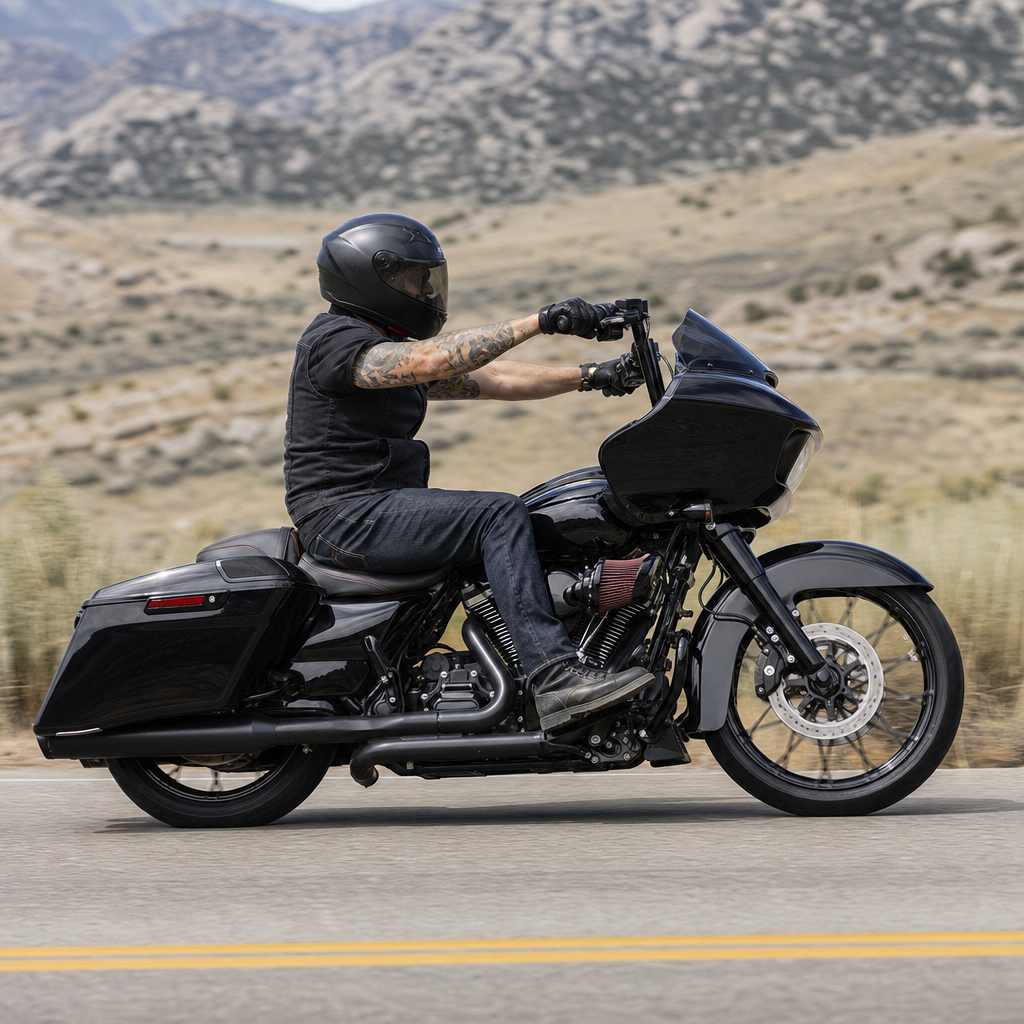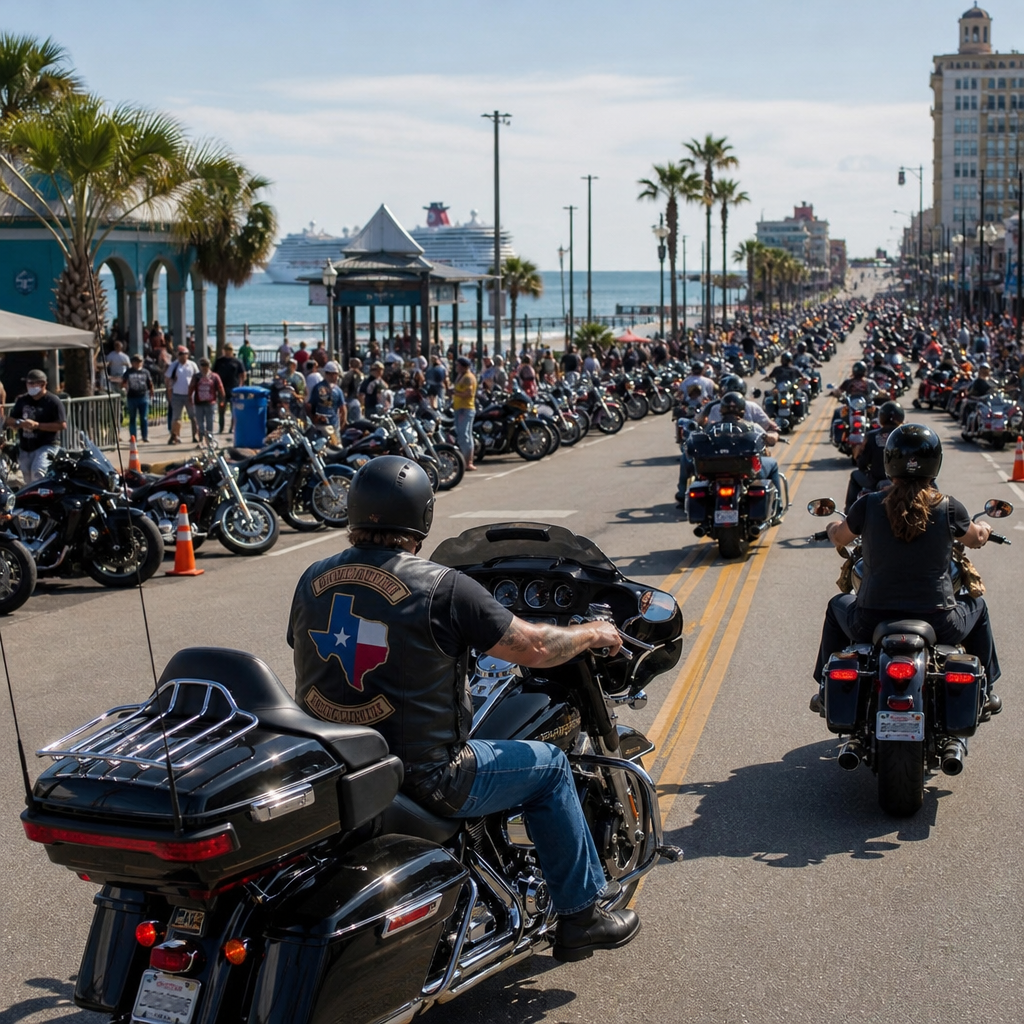
Lone Star Rally 2026 will turn Galveston into a four-day island operations challenge as much as a motorcycle celebration, and riders who treat it like a logistics exercise enjoy the event far more than those who arrive without a plan. In practical terms, rally logistics means the coordinated decisions around timing, routes, lodging, parking, fuel, weather, crowd movement, communication, and recovery options before, during, and after the event. A rally calendar is the planning framework that maps each task to a date, from booking a hotel months ahead to choosing a departure window that avoids the Sunday bottleneck off the island. I have worked enough large motorcycle events to know that the best weekends are usually built in spreadsheets, map pins, and backup plans long before engines start. Galveston adds a distinct layer of complexity because it is an island city with limited ingress and egress, dense visitor traffic, variable Gulf weather, and event zones that can shift how streets function block by block. That matters whether you are a solo rider from Houston, a two-up touring couple from Oklahoma, or a club rolling in with a trailer and support truck. This hub article covers the full rally calendars and logistics picture for Lone Star Rally 2026, so you can use it as the planning base for timing, transport, lodging, packing, movement on the island, and safe exit strategy.
At a high level, Lone Star Rally is typically staged over four days in early November around the Strand Historic District, Seawall Boulevard, and adjacent entertainment areas, drawing one of the largest motorcycle crowds in Texas. The 2026 edition will follow the same core pattern even if exact programming, road closures, and vendor placements are finalized closer to the event by organizers and the City of Galveston. Because dates, street controls, and venue access can change, the smart move is to anchor your planning around official event announcements, municipal traffic advisories, and lodging cancellation terms rather than social media rumors. Riders usually ask the same practical questions: when should I arrive, where should I stay, can I park near the action, how bad is the ferry or causeway traffic, what should I pack for Gulf conditions, and how do I leave without burning half a day in a line of bikes and trucks. Those questions are exactly what a good rally logistics guide must answer clearly. The advantage of building your plan early is not just convenience. It lowers costs, reduces stress, improves safety, and leaves more time for riding the island, seeing friends, and actually enjoying the rally atmosphere instead of reacting to avoidable problems.
Build the Rally Calendar Backward From Arrival and Departure
The most reliable way to plan Lone Star Rally 2026 is to start with your ideal arrival and departure windows, then work backward into reservations, route choices, and bike prep. For most attendees, the highest-friction moments are not during the concerts or downtown walking periods; they happen when thousands of people try to access a small island on similar schedules. My standard recommendation is to avoid same-day improvisation and create a dated checklist at least ninety days out. That checklist should include lodging confirmation, ticketed attractions if any are announced, service intervals, tire inspection, rain gear review, and a contact plan for your group. If you are trailering, add parking dimensions, trailer security, and whether your hotel permits oversized vehicles. If you are riding in, add fuel range and likely stop points between home and Galveston.
For a four-day island rally, timing is everything. Wednesday arrival often provides the smoothest hotel check-in and the best chance to walk the district before peak volume. Thursday arrivals are common and still manageable if you hit the island before late afternoon. Friday after-work arrivals are the most congested because commuter traffic, vendor traffic, and rally traffic overlap. Sunday departures can be slow enough to change the whole feel of your final day, especially if weather or a crash affects access points. Riders coming from the east through the Bolivar Ferry need even more patience because ferry operations can stack wait times quickly when weather, marine traffic, and event demand combine. Riders approaching from Houston on I-45 generally have a more predictable path, but predictable does not mean fast once everyone compresses into Galveston’s street grid.
| Planning Window | Key Tasks | Why It Matters |
|---|---|---|
| 120–90 days out | Book hotel, confirm travel party, review cancellation terms, monitor official dates | Inventory tightens early near the Strand and Seawall, and rates rise fastest on walkable properties |
| 60–45 days out | Service bike, inspect tires and battery, reserve trailer parking if needed, map fuel stops | Mechanical issues are easier and cheaper to fix before shop schedules fill |
| 30–14 days out | Check forecast trends, verify road advisories, finalize meet-up points, share emergency contacts | Weather and traffic plans become more accurate and group coordination improves |
| 7 days out | Pack layers, rain gear, chargers, locks, hydration supplies, and documents | Last-minute packing errors usually create the most avoidable rally hassles |
| Arrival day | Fuel before entering the island, screenshot maps, text ETA, avoid peak bridge or ferry periods | Once on the island, convenience drops and delays get magnified |
This backward-planning method is the backbone of every strong rally calendar because it forces realistic sequencing. You are not just deciding where to sleep. You are allocating scarce resources: time, road capacity, cash, energy, and margin for mistakes. For a hub page under travel and logistics, that framework connects naturally to deeper planning topics like hotel selection, route timing, weather packing, and post-rally recovery rides. If you organize those as linked support articles, this page should remain the master checklist that ties them together.
Choose Lodging by Access Pattern, Not Just Price
Galveston hotel strategy during Lone Star Rally is mostly about movement efficiency. Many first-time visitors sort by nightly rate and then discover they traded away hours of convenience, parking security, or walkability. The best choice depends on how you intend to spend the rally. If your priority is being in the center of the action, properties near the Strand Historic District reduce the need to move the bike once you arrive. You can park, lock gear, and walk to vendors, bars, and live music. That usually saves time and reduces exposure to stop-and-go traffic. The tradeoff is higher rates, tighter parking, and more street noise late into the night.
Seawall properties often offer more room inventory, broader parking options, and easier access for riders who want a coastal ride or who prefer a less compressed environment. The downside is that walking to downtown activity can be long, and repeated bike trips between the hotel and event core create friction when roads are crowded. West End vacation rentals can work well for groups, especially if several riders want shared garage space or trailer flexibility, but they increase reliance on timed trips into town. In my experience, groups that stay farther out need stricter departure discipline. If one person delays the whole crew by forty minutes, everyone reaches the district after the easy parking is gone.
Read lodging policies closely. Look for fees on parking, restrictions on trailers, early check-in rules, and whether balconies or outdoor corridors create noise concerns. Cancellation language matters because Gulf weather systems can disrupt plans even outside hurricane season. Early November in Galveston is usually milder than summer, but heavy rain, strong crosswinds, or coastal fog can still affect riding comfort. A good reservation is not only affordable. It preserves options if conditions change. That is why refundable or partially refundable bookings often beat the absolute lowest prepaid rate during rally season.
Map Island Access, Traffic Chokepoints, and Parking Before You Roll
Galveston’s biggest logistics variable is constrained access. Most riders enter via Interstate 45 over the causeway. Others use State Highway 87 and the free Bolivar Ferry from the east. Both routes are functional, but each has specific risk points. The causeway can back up from collisions, lane restrictions, weather, and normal surge periods. The ferry can absorb delays from loading cycles, vessel schedules, and marine traffic priority. Neither problem is unusual; the mistake is failing to plan around them. If you have a rigid dinner reservation or group meet time, build in more buffer than you think you need.
On the island, event density changes street behavior. Some roads remain passable but slow. Others become poor choices because pedestrian volume effectively narrows the travel lane environment even when formal closures are limited. Downtown and Strand-adjacent areas become walk-first zones. In that setting, the smartest parking plan is often one decisive move rather than repeated short relocations. Park legally, secure the bike, note the cross streets, and transition to walking. Constantly circulating for a slightly closer spot wastes time and increases risk from distracted drivers, pedestrians, and low-speed tip-overs.
Secure parking is worth paying for when offered by your hotel or a reputable private lot. Use a disc lock or visible deterrent, avoid leaving helmets unsecured on bars overnight, and remove valuables from saddlebags. Galveston is a hospitality city used to events, but rally weekends create exactly the conditions that reward basic security discipline: crowds, distractions, and vehicles parked for long stretches. If you bring a trailer, verify turning radius and height clearance before you commit to a downtown property. I have seen riders lose an hour trying to maneuver rigs through spaces that looked manageable on a booking site but were not realistic in person.
Prepare the Bike and the Rider for Gulf Coast Conditions
A successful Lone Star Rally trip depends on mechanical readiness and personal comfort, not just route planning. Gulf Coast riding in November can shift from warm sun to damp wind quickly, especially around morning starts and evening returns. Pack a layered system rather than one heavy jacket. A moisture-wicking base layer, insulating mid-layer, and wind-resistant outer shell handle most conditions better than bulky single-purpose gear. Waterproof gloves or glove covers matter more than many riders expect because cold, wet hands reduce control precision and increase fatigue. Ear protection, clear eye protection for night riding, and high-visibility rain gear are equally practical.
For the motorcycle, inspect consumables well ahead of departure. Tire tread, tire age, and correct pressure are non-negotiable because stop-and-go traffic, bridge wind, and rain-slick painted lines punish compromised tires. Check brake pad life, chain or belt condition, battery strength, and every light. Touring bikes with added electronics should have tested charging ports and secure cable routing. If your bike runs hot in traffic, confirm coolant condition and fan operation. Galveston congestion is not extreme by urban standards, but creeping through rally zones on an air-cooled or marginally maintained machine can expose weaknesses fast.
Bring a compact recovery kit: tire plug tools if your wheel type allows it, inflation method, basic hand tools, flashlight, charging cable, ID, insurance card, and roadside assistance details. Hydration matters more than many fall riders assume. Salt air, sun exposure, and alcohol-heavy environments quietly increase dehydration risk. When I plan a rally day, I tell riders to think in cycles: ride, park, walk, hydrate, eat, rest, repeat. That rhythm keeps decisions sharp and prevents small problems from becoming roadside problems.
Coordinate Groups, Meet-Ups, and Daily Movement With Simple Rules
Group travel falls apart at rallies when plans are too detailed or too vague. The solution is a short operating plan that everyone can remember. Set one arrival lead, one sweep rider for road segments, one hotel regroup time, and one fallback meet location in case phones fail. Text threads help, but they are not a strategy. Cell networks can slow in dense crowds, batteries die, and not everyone hears the same exhaust note at the same stoplight. Pick obvious landmarks away from the noisiest streets and define exact times, not loose intentions like “late afternoon.”
For daily movement, break the rally into zones rather than trying to cover everything continuously. Example: spend the morning on Seawall for riding and photos, park by early afternoon near downtown, then walk the Strand and entertainment blocks through the evening. That simple sequence reduces repetitive parking hunts and keeps the bike out of the highest pedestrian density windows. If your group includes mixed riding experience, agree in advance that no one is pressured into dense nighttime traffic they do not want. The easiest way to keep a group together is respecting different comfort levels and using rideshare or walking for some segments instead of insisting every move be on two wheels.
Budgeting also deserves a logistics note. Rally weekends inflate incidental spending through convenience purchases: premium parking, last-minute rain gear, overpriced fuel near event cores, and restaurant waits that push people toward expensive quick options. A planned daily budget for lodging, fuel, parking, food, and entertainment keeps the weekend from drifting. Experienced rally travelers build a contingency fund specifically for traffic-related changes such as extra fuel, an additional night, or a weather detour. That reserve is part of the logistics plan, not an afterthought.
Leave the Island Smoothly and Turn the Hub Into an Ongoing Planning System
The final piece of Lone Star Rally 2026 logistics is departure discipline. Most riders stay focused on arrival and then underestimate how draining a poorly timed exit can be. Sunday late morning through afternoon is often the most frustrating period because hotel checkouts, casual departures, and regional day-trippers all converge. If you need a clean getaway, leave early, fuel up before loading the main roads, and settle accounts the night before. If your schedule allows, a delayed departure strategy can be even better: have breakfast, walk the beach, let traffic thin, then roll out after the first major wave. Either approach beats joining the heaviest queue by default.
Post-rally fatigue is real. Four days of noise, walking, late nights, and attention-heavy traffic reduce judgment. If your ride home is more than a few hours, consider a decompression stop off the island or even an extra overnight north of Galveston. Riders talk plenty about the party side of Lone Star Rally, but the safest travelers plan the recovery side too. Use this hub as the master page for your rally calendars and logistics system: pair it with detailed pages on where to stay, what to pack, best arrival routes, parking strategies, and weather contingencies. The payoff is simple. Better planning turns Galveston’s four-day island party from a chaotic scramble into a smooth, memorable motorcycle trip. Start your calendar now, confirm the official 2026 updates, and lock in the parts that always get harder later.
Frequently Asked Questions
What does “rally logistics” actually mean for Lone Star Rally 2026 in Galveston?
For Lone Star Rally 2026, logistics is the difference between simply showing up and actually enjoying four busy days on an island with limited access points, heavy motorcycle traffic, packed lodging, shifting weather, and constant schedule decisions. In practical terms, rally logistics includes when you arrive, which route you use to enter Galveston, where you stay, how far your lodging is from key rally zones, where you plan to park, when you refuel, how you avoid the biggest traffic surges, how you stay in touch with your group, and what your backup plan is if something changes. Because Galveston is an island, movement is naturally constrained. That means congestion can build quickly, parking can become a time drain, and small planning mistakes can multiply once the rally is in full swing.
A strong logistics plan starts with a rally calendar. That calendar acts as your decision map for the entire trip: departure day, arrival window, hotel check-in, event priorities, meal timing, fuel stops, riding windows, weather checks, and departure strategy. Riders who build this framework ahead of time usually spend less time stuck in traffic, less money on last-minute choices, and less energy figuring things out on the fly. They also tend to make smarter calls about where to base themselves, when to move the bike, and when to stay parked and walk. During an event as large as Lone Star Rally, treating the weekend like an operations challenge is not overthinking it—it is what allows you to protect your time, reduce stress, and enjoy the party side of the event much more fully.
When should riders arrive and leave Galveston to avoid the worst traffic and crowd pressure?
The best answer is simple: arrive earlier than you think you need to, and leave later or earlier than the main rush if your schedule allows. For a four-day event like Lone Star Rally 2026, the heaviest pressure points usually develop around peak arrival windows, headline evening periods, and the final departure surge when large numbers of riders leave at roughly the same time. If you can reach Galveston before the most popular check-in and rally-entry periods, you give yourself a major advantage. Early arrival means less stress at bridges and causeways, easier hotel check-in, better parking options, and more time to settle into your base before the densest crowds form.
Departure planning matters just as much. Many riders focus heavily on getting to the rally and almost completely ignore the exit strategy. That is a mistake on an island event. A smart departure plan includes checking out parking access, loading gear the night before, topping off fuel before the main outbound rush, and deciding whether you want to leave at first light, during a lull, or after traffic pressure eases. If you are traveling with a group, set a firm departure time and a backup meetup point in case riders get separated. Also build extra margin into your schedule for weather, road backups, or post-event fatigue. If your return ride is long, consider whether one more overnight stay outside the main rally core might be safer and more comfortable than forcing a rushed departure from a crowded island. At this event, timing is not a minor convenience issue—it is a central operational advantage.
How should riders choose lodging for Lone Star Rally 2026 if they want convenience without constant frustration?
The best lodging choice is not always the closest room to the action. It is the room that fits your real rally strategy. Start by deciding what kind of experience you want: maximum walkability, quieter recovery time, easier in-and-out bike access, or a lower budget with more commute time. Hotels or rentals near primary rally activity zones can reduce the need to move your bike once you arrive, which is often a huge benefit because island traffic and event-area parking can become a problem quickly. If you plan to spend most of your time at the rally core, staying close enough to walk can save hours over the course of the weekend.
That said, convenience is more than map distance. Riders should evaluate parking security, trailer policies if applicable, late check-in rules, cancellation terms, fuel access nearby, and whether the property sits on a route likely to bottleneck during peak periods. Noise level matters too. A room in the middle of nonstop activity may sound ideal until you realize you need sleep, gear organization, phone charging, and a place to recover between long days. If you are traveling with friends, assign responsibilities before booking: who confirms the reservation, who checks parking rules, who shares addresses and confirmation numbers, and who tracks check-in timing. Also book as early as possible. Large destination rallies compress available inventory fast, and waiting limits your options while increasing cost. The right lodging setup supports your mobility, your rest, and your ability to adapt—not just your proximity to the loudest street.
What is the smartest way to handle parking, fuel, and getting around during the rally?
The smartest approach is to think in zones, not in single trips. Once you understand where your lodging is relative to the main rally areas, food options, fuel stations, and likely traffic choke points, you can decide when the bike should move and when it should stay parked. In many cases, riders enjoy the rally more by parking once during a favorable window and then walking as much as possible within the busy core. Constantly repositioning the motorcycle during peak crowd periods often creates more frustration than flexibility. It can cost time, burn fuel, and expose you to unnecessary congestion and parking uncertainty.
Fuel strategy is equally important. Do not wait until the tank is low in the middle of a peak rally period. Refill during off-hours or whenever you are outside the most crowded zones. Treat fuel as a scheduled task, not an afterthought. The same principle applies to hydration, cash access, phone charging, and meals. Handle essentials before they become urgent. For parking, assume prime locations disappear quickly and build a backup plan. Know at least two or three acceptable parking options in different areas. Take note of access restrictions, walking distance, and whether your group can realistically regroup there later. If you are riding with others, agree in advance on where to park, how long to wait if someone gets delayed, and what to do if the first choice is full. Efficient movement at Lone Star Rally is less about speed and more about sequencing your decisions correctly.
What backup plans should riders have for weather, communication problems, and post-rally recovery?
A complete Lone Star Rally 2026 plan should include contingencies, because island events are vulnerable to fast-changing conditions. Weather is the most obvious issue. In Galveston, wind, rain, humidity, temperature swings, and coastal exposure can all affect comfort and safety. Riders should monitor forecasts before and during the event, but more importantly, they should pre-decide what changes trigger a different plan. That might mean delaying arrival, shifting an evening ride to daylight, packing rain layers in an easy-to-reach place, or deciding that walking and staying local is better than forcing extra bike movement during poor conditions. A weather plan is useful only if it includes action thresholds.
Communication backup is just as important because large events often produce delays, missed calls, dead phone batteries, and confusion about meeting points. Every group should establish primary and secondary meetup locations, check-in times, and a simple rule for what to do if someone goes off-plan. Share hotel details, addresses, parking locations, and emergency contacts before the trip. Keep devices charged, carry a power bank, and do not rely solely on real-time messaging to coordinate every movement. Finally, think about recovery after the event. Four days of riding, standing, crowds, noise, late nights, and island traffic can produce fatigue that affects judgment on the ride home. A good recovery plan includes sleep, hydration, a bike once-over, a calm morning departure routine, and the willingness to shorten the final day or add a stop if needed. The riders who finish strong are usually the ones who planned not just for the party, but for the reset afterward.