The 2026 H-D Connected App is no longer a simple companion for route planning; it has become the central control layer for riders who want to turn raw ride data into better decisions for a 2027 tour. In practical terms, ride analytics means the app collects, organizes, and interprets information such as trip distance, fuel stops, battery health alerts, GPS tracks, service intervals, lean events, and riding patterns so you can plan more accurately and ride with fewer surprises. For Harley-Davidson owners, that matters because modern touring is no longer only about maps and mileage. It is about syncing motorcycle condition, rider habits, navigation, and maintenance readiness before you commit to a multi-state run.
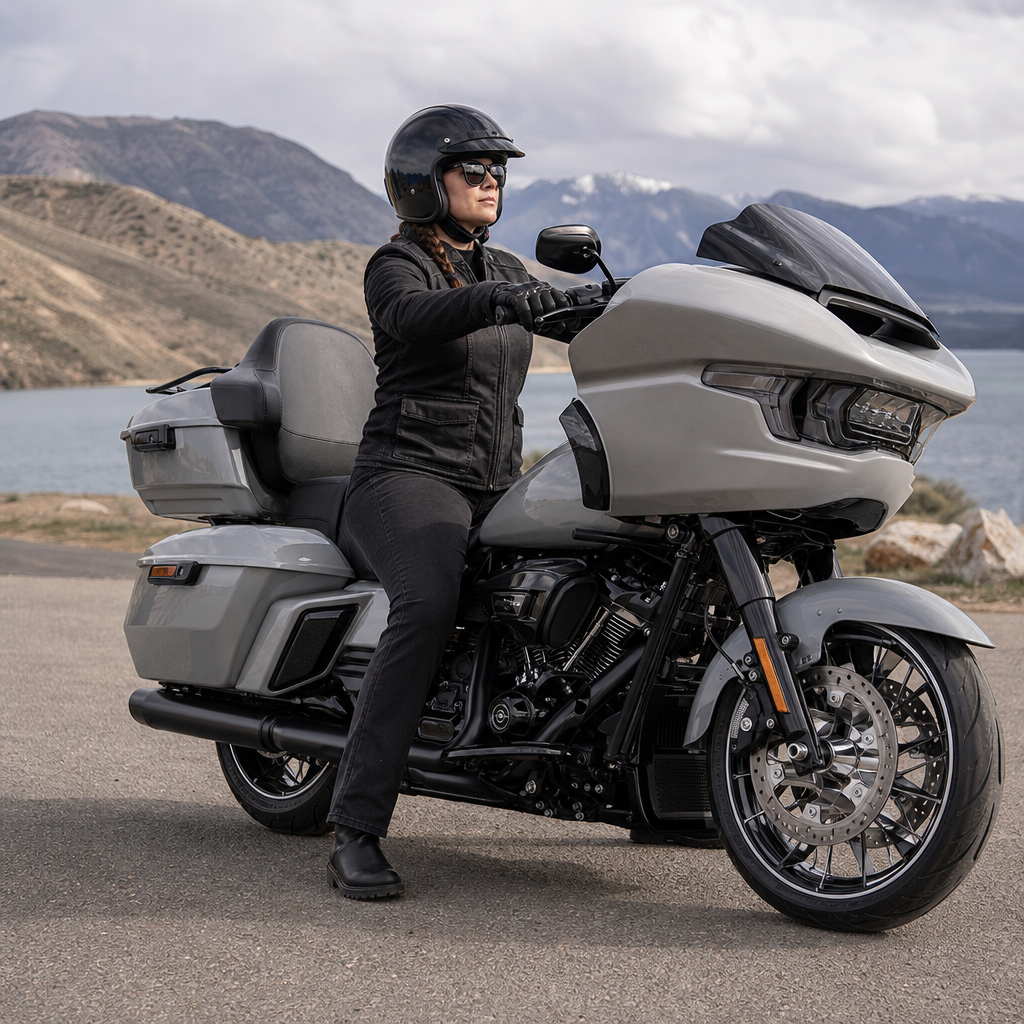
I have worked with connected motorcycle platforms long enough to see the difference between novelty features and tools that genuinely improve a trip. The useful systems do three things well: they reduce uncertainty, they surface actionable maintenance information, and they help riders compare what they expect a machine to do with what it actually does on the road. That is exactly why the 2026 H-D Connected App deserves attention, especially for riders moving between Milwaukee-Eight touring models, older Twin Cam and Evolution bikes, and newer Revolution Max platforms. A 2027 tour may include a Road Glide with integrated infotainment, a Low Rider ST with M8 torque, a carefully maintained Twin Cam Electra Glide, an Evo-based heritage machine, or a Pan America using RevMax architecture. The app becomes the hub that ties those mechanical differences to trip planning.
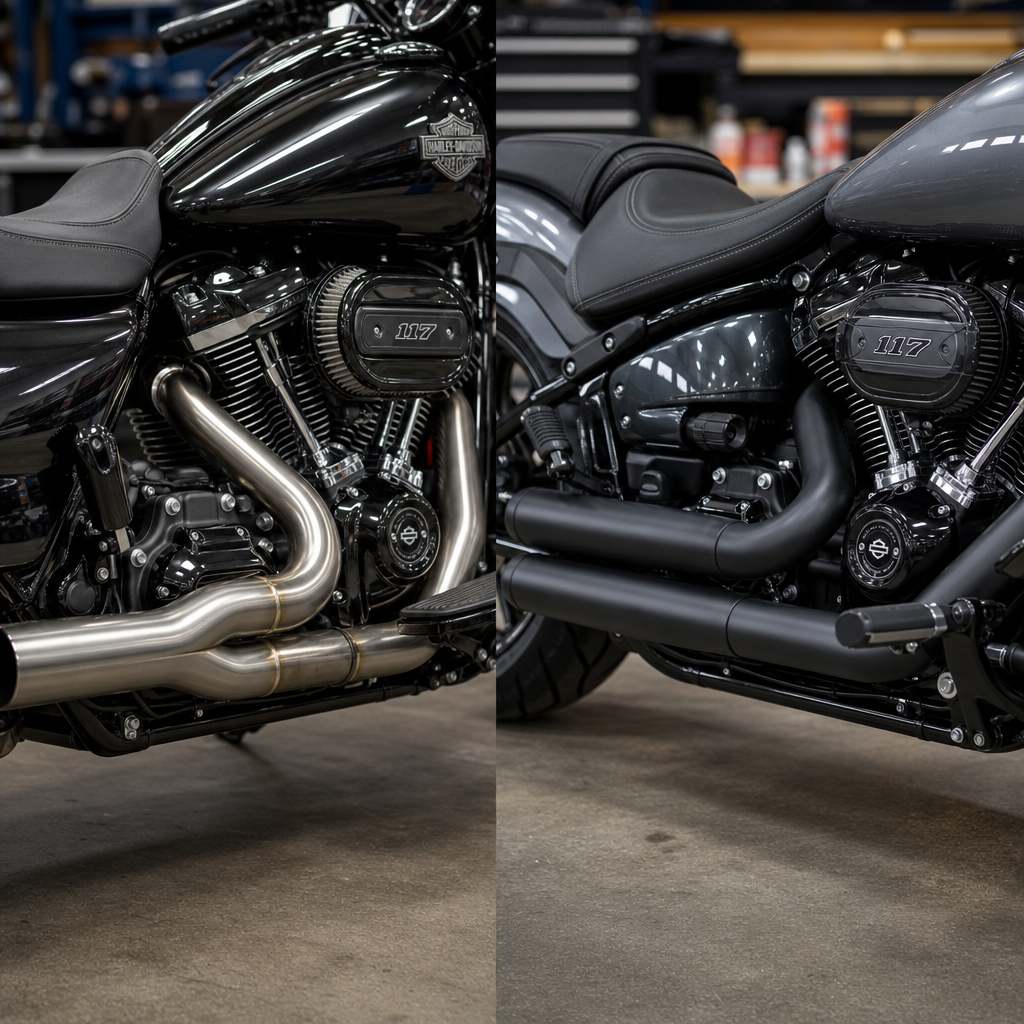
This page also serves as a technical deep-dive hub for Harley-Davidson engines often discussed separately: M8, Twin Cam, Evo, and RevMax. Those names refer to distinct engine families with different cooling strategies, sensor suites, service needs, vibration characteristics, and compatibility with digital diagnostics. Understanding the app without understanding the engines would miss the point. Ride analytics only becomes valuable when interpreted in context. An oil temperature trend means one thing on an air-cooled Evo, another on a Twin Cam in summer traffic, and something else entirely on a liquid-cooled RevMax adventure machine crossing elevation. For riders building a dependable 2027 tour plan, integrating analytics with engine-specific knowledge is the smartest way to prepare.
What the 2026 H-D Connected App Actually Does for Touring Riders
The strongest version of the H-D Connected App functions as a motorcycle operations dashboard rather than a phone accessory. At minimum, it handles navigation, ride logging, live vehicle status on supported models, dealer and service location lookup, and trip history. On bikes equipped with Harley-Davidson’s latest infotainment and telematics stack, it can also expose diagnostics-adjacent data, maintenance reminders, last parked location, and communication between bike and phone. For touring riders, the practical benefit is consolidation. Instead of bouncing between a GPS app, paper maintenance notes, fuel receipts, and a weather service, one interface captures the trip record and the machine context behind it.
For a 2027 tour, the most valuable analytics are the least glamorous. Fuel range consistency across days tells you whether luggage load, speed, wind, or altitude is changing consumption enough to alter stop intervals. Repeated hot idle time around cities can explain why an engine feels rough by evening. Battery voltage warnings before a cold mountain departure can save a morning that would otherwise begin with a jump pack. I have seen riders focus on top-speed graphs while overlooking trends that actually determine whether they complete a route on schedule. Good ride analytics encourages the opposite: pay attention to reliability markers first, performance markers second.
The app also helps standardize recordkeeping for mixed fleets. Many Harley households own more than one bike from different generations. If one rider is planning a long paved tour on a Road King Special while another is preparing a Pan America for mixed-surface travel, the app creates a comparable log structure: miles, dates, stops, ride duration, and service timing. That does not erase mechanical differences, but it gives you a consistent planning language. It is easier to answer basic touring questions when the data is organized: How often did we really stop last year? Which bike consumed rear tires faster on interstate-heavy routes? Which machine showed charging concerns after extended accessory use?
How Ride Analytics Improves a 2027 Tour Plan
Ride analytics improves touring when it changes decisions before departure. The most obvious use is route realism. If your historical logs show that your comfortable all-day average, including fuel and meal stops, is 47 mph over 430 miles, planning a 600-mile day through Appalachian roads is fantasy. The app’s trip history gives you real baselines instead of optimism. That is especially important for Harley touring, where comfort, passenger load, and weather exposure shape endurance as much as horsepower.
Another major benefit is maintenance timing. If your departure is six weeks away and the app shows you will cross your next service interval mid-trip, move the service forward. If brake pad wear, tire age, or battery performance is questionable, the app’s records help you schedule replacement before parts availability becomes a road problem. Harley dealers are widespread, but not every location stocks every part for every platform. Planning around analytics reduces dependence on luck.
Riders also use analytics to match engine behavior to terrain. A machine that returns excellent range at 65 mph on flat roads may behave very differently when pushed into headwinds with a full load. Trip logs reveal the gap between brochure claims and actual tour conditions. That matters when mapping fuel deserts in the West or deciding whether auxiliary luggage and passenger comfort accessories are worth the efficiency penalty.
| Engine family | Typical touring strength | Analytics to watch in the app | 2027 planning implication |
|---|---|---|---|
| Milwaukee-Eight | Strong low-end torque, refined highway character | Service intervals, oil temperature trends, battery status, fuel range consistency | Ideal for long paved routes if heat management and scheduled service are addressed early |
| Twin Cam | Proven touring platform with huge aftermarket support | Charging behavior, oil consumption notes, heat exposure in traffic, vibration-related accessory issues | Excellent for budget-conscious touring, but pre-trip inspection matters more than app connectivity |
| Evolution | Mechanical simplicity and field-service friendliness | Manual maintenance logs, mileage tracking, fuel stop intervals, recurring leak or fastener checks | Best for riders who combine digital trip records with hands-on inspection discipline |
| Revolution Max | Broad performance envelope, liquid cooling, advanced electronics | Mode usage, electronic alerts, fuel economy by terrain, software status | Strong choice for mixed-surface and elevation-heavy tours where system monitoring adds real value |
Milwaukee-Eight: What App Data Means on Harley’s Modern Big Twin
The Milwaukee-Eight, introduced for 2017 touring models and later expanded across the lineup, is the current core big twin architecture for many Harley riders preparing a 2027 tour. Its four-valve heads, single internal camshaft, improved charging output, and better overall refinement changed how Harley touring bikes behave at speed. In app terms, M8 models are where connected features feel most natural because the bikes themselves were designed during Harley-Davidson’s move toward more integrated electronics and rider information systems.
When reviewing ride analytics on an M8 bike, I focus first on patterns tied to heat, charging, and service timing. The engine is more thermally stable than earlier generations in many real-world scenarios, but heavy traffic, high ambient temperature, and accessory draw still matter. If app records show frequent short rides and prolonged idle events before a major tour, I recommend a full charging-system check and battery load test even if no warning appears. Modern electronics are unforgiving of weak batteries, and weak batteries create false confidence until one cold morning proves otherwise.
For long-distance touring, M8 analytics also help identify whether suspension and loading changes are affecting efficiency. Riders often add trunks, backrests, lower fairings, highway pegs, and audio upgrades, then wonder why fuel stops creep closer together. Logged range trends make that visible. Because M8 bikes are commonly used for serious interstate mileage, even a small drop in average economy can alter the timing of safe stops in remote areas. The app cannot fix poor planning, but it can expose it early.
Twin Cam: Using Digital Logs to Support an Older but Capable Platform
Twin Cam bikes occupy an important middle ground in Harley-Davidson technical deep-dives. They are modern enough to support serious touring and broad aftermarket tuning, yet old enough that riders must not confuse partial connectivity with full modern telemetry. Produced from 1999 through the 2017 model transition in many forms, Twin Cam engines are well understood by independent shops and experienced owners. Cam chain tensioners, oiling updates, heat management, compensator wear on some applications, and charging-system health are all part of the known ownership landscape.
That is exactly why the connected app still matters. On a Twin Cam bike, the app is often less about live machine data and more about disciplined trip intelligence. I advise riders to use it as a structured logbook: record fuel stops, oil top-offs, unusual noises, hot-start behavior, and mileage between inspections. Twin Cam touring can be extremely dependable when small issues are documented early. A note that a bike needed extra cranking after three fuel stops in desert heat may reveal a battery, cable, or starter trend before it becomes a roadside failure.
The aftermarket around Twin Cam is massive, which adds both flexibility and complexity. Stage kits, tuners, cams, exhausts, oil coolers, and clutch upgrades can improve touring performance, but they also change the baseline the app records. If you compare pre-modification and post-modification trips, do it honestly. More torque may improve two-up comfort while reducing range. A hotter tune may feel stronger but punish the bike in stop-and-go summer traffic. Digital records help you separate preference from outcome.
Evolution and Revolution Max: Two Opposite Ends of the Harley Technical Spectrum
The Evolution engine, especially in Big Twin and Sportster forms, remains respected because it is durable, straightforward, and easier to understand mechanically than later platforms. For touring, its strength is not electronic sophistication but predictability. An Evo rewards routine inspection: charging connections, oil seepage, intake seals, fastener retention, primary adjustment, and carburetion or early EFI condition depending on configuration. The app is useful here as an external memory system. Log every service date, every recurring issue, and every fuel range pattern. Riders who pair analog mechanical awareness with consistent digital records usually get the best from Evo bikes on long trips.
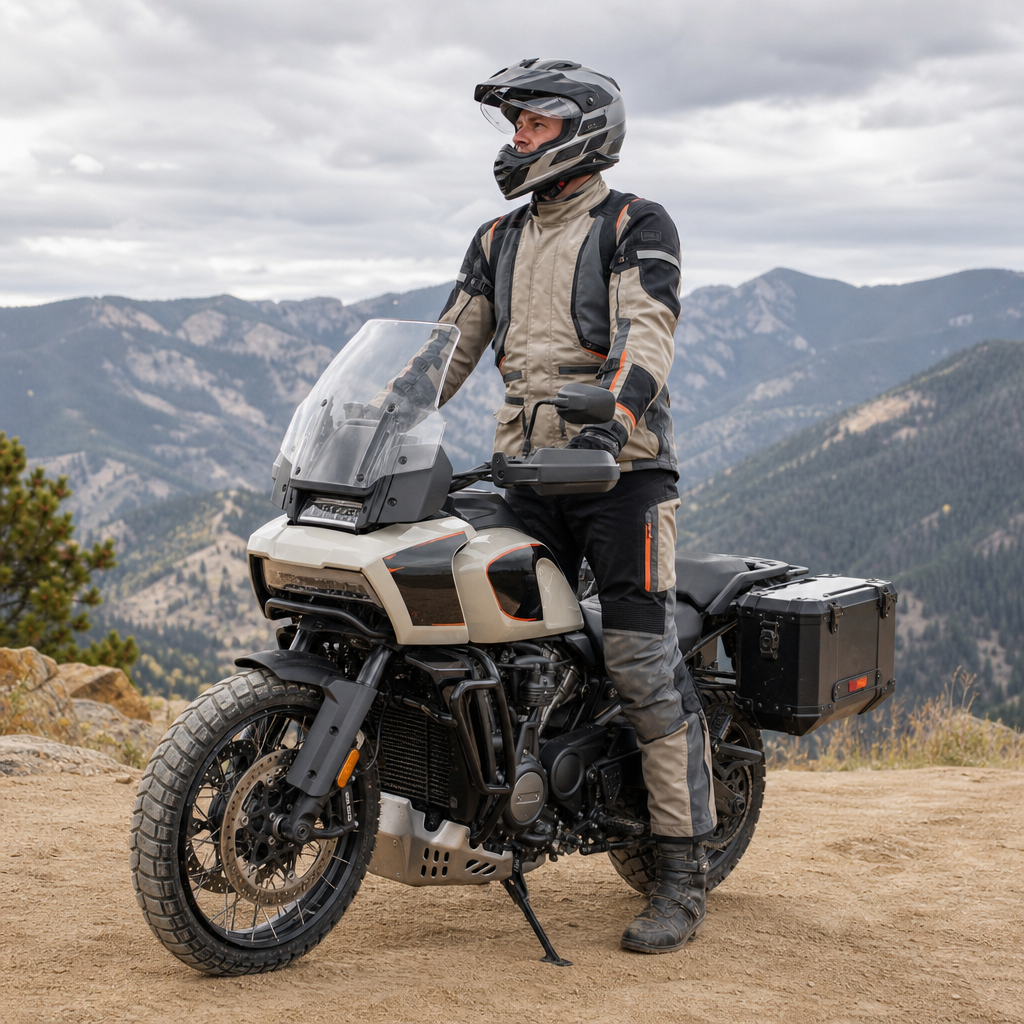
Revolution Max, by contrast, was engineered for a different era. Found in models such as the Pan America and Sportster S, the RevMax platform uses liquid cooling, overhead cams, variable valve timing in certain applications, and a stressed-member chassis concept. It produces a wider performance envelope and relies more heavily on integrated electronics. That makes app-based analytics much more consequential. Mode selection, software updates, electronic rider-aid behavior, and system warnings all affect tour preparation. On a high-elevation route with rapid weather changes, the RevMax advantage is measurable: its cooling and engine management maintain consistency where older air-cooled engines may feel more condition-sensitive.
These two engines show why a hub article matters. Harley-Davidson technical deep-dives cannot treat all engines as one category. The right app strategy depends on platform. Evo owners should prioritize disciplined manual records and mechanical checks. RevMax owners should prioritize software readiness, sensor confidence, and interpreting electronic alerts correctly. Both approaches are valid because both are matched to the machine.
Building This Page as Your Harley-Davidson Technical Hub for 2027
As a sub-pillar hub under Harley-Davidson, this page should connect riders to deeper articles on Milwaukee-Eight touring prep, Twin Cam reliability updates, Evolution long-distance maintenance routines, and Revolution Max electronics and adventure setup. The hub role is to provide the framework: use the 2026 H-D Connected App as the organizing layer, then apply engine-specific logic to your 2027 tour. That creates clearer internal pathways for readers and better decision-making for riders.
The key takeaway is simple. Ride analytics is only valuable when you interpret it through the lens of the motorcycle you actually own. On M8 bikes, use the app to watch heat, charging, service timing, and range shifts caused by load. On Twin Cam bikes, use it as a disciplined operating log that supports preemptive maintenance. On Evo bikes, let the app document patterns while your hands-on inspections lead the process. On RevMax bikes, treat software, electronics, and terrain-based performance data as core tour inputs rather than optional extras.
If you are planning a 2027 Harley-Davidson tour, start now by reviewing your current trip history, updating service records, and identifying which engine-specific guide you need next. Build your route around real data, not assumptions, and use this hub as the starting point for every deeper technical article that follows.
Frequently Asked Questions
What does the 2026 H-D Connected App actually do for a 2027 tour beyond basic navigation?
The 2026 H-D Connected App goes well beyond point-to-point routing. For a 2027 tour, its biggest value is that it acts as a decision-making hub built around ride analytics rather than just a digital map. Instead of only showing where to go, the app helps you understand how your motorcycle is performing, how you are riding, and what patterns from past trips should influence your next one. That includes trip distance history, typical fuel-stop timing, GPS track review, service interval monitoring, battery health notifications, and alerts tied to how the bike is being used over time.
In practical touring terms, that means you can prepare with more confidence. If your ride history shows that your real-world fuel range drops on long highway stretches with luggage and a passenger, you can plan more realistic stops. If service reminders indicate your bike will be due for maintenance in the middle of a multi-state trip, you can handle it before departure instead of dealing with downtime on the road. If battery health or system alerts show an emerging issue, you can address it early before it becomes a tour interruption.
It also helps convert past rides into better future planning. Riders often remember highlights from a trip but forget the operational details that matter most, such as how often they stopped, where fatigue set in, or how weather and terrain affected the day’s pace. The app organizes those patterns in a usable format, so your 2027 tour can be planned around real experience rather than guesswork. For Harley-Davidson riders who want fewer surprises and smoother days in the saddle, that is the real upgrade.
How can ride analytics help me plan fuel stops, charging stops, and daily mileage more accurately?
Ride analytics improve planning by replacing estimates with riding-specific data. Most riders can make a rough guess about how far they can go in a day, but touring conditions vary widely based on speed, terrain, traffic, weather, luggage load, passenger weight, and riding style. The 2026 H-D Connected App can help you review prior ride distances, stop frequency, route types, and energy or fuel-use patterns so your 2027 tour schedule reflects what actually happens on the road, not what looks ideal on paper.
For internal combustion touring bikes, one of the most useful benefits is smarter fuel-stop planning. Instead of assuming maximum advertised range, you can examine how far you typically ride before stopping, how highway speeds affect consumption, and whether mountain riding or strong headwinds reduce efficiency. That allows you to build a route with more appropriate refueling points, which is especially important in rural areas where station availability can be inconsistent.
For electric models or bikes with battery-related monitoring, the same principle applies to charging strategy. Battery health alerts, charging behavior, and route history can help you judge whether a route is comfortably manageable or if it needs more conservative planning. Rather than treating every day of the trip the same, you can break your tour into realistic segments based on actual usage patterns. This is especially helpful when balancing sightseeing, meal stops, and daylight hours.
Daily mileage also becomes more realistic when you review analytics from previous rides. Many riders discover they are strongest in the first half of the day and slow down significantly after repeated stops or long interstate stretches. By looking at those trends, you can set daily targets that fit your true rhythm. The result is a tour that feels organized without being overplanned, and that usually leads to safer, less stressful riding.
Can the app’s service intervals and bike health alerts really reduce problems during a long tour?
Yes, and for many riders this may be the most practical benefit of using the 2026 H-D Connected App before a major 2027 trip. Long-distance touring puts sustained demand on the motorcycle, and small maintenance issues that seem minor at home can become major disruptions once you are hundreds of miles away. By monitoring service intervals and surfacing health-related alerts in one place, the app gives you a clearer picture of whether your bike is truly tour-ready.
Service interval tracking matters because it helps you align maintenance with your trip calendar. Oil changes, brake inspections, tire checks, fluid reviews, and other routine service items should ideally be completed before a long departure window, not after you have already started the trip. If the app shows that a major service milestone will hit during your route, that is a signal to schedule dealer or garage time in advance. This kind of visibility reduces the chance of avoidable downtime.
Battery health alerts are equally important, especially as electronics and connected systems play a bigger role in modern touring. A weakening battery or recurring electrical warning may not stop a short local ride, but it can become a real problem on a multi-day journey filled with starts, stops, accessory use, and varying temperatures. Early alerts let you investigate before a weak component strands you.
The larger point is not that analytics eliminate all mechanical risk. Rather, they improve your ability to spot trends early. If the app consistently shows warning patterns, unusual usage behavior, or approaching service deadlines, you can act before those issues affect the trip. That is exactly how connected technology adds value to touring: it turns maintenance from reactive problem-solving into proactive trip preparation.
What are lean events and riding patterns, and how should I use that information without overthinking my ride?
Lean events and riding patterns are pieces of behavioral ride data that can help you understand how you and your motorcycle are interacting in real conditions. Lean-related data may highlight how often and how aggressively the bike is being cornered, while broader riding patterns can include acceleration habits, braking tendencies, route preferences, stop frequency, time-of-day riding, and typical trip duration. Used properly, this information is not about judging your style. It is about improving awareness.
For touring riders, that awareness can be surprisingly valuable. If your data shows repeated aggressive inputs late in the day, that may point to fatigue, impatience, or changing road conditions. If your route history shows you perform better on certain road types and become more drained on others, you can plan your 2027 itinerary accordingly. A scenic secondary-road day may be more enjoyable and sustainable for you than a long interstate push, even if the interstate appears faster on a map.
Lean and pattern data can also help with setup decisions. If your touring load, passenger weight, or luggage arrangement is affecting how the bike feels in corners or during braking, trends over multiple rides may reveal that something needs adjustment. Suspension setup, tire condition, and packing balance all influence ride quality, and analytics can support smarter pre-trip fine-tuning.
The key is to use the data as guidance, not as a source of distraction. You do not need to analyze every ride in microscopic detail. Instead, look for repeated patterns that affect comfort, safety, efficiency, or confidence. When you use the app that way, ride analytics stay practical and useful rather than turning the experience of riding into a spreadsheet exercise.
How should I use the 2026 H-D Connected App before, during, and after my 2027 tour for the best results?
The most effective approach is to treat the app as a full trip-cycle tool rather than something you open only when it is time to navigate. Before your 2027 tour, use it to review recent rides and identify planning realities: average daily distance, real-world fuel or charging behavior, upcoming service needs, battery status, and route preferences. This is also the stage where you compare the trip you want to take with the riding patterns you have actually demonstrated over time. If your historical data suggests 250 to 300 miles is your sweet spot, that is a better foundation than forcing repeated 450-mile days that may lead to fatigue or frustration.
During the tour, the app becomes your live organizational layer. It helps you keep track of route progress, stop history, bike status, and any alerts that could affect the day’s plan. If a day runs longer than expected, if a stop takes more time, or if the bike surfaces a maintenance-related notification, you can make adjustments early instead of being caught off guard. This is particularly useful on complex trips where weather, traffic, road closures, and rider energy levels can change quickly.
After the tour, the analytics become even more valuable because they turn the trip into a reference set for future planning. You can review which days were efficient, which routes were tiring, where fuel or charging assumptions were inaccurate, and whether your maintenance planning was timed properly. Over time, those insights create a far more personalized touring strategy than any generic route guide can offer.
In short, the app works best when you use it in three phases: preparation, adjustment, and review. That cycle helps transform raw ride data into smarter decisions, better timing, and more predictable touring outcomes. For Harley-Davidson riders preparing for 2027, that is where connected analytics move from being a novelty to becoming a real touring advantage.