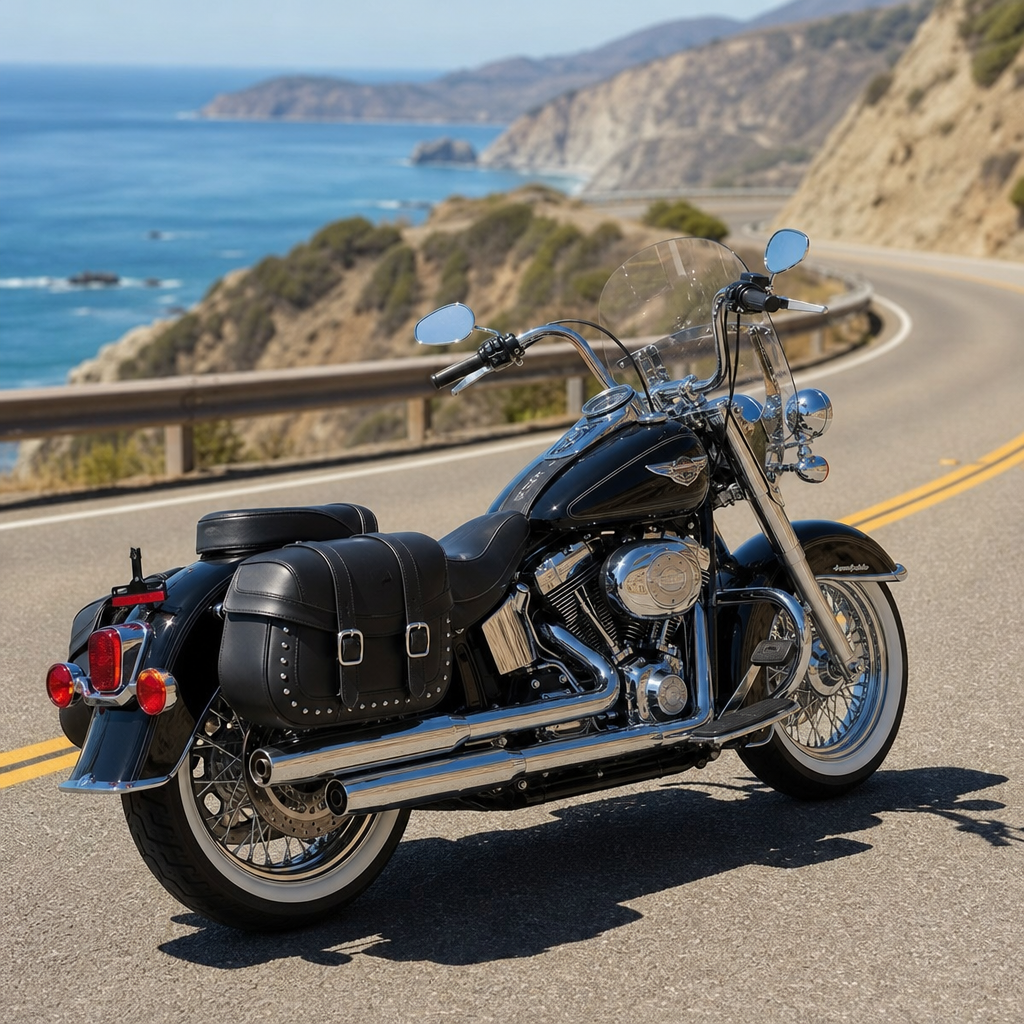
M8 rocker arm ticking is one of the most searched Harley-Davidson engine complaints because it sits at the intersection of noise, reliability, and expensive repair decisions. On 2017-2025 Milwaukee-Eight models, especially bikes that have crossed 20,000 to 50,000 miles, riders often notice a sharp top-end tick at idle, a sewing-machine rhythm on warm restarts, or a louder metallic tap under light throttle. In plain terms, the noise usually comes from movement somewhere in the valve train: rocker arms, rocker shafts, hydraulic lifters, pushrods, valve tips, or the oil supply feeding those parts. The sound matters because the M8 uses tight tolerances, hydraulic lash control, and high oil dependence. A harmless characteristic tick does exist, but persistent or worsening noise can also point to lifter wear, rocker support issues, oil aeration, cam chest problems, or exhaust leaks misidentified as internal ticking.
I have diagnosed this complaint on touring bikes, Softails, trikes, and police models, and the pattern is consistent: owners want to know whether the engine is about to fail, whether synthetic oil will help, and whether a top-end refresh is enough on a high-mileage bike. The answer depends on how the noise behaves cold versus hot, whether it follows rpm, and whether the bike has related signs such as unstable idle, metal in the oil filter, low oil pressure, or misfire counts. This hub article explains the M8 rocker arm ticking issue in depth and also frames the broader Harley-Davidson technical landscape, because the best diagnosis comes from understanding how Milwaukee-Eight, Twin Cam, Evolution, and RevMax engines differ in valvetrain layout, lubrication strategy, and common wear points.
As a sub-pillar hub for technical deep-dives, this guide covers the root causes, the inspection path, realistic repair options, and what owners of high-mileage 2017-2025 engines should expect. It also connects the M8 discussion to adjacent topics that serious Harley owners research next: hydraulic lifter design, cam chest upgrades, oil selection, compression testing, top-end service intervals, and how modern Harley engines compare with older pushrod and newer liquid-cooled platforms. If you are hearing a tick, the goal is simple: separate normal mechanical sound from early warning, then choose the lowest-risk fix before secondary damage spreads through the cam chest or valve train.
What M8 rocker arm ticking usually means on high-mileage engines
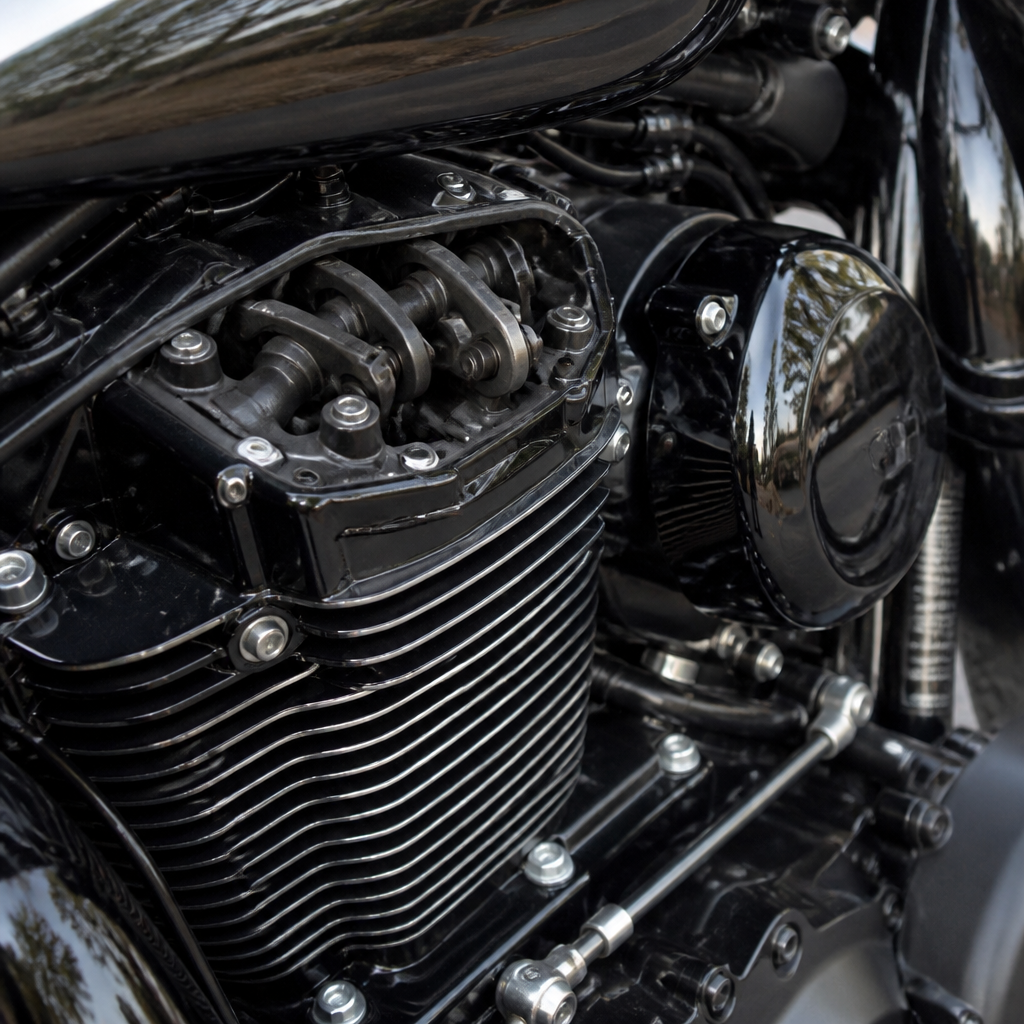
On Milwaukee-Eight engines, the phrase rocker arm ticking is often used loosely. Riders hear a tick from the top of the cylinder head and assume the rocker itself is bad, but the sound can originate several steps earlier in the system. The M8 is an overhead-valve, pushrod V-twin with four valves per cylinder, roller lifters, pushrods, and rocker arms mounted in rocker supports. Oil pressure keeps the hydraulic lifters pumped up so lash stays controlled. When any part of that chain develops clearance, oil starvation, or impact wear, the sound travels through the aluminum head and seems concentrated at the rocker box.
The most common causes on high-mileage 2017-2025 engines are lifter degradation, rocker bushing or shaft wear, uneven valve tip contact, pushrod seat wear, and oiling issues caused by contaminated passages, incorrect viscosity, or foaming at sustained heat. Exhaust leaks at the head flange can mimic an internal tick with surprising accuracy, particularly on cold starts. So can injector pulsing, which is normal, though it is usually lighter and more uniform than a mechanical tap. In my experience, a true harmful tick tends to change with oil temperature and load. It often gets worse hot, may sharpen after long highway runs, and may be accompanied by a faint chirp or rough idle when a lifter begins collapsing intermittently.
High mileage changes the diagnosis because wear patterns stack. A bike with 40,000 miles may have acceptable rocker geometry on paper, but if the owner has run extended oil intervals, idled in parade traffic, or installed a more aggressive cam without matching springs and setup checks, the safety margin shrinks fast. That is why no single internet answer fits every M8 tick.
How the Milwaukee-Eight valvetrain differs from Twin Cam, Evo, and RevMax
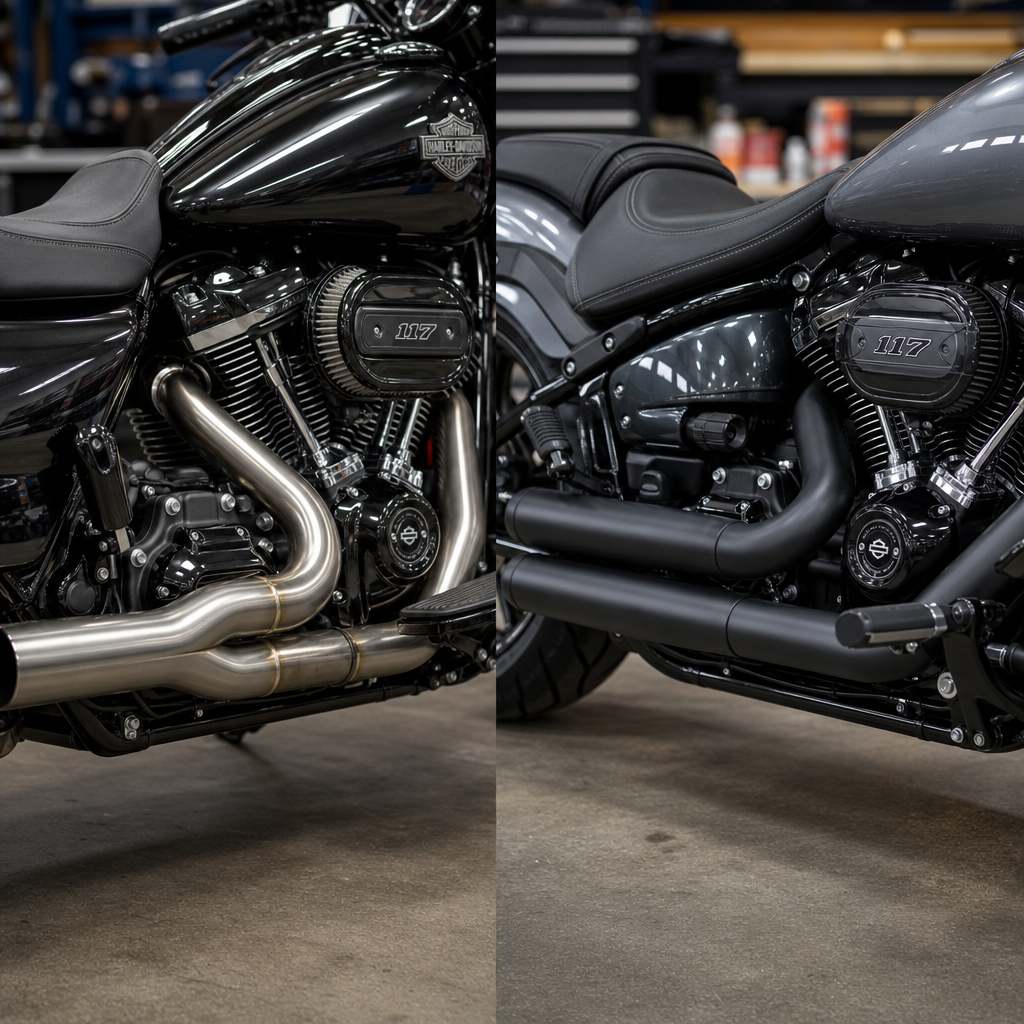
The Milwaukee-Eight engine shares Harley-Davidson’s pushrod heritage with Evolution and Twin Cam motors, but its four-valve heads, revised combustion chamber, and updated oiling behavior change both sound character and failure patterns. Evo engines are simpler and generally more tolerant of neglect, with a mechanical personality many owners accept as normal. Twin Cam engines introduced their own top-end noises and cam chest issues, including chain tensioner wear on earlier versions. The M8 improved breathing and thermal efficiency, yet its valve train can sound busier because there are more events happening in the head and because owners compare modern touring bikes to smoother automotive engines.
RevMax is the outlier. It is a liquid-cooled, overhead-cam platform with a completely different architecture, so ticking diagnoses follow different rules. Cam chain control, bucket or finger-follower behavior, and coolant temperature regulation change the acoustic signature. That matters for this hub because riders moving between platforms often misread what is normal. A faint ticking noise that would be ordinary injector or cam-chain sound on a RevMax can point to a developing hydraulic-lifter problem on an M8. Likewise, veterans of Evo and Twin Cam bikes may underreact to an M8 tick because older Harleys were mechanically louder overall.
For technical deep-dives across Harley-Davidson engines, the useful comparison is not which engine is loudest, but which components create risk when noise appears. On Evo, think basic top-end wear and oil control. On Twin Cam, include cam chest and tensioner history. On M8, prioritize lifters, rocker supports, oil delivery, and thermal pattern. On RevMax, prioritize timing system behavior and whether noise coincides with fault codes or coolant-related operating changes.
Symptoms that separate a normal tick from a problem tick
A normal M8 tick is light, consistent, and not paired with performance changes. It may be more noticeable beside a wall, at idle with a warmed engine, or after switching to a thinner oil within approved specifications. It does not suddenly become a knock, and it does not worsen week by week. A problem tick is different. It may start after the engine reaches full temperature, become more distinct on one cylinder, or disappear briefly after revving because the lifter pumps up, then return at idle. It can also be loudest during hot restarts, when marginal components are under maximum thermal stress.
There are several red flags that should push diagnosis ahead of more riding: metal flakes in the oil filter pleats, unstable idle, recurring check-engine events, reduced oil pressure, misfire under load, or a tapping noise that follows rpm directly. Another warning sign is a noise that gets louder after an oil change with the correct grade. That can mean the fresh detergent package has loosened deposits and exposed wear, or it can simply reveal a marginal lifter that old thickened oil had been masking. Either way, the engine deserves inspection.
| Symptom | Likely source | What to do next |
|---|---|---|
| Sharp tick cold, fades warm | Minor exhaust leak or normal lifter fill | Check flanges, listen with stethoscope, monitor trend |
| Tick appears hot at idle | Weak lifter, oil thinning, rocker wear | Verify oil pressure, inspect filter, isolate cylinder/head |
| Tick with rough idle or misfire | Lifter collapse, valve motion issue | Stop guessing and inspect valve train promptly |
| Uniform rapid clicking | Injector pulse or normal mechanical noise | Compare side to side and confirm no performance symptoms |
| Tick plus metallic debris in filter | Internal wear progressing | Do not continue riding until opened up |
Diagnosis process: what to inspect before replacing parts
The best M8 rocker arm ticking diagnosis starts with disciplined listening, not instant disassembly. Use a mechanic’s stethoscope or a long screwdriver at the rocker box, pushrod tube area, cam chest cover, and exhaust flange. Compare front and rear cylinders. Then review the bike’s service history: oil brand and viscosity, interval length, engine modifications, prior cam work, and whether the engine has ever overheated in traffic. I also ask owners exactly when the noise started. A tick that appeared immediately after cam installation points to setup, while a noise that developed slowly over 10,000 miles points more toward wear.
Next, inspect the oil system. Cut the oil filter open and spread the pleats. Ferrous glitter, bronze tint, or larger flakes change the repair plan immediately. Verify oil level correctly at operating temperature and rule out fuel dilution. If available, measure oil pressure hot. Then check for exhaust leaks, spark plug condition, and any stored diagnostic trouble codes. Only after those basics do I move into the top end or cam chest. Too many owners replace rocker parts first, only to find the real failure was a lifter roller or an oiling restriction further down.
Once the rocker covers come off, look for witness marks, uneven contact patterns, abnormal side play, discolored components from heat, and sludge in drainback areas. Pushrods should spin and seat correctly when expected. If the cam chest is opened, inspect lifters carefully and do not assume one bad part failed alone. On high-mileage engines, paired replacement is usually smarter than single-component gambling because worn parts teach new parts bad habits quickly.
Proven solutions for high-mileage 2017-2025 M8 engines
The right fix depends on findings, but several solutions repeatedly work on high-mileage M8 engines. If the noise is confirmed harmless and no wear evidence exists, the solution may be as simple as correcting oil level, replacing a leaking exhaust gasket, and establishing a shorter service interval. If hydraulic lifters are weak or inconsistent, replacing lifters with quality components and inspecting the cam lobes, pushrods, and oil passages is the correct repair. On engines above roughly 30,000 miles, many technicians treat a lifter job as a broader reliability service rather than a minimal patch.
When rocker support or bushing wear is present, replace worn assemblies and verify geometry during reassembly. Torque sequence matters. So does checking valve stem tip condition and ensuring pushrod length is correct if any aftermarket components are involved. On modified engines, excessive spring pressure, aggressive ramp rates, and heat can accelerate valve-train noise, so parts selection must match the cam profile. This is one area where buying by forum popularity instead of measured compatibility creates repeat failures.
Oil choice can help, but it is not a cure for damaged hardware. Use a viscosity and specification appropriate for climate and engine condition, and prioritize stable hot-pressure behavior over brand mythology. High-mileage owners who ride in severe heat, tow trailers, or spend hours idling often benefit from more frequent oil and filter changes because contamination control directly affects hydraulic lifter performance. If debris is present, flushing alone is not enough. The worn source must be found and corrected.
Preventive maintenance and where this hub connects next
The cheapest solution to M8 rocker arm ticking is catching it early. For high-mileage Harley-Davidson owners, that means consistent oil service, filter inspection at every change, realistic idle habits, and immediate follow-up when the engine develops a new top-end sound. Document whether the tick is cold, hot, rpm-related, or load-related. That simple log often shortens diagnosis dramatically. If the bike is modified, keep a record of cam specs, lifter brand, pushrod type, tuner map, and any prior overheating events. Those details matter more than most riders think.
This article is the hub for technical deep-dives across M8, Twin Cam, Evo, and RevMax engines, and the next best reads should branch from the symptom you have. If your M8 has a hot-idle tick, move to a detailed guide on hydraulic lifter failure patterns and cam chest inspection. If you own a Twin Cam, compare tensioner history and top-end wear pathways before assuming the same diagnosis applies. If you ride an Evo, focus on simpler top-end mechanical checks and oil control. If you have a RevMax model, use a platform-specific noise guide because liquid-cooled overhead-cam engines produce different normal and abnormal sounds.
The main takeaway is straightforward: M8 rocker arm ticking is not one problem but a family of causes centered in the valve train and oiling system. High-mileage 2017-2025 engines deserve systematic diagnosis, not guesswork, because small ticking issues can stay minor or escalate into expensive failures depending on what is actually worn. Start with listening, verification, and oil inspection, then repair the root cause with matched parts and careful setup. If your Harley has developed a persistent top-end tick, schedule a proper inspection now and use this hub to guide the next technical deep-dive before the noise becomes damage.
Frequently Asked Questions
1. Is rocker arm ticking normal on a high-mileage Milwaukee-Eight, or is it a sign something is wearing out?
Some mechanical valve train noise is normal on any Milwaukee-Eight, especially once the engine is fully warmed up and oil has thinned out. That said, there is a clear difference between ordinary top-end sound and a distinct rocker arm tick that suddenly becomes sharper, louder, or more rhythmic over time. On 2017-2025 M8 engines with 20,000 to 50,000 miles or more, ticking often points to wear or excess clearance somewhere in the upper valve train rather than just “normal Harley noise.” Common sources include rocker arm shaft play, bushing wear, lifter issues, pushrod-related geometry problems, valve tip wear, or oiling inconsistencies that allow parts to develop extra movement.
A useful way to think about it is this: a light, even sewing-machine sound that has been present for years may be characteristic; a metallic tap that appears at idle, gets more pronounced on warm restarts, or follows light throttle input deserves inspection. Mileage matters because the M8 valve train sees repeated heat cycles, oil shear, and constant motion that can slowly enlarge tolerances. The longer the engine runs with excess clearance, the more likely the tick turns into accelerated wear. So while not every tick means imminent failure, a persistent or worsening rocker area noise on a high-mileage bike should be treated as diagnostic information, not dismissed as harmless.
2. What usually causes M8 rocker arm ticking on 2017-2025 engines?
The most common cause is unwanted movement in the valve train, and that movement can come from several places that produce very similar sounds. Rocker arm assemblies are often the first suspect because they sit at the top of the system and can create a crisp tapping noise when bushings, shafts, or contact surfaces wear. Hydraulic lifters are another major contributor. If a lifter bleeds down, sticks, pumps up inconsistently, or loses oil pressure briefly, it can create clearance that shows up as a top-end tick. Pushrods, especially on engines that have been modified or serviced previously, can also contribute if preload is not correct or if wear has changed the geometry.
Oil condition is a major factor as well. Dirty oil, the wrong viscosity for the operating environment, extended service intervals, or an engine that spends a lot of time idling hot can all reduce the oil film that cushions valvetrain components. On a high-mileage bike, even small lubrication issues can make an existing wear pattern louder. Heat also plays a role. Many riders notice that the tick is faint cold, then sharper when fully warm, which often suggests clearances opening up or oil pressure behavior changing at temperature. In short, the noise is usually not one single “M8 problem,” but a symptom created by wear, oiling, heat, and accumulated miles acting together in the rocker-lifter-pushrod system.
3. How can I tell whether the ticking is coming from the rocker arms, lifters, injectors, or something else?
Start with the sound profile and when it occurs. Fuel injectors usually make a fast, light clicking that is consistent and relatively small in volume. A true rocker or valve train tick tends to sound more metallic, more pronounced at one cylinder, and easier to hear at the top of the engine near the rocker box area. Lifter-related noise may come and go, often changing during warm restarts, after long idle periods, or as oil pressure stabilizes. Exhaust leaks can also imitate valve train ticking, especially at the exhaust port, where a sharp puffing tick can sound deceptively mechanical.
A practical diagnostic approach is to listen systematically. Use a mechanic’s stethoscope or a long screwdriver placed carefully against different parts of the engine while listening from the handle. Compare front and rear cylinder rocker boxes, pushrod tube areas, cam chest region, and injector bodies. If the loudest concentration is clearly at the top end and follows engine speed in a steady rhythm, rocker or lifter components move higher on the suspect list. If the noise is strongest near the exhaust flange, inspect for leaks before assuming internal wear. Also pay attention to patterns: a tick that is loudest hot at idle and slightly fades with rpm often points toward clearance or lifter behavior, while a random clatter can suggest a more unstable hydraulic issue. The goal is not to guess from one noise clip, but to isolate where the sound is centered before deciding whether the engine needs adjustment, inspection, or teardown.
4. What are the best solutions for fixing rocker arm ticking on a high-mileage M8?
The right solution depends on whether the problem is early-stage noise, moderate wear, or a confirmed mechanical fault. For a mild tick on a high-mileage but otherwise healthy engine, start with the basics: verify oil level, confirm the correct oil type and change interval, inspect for exhaust leaks, and review any recent service or aftermarket parts that may have affected pushrod preload or rocker geometry. Sometimes a fresh oil service with the correct viscosity, along with careful inspection of fasteners and related top-end components, noticeably reduces ticking if the issue was worsened by oil breakdown or a minor setup problem.
If the noise persists, the more effective repair path usually involves inspecting the rocker arm assemblies, shafts, bushings, lifters, and pushrods as a system rather than replacing one part blindly. On higher-mile engines, many experienced builders prefer to refresh wear-prone upper-end components together because a new rocker installed against a marginal lifter, or vice versa, can leave the original noise unresolved. If measurements show excessive play, worn bushing surfaces, damaged rollers, improper preload, or questionable lifter function, replacing the affected parts with quality components is the durable fix. In more stubborn cases, checking cam chest condition and oiling health is also smart because top-end ticking can be the visible symptom of a broader wear pattern. The best “solution” is not just making the noise quieter, but correcting the source of clearance so the engine remains reliable for the next 20,000 miles.
5. Is it safe to keep riding with rocker arm ticking, and when should I stop and repair it immediately?
If the tick is light, unchanged for a long time, and the engine shows no other symptoms, short-term riding may be reasonable while you schedule a proper diagnosis. But there is a difference between monitoring a known, stable noise and continuing to ride an engine that is actively getting worse. You should move quickly if the ticking suddenly becomes louder, develops into a hard metallic knock, is accompanied by misfire, rough idle, loss of power, excessive heat, oil pressure concerns, metal in the oil, or difficulty starting. Those signs suggest the issue may no longer be simple top-end chatter and could involve a failing lifter, accelerated rocker wear, or a broader lubrication problem.
High-mileage M8 engines reward early intervention. A small clearance problem in the valve train can stay relatively affordable if caught when it is only causing noise. If ignored, the same issue can wear adjacent parts, contaminate the oil with debris, and increase the scope of repair. The safest rule is this: if the sound is new, directional, metallic, and clearly worsening, do not assume it will “run forever like that.” Have the top end evaluated before a manageable repair turns into a more expensive one. For riders trying to protect both reliability and resale value, diagnosing rocker arm ticking early is almost always cheaper than waiting for a louder failure to make the decision for you.