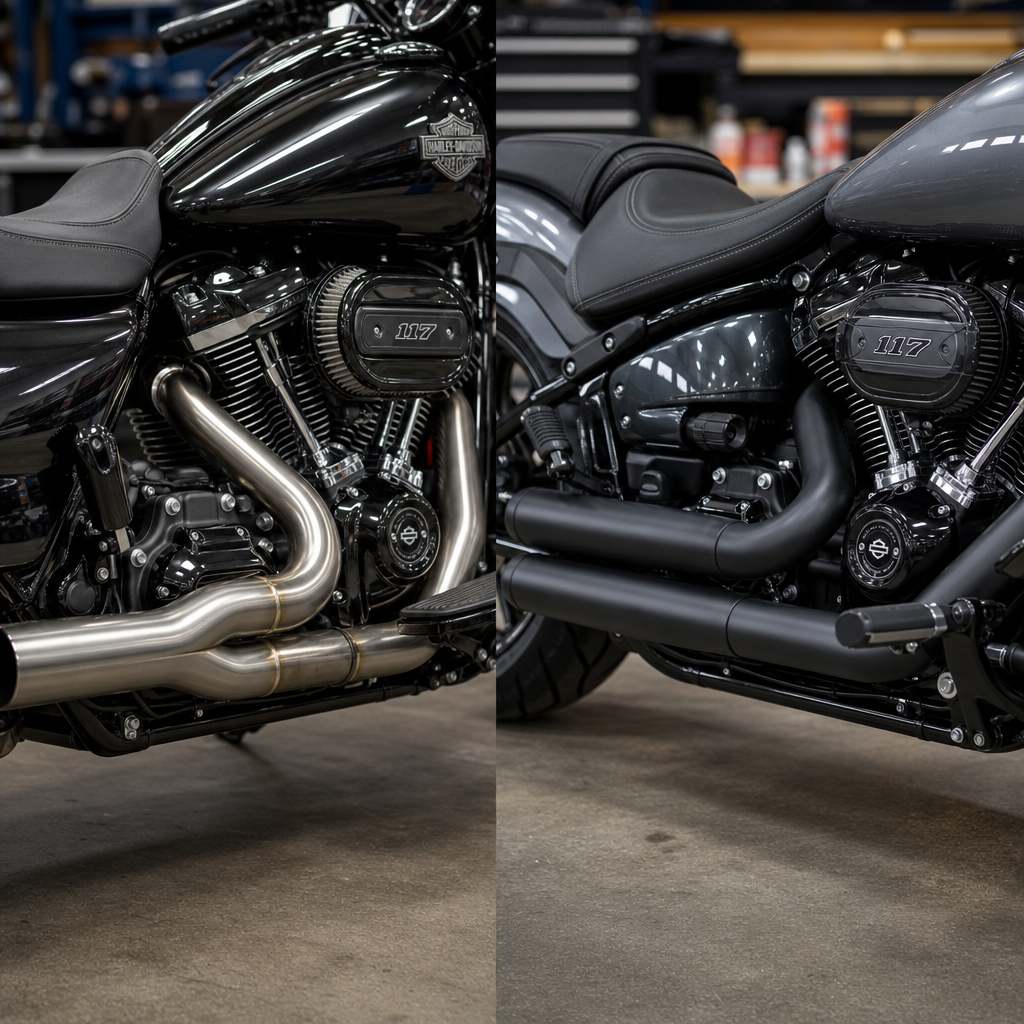
Stage IV M8 valve spring tension determines whether a Milwaukee-Eight valvetrain stays stable at 7000 rpm or turns expensive parts into debris. In Harley-Davidson performance work, spring tension is the controlled force that keeps the valve following the cam lobe, while seat pressure is measured with the valve closed and open pressure is measured at full lift. A Stage IV M8 build typically means high-lift camshafts, increased compression, head work, larger throttle body components, and supporting calibration, all aimed at moving more air without giving up the broad torque that makes these engines usable on the street. This topic matters because the difference between a clean 7000 rpm pull and valve float often comes down to details most riders never see: installed height, retainer mass, lifter control, pushrod stiffness, rocker geometry, and spring rate under heat.
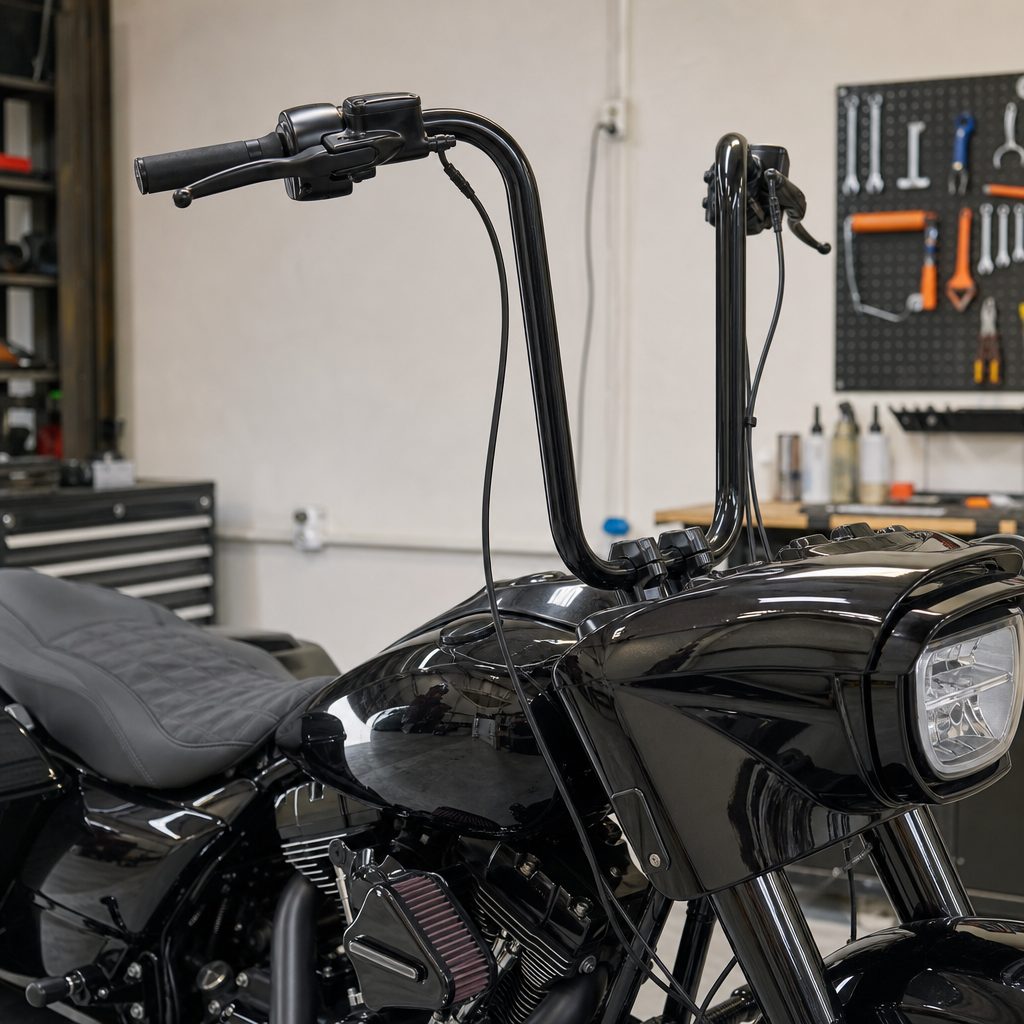
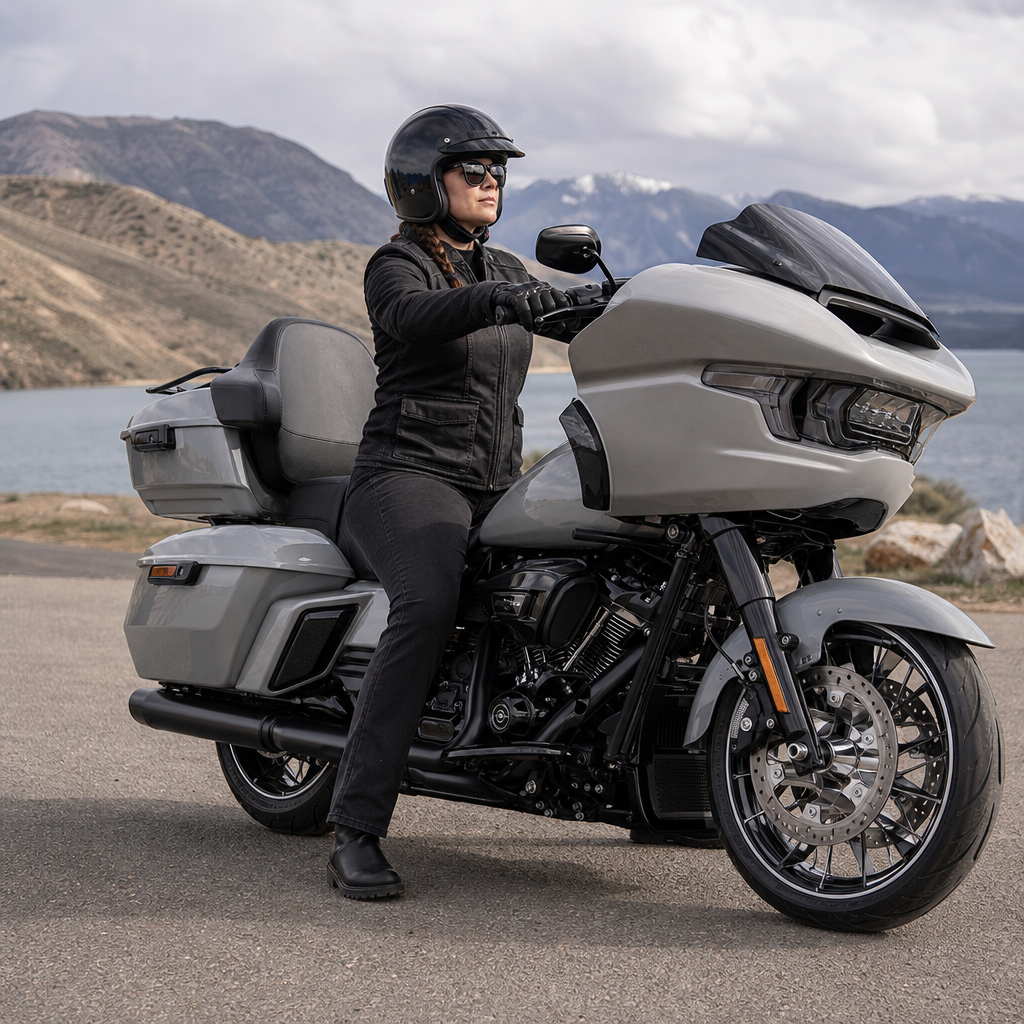
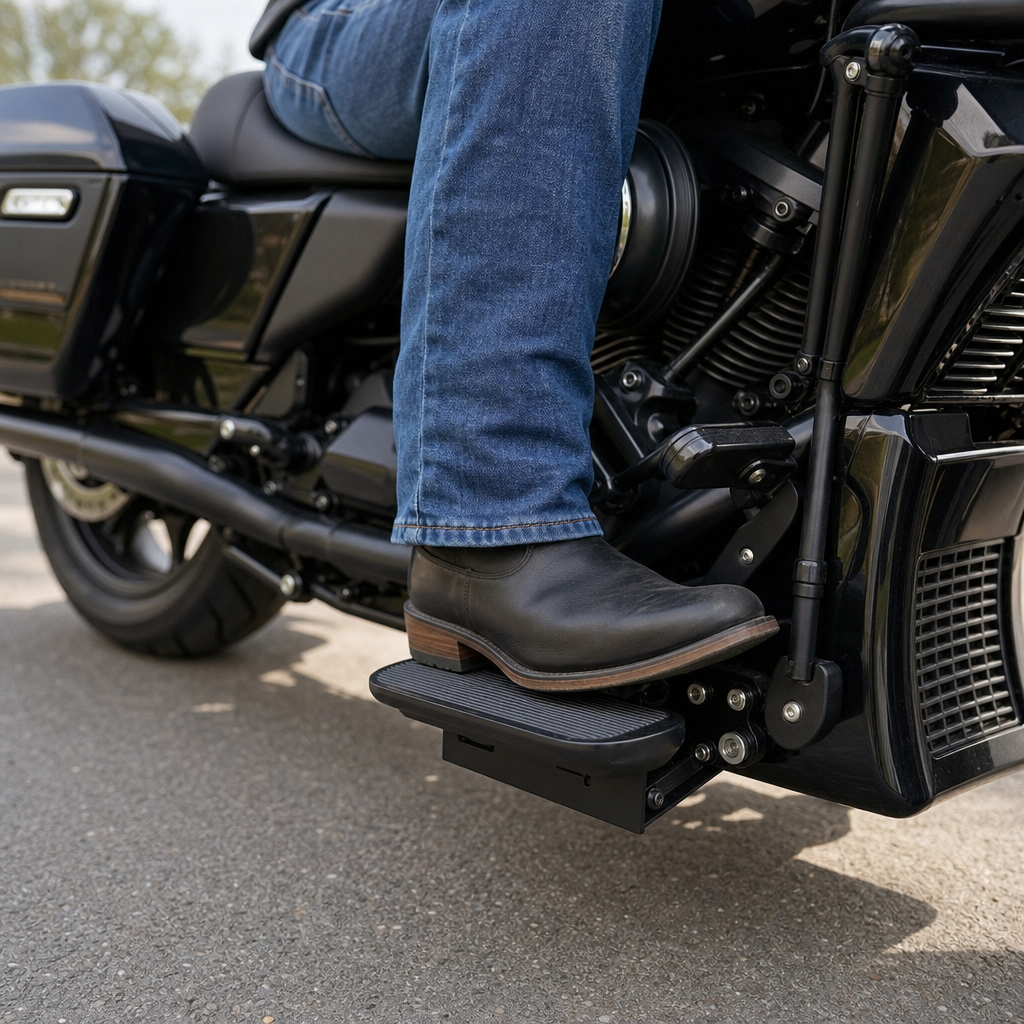
I have set up enough M8 heads to know that spring numbers on a box are only the starting point. The real recipe comes from matching the cam profile, valve mass, target rpm, fuel, riding use, and rider ergonomics to a complete package. Model-specific fit matters because a Road Glide bagger built for loaded touring asks for a different power delivery and thermal margin than a Low Rider ST or a stripped FXLR track-day build. Ergonomics matter too. Bar reach, floorboard position, saddle shape, wind management, and gear ratio all influence how a rider actually uses the upper rpm range. A bike that encourages stable body position and confident braking can exploit a 7000 rpm tune more effectively than one that makes the rider hang on and short-shift. That is why this hub connects valvetrain theory with practical Harley-Davidson setup choices across touring, cruiser, and performance-oriented models.
What Stage IV M8 valve spring tension must do at 7000 rpm
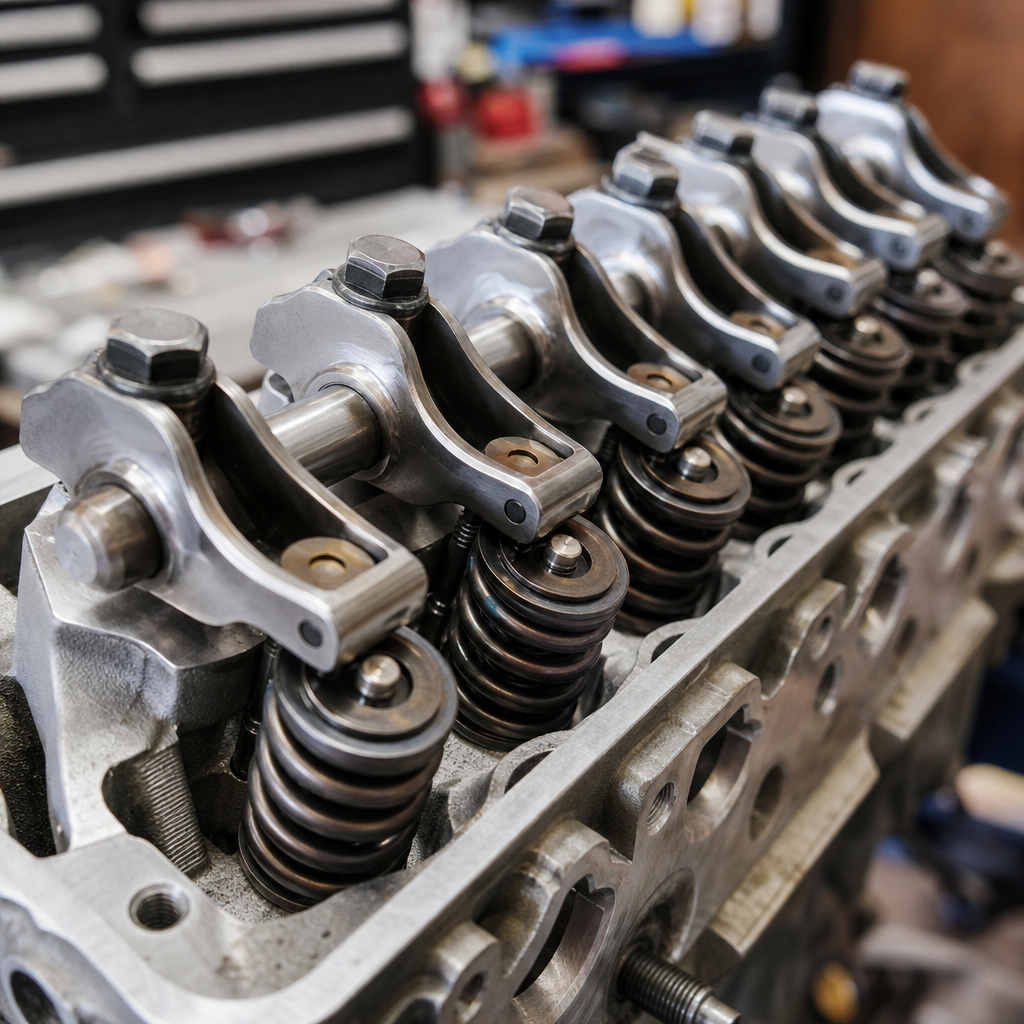
At 7000 rpm, each valve is opening and closing fast enough that inertia becomes the main enemy. The spring must keep the tappet, pushrod, rocker arm, retainer, locks, and valve moving as a controlled system, even when the cam lobe’s acceleration rate tries to separate those parts. If seat pressure is too low, the valve can bounce on the seat, lose seal, and beat up guides, seats, and locks. If open pressure is too low, the valvetrain can loft over the nose of the cam, then crash back down. If spring pressure is excessive, the engine may survive a dyno pull but wear lifters, cam chest components, guides, and valve tips faster than it should.
For a serious Stage IV Milwaukee-Eight targeting 7000 rpm, the right answer is never “the most pressure possible.” It is the least pressure that reliably controls the valve with the chosen cam and component weights. Beehive springs, ovate-wire designs, titanium retainers, and lighter valves all reduce the amount of pressure needed. Installed height has to be measured on every head, not assumed. Coil bind clearance, retainer-to-seal clearance, and rocker sweep must be verified. A lot of builders cite broad targets around 160 to 180 pounds on the seat and roughly 380 to 430 pounds open for aggressive street and strip M8 combinations, but those figures are guidelines, not a universal recipe. Cam lobe intensity, valve diameter, and hydraulic lifter behavior can move the safe window meaningfully.
Core valvetrain measurements and common failure points
Any reliable 7000 rpm recipe starts with measurement discipline. I use a valve spring tester to confirm actual seat and open loads at the installed height in the assembled head, not just advertised spring rates. Then I confirm net valve lift from the exact cam, rocker ratio, lash condition, and component stack. Milwaukee-Eight engines use hydraulic lifters, so preload consistency matters. Too much preload can reduce high-rpm control; too little can create noise and instability. Pushrod length is not guesswork on a serious build. Adjustable pushrods help, but they are a tuning tool, not a shortcut around geometry.
The failure points repeat across bad builds. The first is assuming any “Stage IV spring” automatically supports 7000 rpm. The second is running heavy stainless valves with stock-style retainers and expecting race-engine behavior. The third is ignoring heat. Spring pressure drops as temperatures rise, and oil aeration can affect lifter response during long pulls or hot stop-and-go traffic. The fourth is forgetting that the M8 rocker system and valve angles reward careful setup. The best dyno sheet in the morning can turn into high-rpm miss, power falloff, or guide wear after a summer of hard riding if spring margin is too thin.
Performance recipes by Harley-Davidson model and riding use
Model-specific ergonomics and performance recipes matter because the same peak rpm target can demand different supporting choices depending on chassis, rider position, and intended use. A Road Glide ST or Street Glide ST often carries luggage, passenger weight, taller wind protection, and long freeway miles. Those bikes benefit from valvetrain setups with extra thermal margin and a power curve that does not require living at 7000 rpm to feel fast. A Low Rider S or Low Rider ST puts the rider in a more aggressive position and typically sees more short, hard acceleration runs, making a slightly sharper cam and lighter valvetrain more practical. A Breakout or Fat Boy may wear taller gearing and prioritize visual style, so broad torque from 3000 to 6000 rpm can be the smarter recipe even if the springs are technically capable of more.
For touring models, I prefer a conservative 7000 rpm-capable setup with premium lifters, rigid pushrods, lighter retainers, and spring loads that leave room for sustained heat. For performance cruisers, I am more willing to use aggressive lobes if the rest of the package is equally serious: forged pistons, CNC heads, proper oil control, and careful tuning. Ergonomics tie directly into these decisions. Mid-controls and firmer suspension let a rider hold a line while using upper-rpm power. Deep floorboards and a relaxed reach encourage earlier shifts and lower sustained engine speed. Building beyond the rider’s real use pattern adds stress without adding usable speed.
| Model | Ergonomic Profile | Best 7000 RPM Valve Spring Strategy | Power Delivery Goal |
|---|---|---|---|
| Road Glide ST | Stable fairing, long-distance posture, high-speed touring | Moderate-high seat pressure, premium retainers, strong heat margin | Broad torque with clean top-end extension |
| Street Glide ST | Touring stance with urban and highway use | Balanced spring load, durable lifters, conservative installed height control | Fast roll-on power and reliable sustained rpm |
| Low Rider ST | Sport-touring cruiser, active rider position | Lighter valvetrain, sharper cam support, tighter rpm control | Strong midrange and aggressive 6500-7000 rpm pull |
| Low Rider S | Compact, performance-oriented, solo focus | High-control spring package matched to lighter valve components | Immediate response and hard acceleration through the upper range |
| Fat Boy/Breakout | Laid-back posture, style-forward setup, taller effective load | Do not over-spring; optimize for torque and durability first | Heavy-hit midrange with occasional top-end use |
Supporting parts that make spring tension work
Valve spring tension never works alone. Cam selection is the anchor. A cam with fast opening and closing ramps may need significantly more control than another cam with similar lift but gentler acceleration. That is why serious builders read the cam card closely and, when possible, review lobe design data instead of comparing lift numbers only. Retainers and locks are next. Swapping to lighter retainers reduces inertial load and often improves stability more efficiently than simply adding pressure. Valve material matters as well. Hollow-stem or lighter-performance valves can improve control at the same spring rate.
The rest of the system has to keep up. Quality hydraulic lifters from established names such as S&S Cycle, Feuling, or Johnson-style performance lifters are common choices because bleed characteristics and plunger control matter at rpm. Pushrods need stiffness so motion reaches the rocker accurately. Rocker arm condition, shaft support, and tip wear need inspection because tiny losses in geometry become magnified at speed. Precision head work is not optional. Guide clearance must suit the valve material and expected heat. Seat concentricity must be correct or the valve bounces and leaks even when the spring tests fine. In practice, many unstable M8 combinations are not under-sprung at all; they are mismatched systems with one weak link hidden in plain sight.
Tuning, durability, and the limits of a 7000 rpm street build
No spring package can save a bad tune. Spark advance, air-fuel ratio, knock control strategy, rev limiter behavior, and throttle mapping all affect whether a Stage IV M8 survives repeated high-rpm use. A clean tune from a qualified calibrator using tools such as Dynojet Power Vision or Screamin’ Eagle Pro Street tuning workflows is part of valvetrain reliability, not a separate concern. Detonation increases valvetrain stress indirectly by shocking the entire engine. Overly rich tuning can wash cylinders and raise oil contamination. A limiter that cuts violently can upset the chassis and drive the valvetrain into instability at the exact moment the rider is still asking for power.
There are also real limits to a street-driven 7000 rpm Milwaukee-Eight. Oil temperature, fuel quality, climate, rider weight, and traffic matter. A bike that lives in Arizona summer heat with a passenger and bags needs more mechanical margin than a solo weekend machine in mild weather. Maintenance intervals shrink as rpm rises. Springs lose pressure over time, and the more aggressive the package, the more often installed height, leakdown, and general top-end condition should be reviewed. For most riders, the best result is not the highest redline. It is a combination that pulls hard to 6800 or 7000 rpm repeatedly, starts easily, idles correctly, and survives thousands of miles without drama. That is the standard a good Stage IV M8 recipe should meet.
How this hub connects ergonomics and future Harley-Davidson build guides
This hub exists to organize Harley-Davidson model-specific ergonomics and performance recipes around how riders actually use their bikes. From here, related articles should branch into Road Glide ST cockpit setup, Low Rider ST suspension geometry, floorboard versus mid-control tradeoffs, bar and riser fit, seat shaping for hard acceleration, gearing strategy, cam selection by model, and tuning for loaded touring versus solo canyon use. The connecting idea is simple: power is only valuable when the rider can access it comfortably and predictably. A perfect valve spring setup on paper will disappoint if the rider’s posture causes early fatigue, poor traction feedback, or constant short-shifting.
The key takeaway is that Stage IV M8 valve spring tension for 7000 rpm is a system decision, not a catalog decision. Measure seat and open pressure, verify installed height, reduce valvetrain mass where possible, match the spring to the cam, and choose a recipe that fits the specific Harley-Davidson model and rider use case. Touring bikes need thermal and durability margin. Performance cruisers can justify sharper components if the rest of the package supports them. Every successful build balances control, longevity, and rider ergonomics. Use this hub as the starting point for your next Harley-Davidson upgrade, then map the exact valvetrain, chassis, and fit changes that turn peak numbers into reliable real-world speed.
Frequently Asked Questions
What does Stage IV M8 valve spring tension actually mean, and why is it so important at 7000 rpm?
Stage IV M8 valve spring tension refers to the amount of controlled force the valve springs apply to keep the valves, retainers, locks, pushrods, lifters, and rocker system following the camshaft accurately at high engine speed. In a Milwaukee-Eight performance build, that matters because the faster the engine turns, the more difficult it becomes for the valvetrain to stay in contact with the cam lobe without bouncing, floating, or losing control. At 7000 rpm, those problems happen very quickly and they are not minor tuning issues. They can lead to power loss, unstable combustion, piston-to-valve contact, damaged lifters, broken retainers, accelerated guide wear, and in severe cases complete top-end failure.
There are two main numbers involved: seat pressure and open pressure. Seat pressure is measured with the valve fully closed, and it helps the valve seal properly while also resisting the initial tendency of the valvetrain to separate from the cam profile. Open pressure is measured at full valve lift, and it is what controls the valve as the cam reaches maximum lift and starts the return cycle. In a Stage IV combination with a high-lift cam, stronger acceleration rates, more compression, ported heads, and increased airflow demand, the spring has to do more work than in a mild build. It is not just closing a valve; it is controlling inertia across the entire valvetrain.
That is why spring tension cannot be treated as an isolated spec. The correct spring package depends on cam lift, lobe aggressiveness, installed height, coil bind clearance, retainer design, valve weight, rocker ratio behavior, hydraulic lifter stability, intended rev limit, and how the bike will actually be ridden. A Stage IV M8 aimed at reliable 7000 rpm operation needs spring pressures that are high enough to maintain control, but not so excessive that they create unnecessary friction, heat, lifter stress, guide wear, or cam and roller damage. The goal is valvetrain stability, not simply the biggest pressure number on the shelf.
How do you choose the right seat pressure and open pressure for a Stage IV Milwaukee-Eight build?
The right seat and open pressure for a Stage IV Milwaukee-Eight build are chosen by working backward from the full combination, not by copying a generic spring recommendation. Camshaft lift and ramp speed are the starting point, because an aggressive cam with fast opening and closing events demands more control than a milder profile with similar peak lift. From there, you look at valve weight, retainer material, pushrod stiffness, rocker geometry, hydraulic lifter behavior, installed height, and the real-world rpm target. If the bike is expected to pull cleanly to 7000 rpm under load, the springs must be capable of controlling the valves at that speed consistently, not just surviving a quick dyno sweep.
Seat pressure needs to be high enough to keep the valve seated, maintain contact through the base circle and opening ramp, and resist loft or bounce as rpm rises. Open pressure must be sufficient to control inertia at maximum lift and during the closing side of the lobe, where valvetrain instability can become destructive very fast. In practical engine building, the correct range is usually determined by the cam manufacturer’s data, verified against the spring manufacturer’s pressure chart at the exact installed height being used, and then checked in the context of the entire top-end package. Builders also verify that the spring will not approach coil bind too closely and that retainer-to-seal or retainer-to-guide clearance remains safe at full lift.
A common mistake is focusing only on one pressure figure. Strong seat pressure with inadequate open pressure can still allow loss of control at high lift. High open pressure with poor installed height setup can create unnecessary stress while delivering inconsistent results. Another mistake is assuming “more spring” automatically means “more rpm.” Excessive pressure can hurt durability, increase parasitic loss, and overload hydraulic components. The best recipe for a Stage IV M8 is a matched system: a cam profile intended for the target rpm, a spring designed for that lobe and lift, precise installed height measurement, enough clearance to avoid bind, and verification that the bike’s rev limit and intended use match the valvetrain’s real stability window.
What happens if valve spring tension is too low or too high in a 7000 rpm Stage IV M8 setup?
If valve spring tension is too low, the most immediate risk is valve float or valve loft at high rpm. That means the valve no longer follows the camshaft precisely. Instead of tracking the lobe, the valvetrain can separate, rebound, and slam back into place. In a Milwaukee-Eight running a serious Stage IV package, that can show up as a flattening power curve, misfire at the top of the pull, erratic dyno data, unstable manifold pressure, and a general feeling that the engine stops pulling cleanly before the intended rev limit. Left unchecked, low spring pressure can damage lifters, pound valve seats, beat up locks and retainers, and in the worst case allow contact between the valve and piston.
If valve spring tension is too high, the problems are different but just as real. Excessive spring pressure increases the load on the cam lobes, lifter rollers, pushrods, rockers, valve tips, guides, and seats. It also adds friction and heat, which can reduce efficiency and shorten component life. In a hydraulic-lifter street-based M8, too much spring can contribute to lifter instability, premature wear, and guide stress, especially if oil quality, oil control, and geometry are not ideal. More pressure than the system needs does not create free horsepower. It usually creates unnecessary mechanical punishment.
The best-performing engines live in the middle ground where the spring has enough force to maintain control across the actual operating range without becoming abusive to the rest of the valvetrain. That is why experienced builders measure everything instead of relying on catalog assumptions. They confirm installed height on every valve, check actual spring pressure at that height, verify pressure at full lift, inspect coil bind clearance, and make sure the whole package has a safety margin for heat, rpm, and real riding load. In a 7000 rpm Stage IV M8, the consequences of being wrong are simply too expensive to ignore.
Do upgraded valve springs alone make a Stage IV M8 safe at 7000 rpm, or do other valvetrain parts matter just as much?
Upgraded valve springs are essential, but they are only one part of what makes a Stage IV M8 stable and reliable at 7000 rpm. A valve spring cannot compensate for a mismatched cam profile, excessive valve weight, weak pushrods, poor installed height, inadequate retainer clearance, unstable hydraulic lifters, or incorrect tuning. At high engine speed, the entire valvetrain behaves as a system. Every component affects how well the valves follow the camshaft, and the weakest part of that system will usually show itself long before the strongest part reaches its limit.
In a serious Milwaukee-Eight build, supporting parts matter a great deal. Pushrods need enough stiffness to resist flex. Lifters need to be high quality and appropriate for the rpm and cam profile. Retainers and locks need to be matched to the spring and valve package. Valve guides, seals, and tip condition all affect durability. Head work changes airflow demand and may influence the cam choice, which then changes the required spring characteristics. Compression ratio and combustion efficiency also matter because they change how the engine pulls through the rpm range. Even tuning plays a role; an engine that detonates, runs excessively hot, or hits an abrupt rev limiter can stress the valvetrain differently than a properly calibrated setup.
That is why strong Stage IV recipes usually include a complete package rather than a single “magic” spring upgrade. The spring must match the cam, the top end must have the correct clearances, the supporting hardware must be capable of the intended rpm, and the build must be assembled and measured carefully. If the goal is repeatable 7000 rpm performance rather than one hero dyno pull, the answer is always system engineering. Springs are critical, but they do not work alone.
How can you tell whether your Stage IV M8 valve springs and valvetrain are actually stable at 7000 rpm?
The best way to know whether a Stage IV M8 valvetrain is truly stable at 7000 rpm is to combine careful measurement during assembly with real verification during operation. Assembly checks come first. That means confirming installed spring height on every valve, checking actual seat pressure at that installed height, measuring open pressure at full lift, verifying coil bind clearance, and ensuring adequate retainer-to-seal and retainer-to-guide clearance. Builders also confirm the actual cam lift seen at the valve, because the real number is what matters for clearance and spring load, not just the advertised spec. If any of those measurements are guessed at, the engine is already carrying unnecessary risk.
After assembly, dyno behavior and operating symptoms provide the next clues. A stable valvetrain usually produces a clean power curve, repeatable results from pull to pull, and smooth extension to the intended shift point or rev limit. An unstable valvetrain may show power nosing over early, erratic top-end