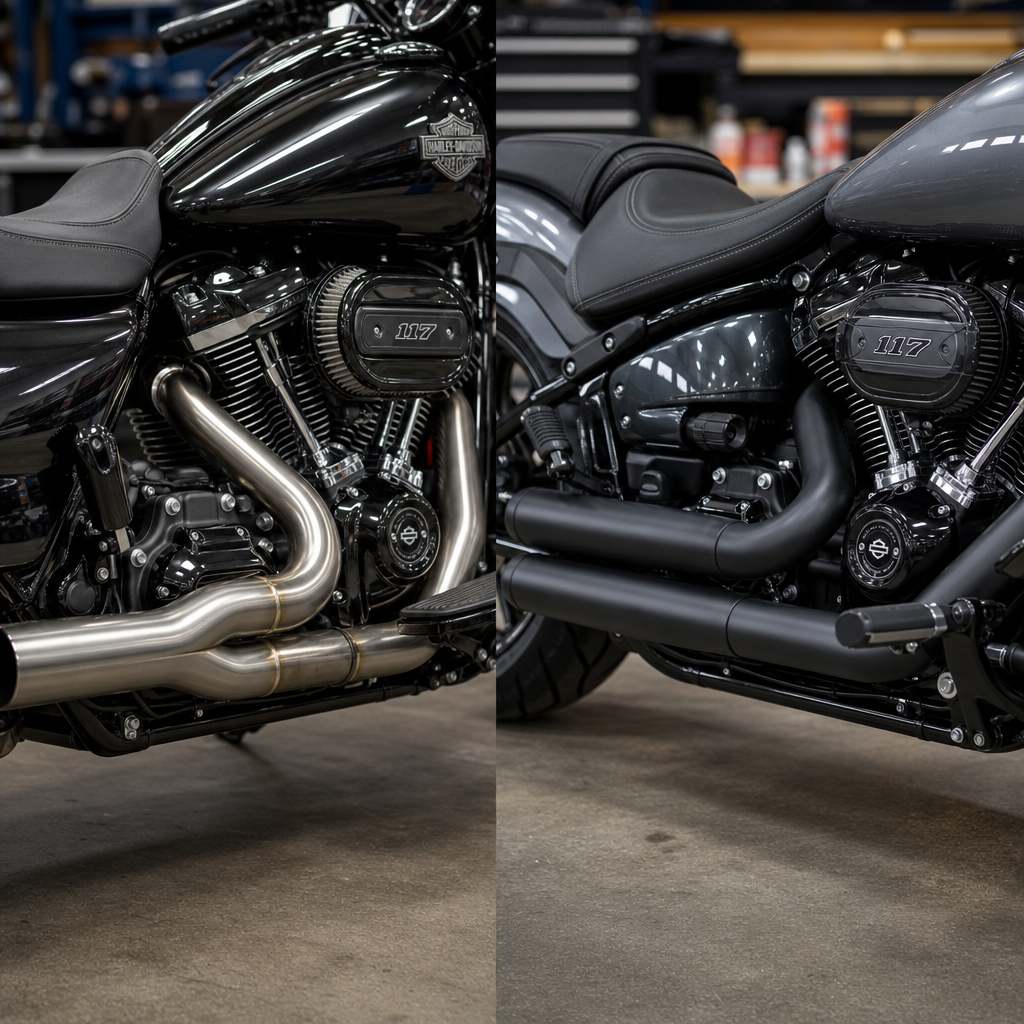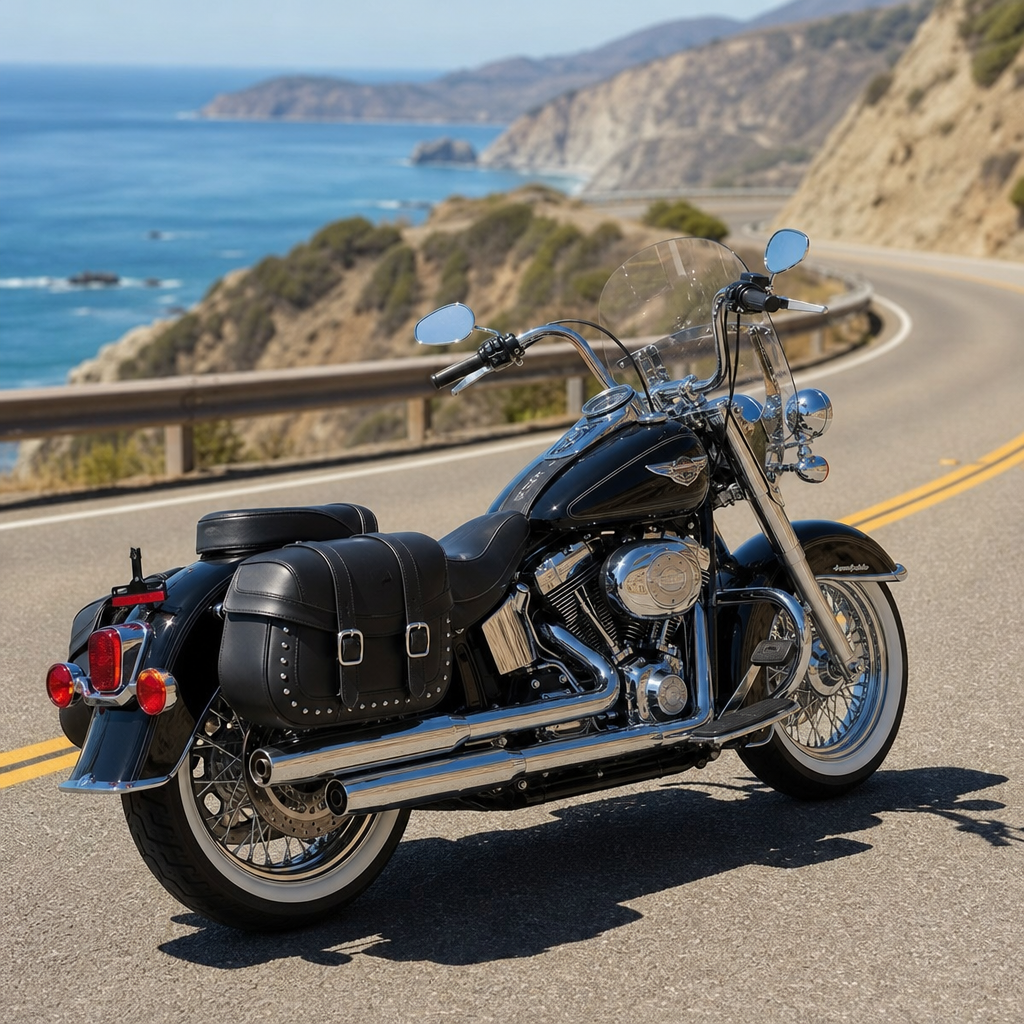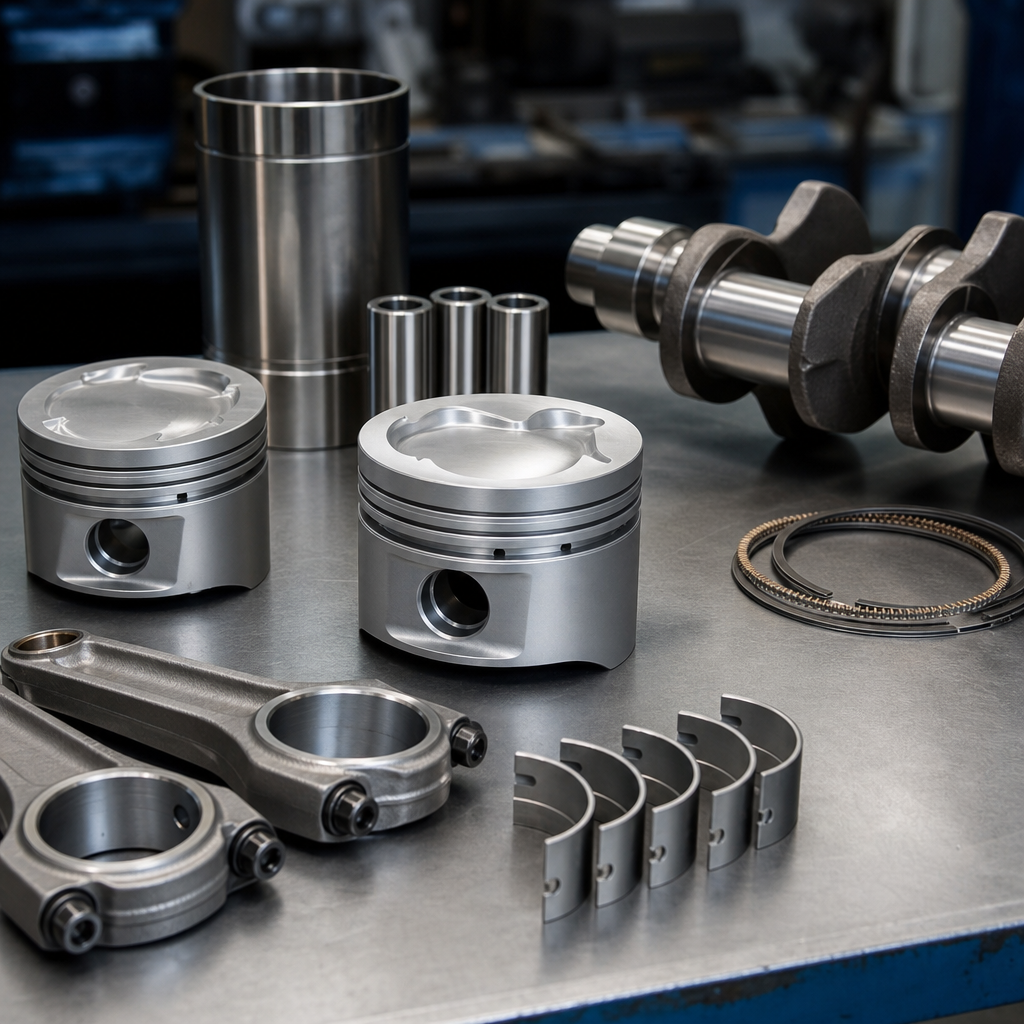
Building a Stage III high-compression piston setup for a 2027 Harley-Davidson performance build starts with a simple truth: power only feels good when the motorcycle still fits the rider, survives heat, and delivers usable torque across the rpm range. In shop terms, a “recipe” is not a single part number. It is a matched combination of pistons, cylinders, camshaft, heads, intake, exhaust, clutch, fueling, and rider-contact adjustments chosen for a specific model and use case. “High-compression” usually means raising the engine’s effective cylinder pressure by increasing static compression ratio, improving quench, or both. “Stage III” generally refers to a more serious top-end package than a mild bolt-on tune, often including pistons or big-bore cylinders, camshaft changes, and calibration work. For 2027 performance builds, that recipe matters more than ever because modern Harley-Davidson platforms respond strongly to careful matching, while emissions hardware, electronic throttle control, and tighter thermal margins punish sloppy combinations.
I have built and tuned enough Milwaukee-Eight combinations to see the same pattern repeatedly: riders ask for dyno numbers, then return later talking about seat reach, mid-corner leverage, clutch effort, heat at the thigh, and whether the bike pulls cleanly from 2,500 rpm in top gear. That is why this hub article covers both model-specific ergonomics and performance recipes together. A Road Glide rider who tours two-up needs a different compression target, cam timing window, and handlebar geometry than a Low Rider S owner riding aggressively on back roads. The same piston can feel brilliant in one chassis and wrong in another. Compression affects combustion speed, starter load, octane tolerance, and oil temperature. Ergonomics affect confidence, body position, and how effectively a rider can use the added torque. When these choices are coordinated, the result is a faster motorcycle that is also easier to control, less tiring over distance, and more reliable under repeated hard use.
This page serves as the hub for model-specific ergonomics and performance recipes across the Harley-Davidson range. It explains what a Stage III high-compression piston build should include, how to tailor it by model family, and where the common failure points appear. It also points toward the deeper branch topics that typically deserve their own supporting pages: cam selection by compression ratio, touring heat management, Softail control positioning, suspension support for added corner-exit speed, and calibration strategy for pump-gas street engines. If you are planning a 2027 performance build, the central question is not “What is the highest compression piston available?” The better question is “What compression, cam timing, rider triangle, and supporting parts will make my Harley-Davidson quickest, coolest, and most rideable for my exact use?”
What a Stage III high-compression piston recipe actually includes
A proper Stage III recipe begins with measurements, not marketing. Before choosing pistons, I verify bore condition, ring end gap targets, deck height, combustion chamber volume, valve-to-piston clearance, and cranking compression expectations. Static compression ratio alone is incomplete. A 11.0:1 piston paired with a late-closing intake valve may be easier on pump fuel than a 10.7:1 setup with an early intake closing event. On Milwaukee-Eight engines, quench clearance and combustion chamber shape matter just as much as the advertised ratio. Tight, consistent quench improves mixture motion and burn speed, allowing more efficient combustion and often better torque with less spark advance. That helps both power and heat control.
The complete recipe usually includes forged high-compression pistons, matched cylinders if displacement is changing, a cam chosen for the intended rpm band, valve springs appropriate to lift and ramp rates, head work if airflow or chamber correction is needed, intake and exhaust components sized for the target horsepower, and tuning support through Screamin’ Eagle Pro Street Tuner where legal, ThunderMax, Dynojet Power Vision, or another established calibration path depending on the bike and jurisdiction. Supporting parts are not optional. A higher-output bagger often needs a stronger clutch pack, oil cooling review, fresh motor mounts, and in some cases a higher-capacity starter or battery because elevated compression increases cranking effort. Reliability comes from system balance, not from one premium part.
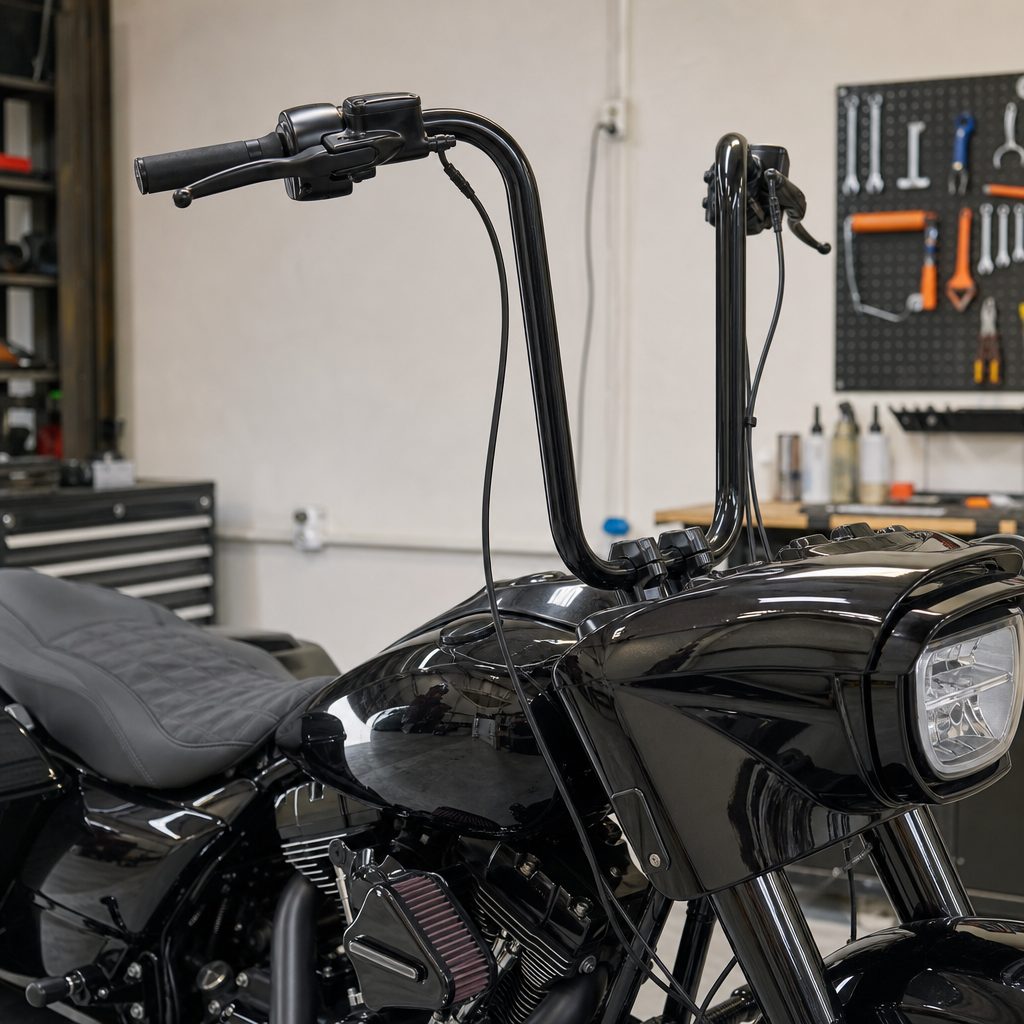
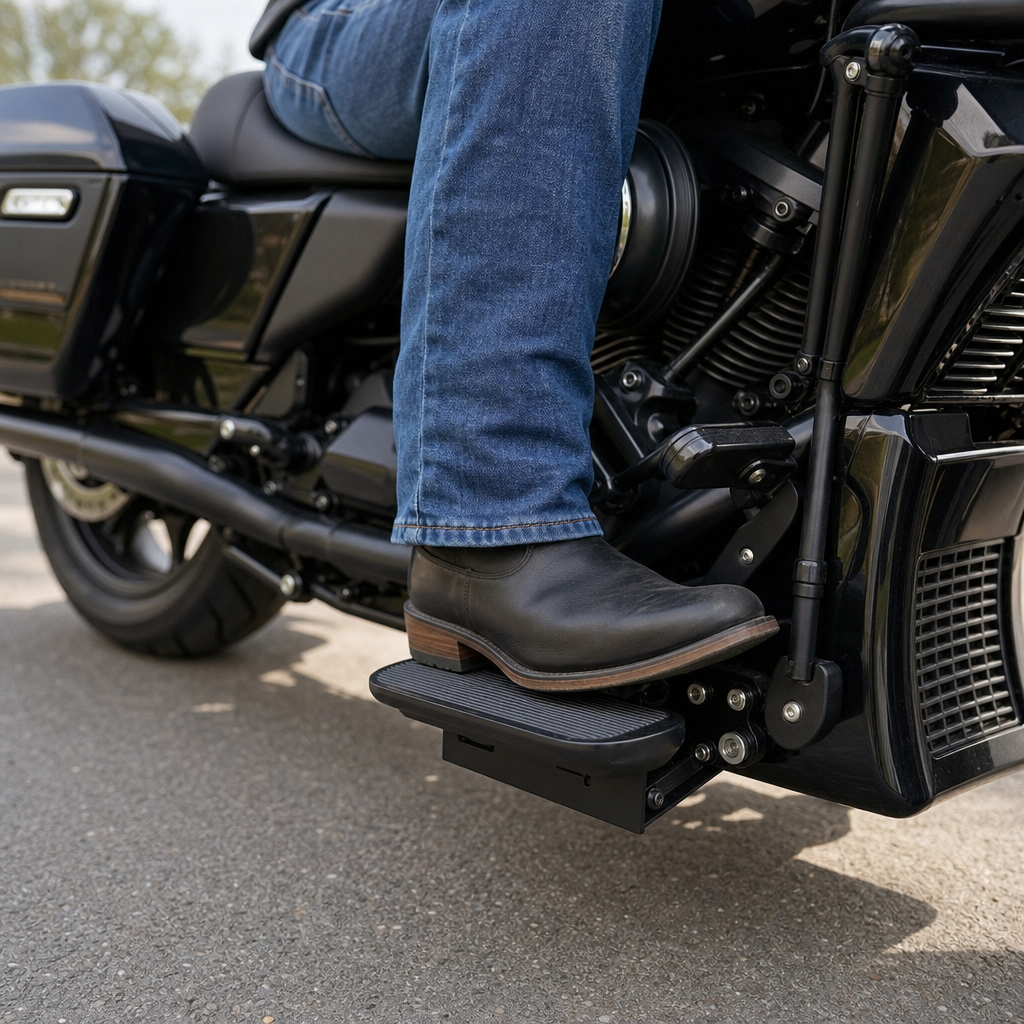
Rider fit belongs inside the same recipe. More power changes how the rider loads the chassis under acceleration and corner exit. If foot controls are too cramped, the rider braces on the bars and upsets steering inputs. If bars are too far back on a Road Glide, the rider’s chest closes and countersteering effort rises. If the saddle locks the pelvis in one position, added thrust becomes tiring instead of useful. For that reason, I treat seat height, bar reach, peg position, lever angle, and suspension sag as performance components. A well-fit bike lets the rider apply the engine package sooner and more consistently, which is the only horsepower that counts on the road.
Model-specific performance and ergonomics recipes across the Harley-Davidson range
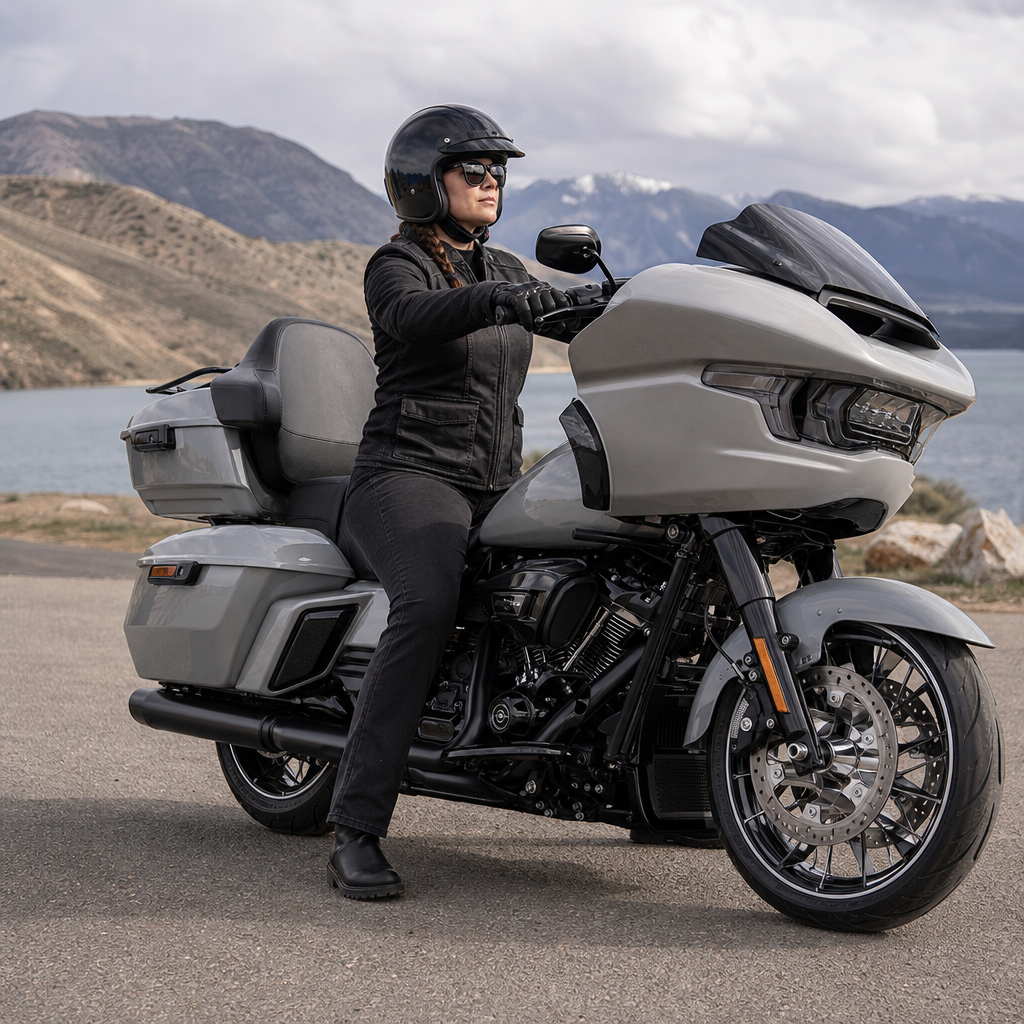
Different Harley-Davidson platforms want different Stage III high-compression piston recipes because chassis weight, cooling strategy, gearing, fairing protection, and rider posture all change how power is experienced. Touring models such as the Road Glide and Street Glide reward broad torque, stable thermal behavior, and low rider fatigue. Softail performance models such as the Low Rider S, Low Rider ST, and Fat Bob can exploit a slightly more aggressive cam and sharper transient response because they carry less weight and invite harder corner exits. Trike and heavy-load touring applications usually benefit from conservative compression choices paired with excellent cooling and strong low-end cylinder fill. Sportster S and Revolution Max models are a separate architecture and require their own strategy, but the same principles apply: match compression, fueling, gearing, and ergonomics to the mission.
| Model family | Best compression strategy | Cam and tuning priority | Ergonomic focus |
|---|---|---|---|
| Road Glide/Street Glide | Moderate-high pump-gas compression with tight quench | Torque from 2,500-5,500 rpm, controlled heat | Bar reach, seat support, floorboard clearance |
| Low Rider S/ST | Higher compression if fuel quality is consistent | Strong midrange and fast throttle response | Mid-control comfort, peg clearance, bar leverage |
| Fat Bob/Heritage/Softail Standard | Street-friendly compression with broad torque | Smooth fueling and usable roll-on power | Seat-to-peg distance, shock support, wrist angle |
| Road King and heavy two-up touring | Conservative high-compression for load carrying | Early torque and stable oil temperature | Passenger room, back support, reduced fatigue |
On touring bikes, I typically favor recipes that produce strong area under the curve rather than peak-sheet bragging rights. A bagger carrying luggage, audio equipment, crash bars, and a passenger can easily add hundreds of pounds beyond curb weight. In that context, a responsive 114 or 117 build with well-matched high-compression pistons and a torque-biased cam often outruns a peakier setup in real passing situations. Ergonomically, baggers need bar placement that keeps elbows relaxed and shoulders down, plus a seat that supports the rider under sustained acceleration. Small changes here improve control more than many riders expect.
On Low Rider S and ST models, the recipe can be sharper. These bikes reward midrange punch, quicker rev build, and slightly more aggressive body positioning. A high-compression piston package works especially well when combined with suspension springs matched to rider weight, because improved drive out of corners exposes underdamped chassis behavior immediately. The right cockpit setup places the torso in a neutral hinge at the hips, not collapsed onto the wrists. That allows the rider to stay loose on the bars and use the extra torque effectively. This hub should connect you to model-specific pages that dive deeper into each family’s geometry, compression window, and parts compatibility.
Compression ratio, fuel quality, cam timing, and heat management
The most misunderstood part of a Stage III high-compression piston build is the relationship between compression ratio and octane. More compression can make more power, but only when the chamber, cam timing, fuel, and spark map support it. Detonation is not just a noise issue. It can break ring lands, hammer rod bearings, damage head gaskets, and force the tuner to pull enough timing that the expensive piston upgrade delivers little net gain. For a pump-gas Harley-Davidson street engine, the safe compression target depends on altitude, intake air temperature, cooling efficiency, chamber design, and how the rider uses the bike. A stop-and-go touring bike in summer heat needs a larger safety margin than a weekend canyon bike run on premium fuel in mild weather.
Cam timing controls dynamic compression and therefore shapes both rideability and knock sensitivity. Intake closing point is especially important. Earlier intake closing traps more mixture at lower rpm, increasing low-speed cylinder pressure and torque, but it also raises detonation risk. Later closing softens low-rpm pressure and moves the powerband higher. That is why simply pairing “the biggest piston” with “the hottest cam” often disappoints. A balanced build targets a realistic operating range. Most street Milwaukee-Eight engines feel best when the torque curve is thick from roughly 2,500 to 5,500 rpm, because that is where riders actually live on public roads.
Heat management is inseparable from compression strategy. Higher cylinder pressure raises thermal load, and Harley-Davidson air/oil-cooled or partially liquid-cooled engines have clear limits. I pay close attention to oil cooler effectiveness, tuning at cruise and part throttle, exhaust gas temperatures, and how much spark retard the engine requests under repeated pulls. Simple supporting choices matter: a properly sealed intake, accurate wideband feedback during tuning, fresh plugs of the correct heat range, and clean injector spray patterns. On touring builds, lower leg heat deflectors, ceramic-coated headers, and calibrated idle strategy can make the difference between a bike that is fast on a dyno and a bike that is genuinely comfortable in traffic. The best performance recipe always includes a thermal plan.
Parts selection, machining standards, and tuning workflow
If you want a 2027 performance build to last, machining and assembly standards must be explicit. I only trust recipes built from measured clearances, documented torque values, and parts from established manufacturers with known metallurgy and support. Forged pistons should be matched to the cylinder finish and the intended piston-to-wall clearance. Ring packages need end gaps set for real operating temperature, not guessed from a catalog note. Valve springs must match actual installed height and coil-bind margin. Pushrod length should be verified after milling, gasket changes, or deck corrections. These details are where durable street engines separate themselves from short-lived social media builds.
Head work deserves discipline. Bigger ports are not automatically better on a street Harley-Davidson. Port velocity, chamber shape, valve job quality, and seat concentricity often matter more than maximum flow at high lift. For many Stage III builds, modest chamber refinement and a quality multi-angle valve job deliver stronger real-world gains than aggressive port enlargement. The objective is efficient cylinder fill, clean burn, and predictable tuning response. I also check rocker geometry, lifter condition, and oiling behavior because increased lift and rpm expose valvetrain weaknesses quickly.
Tuning workflow should follow a sequence: verify mechanical health, establish base map or calibration, tune idle and part-throttle fueling, confirm cruise spark behavior, then perform controlled wide-open-throttle runs while monitoring air-fuel ratio, knock response where available, and repeatability. Dyno numbers matter, but street validation matters more. I road-test hot restart behavior, low-speed surging, throttle tip-in, and roll-on acceleration in the gears the owner uses most. For hub-page purposes, the key point is simple: every model-specific recipe downstream from this article should include a parts list, target compression window, required machining checks, and a tuning path. That structure prevents expensive mismatches and gives riders a repeatable blueprint rather than a pile of unrelated upgrades.
How to choose the right recipe for your riding style
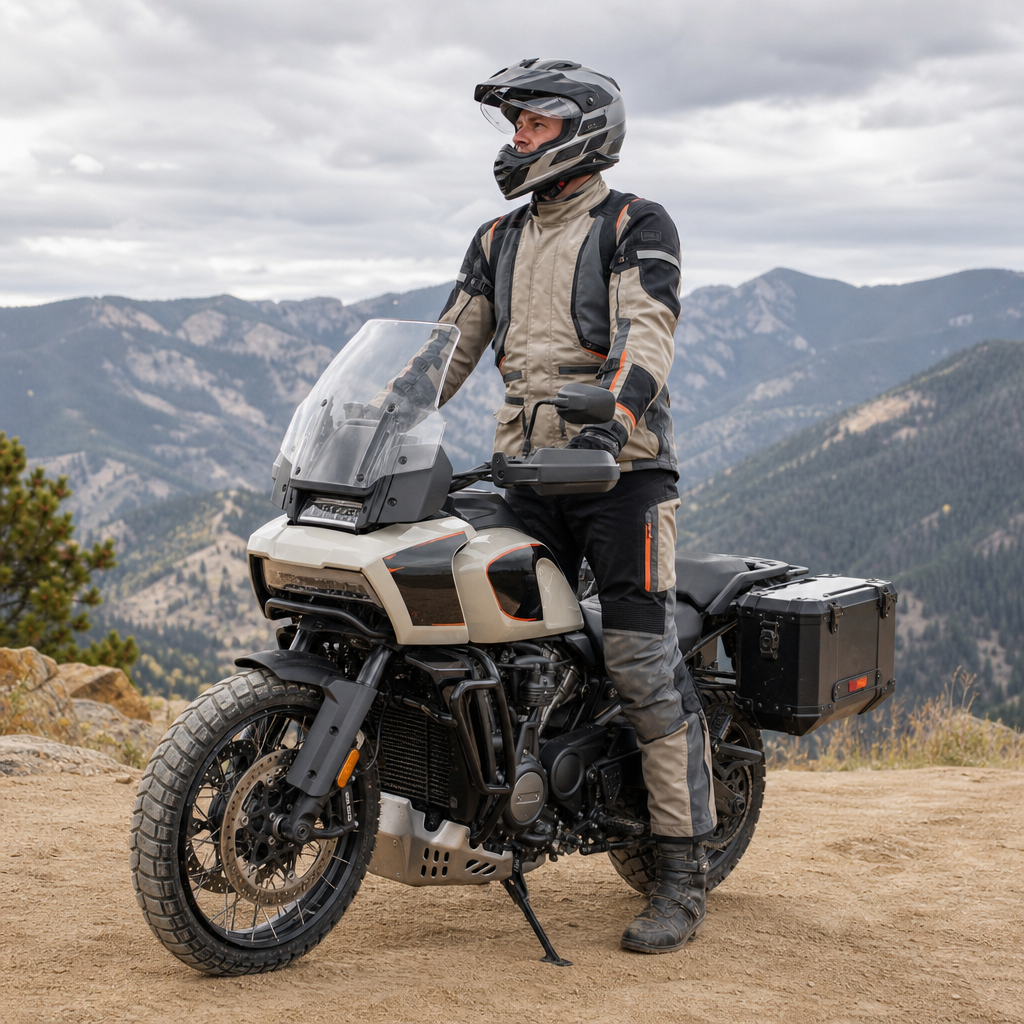
The right Stage III high-compression piston recipe depends on what the motorcycle actually does each week. If the bike spends its life on interstate trips with luggage and a passenger, prioritize low-end torque, heat control, saddle support, and reduced wrist reach over headline horsepower. If the bike is a solo back-road machine, prioritize midrange acceleration, ground clearance, suspension damping, and a rider triangle that supports active movement. If commuting is a major use case, favor smooth clutch engagement, stable idle quality, and predictable low-speed fueling. A smart build starts with this honest use-case audit, not with the most expensive catalog combination.
Use this hub as the starting point for the deeper Harley-Davidson subtopic pages on model-specific ergonomics and performance recipes. Identify your model family, define your fuel quality and climate, set a realistic compression target, then match cam timing, head work, and cockpit fit to the way you ride. When those choices align, a 2027 Stage III high-compression piston build delivers more than a stronger dyno sheet. It creates a Harley-Davidson that accelerates harder, runs cleaner, feels cooler, and fits the rider well enough to use every improvement confidently. Start with a measured plan, document every specification, and build the recipe around your real-world miles.
Frequently Asked Questions
What does a Stage III high-compression piston “recipe” actually include on a 2027 Harley-Davidson performance build?
A Stage III high-compression piston recipe is a complete combination, not just a piston swap. In practical shop terms, it usually includes forged high-compression pistons matched to the correct bore, properly prepared cylinders, a camshaft chosen for the intended rpm range, cylinder head work that supports the target airflow, intake and exhaust components that complement the new compression level, and precise calibration of fueling and ignition. On top of that, a real recipe also accounts for supporting systems such as the clutch, cooling strategy, spark plugs, ring package, gaskets, and the tuning method used after assembly.
For a 2027 performance build, the most important point is compatibility. Compression ratio, cam timing, squish clearance, fuel octane, and combustion chamber shape all interact with each other. A piston that looks aggressive on paper can perform poorly if the cam closes the intake valve too early for the fuel being used, or if the heads do not flow efficiently enough to turn pressure into useful cylinder filling. The goal is not to chase a single number. The goal is to create a combination that starts cleanly, makes broad torque, resists detonation, and stays reliable in real-world riding conditions.
That is why experienced builders speak in terms of a recipe. The rider’s weight, gearing, intended use, climate, and even handlebar and seating position can influence the best setup. A bike built for fast touring, two-up highway passing, and roll-on power may want a different piston-and-cam relationship than a lighter machine built for aggressive backroad acceleration. A good Stage III package is balanced from the combustion chamber all the way to the contact points the rider feels.
How much compression is “high compression,” and how do you choose the right ratio for street use versus aggressive performance riding?
High compression generally means stepping above the factory-oriented compression level in a way that significantly increases cylinder pressure and torque potential, but the exact number matters less than the total combination. On modern V-twin performance builds, builders often evaluate both static compression ratio and dynamic compression, because cam timing has a major effect on the pressure the engine actually sees in operation. A piston with a high advertised compression number may still be street-friendly if paired with a camshaft that bleeds off some low-speed cylinder pressure, while a milder-looking setup can become detonation-prone if the intake closing point is too early.
For a street-driven 2027 Harley-Davidson build, the right compression ratio depends on fuel quality, ambient temperatures, traffic conditions, and how the bike will be ridden. A machine that spends time idling in summer heat, carrying luggage, or operating in stop-and-go environments should be tuned with a safety margin. In contrast, a performance-focused build intended for spirited riding on quality premium fuel can usually tolerate a more aggressive package, especially if the heads, quench areas, and ignition strategy are optimized. Compression should never be selected in isolation. It must match the chamber design, cam profile, exhaust scavenging, and tuning window.
The best street-performance setups are rarely the most extreme ones. They are the ones that deliver crisp throttle response without spark knock, excessive heat, or a narrow powerband. If the rider wants strong passing power and repeatable performance, a slightly more conservative compression ratio paired with excellent chamber efficiency and good tuning often outperforms a higher-compression setup that constantly fights heat and timing limitations. In other words, the correct ratio is the one the engine can use consistently, not just the one that looks impressive in a parts catalog.
What supporting parts are most important when installing Stage III high-compression pistons?
The most critical supporting parts are the camshaft, cylinder heads, fuel system calibration, exhaust system, and clutch. The camshaft determines when the engine builds cylinder pressure and where in the rpm band the new piston setup will make power. If the cam is too small, the engine may build excessive low-rpm pressure, run hot, and become octane-sensitive. If it is too large, the bike may lose the strong midrange that most riders actually want on the street. Head work is equally important because compression alone does not create airflow. Efficient heads with proper valve job quality, port velocity, and chamber shape help the engine turn compression into real torque and horsepower rather than heat.
Fueling and ignition calibration are non-negotiable. A high-compression build must have accurate air-fuel ratios under load and spark timing that is tailored to the actual burn rate of the combination. That usually means a professional dyno tune or a very disciplined tuning process using reliable data. The exhaust also matters more than many riders expect. Pipe length, collector design, and baffle characteristics influence cylinder evacuation and can dramatically change how the engine responds to a compression increase. The wrong exhaust can flatten the curve, raise temperatures, or make tuning more difficult.
Beyond power-making parts, reliability parts deserve equal attention. A stronger clutch or clutch spring package may be required to hold the added torque. Proper gaskets, piston rings, wrist pins, and fastener practices matter because Stage III cylinder pressure exposes weak links quickly. Builders should also verify oiling condition, cooling airflow, injector capacity where applicable, and the condition of the intake seals and manifold. Supporting parts are what make the difference between a bike that feels transformed and one that becomes temperamental after the first few hard rides.
Will a Stage III high-compression piston setup make the bike run hotter or become less reliable?
It can, but it does not have to. Higher compression increases thermal and mechanical demand, so heat management becomes a central part of the build. If the combination is mismatched, the engine may create excess cylinder pressure at the wrong time, require overly retarded ignition to stay out of detonation, and end up generating unnecessary heat. Poor ring seal, weak tuning, an inefficient exhaust, or inadequate squish clearance can make the situation worse. That is why reliability on a high-compression build comes from precision and balance, not from any single premium part.
When the recipe is correct, a Stage III setup can remain very dependable. Good quench design promotes faster, cleaner combustion. Proper piston-to-wall clearance supports ring stability and longevity. Correct fuel delivery and spark control reduce knock risk. A camshaft selected to manage dynamic compression can keep cylinder pressure in a usable range while still delivering strong torque. In many cases, a well-built and well-tuned engine will feel smoother, more responsive, and more efficient than a poorly matched lower-compression build because the combustion process is simply working better.
Reliability also depends on realistic expectations and maintenance discipline. Premium fuel is usually mandatory. Oil condition, plug readings, and tune health should be monitored closely, especially after break-in. Riders who frequently lug the engine in high gear, ride in extreme heat, or load the bike heavily should discuss those habits with the builder before choosing the final combination. A Stage III high-compression setup can absolutely survive daily use, but only when the owner respects the tune, the fuel requirement, and the maintenance schedule that come with performance gains.
How do you make sure a high-compression 2027 performance build still feels usable and comfortable for the rider?
This is where the best builds separate themselves from parts-chasing projects. Usable performance means the engine’s torque curve, clutch feel, gearing, throttle response, vibration character, and rider ergonomics all work together. A high-compression piston package should not just create peak numbers. It should deliver the kind of acceleration the rider can actually access confidently in the saddle. That often means prioritizing broad midrange torque, clean part-throttle behavior, and predictable roll-on power rather than building an engine that only shines near the top of the rev range.
Fit and control matter more than many riders realize. If the bars, seat, floorboards or pegs, suspension attitude, and control reach do not suit the rider, the added power will feel harder to use. A motorcycle that accelerates much harder may also need clutch feel adjustments, gearing changes, or suspension refinement so the rider can launch, corner, and pass with confidence. For touring-oriented riders, heat at the seat and inner leg area may be a bigger concern than maximum output. For shorter riders or those with limited upper-body leverage, throttle smoothness and low-speed manners may matter more than a few extra horsepower.
That is why a proper Stage III recipe includes the rider in the planning process. The builder should ask how the motorcycle is used, what rpm range the rider prefers, whether the bike carries a passenger, what fuel is realistically available, and how much maintenance commitment the owner accepts. The right high-compression build feels stronger everywhere without becoming tiring, fussy, or awkward. When the engine package matches the motorcycle and the motorcycle still fits the rider, the result is performance that is not only faster on paper, but better on the road.