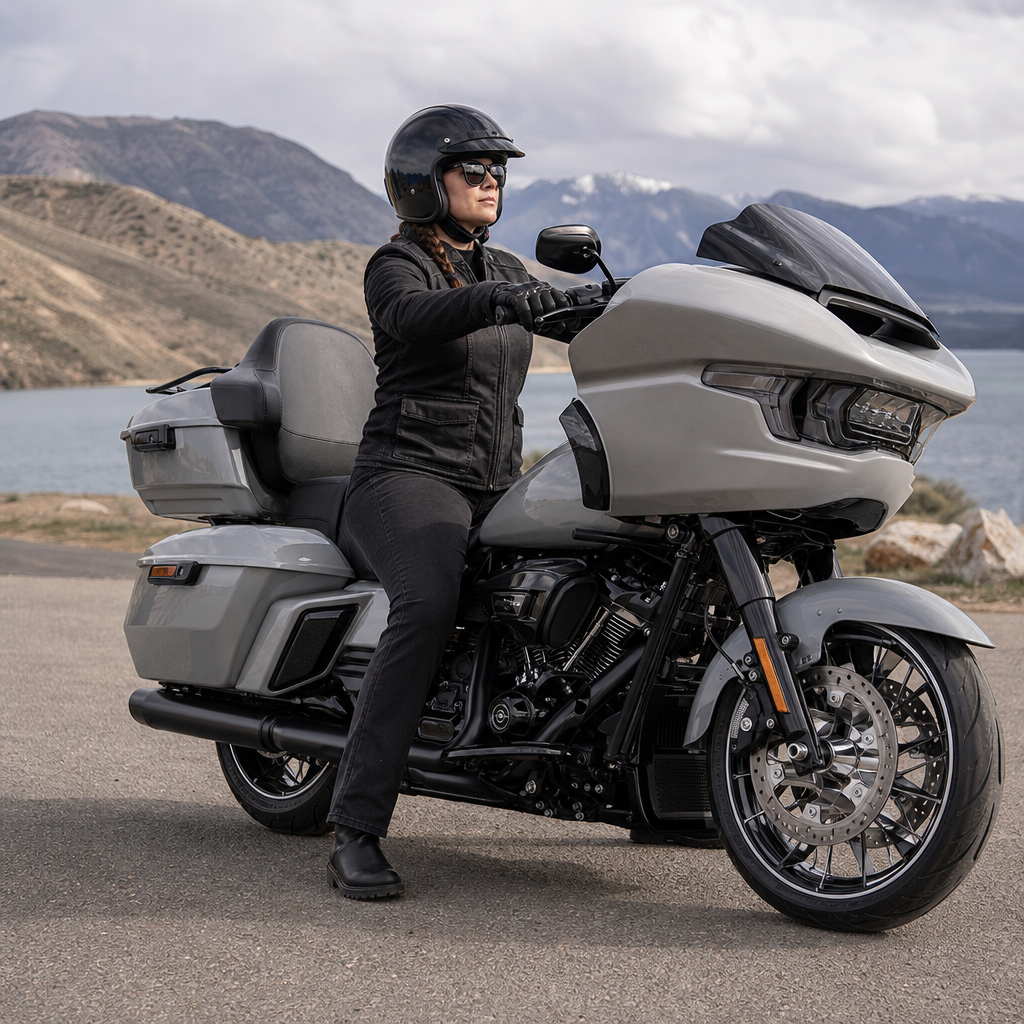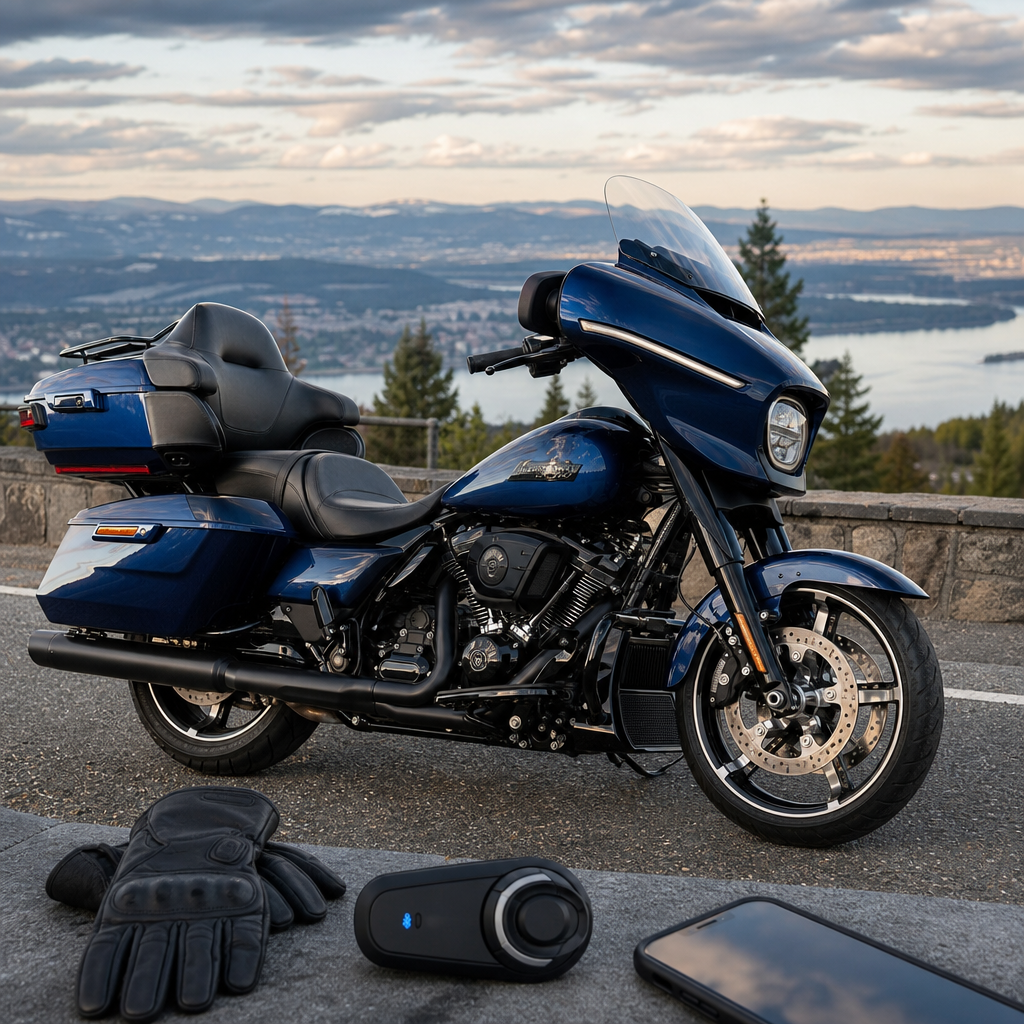
The 2026 Street Glide Limited with Skyline OS sits at the center of Harley-Davidson’s touring lineup, and riders searching for a Bluetooth recipe usually want one thing: a repeatable pairing process that works every time and avoids the common connection failures expected to carry into 2027 ownership. In practical terms, a Bluetooth recipe is not cooking language. It means a tested sequence of setup steps, device settings, and troubleshooting checks that produce a reliable result on a specific motorcycle, in this case the Street Glide Limited. Because this model combines infotainment, rider controls, navigation, intercom behavior, and audio routing, pairing affects much more than music. A bad connection can block turn-by-turn prompts, drop helmet audio, interrupt calls, and create distracting menus while riding.
I have worked through these pair-and-repair routines on touring bikes long enough to know that most Bluetooth complaints are not random. They come from predictable conflicts between phone operating systems, headset firmware, bike software, permission settings, and the order in which devices are introduced to the system. That is why this hub article treats the 2026 Street Glide Limited Skyline OS Bluetooth recipe as part of a larger model-specific ergonomics and performance framework. On a touring Harley, comfort, reach, glove usability, wind protection, seat height, audio clarity, and throttle behavior all influence whether the technology feels seamless or irritating. The Street Glide Limited is designed for long-distance use, so every small friction point compounds over hundreds of miles.
This page serves as the hub for that entire subtopic. It covers the core pairing method, the likely 2027 fixes riders will need as phones and helmet systems update, and the broader ergonomics and performance recipes that matter for this model family. Instead of speaking in generic touring-bike terms, the focus here stays on model-specific realities: batwing fairing controls, touchscreen workflow, handlebar reach, passenger communication demands, luggage-loaded weight, and audio performance at highway speed. If you want a dependable Street Glide Limited Bluetooth setup and a clear roadmap for dialing in comfort and road behavior, start here, follow the sequence, and use the linked subtopics this hub is designed to support.
Core Bluetooth Pairing Recipe for the 2026 Street Glide Limited
The most reliable way to pair the 2026 Street Glide Limited is to start clean. Update Skyline OS to the latest available build, update your phone to the current stable release, and update your helmet communicator through its manufacturer utility, such as Sena Device Manager or Cardo Update. Then delete all prior pairings on all three ends: motorcycle, phone, and headset. On the bike, remove saved devices through the connectivity menu. On the phone, forget the motorcycle and headset. On the headset, perform the manufacturer’s pairing reset, not just a power cycle. This matters because stale profiles, especially HFP and A2DP records, often survive ordinary reconnect attempts and cause silent failures.
After clearing memory, pair in a strict order. First pair the phone to the motorcycle. Confirm contact permissions, media permissions, and notification access where required. Second, pair the headset to the motorcycle if you want the bike to manage call and media routing. Third, test ignition-off and ignition-on reconnection before leaving the garage. If your priority is rider-to-passenger intercom with minimal bike involvement, some helmet brands perform better when the phone stays paired to the headset and the motorcycle is used only for limited media or navigation. The right configuration depends on whether you value full dashboard integration or headset-native communication features more. The Street Glide Limited supports both approaches, but mixing them carelessly causes duplicate audio paths and call conflicts.
For most riders, the best baseline recipe is simple: one phone, one headset, no smartwatch audio routing, no second helmet until the first setup is proven stable. Test music playback, a sample call, a navigation prompt, and steering-control response while stationary. If any one of those functions fails, do not add more devices. Fix the base profile first. In my experience, the majority of complaints come from trying to pair everything in one session and assuming the motorcycle will sort out priority rules automatically. It will not. Bluetooth works best on this platform when the rider decides which device is the master for audio, calls, and prompts before any extra accessories are added.
2027 Pairing Fixes Riders Will Most Likely Need
The phrase 2027 pairing fixes matters because motorcycles live through multiple phone cycles, while infotainment systems change more slowly. A Street Glide Limited bought in 2026 may still be paired in 2027 to a newer iPhone, a revised Android build, or a next-generation headset firmware package. The most common future issue will be permissions, not hardware failure. Both Apple and Android continue tightening background Bluetooth behavior, contact sharing, microphone access, and notification handling. If music connects but calls do not, or if navigation prompts disappear after a phone update, the first fix is to revisit app and Bluetooth permissions, disable battery optimization for relevant apps, and re-approve contact sync.
A second likely 2027 fix involves multipoint and dual-channel confusion. Many premium headsets now support simultaneous phone and GPS connections, but when Skyline OS also tries to act as the audio hub, the headset may bounce between profiles. The solution is to simplify the topology. Either let the motorcycle be the hub and disable direct phone pairing to the headset, or let the headset be primary and connect the bike only where that manufacturer explicitly supports it. This is especially important with Cardo Packtalk and Sena 50-series units, which are feature-rich but sensitive to pairing order. Random dropouts at highway speed are rarely caused by speed itself. They are usually profile handoff problems triggered when navigation, music, and call audio compete.
Another recurring 2027 fix will be cable fallback for navigation and media setup. Even on a wireless-focused touring bike, a wired USB connection remains valuable during diagnosis because it separates Bluetooth transport issues from app issues. If maps, media metadata, or phonebook sync behave inconsistently, connect by cable once, allow the device handshake to complete, confirm settings, then test wireless again. Dealers and independent technicians use this method because it reduces variables. Finally, expect more riders to need a full system reboot after software updates: battery disconnect per service guidance, headset reset, and fresh pairing. It sounds basic, but on connected motorcycles, a true clean start often restores function faster than chasing every menu one by one.
Ergonomics Recipes: Fit, Reach, and Touring Control
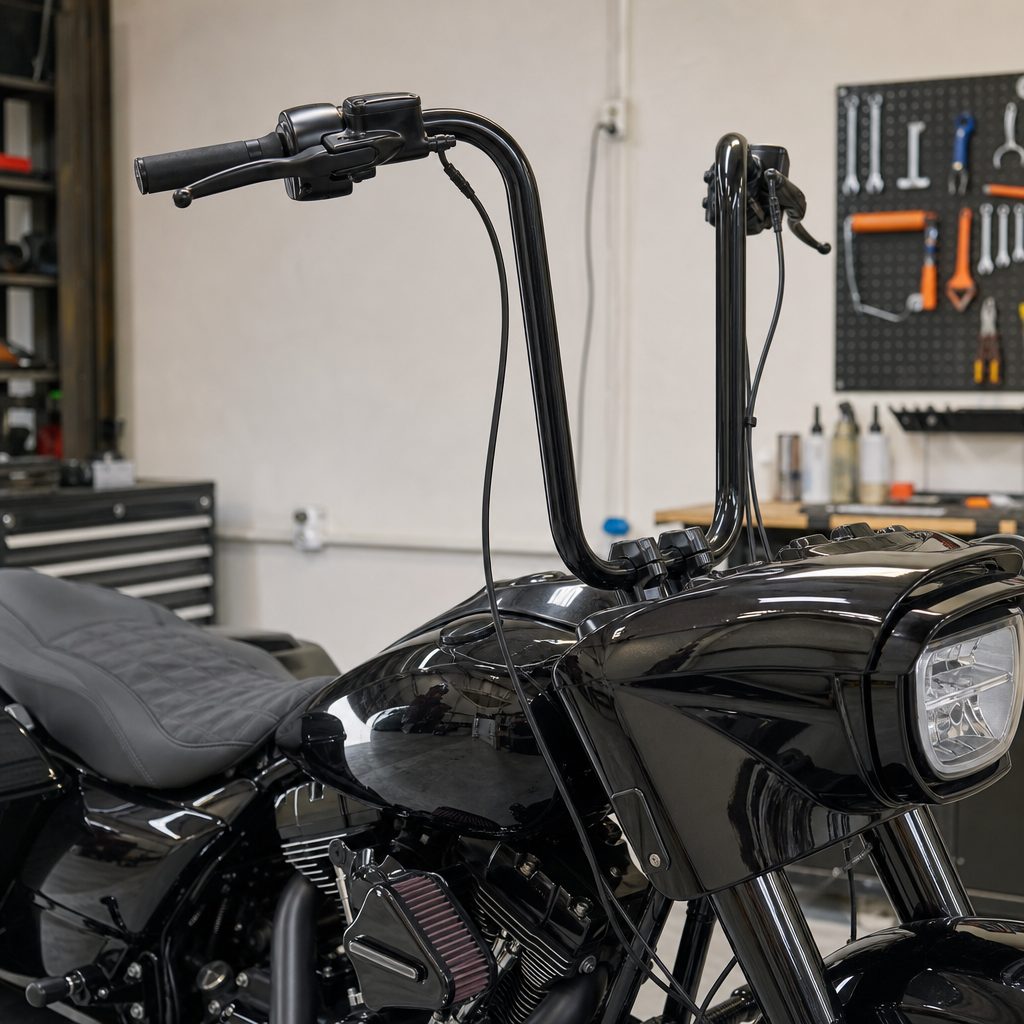
Model-specific ergonomics and performance recipes start with rider fit because poor fit undermines everything else, including Bluetooth usability. On the Street Glide Limited, the relationship between seat shape, floorboards, bar reach, and fairing controls determines how easily a rider can manage Skyline OS without overreaching or looking away from traffic. Riders with shorter inseams often do well with a reduced-reach seat that narrows the front section, improving both stand-over confidence and the ability to plant a foot at stops. Taller riders, by contrast, usually benefit more from bar pullback correction or a seat that adds support over distance, since the stock triangle can place the wrists in a compromised angle after several hours.
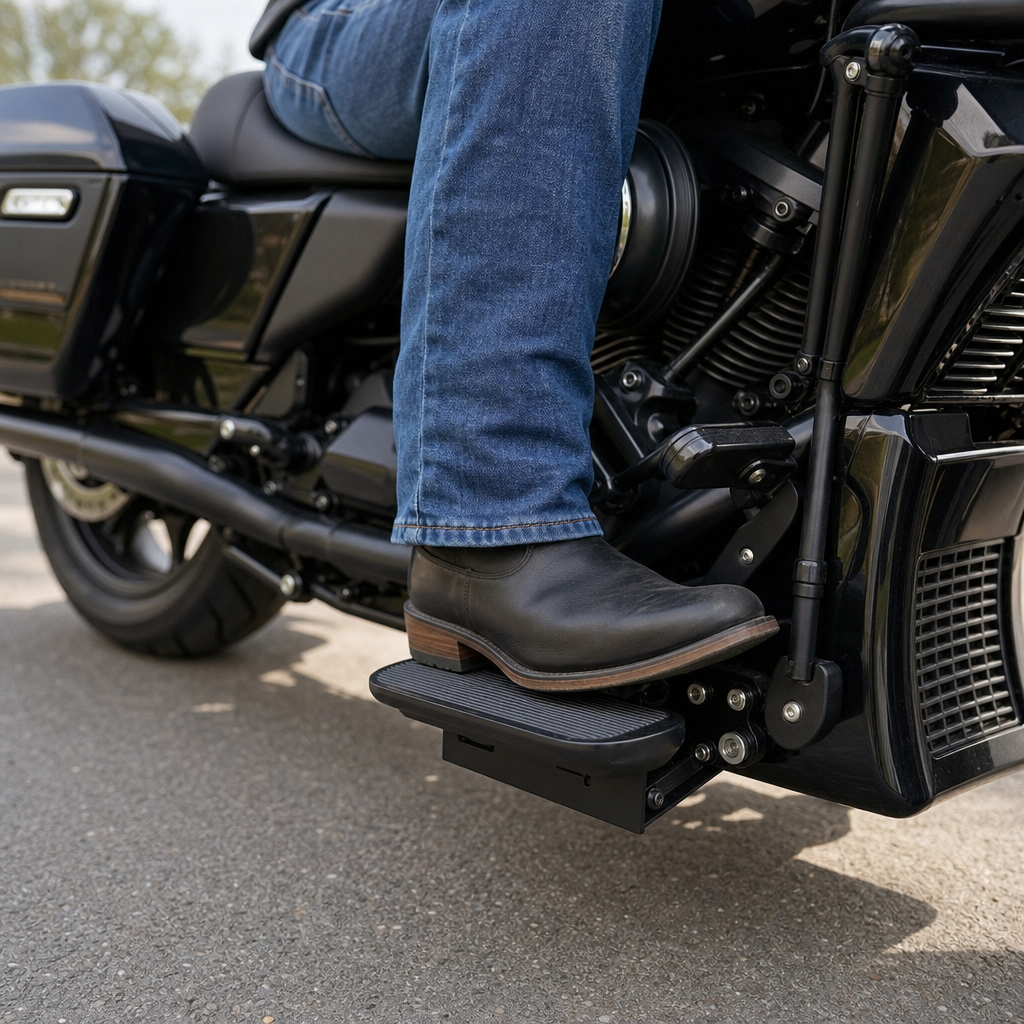
I evaluate touring ergonomics by asking whether the rider can maintain a neutral shoulder position, operate left-hand controls with winter gloves, and glance at the display without dropping the chin excessively. If not, the recipe changes. A common fix is to rotate bars slightly within allowable tolerance, then verify switchgear access lock to lock. Another is to adjust the brake pedal and shifter relationship to the boot actually used for touring, not a lighter casual shoe. This sounds minor, yet shift consistency and rear-brake confidence directly affect fatigue. Fatigue then affects how patient a rider is with navigation prompts, touch inputs, and communications. Good ergonomic setup is therefore a technology upgrade, not merely a comfort tweak.
| Recipe Area | Baseline Setting | Common Adjustment | Expected Benefit |
|---|---|---|---|
| Seat position | Stock touring saddle | Reduced-reach or long-haul seat | Better hip angle and stop confidence |
| Handlebar reach | Factory rotation | Minor roll adjustment or pullback solution | Lower wrist strain and easier switch access |
| Foot controls | Standard pedal and shifter relation | Boot-specific adjustment | Cleaner shifts and steadier braking |
| Wind management | Stock screen and vents | Height-tuned windshield | Less buffeting, clearer helmet audio |
| Audio workflow | All devices paired at once | One-phone, one-headset sequence | Fewer Bluetooth conflicts |
Passenger ergonomics matter just as much on the Limited variant. Intercom complaints often trace back to passenger discomfort, helmet turbulence, or microphone placement rather than software faults. If the passenger sits in dirty air, voice pickup suffers and everyone blames Bluetooth. A taller windshield, adjusted venting, or a different passenger headset microphone can solve what appears to be an electronics issue. This is why a model-specific recipe must account for the entire touring environment, not just the dashboard menu.
Performance Recipes: Weight, Heat, Audio, and Road Manners
The Street Glide Limited is a heavy touring platform, and performance tuning should be framed around usable control rather than peak numbers. With luggage loaded, passenger aboard, and fuel on board, slow-speed balance and braking feel matter more day to day than any spec-sheet claim. The first performance recipe is suspension setup for real load. Set rear preload to match solo, two-up, and touring cargo conditions. Too little preload lets the bike wallow, increases steering effort, and changes headlight aim. Too much preload can make the ride harsh and reduce rear-wheel compliance over broken pavement. A correctly set chassis improves confidence in parking lots and sweepers alike.
Heat management is the second practical recipe. Large-displacement V-twin touring bikes generate noticeable heat around the legs and seat area, especially in traffic and hot climates. Riders should treat airflow as part of performance. Engine temperature strategy, stop-and-go route planning, quality riding gear, and seat material all influence comfort and concentration. If a rider is distracted by heat, response quality drops. That in turn affects throttle smoothness, line choice, and attention to traffic. No software update can fix a rider cooked by urban congestion. Matching route, gear, and bike setup to climate is a real performance advantage.
Audio performance also belongs in this section because it changes how effective navigation and communication remain at speed. The batwing fairing helps, but speaker clarity above highway wind noise still depends on helmet sealing, windshield height, and equalizer settings. I have found that many riders chase higher volume when the real answer is less turbulence. A windshield that moves the airflow just above helmet level can make navigation prompts intelligible without distortion. That improves safety because the rider spends less time looking down at the display. It also reduces listener fatigue, which is a serious issue on all-day rides. The best performance recipe for this motorcycle is therefore integrated: suspension matched to load, airflow matched to rider height, and audio tuned to the actual acoustic environment.
How This Hub Connects the Harley-Davidson Subtopic
As a sub-pillar hub under Harley-Davidson, this page organizes the model-specific ergonomics and performance recipe approach for touring owners who need more than isolated tips. The Street Glide Limited is the anchor example because it combines advanced infotainment with real long-distance expectations, but the method scales across related bagger and touring models. Readers exploring this hub should branch into detailed articles on seat selection by inseam, windshield sizing by rider height, helmet communicator compatibility, suspension preload setup, passenger touring comfort, and batwing fairing audio optimization. Those are not side issues. They are the pieces that determine whether the motorcycle feels coherent over months of ownership.
This hub also sets a standard for diagnosis. When a rider says the bike is uncomfortable, slow to respond, noisy, or impossible to pair, the answer should not begin with accessories. It should begin with a recipe: establish baseline settings, change one variable at a time, test under the same conditions, and document what improved. That is how experienced riders and technicians avoid wasting money. It is also how owners get closer to the motorcycle Harley-Davidson intended: stable on the highway, manageable at low speed, comfortable for long days, and capable of dependable communication on modern devices.
The main takeaway is straightforward. A 2026 Street Glide Limited Bluetooth recipe is only truly effective when it is treated as part of a complete touring setup. Clean pairing order, current software, and simplified device roles solve most connection problems, including the 2027 issues riders are likely to face as phones and headsets evolve. Just as important, fit, wind management, load-based suspension setup, and passenger conditions directly influence how well the technology works in the real world. Use this hub as your starting point, then build your own model-specific recipe step by step. If you maintain the system deliberately and adjust the motorcycle to your body and riding style, the Street Glide Limited becomes easier to live with, easier to trust, and better on every mile. Explore the related Harley-Davidson guides next and refine one subsystem at a time.
Frequently Asked Questions
What does the “2026 Street Glide Limited Skyline OS Bluetooth recipe” actually mean?
In this context, a Bluetooth recipe is simply a repeatable pairing method for the 2026 Street Glide Limited running Skyline OS. Riders are not looking for a vague tip like “turn Bluetooth off and on again.” They want a specific order of steps that consistently connects a phone, headset, and bike without random failures. On this motorcycle, the recipe usually includes confirming Skyline OS is current, clearing old pairings from the bike and from the phone or headset, putting each device into the correct pairing mode, and reconnecting them in the right sequence so the system assigns audio and control functions properly.
The reason this matters is that Bluetooth problems on touring bikes are often caused by pairing history, device priority conflicts, or role confusion between phone audio, headset audio, and bike infotainment control. A working recipe removes those variables. For most owners, that means treating Bluetooth setup as a process instead of a one-click event. When done correctly, the bike can handle calls, music, navigation prompts, and headset communication more reliably, which is exactly what riders are trying to preserve as they move into 2027 ownership and expect the same devices to keep working.
What is the best step-by-step pairing process for a 2026 Street Glide Limited with Skyline OS?
A solid pairing sequence starts with preparation. First, park the bike safely, switch the ignition on, and let Skyline OS fully boot before opening Bluetooth settings. Confirm your phone’s operating system is updated, your headset firmware is current, and Bluetooth is enabled on both devices. Then delete every old pairing related to the bike from the phone and headset, and delete every saved phone or headset entry from the Street Glide Limited’s Bluetooth menu. If available, restart all three: the motorcycle system, the phone, and the helmet headset. This clean start prevents the most common issue, which is the system trying to reconnect to outdated pairing records.
Next, pair in the proper order. In most setups, the bike should first discover and pair with the phone, because the infotainment system often acts as the main hub for media, contacts, and call functions. After that connection is confirmed, place the headset into pairing mode and connect it to the bike through Skyline OS rather than directly through the phone, unless your specific headset manufacturer recommends a different profile arrangement. Once both pairings appear active on the bike, test one function at a time: media playback, volume control, a phone call, and navigation voice prompts if your app supports them. If one function works but another does not, the issue is usually profile assignment rather than total pairing failure.
Finally, lock in stability by reducing competing connections. Temporarily disable Bluetooth on tablets, smartwatches, second phones, or older helmet devices that may try to grab the connection. On your phone, check whether the bike has been granted access to calls, contacts, media audio, and notifications where applicable. In Skyline OS, save the devices and let the system reconnect once after shutting the bike off and restarting it. If it reconnects automatically on the next startup and passes another quick function test, you have a reliable recipe you can reuse whenever devices are replaced or reset.
Why does Bluetooth pairing fail or become unreliable on the Street Glide Limited, even after it seemed to connect once?
The most common cause is not complete incompatibility but partial connection. A phone may show as paired while media audio, call audio, and contact sharing are not all properly authorized. That creates a situation where music works but calls do not, or navigation prompts cut out, making it seem like the bike is randomly malfunctioning. Another frequent problem is device memory overload. Phones, headsets, and infotainment systems all store past pairing data, and those records can conflict when the same device is reconnected after an update, battery drain, or failed previous attempt.
Signal competition is another major factor. Many riders carry multiple Bluetooth-capable devices at once, and modern helmets may support phone pairing, GPS pairing, intercom pairing, and bike pairing at the same time. If the headset connects directly to the phone before Skyline OS finishes its own handshake, the bike may lose control of call routing or media output. Likewise, if a passenger headset, smartwatch, or a second phone is active nearby, the system may prioritize the wrong device or attempt simultaneous reconnection. These are classic real-world issues on touring motorcycles and are likely to remain relevant into 2027 because they stem from multi-device behavior, not just from one model year.
Software version mismatches can also create instability. A phone OS update, headset firmware update, or Skyline OS revision can change the way Bluetooth profiles are negotiated. That is why a setup that worked flawlessly last season can suddenly become inconsistent. In practice, the most reliable fix is to clear all pairings, update software where possible, and rebuild the connections in a controlled order. Riders who treat Bluetooth problems as a system-level reset issue rather than a single-device issue usually solve them much faster.
What are the most effective 2027-ready fixes if my 2026 Street Glide Limited still will not pair correctly?
Start with a full reset strategy rather than repeating the same pairing attempt. Remove the phone from Skyline OS, remove the bike from the phone, remove the headset from both, and power-cycle everything. If your headset has a factory reset option, use it. Then verify software versions on all components. This matters because many “won’t pair” complaints are really “won’t pair with current software combinations” complaints. Once reset, pair only one phone and one headset first. Do not introduce passenger devices or secondary phones until the primary setup proves stable through a shutdown and restart cycle.
If the connection still fails, narrow down which link is breaking. Pair the phone to the bike without the headset and test calls and music. Then pair the headset to the bike and test audio routing. If the phone-to-bike link works but adding the headset breaks audio, the issue likely involves headset profile conflicts. If the headset pairs fine but the phone does not stay connected to Skyline OS, the problem may be permissions, operating system restrictions, or corrupted pairing memory on the phone. This step-by-step isolation approach is more useful than generic troubleshooting because it tells you exactly where the chain is failing.
For long-term 2027 ownership, the best preventive fix is consistency. Use the same startup routine, keep the same primary phone role, avoid saving unnecessary devices in the bike’s memory, and recheck settings after any phone OS or headset firmware update. If available through Harley-Davidson service channels, install Skyline OS updates that address infotainment stability or Bluetooth behavior. When owners maintain a clean device list and a disciplined reconnection process, most recurring pairing issues drop significantly, even across seasonal storage, battery replacement, or phone upgrades.
How can I keep Bluetooth stable for music, calls, and navigation on every ride?
The key is to build a routine the system can repeat. Before riding, make sure Bluetooth is enabled on the phone, the headset is powered on, and the bike has fully started before you begin interacting with the infotainment menus. Give Skyline OS a few extra seconds to reconnect rather than manually tapping multiple devices too quickly. Many connection issues are caused by rushed startups where the phone links directly to the headset before the bike finishes establishing itself as the primary controller. A calm, repeatable startup sequence makes a bigger difference than many riders expect.
It also helps to simplify your Bluetooth environment. Keep only the devices you actively use paired to the motorcycle. If you no longer use an old phone, old headset, or a guest device, delete it from Skyline OS. On the phone, confirm the bike still has permission for contacts, calls, and media, especially after app updates or operating system changes. If you use navigation apps, verify that voice guidance is routed through the same audio path as your music and calls. Stable Bluetooth on a touring motorcycle depends on all these small settings working together, not just on the word “Connected” appearing on screen.
Finally, perform occasional maintenance. Reboot devices after major software updates, check for headset firmware improvements, and test the system before a long trip instead of assuming last season’s settings are still intact. If you notice delayed reconnection, missing audio prompts, or dropped call audio, address it early by clearing and rebuilding the pairings before the issue becomes routine. For most 2026 Street Glide Limited owners, that proactive habit is the best pairing fix to carry into 2027: keep the setup clean, keep the sequence consistent, and verify the system after changes.