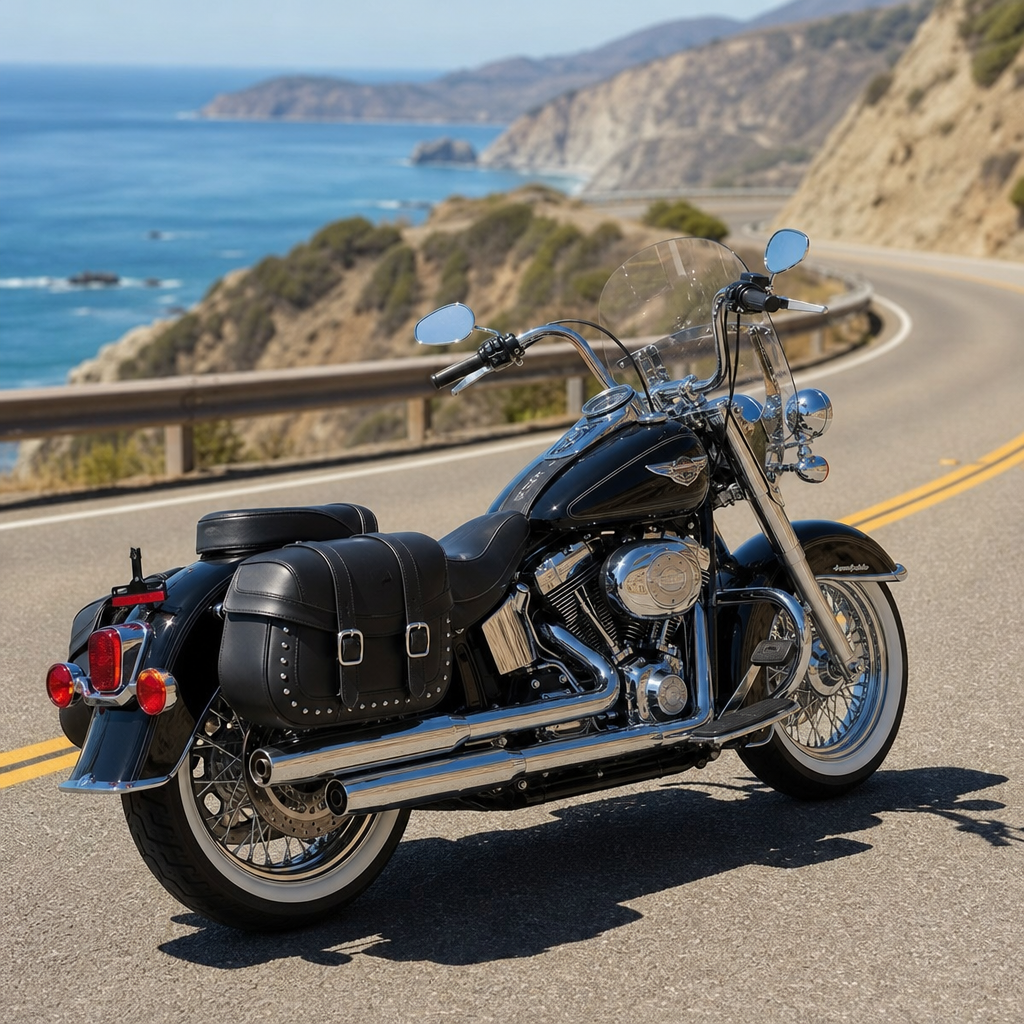
Stage I High-Flow Intake Recipe for the 2026 117 VVT platform starts with one simple idea: an engine can only make as much torque and horsepower as it can breathe. On Harley-Davidson’s latest 117 cubic-inch Variable Valve Timing touring and cruiser models, airflow is no longer a minor bolt-on discussion. It is the foundation for throttle response, heat management, rideability, and the success of every later modification. When riders talk about a Stage I upgrade, they usually mean a matched set of intake, exhaust, and calibration changes. In practice, the intake is the first decision that shapes the rest of the build.
In my work planning upgrade paths for Milwaukee-Eight owners, I have seen the same pattern repeatedly: riders buy an eye-catching intake cover, assume all high-flow kits perform the same, and then wonder why the bike feels noisy without becoming meaningfully quicker. The 2026 117 VVT changes that equation because the engine’s broader cam phasing window can take better advantage of improved cylinder filling, especially in the low and midrange where touring riders spend most of their time. That means a well-chosen Stage I high-flow intake recipe can deliver benefits you feel every day, not just on a dyno chart.
For this hub article, “recipe” means a model-specific combination of parts and setup decisions designed to work together. It includes filter media, backing plate design, throttle body compatibility, rain management, rider ergonomics, tuning strategy, and maintenance intervals. “High-flow” does not mean least restrictive at any cost. It means increasing airflow while preserving filtration efficiency, stable fueling, and acceptable intake temperatures. “VVT airflow” refers to the way the 117 VVT engine uses variable valve timing to alter effective cylinder filling across RPM ranges, making intake velocity and pressure behavior more important than old one-size-fits-all rules suggest.
This matters because Harley-Davidson owners rarely modify in isolation. A touring rider may need more knee room, less buffeting, cooler operation in traffic, and stronger two-up passing power. A cruiser rider may care about boot clearance, cleaner styling, and stronger part-throttle acceleration. Performance and ergonomics overlap on every one of those priorities. This page serves as the hub for model-specific ergonomics and performance recipes, showing how to think about an intake upgrade not as a catalog purchase, but as a system decision that affects comfort, tuning, reliability, and the direction of the entire build.
What a Stage I High-Flow Intake Actually Does on the 2026 117 VVT
A Stage I intake upgrade reduces pressure drop between ambient air and the throttle body. On the 2026 117 VVT engine, that matters because the control strategy can advance or retard cam timing to optimize torque, emissions, and combustion stability across a wider operating range than earlier fixed-timing setups. When intake restriction falls, the engine can maintain stronger manifold filling during transient throttle changes and under load, particularly from roughly 2,000 to 4,500 rpm where heavy Harley-Davidson models live on the street. Riders experience that as cleaner roll-on response, less flatness when climbing grades, and stronger acceleration without constant downshifts.
There is a practical limit. If an intake flows more air but disrupts laminar entry into the throttle body, exposes the filter to hot turbulent air, or compromises fuel calibration, the theoretical gain can become a real-world loss. That is why backing plate geometry matters as much as filter surface area. A rigid, sealed plate with smooth bellmouth transitions and proper breather routing usually outperforms decorative assemblies that simply enlarge the exposed element. On modern Harley-Davidson systems, crankcase breather management also affects oil carryover, filter contamination, and intake tract cleanliness over time.
Most riders ask the same direct question: how much power can a Stage I intake add? On a stock or near-stock 117 VVT, the intake alone is not the whole story, but as part of a complete Stage I package it commonly supports meaningful gains in torque and horsepower, with the biggest subjective improvement being response and tractability. The best results come when the intake matches the exhaust flow level and the calibration is updated using a reputable flash tuner or dealer-supported calibration approach. Without tuning, you are leaving performance on the table and may introduce drivability issues.
Choosing the Right Intake Recipe by Harley-Davidson Model and Rider Fit
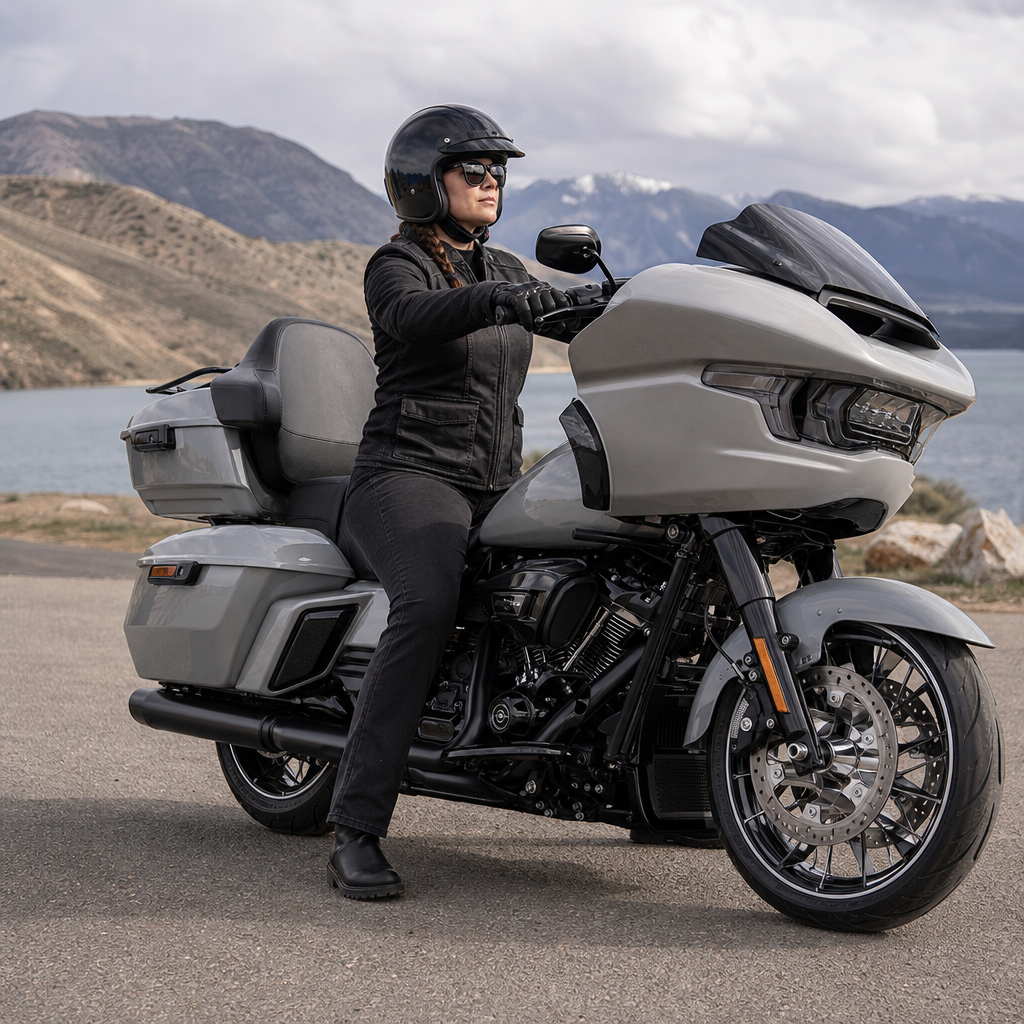
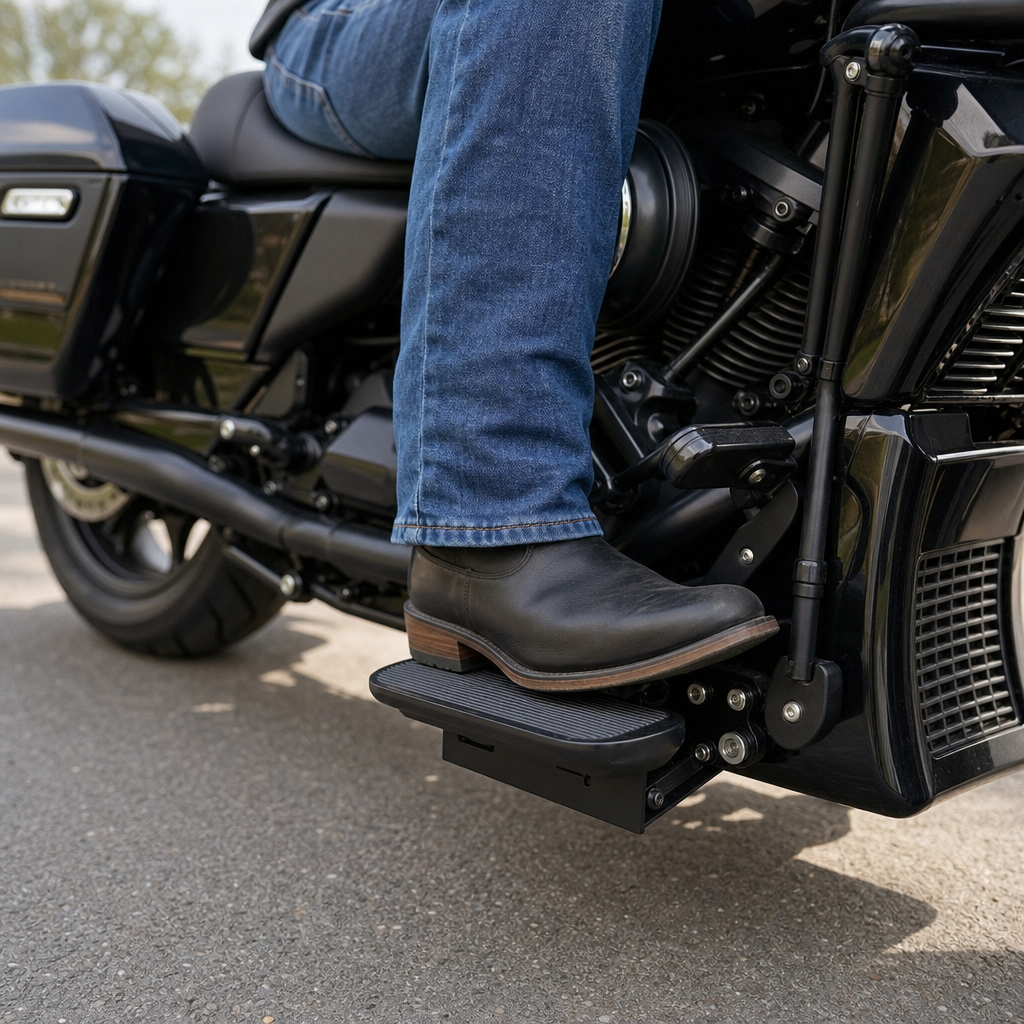
Model-specific ergonomics are not a side issue. They determine whether a high-flow intake becomes a long-term success or an expensive annoyance. On Road Glide and Street Glide models, leg position, fairing airflow, and tank shape usually allow larger exposed-filter assemblies without serious interference. On Low Rider ST, Breakout, Fat Boy, Road King Special, and Heritage-style platforms, the rider’s right knee, shin, and boot path can interact much more directly with certain intake housings. I have had riders reject technically excellent kits because the backing plate edge contacted the inner knee during stop-and-go riding.
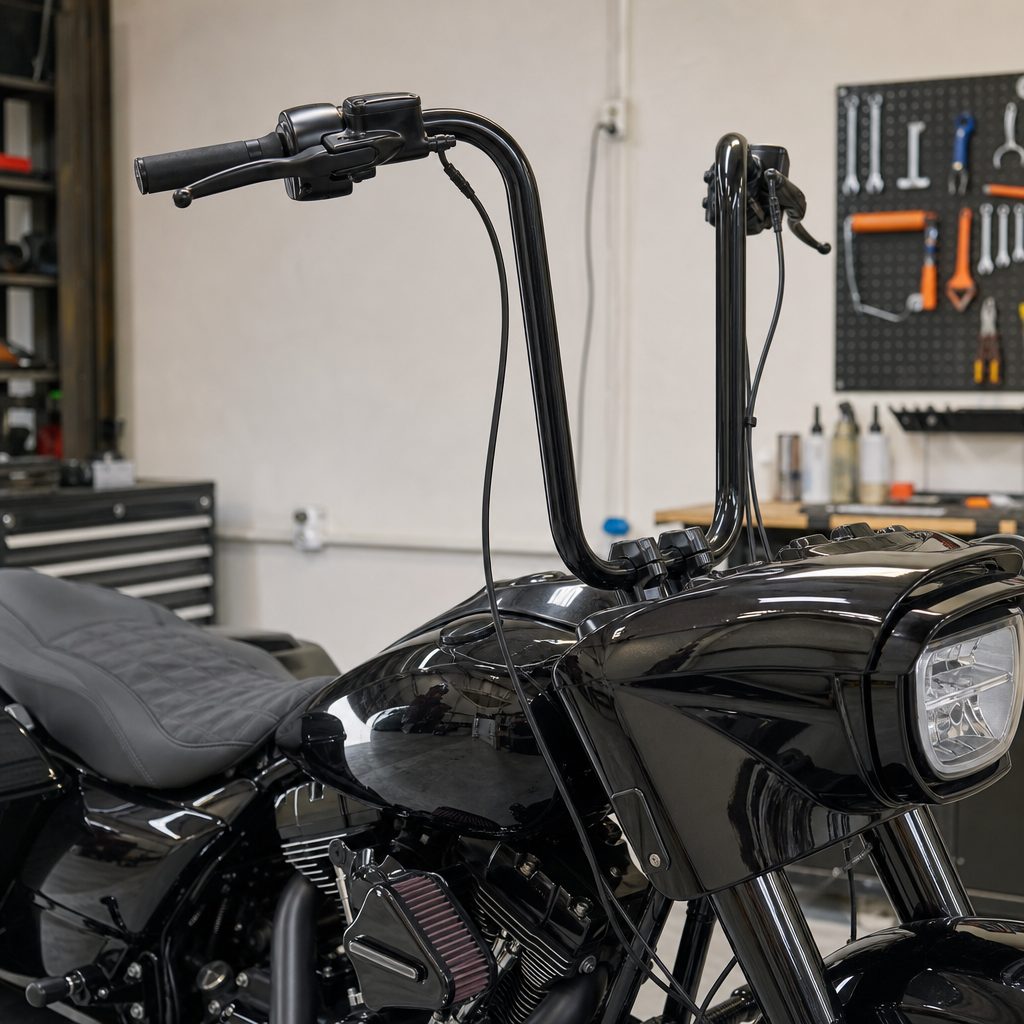
The recipe should begin with your riding posture. Forward controls, mid-controls, floorboards, tall seats, and reduced-reach seats all change how your leg approaches the air cleaner. A rider using reduced-reach components may want a more compact forward-facing or oval assembly, while a taller touring rider can often live comfortably with a larger exposed round filter. Service access matters too. Some open-element kits are easy to clean and inspect, while others make filter maintenance or throttle body access less convenient than it should be.
Use this comparison as a starting point for the hub’s model-specific recipe articles.
| Model family | Primary ergonomic concern | Preferred intake style | Key performance note |
|---|---|---|---|
| Road Glide / Street Glide | Knee clearance usually moderate | Large round or forward-facing high-flow | Benefits strongly from torque-focused tuning for loaded touring |
| Road King / Heritage | Floorboard stance and stoplight leg movement | Compact oval or streamlined exposed element | Prioritize rain management for all-weather riding |
| Low Rider ST / S | Mid-control knee and shin contact | Narrow profile backing plate with compact filter | Best results with crisp part-throttle calibration |
| Fat Boy / Breakout | Boot path and styling integration | Low-profile sculpted intake | Trade peak flow for comfort if needed |
| Ultra / Limited touring | Two-up comfort and heat perception | High-capacity sealed or semi-exposed system | Support low-rpm torque and stable fueling under load |
The right intake recipe is the one you can ride with for 500 miles in a day, not just admire in the garage. That is why this hub connects ergonomics directly to performance, with separate supporting articles for each major Harley-Davidson family.
Core Components: Filter Media, Backing Plates, and Inlet Design
Filter media choice drives both airflow and engine protection. Cotton gauze filters, commonly associated with K&N-style designs, generally offer strong flow and are reusable when serviced correctly, but over-oiling can contaminate the intake tract and sensor-adjacent surfaces. Synthetic dry media, used in several modern performance kits, tends to provide more consistent maintenance outcomes for riders who prefer simpler service. Paper elements often filter well but usually are not the preferred route for a true high-flow Stage I recipe.
Backing plate design is where serious systems separate themselves from generic ones. A high-quality plate does three jobs simultaneously: it supports the filter without distortion, channels air smoothly into the throttle body, and manages crankcase breathing cleanly. On Milwaukee-Eight engines, integrated breather passages and hardware quality matter. Poorly sealed breather interfaces can create oil mist residue that shortens filter service life and coats nearby surfaces. Better systems use machined or well-cast plates with stable sealing surfaces and hardware that holds torque without loosening under vibration.
Inlet design affects velocity and distribution. A larger filter does not guarantee better cylinder filling if the entry path has abrupt edges or poor alignment with the throttle body mouth. Bellmouth-style transitions and radiused inlets reduce turbulence and improve effective flow. This is why respected performance brands often publish flow bench claims alongside dyno results, while experienced tuners still validate on-road response. Flow data matters, but the usable result is what the rider feels between corners, in traffic, and on loaded highway passes.
Tuning, Airflow Balance, and Why the Intake Cannot Be Evaluated Alone
No intake recipe for the 2026 117 VVT should be chosen without a tuning plan. Harley-Davidson’s latest control systems are sophisticated, but they are still calibrated around expected airflow and emissions targets. When you increase intake capacity, especially with a freer-flowing exhaust, volumetric efficiency changes enough that ignition timing, fuel delivery, and torque management need review. The correct calibration protects drivability and lets the VVT strategy work with the new airflow characteristics rather than against them.
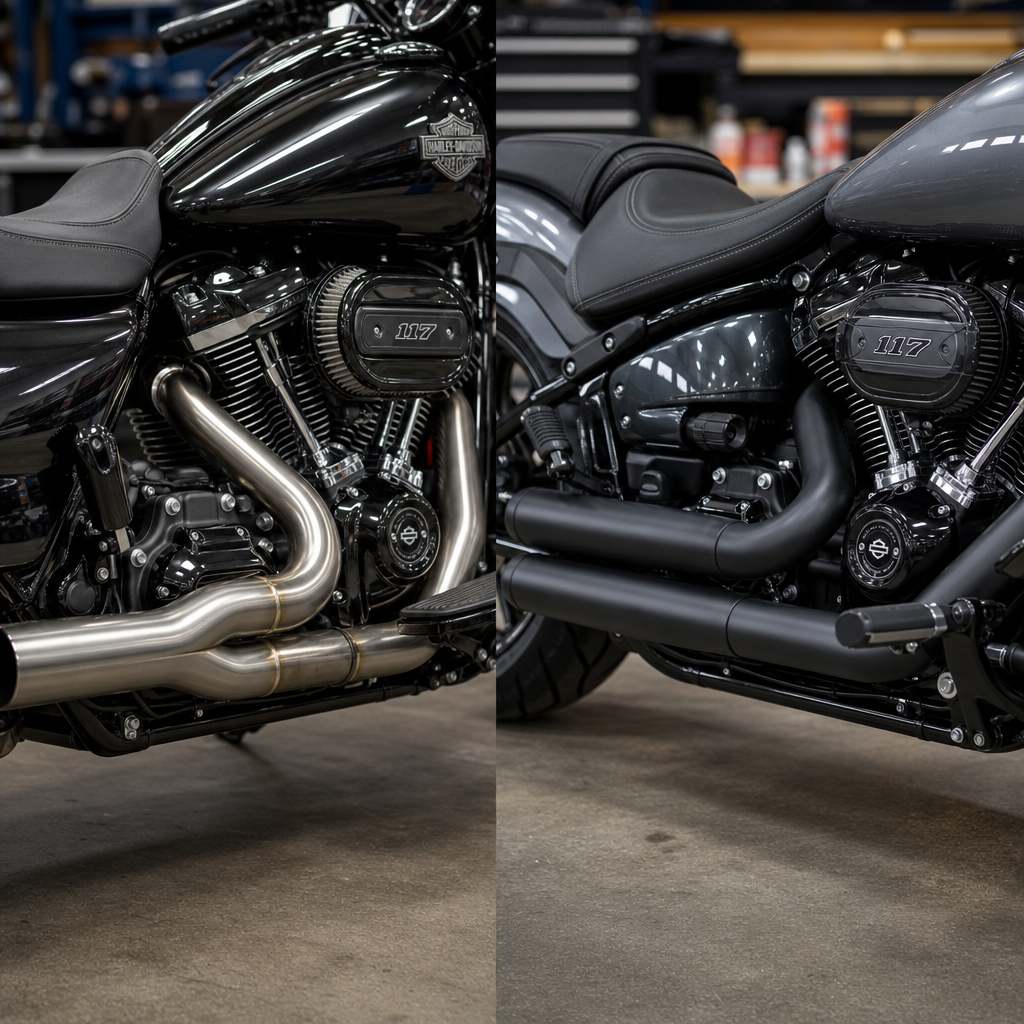
In real workshop use, the best Stage I results come from balanced systems. A high-flow intake paired with a highly restrictive muffler set can sharpen response slightly but bottleneck top-end breathing. An overly open exhaust with a mediocre intake can weaken low-speed character and increase noise without producing proportional thrust. Tuning tools such as Screamin’ Eagle calibrations, Dynojet Power Vision, and shop-based dyno mapping approaches each have their place depending on emissions compliance requirements, warranty considerations, and rider goals. The right answer varies by state, dealer relationship, and how aggressively the owner plans to build later.
Most importantly, a proper tune addresses how the bike is actually used. Touring riders need strong closed-to-part-throttle manners, heat-conscious fueling, smooth decel behavior, and predictable response when loaded with luggage and a passenger. Performance-oriented cruiser riders may accept a slightly more assertive calibration if it improves snap and roll-on urgency. Intake selection should support that use case. This hub exists to prevent the common mistake of choosing parts for peak-flow marketing while ignoring the airflow balance that creates a genuinely better Harley-Davidson on the road.
Heat, Weather, Maintenance, and Durability in Daily Riding
Airflow discussions often ignore environment, yet temperature and weather shape real intake performance. Cooler ambient air is denser, which helps combustion, but exposed filters on heavy touring bikes also sit near engine heat, traffic heat, and road spray. A system that performs brilliantly on a clean dyno pull may be less impressive after long summer idling, repeated rain exposure, and thousands of miles of breather vapor contamination. That is why sealed and semi-sealed designs deserve serious attention for riders who travel, commute, or ride in mixed conditions.
Rain management is especially relevant on Harley-Davidson touring and heritage models. Water-resistant socks, deflectors, and cover designs are not gimmicks when used appropriately; they can preserve drivability in sustained rain and reduce the risk of a soaked element restricting airflow. They are, however, a tradeoff. Any cover or sock can reduce ultimate flow somewhat, which is why the best recipe depends on climate and riding habits. A desert rider may prioritize maximum dry flow, while a Pacific Northwest commuter should accept a small airflow compromise for consistent all-weather function.
Maintenance discipline determines whether performance lasts. Reusable cotton filters need cleaning intervals based on environment, not just mileage. Fine dust, oil mist, and urban grime can reduce effective flow well before a rider expects it. Fastener checks, breather inspection, and periodic backing plate seal review should be standard. I advise riders to treat the intake like a service item, not a one-time accessory. Done properly, a high-flow setup remains stable for years. Ignored, it becomes a gradual source of lost power, dirt ingestion risk, and tuning inconsistency.
Building the Harley-Davidson Hub: From Stage I Intake to Full Ergonomics and Performance Recipes
This article is the central entry point for a larger Harley-Davidson content cluster focused on model-specific ergonomics and performance recipes. The intake is the first and most universal recipe because it intersects with nearly every other upgrade category. Once airflow improves, riders naturally move toward exhaust selection, calibration strategy, seat and bar fit, floorboard placement, suspension setup, wind management, and luggage load tuning. Those topics are not separate from performance. They define whether the added power is comfortable, controllable, and useful over real distance.
For example, a Road Glide rider installing a large high-flow intake may next need a bar and seat recipe that opens hip angle and reduces knee pressure against the air cleaner during long interstate days. A Low Rider ST owner may pair a compact intake with mid-control refinement, a tuned 2-into-1 exhaust, and rear suspension changes that improve corner exit stability. A Heritage rider may need a weather-conscious intake, quieter mufflers, and passenger-focused ergonomic adjustments before any cam upgrade makes sense. These are recipes because each solution depends on the others.
The key takeaway is simple: maximizing 2026 117 VVT airflow is not about chasing the biggest advertised filter. It is about selecting an intake system that matches your Harley-Davidson model, your body position, your climate, your maintenance habits, and your tuning path. Start with a proven high-flow kit, verify fit and clearance, pair it with a coherent calibration plan, and think one step ahead to the next supporting upgrades. Use this hub to map that process, then move into the model-specific articles that match your bike and riding style. A better-breathing Harley should also be a better-fitting, better-riding one.
Frequently Asked Questions
1. What does a Stage I high-flow intake actually do on a 2026 117 VVT Harley-Davidson?
A Stage I high-flow intake improves the engine’s ability to draw in a larger volume of cleaner, less restricted air compared with the stock intake assembly. On the 2026 117 VVT platform, that matters more than ever because the engine’s Variable Valve Timing system can take advantage of improved airflow across a wider operating range. In simple terms, the intake helps the engine breathe easier, which supports stronger throttle response, more efficient combustion, and a better foundation for torque and horsepower gains.
On these newer 117 cubic-inch touring and cruiser models, airflow is not just about peak dyno numbers. A well-designed intake recipe affects how the bike behaves in real-world riding conditions, including roll-on acceleration, low-rpm smoothness, midrange pull, and even heat perception in traffic or hot weather. When the intake is less restrictive, the engine does not have to work as hard to pull air, and that can make the overall power delivery feel more immediate and more refined.
Most riders refer to Stage I as a matched combination of intake, exhaust, and tuning. That matched approach is important because a high-flow intake by itself changes the amount of air entering the engine, but the full benefit only shows up when fuel delivery and ignition strategy are calibrated to support it. On the 2026 117 VVT platform, the intake is the front door of the entire package. If airflow is improved properly at the beginning, every later modification has a stronger base to build from.
2. Why is airflow such a big deal on the 2026 117 VVT platform compared with older Milwaukee-Eight setups?
The 2026 117 VVT engine is built to respond to airflow more intelligently than earlier fixed-cam timing combinations. Variable Valve Timing changes the valve events based on engine speed and load, which means the engine can optimize cylinder filling under more conditions. Because of that, intake efficiency is not just a static specification anymore. Better airflow can support improved performance across a broader rpm band rather than only helping at one narrow point.
That is why the intake discussion has become more central on the 117 VVT platform. Riders are not only looking for top-end power. They want crisp throttle response leaving a stop, stronger passing power in the midrange, smoother drivability during partial throttle cruising, and lower operating stress when the bike is loaded for travel. A restrictive intake limits how effectively the engine can use its displacement and cam timing strategy. A properly engineered high-flow intake allows the engine management system and VVT hardware to work with fewer breathing limitations.
Another reason airflow matters is consistency. A good intake setup should deliver more than raw cfm on a bench test. It should provide stable, predictable airflow with effective filtration, weather resistance, and clean sensor behavior so the bike runs well in a wide range of temperatures and elevations. For riders investing in a Stage I recipe, that broader performance stability is often just as important as the final horsepower figure. On the 2026 117 VVT, airflow is the baseline for power, rideability, and long-term upgrade success.
3. Do I need tuning when installing a Stage I high-flow intake on a 2026 117 VVT?
In most cases, yes. If the intake significantly increases airflow, proper tuning is strongly recommended and is often essential to get safe, smooth, repeatable results. The reason is simple: once the engine can ingest more air, the fuel and spark strategy may need to be adjusted so the air-fuel relationship stays correct under different loads and throttle positions. Without that calibration, the bike may not deliver the gains you expect, and drivability can suffer.
On the 2026 117 VVT platform, tuning is especially important because the engine is managing modern control strategies in conjunction with Variable Valve Timing. That means the calibration has to support not only airflow changes, but also the way the engine transitions through different operating conditions. A quality tune can help maintain smooth idle behavior, eliminate hesitation, improve roll-on response, optimize part-throttle manners, and support cooler, cleaner combustion under real riding loads.
It is also important to understand that a Stage I recipe works best when the intake, exhaust, and tune are selected as a system rather than as unrelated parts. A strong tuner or calibration solution will account for the specific intake design, the exhaust restriction level, and the intended riding style. If your goal is dependable touring performance, that tune may prioritize smoothness, thermal control, and broad torque. If your goal is more aggressive acceleration, the calibration may lean harder into responsive power delivery. Either way, tuning is what turns a collection of parts into a properly integrated upgrade.
4. How do I choose the best high-flow intake for maximizing 2026 117 VVT airflow?
The best intake is not always the one with the biggest marketing claim. You want an intake that balances airflow capacity, filtration quality, fitment, and tuning compatibility. For the 2026 117 VVT platform, start by looking for an intake specifically designed or validated for the latest 117 models, because backing plate design, throttle body alignment, internal shape, and filter placement all influence real-world results. A good intake should reduce restriction without creating turbulence or uneven airflow characteristics that can hurt consistency.
Filter media is another major factor. Some riders focus entirely on maximum flow, but filtration quality matters for engine longevity, especially on touring bikes that see long-distance use, variable weather, and dusty environments. The ideal Stage I intake recipe supports increased airflow while still protecting the engine effectively. That means choosing a proven filter element and a design that seals properly, drains moisture well, and can be serviced without hassle.
You should also think about your overall build path. If this Stage I setup is the first step toward later cam, exhaust, or displacement upgrades, pick an intake that has enough headroom to support future airflow demands. At the same time, if you mainly want improved street manners, heat management, and stronger midrange with stock-like reliability, the smartest choice may be a well-rounded intake rather than the most extreme option available. In short, the best intake for maximizing 2026 117 VVT airflow is the one that performs as part of a complete, matched system and delivers reliable gains where you actually ride.
5. What kind of performance improvements should riders realistically expect from a Stage I high-flow intake recipe?
Riders should expect the most noticeable improvements in throttle response, midrange strength, and overall engine character, especially when the intake is combined with a compatible exhaust and a proper tune. On the 2026 117 VVT platform, the gains often feel bigger than the raw numbers suggest because improved airflow changes how quickly and smoothly the engine reacts to rider input. The bike can feel more eager off idle, more decisive in roll-on situations, and more relaxed when carrying load because the engine is breathing more efficiently.
Peak horsepower and torque typically improve, but the real value of a well-executed Stage I recipe is the shape of the power curve. Instead of chasing a narrow top-end number, most riders benefit more from stronger usable torque across the rpm range they actually use. That can translate to better passing performance, less downshifting, smoother cruising, and a more connected feeling between the throttle and rear wheel. On a big-inch VVT Harley, those practical gains often define the upgrade experience more than any single dyno figure.
There can also be secondary benefits when the package is selected intelligently. Better airflow and cleaner calibration can contribute to smoother running, more stable combustion, and reduced harshness under certain conditions. Heat management may improve from a rider comfort perspective when the engine is no longer operating around mismatched airflow and fueling conditions. That said, results depend on the quality of the parts, the calibration, and the overall combination. A Stage I high-flow intake recipe is not magic by itself, but when it is built as a complete system for the 2026 117 VVT platform, it can unlock a more responsive, more enjoyable, and more upgrade-ready motorcycle.