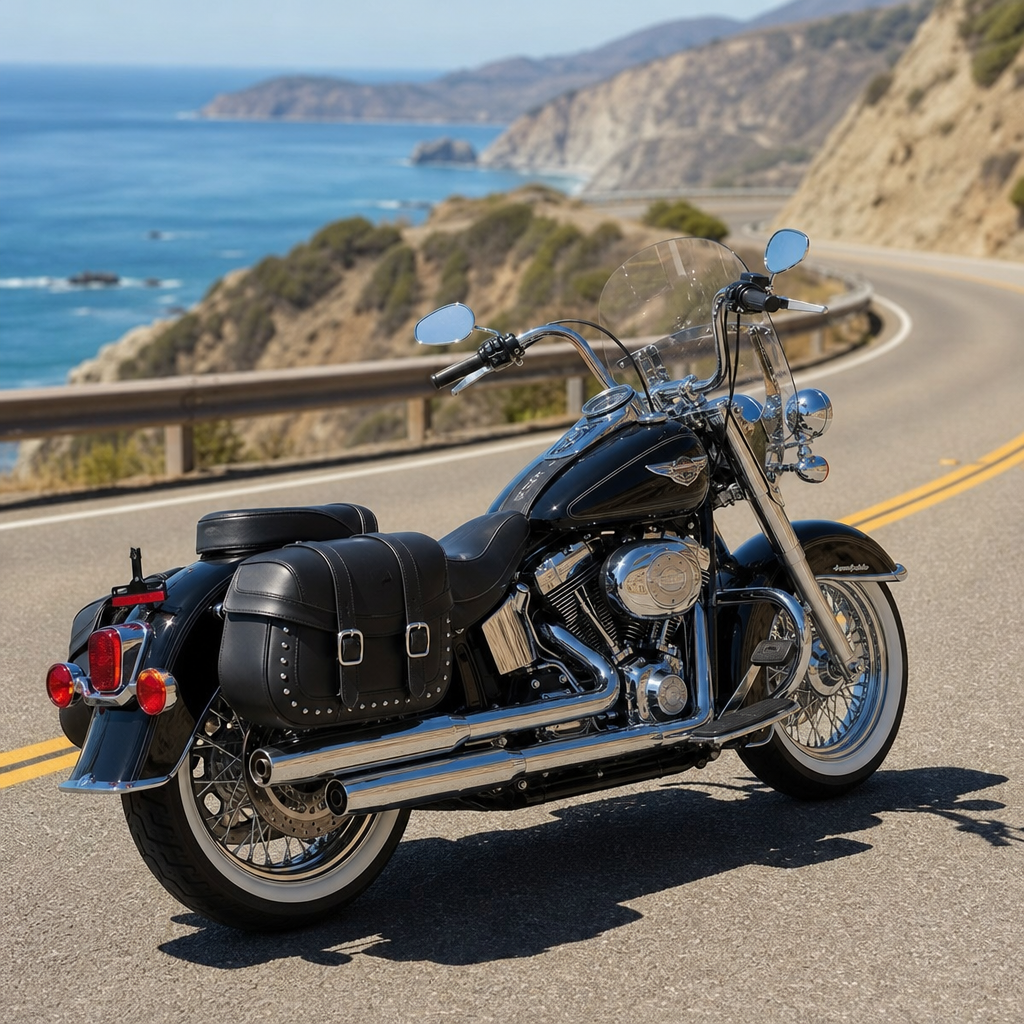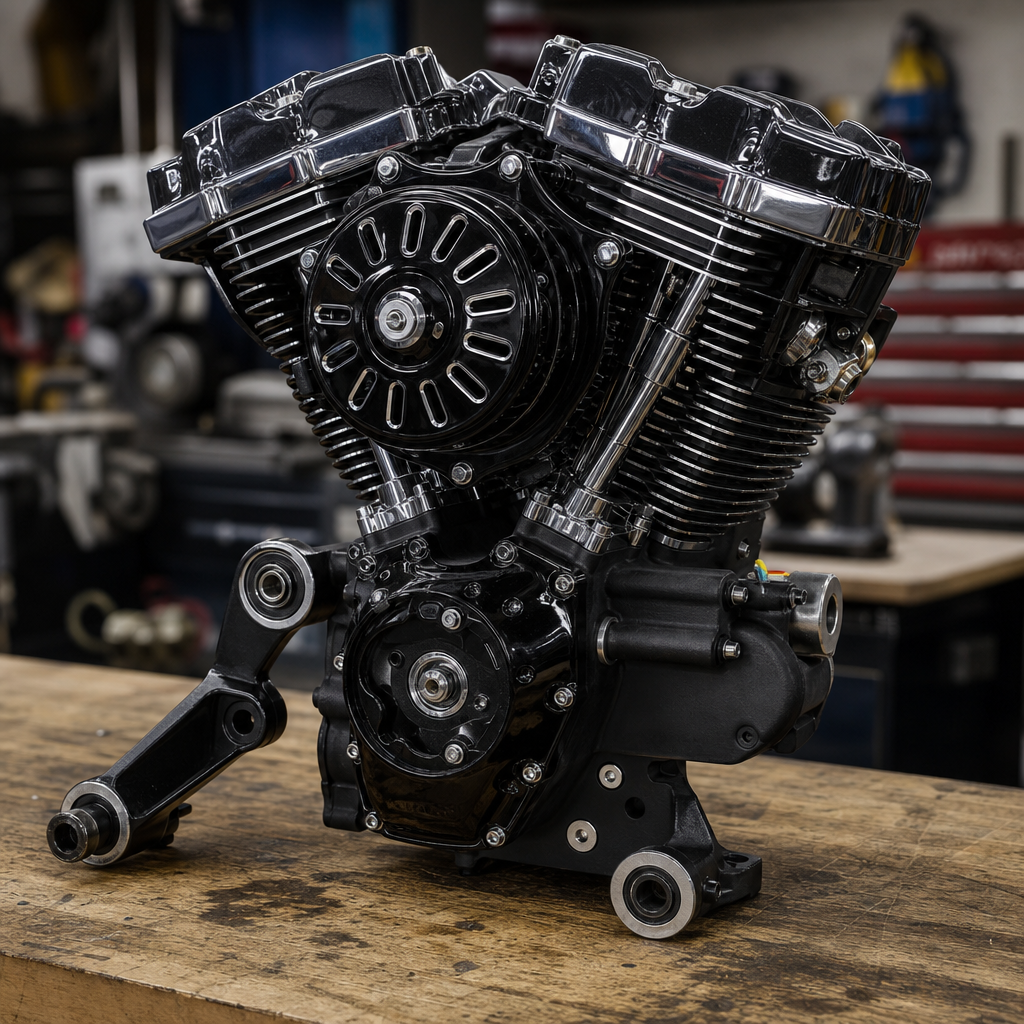
The CVO 121 VVT engine mount recipe for 2027 starts with a simple truth: on a Harley-Davidson, the mount system is never just hardware. It is the link between the Milwaukee-Eight 121 Variable Valve Timing powerplant, the frame, rider comfort, steering feel, and the long-term durability of every component bolted around it. When owners talk about a bike feeling sharper, smoother, or more planted after upgrades, engine mounts are often part of the reason, even when they are not the headline modification.
In shop work, I treat an engine mount recipe as a matched set of decisions rather than a single part swap. It includes the front and rear mount strategy, fastener condition, torque procedure, alignment checks, bushing durometer, exhaust clearance, heat management, and the way the setup interacts with bars, pegs, seat height, suspension sag, and rider posture. For 2027 planning, that systems view matters because the CVO 121 VVT platform brings more torque, more thermal load, and more owner expectations around premium refinement than earlier touring or performance-bagger combinations.
This hub article covers model-specific ergonomics and performance recipes centered on the CVO 121 VVT engine mount setup. It explains what to upgrade, what to inspect before spending money, how comfort and handling are connected, and where different rider goals require different compromises. The focus is practical: build combinations that improve response and confidence without turning a premium Harley-Davidson into a harsh, noisy machine that is tiring on long rides. If you are mapping upgrades for commuting, mountain roads, two-up touring, or show-quality street performance, this guide gives you the framework.
For clarity, engine mounts support and isolate the engine while controlling movement under load. Ergonomics refers to how the rider fits the motorcycle through seat, peg, bar, and control relationships. A performance recipe is a coordinated package of parts and settings that achieves a defined result. On the CVO 121 VVT, the best results come when those three areas are tuned together, because drivetrain motion changes how the bike feels through the floorboards, grips, and chassis during acceleration, deceleration, and corner entry.
Why the CVO 121 VVT mount system deserves special attention
The 121 cubic inch VVT engine changes the upgrade conversation because it broadens torque delivery while preserving the heavy, character-rich pulse riders expect from a large-displacement Harley-Davidson. Variable valve timing improves breathing efficiency across the rev range, but it also means the engine can build force in ways that expose weak bushings, tired fasteners, or alignment issues more quickly than older, softer combinations. In real service work, bikes with strong low-end torque often reveal mount wear first through increased buzz at specific rpm bands, clunking on throttle transitions, or subtle changes in tracking during aggressive corner exits.
Harley-Davidson touring and CVO platforms are designed around a balance between isolation and control. Too much compliance in the mount system lets the powertrain move excessively, which can upset shifting feel, belt alignment, exhaust fitment, and rider confidence. Too little compliance sends vibration directly into the chassis and contact points. The ideal 2027 recipe protects the premium touring character of the bike while tightening unwanted motion enough to support suspension upgrades, stickier tires, and higher cornering loads.
This is also why engine mounts belong in a hub page about model-specific ergonomics and performance recipes. Riders often chase discomfort with seats or handlebars first, but I have seen many cases where the real source was powertrain movement amplifying vibration through the boards or creating driveline lash that made the whole bike feel unsettled. When the mount system is corrected, ergonomic parts suddenly work as intended because the rider is no longer bracing against avoidable mechanical disturbance.
Core inspection checklist before choosing upgrades
Before ordering premium mounts, inspect the existing system methodically. Start with service history, mileage, and symptom pattern. A bike that vibrates only under load at 2,500 to 3,200 rpm points you in a different direction than one that buzzes constantly at idle and cruise. Check front and rear mount rubber for cracking, compression set, oil contamination, heat glazing, and metal-to-metal witness marks. Inspect fasteners for stretch, corrosion, fretting, and improper threadlocker residue. Verify exhaust brackets, transmission supports, stabilizer links, and floorboard mounts, because a failed adjacent bracket can mimic mount failure.
Alignment matters just as much as part quality. Use a straightedge and service-manual reference points to confirm the powertrain sits correctly in the chassis. Review belt tracking, primary clearance, and exhaust stress. If the bike has been lowered, hard-ridden, or previously crashed, measure carefully for frame or bracket distortion. Many riders install harder mounts to solve a symptom that actually comes from misalignment, and that usually makes the bike feel worse.
| Rider goal | Mount strategy | Supporting upgrades | Main tradeoff |
|---|---|---|---|
| Long-distance touring comfort | OE-quality rubber or premium comfort-tuned mount | Touring seat, reduced-reach bars, correct sag, balanced wheels | Slightly more powertrain movement under hard acceleration |
| Sport-touring precision | Higher-durometer mount with fresh hardware | Fork cartridges, quality shocks, performance tires, alignment check | More felt vibration at certain rpm ranges |
| Two-up loaded stability | Reinforced rear mount and stabilizer inspection | Heavy-duty shocks, luggage weight balance, passenger backrest | Additional setup time to maintain comfort |
| Show-and-go custom build | CNC billet mount package matched to intended use | Heat shields, tuned exhaust brackets, dyno tuning, detail fasteners | Can prioritize appearance over isolation if chosen poorly |
That table reflects what works repeatedly in practice. Do not evaluate mounts in isolation. On a CVO 121 VVT, wheel balance, tire construction, suspension setup, and ergonomic contact points can either hide or exaggerate what the mount system is doing. A correct baseline prevents expensive guesswork.
Choosing the right engine mount recipe for 2027 use cases
For most owners, the best engine mount recipe is not the hardest available option. It is the mount package that matches how the motorcycle is actually ridden. If the bike spends its life on highway trips with occasional spirited riding, choose a premium OE-equivalent or slightly firmer rubber mount from a reputable manufacturer and pair it with new hardware installed to specification. This preserves the calm, expensive feel expected from a CVO while reducing the slop that appears as mileage accumulates.
For riders building a performance-focused bagger, a firmer compound makes sense, especially when combined with upgraded rear suspension and fork internals from brands such as Ohlins, Legend Suspensions, or Klock Werks-related fitment packages depending on the rest of the build. In that context, controlling engine movement helps the chassis feel more predictable on hard exits and quick transitions. The key is balance. A mount that is too rigid can move the problem elsewhere, increasing stress on brackets, rider fatigue, and resonance in the fairing or luggage area.
Two-up and loaded touring require a different recipe. Extra mass magnifies chassis reactions, and worn rear mounts become obvious sooner when passenger weight and luggage are added. In these builds, I prioritize rear mount condition, stabilizer link integrity, and shock spring rate before reaching for aggressively firm bushings. Many touring complaints blamed on the engine are really load-management problems.
For custom CVO owners focused on aesthetics, billet mount kits can be excellent if the engineering is sound. Look for proper bushing design, corrosion-resistant finishes, and documented compatibility with exhaust routing and floorboard clearance. A polished or black-anodized mount that introduces harshness or alignment issues is not an upgrade. The 2027 standard should be clean finish, exact fit, and measurable improvement.
Ergonomics: how mounts affect rider comfort, control, and confidence
Rider ergonomics and engine mounts are tightly connected on a large V-twin. When the powertrain moves excessively, the rider unconsciously compensates through hands, lower back, knees, and feet. That compensation creates fatigue that many people misdiagnose as a seat or handlebar problem. Once mounts are corrected, pressure points often decrease because the rider stops bracing during throttle changes and rough pavement impacts.
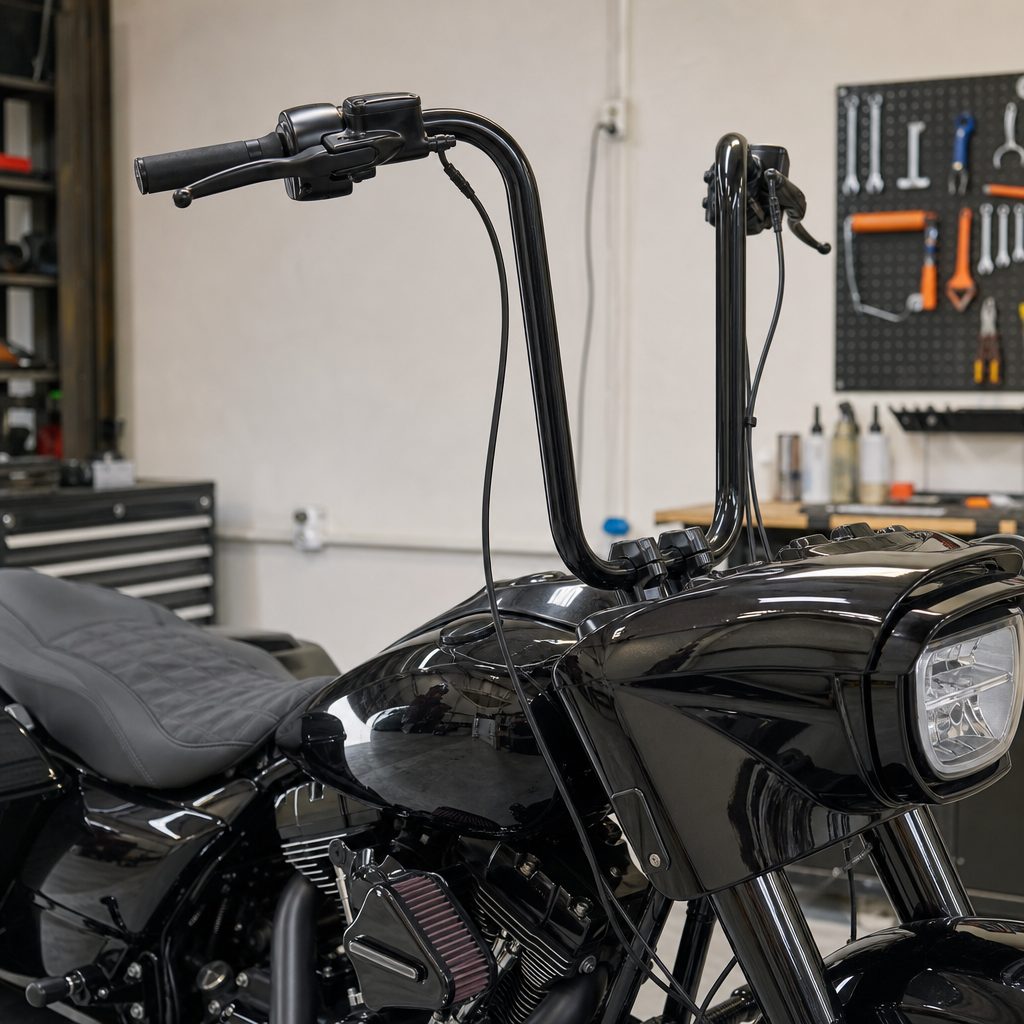
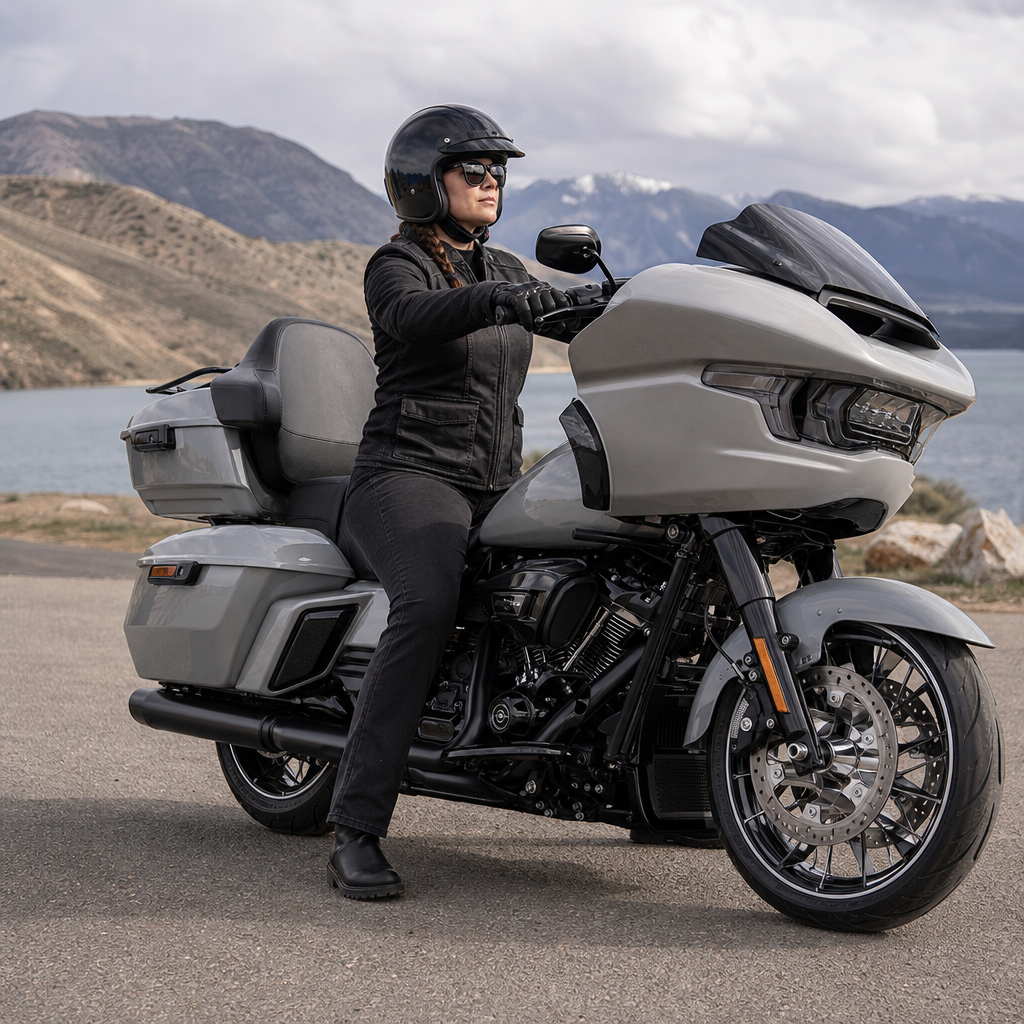
On the CVO 121 VVT platform, seat shape and height should be matched to the mount strategy. A firmer mount that transmits more vibration can still be comfortable if the seat foam density, lumbar support, and peg placement keep the spine neutral and the hips relaxed. Conversely, a plush seat cannot fully mask a poor mount setup that creates repetitive low-frequency shake. For shorter riders, reduced-reach bars and a slightly rearward seating position can improve leverage and reduce the sensation of drivetrain surge. Taller riders often benefit from a taller seat or extended-reach controls so they are not folded into a posture that amplifies every vibration through the pelvis and wrists.
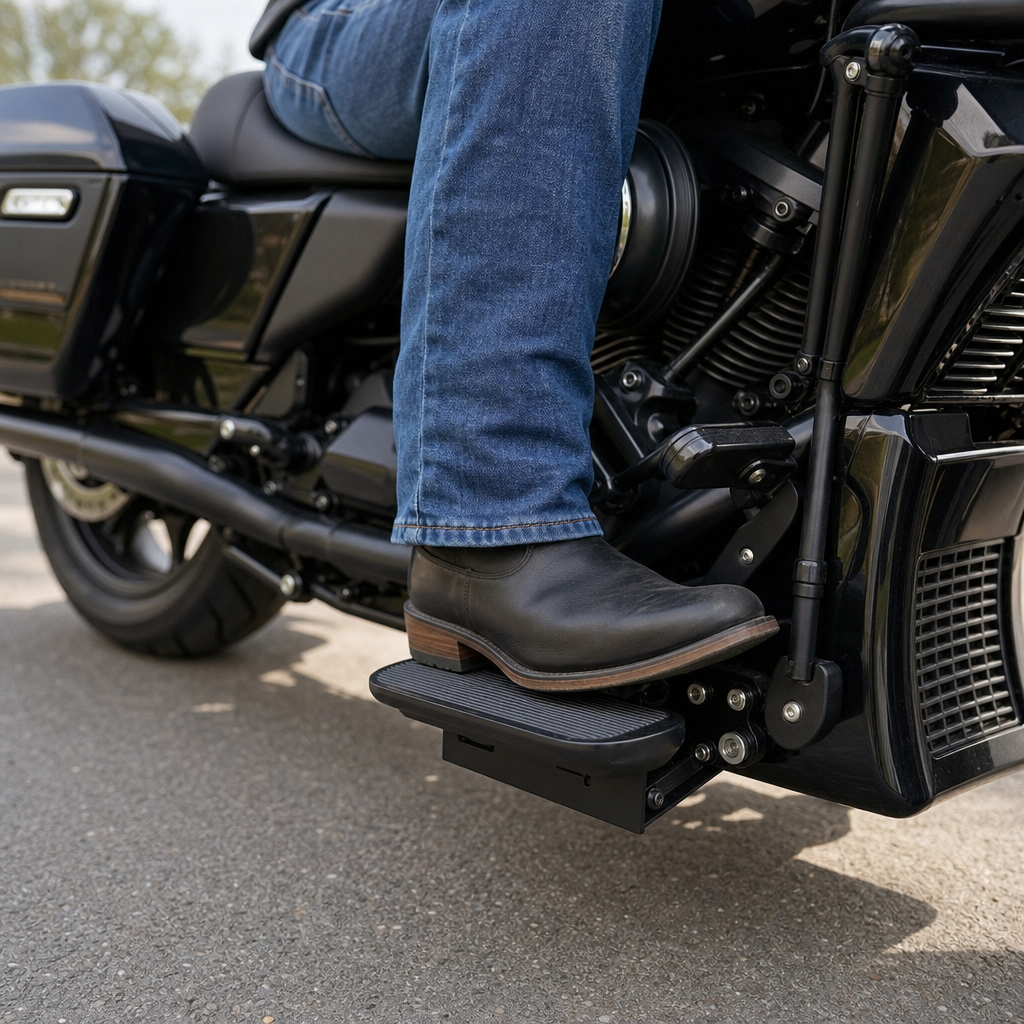
Floorboards, grips, and control bushings matter as finishing pieces. Harley-Davidson riders who switch to firmer mounts should consider premium grips with better damping, plus boots and boards that spread load more evenly over long distances. These are not cosmetic add-ons. They are part of the ergonomic recipe that determines whether a performance upgrade feels refined or punishing after two hours in the saddle.
Supporting performance upgrades that make the mount recipe work
An engine mount upgrade delivers the best return when paired with the right supporting modifications. Suspension comes first. If fork damping is undercontrolled or rear shocks are undersprung, the bike will still feel vague even with excellent mounts. Proper rider sag, rebound control, and compression damping allow the chassis to benefit from reduced powertrain movement. On heavy Harley-Davidson builds, that usually does more for confidence than an exhaust or intake change alone.
Tires are next. Modern performance touring tires from Michelin, Dunlop, and Metzeler have stiffer carcass behavior and more consistent profiles than many riders remember from older generations. A stable mount system helps those tires communicate accurately. Without it, steering inputs can feel delayed or smeared. Brakes also belong in the recipe. Better pads and fresh fluid improve the way the motorcycle settles on corner entry, which makes any chassis tightening from mount upgrades easier to notice and use.
Tuning should not be ignored. The VVT engine responds strongly to proper fueling and spark calibration, whether through Screamin’ Eagle components, dealer-supported calibrations, or compliant tuning paths appropriate to local regulations. Smooth throttle transitions reduce lash loads on mounts and stabilizers. In plain terms, a well-tuned engine is easier on the mount system and nicer for the rider.
Finally, use the service manual torque values and sequence every time. Mount hardware installed dry when it should be lubricated, or threadlocked when it should not be, changes clamp load and can create false symptoms. Precision during installation is part of performance.
Common mistakes, limitations, and the best next step
The most common mistake is chasing harshness with stiffer and stiffer parts. More durometer is not automatically better. The second mistake is replacing mounts without checking alignment, adjacent brackets, and suspension setup. The third is ignoring how rider fit changes perception. A mount package that feels perfect for a six-foot rider with a supportive touring seat may feel busy and tiring for a shorter rider stretched to the bars.
There are also real limitations. No engine mount recipe will turn a large-displacement Harley-Davidson into an electric-smooth touring appliance, and it should not. The goal is controlled character, not sterilized character. Some increase in feel is normal when moving toward performance-oriented compounds. The right question is whether the added feedback improves control more than it reduces comfort for your use case.
As a hub for Harley-Davidson model-specific ergonomics and performance recipes, this page points to the right approach: define the riding goal, inspect the baseline, choose mounts that match the goal, and support them with suspension, tuning, and rider-fit changes. That process works better than buying isolated parts. If you are planning 2027 upgrades for a CVO 121 VVT, start with a documented inspection and build your recipe from there. The payoff is a motorcycle that feels more precise, more comfortable, and more expensive in the best possible way.
Frequently Asked Questions
1. What does an engine mount “recipe” mean on a CVO 121 VVT Harley-Davidson, and why does it matter for 2027 performance upgrades?
On a CVO 121 VVT, an engine mount recipe is the complete combination of parts, materials, torque values, alignment steps, and supporting chassis choices that determine how the Milwaukee-Eight 121 Variable Valve Timing engine is connected to the frame. It is not just about swapping one mount for a stiffer or softer part. It is about tuning the relationship between power delivery, vibration control, steering response, comfort, and durability so the motorcycle behaves as a balanced system. That is why riders often notice a bike feels more precise, more settled in corners, or smoother at cruising speed after mount-related work, even when the engine mounts were not the main focus of the upgrade.
For 2027 performance upgrades, this matters even more because the CVO 121 VVT platform produces strong torque and broad usable power, which means loads are constantly moving through the chassis under acceleration, deceleration, and lean. If the mounts allow too much uncontrolled movement, the bike can feel vague, less planted, or harsher in ways that are hard to diagnose. If the mounts are overly rigid without regard for the rest of the setup, the result can be more vibration transferred to the rider and increased stress on surrounding components. A good recipe accounts for the rider’s goals, whether that means sharper canyon handling, more stable highway touring, improved passenger comfort, or better long-term reliability under spirited use.
The most effective approach is to think of the engine mount system as part of a package that also includes stabilizer links, fasteners, bushings, suspension condition, and proper installation technique. On a premium touring Harley like a CVO, mount performance influences much more than engine movement alone. It affects how the bike tracks through sweepers, how the bars feel over imperfect pavement, how accessories hold up over time, and how refined the motorcycle feels at every speed.
2. What are the real-world signs that the stock or aging engine mounts on a CVO 121 VVT may need attention before adding other performance parts?
There are several practical signs that suggest the mount system deserves inspection before spending money elsewhere. One of the most common is an increase in felt vibration at idle, during roll-on acceleration, or at a specific cruising RPM that was not previously noticeable. Another is a sense that the motorcycle no longer feels as composed when transitioning through corners, especially if the front end seems slightly disconnected from what the engine and chassis are doing underneath you. Riders sometimes describe this as the bike feeling busy, loose, or less settled even when tire pressure and suspension settings are correct.
You may also notice more drivetrain harshness during throttle changes, unusual wear around related brackets or hardware, or a rise in rattles from nearby components. Because the engine mount system influences how vibration and load are distributed, worn or deteriorating mounts can contribute to stress on exhaust mounting points, floorboard hardware, fairing supports, and other bolt-on components. In some cases, the issue is subtle. The bike may still run hard and appear normal, but it feels less refined, less stable, or less confidence-inspiring than it should for a CVO model.
A visual inspection can reveal cracked rubber, compression set, separation, uneven wear, or loosened hardware, but not every problem is obvious from the outside. Age, heat cycles, torque output, road conditions, and added accessories all affect mount condition over time. That is why many experienced Harley owners and tuners recommend evaluating the mounts whenever doing major performance work, front-end service, chassis tuning, or vibration troubleshooting. Starting with a solid mount foundation helps ensure that any gains from suspension, intake, exhaust, or tuning upgrades are actually felt on the road instead of being partially masked by unwanted engine movement or chassis inconsistency.
3. Should you choose stock-style mounts, upgraded rubber mounts, or performance-oriented alternatives for a 2027 CVO 121 VVT build?
The right choice depends on how you use the motorcycle and what you want to improve. Stock-style mounts are often the best answer for riders who prioritize factory-like comfort, predictable isolation, and all-around road manners. On a touring-focused Harley, that can be a very smart decision, especially if the original goal is simply to restore the bike to proper condition rather than transform its character. Fresh OE-quality components can make a dramatic difference when the old mounts have degraded, and they preserve the balance Harley-Davidson engineered into the platform.
Upgraded rubber mounts or premium replacement options are usually the sweet spot for many owners. These products are designed to offer better control of engine movement, improved material durability, and more consistent performance under load while still maintaining a comfortable touring experience. For riders who have added exhaust, tuning, intake changes, heavier luggage setups, or who ride aggressively in mountain roads, this middle-ground approach often delivers the most noticeable improvement. The bike can feel tighter and more precise without becoming unpleasant on long rides.
More performance-oriented alternatives may appeal to riders chasing maximum chassis discipline, but they need to be chosen carefully. Increasing stiffness can improve feedback and reduce excessive movement, yet it can also transmit more vibration through the frame, bars, floorboards, and seat. On a CVO, where refinement is part of the ownership experience, the best setup is rarely the most extreme setup. It is the one that aligns with your power level, riding style, road conditions, and tolerance for mechanical feel. The ideal recipe is balanced, not simply harder.
In practice, the smartest path is to match the mount type to the rest of the build. A lightly modified touring bike may benefit most from high-quality OE-equivalent or slightly upgraded rubber mounts. A more aggressively ridden machine with suspension and chassis improvements may justify a firmer, better-controlled mount package. Either way, selecting proven components from reputable suppliers and installing them correctly is more important than chasing the stiffest option available.
4. How do engine mounts affect ride comfort, handling, and long-term durability on the Milwaukee-Eight 121 VVT platform?
Engine mounts sit at the intersection of comfort, control, and structural longevity. Their job is to manage how engine energy is transferred into the frame while keeping the motorcycle stable and predictable. On the Milwaukee-Eight 121 VVT platform, that task is especially important because the engine produces substantial torque across the rev range. Every time the rider accelerates, rolls off the throttle, shifts gears, or encounters rough pavement, the mount system helps control how those forces move through the bike.
From a comfort standpoint, properly functioning mounts reduce unwanted vibration reaching the rider without making the chassis feel disconnected. That is why a well-sorted CVO can feel both powerful and refined. If the mounts are worn, too soft, or inconsistent, vibration may become more noticeable and fatigue can set in faster on long rides. If the mounts are too rigid for the application, the opposite problem can occur: the bike may feel mechanically sharper but less comfortable, especially at idle or during highway cruising.
Handling is affected because engine movement changes how the motorcycle behaves as a unified mass. Excessive movement can make steering response feel delayed or imprecise, particularly during quick transitions or when cornering over uneven pavement. A good mount setup helps the chassis feel more planted, more coherent, and easier to trust. This does not mean the mounts create handling on their own, but they absolutely influence how effectively the suspension, frame geometry, and tires can do their job.
Durability is the third major piece. Poor mount condition can increase stress on neighboring hardware and assemblies, leading to loosened fasteners, bracket fatigue, accelerated wear, and annoying secondary issues that seem unrelated at first. A well-designed and well-installed mount recipe protects the entire motorcycle by controlling load paths and reducing unnecessary movement. In that sense, engine mount upgrades are not only a performance decision. They are also a preventive maintenance and reliability strategy for owners planning to keep and ride their CVO 121 VVT hard into 2027 and beyond.
5. What other upgrades or installation steps should be paired with engine mount work to get the best results from a CVO 121 VVT performance build?
The best results come from treating engine mount work as part of a broader chassis and drivetrain refresh rather than an isolated modification. First, inspect all related hardware, brackets, and stabilizer components. Even the best mounts cannot perform properly if surrounding pieces are worn, misaligned, or reused after damage. Fresh fasteners where specified, correct torque procedures, and careful alignment during installation are critical. On Harley-Davidson touring models, small errors in fitment or preload can change how the bike feels and can shorten the life of the new parts.
Suspension condition should also be evaluated at the same time. If fork service is overdue, rear shocks are tired, or sag is not set correctly, the gains from mount improvements may be diluted. Riders often credit engine mounts for a sharper feel when in reality the biggest transformation happens because the bike’s mount system and suspension are finally working together again. Tires matter too. A CVO 121 VVT with fresh, properly inflated tires and a healthy chassis will reveal the benefits of a good mount recipe far more clearly than a bike with worn rubber or neglected setup.
It is also wise to consider the motorcycle’s full performance package. If you are