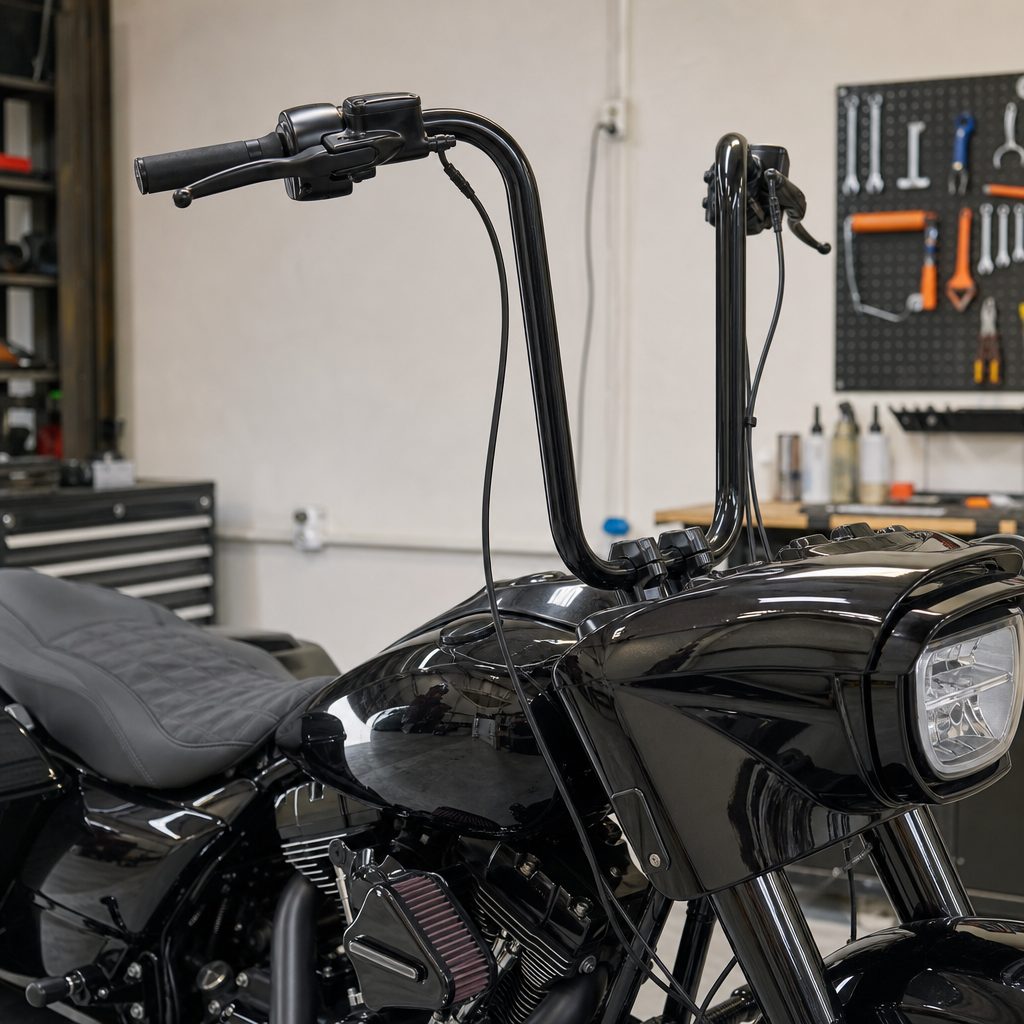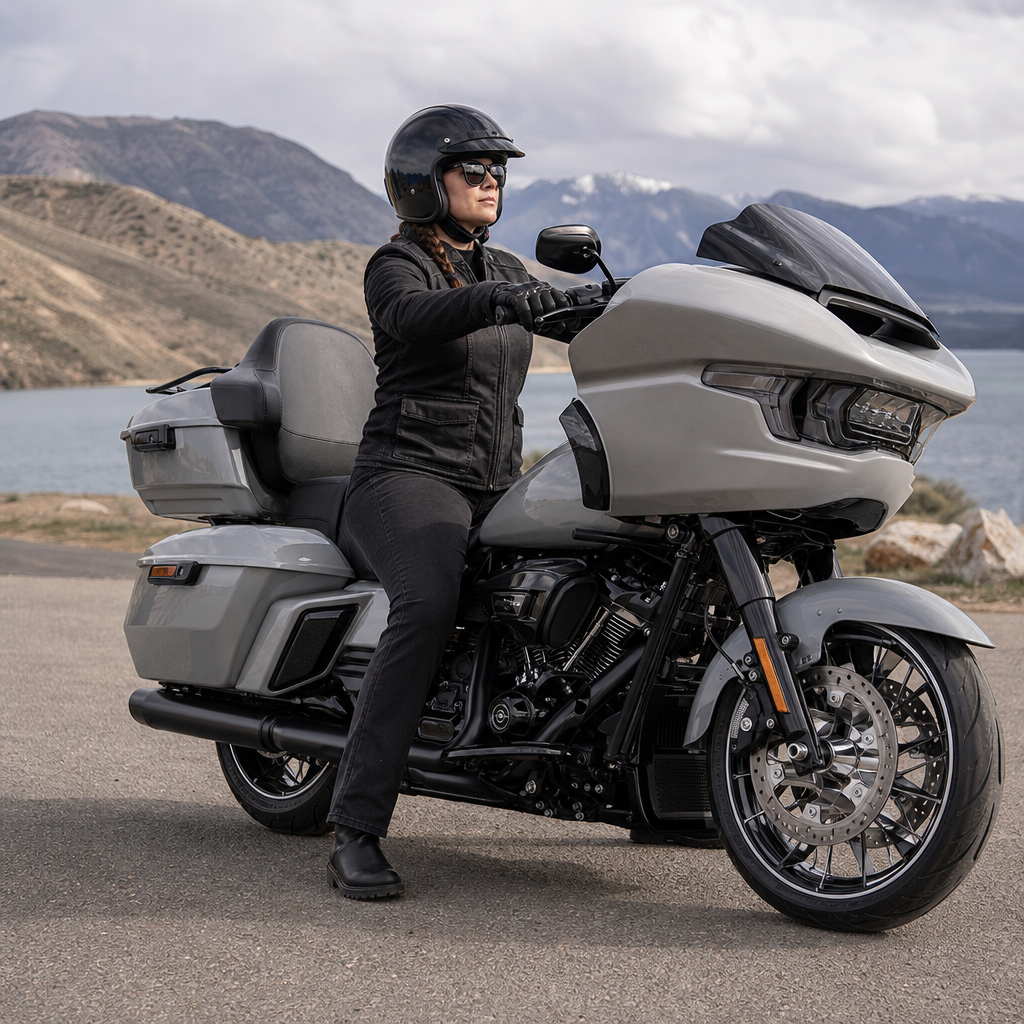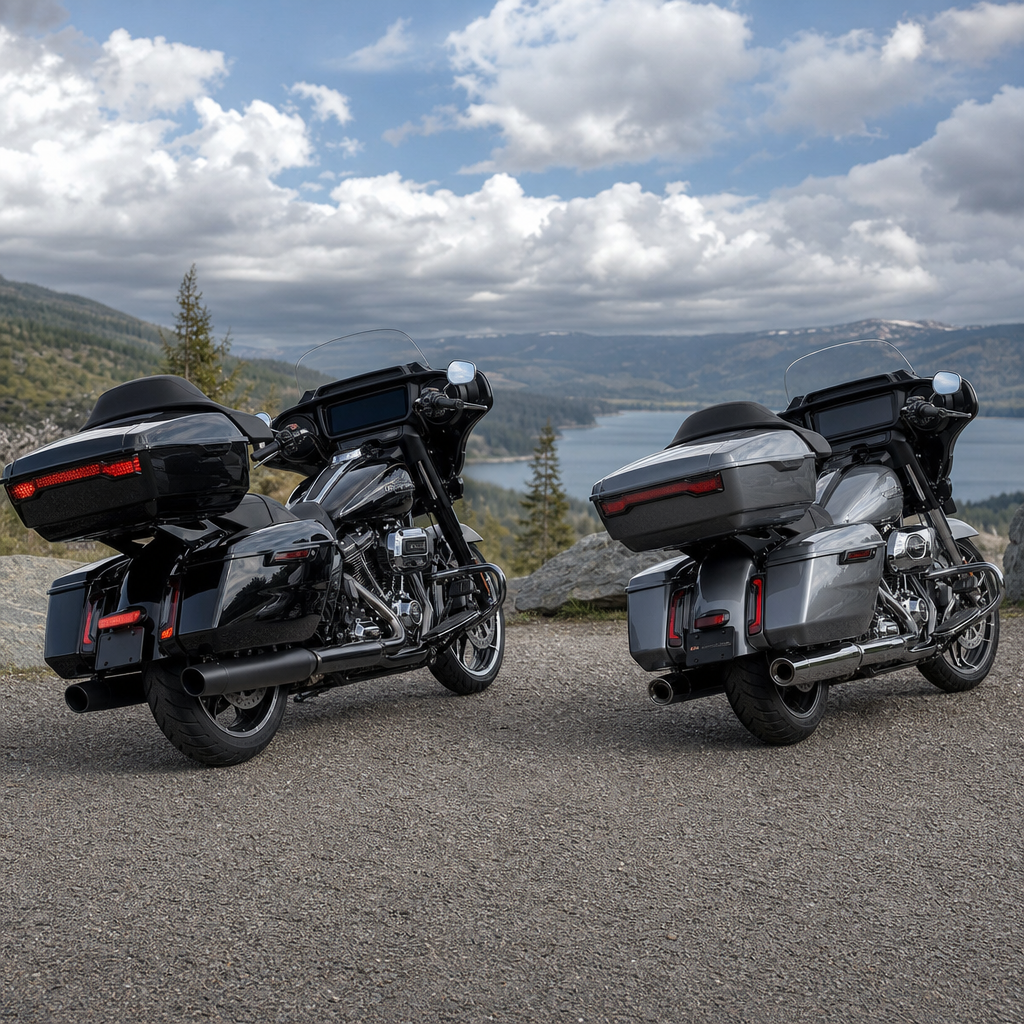
The 2026 Street Glide Limited Grand Tour-Pak lock recipe sits at the intersection of touring convenience, luggage security, rider ergonomics, and the practical reality of how Harley-Davidson owners actually use their motorcycles on the road. In this context, a lock recipe means the complete decision framework for choosing, fitting, and living with either an electric or manual locking setup on the Grand Tour-Pak, with attention to hardware compatibility, hand reach, passenger use, weather exposure, failure points, and daily touring habits. For riders building a broader library of Harley-Davidson model-specific ergonomics and performance recipes, this hub article establishes the baseline: the lock is not just a latch, but a touchpoint that affects comfort, confidence, loading speed, and even stop efficiency over a thousand-mile week. I have worked with touring bag and Tour-Pak systems long enough to know that the wrong lock choice becomes irritating within days, while the right one disappears into the background and simply works. That is why this topic matters in 2026, when riders expect premium convenience, integrated electronics, and field serviceability at the same time.
The Street Glide Limited format attracts riders who pack more, ride farther, carry passengers more often, and expect a cleaner ownership experience than the average weekend cruiser. The Grand Tour-Pak is central to that expectation because it stores helmets, jackets, chargers, rain gear, medication kits, and travel documents in one elevated rear compartment that is opened repeatedly during a trip. Every opening event has an ergonomic cost: reaching back from the saddle, stepping off the bike on a cambered shoulder, managing gloved hands at a fuel stop, or helping a passenger access gear while the bike is loaded. Electric locks reduce physical effort and improve convenience, especially when integrated with a key fob or central locking routine. Manual locks remain attractive because they are mechanically simple, easier to troubleshoot roadside, and often better tolerated by riders who prioritize reliability over features. Choosing between them is less about novelty and more about matching the locking method to the rider’s body mechanics, technical comfort, maintenance habits, and trip profile.
What electric and manual Grand Tour-Pak locks actually mean on a 2026 Street Glide Limited
On a modern Harley-Davidson touring platform, a manual Grand Tour-Pak lock usually refers to a mechanical latch cylinder or keyed release that requires direct hand input at the case. The user inserts a key, turns a barrel, or operates a physical lever connected to a latch rod or striker mechanism. An electric lock uses an actuator, solenoid, or electronically triggered release integrated with the motorcycle’s electrical system, often tied to a handlebar switch, key fob proximity function, security module, or custom accessory controller. Both systems still rely on proper lid alignment, hinge condition, striker engagement, and weather sealing; the difference is how the latch is commanded and what dependencies come with that command.
In practical terms, electric systems excel when frequent access matters more than mechanical simplicity. A rider wearing winter gloves can release the Tour-Pak without fumbling for a key. A passenger can be instructed to open the compartment using a defined electronic sequence rather than reaching around luggage for a lock cylinder. Riders with reduced grip strength, wrist irritation, or limited shoulder mobility benefit immediately from less twisting force. Manual systems, however, keep the failure tree shorter. If the bike battery is weak, if a relay fails, or if an aftermarket harness develops corrosion, a manual lock still works as long as the key and linkage are intact. That distinction is crucial because touring riders often prioritize graceful degradation: when something fails in a remote area, the bike should remain usable.
Ergonomics first: reach, hand force, loading position, and passenger interaction
The strongest reason to compare electric vs manual Grand Tour-Pak locks through an ergonomic lens is that access happens dozens of times on a trip, and small frictions accumulate into real fatigue. On a loaded Street Glide Limited, the Tour-Pak sits high and rearward. A solo rider opening it while seated must rotate through the thoracic spine, extend the shoulder, and operate the release with reduced leverage. For taller riders this may be only mildly inconvenient; for shorter riders, older riders, or anyone with a top trunk packed close to full, manual key operation can require dismounting every single time. Electric release reduces this by moving the input to a more accessible location, often near the bars or ignition routine, eliminating fine key alignment and wrist torque at the rear of the bike.
Passenger interaction matters just as much. The Tour-Pak serves the passenger first on many trips because it carries shared travel items and often doubles as a backrest assembly. A passenger trying to open a manual lock from the side of the bike while balancing on a sloped parking area can struggle with reach angle and visual access to the lock cylinder. Electric opening simplifies that workflow and reduces the chance of scratched paint from hurried key use. Yet manual systems can be easier to explain and trust for occasional passengers because the action is obvious: insert key, turn, lift lid. Good ergonomics, therefore, is not always “least effort”; it is the combination of low effort, clear operation, and low error rate under real travel conditions.
Performance recipe: when electric is the better fit and when manual wins
The cleanest way to choose is to match the lock style to the rider’s operating pattern. Over years of setting up touring bikes, I have found that electric locks are the better fit for high-frequency access riders, commuters who stop multiple times daily, two-up travelers, and owners already comfortable with accessory wiring, battery tenders, and periodic diagnostic checks. Manual locks win for riders who store the bike for long stretches, travel in very wet or dusty conditions, prefer low electrical complexity, or intentionally keep key functions independent of the battery and control modules.
| Scenario | Electric lock advantage | Manual lock advantage |
|---|---|---|
| Daily commuting with frequent stops | Faster access, less glove fumbling, cleaner routine | Works, but repeated key use feels slower |
| Long two-up touring | Better passenger convenience and reduced reach strain | Simple backup if electronics fail far from service |
| Cold-weather riding | Less hand force and less exposed key handling | No dependence on battery performance in low temperatures |
| Remote travel | Convenient if system is well-installed and fused correctly | Superior field serviceability and easier roadside diagnosis |
| Minimalist ownership | May feel unnecessarily complex | Best choice for riders who value mechanical simplicity |
If you want the shortest answer, choose electric when convenience and accessibility are top priorities and your maintenance discipline is high. Choose manual when predictable operation, low dependency count, and roadside resilience matter most. Neither choice is universally superior. The better system is the one that matches how often you open the Tour-Pak, who uses it, and how much complexity you are willing to maintain.
Installation, compatibility, and known failure points riders should plan for
Fitment quality determines whether either lock feels premium or frustrating. A Grand Tour-Pak lid must close squarely on the seal, the striker must engage without excess slam force, and the latch must release without dragging. Electric kits add wiring routes, connectors, fuse protection, switching logic, and actuator mounting geometry. If the actuator pulls at the wrong angle, release force rises and intermittent opening follows. If the installer skips sealed connectors or adequate strain relief, moisture and vibration will eventually create resistance or open circuits. On a Harley touring bike, vibration management is not optional; dielectric grease, heat-shrink, proper loom support, and carefully chosen grounding points are standard practice.
Manual systems have their own failure points, just fewer of them. Lock cylinders can bind from dirt, key wafers can wear, return springs can weaken, and latch rods can drift out of adjustment. The advantage is diagnosis speed. A sticky manual lock usually announces itself gradually through rough key feel or inconsistent release. Electric faults can masquerade as battery weakness, a bad switch, a security module issue, a damaged harness section near the hinge, or actuator fatigue. For that reason, any electric conversion or factory-style setup should include a hidden emergency release or at minimum a documented manual override procedure. That is not paranoia; it is normal touring-bike preparation.
Compatibility also extends beyond the lock itself. A padded passenger backrest, luggage rack load, lid organizer, interior lighting, or overstuffed cargo can change latch pressure and release feel. Riders often blame the lock when the true issue is lid preload from packed gear pressing against the weather seal. The best installations account for loaded use, not just a clean shop test with an empty case.
Security, maintenance, and ownership cost over real touring mileage
Security differences between electric and manual Grand Tour-Pak locks are often overstated. The actual theft resistance of either system depends more on lid construction, striker strength, mounting integrity, and whether the bike is left unattended with visible valuables than on the release method alone. A properly built electric lock is not automatically less secure, and a manual keyed latch is not automatically more secure. What changes is vulnerability type. Electric systems introduce electronic access points and power dependence. Manual systems concentrate risk in the key and cylinder. For most owners, layered security matters more: locking steering, alarm function, smart parking choices, and not advertising expensive contents.
Maintenance cost diverges over time. Manual locks typically need occasional lubrication with a lock-safe product, linkage inspection, and periodic adjustment. Electric setups require all of that plus electrical inspection. Riders should check current draw, connector condition, harness chafe near hinge movement, actuator response speed, and battery health. AGM and lithium battery behavior can affect release consistency differently in cold conditions, and low-voltage events should be taken seriously. A lazy actuator is often an early warning, not a minor annoyance. Over 20,000 touring miles, the more complex system almost always demands more attention. Whether that attention feels burdensome depends on the owner. Many riders already monitor charging voltage with tools such as a multimeter or a CAN-aware accessory controller, so adding one more inspection item is acceptable. Others want the luggage lock to be as analog as possible, and that preference is rational.
How this hub connects model-specific ergonomics and performance recipes across Harley-Davidson touring bikes
This page functions as a hub because the Grand Tour-Pak lock recipe is one example of a larger method for evaluating Harley-Davidson touring components. The same method applies to seats, bars, floorboards, windshield height, suspension preload, heated gear power distribution, and luggage layout. Start with the body: rider height, inseam, shoulder mobility, grip strength, passenger frequency, and mount-dismount pattern. Then assess the use case: commuting, weekend rides, coast-to-coast touring, or rally travel with frequent roadside stops. Finally, evaluate system complexity: what can fail, how it fails, and whether the rider can recover without dealer support. That framework turns accessories into performance decisions rather than catalog purchases.
For the 2026 Street Glide Limited, the lock discussion also illustrates a broader truth about touring performance. Comfort is performance. Reduced reach strain at every fuel stop preserves energy. Faster, cleaner luggage access keeps the rider focused and organized. Lower frustration improves trip rhythm. Likewise, reliability is performance. A manual latch that works every time in rain, dust, and weak-battery conditions may outperform a feature-rich electric system for a rider crossing sparsely populated regions. Future articles in this subtopic should build from this exact logic, covering control placement, seat-to-peg relationship, backrest angle, storage workflow, and accessory power planning with the same rider-centered approach.
The main takeaway is simple: the best 2026 Street Glide Limited Grand Tour-Pak lock recipe is the one that matches your body, your travel routine, and your tolerance for electrical complexity. Electric locks deliver superior convenience, easier access with gloves, and better passenger usability. Manual locks deliver simpler ownership, clearer roadside troubleshooting, and dependable function independent of the bike’s electrical state. Both can perform well when installed correctly, adjusted under real load, and maintained as part of the touring system rather than treated as an isolated accessory.
If you are building a Harley-Davidson touring setup, use this article as your starting point for every model-specific ergonomics and performance recipe that follows. Measure how you actually ride, not how a brochure imagines you ride. Check reach, hand force, loading habits, passenger needs, weather exposure, and serviceability before choosing features. Then apply the same standard across the rest of the bike, from seating and controls to luggage and power accessories. Start with the lock, document what works, and build a touring machine that feels deliberate at every stop and every mile.
Frequently Asked Questions
1. What does a “lock recipe” mean for the 2026 Street Glide Limited Grand Tour-Pak, and why does the electric vs manual choice matter?
A lock recipe is the full decision framework for how you want your Grand Tour-Pak to function in real-world touring use, not just which latch looks better on paper. For the 2026 Street Glide Limited, that means thinking through daily access, luggage security, passenger interaction, hand reach, wiring complexity, weather exposure, maintenance expectations, and compatibility with your specific Tour-Pak hardware. In practical terms, the recipe combines the latch type, release method, keying strategy, mounting components, wiring or cable routing if applicable, and the way the system performs when the bike is loaded for travel.
The electric versus manual decision matters because the two systems create very different ownership experiences. An electric lock setup usually prioritizes convenience. It can reduce the need to reach awkwardly for a key or latch, which is especially appealing on a fully packed touring bike with a passenger backrest, luggage rack, or stacked travel gear. It can also make access feel more modern and streamlined if you open and close the Tour-Pak frequently during fuel stops, hotel check-ins, or roadside gear changes. A manual setup, by contrast, often appeals to riders who want fewer electrical dependencies, lower installation complexity, easier roadside troubleshooting, and a more straightforward long-term service path.
For many owners, the right answer comes down to use pattern. If your Street Glide Limited is a true distance machine with frequent stops, regular passenger use, and constant Tour-Pak access, electric locking may deliver enough ergonomic advantage to justify the additional parts and setup effort. If you value mechanical simplicity, routinely ride in harsh weather, or prefer a system that remains easy to diagnose with basic tools, manual locking can be the smarter recipe. Neither option is universally better. The best choice is the one that fits the way you actually travel, pack, and live with the motorcycle.
2. How do I decide whether an electric Grand Tour-Pak lock or a manual lock is better for my riding style?
The most reliable way to choose is to evaluate your touring habits honestly. Start with access frequency. If you open the Tour-Pak multiple times a day for gloves, rain gear, chargers, cameras, medication, snacks, or passenger items, convenience becomes a major factor. Electric systems tend to shine when repeated access is part of your normal rhythm. They can reduce the small frustrations that build up over a long trip, especially when you are wearing gloves, standing on uneven pavement, or dealing with a packed bike where reach is compromised.
Next, consider ergonomics. The Street Glide Limited is built for long-haul comfort, but once the Tour-Pak is loaded and outfitted with passenger support pieces, reaching the lock area may not always feel effortless. Riders with limited shoulder mobility, hand strength concerns, or a preference for one-touch access often lean toward electric release systems. Passenger use matters too. If a passenger regularly needs to access the Tour-Pak while loading, unloading, or organizing gear at stops, an easier release method can make the bike more pleasant for both people.
Then weigh your tolerance for complexity. Electric systems can be excellent when properly installed, but they introduce more variables: wiring integrity, switch function, connectors, weather sealing, and possible battery-related behavior. Manual systems are typically easier to understand and troubleshoot because the mechanism is mechanical and direct. If your ideal touring setup favors field serviceability and minimal reliance on electrical components, a manual latch may better align with your priorities.
Climate and storage conditions should also influence the choice. Bikes that see frequent heavy rain, washdowns, outdoor parking, coastal humidity, or large temperature swings place extra demands on both systems, but electric locks need especially careful attention to sealing and connector protection. Manual locks are not immune to corrosion or sticking, but they are often simpler to inspect, lubricate, and restore.
Finally, think in terms of failure consequences. If an electric system acts up, are you comfortable diagnosing wiring or carrying a backup access plan? If a manual lock becomes stiff, are you prepared to maintain it periodically? The best lock recipe is the one that matches your real risk tolerance. Riders who prioritize convenience and modern feel often prefer electric. Riders who prioritize simplicity and predictable service usually favor manual. Your answer should reflect how you ride, not just what sounds premium.
3. What compatibility issues should I check before installing either an electric or manual Grand Tour-Pak lock on a 2026 Street Glide Limited?
Compatibility is one of the most important parts of the lock recipe because a latch system only works well when it matches the exact Tour-Pak configuration and surrounding hardware. Begin by confirming the specific Grand Tour-Pak version, hinge arrangement, latch mounting points, and any model-year-specific changes in bracket design or inner lid structure. Even when components appear visually similar, small differences in depth, striker alignment, mounting hole spacing, or lid reinforcement can affect whether a lock kit installs cleanly and operates reliably.
You should also check whether the Tour-Pak is stock or has been modified. Accessories such as custom liners, lighting kits, speaker pods, racks, backrests, quick-detach mounts, and lid organizers can all influence access, available space, and routing for wiring or linkages. An electric lock may require room for an actuator, harness, relay, switch, or integration with existing electrical pathways. A manual lock may need unobstructed lever travel and correct cable or rod alignment. If the bike already has audio, lighting, or accessory wiring in the Tour-Pak area, make sure the lock hardware will not pinch, rub, or interfere with those systems.
Keying strategy is another compatibility point many owners overlook. With a manual lock, decide whether you want a standalone key, a matched key cylinder, or a setup coordinated with your existing security approach. With electric systems, verify whether the release mechanism still includes a mechanical override or backup entry method. That backup matters because touring bikes need practical redundancy, especially on multi-day trips.
Electrical capacity and integration are critical if you are considering electric locking. Check the power source, fuse protection, connector type, grounding quality, and whether the system is designed for motorcycle vibration and outdoor exposure. Avoid generic automotive pieces unless they are clearly suitable for motorcycle use. The Street Glide Limited’s touring mission puts sustained vibration, temperature changes, and moisture into the equation, so all components should be selected with that environment in mind.
Finally, evaluate fit and function before final assembly. A proper compatibility check includes dry-fitting the latch, verifying lid closure pressure, confirming striker engagement, testing release consistency, and making sure the lid opens without binding. The goal is not simply to get the lock installed. The goal is to create a setup that closes securely, releases predictably, survives road use, and remains serviceable over time. That is the difference between a parts swap and a complete lock recipe.
4. Are electric Grand Tour-Pak locks reliable enough for long-distance touring, or is manual still the safer choice?
Electric Grand Tour-Pak locks can absolutely be reliable enough for long-distance touring, but their reliability depends heavily on component quality, installation quality, and backup planning. A properly engineered electric system that uses weather-resistant parts, solid mounting, protected wiring, secure connectors, and a sensible fail-safe approach can perform very well on a touring motorcycle. The convenience payoff is real, particularly for riders who access the Tour-Pak frequently or who want easier operation when the bike is fully loaded.
That said, manual locks still hold a strong advantage in terms of mechanical simplicity. Fewer variables generally means fewer possible failure points. On a long trip, simplicity often translates into confidence. A manual lock is less dependent on battery condition, connector health, switch operation, or actuator performance. If a manual mechanism becomes stiff or sticky, the fix is often straightforward: inspect alignment, clean the cylinder or latch, and apply the correct lubricant. With an electric system, diagnosis can involve checking voltage, continuity, grounds, switch logic, actuator movement, and weather-related corrosion at terminals or splice points.
The smarter question is not whether electric is inherently unreliable, but whether the specific electric setup you are considering is robust enough for motorcycle use. Touring conditions are demanding. Repeated vibration, heat cycles, rain, wash water, dust, and luggage weight can expose weak installation practices quickly. Loose connectors, underprotected wiring, poor strain relief, and marginal mounting can turn a convenient feature into an annoyance. A well-installed electric lock with a mechanical override or secondary access method is much better suited to real travel than a convenience-focused setup with no redundancy.
Manual remains the safer choice if your top priority is low-complexity reliability under uncertain conditions. Electric becomes a strong choice when convenience matters enough to justify careful installation and preventive attention. Many experienced touring riders are comfortable with electric systems as long as there is a clear backup plan. In other words, electric can be tour-ready, but only when treated as a complete system rather than a simple accessory. If you choose electric, do not skip weather sealing, fuse protection, cable management, and emergency access planning. Those details are what make it reliable on the road.
5. What are the best practices for living with, maintaining, and troubleshooting a Grand Tour-Pak lock system over time?
The best long-term results come from treating the lock