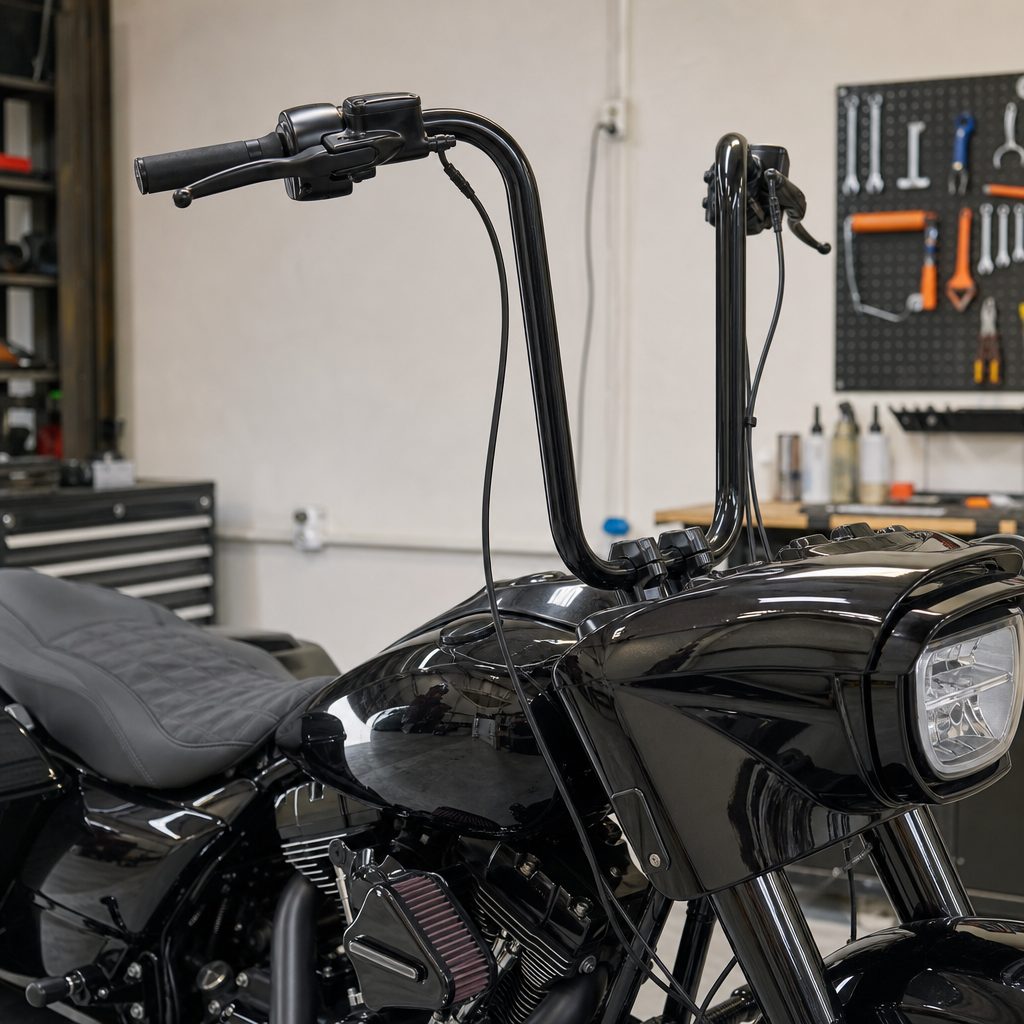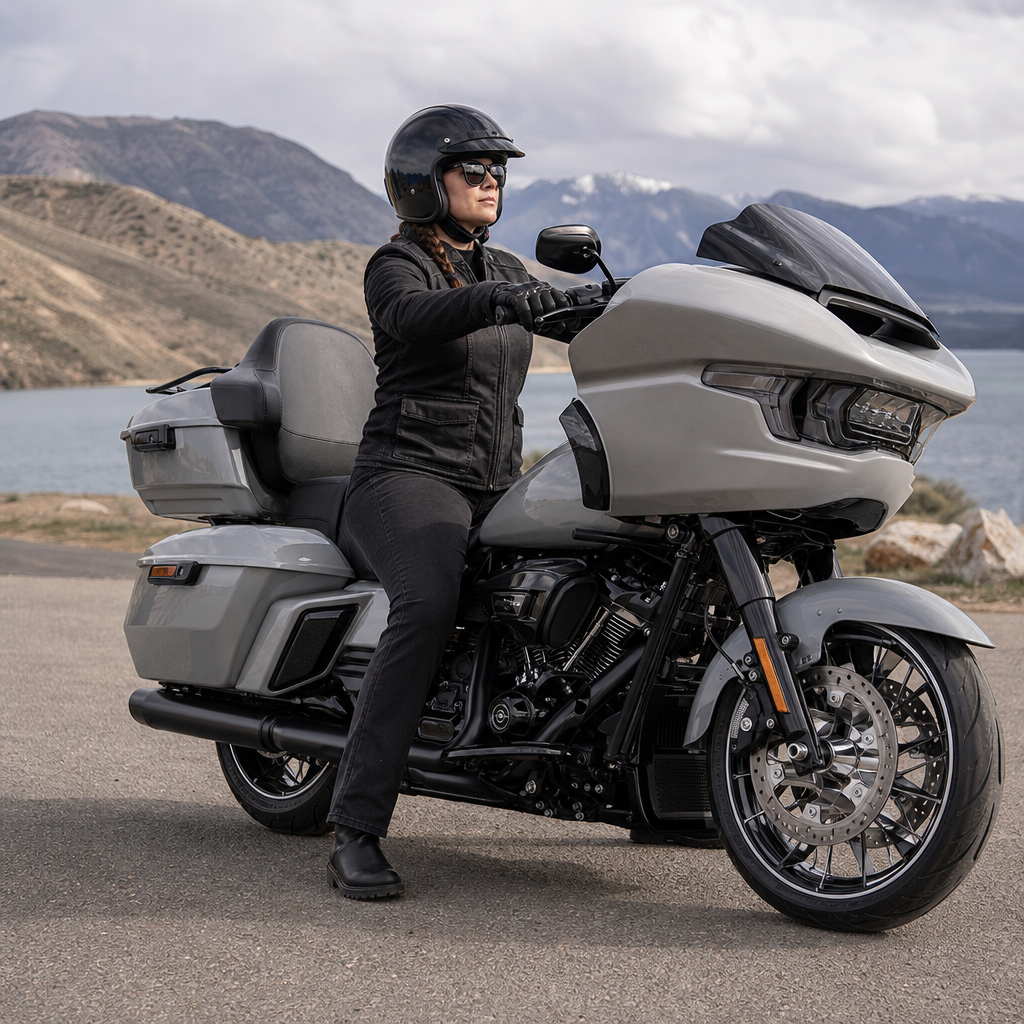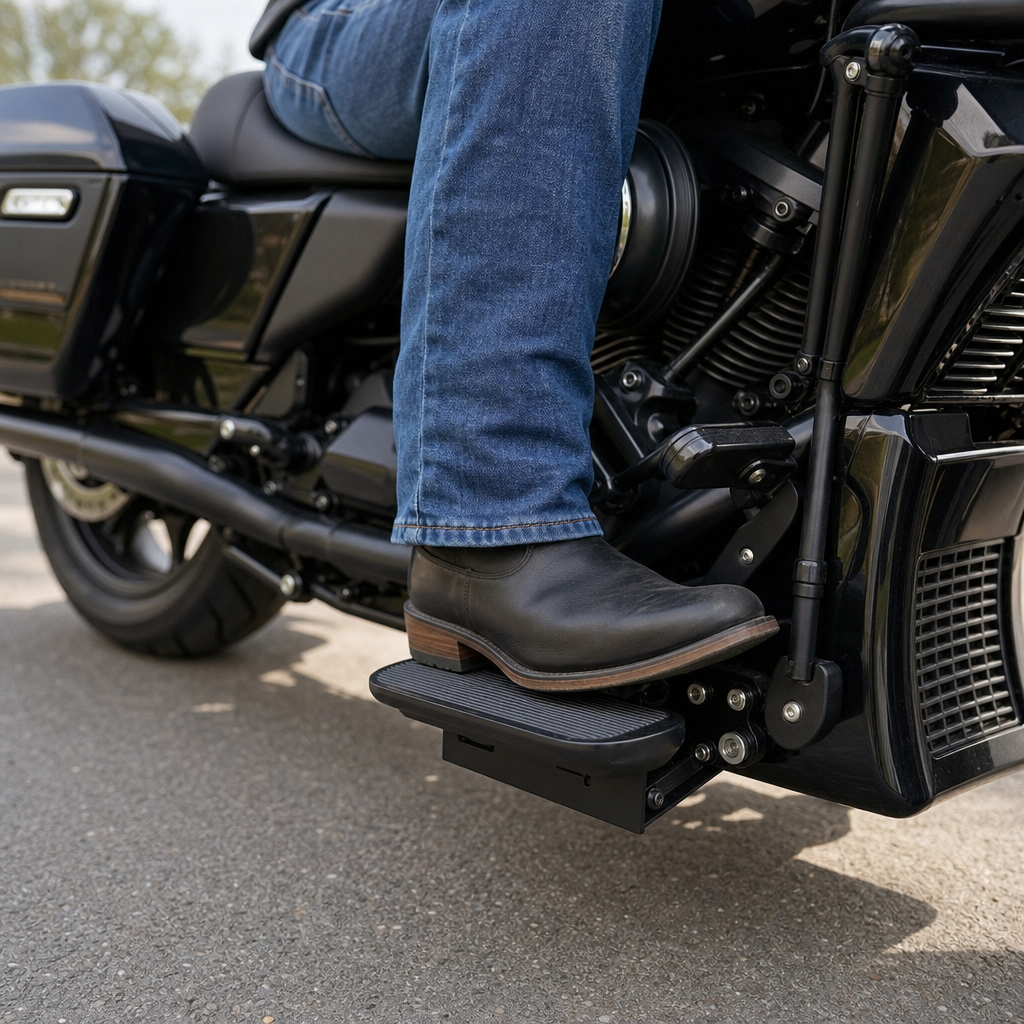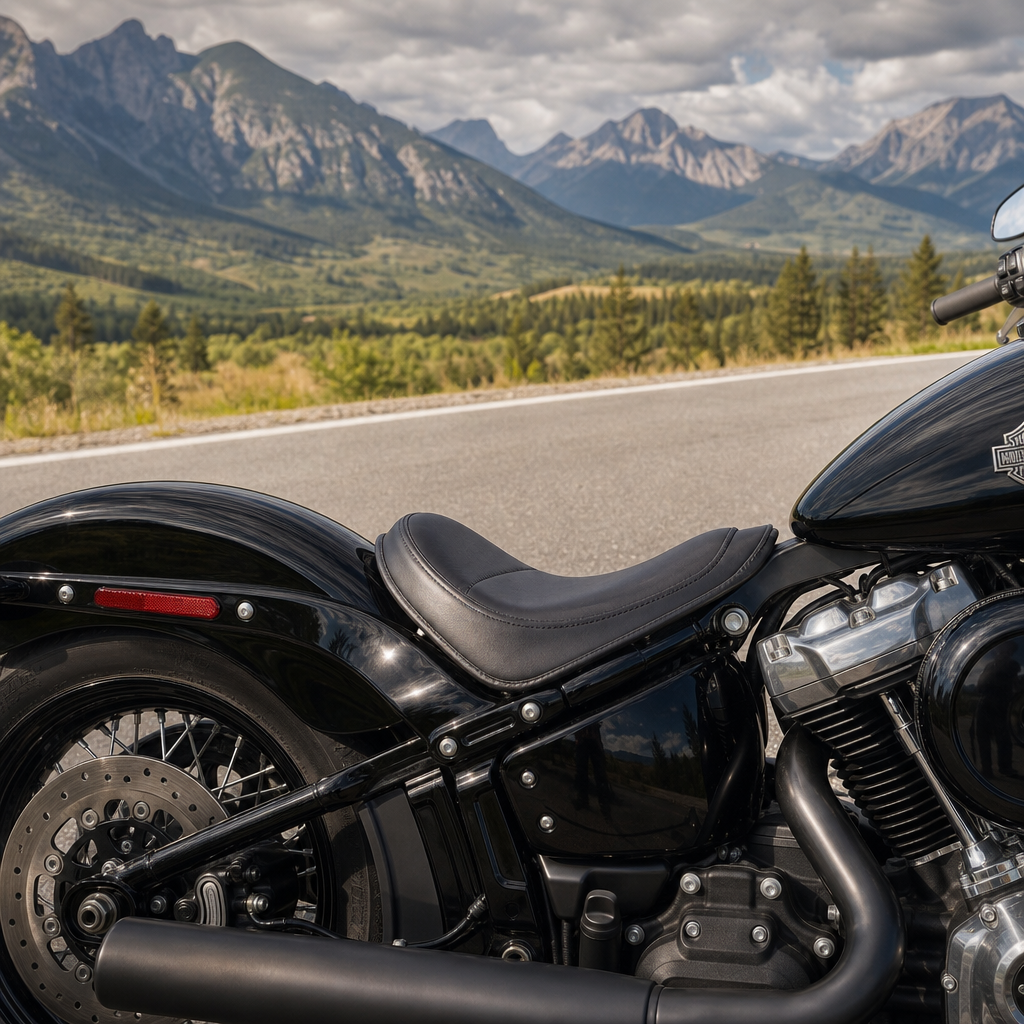
The right Softail Slim solo seat can make the difference between a motorcycle that looks perfect in the garage and one that still feels right at mile 500. Riders usually come to this topic with a familiar conflict: the Softail Slim is prized for its stripped-down silhouette, low stance, and old-school bobber attitude, yet long days in the saddle punish any seat chosen for style alone. A solo seat, in practical terms, is a single-rider saddle designed around one seating position instead of a rider-passenger platform. On the Softail Slim, that choice affects more than appearance. It changes hip angle, knee bend, reach to the mid-controls, pressure distribution across the ischial tuberosities, lower-back support, and even perceived steering effort. I have fitted and tested Slim seats from Harley-Davidson, Saddlemen, Mustang, Le Pera, and custom builders, and the pattern is consistent: comfort is never one feature, but a recipe. Pan shape, foam density, seat width, lumbar rise, suspension travel, and rider dimensions all interact. Understanding those model-specific ergonomics and performance recipes matters because the Softail Slim spans two very different chassis generations. The 2012-2017 Twin Cam Slim and the 2018-later Milwaukee-Eight Softail Slim use different frames, mounting points, suspension characteristics, and riding triangles. A seat that works brilliantly on one can disappoint on the other. This hub article explains how to balance minimalist style with all-day comfort, how to match seat design to your body and riding use, and which setup patterns consistently deliver strong results.
Why the Softail Slim Demands a Model-Specific Seat Strategy
The Softail Slim is not a generic cruiser, so generic seat advice usually fails. The Twin Cam-era FLSTN and FLSS models sit differently from the later FLSL. Earlier bikes have the old Softail chassis feel, with a lower-tech rear suspension character and a ride many owners describe as visually pure but sharper over broken pavement. The 2018-later platform brought a stiffer frame and revised monoshock arrangement, changing how impacts are transmitted through the seat. In workshop terms, that means foam that felt acceptable on a newer Slim may bottom out on an older bike, while a heavily contoured touring-oriented solo seat can look oversized on the later, cleaner tail section.
Rider fit also shifts with bars, floorboards or pegs, boot sole thickness, and suspension preload. The Softail Slim often gets mini-apes, reduced-reach bars, or different shocks, and every one of those modifications changes what “comfortable” means. A rider with a 30-inch inseam may need a narrow nose and a dished pocket to maintain easy stops. A rider with a 34-inch inseam often wants more room to slide rearward and open the knee angle. If you treat the seat as part of the entire riding triangle instead of an isolated accessory, comfort outcomes improve fast.
There is also a performance angle many owners overlook. Seat height and fore-aft position affect leverage at the bars, how planted you feel under braking, and whether you brace with your arms against windblast. A supportive lumbar wall can reduce fatigue dramatically because your core is not constantly fighting acceleration and highway air pressure. On the Softail Slim, where aesthetics encourage a low, compact riding posture, that support often determines whether a 500-mile day is realistic or miserable.
The Ergonomic Recipe: Shape, Foam, Width, and Support
For long-range comfort on a minimalist cruiser, the best seat recipe usually starts with shape rather than padding thickness. Thick foam is not automatically comfortable. What matters is whether the pan supports your sit bones evenly while avoiding concentrated pressure at the tailbone and inner thighs. On the Softail Slim, a slightly wider rear platform often beats a thin tuck-and-roll perch for real distance, provided the front nose remains narrow enough for easy footing at stops.
Foam density is the next critical variable. Seats that feel plush in the showroom often compress too quickly after one to two hours, creating pressure points. In my experience, medium-firm closed-cell or progressive-density foam lasts longer and stabilizes the pelvis better than very soft foam. Saddlemen’s formulations, for example, are frequently chosen by riders who prioritize support over immediate softness. Mustang seats have a different reputation: broad support, predictable long-distance comfort, and a shape that works well for many average-build riders. Le Pera often wins the styling contest, but buyers need to select carefully because some slimmer designs trade all-day support for a lower, cleaner profile.
Lumbar rise deserves special attention. A small rear wall or kick-up can transform fatigue levels by preventing the rider from sliding backward under throttle. On Milwaukee-Eight Softail Slim models, where the engine’s torque arrives more smoothly but strongly, that support helps you stay relaxed. Too much rise, however, locks the rider in one position and can crowd taller riders. The best 500-mile solo seats allow micro-movements, because changing position every 20 to 30 minutes reduces numbness and hot spots more effectively than any marketing claim.
| Rider profile | Best seat traits | Common mistake | Better recipe |
|---|---|---|---|
| Short inseam, city and weekend rides | Narrow nose, low profile, moderate lumbar support | Choosing a wide touring seat that hurts reach at stops | Low solo seat with firmer foam and a defined pocket |
| Average build, mixed backroads and highway | Medium width rear, progressive foam, slight kick-up | Picking ultra-thin styling seats | Balanced comfort seat with room to shift position |
| Tall rider, frequent 300-500 mile days | Rearward seating position, broad support, stronger lumbar wall | Buying a low slammed seat that closes hip and knee angles | Extended-reach solo seat matched to bar and peg position |
| Rough-road commuter | Firm base foam, suspension-ready pan, vibration control | Using soft foam to compensate for poor shock setup | Seat plus proper preload and tire pressure tuning |
Generation-by-Generation Fit: Twin Cam Slim Versus Milwaukee-Eight Slim
If you are shopping seats by appearance alone, stop and confirm your chassis generation first. The 2012-2017 Softail Slim uses different hardware, frame contours, and fender relationships than the 2018-2021 Softail Slim. Even when a manufacturer offers seats for both, the ride impression may differ because the bikes distribute rider weight and rear-end motion differently.
On Twin Cam Slim models, many riders need more shock absorption from the seat itself. These bikes reward a seat with substantial base support and a pan that does not flex unpredictably. A seat that is too thin can make square-edge bumps feel harsh, especially on roads with frost heaves, bridge joints, or patched asphalt. For these bikes, the best comfort recipe often includes a firmer, broader saddle paired with careful rear suspension tuning and tire pressures set to real load, not guesswork.
On 2018-later Softail Slim models, the underlying chassis is better behaved, so seat shape becomes even more decisive than raw cushioning. A poor shape can still create hip pinch or tailbone pressure, but the newer bike gives builders more room to optimize support without masking chassis harshness. Many owners of the FLSL do well with seats that slightly raise them and move them rearward, improving legroom while preserving the Slim’s visual line. This is one reason step-up and performance-influenced solo designs gained popularity even among riders who prefer vintage styling.
Mounting quality matters too. A seat that rattles, shifts, or leaves unsupported gaps will never feel refined over distance. Reputable brands engineer model-specific pans and brackets for a reason. On a Harley-Davidson sub-pillar focused on model-specific ergonomics and performance recipes, this is a central lesson: comfort starts with exact fitment, because the wrong foundation corrupts every other improvement.
Performance Recipes for Different Riding Missions
The best Softail Slim solo seat depends on how you actually ride, not how you imagine riding. For urban cruising and short scenic loops, style can take a larger share of the equation. You still want support, but frequent stops and lower average speeds reduce sustained pressure. A low-profile solo seat with a narrow front and medium-density foam often works well here. This setup preserves the bike’s slammed look and keeps transitions at traffic lights easy.
For mixed-use riders who split time between backroads, commuting, and occasional weekend trips, the sweet spot is usually a moderately dished solo seat with firmer foam and a subtle lumbar rise. That combination supports the pelvis under acceleration and braking while still allowing body movement through corners. If the bike runs a windshield or detachable screen, the seat can be slightly more open because reduced windblast lowers the need for aggressive lower-back support.
For 500-mile days, the recipe gets stricter. You need a seat that distributes weight over a broad area, minimizes seam pressure, and stabilizes the rider against wind fatigue. In practice, that means quality foam, a supportive pan, and enough contour to hold you without trapping you. Pairing the seat with bar position, grips, and suspension settings is mandatory. I have seen riders spend hundreds on premium saddles while leaving rear preload too soft, causing the bike to blow through travel and punish the spine anyway. The seat cannot solve a chassis setup problem by itself.
Cold and wet weather add another layer. Some vinyl covers become slick in rain or stiff in low temperatures, changing how planted you feel. Heated seat options are limited in this segment, but cover material still matters. Grippy, marine-grade surfaces generally improve control and reduce the subtle bracing that leads to fatigue. If your route includes interstate stretches, that detail is not cosmetic; it directly affects endurance.
Choosing Among Popular Seat Styles and Brands
Harley-Davidson’s own accessory seats typically offer the safest fitment and styling integration. They preserve factory lines well and are a sensible baseline for riders who want an OEM-quality solution without experimentation. Their limitation is that comfort gains can be moderate rather than dramatic, especially for riders outside average height and weight ranges.
Saddlemen seats are often recommended when the goal is measurable support over distance. Many use structured foam and purposeful contours that feel firm at first but improve as miles accumulate. Riders accustomed to plush stock seats sometimes misread that firmness as discomfort during the first hour. On repeated long rides, however, the reduced collapse pays off. For more aggressive or torque-heavy riding, Saddlemen’s back support characteristics are especially useful.
Mustang remains one of the most dependable long-distance choices in the cruiser world. Their solo designs usually provide broad support and consistent build quality. The tradeoff is visual bulk on a bike whose identity leans minimalist. If your priority is 500-mile comfort first and a stripped profile second, Mustang belongs on the shortlist.
Le Pera and several custom builders excel at preserving the Slim’s custom look. These seats can be excellent if you select a design with enough rear support and the right foam package, but not every beautiful seat is engineered for distance. Ask specific questions about seating width, foam type, and rider position change relative to stock. A reputable builder can tell you whether a seat moves you forward, down, or back, and by roughly how much. Those numbers are more useful than adjectives like low, sleek, or premium.
How to Test, Tune, and Live With a Solo Seat
A proper seat evaluation takes more than one ride. The first 20 miles reveal reach and immediate pressure points, but the real verdict arrives after two to four hours. Test on the roads you actually use: urban sections, rough pavement, sweepers, and highway. Notice whether numbness starts in the sit bones, whether you slide into the tank, whether your arms carry too much weight, and whether your lower back tightens against wind pressure. Those symptoms identify the fix. Sit bone pain usually points to shape or width. Sliding forward suggests slope or cover slickness. Arm fatigue often means the seat places you too far from bar support or too low against windblast.
Small adjustments can rescue an almost-right seat. Handlebar rotation, riser height, shock preload, and tire pressure all change perceived comfort. On the newer Softail platform especially, one or two turns of preload can sharpen support enough that the seat suddenly feels better. Riding apparel matters too. Thick wallet-style seams, poor base layers, and worn-out jeans can create hot spots that riders incorrectly blame on the saddle.
Long-term ownership comes down to honest expectations. A minimalist solo seat will never feel like a full touring saddle, but it can absolutely support 500-mile days when chosen as part of a complete ergonomic recipe. Start with your chassis generation, then match the seat to your inseam, weight, handlebar setup, and road use. Prioritize pan shape, firm supportive foam, and controlled lumbar support over showroom softness. If you are building a Harley-Davidson Softail Slim meant to be ridden hard and far, not just admired, use this hub as your decision framework and compare your current setup against these proven seat recipes today.
Frequently Asked Questions
What makes a solo seat comfortable enough for 500-mile days on a Softail Slim?
A solo seat that can genuinely handle 500-mile days has to do much more than simply add padding. Long-distance comfort comes from the way the entire seat supports the rider over time. On a Softail Slim, that usually means a seat with a supportive internal foam structure, a shape that distributes body weight across a wider area, and enough contour to keep the rider planted without creating pressure points. A thin seat can still be comfortable if the foam density is properly engineered, but seats chosen only for their low-profile appearance often bottom out, transmit road shock, and create hot spots in the tailbone and sit bones after a few hours.
For real-world touring comfort, the most important factors are foam quality, seat width in the support zone, and the way the seat positions your pelvis. High-density or layered foam generally outperforms overly soft foam because it resists collapsing over long rides. A slightly dished seating area helps stabilize the rider and reduces the constant micro-adjustments that lead to fatigue. Some riders also benefit from gel inserts or suspension-style seat designs, but those features only work well when they are integrated into a seat shape that matches the rider’s build and riding posture.
The Softail Slim’s riding position matters too. Because of the bike’s low stance and cruiser ergonomics, a seat that tilts the rider too far back or too far forward can increase strain on the lower back, hips, and knees. The best 500-mile solo seats preserve the Slim’s minimalist profile while giving enough support to prevent that “perfect for the first hour, miserable by lunch” feeling. In short, comfort comes from support, weight distribution, and fit, not from thickness alone.
Can a minimalist solo seat still look right on a Softail Slim without sacrificing long-distance comfort?
Yes, but it requires choosing a seat that is intentionally designed to balance profile and function instead of leaning too far toward one extreme. The Softail Slim has a distinctive visual identity: low, clean, stripped down, and rooted in old-school bobber styling. A bulky touring saddle can interrupt that silhouette, but an ultra-thin custom-looking pad may leave the rider worn out long before the day is done. The best minimalist solo seats work because they hide their comfort features within a shape that still complements the motorcycle’s lines.
Manufacturers achieve this balance in a few ways. Some use firmer, better-quality foam that allows the seat to stay relatively slim without becoming harsh. Others build a wider support platform under the rider while keeping the nose and edges tapered, so the seat still looks sleek from the side. Stitching patterns, cover materials, and seat pan design also help preserve the stripped-down aesthetic. A well-designed solo seat can visually match the Softail Slim’s vintage attitude while quietly delivering much better support than a basic stock or style-only option.
The key is to think in terms of proportions rather than thickness. A seat does not need to look oversized to be comfortable; it needs to support the rider in the right places. If the rear portion of the seat is shaped to carry body weight effectively and the front remains narrow enough for clean visual flow, the result can feel appropriate both in the garage and on an all-day ride. That is where the best solo seats stand out: they respect the bike’s minimalist personality without asking the rider to accept unnecessary discomfort as the price of good style.
How do I choose the right solo seat for my body type and riding style?
Choosing the right solo seat starts with being honest about how you actually ride. A rider who mainly cruises around town for short trips can tolerate a seat that prioritizes appearance more heavily than one who spends full weekends covering hundreds of miles. If your typical day includes highway stretches, rough pavement, or back-to-back hours in the saddle, you should place support, shape, and foam quality at the top of the list. If you alternate between urban riding and longer scenic routes, a balanced seat with moderate contour and solid support is often the best fit.
Body type plays a major role. Heavier riders often need firmer foam and stronger internal support because soft foam may compress too quickly and create pressure points. Lighter riders sometimes do better with slightly more compliance in the foam so the seat does not feel overly rigid. Taller riders may want a seat that provides a little more room to move or changes their reach to the controls in a favorable way. Shorter riders usually pay closer attention to how a seat affects effective seat height and their ability to put feet down confidently at stops. Hip width and pelvic shape matter too, which is why one rider’s “all-day seat” can be another rider’s disappointment.
It also helps to consider whether you prefer to sit in one locked-in position or shift around occasionally during longer rides. Deeply pocketed solo seats can be excellent for lower-back support and stability, but some riders feel restricted by them. Flatter seats allow more movement, though they may offer less targeted support. Ideally, look for detailed rider feedback from people with similar height, weight, and use patterns. A seat that complements both your body and your real riding habits will always outperform a seat chosen only by brand reputation or appearance.
Are stock Softail Slim solo seats good enough, or is an aftermarket upgrade usually worth it?
For many riders, the stock seat is acceptable for shorter rides and local cruising, but it often becomes the limiting factor once mileage climbs. Factory seats are typically designed to satisfy a broad range of buyers, meet styling goals, and stay within production cost targets. That usually means they deliver a decent compromise, not specialized long-distance comfort. On a bike like the Softail Slim, the stock seat often does a respectable job of preserving the motorcycle’s clean look, but riders pursuing 300-, 400-, or 500-mile days frequently find that the support and foam performance are not sufficient over extended time.
An aftermarket seat is usually worth it if you regularly experience numbness, tailbone pain, lower-back fatigue, or the urge to stop every hour simply to get relief. A quality upgrade can improve pressure distribution, reduce vibration transfer, and place the rider in a more natural position relative to the bars and foot controls. Those changes may sound subtle on paper, but they can transform the overall riding experience. In many cases, an aftermarket solo seat becomes one of the most meaningful comfort upgrades a rider can make because it affects every mile and every road condition.
That said, “aftermarket” does not automatically mean better. Some replacement seats are built primarily for style, just like some stock seats are built primarily for compromise. The real value comes from selecting a seat with a proven comfort-oriented design that still matches the Slim’s aesthetic. If you love the stock look but not the stock comfort, the right aftermarket option can preserve the minimalist spirit while dramatically extending your riding range.
What features should I look for if I want both classic bobber style and practical all-day support?
If you want a solo seat that fits the Softail Slim’s classic bobber character and still performs on long rides, start by looking for a seat with intelligent shaping rather than obvious bulk. A broad rear support area, a subtle bucket or dish, and a tapered front section are strong signs that the seat was designed with both style and ergonomics in mind. This kind of profile helps the seat remain visually clean while supporting the rider where it matters most. Good cover materials also matter, especially if you ride often; durable vinyl or leather with quality stitching can preserve the vintage look while standing up to real use.
Pay close attention to the internal construction. Multi-density foam is often one of the best indicators of a comfort-focused seat because it allows the seat to feel supportive without becoming excessively thick. A strong seat pan contributes to stability and helps the saddle maintain its shape over time. Some riders also benefit from seats that incorporate subtle lumbar support or shock-absorbing design elements. On a hardtail-inspired cruiser aesthetic like the Softail Slim, these hidden comfort upgrades are especially valuable because they improve ride quality without making the bike look overbuilt.
Finally, consider the seat as part of the entire riding setup. Even the best-looking, best-built solo seat will perform poorly if it puts you too far from the bars or forces an awkward hip angle with your foot controls. The ideal choice keeps the Slim’s low, stripped-down personality intact while giving enough support for real mileage. In practice, that means choosing quality materials, thoughtful shaping, and fitment that works with your posture. When those elements come together, you do not have to choose between a bike that looks right and one that still feels right at mile 500.