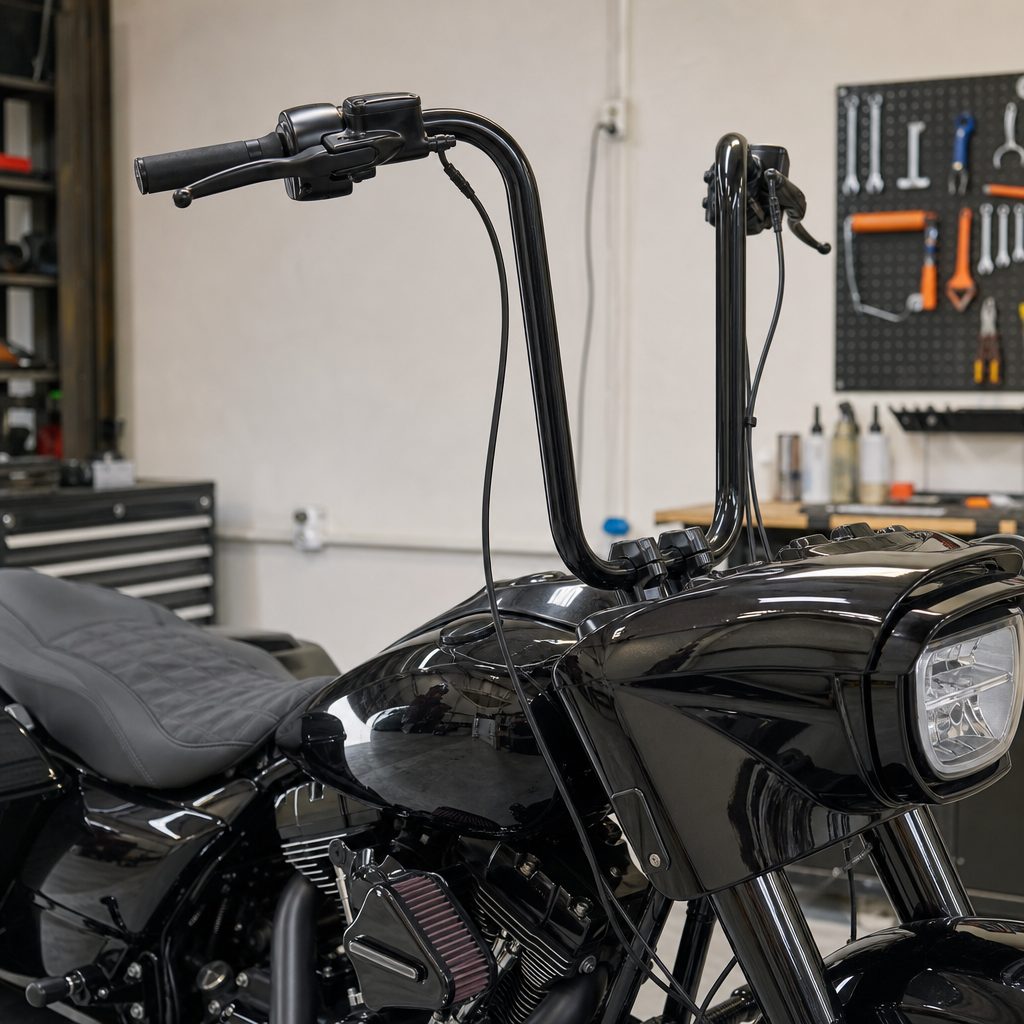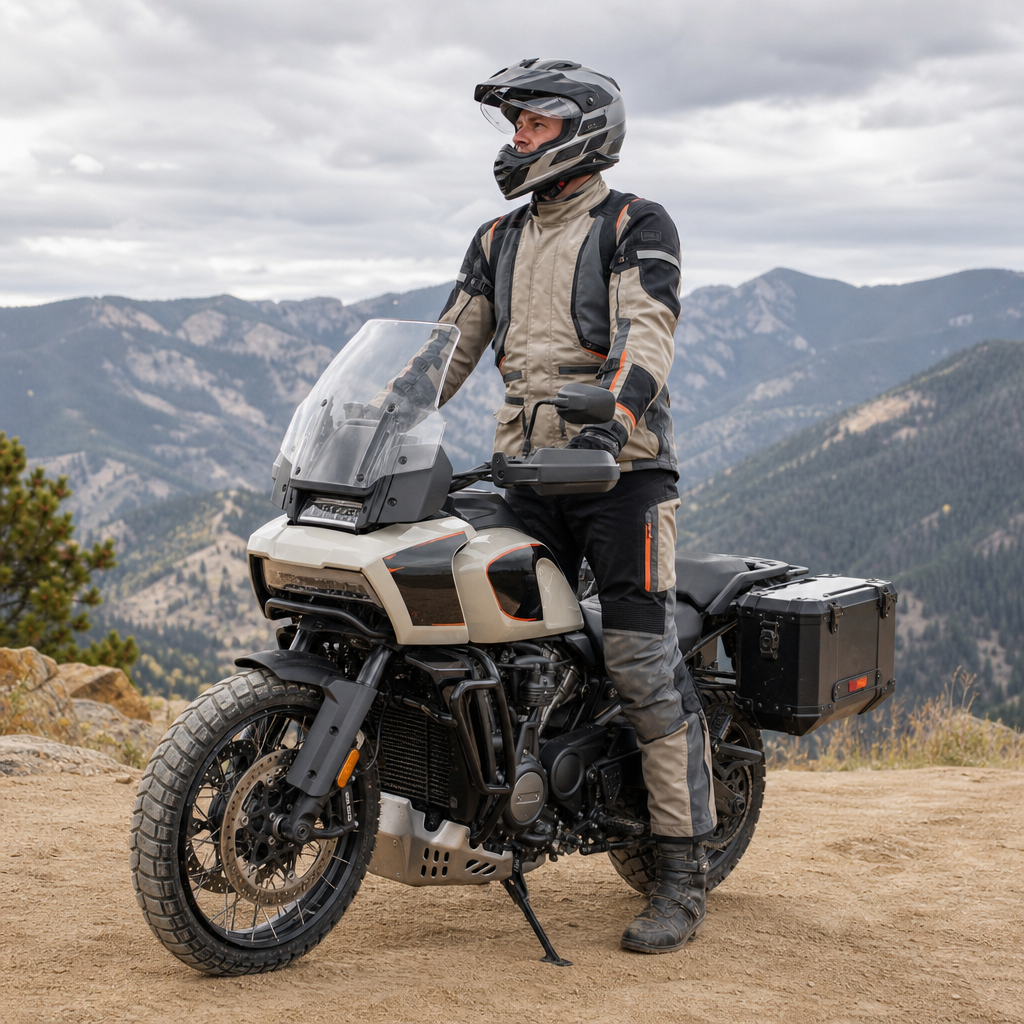
The Screamin’ Eagle Heavy Breather Extreme for the 121 High Output engine sits at the intersection of airflow engineering, rider ergonomics, and repeatable tuning strategy. On Harley-Davidson baggers and performance cruisers, this intake is not simply a chrome accessory or visual statement. It is a calibrated component in a complete performance recipe that affects torque delivery, throttle response, rider knee clearance, lean-angle confidence, service intervals, and the practical limits of a streetable build. For owners working with the 121 HO, understanding how this intake behaves on the motorcycle matters as much as understanding peak horsepower figures.
In this context, performance metrics means more than dyno numbers. It includes air velocity, intake tract stability, heat management, fueling requirements, sound character, rider fit, and the way the motorcycle responds in real riding conditions such as passing at highway speed, pulling out of slow corners, or carrying a passenger and luggage. Model-specific ergonomics refers to how the same Heavy Breather Extreme can feel different on a Road Glide, Street Glide, Low Rider ST, or Road King Special because floorboards, mid controls, seat width, fairing protection, and rider leg position all change the usable space around the intake. A performance recipe is the complete package: intake, camshaft, exhaust, calibration, and supporting parts chosen to achieve a defined result.
I have worked through enough Harley intake and tuning combinations to say this clearly: the best 121 HO setup is the one that preserves consistent airflow and rider comfort while matching the cam and exhaust to the intended rpm range. The Heavy Breather Extreme matters because the 121 HO can move a substantial volume of air, and any restriction or turbulence upstream can show up as softer throttle response, reduced top-end pull, or tuning compromises. As a hub for model-specific ergonomics and performance recipes, this article explains what the intake does, what metrics to watch, how it fits across key Harley-Davidson platforms, and how to build around it without guessing.
What the Screamin’ Eagle Heavy Breather Extreme Does on a 121 HO
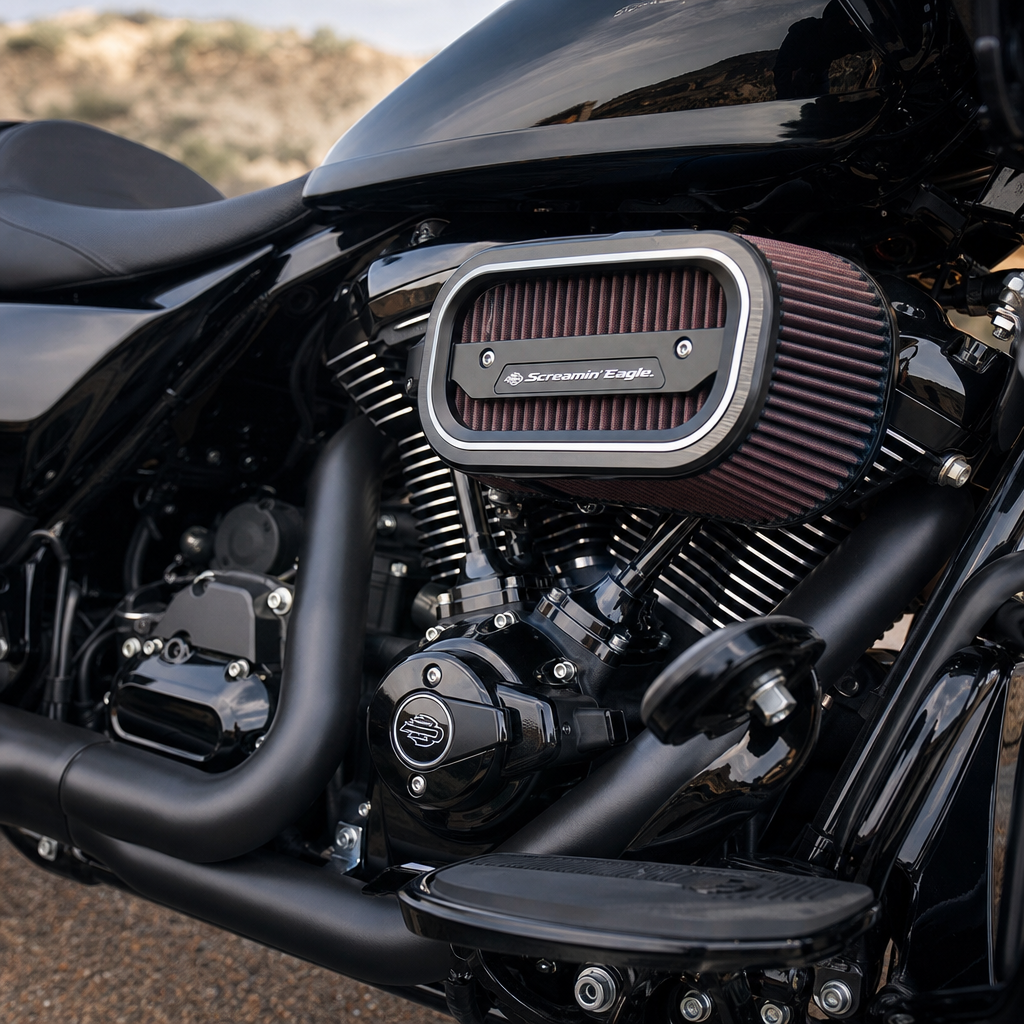
The Heavy Breather Extreme is a forward-facing high-flow air intake designed to increase the volume and quality of air reaching the throttle body. On a 121 HO engine, that objective is critical because the engine’s larger displacement and performance-oriented cam timing demand more airflow than stock touring or cruiser configurations. In plain terms, the intake helps the engine breathe easier at higher load and higher rpm, which supports stronger horsepower while preserving the low- and midrange torque that makes big-inch Harleys enjoyable on the street.
The technical advantage comes from reduced inlet restriction, a larger effective filter area, and a straighter path into the throttle body than many compact backing-plate systems provide. That straighter path can improve cylinder filling, especially when paired with a free-flowing exhaust and a tune that corrects fuel and spark for the higher airflow rate. On dynos, owners usually look for headline gains, but in actual riding the first noticeable change is often sharper roll-on acceleration. A well-matched intake on a 121 HO typically makes passing from 60 to 90 mph feel cleaner and less labored, even when the absolute power gain is modest compared with a complete cam-and-exhaust package.
There are tradeoffs. A protruding intake changes knee placement, can place the filter element in a more exposed position, and may amplify intake sound. Some riders enjoy the audible induction note because it signals load and throttle angle. Others find it fatiguing on long interstate rides. Neither reaction is wrong. The point is that the Heavy Breather Extreme is a functional performance part whose real value appears only when airflow gains, calibration quality, and rider fit work together.
Performance Metrics That Actually Matter
For the 121 HO, the most useful performance metrics start with rear-wheel torque and horsepower, but they do not end there. A good dyno chart should show not only peak values but also the shape of the curve. A broad, stable torque curve from roughly 2,500 to 5,500 rpm usually matters more on a heavy Harley-Davidson than a dramatic peak number at the very top. If the Heavy Breather Extreme helps maintain airflow as rpm climbs, the benefit often appears as stronger carry from the midrange into the upper band rather than a radical jump off idle.
Throttle response is the next major metric, even though it is harder to quantify. Tuners often evaluate it through transient fueling behavior: how quickly the engine accepts throttle, whether it hesitates on tip-in, and whether acceleration enrichment is well controlled. On a 121 HO with an aggressive cam, intake changes can reveal weaknesses in the base map. That is why the same intake may feel excellent on one bike and disappointing on another until tuning is corrected.
Air-fuel ratio under load is another non-negotiable metric. A wideband tune should keep the engine in a safe, effective range during cruise, roll-on, and full-throttle pulls. Exact targets vary by engine temperature, cam, fuel quality, and tuner preference, but the principle is firm: the intake cannot be judged fairly without verified fueling data. Intake air temperature also matters, especially for touring models ridden in traffic. Hot, stagnant air reduces density and can blunt consistency. While a forward-facing intake can benefit from cleaner airflow at speed, stop-and-go urban use still exposes the engine to heat soak.
The final metric is rider interference, which sounds subjective but has objective consequences. If the intake contacts the rider’s knee, alters foot pressure on the floorboard, or forces a rotated hip position, confidence and control can decline. For a sub-pillar focused on ergonomics and performance recipes, this deserves equal weight with dyno output.
Model-Specific Ergonomics Across Harley-Davidson Platforms
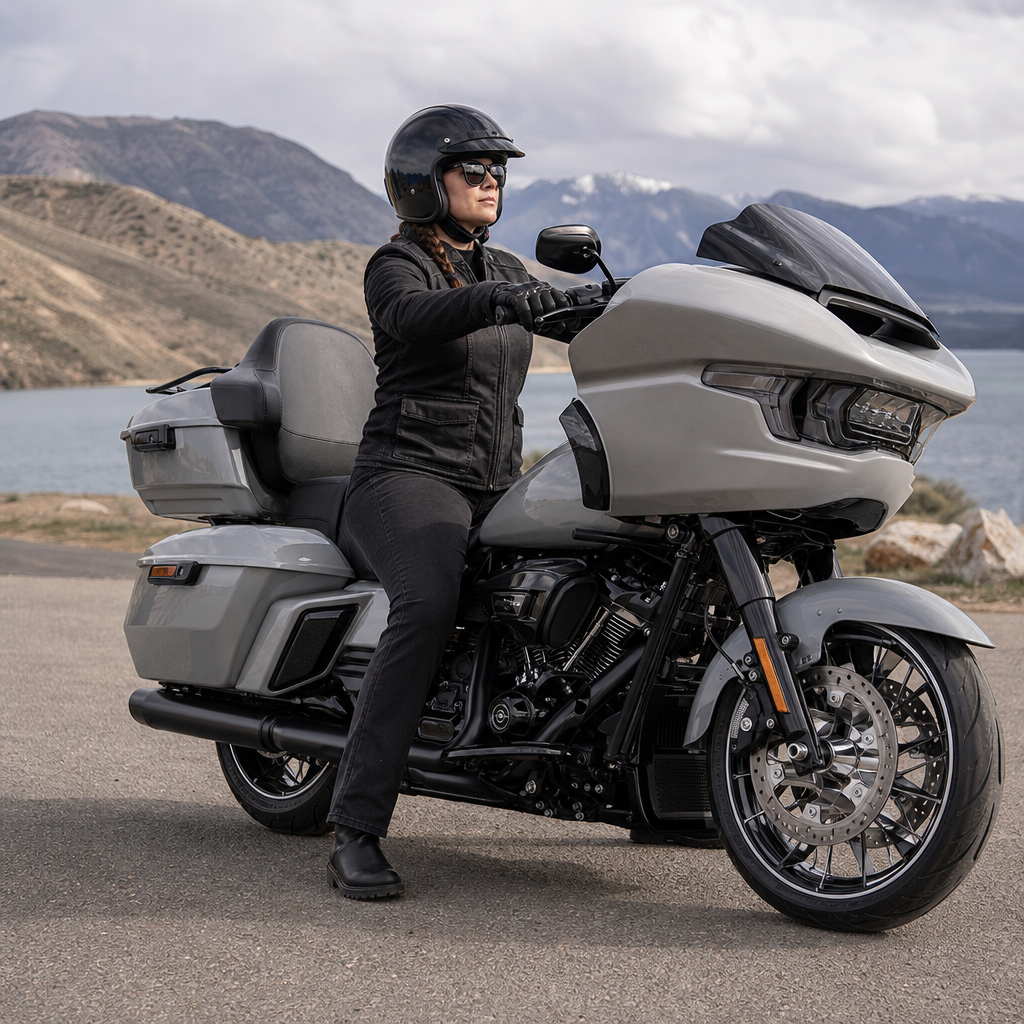
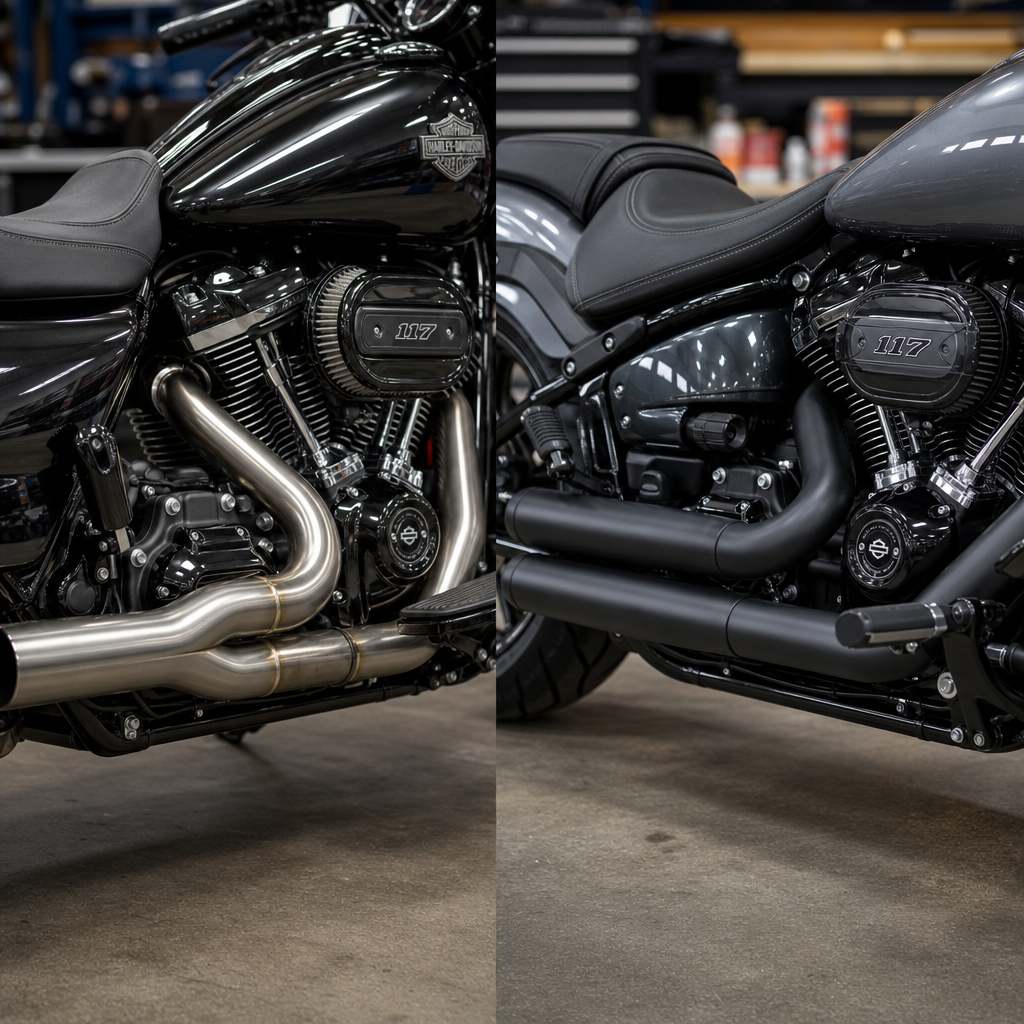
The same Heavy Breather Extreme does not fit every Harley-Davidson experience the same way. On touring models such as the Road Glide and Street Glide, many riders run a relaxed leg angle with floorboards and a wider seat. In that layout, a large protruding intake often contacts the inside of the right knee, especially for shorter riders who naturally grip the tank or air cleaner area during braking and corner entry. Taller riders may have fewer issues because their knee angle opens and their contact point moves rearward.
On the Road King Special, the absence of a frame-mounted fairing can subtly change body positioning at speed. Riders often brace more against wind pressure, which increases the chance of noticing any intake intrusion against the thigh. On performance-focused softails such as the Low Rider ST, Low Rider S, or modified FXLRST builds with a 121 HO conversion, the riding triangle is different again. Mid controls and a narrower chassis can make the intake feel either more natural or more intrusive depending on rider inseam and boot placement.
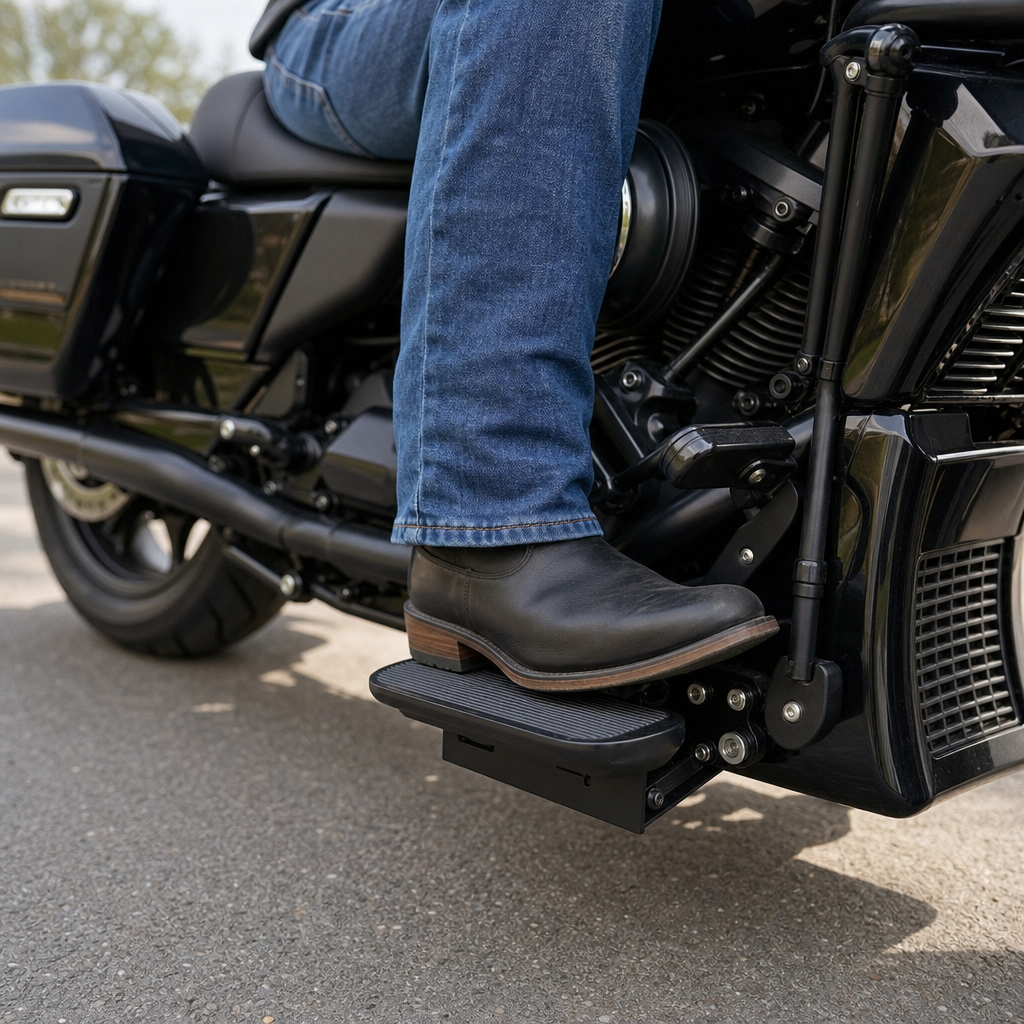
In practice, I advise owners to evaluate three touchpoints before committing to a recipe: seated knee clearance at neutral posture, standing transition during parking-lot maneuvers, and right-leg movement during aggressive cornering. If any of those motions are interrupted, the best response may be a different intake shape or a revised control setup rather than trying to tolerate it. Performance parts should improve control, not create a new distraction.
| Model | Common Ergonomic Effect | Typical Performance Goal | Recipe Priority |
|---|---|---|---|
| Road Glide | Right knee may contact intake during long rides | Strong highway roll-on and two-up torque | Balance airflow with comfort and heat management |
| Street Glide | Seat and floorboard position can magnify leg interference | Midrange punch for urban and highway use | Prioritize tune quality and rider clearance |
| Road King Special | Wind pressure can increase awareness of intake position | Broad torque with clean top-end pull | Match intake to rider posture and touring load |
| Low Rider ST | Mid-control posture may reduce or sharpen contact depending on inseam | Quick throttle response and lighter feel | Optimize intake, cam timing, and exhaust scavenging |
Building Performance Recipes Around the 121 HO
A performance recipe for the 121 HO should begin with the intended use case. A touring rider who spends most of the day between 2,500 and 4,500 rpm needs a different combination than a rider chasing top-end numbers on a lighter softail. The Heavy Breather Extreme is most effective when paired with components that let the engine use the added airflow. That usually means a camshaft with enough lift and duration to reward freer breathing, an exhaust with controlled backpressure and scavenging, and a calibration strategy built around actual data rather than canned assumptions.
One reliable street recipe is intake, cam, exhaust, and tune, with the stock throttle body retained if it is not the limiting factor. On many 121 HO builds, this combination delivers the best cost-to-result ratio because it unlocks stronger torque and a broader powerband without turning the bike into a temperamental heat generator. Another recipe adds supporting valvetrain parts and a larger throttle body when the owner wants higher-rpm stability and more top-end emphasis. That can work very well, but the gains depend on the heads, cam design, and how often the bike is actually operated in that rpm range.
Fuel and spark calibration are where recipes succeed or fail. Harley-Davidson tuners commonly work with tools such as Screamin’ Eagle Pro Street Tuner, Dynojet Power Vision, and dynamometer-based wideband systems. The specific tool matters less than the process: verify base fueling, tune for transient response, confirm spark under load, and check repeatability after heat soak. If the bike makes one strong pull when cold and loses composure in traffic or on the second highway run, the recipe is not finished.
Exhaust choice deserves precision. A large intake on a 121 HO paired with a poorly matched exhaust can create an uneven torque curve, excessive reversion, or a harsh sound profile that suggests speed without delivering it. Two-into-one systems often complement performance builds because they improve scavenging and maintain useful midrange, though the final result depends on collector design, pipe diameter, and cam timing.
Installation, Tuning, and Maintenance Realities
Installation quality influences performance more than many owners expect. The backing plate must seal correctly, breather routing must be clean, fastener torque must be correct, and the filter element must sit without distortion. Even a small leak downstream of the filter or an alignment issue at the throttle body can affect idle quality and tuning consistency. On modern Harley-Davidson platforms, intake work should also account for sensor readings and adaptive behavior so the final calibration reflects the actual hardware state.
After installation, tuning should be treated as mandatory, not optional. The 121 HO has enough airflow demand that even a well-designed intake can alter fueling significantly across load cells. A flash that only addresses full-throttle operation may still leave cruise, decel, or tip-in behavior imperfect. The best tuners verify cold start, hot restart, part-throttle transition, and sustained highway operation. Those are the conditions riders live with every day.
Maintenance is straightforward but important. High-flow exposed filters need regular inspection, especially on bikes ridden in rain, construction dust, or insect-heavy summer conditions. Cleaning interval depends on environment, not just mileage. A clogged element reduces the very airflow the intake was installed to improve. At the same time, over-oiling a reusable filter can contaminate nearby surfaces and create its own problems. Follow the filter manufacturer’s service method exactly. On touring bikes, I also recommend checking rider contact marks after the first few hundred miles. If your riding pants or knee armor consistently rub the housing, the ergonomic issue will not solve itself.
Choosing the Right Hub Path for Riders and Future Builds
As a hub article for model-specific ergonomics and performance recipes, the key lesson is simple: the Screamin’ Eagle Heavy Breather Extreme can be an excellent match for the 121 HO, but only when evaluated as part of the complete motorcycle. The right question is not whether the intake adds power in isolation. The right question is whether it improves the bike you actually ride, on the roads you actually use, in the posture your body naturally adopts. That is how experienced Harley-Davidson owners avoid expensive parts churn and build combinations that feel sorted from the first mile to the last.
For most riders, the winning formula is a broad torque curve, stable fueling, acceptable intake sound, and enough knee clearance to ride aggressively without thinking about the hardware. For some, that will mean the Heavy Breather Extreme with a cam-and-exhaust package tuned on a dyno. For others, especially riders sensitive to legroom or weather exposure, it may mean choosing a different intake style while preserving the rest of the performance recipe. There is no contradiction in that. Good modification strategy is not about copying a catalog photo. It is about aligning airflow, ergonomics, and intended use.
If you are planning a 121 HO build, start by defining your model, riding position, target rpm range, and tuning resources. Then evaluate intake fit before chasing peak numbers. That approach leads to faster decisions, cleaner results, and a Harley-Davidson that performs as well on the road as it does on paper.
Frequently Asked Questions
How much performance can the Screamin’ Eagle Heavy Breather Extreme add to a 121 HO setup?
On a 121 High Output combination, the Screamin’ Eagle Heavy Breather Extreme is best understood as a supporting airflow component rather than a standalone miracle part. By itself, an intake does not create major power unless the engine is already asking for more air than the stock system can comfortably supply. Where this intake becomes valuable is in a complete package that includes proper exhaust flow, correct calibration, and an engine combination capable of using the added airflow. In that environment, riders typically notice quicker rev pickup, a sharper transition when rolling into the throttle, and stronger pull in the midrange and upper rpm range where airflow demand rises fastest.
From a performance-metrics perspective, the most important gains are often seen in consistency and efficiency. A freer-flowing intake helps reduce restriction, which can improve volumetric efficiency and allow the 121 HO to maintain stronger cylinder filling as rpm climbs. That usually translates into improved torque retention rather than a dramatic low-rpm spike. On a dyno, exact numbers vary with cam timing, exhaust design, tune quality, weather conditions, and whether the bike is a touring bagger or a performance cruiser, but the intake’s real contribution is enabling the engine to reach the numbers its other components are already capable of producing. In practical terms, that means a better-shaped torque curve, cleaner throttle response, and less sense that the engine is being “held back” at higher load.
For riders evaluating value, the key question is not “How many horsepower does the intake add by itself?” but “Does this intake support the airflow target of my 121 HO combination?” If the answer is yes, then it becomes an important part of the recipe. It helps the engine breathe in a way that supports repeatable tuning, predictable fuel delivery, and stronger top-end stability under hard riding conditions.
Why is tuning so important after installing the Heavy Breather Extreme on a 121 HO?
Tuning matters because the 121 HO is an airflow-sensitive engine combination, and any meaningful change to intake efficiency affects the air-fuel relationship the engine sees across the rpm and load range. The Heavy Breather Extreme can allow the engine to ingest air more easily, especially under larger throttle openings and in areas where the stock intake becomes more restrictive. If fueling is not adjusted to match that new airflow, the engine may run leaner than intended in some cells, which can hurt rideability, compromise performance, and increase thermal stress.
A proper tune does more than add fuel. It refines the relationship between throttle input, spark advance, and fueling so the bike responds smoothly and predictably. On a 121 HO, that can mean cleaning up part-throttle manners in traffic, preventing surging at steady cruise, improving hot-weather drivability, and making full-throttle acceleration feel more linear. A quality calibration also helps the rider access the intake’s benefits without introducing bad habits such as abrupt on-off throttle response, flat spots in the midrange, or unstable idle behavior.
Repeatability is another major reason tuning is central to this intake. Riders often focus on peak dyno numbers, but real-world performance depends on whether the bike behaves the same way every time in changing temperatures, elevations, and riding conditions. A thoughtful tune accounts for the engine’s actual airflow characteristics, not generic assumptions. That is especially important on high-output Milwaukee-Eight combinations, where small calibration errors can become obvious quickly. In short, the Heavy Breather Extreme should be viewed as part of a system, and the tune is what turns that system into a coherent, reliable performance package.
Does the Screamin’ Eagle Heavy Breather Extreme affect rider ergonomics or knee clearance?
Yes, and that is one of the most practical reasons riders pay close attention to intake choice. On Harley-Davidson baggers and performance cruisers, the physical shape and placement of the air cleaner can influence how naturally the rider’s right leg settles against the bike. A protruding intake may create pressure points at the knee or shin, alter foot positioning during aggressive riding, or simply feel intrusive over long distances. The Heavy Breather Extreme sits right at the intersection of performance and ergonomics, which is why its design matters beyond airflow numbers alone.
For many riders, the concern is not just whether the intake touches the leg, but whether it changes body position during corner entry, braking, or transitions. A bike that makes strong power but compromises body movement can feel less confidence-inspiring, particularly when the rider wants to move around on the seat or maintain a stable lower-body anchor in faster riding. On performance-oriented baggers, this becomes especially relevant because the rider may be actively managing cornering loads, wind pressure, and chassis movement. An intake that preserves knee clearance and reduces interference can improve comfort and also support more consistent control inputs.
That said, fit is highly individual. Rider height, inseam, seat shape, controls, floorboards or pegs, and riding style all influence whether an intake feels unobtrusive or awkward. One rider may find the Heavy Breather Extreme perfectly natural, while another may notice it immediately. The smartest approach is to assess the intake not only as a horsepower part but as a contact-point component. If it works with your riding posture, it can support both comfort and performance. If it disrupts your body position, even excellent airflow performance may come with a tradeoff you feel on every ride.
How does this intake influence torque delivery, throttle response, and real-world rideability?
The Heavy Breather Extreme can influence all three, but its biggest strength is usually in how it improves the quality of power delivery rather than simply increasing maximum output. On a 121 HO, torque delivery depends on how efficiently the engine fills the cylinders at various rpm and load points. A less restrictive intake helps the engine breathe with less effort, which can make torque feel cleaner and more immediate, particularly when the bike is accelerated hard from the midrange. Instead of the engine feeling slightly constrained as rpm builds, it may carry power more smoothly and more confidently through the upper portion of the pull.
Throttle response often improves because the engine reacts more promptly to changes in throttle opening when intake restriction is reduced and calibration is matched correctly. Riders typically describe the difference as crisper, more direct, and less lazy when rolling on from cruising speeds or when making quick passing maneuvers. That matters on heavy touring motorcycles because immediate, predictable response can make the bike feel lighter and more athletic than the scale suggests. It also matters on performance cruisers, where throttle precision contributes directly to rider confidence.
Real-world rideability is where a well-matched intake really proves its worth. A dyno graph might show a modest increase, but the seat-of-the-pants experience can be more meaningful: smoother part-throttle transitions, more decisive acceleration when loaded with luggage or a passenger, and better composure when the engine is heat-soaked after long summer miles. The intake supports an engine that feels less strained and more cooperative. As long as the overall combination is tuned correctly, that makes the bike easier to ride well, not just faster in a single pull.
What should riders know about service intervals, filtration, and the practical limits of this intake on a strong street build?
High-flow intakes always involve a balance between airflow capacity and filtration strategy, and the Heavy Breather Extreme is no exception. Riders should understand that maximizing performance means paying closer attention to filter condition, cleaning schedules, and the environment the bike sees regularly. A filter that is partially clogged, over-oiled, under-oiled, or contaminated by heavy road grime can reduce the very airflow advantages the intake was chosen for in the first place. For a 121 HO, where repeatable airflow matters to repeatable tuning, maintenance is not optional background work. It is part of preserving performance.
Service intervals depend on actual riding conditions more than mileage alone. A bike used in dry, dusty regions or in heavy traffic with lots of road debris may need inspection and service much sooner than one used mainly for cleaner highway miles. Riders should also periodically inspect sealing surfaces, backing plate hardware, and the overall condition of the element to make sure the system is not introducing unmetered air leaks or vibration-related issues. Small problems at the intake can show up as annoying drivability symptoms long before they become obvious mechanical faults.
As for limits, the intake should not be viewed as a substitute for a complete engine strategy. It can support a strong street build, improve airflow potential, and contribute to better response and top-end stability, but it cannot compensate for mismatched cam timing, poor exhaust scavenging, weak calibration, or unrealistic expectations about what a bolt-on part can do alone. Its practical strength is that it supports a higher-performing combination without necessarily making the bike less usable day to day. For most street riders, that is exactly the goal: strong, repeatable performance with manageable maintenance and no unnecessary compromise in comfort or control.