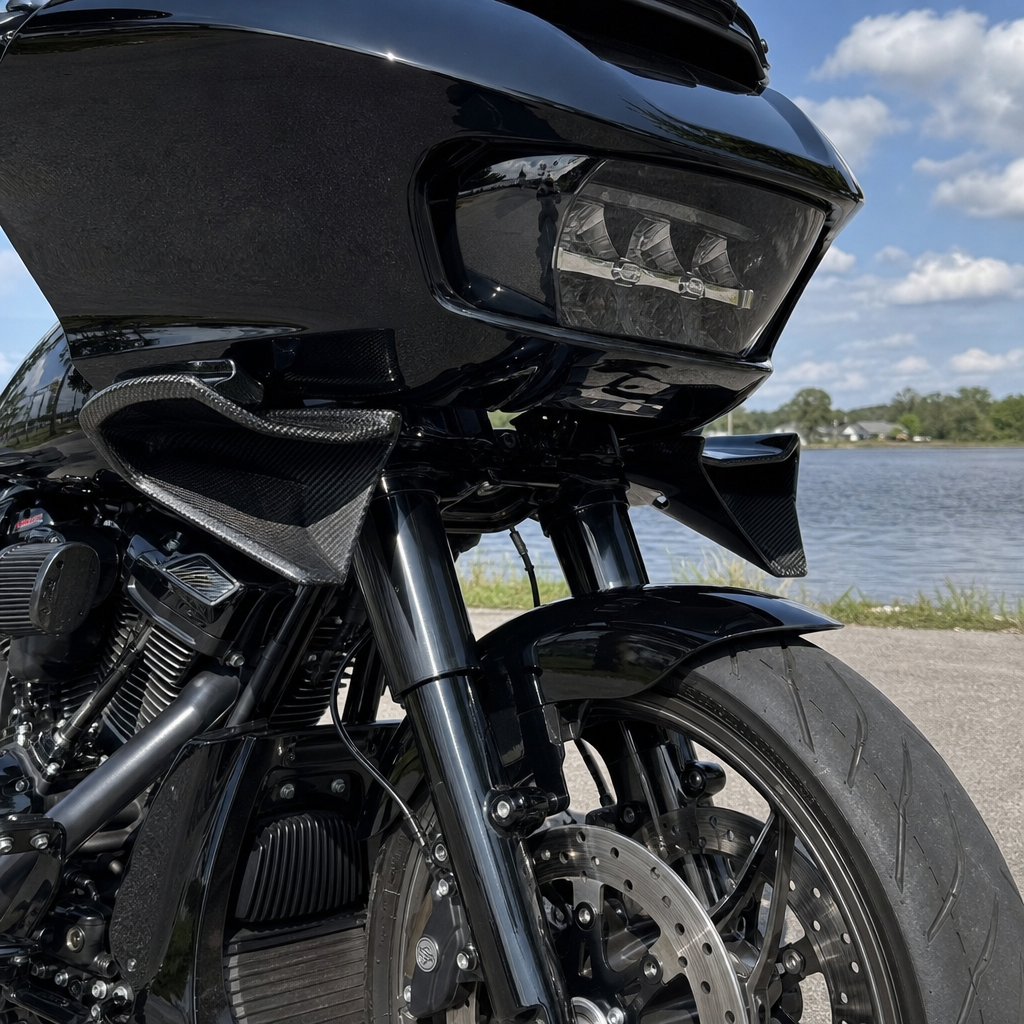
The CVO Road Glide ST carbon fiber winglet mod is one of the most practical ways to change how Harley-Davidson’s performance bagger feels at speed, because it targets a real aerodynamic weakness: front-end lightness under hard acceleration and highway airflow. In this model-specific ergonomics and performance recipe, the goal is not cosmetic customization alone. It is to improve front tire loading, rider confidence, and overall stability while preserving the strengths that make the CVO Road Glide ST such an effective long-distance performance platform. For riders building a Harley-Davidson around fit, control, and repeatable handling, winglets belong in the same conversation as bar height, seat shape, suspension sag, tire construction, and brake feel.
Carbon fiber winglets are small aerodynamic surfaces mounted near the fairing lowers or outer edges to redirect airflow and generate measurable downforce. On a full-fairing motorcycle like the Road Glide ST, they work by creating a pressure difference that pushes the front of the bike downward as speed rises. That extra force can reduce vague steering feedback, limit headshake over expansion joints, and help the bike track more cleanly through sweepers. The effect is not magic, and it is not a substitute for correct geometry or suspension setup. But when matched to the motorcycle’s fairing shape, rider position, and real riding speeds, a winglet mod can produce a noticeable improvement.
This matters because the CVO Road Glide ST occupies an unusual place in the Harley-Davidson lineup. It is a bagger with premium touring mass, an aggressive riding position, and a Milwaukee-Eight 121 High Output engine capable of accelerating hard enough to unload the front contact patch. Owners often pursue performance in stages: better tires, upgraded shocks, fork cartridges, brake pads, a tuned intake and exhaust, then ergonomic refinements that let the rider hold the bike with less effort. Aerodynamics is the next frontier. I have seen riders spend thousands on suspension and still complain that the front feels busy at 85 mph in crosswinds. A well-designed winglet package can address that specific complaint directly.
As a hub article for model-specific ergonomics and performance recipes, this guide explains where a carbon fiber winglet mod fits in the broader Harley-Davidson tuning process. It covers how winglets create downforce, what changes a rider can realistically expect on a CVO Road Glide ST, how installation choices affect handling, and how to combine the mod with complementary ergonomic upgrades. If you are deciding whether winglets are worth it, the short answer is yes for riders who regularly run highway speeds, carry luggage, or push the chassis on fast backroads. The longer answer depends on setup details, which is where this article focuses.
How winglets create front-end downforce on a CVO Road Glide ST
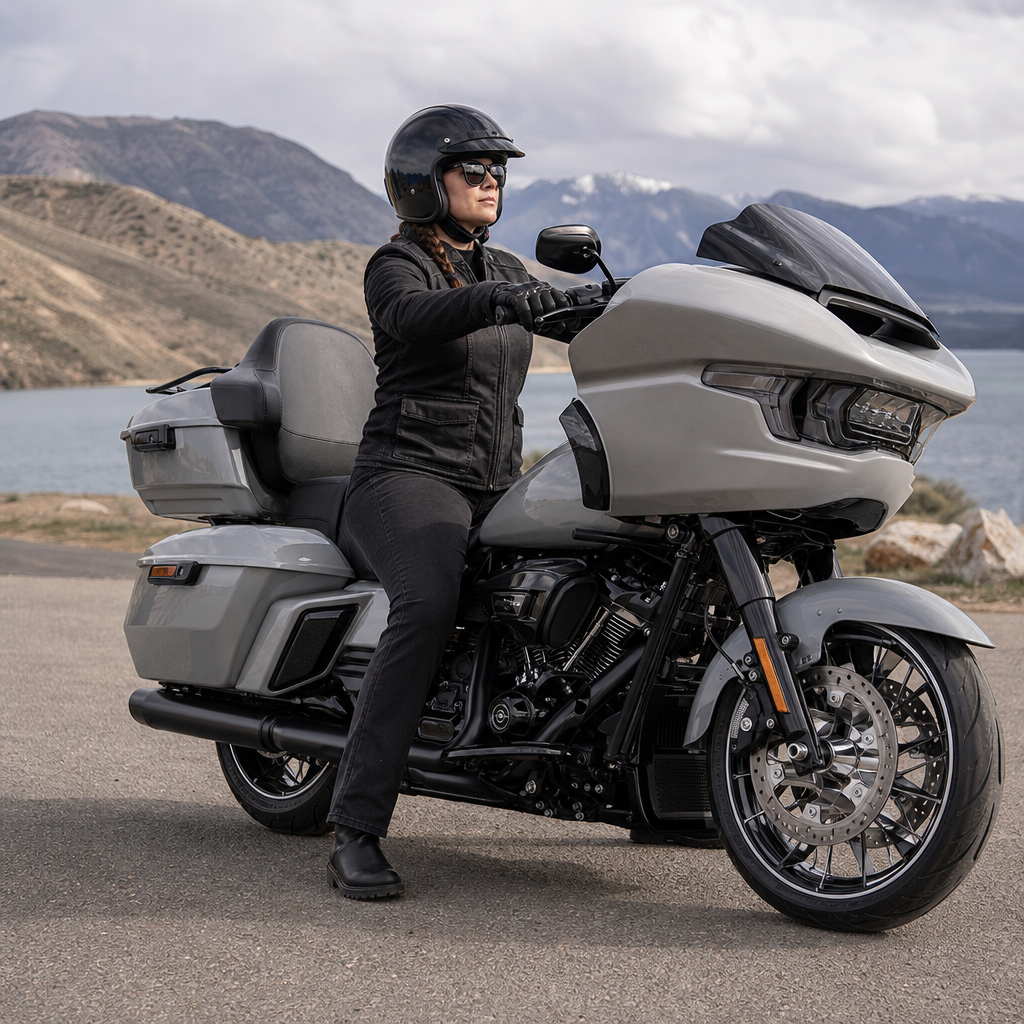
Downforce is aerodynamic force pushing the motorcycle toward the road. On the CVO Road Glide ST, the frame-mounted sharknose fairing already shapes a large volume of air. That is helpful for wind protection, but it can also create lift or turbulent pressure zones around the front cowl, forks, and crash-bar area. Carbon fiber winglets change that airflow. Their angle, camber, and mounting position accelerate air over one surface and slow it under another, producing a net downward force. The faster the motorcycle moves, the greater the force, because aerodynamic load rises with speed.
In plain terms, winglets make the front tire feel more planted when speed and wind would otherwise make it feel light. MotoGP made the concept visible, but touring-performance motorcycles benefit too, especially when they have broad fairings and powerful engines. The CVO Road Glide ST is a candidate because its fairing gives winglets clean mounting zones and because its chassis can communicate subtle changes in front loading. Even a modest increase in normal force at the contact patch can improve steering precision, braking stability, and rider confidence in dirty air behind trucks.
Material matters less than shape for pure aerodynamic effect, but carbon fiber is still the preferred choice. It offers excellent stiffness-to-weight, resists flutter at speed, and can be molded into repeatable airfoil profiles with sharp, clean edges. Good winglets also keep weight low on the fairing structure. That matters on a bagger, where every added gram ahead of the steering axis influences feel. Quality parts typically use autoclave or pre-preg construction, UV-stable clear coat, and stainless or titanium hardware. Cheap cosmetic pieces often look similar online but flex under load and add drag without adding meaningful downforce.
Expected handling changes, benefits, and limits
The biggest benefit most riders notice is improved composure from about 70 mph upward. The bike tracks with less wandering, the bars require fewer micro-corrections, and fast sweepers feel calmer. Under hard acceleration, especially with the Milwaukee-Eight 121 pulling strongly through the midrange, the front end can stay more connected to the road surface. That improved connection changes rider behavior. When the front feels trustworthy, riders brake later, hold a line more naturally, and spend less mental energy correcting small instability cues. On long rides, that reduces fatigue as much as it improves outright performance.
There are also secondary benefits. In crosswinds, properly positioned winglets can smooth the pressure transition around the fairing rather than simply acting as side sails. In rain, some designs redirect spray away from gloves and lower forearms. On loaded touring setups with a top bag or passenger, the added aerodynamic balance can offset some of the rearward weight bias. For riders who alternate between solo canyon use and interstate travel, that versatility makes the mod more valuable than a track-only interpretation of the idea would suggest.
Limits are important. Winglets do not fix worn steering-head bearings, cupped front tires, incorrect fork oil height, or poorly set sag. If the bike weaves because of luggage placement, windshield buffeting, or a mismatched rear shock spring, adding carbon fiber will not solve the root problem. Winglets also introduce drag. On a high-output bagger, the penalty is usually small, but it exists. Some riders may notice slightly more wind noise around the fairing edges. Others simply will not ride fast enough for the effect to become obvious. Below moderate highway speed, aerodynamic gains are limited.
Choosing the right winglet setup and integrating it into a performance recipe
A smart winglet mod starts with the full recipe, not the part itself. On the CVO Road Glide ST, I always look at five variables first: rider height and reach, bar position, seat pocket location, suspension geometry, and intended speed range. A shorter rider sitting deeper in the saddle may load the rear more heavily than a taller rider with more torso over the tank. A bike with a tall windshield can alter the air approaching the winglets. A machine running taller rear ride height can sharpen steering enough that the rider wants only moderate aerodynamic assistance, not the most aggressive profile available.
The best setups are balanced. If the bike has stock suspension and touring tires, use conservative winglets. If it has quality fork cartridges from Öhlins, Legend, or Traxxion Dynamics, a properly sprung rear shock, and grippy tires such as Michelin Commander III, Metzeler Cruisetec, or Dunlop American Elite alternatives aimed at performance touring, the rider can exploit a more functional aerodynamic package. This is why winglets belong in a hub covering ergonomics and performance recipes. They are not an isolated bolt-on. They work best when linked to contact points, chassis setup, and actual use case.
| Setup Area | What to Check on a CVO Road Glide ST | Why It Matters Before Adding Winglets |
|---|---|---|
| Seat and posture | Hip position, reach to bars, torso angle | Changes weight distribution and the rider’s ability to feel front-end feedback |
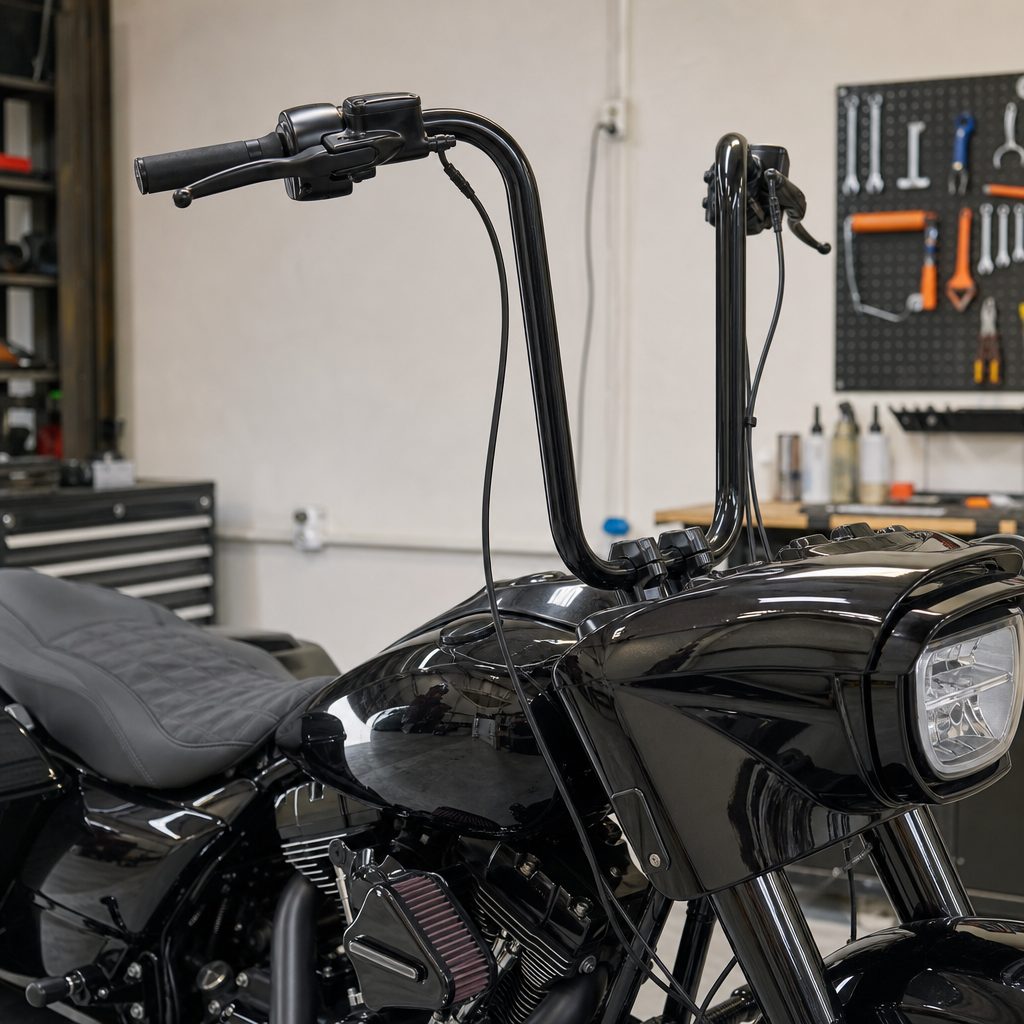
| Handlebars | Pullback, rise, wrist angle | Too much rearward bias can mask downforce benefits |
| Suspension | Sag, damping, fork support, rear ride height | Determines whether the chassis can use added front load effectively |
| Tires | Profile, pressure, wear pattern, carcass stiffness | Front tire behavior defines how noticeable winglet gains will be |
| Aerodynamics | Windshield height, lowers, luggage, rider gear | Airflow changes can help or cancel winglet performance |
Mounting location is critical. Winglets placed too high may interact poorly with windshield turbulence. Too low, and they may sit in dirty air coming off forks, engine guards, or lower fairing components. The ideal location captures relatively clean air at the fairing edge and directs force without overloading the mounting points. Reputable manufacturers test these zones on-road and, in some cases, with computational fluid dynamics. That testing matters more than marketing language. A winglet that looks aggressive but lacks development can create steering asymmetry or increase buffeting.
For most street riders, the right carbon fiber winglet setup is medium in size, rigidly mounted, and paired with a known windshield configuration. Keep the recipe simple: verify tire pressures, set rider sag, confirm steering-head torque, evaluate bar and seat fit, then add winglets and test on a familiar loop. Change one variable at a time. That process produces usable feedback instead of placebo impressions.
Installation, testing, and rider adaptation
Installation quality determines whether the modification feels factory-integrated or annoying. Carbon fiber parts must mount squarely, with even hardware torque and adequate backing support. On a Road Glide ST fairing, uneven tension can stress the composite or distort the panel enough to affect airflow. Always use the supplied template if drilling is required, apply masking tape before marking holes, and deburr carefully to prevent cracks. Threadlocker should be chosen according to the fastener and insert material. Stainless hardware into threaded inserts often benefits from anti-seize as well, especially on motorcycles exposed to rain and road salt.
After installation, testing should be methodical. Start with low-speed validation to confirm no contact at full steering lock and no unexpected vibration. Then move to a controlled highway run in calm conditions, followed by testing in crosswinds and behind larger vehicles. I tell riders to evaluate three specific sensations: bar effort in gentle sweepers, front tire feedback under acceleration over uneven pavement, and stability when rolling off the throttle from high speed. If those improve without introducing new buffeting or steering heaviness, the winglets are doing their job.
Rider adaptation is real. A more planted front end encourages the rider to relax grip pressure and trust the chassis. That can make the bike feel different even before the aerodynamic effect is fully isolated. Give the setup several rides. If the bike becomes tiring, revisit windshield height and bar position first. In many cases, a small ergonomic correction unlocks the benefit. This is exactly why model-specific recipes matter: Harley-Davidson baggers respond best when the machine and rider are tuned together, not part by part in isolation.
How this mod fits the wider Harley-Davidson ergonomics and performance hub
The CVO Road Glide ST carbon fiber winglet mod is a strong entry point into a broader Harley-Davidson tuning strategy centered on rider fit, aerodynamic balance, and repeatable performance. From here, related subtopics naturally branch into seat recipes for inseam and lumbar support, handlebar recipes for wrist neutrality and low-speed leverage, suspension recipes based on rider weight and luggage, and tire recipes matched to climate and surface conditions. The common thread is that each upgrade should solve a defined problem. Winglets solve high-speed front-end lightness and stability concerns. They do not replace the other recipes, but they complement them.
For many owners, the most effective sequence is clear. First, establish ergonomic correctness so the rider is centered and supported. Second, dial in suspension and tires so the chassis gives honest feedback. Third, address aero details such as windshield choice and winglets to stabilize the bike at the speeds it actually sees. That sequence saves money and produces better outcomes than random bolt-ons. It also creates a machine that feels intentionally developed rather than merely accessorized.
If you want your CVO Road Glide ST to feel more secure, more precise, and less fatiguing on fast roads, a carbon fiber winglet mod deserves serious consideration. Choose a tested design, install it carefully, and evaluate it as part of a complete performance recipe. Then use this hub to map the next improvements in your Harley-Davidson setup, one purposeful change at a time.
Frequently Asked Questions
What do carbon fiber winglets actually do on a CVO Road Glide ST?
Carbon fiber winglets are designed to manage airflow around the front of the motorcycle so the bike feels more planted at speed. On the CVO Road Glide ST, the main benefit is not just visual aggression or race-inspired styling. The real purpose is to address a common performance bagger trait: the front end can feel light during hard acceleration, fast highway riding, or when turbulent air hits the fairing. A properly designed winglet setup helps create additional aerodynamic load at the front of the bike, which can improve front tire contact feel and reduce that vague or floaty sensation some riders notice in certain conditions.
In practical terms, that means the rider may experience better steering precision, more confidence when rolling on the throttle, and improved stability when the bike is moving quickly through clean air or crosswind-affected traffic. This matters because the CVO Road Glide ST already has strong performance credentials, and small improvements to front-end loading can make the chassis feel more composed without changing the core personality of the motorcycle. The best winglet mods work with the fixed fairing design rather than against it, preserving the bike’s long-distance capability while adding a sharper, more controlled feel at the bars.
Will adding front winglets make a noticeable difference in stability and rider confidence?
Yes, in many cases the difference is noticeable, especially for riders who push the bike harder than a casual cruise pace. The CVO Road Glide ST is powerful enough that front-end lightness can become part of the riding experience under strong acceleration or at elevated highway speeds. Winglets can help counter that by increasing aerodynamic pressure on the front section of the bike, which may translate into a more settled feel from the front suspension and tire.
That said, expectations should be realistic. Winglets are not a magic fix for every handling complaint, and they do not replace proper suspension setup, tire condition, steering head adjustment, alignment, or rider technique. Their advantage is that they target a specific weakness in the airflow and weight transfer balance of a performance-oriented bagger. Riders often describe the result as increased calmness at the front, better tracking in faster sweepers, and less nervousness in wind. Confidence improves because the steering feels more connected and less ambiguous, particularly in the speed range where aerodynamic effects become more relevant. If your goal is a bike that feels more planted without sacrificing the Road Glide ST’s strong touring-performance balance, winglets can be a very practical upgrade.
Are carbon fiber winglets mainly a cosmetic upgrade, or are they a real performance modification?
They can be both, but on the CVO Road Glide ST they are most valuable when treated as a genuine performance modification. Carbon fiber certainly brings a premium, motorsport-inspired appearance, and many riders appreciate the way winglets visually sharpen the fairing. However, the more important point is function. A well-engineered winglet set is shaped and positioned to influence airflow in a controlled way, with the goal of adding useful front-end pressure rather than simply decorating the bike.
This is what separates a meaningful aerodynamic component from a styling accessory. If the part has been developed specifically for the Road Glide ST platform, mounted in a structurally sound location, and tested to work with the bike’s fairing shape, it can contribute to real-world improvements in high-speed feel. The carbon fiber construction also helps keep weight low while maintaining stiffness, which is ideal for an aero component that needs to hold its shape under airflow load. In other words, the best winglet kits are not about adding flash for the sake of appearance. They are about improving how the motorcycle behaves in the environments where performance baggers actually reveal their aerodynamic limitations.
Do winglets affect everyday street riding, comfort, or the original strengths of the CVO Road Glide ST?
When chosen carefully, winglets should enhance the bike’s performance character without undermining the qualities that make the CVO Road Glide ST appealing in the first place. This model is valued because it blends aggressive power and chassis attitude with real-world ergonomics, wind protection, and bagger practicality. A good winglet mod should complement those strengths, not compromise them. In normal street use, most riders will not find winglets intrusive. Instead, they may notice a greater sense of front-end composure on open roads, freeway transitions, and higher-speed passing situations.
Comfort usually remains intact, especially if the winglets are designed to integrate cleanly with the stock fairing lines and airflow patterns. In some cases, airflow around the rider can change slightly depending on winglet size and angle, but the goal of a quality kit is balanced aero performance rather than creating unwanted buffeting. Ground clearance and everyday maneuverability are typically unaffected when the design is model-specific and properly installed. The key is matching the part to the bike’s intended use. For riders who want sharper stability while preserving the CVO Road Glide ST’s touring-ready nature, winglets are one of the more sensible modifications because they refine the experience instead of radically altering it.
What should you look for when choosing and installing a carbon fiber winglet kit for a CVO Road Glide ST?
Start with fitment and development quality. A winglet kit should be specifically engineered for the CVO Road Glide ST or for the exact Road Glide platform configuration you own. Universal aero parts rarely deliver the same results because the effectiveness of a winglet depends heavily on fairing shape, mounting position, angle, and airflow behavior unique to the motorcycle. Look for a kit that uses high-quality carbon fiber construction, precise mounting hardware, and a finish that can withstand weather, vibration, and regular road use. Strong brackets and accurate alignment matter because even a well-shaped winglet can perform poorly if installed inconsistently or flexes under load.
You should also pay attention to installation method and long-term practicality. The best kits mount securely without requiring questionable modifications that could weaken the fairing or create maintenance headaches later. If drilling is required, measurements must be exact and the installation should be approached with the same care you would give any permanent bodywork change. It is also wise to consider how the winglets interact with other components such as windshields, mirrors, hand controls, auxiliary lighting, and crash protection. Finally, buy with your riding goals in mind. If you want a front end that feels more planted, more confidence entering faster corners, and better stability under highway airflow, choose a kit backed by real testing and rider feedback rather than appearance alone. On a machine like the CVO Road Glide ST, the most successful winglet mod is one that delivers aerodynamic function first and visual impact second.