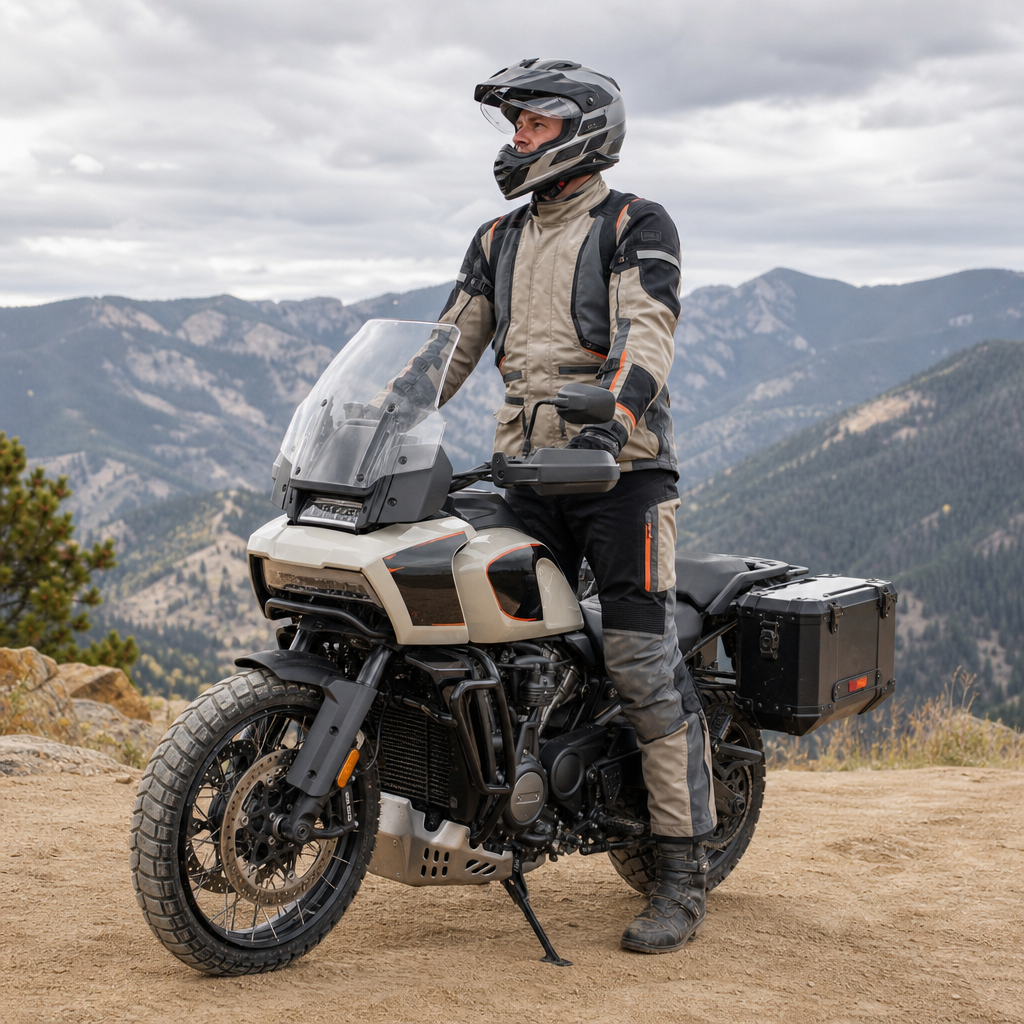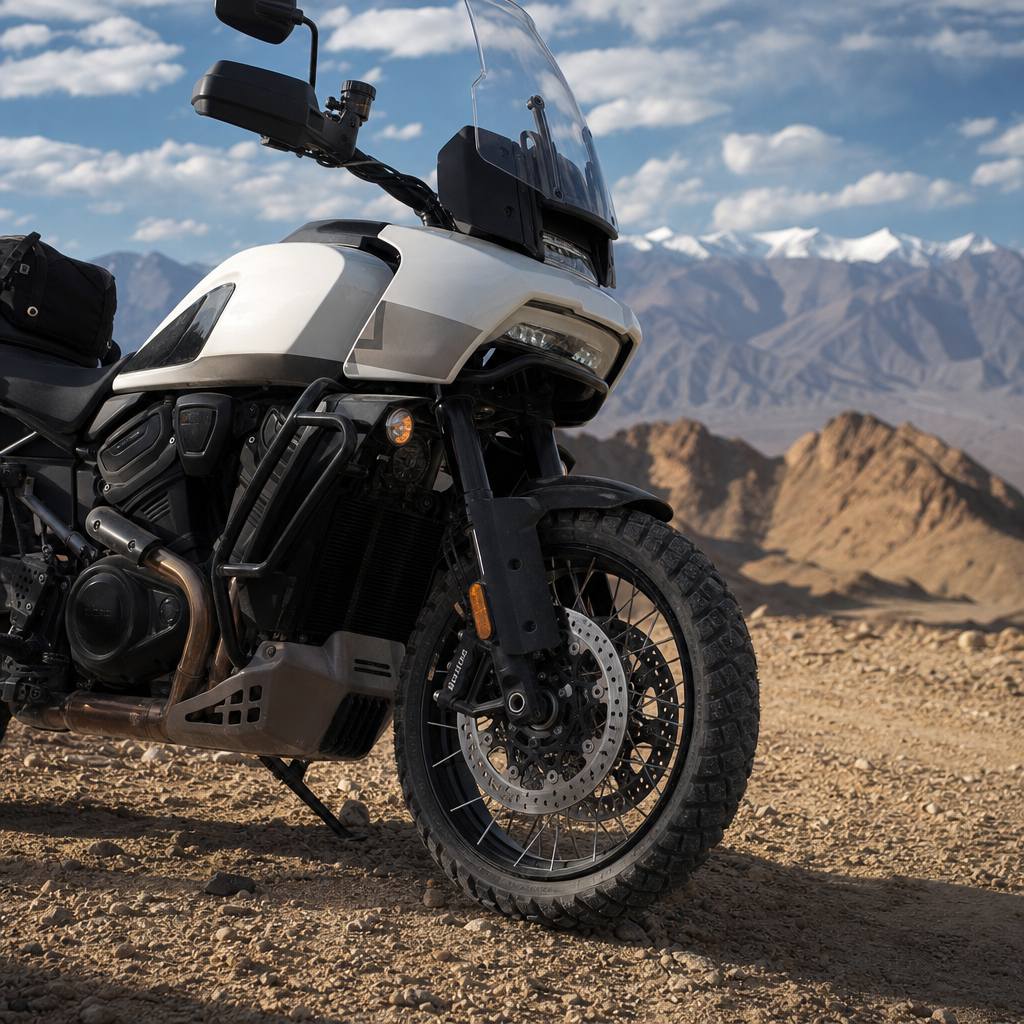
The Harley-Davidson Pan America 1250 changed expectations for what a factory adventure motorcycle from Milwaukee could do, and its tubeless laced wheels sit at the center of that promise. These wheels combine off-road resilience with road-biased convenience by placing spoke nipples outside the bead seat, allowing riders to repair punctures with standard tubeless methods instead of wrestling with inner tubes on the trail. For Pan America owners who ride washboard roads, rocky two-track, deep potholes, and long highway transfers in the same week, that design matters because wheel health directly affects tire retention, steering precision, braking consistency, and suspension behavior. Maintenance is not just cleaning and inflation; it is a repeatable recipe that protects durability without undermining the wheel’s sealing system.
In practice, “maintenance recipe” means a step-by-step service routine with inspection intervals, torque discipline, cleaning methods, seal-safe products, and riding checks tailored to this exact wheel architecture. “Off-road durability” means the wheel’s ability to resist dents, loosened spokes, air leaks, corrosion, and bearing stress while supporting a loaded adventure bike over repeated impacts. This article serves as the hub for model-specific ergonomics and performance recipes under the Harley-Davidson topic, because the Pan America platform rewards targeted setup far more than generic advice. I have seen riders chase vague handling problems with suspension clickers when the real issue was a dinged front rim, uneven spoke tension, or pressure choices that were too low for the bike’s mass and pace. Getting the wheels right often fixes the motorcycle’s feel everywhere else.
The Pan America 1250 and Pan America 1250 Special ask for a balanced approach. Their wheels are stronger and more convenient than traditional tube-type adventure rims, but they are not maintenance-free. Aggressive cleaning chemicals can attack finishes and seals. Incorrect spoke adjustments can create runout or compromise sealing. Impacts that look minor can shift the wheel enough to create a slow leak days later. The benefit of a disciplined process is that it preserves confidence: the bike tracks straighter, tires wear more evenly, traction control interventions make more sense, and field repairs become simpler. As the hub page for this subtopic, this guide explains the core wheel recipe and connects it to broader ergonomics and performance decisions such as tire pressure strategy, load management, standing posture, and suspension baseline choices.
How Pan America 1250 Tubeless Laced Wheels Are Built and Why That Changes Maintenance
Harley-Davidson’s tubeless laced wheel design uses cross-spoke construction that keeps the sealing area separate from the spoke nipples. On a conventional tube-type spoked rim, spoke holes pass through the well where the tube sits, so airtight function depends on the inner tube rather than the rim itself. On the Pan America, the rim and bead seat can hold air directly. That gives two real-world advantages: faster puncture repair with plugs and less heat and friction associated with a tube under sustained road speeds. It also changes what maintenance matters most. Instead of inspecting tube condition, rim strips, and pinch-flat damage, you pay close attention to bead-seat cleanliness, leak checks, spoke condition, rim trueness, and impact dents that can affect the tire’s seal.
Owners should understand the main stress points. First, the front wheel takes square-edge hits from ledges, potholes, and embedded rocks; this is where dents and lateral runout usually show up first. Second, uneven spoke loading can emerge after repeated hard impacts or after tire changes performed carelessly with mounting tools. Third, corrosion and grime buildup around spoke junctions can hide cracks, chips, or seepage. Fourth, tire pressure choices have a bigger effect than many riders expect because the Pan America is a heavy, powerful machine. A pressure that works on a lighter dual-sport can expose this wheel to rim strikes very quickly. In workshop terms, these wheels reward routine inspection more than frequent adjustment. If they are straight, sealing well, and holding even spoke tension, leave them alone except for cleaning and monitoring.
The Core Maintenance Recipe: Inspection, Cleaning, Pressure, and Fastener Discipline
The most reliable maintenance recipe is built around four intervals: before every ride, after any hard off-road day, at tire changes, and during scheduled service. Before every ride, inspect tire pressure cold with a quality digital gauge, look for fresh rim dents, check for missing wheel weights, spin each wheel to spot obvious wobble, and confirm valve stems are undamaged and capped. After a rough off-road day, wash the wheels gently, then inspect the inner and outer rim edges, spoke crossings, and bead area for impact marks or seepage. At tire changes, insist on proper rim protection, bead-lubricant cleanup, and balancing. During scheduled service, evaluate bearings, brake rotor mounting condition, ABS tone ring alignment, and spoke tension consistency. This sequence keeps minor issues from becoming leaks or cracked rims.
Cleaning is simple but needs restraint. Use pH-neutral motorcycle wash, soft brushes, microfiber towels, and low-pressure water. Avoid acid wheel cleaners, harsh degreasers, and pressure-washer nozzles aimed directly at seals, bearings, valve stems, or spoke junctions. I have pulled dried chemical residue from spoke seats more than once after owners used automotive wheel acid meant for clear-coated cast rims. It brightened the metal briefly, but it also left staining and invited corrosion. After washing, dry the wheel completely and inspect in bright light. If mud has packed around spoke intersections or brake components, remove it by hand rather than blasting it deeper with pressure. A light protective spray suitable for painted or anodized wheel surfaces can help with cleanup later, but keep it off brake rotors and tire tread.
Pressure management is the most overlooked durability tool. For paved touring and mixed use, follow Harley-Davidson’s load-based recommendations in the owner’s literature and adjust for passenger, luggage, and tire model. For off-road sections, modest reductions may improve compliance and traction, but the margin is smaller than riders expect because the Pan America’s mass can deform a rim quickly on sharp impacts. If you lower pressure, reduce speed accordingly and reinflate for pavement. Repeatedly running too low is the fastest route to bead damage, bent lips, and mysterious handling complaints. Finally, treat wheel fasteners and spoke nipples with discipline. Do not improvise with random torque guesses. Use the service manual, correct tools, and a truing stand when actual adjustment is necessary, because random tightening often makes the wheel worse, not better.
What to Check After Off-Road Impacts and How to Catch Problems Early
Off-road durability depends less on surviving one dramatic hit and more on detecting the small damage that accumulates afterward. After any impact strong enough to register through the bars or pegs, stop and check the wheel before continuing at speed. Look for a flattened rim edge, exposed bare metal where the finish has been pinched, cuts in the tire sidewall near the bead, and sudden pressure loss. Then spin the wheel and watch the gap at the fork leg or swingarm to detect side-to-side movement. A slight cosmetic mark may be harmless, but a dent at the bead seat can create a slow leak that appears only after several heat cycles. Riders often misread that symptom as a puncture when the real cause is rim deformation.
A direct answer to a common question is this: can you keep riding with a small dented tubeless laced rim? Sometimes, yes, if the tire still seats securely, pressure loss is minimal, and runout remains within service limits. But that does not mean ignore it. Mark the location, monitor pressure over twenty-four hours, and inspect again after the next ride. If the dent sits on the front wheel, steering feedback changes quickly, especially on grooved pavement and braking transitions. If the wheel has a visible hop, a bead leak, or a spoke cluster that suddenly sounds looser than the rest when tapped lightly, the bike needs proper service before harder use. Catching these changes early prevents tire carcass stress, bearing overload, and compound handling problems that riders wrongly attribute to suspension settings.
| Check Point | What to Look For | Why It Matters Off-Road | Action |
|---|---|---|---|
| Rim edge | Flat spots, chips, sharp dents | Can break bead seal and alter tracking | Measure runout, monitor pressure, repair if needed |
| Spokes | Loose, uneven tone, corrosion | Shifts load distribution and wheel true | Inspect professionally with correct procedure |
| Valve stem | Cuts, looseness, mud packing | Causes hidden air loss | Clean, tighten to spec, replace if damaged |
| Tire bead area | Seepage, sidewall scuffing, burping signs | Indicates poor seal after impact | Soap-test, reseat, or replace tire as needed |
| Bearings | Roughness, play, contamination | Magnifies wheel wobble and brake issues | Service immediately |
Spoke Tension, Wheel Trueness, and Seal Integrity: Where Owners Should Be Cautious
Many experienced riders are comfortable checking spokes, but Pan America tubeless laced wheels deserve caution because spoke adjustment affects more than straightness. Uneven tension can distort the rim, shift lateral or radial runout, and in some designs influence how loads pass through the sealing structure. The practical rule is straightforward: inspect often, adjust rarely, and only with the proper sequence from the service documentation. A quick tap test can identify an obviously dead-loose spoke, but it is not a substitute for measured truing. If several adjacent spokes sound different after an impact or tire change, do not go around the wheel tightening them until they “feel right.” That usually creates a second problem while hiding the first one.
Professional wheel service uses a stand, dial indicators, a defined tightening pattern, and patience. The target is balanced tension with runout inside spec, not maximum tightness. In my experience, the most common owner-induced mistake is chasing one visible wobble point by over-tightening the nearest spoke. The rim then pulls sideways, and another section goes out. The second mistake is lubricating nipples or spoke interfaces with products that attract grit or are not recommended for the finish. If a wheel is holding air, running true, and has no obviously loose spokes, leave it alone. During tire replacement, remind the technician that these are tubeless laced wheels and that levering against spoke areas carelessly can nick finishes or disturb balance. Competent tire work is part of wheel maintenance, not separate from it.
How Wheel Care Connects to Ergonomics and Performance Recipes Across the Pan America Platform
This hub exists because wheel durability cannot be separated from how the Pan America is ridden and set up. Model-specific ergonomics influence impact loads directly. A rider with bars rotated too far back, levers angled poorly for standing, or footpeg position that forces a rearward stance tends to hit obstacles with a stiffer upper body and less ability to unweight the front wheel. That increases front-rim punishment. Likewise, overloaded panniers, excess top-case weight, and rear preload that is too soft can transfer steering effort unpredictably and make the front knife into holes instead of skimming over them. Wheel life improves when the motorcycle fits the rider and the load is balanced correctly.
Performance recipes also overlap with tire choice and suspension baseline. A more rigid carcass adventure tire can protect rims better at a given pressure than a softer carcass tire, though it may ride harsher. Suspension compression damping that is too firm can deflect off square edges, while settings that are too soft can let the rim crash into obstacles after the stroke is used up. On Pan America models equipped with Adaptive Ride Height, owners should still think about dynamic ride behavior, not just static convenience at stops. The wheel maintenance recipe therefore sits at the center of a larger sub-pillar that includes standing ergonomics, luggage strategy, tire selection, pressure planning, and suspension setup. If you are building a durable off-road Pan America, start with the wheels, then tune the rest of the motorcycle around protecting them.
Best Tools, Service Intervals, and When to Hand the Job to a Specialist
The best toolkit for these wheels is not large, but it should be deliberate. Use a quality digital pressure gauge, compact inflator, valve core tool, tread-depth gauge, mild cleaner, soft detailing brushes, microfiber towels, and a bright inspection light. Add a plug kit for road and trail punctures, because the value of tubeless laced wheels is fastest when you are prepared to use it. In the garage, a paddock stand or lift, dial indicator setup, and service manual are essential if you plan to inspect trueness yourself. Named tools from Motion Pro, Milwaukee, and Park Tool-style measuring equipment can all be useful, but the key is repeatability and accuracy rather than brand loyalty.
As a baseline, check pressure before every ride, clean and inspect after demanding off-road use, and perform a detailed wheel inspection at every tire change. Have a specialist evaluate the wheel if you see persistent air loss, a visible dent at the bead seat, repeating balance changes, spoke unevenness across one sector, or any runout you can detect while riding. The main benefit of specialist service is not only repair quality; it is preserving a wheel that may otherwise be made unserviceable by guesswork. Pan America 1250 tubeless laced wheels are durable when treated methodically. Keep them clean, correctly inflated, and carefully inspected, and they will support the bike’s real advantage: covering highway miles, broken backroads, and rough trails without forcing compromises in confidence. Use this hub as your starting point, then apply the linked ergonomics and performance recipes to build a Pan America that lasts longer off-road.
Frequently Asked Questions
What makes the Pan America 1250’s tubeless laced wheels different from traditional spoked adventure bike wheels?
The biggest difference is where the spoke nipples are located. On many traditional spoked wheels, the spokes pass through the center well of the rim, which means that area cannot hold air without an inner tube. On the Pan America 1250, the tubeless laced wheel design places the spoke nipples outside the bead seat, so the tire can seal directly to the rim like a cast wheel. That gives riders a very practical advantage: if you pick up a nail or suffer a simple puncture on a trip, you can often repair it with a tubeless plug kit instead of removing the wheel, breaking the bead, pulling a tube, and doing a full trailside tube repair.
That design is especially valuable on an adventure motorcycle expected to cover everything from highway miles to rough fire roads and rocky backcountry routes. You get much of the impact compliance and off-road toughness riders associate with a laced wheel, while keeping the faster puncture-service convenience of tubeless tires. For Pan America owners, that combination is a major part of the bike’s appeal. It supports the real-world use case of riding long distance, carrying luggage, and still being able to manage tire issues efficiently when the terrain gets remote.
It is important, however, not to confuse “tubeless laced” with “maintenance free.” These wheels still need periodic inspection because off-road impacts, repeated corrugations, and pothole strikes can affect spoke tension, rim trueness, bead sealing surfaces, and wheel bearings over time. In other words, the design gives you excellent versatility, but durability still depends on regular checks and prompt attention to any signs of damage or looseness.
How often should Pan America 1250 tubeless laced wheels be inspected if the bike is used off-road regularly?
If the bike sees frequent off-road use, a quick inspection should happen before and after every meaningful dirt ride, with a more deliberate check performed at regular service intervals. A smart routine is to do a fast pre-ride visual scan for dents, cuts, missing wheel weights, embedded debris, uneven tire wear, and obvious spoke problems. After riding washboard roads, rocky tracks, or pothole-heavy routes, inspect again once the bike is clean enough to see the wheel clearly. This habit helps catch small issues before they become air leaks, handling problems, or expensive wheel damage.
For a more detailed maintenance rhythm, many riders benefit from checking spoke condition and general wheel health every few thousand miles, or sooner if the bike has taken hard hits. If you have ridden through repeated square-edge impacts, deep ruts, ledges, or heavily loaded two-up travel on rough surfaces, move that inspection forward rather than waiting for a scheduled service. Adventure bike wheels often show damage gradually, and the earlier you spot a slightly bent rim edge or a spoke beginning to lose tension, the easier the correction usually is.
Your inspection should include tire pressure retention over time, rim lip condition, bead seat cleanliness, spoke integrity, hub area cleanliness, and wheel runout if anything feels off at speed. Pay close attention if you notice a new vibration, wandering steering, pulsing through the chassis, or repeated pressure loss. Those symptoms can point to a bent rim, leaking valve stem, puncture, or wheel that needs professional truing. Off-road durability is less about one dramatic service event and more about disciplined, repeatable checks that fit the way the Pan America is actually ridden.
What is the best maintenance routine for keeping Pan America 1250 tubeless laced wheels durable on washboard roads and rocky terrain?
The best routine is simple, consistent, and focused on the areas that take abuse. Start with tire pressure management, because pressure is the first line of defense for both traction and wheel survival. Running pressures that are too high can make the bike harsh and increase deflection on rough terrain, while pressures that are too low can raise the risk of rim damage, sidewall stress, and bead problems during hard impacts. Use pressures appropriate for your load, speed, and terrain, and always return to road-suitable settings when transitioning back to highway use. The owner’s manual and tire manufacturer guidance should be your baseline.
Next, keep the wheels clean enough to inspect properly. Dirt and brake dust can hide cracks, dents, and seal-area contamination. Wash the wheels with mild soap and water, avoid aggressive chemicals that could affect finishes or rubber components, and make sure the valve stem area, spoke interfaces, and rim edges are free from packed mud and grit. After cleaning, spin each wheel and look for wobbles, flat spots, rim lip deformation, or any section where the tire bead appears seated inconsistently.
Spoke monitoring is another major part of the recipe. You do not want to randomly crank spokes tighter, but you do want to identify any that are clearly looser than the rest or any pattern that suggests the wheel is moving out of true. A noticeably loose spoke, especially after a hard off-road outing, deserves immediate attention. If multiple spokes seem inconsistent, or the wheel shows measurable runout, the correct move is usually professional truing by someone familiar with tubeless laced adventure wheels. Improper spoke adjustments can create new stress points, worsen sealing issues, or pull the rim farther out of alignment.
Also inspect the rim edges for dents and the bead seat for sealing problems. A small ding may not strand you immediately, but even minor deformation can affect long-term air retention and tire seating. Add wheel bearing checks to the routine by feeling for roughness or play when the wheel is off the ground. Finally, do not ignore impact history. If the bike has taken a major hit, treat that as its own service trigger. In off-road use, durability comes from proactive attention, not waiting for a failure to announce itself.
Can you tighten or true the Pan America 1250’s tubeless laced wheels yourself, or is that a job for a professional?
Minor inspection is absolutely within the scope of a careful owner, but spoke adjustment and wheel truing should be approached with caution. The reason is that tubeless laced wheels are more complex than they first appear. You are not just balancing spoke tension for strength and alignment; you are also preserving the geometry and sealing integrity of a rim system designed to hold air without a tube. An over-tightened or unevenly adjusted spoke can change rim shape, create stress concentration, and potentially contribute to sealing or handling issues.
If you have professional wheel-building experience, the correct tools, accurate runout measuring equipment, and model-specific service data, then controlled adjustments may be realistic. For most owners, though, the better rule is this: inspect, identify, document, and then escalate when necessary. That means checking for obviously loose or damaged spokes, noting wobble or hop, measuring pressure loss trends, and paying attention to changes in ride feel. If one spoke is damaged, if several spokes feel inconsistent, or if the rim shows visible runout or impact damage, a qualified technician is the safer choice.
This is especially true after hard off-road use, because the visible problem is not always the full problem. A wheel can look mostly normal while still having tension irregularities that only show up on a stand with proper measurement. Professional service also helps avoid the common mistake of “chasing true” by adjusting one section too aggressively and creating new distortion elsewhere. In short, owner inspection is essential, but corrective spoke work on a tubeless laced adventure wheel is usually best handled by someone who understands both wheel dynamics and tubeless sealing requirements.
What are the warning signs that a Pan America 1250 tubeless laced wheel needs immediate attention after an off-road ride?
The clearest warning sign is sudden or repeated loss of tire pressure. If a tire that was stable before the ride is now dropping pressure noticeably, inspect immediately for a puncture, rim lip damage, bead leakage, or a valve-related problem. Tubeless convenience is a major benefit on the Pan America, but that benefit depends on the sealing system staying intact. Do not assume every pressure loss is a simple puncture; a hard rim strike can also compromise sealing even if the tire tread looks fine.
Other urgent signs include a visible dent or flat spot in the rim, a tire bead that looks unevenly seated, a new steering wobble, vibration at speed, or a pulsing sensation that was not there before. On rough terrain, those symptoms can indicate wheel runout, tire carcass damage, balance weight loss, or bearing trouble. If you hear metallic clicking or pinging from the wheel area after impacts, inspect the spokes closely. A broken spoke, a spoke that has gone very loose, or a cluster of tension changes can quickly snowball into a truing problem if ignored.
You should also take immediate action if you see cracks, severe gouges, missing hardware, leaking sealant residue around the bead area, or side-to-side wheel movement that should not be there. If the bike took a major pothole hit or slammed into a rock edge at speed, assume the wheel deserves a careful post-ride check even if it still feels rideable. Adventure wheels often tolerate abuse impressively well, but the safest owners are the ones who inspect first and rationalize later. Catching a developing problem early protects not just the wheel, but also the