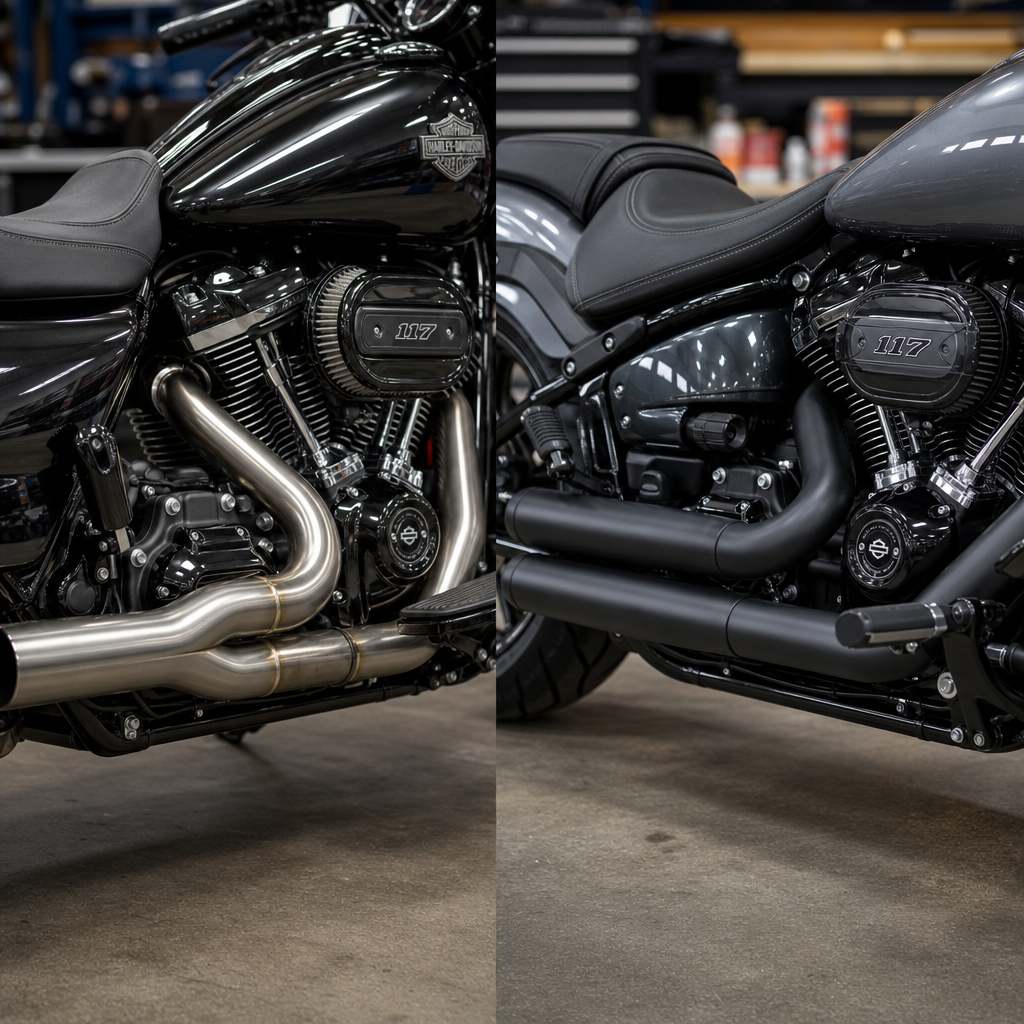
The CVO 121 HO Titanium Exhaust Heat Wrap has become a practical talking point for riders building a 2027 performance recipe around Harley-Davidson’s highest-output touring platform, because it sits at the intersection of heat management, rider comfort, component longevity, and usable power. In this context, a performance recipe is not a single bolt-on part. It is a model-specific combination of ergonomics, thermal control, fueling, airflow, suspension, braking, and luggage or touring setup that works together for one machine and one riding profile. I have built touring Harleys where a flashy exhaust upgrade looked impressive on the lift but created new problems on the road: hotter right-leg temperatures, cooked side covers, and rider fatigue after two hours in traffic. That is why this topic matters. The CVO Road Glide and Street Glide models using the Milwaukee-Eight 121 High Output engine deliver serious torque and stronger top-end than standard touring variants, yet that performance also magnifies fitment sensitivity and heat concentration around the rider triangle. A true hub article must therefore look beyond the wrap itself and explain how ergonomics and performance recipes should be developed for this platform. Riders searching this topic usually want direct answers: does titanium exhaust wrap reduce heat, protect nearby components, or improve performance; is it safe on a Harley touring model; and what other changes should accompany it? The short answer is yes, with conditions. Heat wrap can reduce radiant heat felt at the calf, inner thigh, and floorboard zone, but it must be matched to pipe material, moisture exposure, fastener inspection intervals, and the tuning strategy for the full exhaust system. More broadly, the best 2027-style recipe for a CVO 121 HO is a balanced package built around how the bike is actually used: urban commuting, two-up touring, aggressive back-road riding, or long interstate days carrying weight and accessories.
What the CVO 121 HO Titanium Exhaust Heat Wrap Actually Does
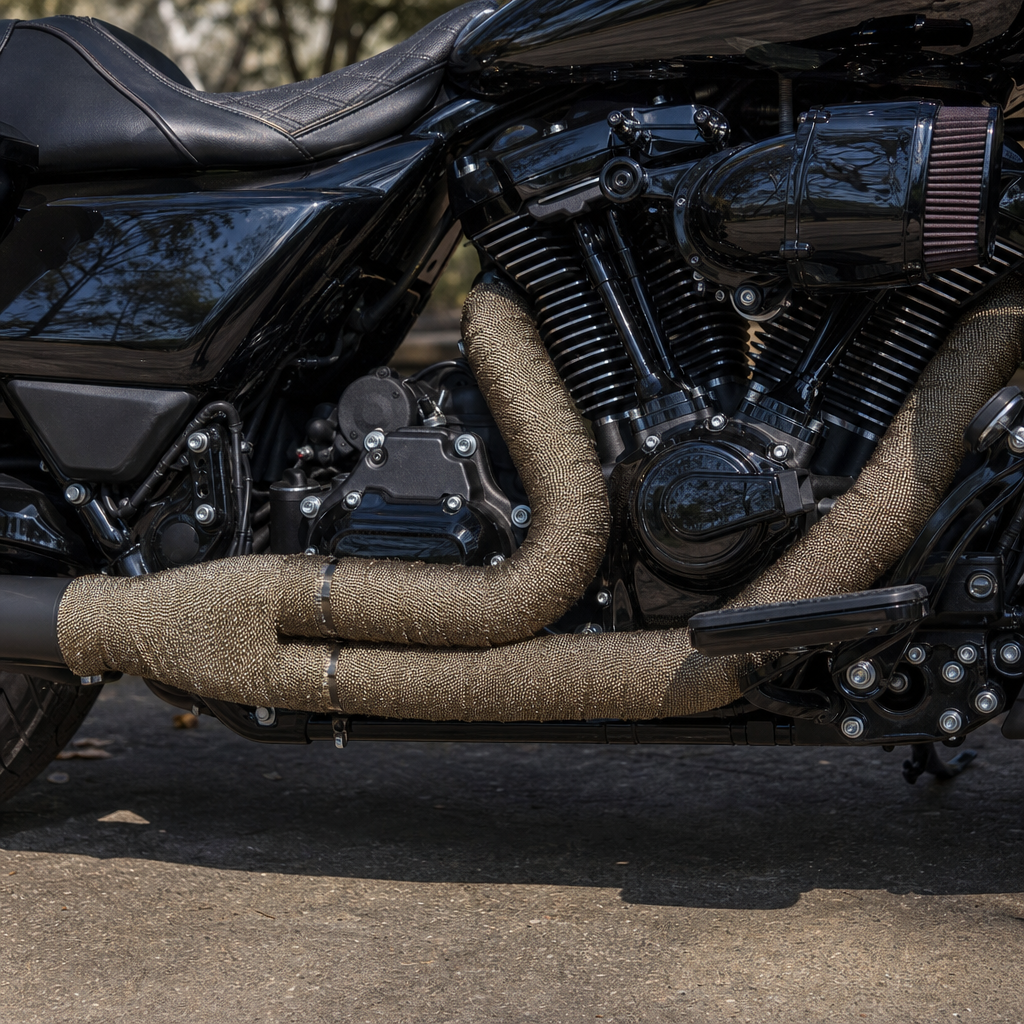
Titanium exhaust heat wrap is a high-temperature insulating tape, usually made from pulverized lava rock fiber or advanced basalt-based material, designed to retain exhaust heat within the header or collector. On a Harley-Davidson touring motorcycle, that changes where heat goes. Instead of radiating outward toward the rider’s leg and nearby bodywork, more heat energy stays in the exhaust stream. In practice, this can reduce perceived cabin heat around the seating area and floorboard edge, especially during stop-and-go operation or summer idling. It can also marginally improve exhaust gas velocity because hotter gases remain less dense, although riders should not expect dramatic horsepower gains from wrap alone.
On the 121 HO platform, the value of wrap is greatest where the rear header and crossover area run close to the rider and to heat-sensitive parts. I have seen wrapped systems make a measurable comfort difference on bikes that already had catalyst changes, freer-flowing mufflers, or rider-passenger touring loads that trapped heat around soft luggage. However, the gains depend on installation quality. Uneven overlap creates hot spots. Loose stainless ties eventually rattle or fray nearby surfaces. Wrapping directly over contaminated, corroded, or oil-soaked tubing invites premature material failure. In other words, the wrap is not magic. It is a thermal management tool that works best on a healthy, correctly fitted exhaust system.
There is also an important tradeoff. By holding heat in the pipe, wrap can increase surface temperature stress on thin-wall tubing and on weld areas, particularly if the exhaust already runs lean or if the motorcycle is repeatedly heat-soaked in traffic. Titanium wrap is generally more durable than older fiberglass wraps and less irritating to handle, but it still raises the need for regular inspection. Riders using ceramic-coated headers sometimes prefer coating alone because it offers corrosion resistance and cleaner long-term appearance. Others combine internal or external coating with selective wrapping of problem sections only. That selective approach is often smarter on premium touring Harleys where service access, appearance, and long ownership matter.
Building a Model-Specific Performance Recipe for Harley-Davidson Touring Bikes
A model-specific performance recipe starts with the motorcycle’s base architecture. The CVO 121 HO is not just any Harley-Davidson touring bike. It carries premium suspension, large infotainment and fairing structures, unique rider contact points, and an engine calibration intended to feel stronger and sharper than lower-output touring models. Because of that, the same parts list that works on a Road King Special or a standard Street Glide may be wrong here. Header diameter, oxygen sensor placement, passenger heat exposure, and the relationship between seat foam height and floorboard reach all need to be considered together.
When I build these recipes, I separate modifications into five systems: rider interface, thermal load, air and fuel, chassis control, and touring practicality. Rider interface covers bars, grips, seat shape, floorboards, brake pedal reach, and wind management. Thermal load includes the exhaust route, catalyst location, heat shields, wrap or coating, oil cooling effectiveness, and idle strategy. Air and fuel covers intake flow, header design, muffler backpressure, injector headroom, and ECU calibration using tools such as Screamin’ Eagle Pro Street Tuner where compliant, or dyno-based aftermarket tuning solutions where local rules allow. Chassis control covers rear shock spring rates, fork damping, tire choice, and brake pad compound. Touring practicality means luggage placement, passenger accommodations, charging ports, and accessory power draw.
The reason this matters for a hub page is simple: every sub-article in the ergonomics and performance recipe category should tie back to these systems. A seat review without discussing reach to bars and floorboards is incomplete. An exhaust article without discussing heat, tune, and luggage clearance is misleading. A suspension guide that ignores rider inseam and two-up payload is too generic. The best-performing Harley-Davidson setups are coherent systems, not collections of expensive parts.
Ergonomics: The Overlooked Force Behind Real-World Performance
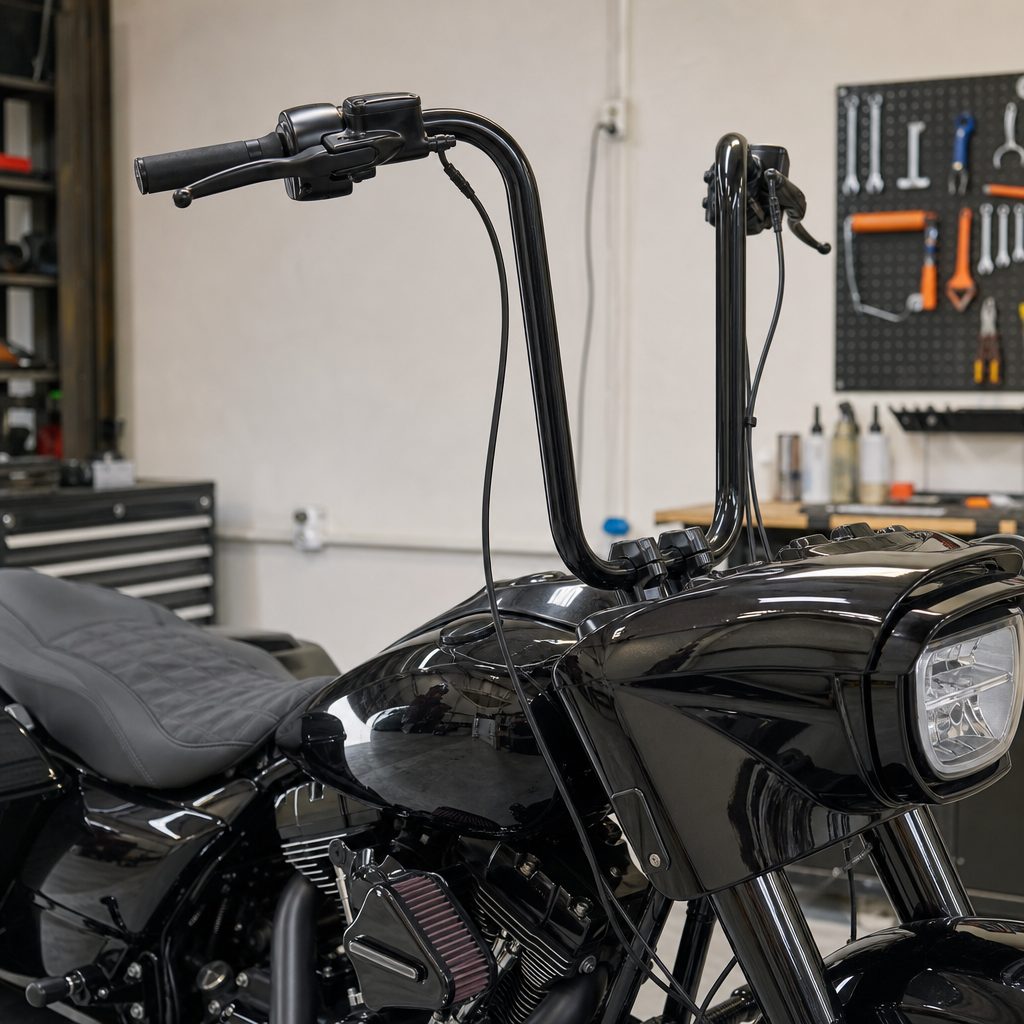
Many riders think ergonomics is about comfort alone, but on a heavy touring Harley it is directly tied to control, confidence, and speed. If the bars are too far forward, the rider braces on the grips under braking and loads the upper back. If the seat pocket is too low relative to the floorboards, knee angle tightens and hip rotation suffers. If the brake pedal sits too high for a boot sole, emergency braking delays increase. None of those issues show up on a dyno chart, yet all of them reduce how much of the 121 HO’s performance is actually usable on the road.
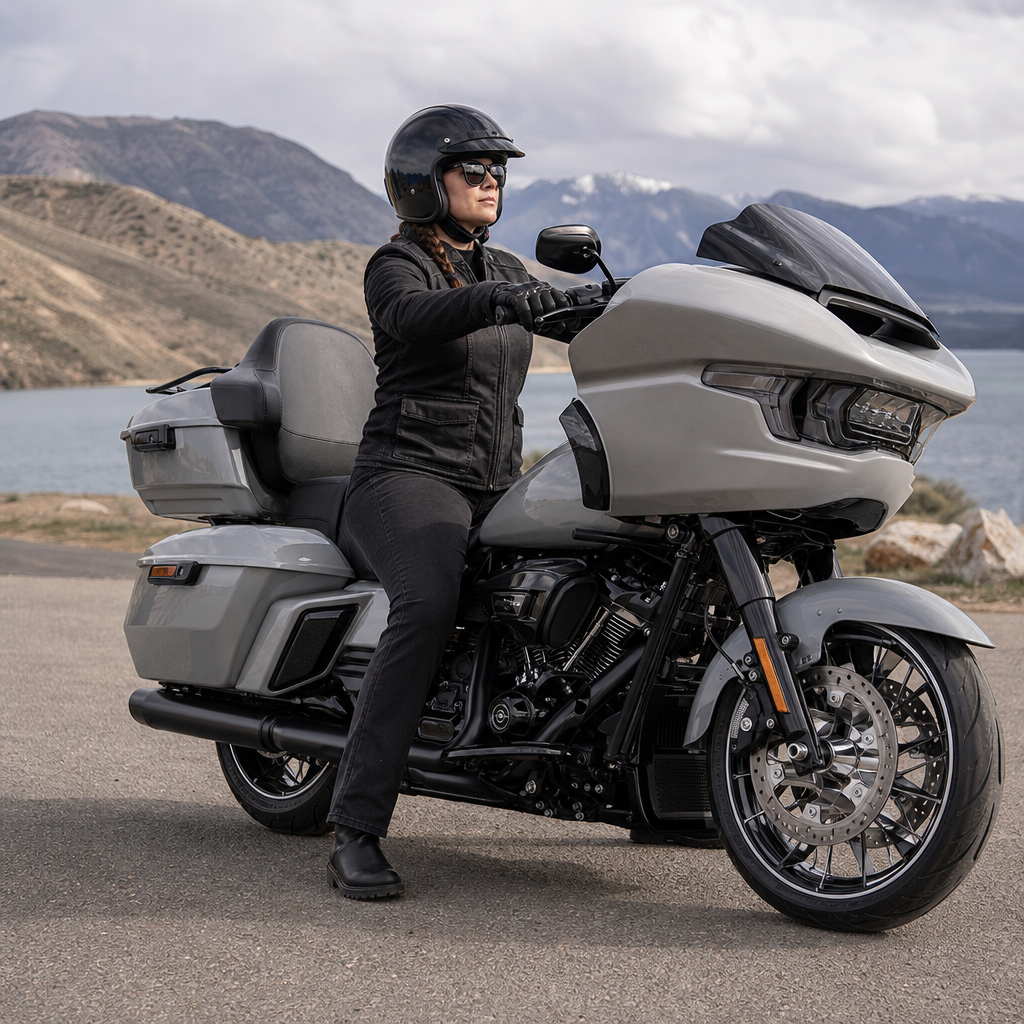
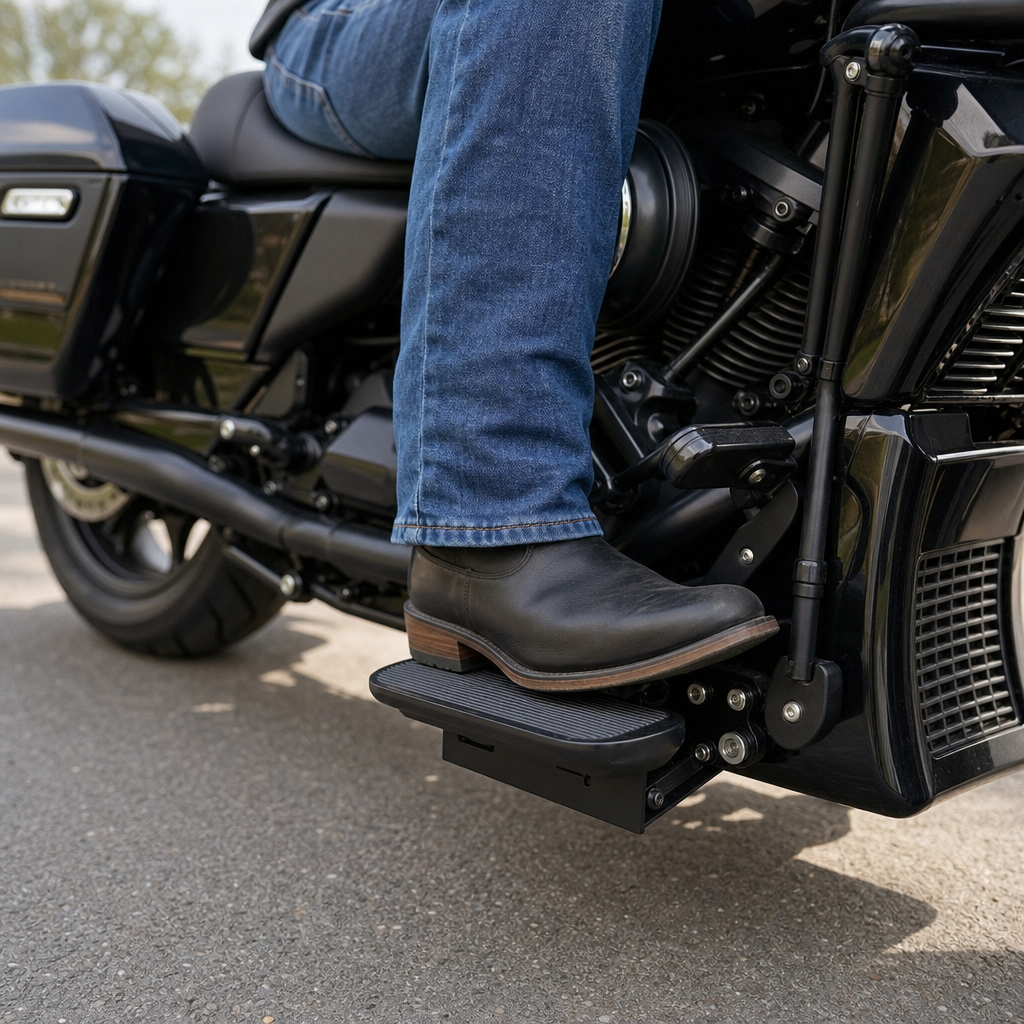
On CVO touring models, I usually evaluate ergonomics with three checkpoints. First, can the rider sit with neutral shoulders and slightly bent elbows at cruising speed? Second, can they lift off the seat over road impacts without searching for the floorboards? Third, can they operate the rear brake and shifter cleanly while wearing their normal touring boot? If the answer to any is no, the performance recipe is already compromised. Heat wrap becomes relevant here because thermal discomfort changes posture. Riders unconsciously splay the right knee outward, shift weight asymmetrically, or pull away from the tank and side cover area, which reduces control over long distances.
Wind management belongs in the same conversation. A badly chosen windshield can create helmet buffeting that forces the rider to tense shoulders and lean forward. That added fatigue makes engine heat feel worse and turns a strong touring machine into a tiring one. This is why model-specific ergonomics content should always connect seat height, bar reach, floorboard position, and windscreen choice to thermal management and chassis behavior.
A Practical Recipe Matrix for 2027-Style Builds
The most useful way to plan upgrades is to match the rider’s use case with a coherent sequence of modifications. Start with the problem you are solving, not the accessory catalog. The table below reflects the combinations that have proven effective on high-output Harley-Davidson touring builds where comfort and repeatable performance both matter.
| Riding profile | Primary issue | Core recipe | Why it works |
|---|---|---|---|
| Urban commuter | Heat soak, low-speed balance, stoplight fatigue | Selective titanium heat wrap, tuned exhaust, mid-height seat support, reduced-reach bars, cooling airflow checks | Reduces radiant heat and improves rider posture during repeated starts and long idle periods |
| Long-distance solo tourer | All-day fatigue, right-leg heat, wind pressure | Wrapped rear header section, touring screen, premium seat, fork and shock setup for rider weight, highway peg fitment | Balances heat control with posture changes and suspension support for 400-mile days |
| Two-up traveler | Payload stability, passenger heat, braking confidence | Heat shield plus selective wrap, stiffer rear spring calibration, luggage weight management, higher-friction pads, passenger back support | Protects passenger comfort while preserving chassis composure under load |
| Aggressive back-road rider | Cornering clearance, throttle response, repeated hard acceleration | Freer-flowing exhaust with tune, minimal targeted wrap, firmer damping, grippier tires, brake lever setup | Improves response and control without over-insulating large sections of high-stress tubing |
Heat Management Beyond Exhaust Wrap
Riders often ask whether titanium exhaust wrap is the best solution for Harley-Davidson heat. Usually, it is only one layer. True heat management starts with fuel calibration. A poorly tuned engine can run hotter than necessary, surge at part throttle, and transfer excess heat into heads and exhaust pipes. On a 121 HO, maintaining proper air-fuel ratios under cruise and load is more important than chasing peak numbers. A smooth, correct tune also improves low-speed rideability, which matters just as much on a fully dressed touring bike as wide-open throttle power.
Next comes catalyst strategy and exhaust layout. Catalysts are effective emissions devices, but they are also major heat sources. Depending on the exhaust design, replacing a stock header with a high-flow alternative can change where heat accumulates. That may help the rider, yet it can also increase sound, alter torque delivery, and trigger legal or inspection concerns. Heat shields, ceramic coatings, and deflectors may offer enough improvement without fully wrapping the pipes. In several shop builds, partial wrap on the rear header near the rider’s calf combined with ceramic coating on the rest of the system gave better service life than wrapping everything.
Oil temperature and airflow also matter. Clean coolers, unobstructed lowers, proper fan operation where equipped, and sensible idle habits all contribute to lower heat exposure. Riders who spend long periods parked with the engine running should understand that no wrap can completely overcome heat soak on a big air- and oil-cooled V-twin. The realistic goal is reduction, not elimination.
Choosing Parts That Work Together
The biggest mistake in Harley-Davidson performance recipes is stacking parts without a hierarchy. Start with fit and thermal comfort, then move to engine breathing and tuning, then refine suspension and brakes around the new riding pace. For example, a rider may install a freer exhaust, high-flow intake, and tune on a CVO 121 HO and love the added urgency, only to discover that stock ergonomic compromises become more obvious because the bike now accelerates harder and is ridden faster. A more supportive seat, better bar bend, and revised rear preload may deliver more real benefit than the next engine part.
Compatibility checks should be routine. Verify oxygen sensor bung positions, floorboard and heel-toe shifter clearance, saddlebag spacing, and service access around the oil filter and fasteners. Confirm that wrap does not interfere with heat shields or trap moisture against untreated steel components. Use stainless locking ties or clamps designed for exhaust temperatures, and inspect after the first several heat cycles because wrap settles. If the bike is ridden in wet climates, inspection matters even more. Premium components still fail when moisture and road salts are trapped in place.
This is also where subtopic hub content helps readers navigate deeper guides. Separate articles on seats, handlebars, floorboards, shocks, windshields, mufflers, and tuning should all connect back to the same recipe logic: every part must solve a specific problem and support the rest of the build. That is how riders avoid spending thousands to create a bike that is louder, hotter, and no easier to ride.
What to Prioritize First on a CVO 121 HO
If you are planning a 2027 performance recipe, prioritize in this order. First, establish your fit: seat, bar reach, foot position, and windscreen height. Second, address heat through tuning review, exhaust design assessment, and selective use of titanium wrap or coating where rider exposure is highest. Third, refine suspension for actual payload, including luggage and passenger use. Fourth, upgrade intake and exhaust together only when you are prepared to tune properly. Fifth, match braking components and tires to the bike’s new pace and weight distribution. That sequence produces a motorcycle that feels faster, cooler, and easier to control, not just more modified.
The central lesson is that the CVO 121 HO Titanium Exhaust Heat Wrap is valuable when used as part of a larger Harley-Davidson ergonomics and performance recipe. It can reduce radiant heat, improve long-distance comfort, and support cleaner thermal management around the rider. But the real win comes from integration. A well-fitted seat, neutral bar position, stable suspension, correct tune, and targeted heat control will outperform any single accessory in isolation. Use this hub as the starting point for your build plan, then move through the related guides in the Harley-Davidson category to dial in each subsystem with purpose. Build the bike around your body, your routes, and your load, and the performance will finally feel as good as the spec sheet promises.
Frequently Asked Questions
What role does CVO 121 HO titanium exhaust heat wrap play in a 2027 performance recipe?
In a well-planned 2027 performance recipe, titanium exhaust heat wrap is less about appearance alone and more about controlling one of the biggest real-world limits on big-inch touring performance: heat. The CVO 121 HO platform is built to deliver strong output, but that output creates substantial exhaust temperature around the rider’s legs, lower fairing area, floorboards, side covers, and nearby components. Wrapping the exhaust helps contain and redirect radiant heat, which can improve rider comfort during slow traffic, warm-weather touring, parade speeds, and repeated stop-and-go situations where heat soak becomes noticeable.
It also fits into the broader idea of a performance recipe because performance on a touring Harley is not just peak horsepower on a dyno sheet. It is how consistently the bike delivers power, how comfortable the rider remains after several hours, how surrounding parts tolerate prolonged heat exposure, and how confidently the motorcycle can be used in the conditions it was built for. If a rider is less distracted by exhaust heat and nearby components are seeing less direct thermal punishment, the motorcycle is often easier to ride hard and longer.
That said, exhaust wrap should be viewed as one supporting ingredient, not the whole formula. It works best when paired with intelligent fueling, a proper tune, a suitable intake and exhaust combination, heat shields where needed, rider-focused ergonomic choices, and realistic expectations about how the bike is used. On the CVO 121 HO, the wrap becomes valuable because it supports comfort and thermal management without changing the engine’s character. In other words, it helps make the platform more usable, which is a legitimate performance gain for a modern high-output touring build.
Does titanium exhaust heat wrap actually improve power on a Harley-Davidson CVO 121 HO?
The most accurate answer is that any power benefit is usually secondary and context-dependent, while the heat-management benefit is the primary reason riders consider it. Exhaust wrap helps retain heat inside the exhaust stream, and hotter exhaust gases tend to maintain velocity better than cooler gases. In theory, that can support scavenging and improve exhaust efficiency, especially in a system that is already designed around strong flow characteristics. On a high-output engine like the CVO 121 HO, riders sometimes describe this as crisper response or a slightly more efficient feel in the midrange.
However, it is important to stay realistic. Exhaust wrap alone is not a substitute for a well-matched exhaust system, intake improvement, proper calibration, and dyno-verified tuning. If the rest of the combination is not dialed in, the wrap will not suddenly transform the motorcycle. On a sophisticated touring platform, meaningful and repeatable power gains typically come from the complete package: airflow, fueling, cam timing where applicable, exhaust design, and tuning strategy. The wrap’s contribution is best understood as helping the system operate in a more thermally controlled environment rather than acting like a major horsepower adder by itself.
Where many riders do notice a practical advantage is consistency. Reducing heat around key areas can help the motorcycle feel less cooked in low-speed or extended hot-weather operation. That matters because consistent rider comfort and reduced thermal saturation can make the bike feel better behaved throughout a ride. So while the dyno gain from wrap alone may be modest or difficult to isolate, the real-world improvement in thermal control can still make it a worthwhile part of the overall performance recipe.
Is titanium exhaust heat wrap safe for the CVO 121 HO exhaust system and nearby components?
It can be safe and effective when the wrap is chosen correctly, installed carefully, and used on an exhaust system that is appropriate for wrapping. The key concern is that exhaust wrap traps more heat inside the pipes, which is exactly why riders use it. But that same characteristic means the exhaust tubing itself operates at higher retained temperatures. On some systems, especially poor-quality pipes, compromised coatings, or already stressed materials, that can accelerate wear, discoloration, brittleness, or corrosion over time. Titanium wrap is often preferred because it is durable, handles high temperature well, and is generally considered more stable and premium than many basic fiberglass-style wraps.
On the CVO 121 HO, the quality of the underlying exhaust matters. A well-made stainless or titanium-based performance exhaust typically handles wrapping better than a lower-grade system. Riders also need to pay attention to moisture exposure, because trapped moisture can create long-term issues if the bike is repeatedly ridden in wet conditions and then stored without being fully dried. Proper overlap, secure fastening, clean routing, and avoiding interference with sensors, wiring, brake lines, body panels, or passenger contact points are all essential. The wrap should not be treated as a universal cosmetic accessory that can be thrown on carelessly.
It is also wise to inspect wrapped systems regularly. Look for loosening sections, oil contamination, damaged ties, abrasion points, and any changes in the surrounding parts. If the bike runs exceptionally hot due to a poor tune or a lean condition, wrap is not the fix for that underlying problem. In short, titanium exhaust wrap is generally safe when it is part of a thoughtfully assembled package, but it works best when the exhaust system, tune, installation quality, and maintenance habits are all up to the standard of the motorcycle.
How does exhaust heat wrap affect rider comfort and long-distance touring on a 2027 CVO 121 HO build?
For many riders, this is where exhaust heat wrap delivers its most noticeable value. The CVO 121 HO is a powerful touring platform, and with that capability comes significant thermal output, especially in real-world conditions that are less than ideal for airflow. That means urban traffic, road construction delays, summer travel, two-up riding, and heavily loaded touring situations can all make heat more noticeable. Exhaust wrap helps reduce the amount of radiant heat reaching the rider’s legs and the immediate surrounding area, which can make the motorcycle feel more manageable and less fatiguing over time.
Comfort matters because fatigue directly affects performance. If the rider is constantly adjusting leg position, standing off the bike at stoplights, or mentally focused on heat instead of the road, the touring experience becomes less precise and less enjoyable. A proper performance recipe recognizes that handling, braking, throttle response, and comfort are interconnected. A bike that is easier to live with in hot conditions is a bike the rider can use more effectively across a full day’s ride. That is especially true for riders who value the CVO platform not just as a showpiece, but as a serious long-distance machine.
Heat wrap can also complement other comfort-oriented choices. It tends to work best alongside vent management, seat selection, lower-body airflow strategies, suspension setup that keeps the rider planted and relaxed, and luggage choices that do not accidentally trap more heat around the cockpit. It is not a magic shield that eliminates all thermal discomfort, but it can meaningfully improve how the bike feels in the environments where touring Harleys often spend a lot of time. For many owners, that makes it one of the more practical upgrades in the entire build strategy.
What should riders consider before adding titanium exhaust heat wrap to a CVO 121 HO in 2027?
The first consideration is whether the bike’s goals are clearly defined. If the rider is building a true 2027 performance recipe, the wrap should serve a specific purpose within the larger setup rather than being added at random. That means identifying whether the priority is reducing leg heat, protecting nearby components, supporting a performance exhaust package, improving long-haul comfort, or creating a more cohesive thermal-management strategy. Once the purpose is clear, it becomes easier to decide whether wrap is the right choice or whether a combination of improved shields, ceramic coating, tuning corrections, and airflow changes might be more effective.
Second, riders should evaluate the exhaust itself. Not every pipe is equally suitable for wrapping, and premium motorcycles deserve premium materials. The wrap quality, the fastening hardware, the condition and material of the exhaust, and the routing around sensitive components all matter. Installation quality is critical. A sloppy wrap job can look poor, trap debris, create uneven coverage, interfere with maintenance access, or expose problem areas instead of solving them. It is also worth considering maintenance expectations, because wrapped systems should be inspected regularly and may age differently than unwrapped pipes.
Finally, riders should remember that the best results come from system thinking. On the CVO 121 HO, a real performance recipe is a model-specific combination of thermal control, fueling, intake and exhaust balance, chassis setup, braking confidence, ergonomic fit, and touring practicality. Exhaust heat wrap can absolutely earn its place in that formula, but it is most effective when used as part of a coordinated build rather than as a standalone cure-all. When chosen for the right reasons and installed correctly, it becomes a practical upgrade that supports comfort, consistency, and the overall performance character of the motorcycle.