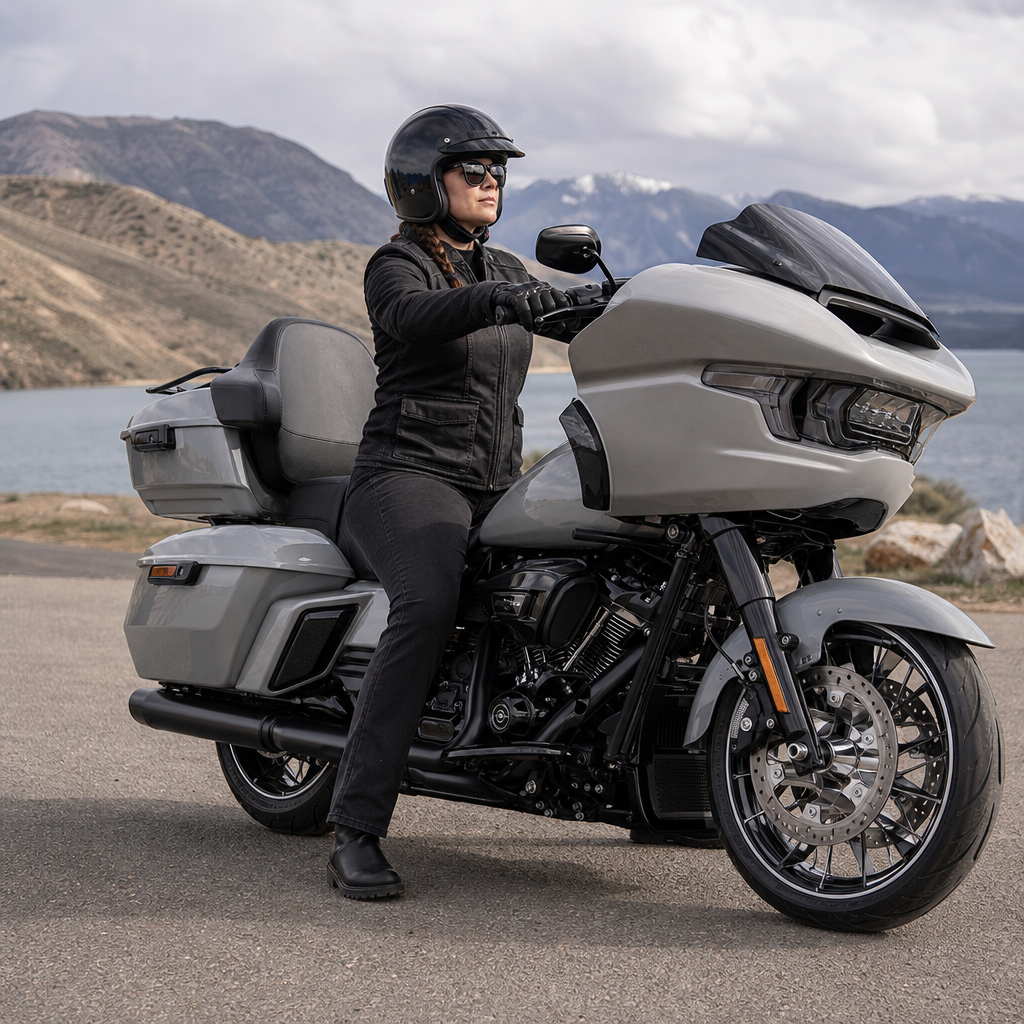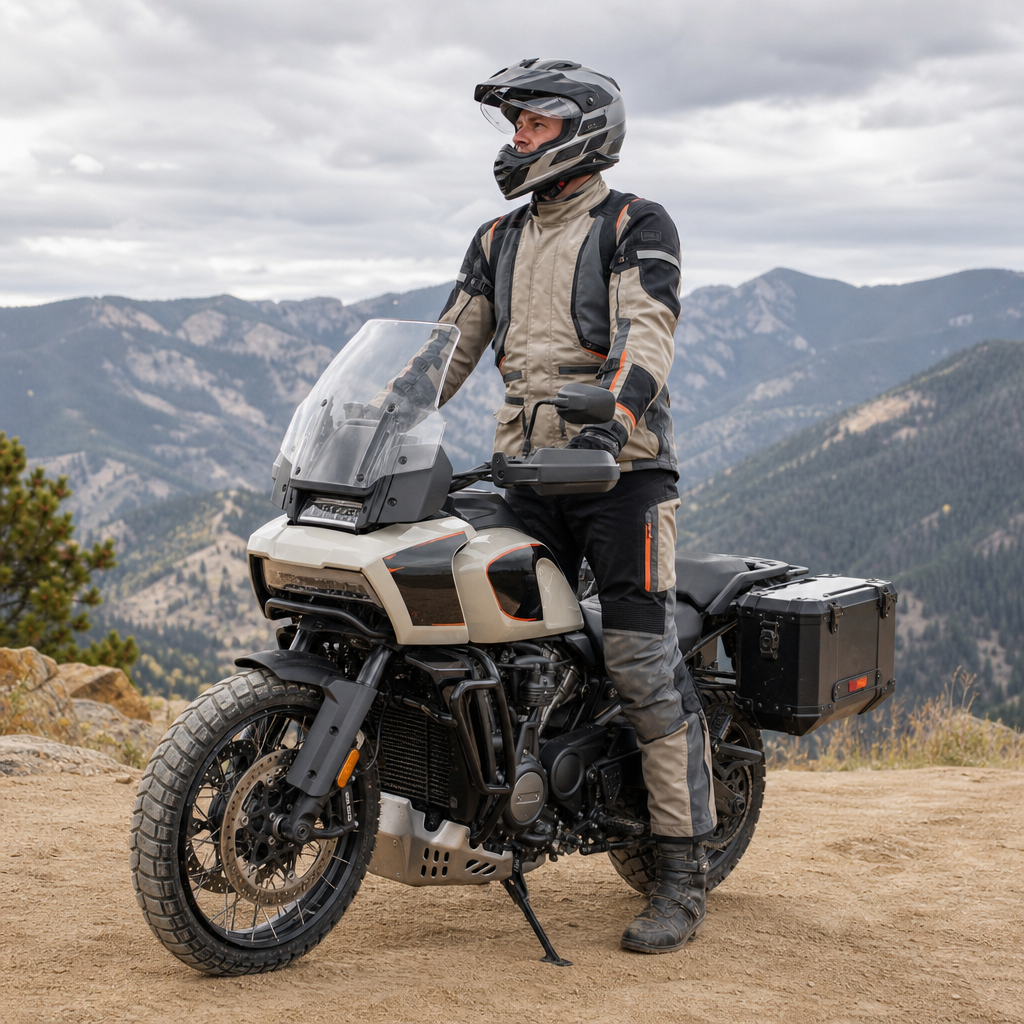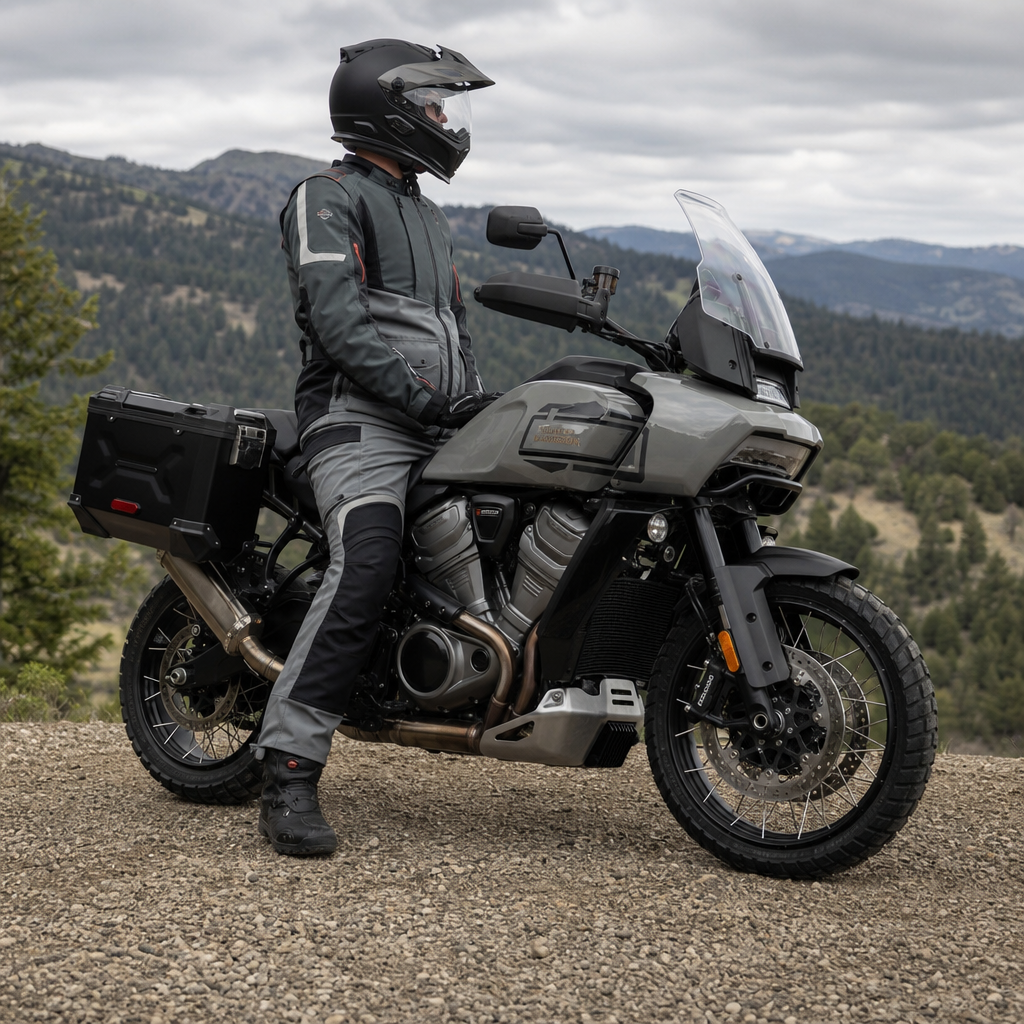
The Pan America 1250 seat height recipe starts with one question every rider asks before buying or modifying Harley-Davidson’s adventure bike: can I get both ground confidence and long-travel capability without ruining the motorcycle’s balance? On the 2027 Pan America 1250, the answer is yes, but only if seat height is treated as a complete ergonomics and performance system rather than a single number on a spec sheet. In practical terms, a seat height recipe means the combination of adaptive ride height behavior, suspension settings, preload strategy, seat shape, boot interface, bar reach, peg position, and luggage load that determines how tall the bike feels in motion and at a stop. That distinction matters because published seat height and experienced seat height are not the same thing.
I have worked with tall ADV motorcycles long enough to know that most fit complaints are not really about inseam alone. Riders struggle with transition moments: backing out of a parking space, planting a foot on a sloped turnout, stopping on gravel, or dabbling through a technical section while carrying travel gear. Harley-Davidson’s 2027 Adaptive Ride Height system changes those moments by lowering the machine when it senses a stop and returning ride height once underway. That makes this model especially important within Harley-Davidson ergonomics and performance recipes, because it shows how factory electronics can solve a problem riders previously handled with compromise-heavy lowering links, shaved seats, or excessive preload reduction.
This hub article covers the Pan America 1250 seat height recipe comprehensively and frames the wider Harley-Davidson model-specific ergonomics and performance recipe category. If you are comparing setups, the key terms are straightforward. Static seat height is the official measured height. Sag is how much the suspension compresses under bike and rider weight. Effective standover is how tall the bike feels when suspension settles and the seat narrows near the tank. Adaptive ride height is the automatic lowering and raising function tied to vehicle state. Ergonomics is the relationship among seat, bars, pegs, controls, and rider body dimensions. Performance recipe means a fit setup that preserves braking, cornering, traction, and comfort instead of chasing one dimension in isolation.
Why does this matter? Because an adventure bike that feels intimidating at a stop often gets ridden less, loaded poorly, or modified badly. Conversely, a bike dialed to the rider inspires better technique, better vision, smoother throttle use, and safer low-speed control. The 2027 Pan America 1250 is a strong case study because its Revolution Max platform, semi-active suspension logic, and adaptive ride height create more fit options than a conventional chassis. Done correctly, the seat height recipe improves confidence without sacrificing the attributes that make the Pan America useful on pavement, fire roads, and travel days. Done incorrectly, it can create harsh suspension action, vague steering, excessive knee bend, or reduced ground clearance. The goal is a balanced recipe that feels lower when needed and still rides like a real adventure motorcycle everywhere else.
How the 2027 Adaptive Ride Height changes Pan America 1250 fit
The most important point about the 2027 Adaptive Ride Height system is that it changes seat access at the stop, not the core geometry of the motorcycle while you are riding at speed. That is why it matters more than old-school lowering methods for many owners. Traditional lowering links reduce ride height all the time. They alter steering response, cornering clearance, shock leverage ratio, and often side stand angle. Adaptive ride height, by contrast, lowers the bike as it decelerates toward a stop and restores height as speed increases. In plain terms, it gives a shorter rider a better chance to reach the ground without permanently turning the Pan America into a low-slung street bike.
For the rider, the practical benefit is immediate. The bike can feel tall leaving the showroom, especially with ADV tires and luggage, but the stop sequence becomes calmer when the chassis settles. I have seen riders who were tense on first contact become completely comfortable after a few traffic-light cycles because the motorcycle no longer asked them to commit to a one-footed balancing act. This is especially useful on crowned roads, uneven campsites, and urban stop-and-go riding, where one extra inch of usable reach can be the difference between confidence and a tip-over.
There are still limits. Adaptive ride height does not replace proper preload setup, and it does not erase the effects of a wide seat or bulky riding gear. Riders often assume the feature means any inseam can fit the bike. That is false. If the seat shape spreads the legs too far or the bars force the rider to slide forward awkwardly, the stop becomes harder even when the suspension lowers. The best results come from viewing the system as a force multiplier for an already sensible ergonomic baseline.
Building the seat height recipe: seat, sag, preload, and rider triangle
A Pan America 1250 seat height recipe should be built in order. Start with rider dimensions and use case. A 30-inch inseam commuter, a 32-inch inseam backroad rider, and a 34-inch inseam off-road traveler do not need the same setup. Next evaluate the rider triangle: seat-to-peg distance, seat-to-bar reach, and the rider’s ability to weight the pegs without locking elbows. Only then should you decide whether the bike feels too tall, because discomfort blamed on seat height is often really a cramped knee angle or excessive reach to the bars.
Seat shape is the first physical lever. A narrow front section lets the legs drop straighter, reducing splay and making the same measured height feel lower. A softer seat can also help at stops by compressing slightly under body weight, though too much softness creates pressure points on long rides. A lower accessory seat may reduce reach to the ground, but it can tighten knee bend and limit movement when standing. Riders under about 5’9″ often gain more confidence from a narrower seat profile than from a heavily reduced foam height.
Preload and sag come next. On adventure motorcycles, rider sag typically needs to support suspension travel and preserve front-rear balance. Backing preload off too far to cheat seat height creates underdamped-feeling responses, vague turn-in, and poor behavior under luggage. The Pan America responds better when sag is set for actual load and the adaptive ride height feature handles stop-phase lowering. If you tour two-up or run aluminum panniers, check your loaded sag again. A recipe that works solo can become unstable when camping gear adds rear weight and shifts your posture backward.
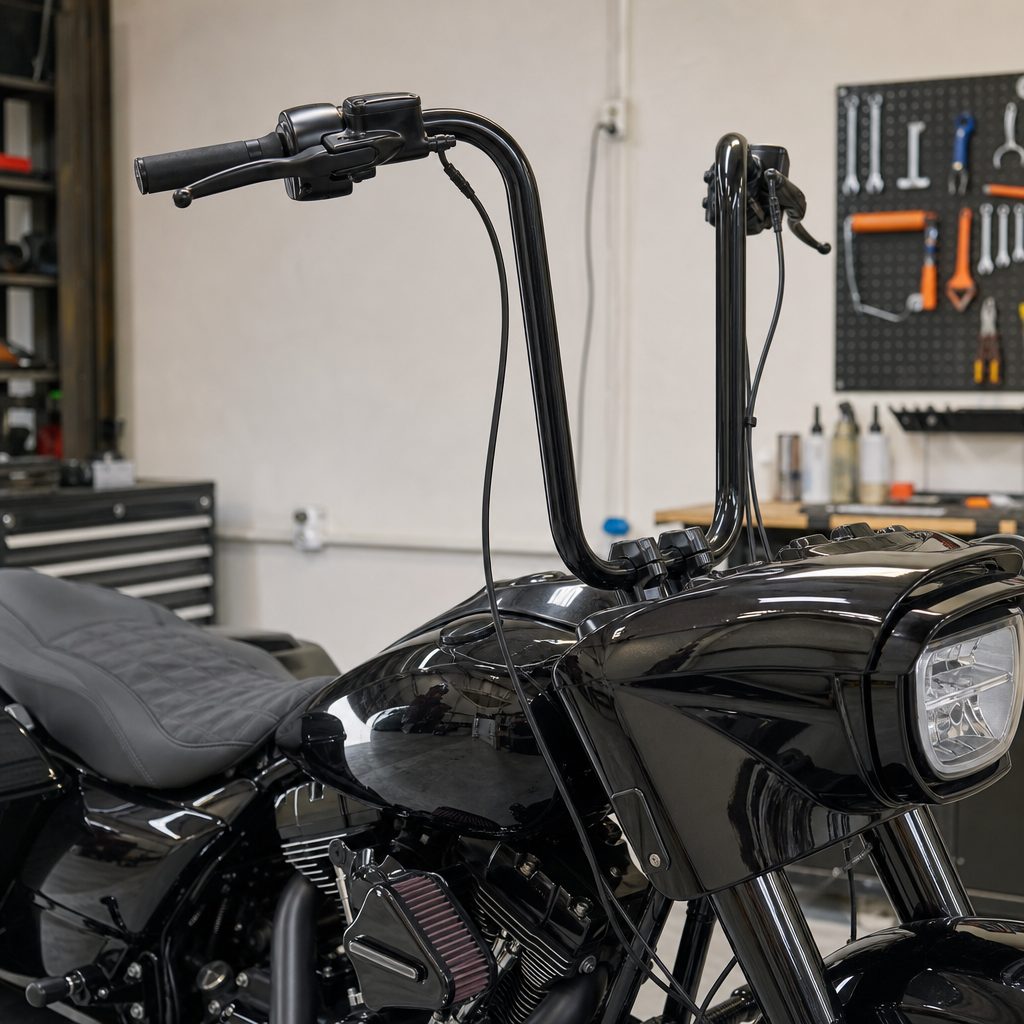
Bar position and foot controls matter more than many riders expect. If the bars are too far forward, the rider slides toward the tank and loses stable pelvic support. If the pegs are too high or too rearward for the rider’s flexibility, every stop requires a larger body shift. Small ergonomic corrections can make the bike feel significantly easier to manage without changing suspension at all.
| Rider profile | Primary goal | Best seat height strategy | Main caution |
|---|---|---|---|
| Short inseam daily rider | Confident urban stops | Adaptive ride height plus narrow or low seat | Do not reduce preload below proper sag |
| Average-height mixed-use rider | Balanced touring and gravel control | Standard seat, correct sag, adaptive ride height active | Avoid unnecessary lowering links |
| Tall aggressive rider | Standing comfort and travel suspension performance | Standard or tall seat with adaptive ride height for stops | Low seat may cramp knees and reduce mobility |
| Two-up traveler | Loaded stability with manageable stops | Load-correct preload, adaptive ride height, seat matched to passenger comfort | Recheck sag after packing luggage |
Real-world setup recipes for street, touring, and off-pavement use
The best way to understand Pan America ergonomics is to separate use cases. For mostly street riding, the ideal recipe usually prioritizes stop confidence, smooth low-speed balance, and all-day comfort. That means adaptive ride height enabled, preload set correctly for rider weight, a seat that narrows well at the front, and controls adjusted so the rider is upright without overreaching. Tires also influence feel. A more road-focused tire with a round profile can reduce the top-heavy sensation some riders notice at parking-lot speed compared with a blockier 50/50 tire.
For travel and light ADV use, preserve suspension support first. Riders often overload the rear, then complain the bike feels taller and harder to catch. In reality, luggage placement is the culprit. Keep dense items low and central. Put tools, water, and spares as close to the bike’s center as possible. With this setup, the adaptive system can do its job cleanly at stops while the chassis remains composed through sweepers and rough pavement. I recommend testing your stop routine fully loaded before a trip: feet down, side stand deployment, U-turns, and backing into a campsite.
For more serious off-pavement use, the seat height recipe changes. You need room to stand, move fore and aft, and absorb impacts through your legs. A low seat that feels great downtown may become a liability on rocky climbs because it compresses your hip-knee relationship and slows transitions. Many experienced riders accept a taller seat in exchange for control while standing, then rely on adaptive ride height to make unavoidable stops less stressful. This is the core advantage of the 2027 system: it lets one motorcycle serve more than one posture profile.
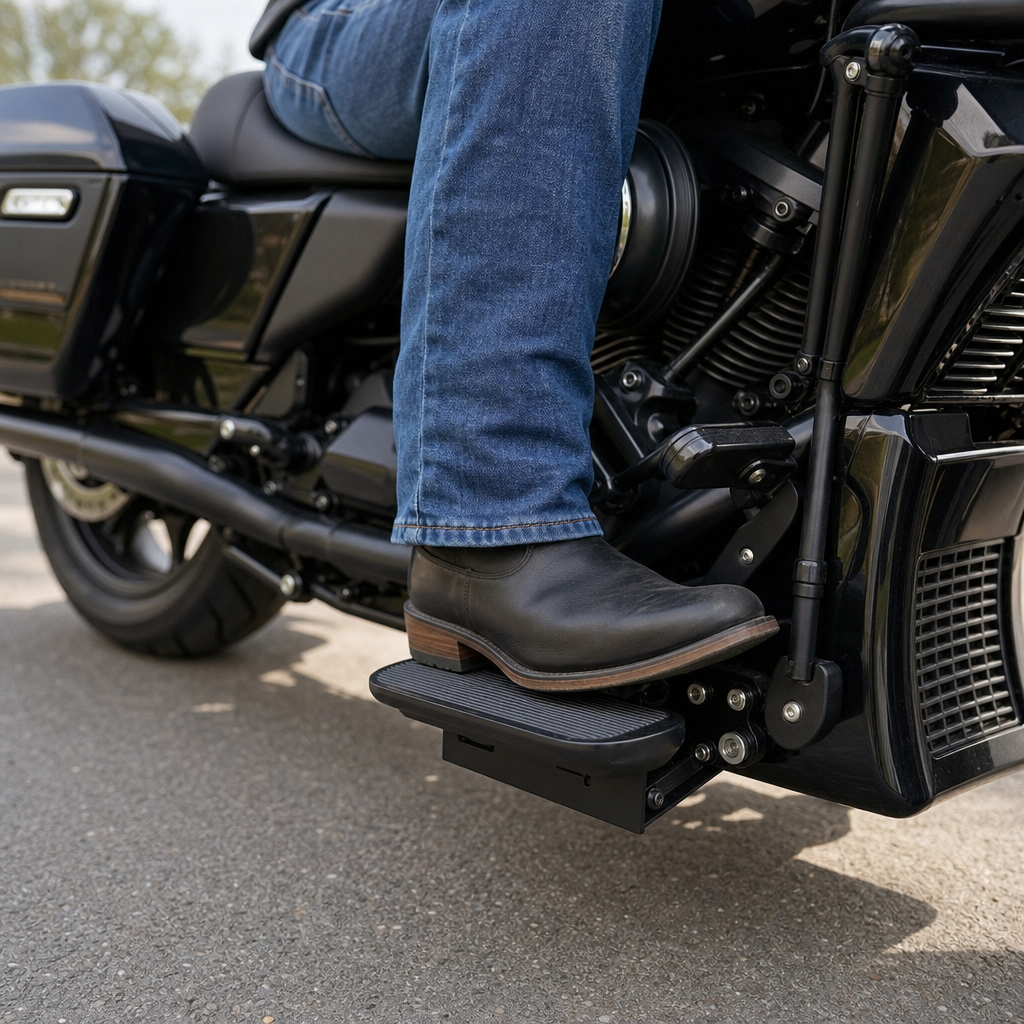
Weather and terrain also shape the recipe. Mud, gravel marbles, cambered roads, and wet fuel station aprons punish poor footing. In those conditions, the ability to get a firmer boot plant matters as much as absolute reach. Adventure boots with thick, supportive soles can help, but they should complement the setup rather than compensate for a bad one.
Common mistakes, tradeoffs, and how this hub guides other Harley-Davidson recipes
The most common mistake is chasing the lowest possible seat height instead of the most usable fit. Riders remove foam, reduce preload, install lowering parts, and then wonder why the Pan America corners worse or bottoms more often. Every height reduction has a tradeoff. Lower seats can reduce long-distance comfort. Less preload can hurt chassis control. Lowering links can alter suspension progression and ground clearance. Even bar risers, if poorly chosen, can rotate the rider backward and increase the feeling of top-heaviness at a stop.
A second mistake is ignoring dynamic conditions. Riders test a motorcycle in a parking lot wearing casual boots, then use it later with a full-face helmet, armored suit, luggage, and a passenger. The fit changes dramatically. Another is misunderstanding the interaction between software-controlled ride height and manual adjustments. Electronic assistance works best when the mechanical baseline is correct. If the bike is mis-sprung for the rider, adaptive lowering becomes a patch rather than a solution.
As the hub for Harley-Davidson model-specific ergonomics and performance recipes, this page establishes the method that other articles in the subtopic should follow. Start with the rider, define the intended use, preserve chassis fundamentals, then tune interface points such as seat, bars, pegs, controls, and load strategy. On a cruiser, that may center on reach and lumbar support. On a touring model, wind management and hip angle may dominate. On the Pan America 1250, seat height feels like the headline issue, but the correct recipe always links ergonomics to suspension behavior and mission profile.
The key takeaway is simple: the 2027 Adaptive Ride Height system makes the Pan America 1250 more accessible, but accessibility is maximized only when the whole motorcycle is set up as an integrated package. Use adaptive lowering as the stop-phase advantage, maintain proper sag for real-world load, choose a seat by shape and support rather than by marketing label alone, and check how bars, pegs, boots, and luggage affect your stance. That approach preserves the motorcycle’s intended performance while making it easier to live with every day.
If you are building your own Harley-Davidson ergonomics recipe, begin with an honest fit assessment and document each change one at a time. Measure your sag, test your stop routine, and evaluate comfort after a real ride rather than a showroom sit. For the Pan America 1250 specifically, the smartest path is rarely the lowest path. It is the most balanced one, and the 2027 adaptive system gives you a better starting point than riders have ever had on a factory adventure Harley. Use that advantage, refine the details, and you will end up with a machine that feels smaller when you need reassurance and fully capable when the road or trail opens up.
Frequently Asked Questions
What does the “Pan America 1250 seat height recipe” actually mean on the 2027 model?
The “seat height recipe” is not just the published seat measurement. On the 2027 Harley-Davidson Pan America 1250, it refers to the full combination of components and settings that determine how tall, manageable, and confidence-inspiring the bike feels in real use. That includes the Adaptive Ride Height system, the actual seat shape and padding, suspension sag, boot sole thickness, rider inseam, handlebar reach, and even how the bike behaves when loaded with luggage or a passenger.
This matters because two riders can look at the same spec-sheet number and have completely different experiences. One rider may feel stable and in control at a stop, while another may struggle because the seat is wide at the front, the suspension is sitting high, or the bike’s weight transfer is not helping them get a solid foot down. The 2027 Adaptive Ride Height changes that conversation by allowing the motorcycle to lower itself in low-speed and stop situations, then return to optimal ride height when moving. That gives riders a way to preserve ground clearance and suspension travel on the trail or highway without living with a tall, intimidating stance every time they stop at an intersection.
In other words, the seat height recipe is a systems approach. Instead of asking only, “What is the seat height?” the better question is, “How do the bike’s electronics, suspension behavior, seat design, and rider setup work together?” That is the key to getting both ground confidence and long-travel capability without upsetting the Pan America’s balance.
How does the 2027 Adaptive Ride Height help shorter riders without hurting off-road performance?
The biggest advantage of the 2027 Adaptive Ride Height system is that it addresses the exact moment when seat height matters most: low-speed maneuvering and stopping. A tall adventure bike can feel perfectly fine once it is moving, because momentum and balance stabilize the chassis. The challenge usually shows up in parking lots, uneven pavement, off-camber stops, gravel pull-offs, and city traffic. Adaptive Ride Height lowers the bike when those situations arise, making it easier for shorter riders or less experienced riders to touch down more securely.
The important part is that this lowering effect does not permanently reduce the bike’s capability. Traditional lowering methods can cut suspension travel, reduce ground clearance, alter steering geometry, and change how the motorcycle reacts under load. By contrast, Adaptive Ride Height is designed to let the Pan America sit lower when it helps the rider most, then return to a taller, performance-oriented position when riding conditions demand it. That means you still retain the benefits that matter for adventure use, such as obstacle clearance, suspension compliance, and chassis control over rough terrain.
For off-road use, that distinction is critical. Riders often worry that a lower bike will bottom out sooner, feel less planted in technical terrain, or lose the very long-travel personality that makes an adventure motorcycle versatile. With the adaptive system, the goal is to avoid that compromise. The bike can remain approachable at stops while still behaving like a serious ADV platform when moving. The result is not simply a lower motorcycle, but a smarter one—one that adjusts height based on the riding scenario instead of forcing the rider to accept one fixed setup for every environment.
Is lowering the seat itself better than relying on Adaptive Ride Height?
Usually, the best answer is not one or the other, but the right combination of both. Adaptive Ride Height helps manage stop-and-go situations, while seat changes affect how the motorcycle fits you all the time. A lower seat can make a meaningful difference by reducing the distance from your hips to the ground, especially if the seat is also reshaped to be narrower at the front. That narrower profile can be just as important as the height reduction because it allows your legs to drop more vertically instead of being pushed outward by a wide saddle.
However, lowering the seat too aggressively can introduce tradeoffs. If the foam becomes too thin, long-distance comfort may suffer. If the seating pocket is altered too much, it can change your relationship to the bars, pegs, and wind protection. On an adventure bike like the Pan America 1250, that matters because the rider triangle needs to support both seated touring and standing off-road control. A seat that feels great at a stoplight but creates cramped knees or poor posture on a full-day ride is not a complete solution.
That is why Adaptive Ride Height is so valuable in the overall recipe. It reduces the need for extreme seat modifications. Instead of chasing the lowest possible saddle, many riders can choose a balanced seat setup that preserves comfort and ergonomics while using the adaptive suspension to improve confidence when it matters most. In practice, the best setup often includes a modestly optimized seat, proper suspension calibration, and the electronic ride-height system working together. That approach gives you a bike that is easier to manage without feeling compromised everywhere else.
Will changing seat height or suspension settings affect the Pan America 1250’s handling and balance?
Yes, absolutely—and that is why the article’s core idea is so important. Seat height should never be treated as an isolated number. Any change to ride height, suspension preload, seat shape, or rider position can influence handling, weight distribution, and confidence. On a motorcycle as capable and multi-purpose as the Pan America 1250, balance is everything. If you lower one part of the system without considering the rest, you can end up with steering that feels slower, less predictable chassis attitude, reduced cornering clearance, or awkward transitions between seated and standing riding.
For example, lowering links or significant suspension changes can alter the motorcycle’s geometry. That may sound minor on paper, but in real riding it can affect how quickly the bike turns in, how stable it feels under braking, and how planted it remains on rough surfaces. Similarly, if the seat is lowered but the relationship to the handlebars and footpegs is not considered, the rider may end up in a posture that limits leverage and control. This is especially relevant off-road, where body movement and the ability to shift weight naturally are essential.
The 2027 Adaptive Ride Height is useful because it aims to improve rider access without permanently re-engineering the bike’s dynamic behavior. It is designed to offer a lower stance in low-speed situations while preserving the intended ride characteristics once underway. Still, even with that technology, proper setup matters. Suspension preload should be appropriate for rider weight and cargo, the seat should match the rider’s build and intended use, and the complete ergonomics package should be evaluated together. The goal is not simply to get more boot on the ground, but to do it while protecting the Pan America’s stability, responsiveness, and adventure-ready versatility.
What is the best practical setup for riders who want more confidence at stops but still want full touring and adventure capability?
The best practical setup is usually a measured, layered approach rather than a dramatic single modification. Start by using the 2027 Adaptive Ride Height as the foundation, because it directly addresses the real-world challenge of managing a tall adventure bike at low speed and at stops. That feature allows many riders to gain immediate confidence without sacrificing the suspension travel and ground clearance that make the Pan America effective on the road and off it.
From there, evaluate the seat. If the bike still feels intimidating, a seat with a slightly lower profile or a narrower front section can make a major difference. Often, a smart seat redesign does more for reach than riders expect because reducing width improves leg angle and lets the feet reach the ground more naturally. The key is to avoid turning the seat into a hard, flat compromise that undermines long-distance comfort. A touring-capable adventure bike needs support over hours of riding, not just convenience for a few seconds at each stop.
Next, make sure suspension settings are correct for your weight and typical load. A solo rider with no luggage, a fully packed traveler, and a two-up rider will all experience seat height differently. Proper preload and sag help the motorcycle operate within its intended range and can improve both confidence and handling. Finally, consider rider technique and equipment. Supportive boots with quality soles, practice on uneven terrain, and learning one-foot stopping techniques can all extend confidence without changing the motorcycle at all.
In the end, the strongest recipe is the one that preserves the Pan America 1250’s character. You want a bike that is easier to live with in traffic and on awkward surfaces, but still tall enough, composed enough, and capable enough to perform as an adventure motorcycle should. The 2027 Adaptive Ride Height makes that balance more achievable than before, but the smartest results still come from treating seat height as a complete ergonomics and performance system.