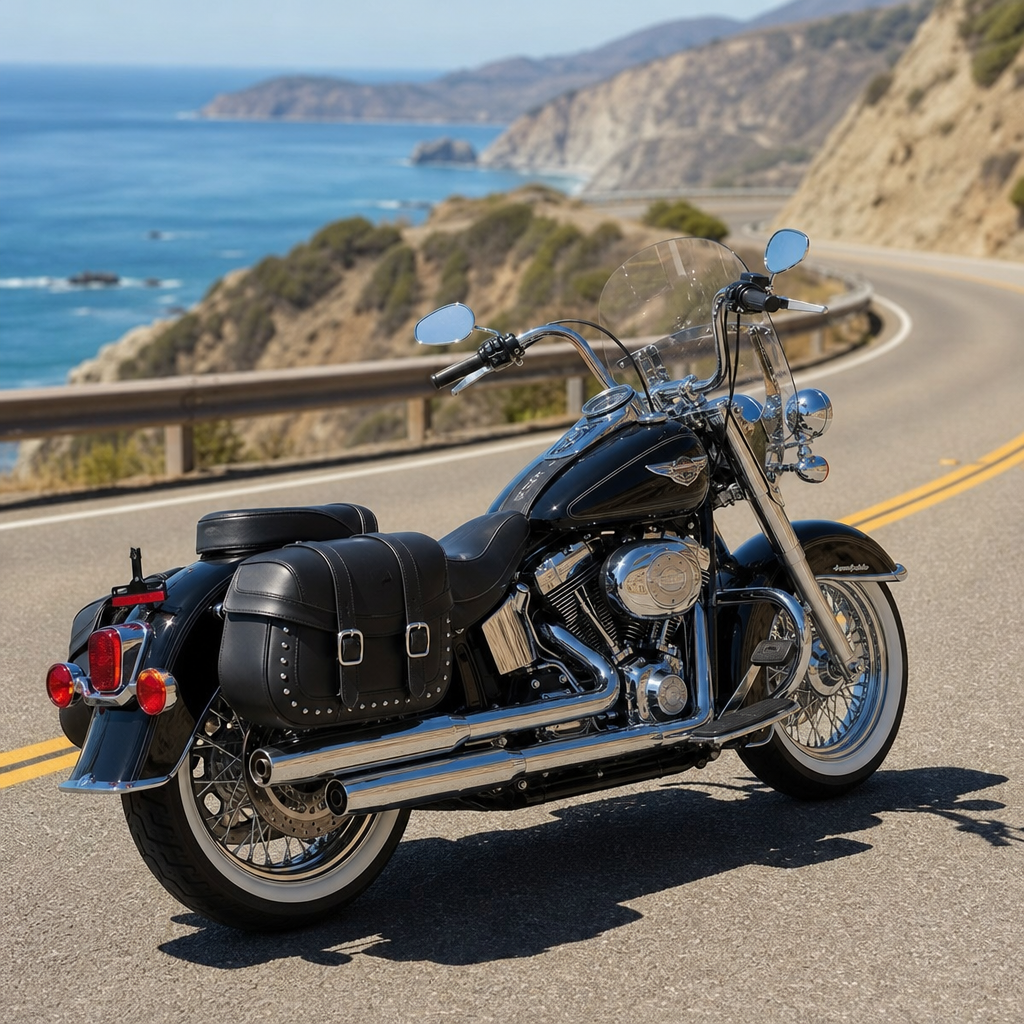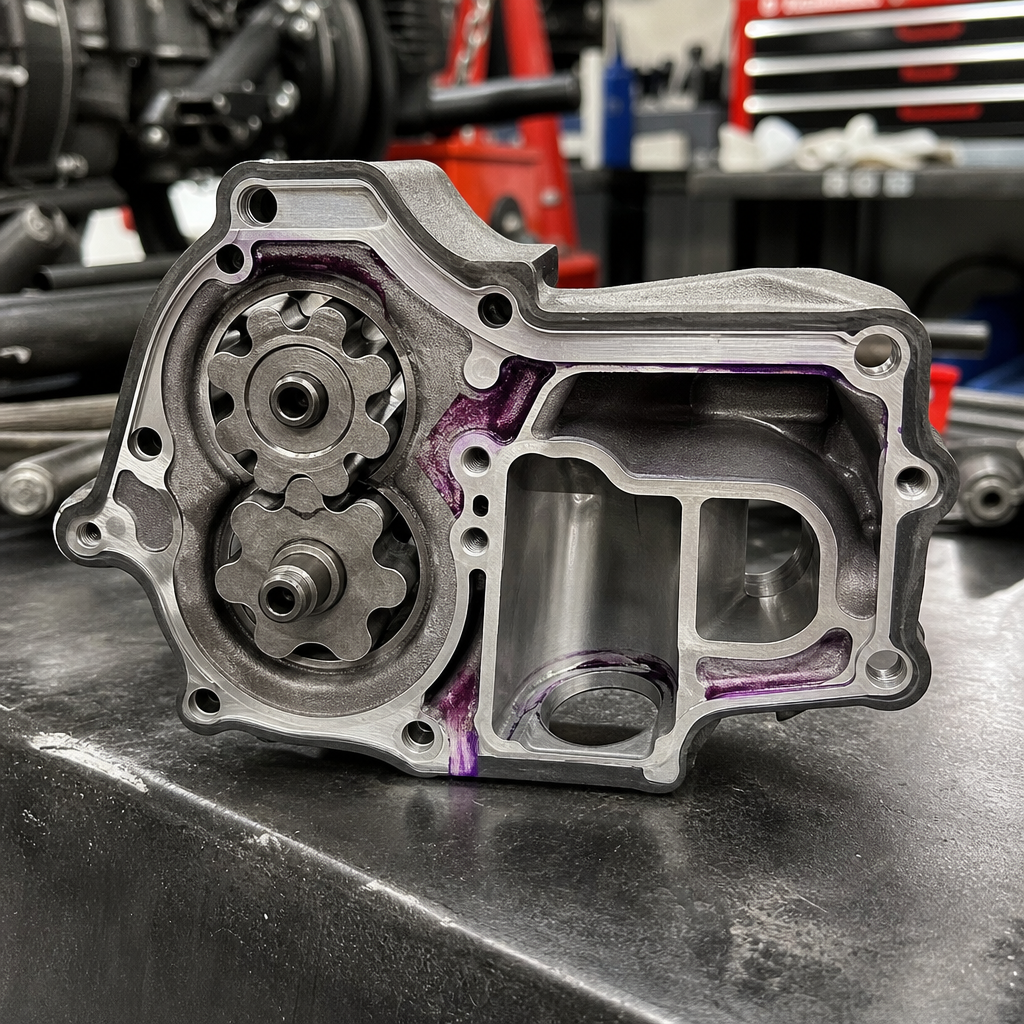
The Milwaukee-Eight platform changed modern Harley-Davidson performance by improving combustion efficiency, vibration control, and overall rideability, yet one recurring workshop concern on used 114 cubic inch engines is oil management under heat and load. “Oil pump porting” means reshaping selected passages inside the pump and related scavenge path to reduce restriction, improve evacuation of crankcase oil, and stabilize pressure behavior without changing the engine’s basic architecture. “Scavenge” refers to the pump’s ability to pull oil and air out of the crankcase and cam chest quickly enough that rotating parts are not dragging through excess oil. On used 114s, especially touring models that have seen long highway miles, hot idle time, aggressive cam timing, or repeated stop-and-go service, maximizing scavenge can reduce wet sumping symptoms, limit oil carryover, and create a cleaner foundation for any broader performance recipe.
I have worked on enough Milwaukee-Eight 114 builds to treat oil control as a first-order issue, not an afterthought behind cams, pipes, and tuning. A used engine is different from a fresh crate motor because wear patterns, debris history, lifter condition, piston cooling demand, and crankcase breathing behavior already have a story. Porting the oil pump is not magic, and it is not the right answer for every bike, but when inspection confirms a sound lower end and a healthy return path, thoughtful pump work can materially improve scavenging. This article serves as a hub for model-specific ergonomics and performance recipes within the Harley-Davidson category by showing how one recipe should be approached: as a matched system that respects the rider, the motorcycle’s use case, and the constraints of a used 114. The goal is dependable, measurable improvement rather than dyno-sheet theater.
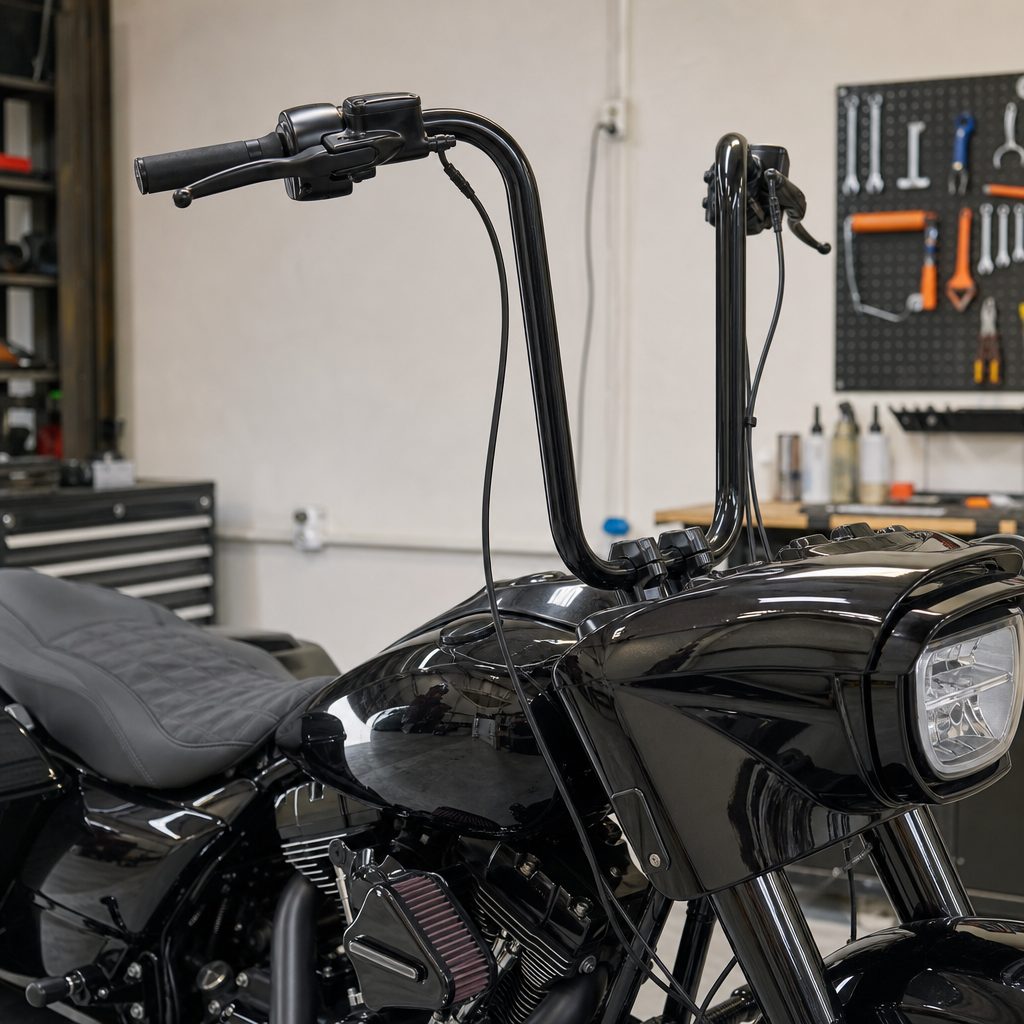
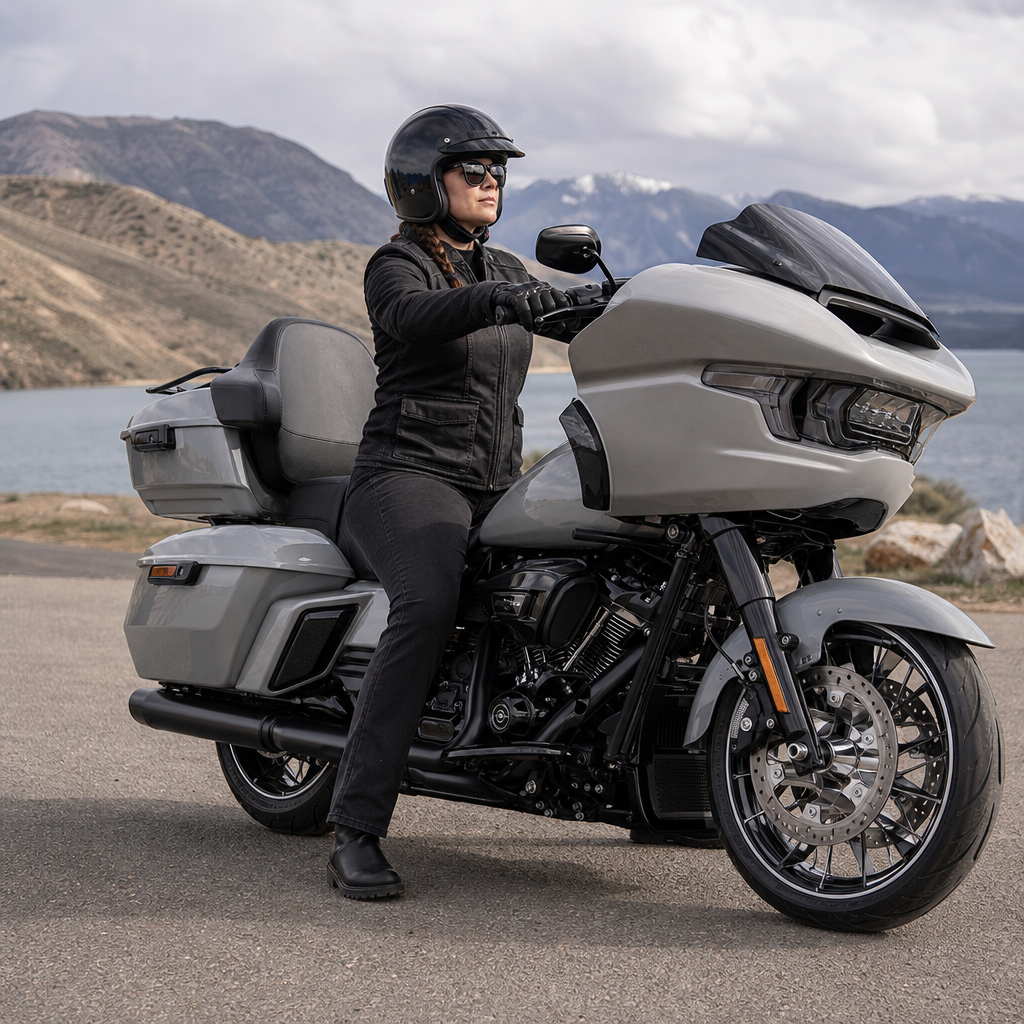
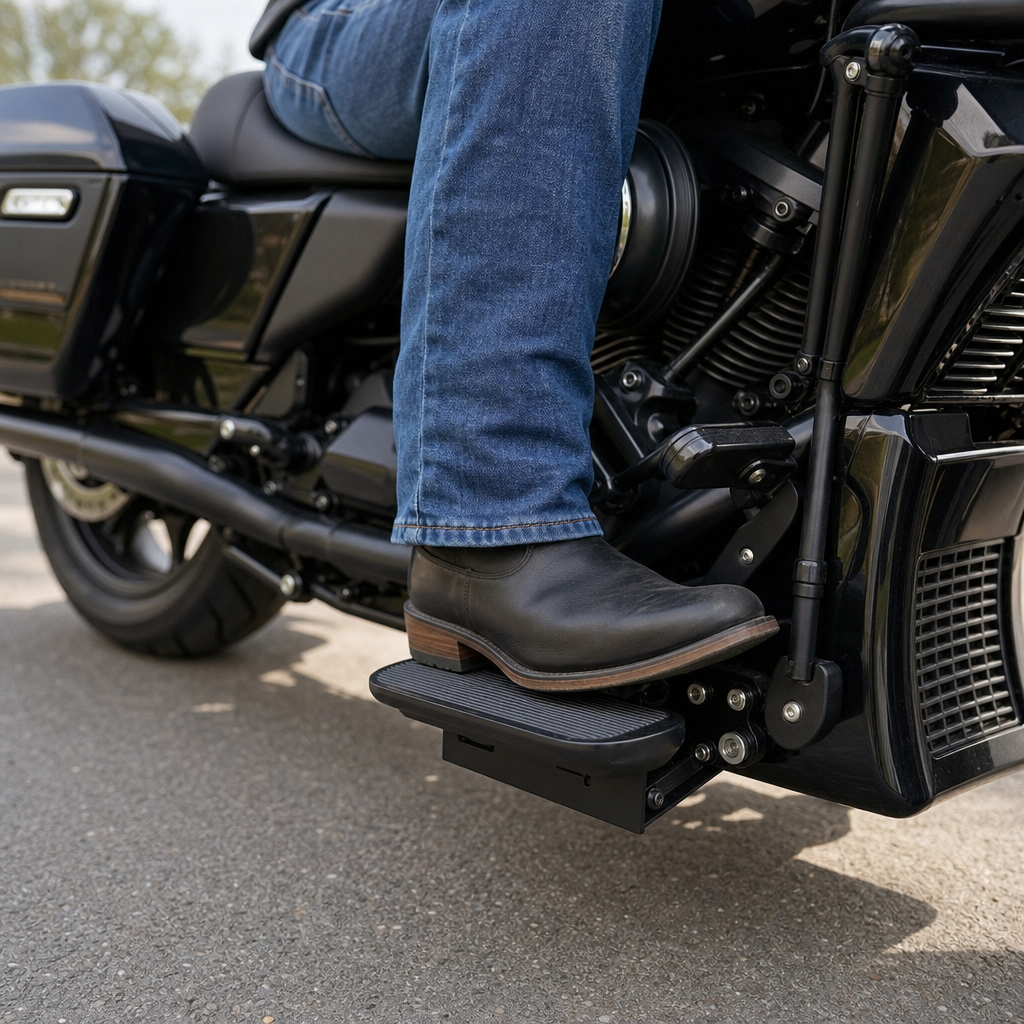
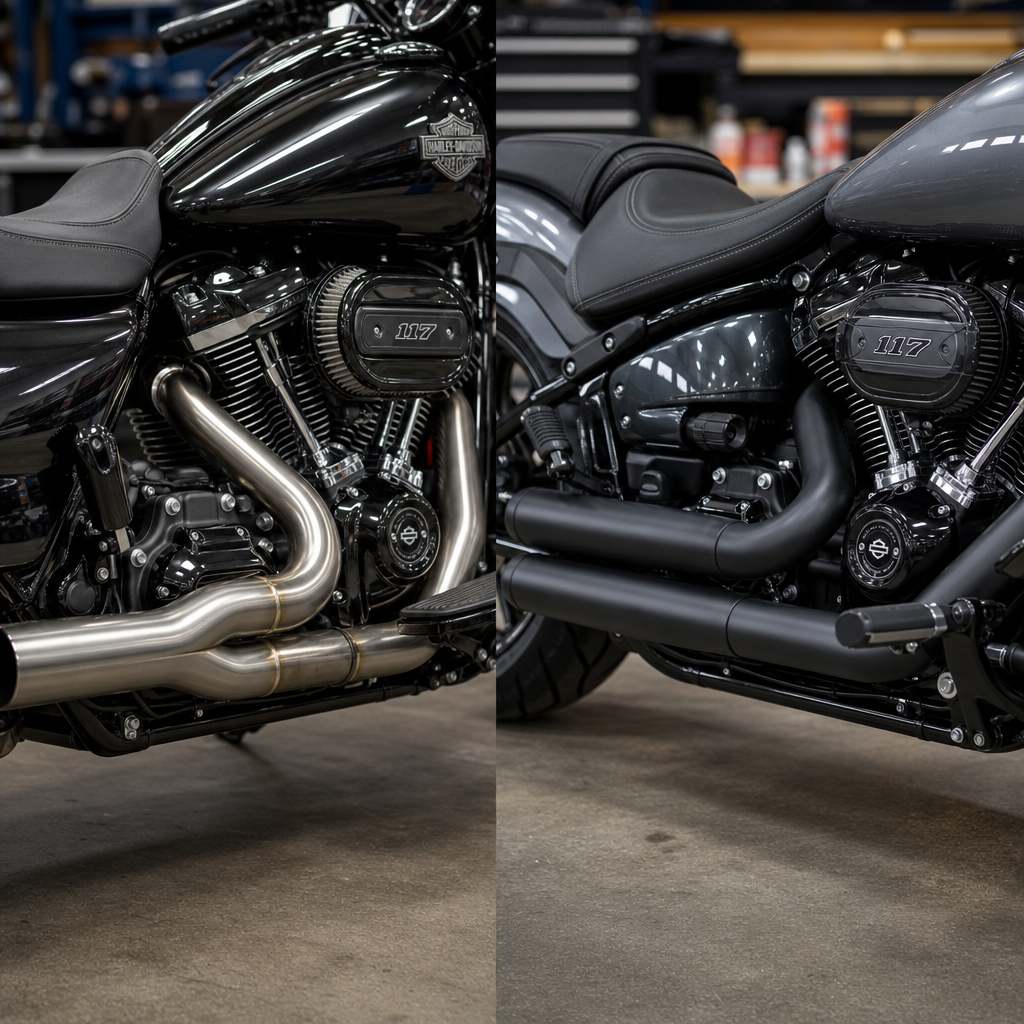
For clarity, the recipe discussed here centers on Milwaukee-Eight 114 applications in Touring, Softail, and special models using the same basic engine family, while acknowledging that chassis, oil tank arrangement, exhaust routing, riding position, and intended duty cycle affect what “best” looks like. A road-focused Road Glide ridden two-up in summer heat asks for different compromises than a lighter Low Rider S used for short solo blasts. The same is true across ergonomics: seat height, bar reach, floorboard position, peg location, and wind management influence how a rider applies power, tolerates heat, and evaluates engine character. That is why this hub article connects performance recipes to model-specific ergonomics rather than treating the motor in isolation. The best Harley-Davidson upgrades solve a rider-machine problem, not merely a parts problem.
Why used Milwaukee-Eight 114s develop scavenge concerns
The most common reason owners research a Milwaukee-Eight oil pump porting recipe is concern over wet sumping or inconsistent oil return behavior after the engine accumulates miles. Wet sumping, in plain terms, is excess oil remaining in the crankcase instead of being evacuated promptly and returned to the tank. When that happens, the flywheels can whip through oil, raising crankcase drag, heat, and aeration. Riders may notice elevated oil level in the sump, increased oil mist through breathers, a dipstick reading that behaves oddly when hot, or a bike that feels mechanically “loaded” after prolonged high-rpm use. Harley-Davidson issued updates across model years, and aftermarket companies such as Feuling, S&S, and Star Racing built stronger reputations by addressing pump efficiency, cam plate rigidity, and pressure control. The underlying lesson is straightforward: on these engines, oil management quality strongly influences performance consistency.
Used 114s deserve special caution because several variables stack together over time. The pump can show wear at the gerotor surfaces. The cam chest may hold debris from prior lifter distress, tensioner material, or assembly sealant misuse. Crankshaft runout, while not universal, can affect how confidently a pump and cam plate stay aligned at operating temperature. Ring seal changes alter blow-by volume, which changes the air-oil mix the scavenge side must handle. Even rider habits matter. Long idling, repeated heat soak, lugging the engine in high gear, and delayed oil changes all increase the chance that a once-acceptable oiling system now operates closer to its limits. Before removing a die grinder from the drawer, the correct approach is diagnosis: oil pressure verification with a known-good gauge, hot oil inspection, breather assessment, crankcase vacuum clues, and a teardown that confirms what is actually restricting return flow.
The porting recipe: what gets modified and why
A proper Milwaukee-Eight oil pump porting recipe is conservative, targeted, and shaped by measurement. The goal is not to enlarge every passage as much as possible. It is to smooth directional changes, remove casting mismatch, maintain sealing land integrity, and improve the scavenge side’s ability to move an aerated oil stream without destabilizing pressure on the feed side. In practice, that means inspecting the pump body, pump-to-cam-plate interface, cam plate passages, and adjacent return pathways for abrupt edges, partial shrouding, and surface irregularities. The most useful gains typically come from blending restrictive entry and exit points, deburring sharp transitions that encourage turbulence, and matching passages where one component overhangs another. I do not treat porting as guesswork; layout dye, scribe marks, calipers, and gasket or plate references are mandatory because a few thousandths removed in the wrong place can reduce support or create an internal leak path.
The scavenge stage deserves priority because that is where used 114s most often benefit. The fluid moving through this side is not just liquid oil. It is a foamy, air-entrained mix returning from the crankcase and cam chest under highly variable conditions. A narrow, abrupt, or misaligned passage forces the pump to work harder against unnecessary restriction. By contrast, a carefully blended path with proper cross-sectional consistency improves evacuation efficiency and reduces the tendency for oil to linger around rotating assemblies. Feed-side work must remain disciplined. Opening feed passages indiscriminately can alter velocity and pressure characteristics in ways that do not help bearing protection. This is why experienced builders often combine moderate hand porting with a proven pump and cam plate package rather than trying to fabricate a fully custom fluid dynamic solution inside a stock housing.
| Area | Typical Issue on Used 114s | Porting Objective | Do Not Do |
|---|---|---|---|
| Pump scavenge inlet | Casting roughness, abrupt edge | Smooth entry and blend transition | Remove sealing land |
| Pump scavenge outlet | Passage mismatch to cam plate | Match shape and reduce step | Over-enlarge beyond downstream path |
| Cam plate return path | Partial shrouding, sharp turn | Radius turn and deburr | Thin the wall near fasteners |
| Pressure side passages | Minor casting flash | Clean only where justified | Chase maximum size |
Inspection standards, tooling, and supporting upgrades
Porting should happen only after the engine passes basic mechanical screening. I always inspect pump face wear, gerotor condition, pressure relief behavior, tappets, cam bearings, and debris trapped in the oil pan or magnetic drain plug. A used 114 with questionable pinion runout, a damaged cam plate, or lifters shedding metal is not a porting candidate until root causes are corrected. On Touring bikes, I also pay close attention to oil cooler condition, fan kit function where fitted, and exhaust heat around the rider’s right leg because perceived “engine heat” can be a combination of oil control, fueling, catalyst load, and ergonomics. Precision matters here. A cartridge roll can fix a damaging edge; a careless burr can scrap an expensive component. The right tooling includes a variable-speed rotary tool, small-shank carbide cutters, abrasive rolls, machinist’s dye, a straightedge, calipers, compressed air, solvent wash, and magnification for final inspection.
Supporting upgrades often determine whether pump porting delivers real value. The most credible combinations pair the modified or upgraded pump with a rigid cam plate, quality lifters, and a tune that controls oil temperature by keeping combustion efficient. Feuling’s oil pump and cam plate kits are widely used because they address both volume management and structural alignment. S&S and Harley-Davidson Screamin’ Eagle components can also be effective when matched correctly to the build. If the engine sees sustained rpm, a vented dipstick is not a substitute for proper internal scavenging, but crankcase breathing condition should still be assessed because restricted breathers can mask the real problem. Oil choice matters too. The owner’s manual viscosity guidance is the starting point, but a high-mileage, hot-running touring bike may respond differently than a lightly modified Softail. The point of a recipe is systems thinking: pump work, breathing, thermal control, and tune quality all interact.
Model-specific ergonomics and performance recipes across Harley-Davidson platforms
This page is a hub because Harley-Davidson performance decisions should be organized by model-specific ergonomics as much as by engine specification. A Road Glide 114, Street Glide 114, Heritage Classic 114, Fat Boy 114, Breakout 114, and Low Rider S all share family traits but create very different rider demands. Touring riders often prioritize steady-state cooling, low-vibration comfort at highway speed, and clean torque delivery for passing with luggage or a passenger. Softail riders are more sensitive to bar reach, forward control or mid-control placement, seat support, and the engine’s response just off idle. When I build recipes for these motorcycles, I document not just cam timing and oiling choices but rider height, inseam, hand position, wind exposure, average ambient temperature, and whether the bike spends more time commuting, touring, canyon riding, or idling at events. Those details change what constitutes a smart upgrade path.
For example, a Road Glide Limited owner complaining about heat and mechanical harshness at the end of 500-mile summer days may benefit more from improved scavenging, a torque-focused cam, catalytic heat reduction, and seat and bar corrections than from chasing peak horsepower. A Low Rider S owner with a shorter inseam may need suspension and peg relationship changes to feel in control before an aggressive camshaft ever makes sense. A Heritage rider who values low-speed tractability on back roads may be happiest with a mild intake and exhaust package, meticulous oil control, and windshield tuning that reduces fatigue. These are all performance recipes because rider confidence and comfort determine how effectively available power is used. In the Harley-Davidson world, ergonomics and engine performance are inseparable. A bike that runs cooler, returns oil cleanly, and fits the rider correctly will usually feel faster and work better than a less coherent build that produces bigger top-end numbers.
Limits, testing methods, and when not to port
The strongest advice I can give is that porting is a refinement, not a cure-all. If a used Milwaukee-Eight 114 has severe crankshaft runout, persistent debris circulation, faulty lifters, damaged pump internals, blocked returns, or calibration problems that overheat the engine, porting alone will not rescue it. There are also cases where replacing the pump and cam plate with a well-engineered kit is a better use of time than reworking a marginal stock unit. I say that from experience, not theory. The labor to disassemble, measure, port, clean, and validate a used pump can exceed the value of the original part. In customer work, I prefer to establish a baseline with hot idle and cruise oil pressure, oil temperature trends, return flow observation, breather cleanliness, and rider-reported symptoms before recommending any machining. After the work, I verify the same metrics and inspect for leaks, noise changes, and return consistency after heat soak.
Testing should be practical and repeatable. A post-repair road test needs both city and highway segments, full operating temperature, and a controlled cooldown and restart sequence. If available, data logging from the tune can help correlate cylinder head temperature and rpm behavior with rider complaints. Oil consumption should be tracked over several thousand miles, not judged from one trip. Most importantly, expectations must stay realistic. Better scavenge can reduce oil pooling and mechanical drag, but it will not transform a 114 into a race engine or erase every source of heat a fully dressed touring bike creates. The real benefit is stability: cleaner oil control, more predictable behavior when hot, and a stronger base for future Harley-Davidson model-specific ergonomics and performance recipes. If your 114 shows classic wet sumping clues, start with inspection, choose parts and machining carefully, and build the package around how the motorcycle is actually ridden.
Frequently Asked Questions
What does oil pump porting actually do on a used Milwaukee-Eight 114?
On a used Milwaukee-Eight 114, oil pump porting is primarily about improving how efficiently the engine scavenges, or pulls, oil out of the crankcase and returns it to the tank side of the system. In practical terms, the process involves carefully reshaping and smoothing selected internal passages in the pump and the related scavenge path so oil and air can move with less restriction. The goal is not to radically redesign the engine, but to help the existing system work more consistently under heat, sustained RPM, and real-world mileage conditions.
That matters because a used 114 often has service history, wear patterns, heat cycles, and operating habits that can expose weaknesses in oil evacuation more clearly than a fresh engine. When scavenge efficiency drops, excess oil can linger in the crankcase longer than it should. That can contribute to increased windage, elevated operating temperature, inconsistent pressure behavior, and a generally less controlled lubrication environment. Porting addresses those restrictions by improving flow quality rather than simply chasing bigger numbers on paper.
A good porting recipe focuses on preserving pump sealing, maintaining correct clearances, and improving the path the oil actually takes. It is not about aggressively hogging out every passage. In fact, over-porting can reduce velocity, hurt directional flow, or compromise the pump body. When done correctly, porting can support steadier oil control, better scavenge under load, and a cleaner operating condition in engines that see hot weather, traffic, touring use, or spirited riding. For many builders, the real payoff is not a headline horsepower gain, but a more stable and predictable engine.
Why is scavenge performance such a big concern on used 114 engines specifically?
The used Milwaukee-Eight 114 sits in a category where mileage, heat exposure, owner modifications, and riding style all begin to matter. These engines are often installed in motorcycles that see heavy street use, stop-and-go heat soak, highway miles, luggage loads, passenger weight, and aftermarket tuning changes. Over time, that operating environment can reveal oil control issues that may not look dramatic at first but become meaningful in workshop diagnosis. Scavenge performance becomes a priority because the engine depends on efficient removal of oil from the crankcase to maintain a stable internal environment.
When oil remains suspended or pooled in the lower end longer than intended, the rotating assembly has to work through that oil mist and drag. That can increase parasitic losses and raise crankcase turbulence. In hotter conditions, it can also make the engine feel less happy at idle and low-speed operation, especially when combined with worn seals, imperfect breather function, or pump wear. A used engine may not be “bad,” but it may be less tolerant of marginal oil flow conditions than it was when new.
Another reason scavenge is emphasized on used 114s is that many owners are not looking for a full custom race build. They want a practical reliability-minded improvement that works with the architecture they already have. Porting the oil pump and cleaning up the scavenge path can be an effective middle ground: it targets restriction and evacuation behavior without requiring a complete redesign of the lubrication system. In that sense, better scavenge is often pursued not because the engine is failing, but because the owner wants better control, better thermal behavior, and more confidence from an engine that already has some miles on it.
Is oil pump porting just about making passages bigger?
No, and that is one of the most important misunderstandings to clear up. Effective oil pump porting is not simply a matter of enlarging every hole or channel as much as possible. The best results usually come from improving shape, transition, alignment, and surface quality while preserving the pump’s structural integrity and hydraulic behavior. Fluid flow inside a pump is affected by entry angle, exit angle, sharp edges, mismatched cavities, abrupt cross-section changes, and leakage paths. Removing the wrong material can actually make performance worse.
In a scavenge-focused Milwaukee-Eight recipe, the emphasis is usually on reducing turbulence and localized restriction where oil and aerated return flow are forced to turn, squeeze, or separate. That may include deburring casting flaws, blending intersections, correcting obvious mismatch points, and refining the route so the pump can evacuate the crankcase more smoothly. The work is selective and deliberate. A porter is trying to improve the quality of the path, not just the quantity of area.
This is especially true on used pumps or used engine assemblies, where clearances, wear patterns, and housing condition must be evaluated before any cutting starts. If the pump body is damaged, warped, or out of spec, porting alone is not a cure. Likewise, if the engine has underlying issues such as breather problems, excessive blow-by, or sealing faults, those need to be addressed as part of the overall oil management plan. The strongest approach is always system-based: improve the passages, preserve pressure control, verify sealing, and support the pump with proper inspection and assembly practices.
What supporting checks or upgrades should be considered along with porting?
Porting works best when it is treated as one part of a broader oil control strategy. Before and during the job, the pump should be inspected for wear, scoring, flatness issues, and any evidence of debris damage. The cam plate, sealing surfaces, O-rings, pressure relief components, and related passages all deserve close attention because a beautifully ported pump cannot compensate for leakage, misalignment, or worn hardware elsewhere in the system. On a used 114, builders should also look at the breather system, ring seal condition, and any signs of excessive crankcase pressure, since poor breathing can undermine scavenge efficiency.
It is also smart to verify how the motorcycle is actually used. A touring machine that idles in traffic, carries extra load, and spends time in high ambient heat may benefit from a more conservative, reliability-focused setup than a weekend bike that sees brief spirited runs. Oil choice, service interval discipline, and tuning quality matter too. Overheated oil, fuel dilution, or inconsistent calibration can all complicate what appears to be a pump-only issue.
Many experienced builders also treat cleanliness and assembly accuracy as upgrades in their own right. Careful measuring, proper torque procedures, passage flushing, rotor inspection, and alignment verification often make as much difference as the port work itself. If replacement parts are needed, they should be selected with the engine’s goals in mind rather than as random add-ons. The best outcomes usually come from combining modest, intelligent port shaping with sound mechanical inspection, correct reassembly, and realistic expectations about what the engine needs.
What results should owners realistically expect after a proper Milwaukee-Eight 114 oil pump porting job?
Owners should expect refinement and stability more than dramatic transformation. A properly executed scavenge-focused porting job can help the engine clear oil from the crankcase more efficiently, which may support more consistent oil behavior under heat and load, reduce some of the negative effects of oil carryover in the lower end, and improve the engine’s overall sense of control. In the workshop, that often translates into an engine that handles hard use, hot conditions, and extended operation with greater composure.
That said, porting is not a magic fix for every lubrication complaint. If the engine has deeper issues such as worn internal components, severe blow-by, failing breathers, or assembly problems, those faults must still be corrected. The realistic benefit of porting is that it removes unnecessary restriction from a critical path and helps the oiling system do its job with less struggle. On a used 114, that can be a meaningful reliability and consistency upgrade even if the change is not flashy.
The best customer expectation is improved oil management rather than a miracle cure or an instant power gain. Riders may notice the engine feels happier in demanding conditions, and technicians may appreciate more predictable behavior when evaluating oil control over time. In a well-planned build, that is exactly the point: maximize scavenge within the factory architecture, improve efficiency where it counts, and give a used Milwaukee-Eight 114 a better operating margin for the miles ahead.