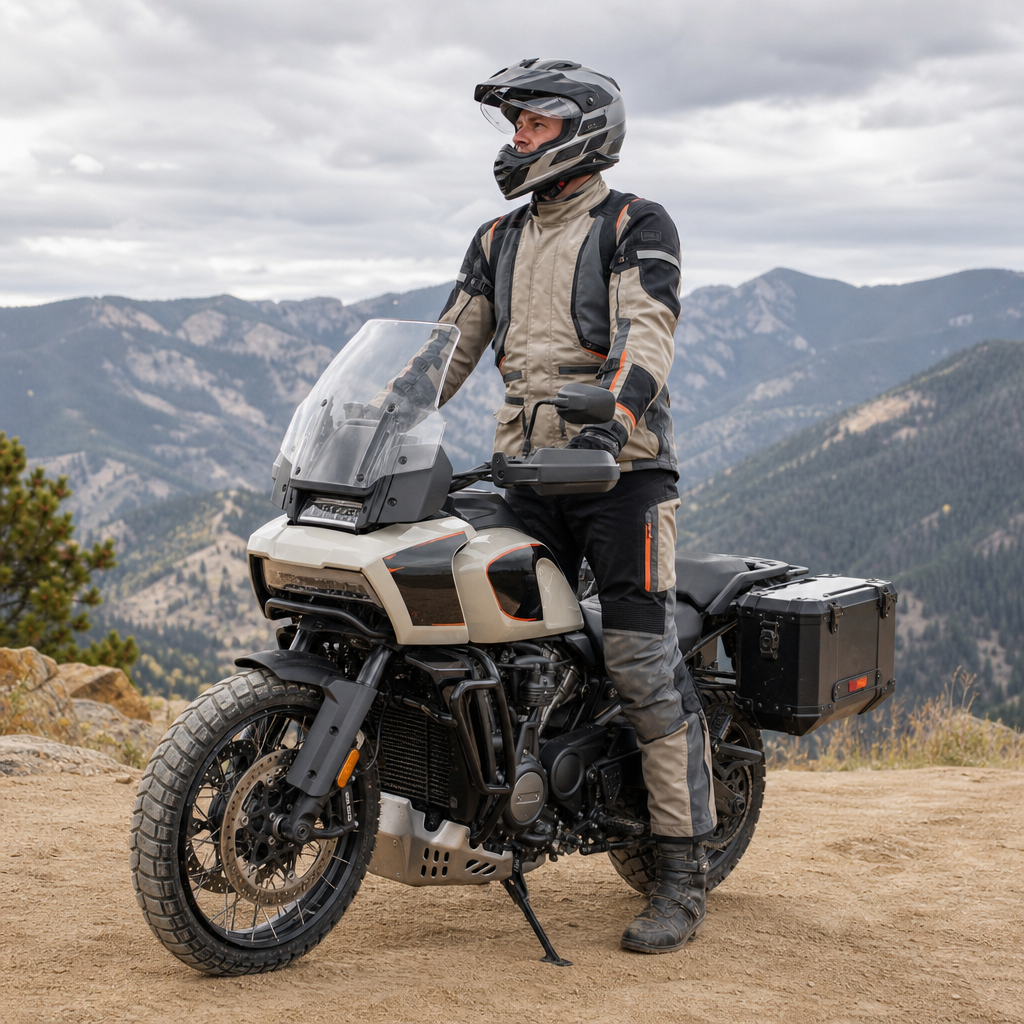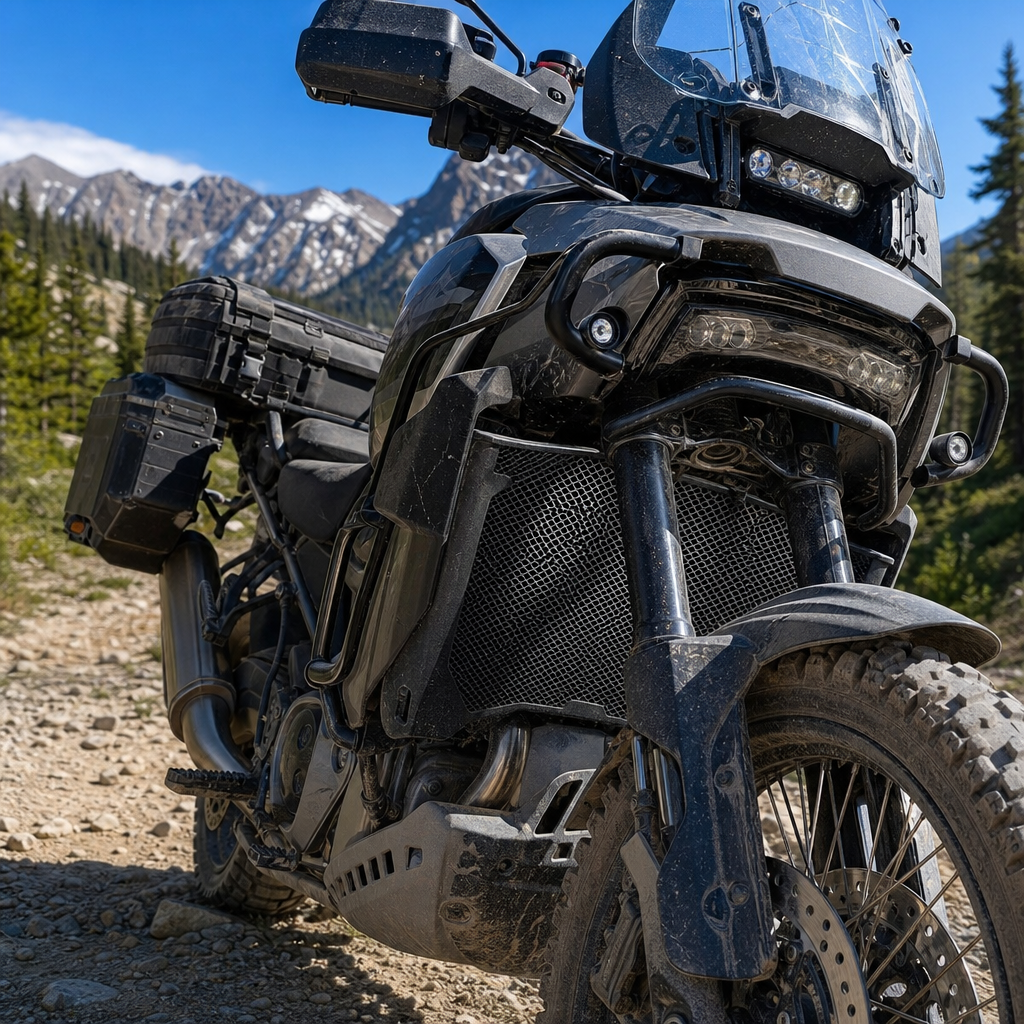
The Pan America 1250 radiator guard recipe is one of the smartest upgrades you can make before a 2026 Backcountry Discovery Route ride because the bike’s cooling system sits directly in the line of roost, mud, sticks, and front-tire debris. On the Harley-Davidson Pan America 1250 and Pan America 1250 Special, the radiator and oil cooler are essential heat-management components, and a puncture or heavily clogged fin pack can turn a remote off-road day into a recovery problem. When riders talk about a “recipe,” they usually mean a tested combination of parts, fitment choices, setup steps, and supporting adjustments that work together on a specific model. In this model-specific ergonomics and performance recipes hub, the radiator guard is the anchor example because it connects protection, airflow, rider comfort, luggage strategy, and long-distance reliability in one modification.
I have set up adventure bikes for mixed terrain travel long enough to know that not all protection parts are equal, and radiator guards are a perfect example. A thick mesh that looks rugged in photos can restrict airflow at slow speed. A lightweight grille can preserve cooling but fail when hit by a sharp rock thrown from another bike. On the Pan America 1250, those tradeoffs matter more than many owners expect because the Revolution Max 1250 engine makes substantial heat, the bike often carries luggage and fuel weight, and BDR terrain frequently means prolonged first-gear climbs, dust, and low natural airflow. A good radiator guard recipe therefore needs to answer several questions at once: what material to choose, how open the pattern should be, whether the oil cooler needs matching protection, how the guard affects cleaning access, and what other setup changes make the whole system work better.
This hub article covers those decisions comprehensively and links the radiator guard conversation to the broader discipline of model-specific setup recipes. Ergonomics and performance are not separate categories on a bike like the Pan America. Standing posture affects how often you ride in a lower gear. Lower gear riding changes heat load. Luggage width can reduce side airflow. Crash bar design can alter service access. Even windshield position can influence perceived heat around the cockpit. Understanding those interactions is what makes a recipe valuable instead of generic. If your goal is a dependable 2026 BDR-ready Harley-Davidson Pan America 1250, the right radiator guard is not just a bolt-on accessory. It is part of a systems approach that protects the bike without creating new problems.
Why the Pan America 1250 Needs a BDR-Specific Radiator Guard Recipe
BDR riding creates a very different operating environment from paved touring. On the highway, radiator airflow is abundant, debris strikes are occasional, and cleaning intervals are predictable. On a Backcountry Discovery Route, the bike may spend hours behind another rider in loose gravel, cross shallow streams, and crawl up rocky climbs at low speed with luggage aboard. That means more stone impacts, more mud packing, and less ram air through the cooling stack. The Pan America 1250 is capable in this environment, but capability does not remove physics. Radiator fins bend easily, cooling cores are expensive, and a puncture in remote country can end the ride.
The practical reason this page serves as a hub for model-specific ergonomics and performance recipes is that protection choices should not be made in isolation. A rider who is 5-foot-8 and stands frequently may choose bar risers and lower pegs, which can improve body position and reduce clutch abuse on climbs. That change can lower engine heat spikes because the bike is ridden more smoothly. A taller rider carrying large panniers may expose the bike to more side turbulence and need a guard pattern that prioritizes maximum airflow. In other words, “best radiator guard” is not a universal answer. The best setup depends on rider size, pace, route surface, ambient temperature, and how the bike is loaded.
For the 2026 BDR season, the essential recipe starts with a guard that protects the radiator and ideally the oil cooler without overly dense screening. In testing and workshop installs, the strongest results usually come from laser-cut aluminum or stainless designs with enough open area to preserve flow and enough standoff spacing to prevent direct contact with the radiator core. Direct-contact mesh can transfer impacts into the fins, defeating the purpose. Equally important, the mount points should be stable and vibration-resistant. Thin unsupported guards can crack, buzz, or wear into adjacent parts over time, especially on corrugated roads.
Core Parts Selection: Material, Pattern, Fitment, and Cooling Tradeoffs
The first part of the recipe is choosing the right guard architecture. Aluminum guards are common because they balance weight, corrosion resistance, and manufacturability. Stainless steel offers excellent impact durability, but it is heavier and can be less forgiving if fitment tolerances are poor. Powder coating improves corrosion resistance and appearance, though thick coatings can chip if struck repeatedly. The key specification most riders overlook is open area. A guard with a tight decorative pattern may block too much airflow for slow technical riding, particularly in summer conditions above 85 degrees Fahrenheit.
For the Pan America 1250, fitment precision matters because the cooling package is tightly packaged and service access is limited compared with a simpler dual-sport. A well-designed guard should mount cleanly without forcing the radiator into a stressed position. It should also leave room for hose movement, fan operation, and routine cleaning. If the design includes a separate oil cooler guard, the spacing and aperture pattern should match the cooler’s operating needs rather than simply mirror the radiator guard for looks. The radiator and oil cooler do related jobs, but they do not always respond the same way to obstruction.
When comparing options, I evaluate four things before brand loyalty enters the picture: structural rigidity, airflow openness, cleaning access, and edge finishing. Sharp unfinished edges are a real problem on a vibration-prone ADV bike because they can abrade hoses, wiring sheaths, or your hands during maintenance. Cleaning access matters because packed mud does not leave by itself. A guard that looks strong but requires major disassembly for cleaning can quietly reduce cooling efficiency over a multi-day route.
| Selection Factor | What to Look For | Why It Matters on a 2026 BDR |
|---|---|---|
| Material | Aluminum or stainless with corrosion-resistant finish | Resists impacts, water crossings, and road salt during travel days |
| Open Area | Moderate to high airflow pattern, not decorative overblocking | Helps control coolant temperatures during slow climbs |
| Standoff Design | Guard sits off the core instead of touching fins | Prevents transferred impacts and fin damage |
| Mounting Stability | Secure attachment with minimal vibration | Reduces fatigue cracking on washboard roads |
| Serviceability | Easy access for rinsing mud and inspecting debris | Maintains cooling efficiency over multi-day rides |
That table captures the difference between a catalog accessory and a real recipe component. The right answer is usually the part that remains boring after thousands of miles. It should disappear into the bike, quietly doing its job while preserving the stock cooling behavior as much as possible.
Installation and Supporting Mods That Make the Guard Work Better
Installing a radiator guard on the Pan America 1250 should be treated like a reliability job, not a cosmetic one. Before fitting the guard, inspect the radiator and cooler for preexisting fin damage, hose chafe, and dirt packed between the cooling stack layers. Straighten only lightly bent fins with an appropriate fin comb or careful pick work; badly damaged sections should be assessed realistically, because forcing them upright can create leaks. During installation, use the hardware supplied by the manufacturer if it is high quality, but verify thread engagement, clearance to moving parts, and torque values against Harley-Davidson service information where applicable.
Blue medium-strength threadlocker is commonly appropriate on small fasteners subject to vibration, but it should never be applied blindly. Some mounts use isolation bushings or captive nuts where excess compound creates more trouble than security. After the first heat cycle and again after the first rough off-road day, recheck all hardware. In my experience, many protection-part failures are not design failures at all; they come from rushed installs, uneven bracket preload, or guards touching the core once the bike flexes over terrain.
The supporting modifications are what elevate the radiator guard into a complete Pan America 1250 performance recipe. Crash bars can improve side-impact protection, but poor designs can block cleaning access or trap mud around the lower cooler. Skid plates matter because a deflected rock can be redirected upward toward the radiator area. Tire choice matters too. A more aggressive front tire can throw more debris rearward, increasing the work your guard must do. Suspension sag settings also belong in this conversation. If the bike rides low in the front under luggage and braking, debris launch angles and fender clearance behavior can change subtly but meaningfully on rough surfaces.
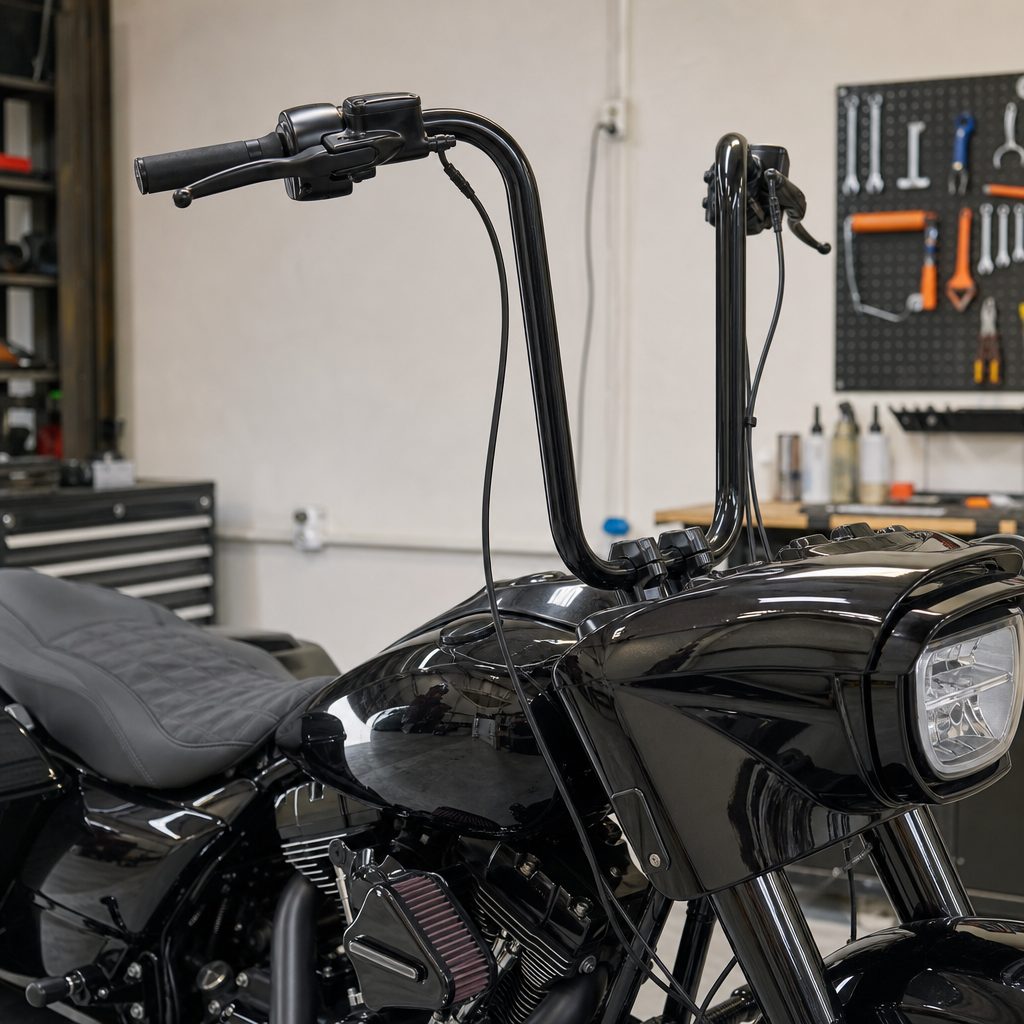
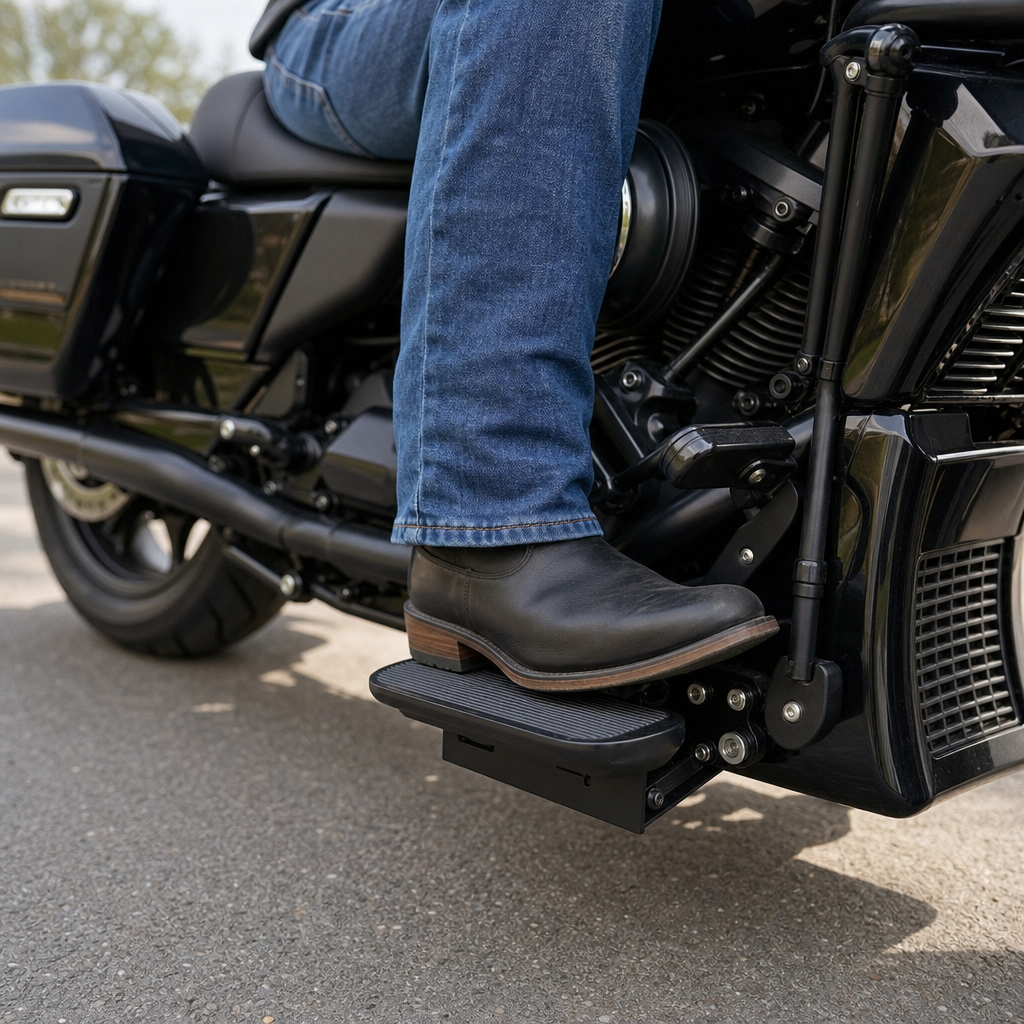
Ergonomics plays an unexpectedly large role here. Riders who are comfortable standing tend to ride technical terrain with better balance and less clutch slipping. On the Pan America, that can reduce sustained heat buildup in slow sections. For that reason, this hub naturally connects to other Harley-Davidson setup recipes such as handlebar rise, footpeg position, seat choice, lever adjustment, and wind management. None of those replace radiator protection, but together they reduce the conditions that overwork the cooling system.
Maintenance, Field Checks, and Hub Connections to Other Recipes
Once the guard is installed, maintenance discipline determines whether it remains an asset. On every BDR-style trip, inspect the guard at fuel stops for grass, bugs, mud cakes, and small stones lodged in the pattern. If airflow looks visibly reduced, clean it the same day. Water from a low-pressure source is safest; high-pressure spray can fold fins and drive debris deeper into the core. In camp or at a motel, shine a light through the guard and radiator from the back side if possible. Uneven light transmission is an easy indicator that cleaning is overdue.
A field-ready check routine is simple and effective. Watch the temperature behavior you normally see on your bike, note fan cycling frequency, and pay attention after long climbs or deep sand. A sudden change does not always mean a coolant leak; often it means the guard and radiator face are blocked. Carrying a soft brush, a small bottle for rinse water, and basic hand tools is usually enough to restore function. If the guard is bent inward from a strike, remove or reshape it before it rubs through the core. Protection parts should never be treated as install-and-forget components on remote travel bikes.
As the sub-pillar hub for Harley-Davidson model-specific ergonomics and performance recipes, this page should guide owners toward a coherent build sequence. Start with the radiator guard and cooling protection because it preserves the machine. Then refine standing ergonomics, luggage placement, suspension setup, hand protection, and final tire strategy for the exact route. That sequence works because reliability comes first, control comes second, and speed comes last. The 2026 BDR goal is not to win a spec-sheet argument. It is to finish long remote sections without overheating, unnecessary damage, or rider fatigue.
The essential takeaway is straightforward: the best Pan America 1250 radiator guard recipe protects the cooling system while preserving airflow, service access, and compatibility with the rest of the bike’s setup. Choose a guard with real standoff, stable mounts, and an airflow-conscious pattern. Install it carefully, inspect it often, and support it with practical changes in ergonomics, luggage, suspension, and maintenance habits. That systems approach is what turns a Harley-Davidson Pan America 1250 from a capable adventure motorcycle into a dependable 2026 BDR tool. Use this hub as your starting point, then build the rest of your model-specific recipe around how you actually ride.
Frequently Asked Questions
Why is a radiator guard such an important upgrade for the Harley-Davidson Pan America 1250 before a 2026 BDR ride?
A radiator guard is important on the Pan America 1250 because the bike’s cooling system sits in a very exposed area and takes direct abuse from the front tire and trail conditions. On a Backcountry Discovery Route, that means constant impact from gravel, roost, sharp sticks, mud, and small stones launched into the radiator and oil cooler at speed. The stock setup may be adequate for mixed street use, but multi-day backcountry travel adds longer distances, rougher surfaces, slower technical sections, and fewer bailout options if something gets damaged. A bent fin pack can reduce airflow, and a puncture can lead to coolant loss or overheating, both of which can stop a trip fast.
For the 2026 BDR season, riders are preparing for remote routes where reliability matters more than cosmetic appearance. A well-designed radiator guard acts like cheap insurance. It helps preserve airflow while creating a barrier against direct strikes that can ruin a radiator core or pack mud into delicate fins. Since the Pan America 1250 and Pan America 1250 Special are larger adventure bikes often ridden fully loaded, they already work hard in low-speed terrain where cooling efficiency becomes even more critical. Protecting the radiator and oil cooler is not just about avoiding damage; it is about maintaining stable engine temperatures when the bike is crawling, climbing, idling in hot weather, or navigating technical sections far from support.
What should riders look for in a good Pan America 1250 radiator guard recipe or design?
A good radiator guard recipe starts with the right balance between protection and airflow. The best designs do not simply block debris; they are engineered to shield vulnerable cores while still allowing enough air to pass through the radiator and oil cooler. Material choice matters. Stainless steel is popular because it resists corrosion, holds shape well, and handles repeated impacts better than many thinner alternatives. Aluminum can also work if it is well-constructed and not overly flimsy. The pattern of the mesh or cutouts is equally important. Openings that are too large may let damaging debris through, while openings that are too tight can reduce cooling performance, especially on slow off-road climbs.
Fitment is another major factor. A quality guard should mount securely without rubbing against the radiator core or interfering with bodywork, hoses, or airflow pathways. Riders should also look for a design that covers the vulnerable frontal area effectively and, if possible, offers coordinated protection for the oil cooler as well. Ease of cleaning is a practical detail that becomes more valuable on BDR rides, because dried mud, bugs, and silt can build up quickly. A good guard should allow simple inspection and washout without requiring major disassembly. In short, the best recipe combines sturdy construction, smart vent geometry, precise fitment, and serviceability, rather than focusing on appearance alone.
Can a radiator guard reduce cooling performance on the Pan America 1250, and if so, how do you avoid that problem?
Yes, any guard placed in front of a radiator has the potential to affect airflow, but a properly designed radiator guard should minimize that tradeoff to the point that the protection benefit far outweighs the risk. Problems usually happen when the guard uses overly restrictive mesh, poor spacing, or a decorative pattern that looks rugged but chokes airflow. On the Pan America 1250, this matters because the engine can generate significant heat, and BDR conditions often include prolonged low-speed riding where natural airflow is already reduced. If a guard traps mud or creates too much blockage, fan cycling may increase and cooling efficiency may drop.
The solution is to choose a guard with an airflow-conscious design and maintain it regularly. Look for one with enough open area to pass air efficiently while still stopping larger, high-risk debris. Proper standoff spacing helps prevent the guard from sitting too close to the fins, which can restrict flow and make impacts transfer more directly to the radiator. During a BDR ride, it is smart to inspect the guard at fuel stops or camp, especially after muddy or rocky sections. Cleaning off packed mud, grass, and bug buildup restores airflow quickly. In real-world use, a clean, well-designed guard is usually a better outcome than an unprotected radiator with bent fins, puncture risk, or heavy contamination embedded directly into the core.
Is installation of a Pan America 1250 radiator guard something most riders can do themselves?
In most cases, yes. Installing a radiator guard on a Harley-Davidson Pan America 1250 or Pan America 1250 Special is typically a manageable project for riders with basic hand tools and a little patience. Many kits are designed as straightforward bolt-on upgrades and do not require permanent modification to the motorcycle. The process usually involves removing a few body panels or access covers, positioning the guard over the radiator or oil cooler area, and securing it with the supplied hardware or brackets. As long as the instructions are clear and the kit is built specifically for the Pan America platform, the job is usually within the reach of a home mechanic.
That said, attention to detail matters. Riders should make sure the guard does not contact the radiator core directly, does not pinch hoses, and does not interfere with suspension movement, steering lock, or adjacent panels. Fasteners should be tightened evenly and to the recommended specification if torque values are provided. After installation, it is smart to run the bike to operating temperature and confirm that nothing vibrates, rattles, or shifts. A short test ride followed by a recheck of hardware is also good practice before heading into the backcountry. If a rider is already installing other BDR-focused upgrades like skid plates, crash protection, or auxiliary lighting, combining those projects into one prep session can save time and help verify that all components work together properly.
How does a radiator guard fit into a broader 2026 BDR preparation plan for the Pan America 1250?
A radiator guard should be viewed as part of a reliability-first setup, not as a standalone accessory. For a 2026 BDR ride, the Pan America 1250 needs protection in the places most likely to turn trail damage into a trip-ending problem. The cooling system is high on that list because it is both vulnerable and essential. Pairing a radiator guard with an oil cooler guard, skid plate, handguards, crash bars, and appropriate tires creates a much more trail-ready machine. The idea is not to armor the bike for the sake of adding parts, but to strengthen the systems most exposed to impact and wear during long remote travel.
It also fits into the maintenance side of preparation. Before departure, riders should inspect coolant condition, hose integrity, mounting hardware, and radiator fin health. Once the guard is installed, it becomes easier to protect that investment through routine checks and cleaning during the trip. If the route includes hot weather, steep climbs, deep gravel, or extended slow-speed sections, preserving efficient cooling becomes even more important. In that sense, the radiator guard recipe is one of the smartest upgrades because it directly supports the bike’s ability to keep moving day after day. For BDR travel, that is the goal: reduce avoidable failures, protect critical systems, and give the Pan America 1250 a better chance of finishing the route without cooling-related drama.