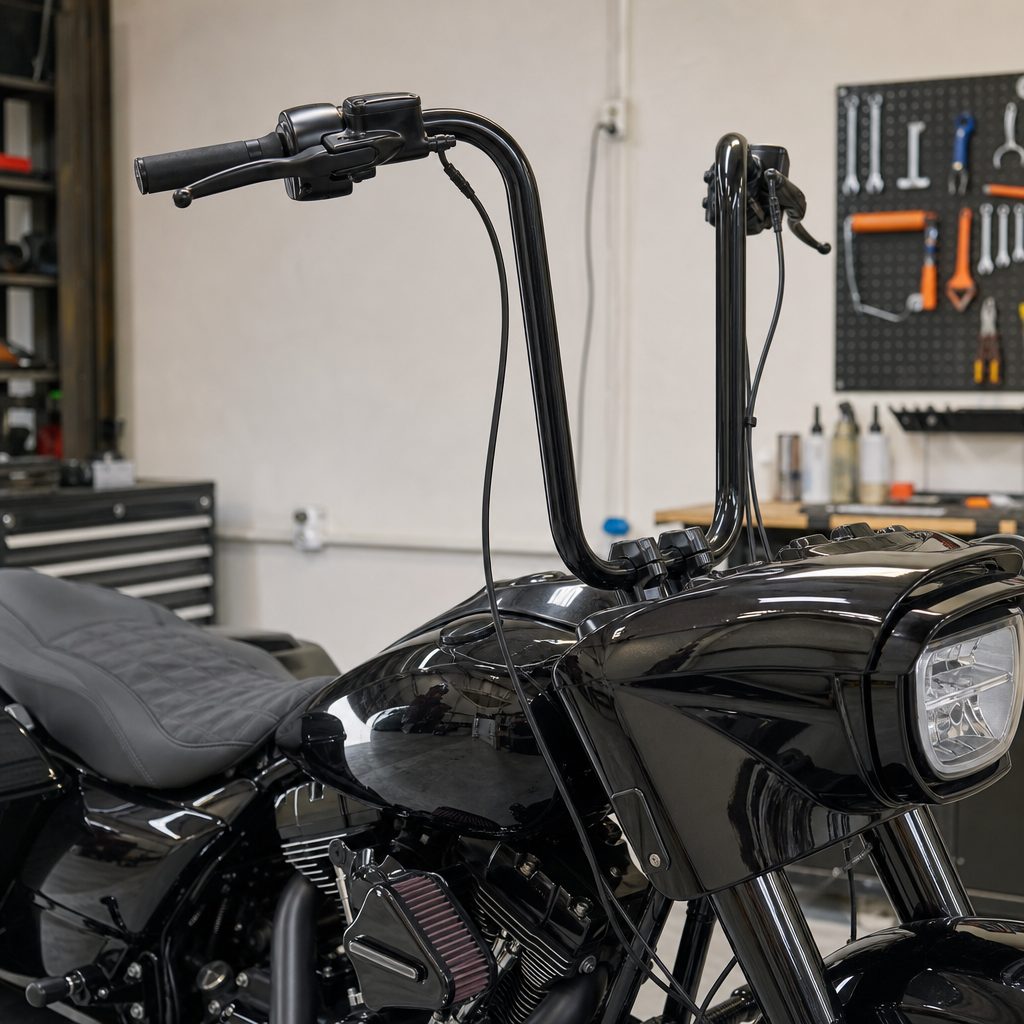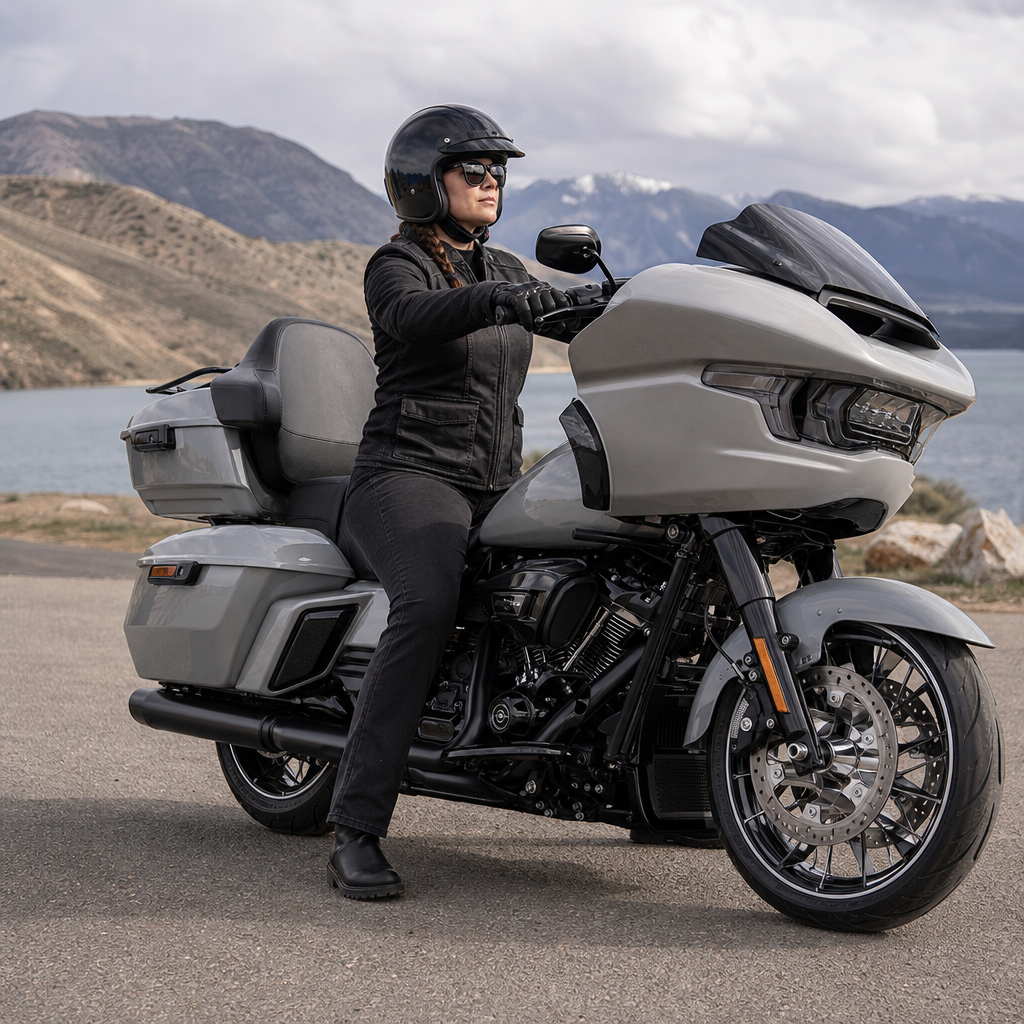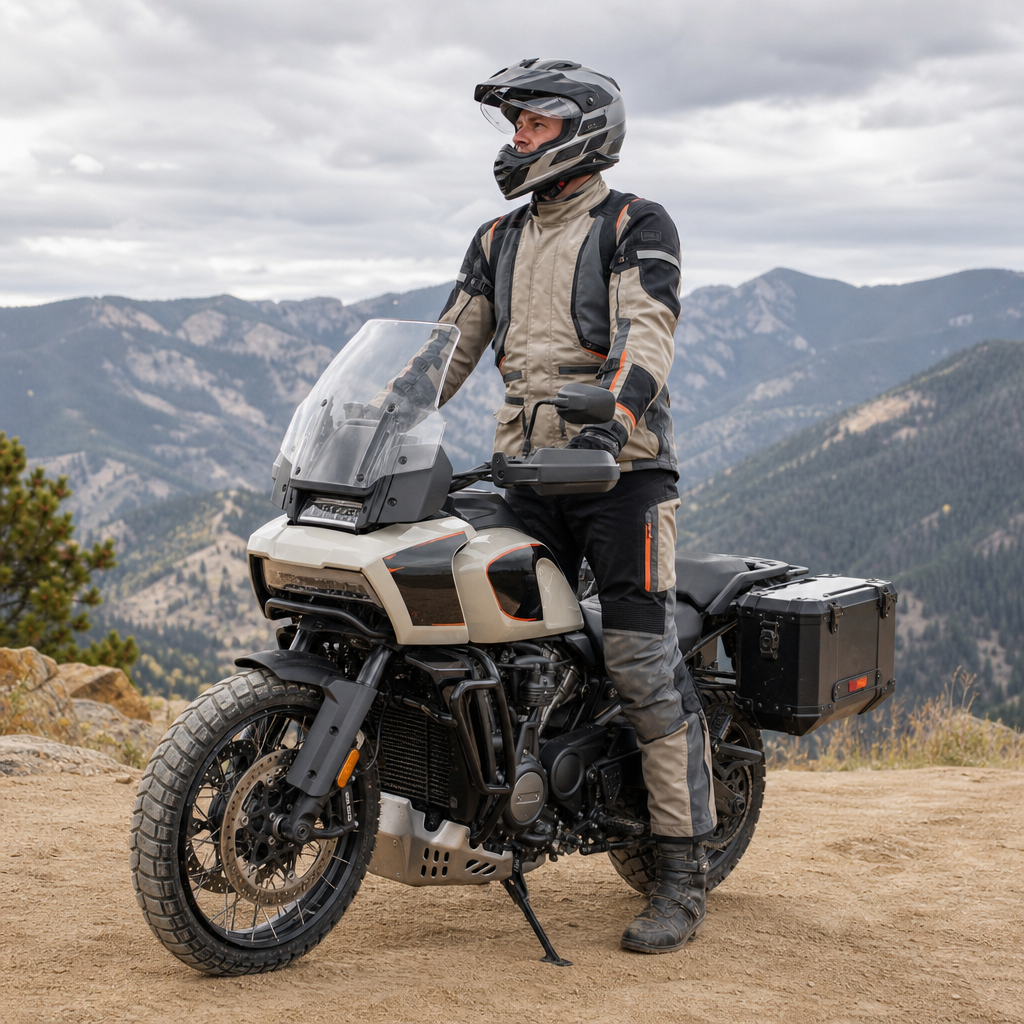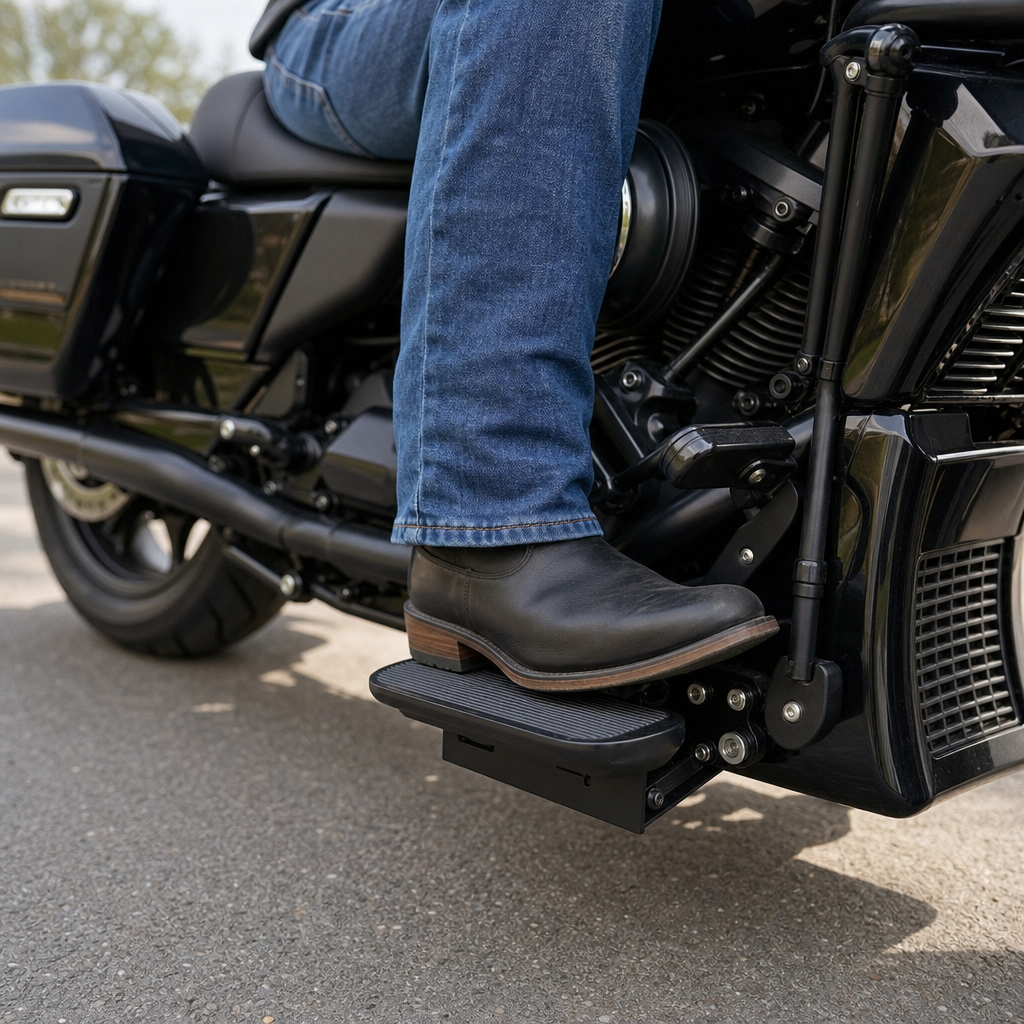
The Harley-Davidson Pan America 1250 is already one of the most technically ambitious motorcycles the company has built, yet many riders still chase a cleaner, lighter, more consistent shift action. That is where the Pan America 1250 quickshifter spring recipe comes in. In practical terms, a spring recipe is a model-specific combination of return spring rate, lever free play setting, linkage alignment, and sensor preload that changes how the shift system feels at the boot. For 2026 owners, or riders preparing a 2026-style setup on earlier bikes, improving shift feel matters because it affects confidence on pavement, control off road, and long-distance comfort.
When I work on adventure-touring Harley-Davidsons, I treat shift feel as both an ergonomic issue and a performance issue. Riders often describe a vague lever, occasional notchiness between gears, or upshifts that feel abrupt when using the quickshifter at moderate throttle. Those symptoms do not always point to a broken part. More often, they come from a stack of small factors: spring tension that is slightly mismatched to rider input, linkage angles that create friction, boot-to-peg relationship that changes leverage, or software-assisted cut timing that feels harsher because the mechanical return is lazy. A good recipe addresses the whole system rather than chasing a single miracle part.
This hub article covers model-specific ergonomics and performance recipes for the Pan America 1250 platform with the quickshifter spring question at the center. It explains what the quickshifter actually does, how the spring influences shift feel, which supporting adjustments matter most, and where the limits are. It also serves as a map for related Harley-Davidson setup topics, from lever position and footpeg fitment to linkage inspection and adaptive ride-height considerations. If you want a Pan America 1250 that snicks into the next gear with less effort and more predictability in 2026 conditions, the answer starts with disciplined setup, not guesswork.
What the Pan America 1250 quickshifter spring recipe really means
On the Pan America 1250, the quickshifter system allows clutchless upshifts and, depending on configuration, rev-matched downshifts by monitoring pressure through the shift linkage sensor and briefly adjusting engine torque. Riders sometimes assume the electronics alone define the shift quality. In reality, the hardware determines how cleanly your input reaches the sensor. The spring recipe is the tuning logic behind that hardware. It includes the return spring’s effective resistance, the amount of lever travel before engagement, the straightness of the shift rod path, and the rider’s boot contact point on the lever tip.
A stronger spring can make the lever snap back more positively after a shift, which helps the sensor reset before the next input. That can improve rhythm during aggressive acceleration. However, too much spring force can make the lever feel heavy, increase foot fatigue in traffic, and mask fine feedback when you are standing on the pegs. A softer spring may feel lighter and more fluid at low speed, but if return is sluggish, rapid consecutive shifts can become inconsistent. The best recipe is not the stiffest setup; it is the rate that returns crisply without demanding excess force from the rider.
For 2026 shift feel, riders are usually aiming for three outcomes. First, they want a shorter dead zone at the top and bottom of lever movement. Second, they want the force curve to feel linear instead of spiky. Third, they want more consistent electronic intervention because the sensor sees a clean, decisive input every time. Those goals are measurable through inspection and riding evaluation, and they form the foundation for every other recipe in this Harley-Davidson ergonomics and performance hub.
Why shift feel changes on this model
The Revolution Max 1250 platform produces strong torque, and that torque loads the transmission dogs differently depending on rpm, throttle opening, chain tension, and chassis pitch. On an adventure bike, those variables swing more widely than they do on a cruiser or pure road machine. A Pan America used for commuting, gravel roads, and loaded touring may shift differently within the same day. Add bulky ADV boots, mud around the lever pivot, or a small linkage alignment error after a tip-over, and a once-smooth quickshifter can start feeling clunky.
I see four recurring causes in the workshop. The first is friction in the external mechanism: dry pivot bushings, contaminated rod ends, or a linkage angle that is slightly off after an adjustment. The second is ergonomic mismatch: pegs, seat, and lever height no longer place the rider’s toe in a natural line, so the force goes sideways instead of straight through the linkage. The third is return rate: the spring or return mechanism is technically functional but no longer ideal for the rider’s pace and footwear. The fourth is rider technique interacting with software logic, especially when people try to use the quickshifter at very low rpm where driveline lash is more noticeable.
That is why a Pan America 1250 quickshifter spring recipe should never be discussed in isolation. The spring affects feel, but the surrounding geometry decides whether that spring is helping or compensating for another issue. Riders who understand that distinction usually solve the problem faster and spend less money doing it.
Core setup recipe for improving 2026 shift feel
The most reliable path is a staged setup. Start with a baseline inspection before changing spring rate. Verify lever pivot condition, rod-end smoothness, shift rod straightness, jam-nut torque, and lever-tip free play. Check that the linkage sensor is mounted without twist and that the rod works through its travel without side loading. Harley-Davidson service procedures should guide torque values and assembly order, because preload errors at the sensor can distort signal quality even when the bike still shifts.
Next, set ergonomics. With the rider wearing actual riding boots, adjust lever height so the toe can preload the lever without ankle strain when seated and without over-pointing the foot when standing. On the Pan America, small changes here matter because tall ADV boots reduce ankle articulation. Then test quickshifter operation during moderate-throttle upshifts in the midrange, where the system typically feels most representative. If the lever returns slowly or feels vague after confirming the linkage is clean and aligned, that is the moment to consider the spring recipe.
| Setup area | What to inspect or change | Expected effect on shift feel |
|---|---|---|
| Lever pivot | Clean, lubricate, confirm no notchiness or drag | Lighter action and more accurate feedback |
| Shift rod alignment | Ensure straight travel and neutral rod-end angles | Less friction and cleaner sensor activation |
| Lever height | Match to seated and standing boot position | More direct force, less missed preload |
| Spring rate | Increase or decrease return force in small steps | Faster reset or lighter action, depending on choice |
| Test conditions | Evaluate at steady midrange rpm and varied throttle | Separates mechanical issues from technique effects |
In most cases, I recommend incremental change rather than an extreme spring swap. A moderate increase in return force often sharpens the 1-2 and 2-3 upshift feel without making the lever objectionably heavy. Riders focused on off-road control may prefer a balanced setup that preserves sensitivity while improving reset speed only slightly. The right answer depends on use case, and that is the principle behind every model-specific recipe in this topic cluster.
Ergonomics: the overlooked half of quickshifter performance
Many shift complaints are really body-position complaints. The Pan America’s adjustable ergonomics, wide bars, adventure boot requirements, and optional Adaptive Ride Height create more variability than riders expect. If your ankle approaches the lever from an awkward angle, you will unconsciously add side load or stab at the lever. The quickshifter sensor reads force, but the mechanism prefers clean axial input. A spring can help the lever return, yet it cannot correct poor rider geometry.
That is why this hub connects quickshifter tuning to the broader Harley-Davidson ergonomics conversation. Footpeg width changes boot placement. Seat height changes knee bend and ankle angle. Crash bars or larger skid plates can alter how naturally your foot reaches the lever when standing. Even lever tip size matters because it changes where pressure is applied. In practice, riders with size 11-plus adventure boots often benefit from a slightly different lever height than road-biased riders in slimmer footwear, even when both use the same spring setup.
Real-world example: one Pan America owner came in convinced the quickshifter sensor was failing because the bike shifted smoothly on the highway but felt uncertain on forest roads. The hardware checked out. The real issue was an aftermarket peg with a taller tooth profile and a lever set too low for standing use. His boot was catching the lever late and pushing upward at an angle. After resetting lever height and cleaning the pivot, the original spring felt nearly perfect. That kind of outcome is common, which is why ergonomic recipes belong in the same hub as performance recipes.
Mechanical limits, software behavior, and common mistakes
Not every harsh shift can be tuned away with a spring recipe. Quickshifters work best when the transmission is under the right load and the rider gives a firm, deliberate input. Lugging the engine, making half-committed toe movements, or trying to quickshift while the chain is badly adjusted will produce disappointing results on any motorcycle. On the Pan America 1250, chain slack and driveline condition have a clear influence on perceived smoothness because driveline lash changes how abruptly torque is interrupted and reapplied.
Software behavior also matters. The control unit looks at rpm, throttle position, and other operating conditions when managing ignition and fuel interruption. That means the same lever movement can feel excellent at 6,000 rpm and merely acceptable at 2,800 rpm. Riders sometimes blame the spring when the real solution is to reserve the quickshifter for the rpm range where the system is designed to be most seamless. The owner’s manual and service information should be the first references for correct use and diagnosis.
The most common mistakes are easy to avoid: changing multiple variables at once, over-tightening linkage hardware, installing nonstandard parts that alter leverage without checking sensor orientation, and assuming more spring is always better. Another mistake is ignoring wear. If the lever pivot or rod ends have play, stronger return force can actually make slop more obvious. A trustworthy setup process starts with restoring the mechanism to proper condition, then tuning feel with measured changes.
Building a sub-pillar hub for Harley-Davidson setup recipes
This page sits at the center of a wider Harley-Davidson content cluster on model-specific ergonomics and performance recipes. For Pan America 1250 riders, the quickshifter spring recipe is a gateway topic because it touches nearly every setup discipline: control interface, rider fit, maintenance quality, and electronic rider aids. From here, related articles should branch into detailed guides on shift lever height, footpeg selection for standing control, linkage service intervals, chain adjustment effects on shift smoothness, and how luggage load changes body position during technical riding.
That hub structure matters because owners rarely experience problems in neat categories. A rider searching for “Pan America 1250 quickshifter spring recipe” may actually need a complete control-area setup plan. Another rider investigating “improving 2026 shift feel” may be comparing stock components with aftermarket levers or pegs. A strong Harley-Davidson sub-pillar page should answer the immediate question while signaling the next logical topics. In editorial terms, this article is the overview; the supporting pages should deliver step-by-step diagnostics, compatibility notes, and model-year nuances.
For anyone maintaining or refining a Pan America, the key principle is simple: treat shift feel as a system. Start with mechanical health, align the ergonomics to your body and boots, test under realistic load, and only then fine-tune return spring behavior. That method consistently produces better results than chasing isolated parts. If you want your 2026 Pan America 1250 to shift with more precision and less effort, use this hub as your starting point, then move through the linked Harley-Davidson setup recipes one adjustment at a time.
Frequently Asked Questions
What does the “Pan America 1250 quickshifter spring recipe” actually mean?
The quickshifter spring recipe is not a single replacement part or one magic adjustment. It is the combined setup of several small but important variables in the Pan America 1250 shift system: the return spring rate, shift lever free play, linkage geometry, and the preload or baseline sensitivity felt by the quickshifter sensor. Together, those factors determine how much effort is needed at the boot, how quickly the lever returns after an upshift or downshift, and how consistently the sensor recognizes rider input. When riders talk about improving shift feel on a 2026 Pan America 1250, they are usually trying to reduce notchiness, eliminate vague lever movement, and get more uniform cut timing from gear to gear.
On a modern electronic shift-assist motorcycle like the Pan America 1250, the mechanical side and the electronic side work together. If the spring is too stiff, the rider may need excessive toe pressure, which can make quick upshifts feel abrupt. If the spring is too soft, the lever may not reset cleanly between shifts, especially during aggressive riding or when wearing bulky adventure boots. Add in poor linkage alignment or incorrect free play, and even a good sensor can seem inconsistent. That is why a recipe approach matters: the best results usually come from balancing all the inputs rather than changing just one component in isolation.
How can a spring recipe improve 2026 shift feel on the Pan America 1250?
A well-sorted spring recipe can make the motorcycle feel sharper, lighter, and more predictable during both casual road use and harder riding. The most noticeable improvement is usually at the rider’s foot. Instead of feeling like the lever has a dead spot, a heavy return, or an inconsistent trigger point, the shift action becomes more defined. Up shifts can feel cleaner because the lever moves through its stroke with less wasted effort, and downshifts can feel more controlled because the return spring and linkage are helping the mechanism reset correctly after each shift event.
For 2026 owners, this matters because quickshifter performance is judged less by whether it functions at all and more by how refined it feels in real-world conditions. Adventure motorcycles see commuting, touring, backroad riding, and sometimes standing-on-the-pegs off-road use. A setup that feels acceptable in one context may feel awkward in another. By dialing in the spring rate, reducing excessive free play, ensuring the linkage is not binding, and confirming proper sensor engagement, riders can often achieve a lever feel that is easier to modulate with different boots and body positions. In many cases, the end result is not just smoother shifting, but also less rider fatigue and fewer missed or hesitant shifts.
What symptoms suggest the quickshifter spring setup is not optimized?
Several common symptoms point to a spring recipe that needs attention. One is inconsistent lever effort, where some shifts feel light and others feel strangely heavy for no obvious reason. Another is a vague or rubbery feel at the lever, often caused by excess free play, worn linkage joints, or poor alignment. Riders may also notice that the lever does not return crisply after an upshift, which can make the next shift feel delayed or uncertain. On the electronic side, if the quickshifter occasionally cuts power too late, too early, or not at all under similar throttle conditions, the root cause may involve sensor preload or an uneven mechanical input reaching the sensor.
There are also practical riding symptoms. False neutrals, especially between closely spaced gears, can happen when the lever movement is not firm or complete. Clunky transitions under light throttle, or a need to apply more force than expected with adventure boots, can indicate a return spring and linkage combination that is not working efficiently. Some riders describe the issue as the bike feeling fine one day and awkward the next. Often that inconsistency is a clue that the system is right on the edge of proper adjustment. It may still function, but it is not delivering the clean, repeatable feel a properly tuned quickshifter should provide.
Can riders adjust the quickshifter spring recipe themselves, or is it better left to a professional?
Basic inspection and minor adjustment are often within reach for an experienced owner, but the key is understanding where routine setup ends and where diagnosis begins. Checking for obvious linkage misalignment, confirming that the lever pivots freely, verifying that there is not excessive free play, and making sure all hardware is correctly torqued are reasonable owner-level tasks if performed carefully and according to factory guidance. Those steps alone can sometimes improve shift feel significantly, especially if the issue is simply a slightly loose linkage or an ergonomically poor lever position.
However, once the conversation turns to changing spring characteristics, altering sensor preload, or troubleshooting persistent quickshifter irregularities, a more disciplined approach is wise. The Pan America 1250 is not an old purely mechanical shift system; it relies on electronic interpretation of rider input. If a rider makes multiple changes at once without a baseline, it becomes very difficult to know what helped and what made things worse. A qualified technician or a specialist familiar with model-specific quickshifter behavior can evaluate the mechanical linkage, scan for any related faults, and test whether the sensor response matches the physical lever action. For most owners, the smartest path is to start with simple checks and then move to professional support if the bike still feels inconsistent.
What is the safest and most effective way to evaluate changes to shift feel after making adjustments?
The best method is to make one change at a time and test in controlled, repeatable conditions. Start by establishing a baseline: note shift effort, smoothness, and consistency in the same riding mode, at similar engine speeds, and under similar throttle openings. Then adjust only one variable, such as lever free play or linkage position, before riding again. If several things are changed simultaneously, including spring tension and lever position, the rider may end up chasing new problems without understanding the original cause. Consistency in testing is what turns guesswork into useful tuning.
For safety, early test rides should be done in a low-risk environment with full protective gear and no traffic pressure. Pay attention to whether the lever returns cleanly, whether the quickshifter triggers predictably on firm but normal toe pressure, and whether shifts remain smooth across multiple gears rather than just one ideal scenario. It is also important to test with the boots you actually ride in, because shift feel can change dramatically depending on sole stiffness and ankle mobility. If adjustments reduce effort but introduce missed shifts, delayed engagement, or any uncertainty in lever return, stop and re-check the setup. The goal is not simply a lighter feel; it is a balanced feel that remains reliable, accurate, and confidence-inspiring every time the bike is ridden.