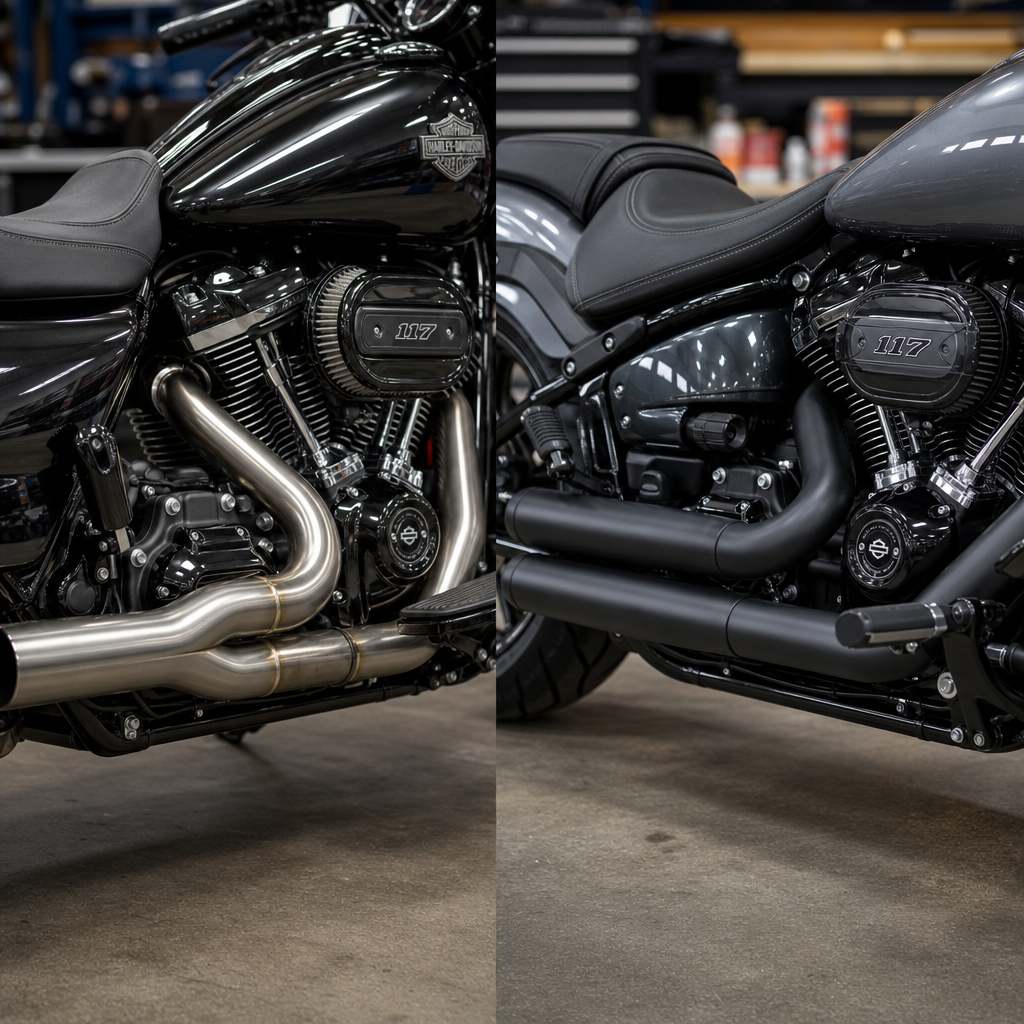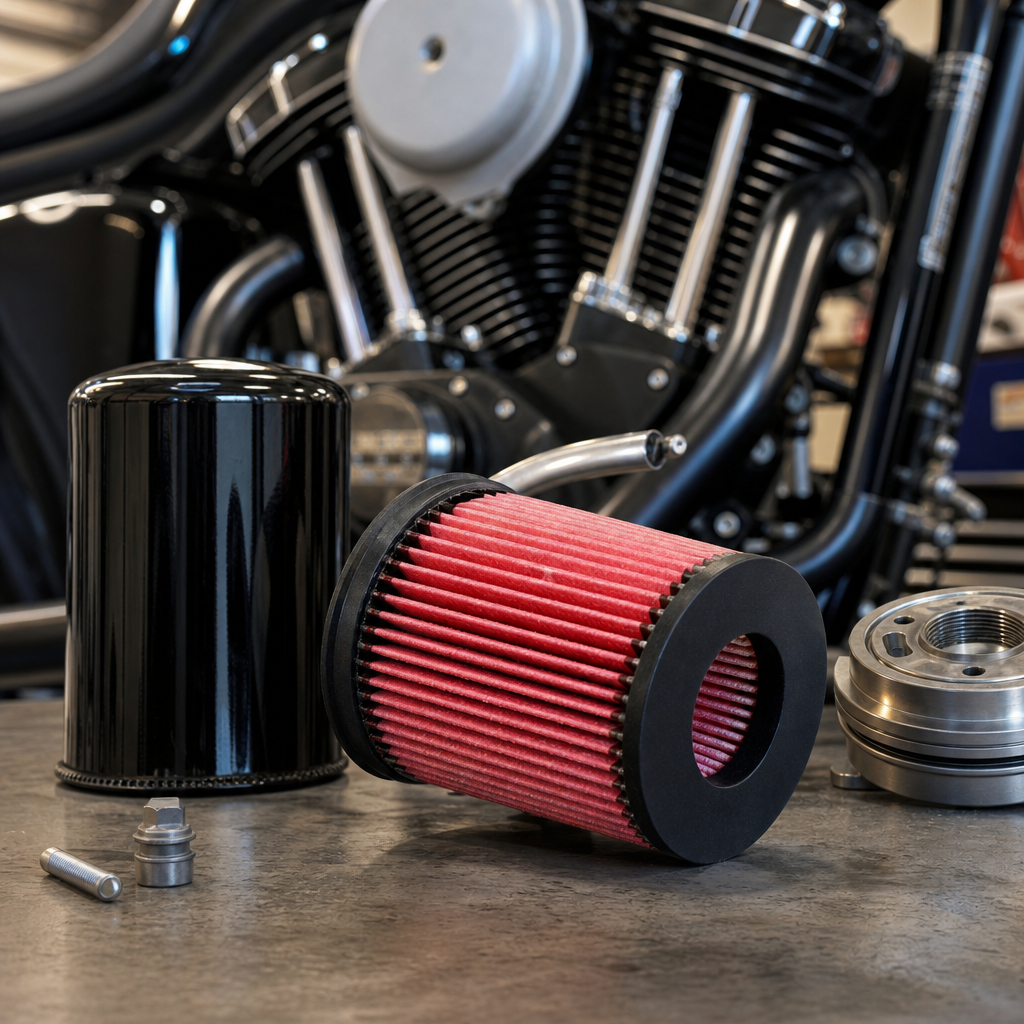
The Milwaukee-Eight platform rewards careful setup, and nowhere is that clearer than in a high-flow oil filter recipe built to maximize 2027 protection. In Harley-Davidson terms, a recipe is a repeatable combination of parts, service intervals, inspection habits, and tuning choices tailored to a specific engine family and riding use. Model-specific ergonomics and performance recipes extend that idea beyond horsepower: they connect lubrication, heat control, rider fit, vibration management, intake and exhaust flow, and electronic calibration into one practical plan. For riders maintaining Touring, Softail, CVO, Police, and trike variants powered by the Milwaukee-Eight, the oil filter is not an isolated consumable. It sits at the center of engine longevity, especially as newer emissions strategies, hotter traffic conditions, ethanol-blended fuel, and longer highway runs push oil harder than many owners realize.
I have worked through enough service bays and post-failure inspections to know the pattern. Owners often spend freely on exhausts, air cleaners, cams, and suspension, then install a bargain filter with unknown bypass behavior and limited media strength. That shortcut can undermine everything else. A proper high-flow oil filter recipe for 2027 protection means choosing a filter with verified filtration efficiency, stable construction, anti-drainback performance where applicable, and flow capacity that supports cold starts and sustained high-rpm operation without forcing frequent bypass events. It also means matching the filter to the engine’s state of tune, climate, oil viscosity, and service rhythm. For a sub-pillar hub focused on Harley-Davidson model-specific ergonomics and performance recipes, this topic matters because lubrication strategy influences comfort, durability, throttle consistency, and confidence on long rides as much as any seat, bar, or foot-control change.
Milwaukee-Eight engines introduced meaningful gains over Twin Cam designs, including four-valve heads, improved combustion, and generally stronger thermal behavior. Even so, they are still large-displacement air/oil-cooled or partially liquid-cooled V-twins with operating realities that demand attention. Touring riders idling through summer congestion, Softail owners running aggressive cam timing, and Road Glide users carrying luggage and passengers all generate different heat and load profiles. A hub article has to connect those differences clearly. The central question is simple: what oil filter recipe best protects a Milwaukee-Eight in 2027 while supporting comfort and performance upgrades across models? The answer starts with understanding what high-flow actually means, then building a parts-and-practices package around real use rather than marketing language. When riders treat filtration as part of a complete ergonomic and performance recipe, they reduce wear, stabilize oil pressure behavior, and make every other upgrade work better.
What a High-Flow Oil Filter Really Means on a Milwaukee-Eight
A high-flow oil filter is not merely a filter that passes more oil because it traps less contamination. The best designs increase available media area, optimize pleat spacing, maintain structural integrity, and use bypass calibration that protects the engine during cold starts or temporary demand spikes without remaining open too often. On a Milwaukee-Eight, that balance matters because thick cold oil, hot idle conditions, and large bearing surfaces can all challenge flow. Premium filters from established manufacturers typically publish efficiency data using industry test methods such as ISO 4548. When I evaluate filters for customers, I look for a known efficiency figure, sturdy end caps, a reliable center tube, a quality gasket, and consistent manufacturing.
Flow and filtration always involve tradeoffs, but the choice is not between protection and volume if you buy carefully. A poorly built “racing” filter may flow well yet provide weak particle capture. That is a problem because abrasive particles in the 10-to-25-micron range are especially damaging over time. Conversely, an overly restrictive design can increase bypass activity when oil is cold or contaminated, which also reduces effective filtration. For Milwaukee-Eight owners, the goal is a filter that supports the engine’s lubrication demand without sacrificing meaningful contaminant control. That is the practical definition of a high-flow filter recipe: enough capacity and efficiency to handle modern riding conditions, modified engines, and realistic service intervals.
The 2027 Protection Recipe: Parts, Specs, and Service Logic
The strongest protection recipe for most stock or mildly modified Milwaukee-Eight models in 2027 uses a premium synthetic oil matched to climate, an OEM-quality or better high-flow filter, routine oil analysis when mileage is high, and shorter intervals when heat, dust, or tuning changes increase stress. Harley-Davidson’s own filtration and service guidance remains the baseline, but many experienced owners also use premium aftermarket options from companies such as K&N, Wix, AMSOIL, or HiFloFiltro after verifying fitment, bypass characteristics, and independent test reputation. The filter should be selected as part of a system, not as a sticker choice.
For daily street use, I generally treat stock Touring and Softail Milwaukee-Eight engines as happiest with a full synthetic motorcycle oil in the recommended viscosity range and a high-quality filter changed on schedule or earlier if the bike sees repeated short trips or severe heat. For performance builds with camshaft upgrades, freer-flowing intake systems, tuned exhausts, or regular high-rpm riding, I tighten the maintenance window because fuel dilution and thermal shear become more relevant than brochure service intervals suggest. Riders planning 2027 touring mileage should also inspect oil cooler lines, mounting seals, and filter landing surfaces every service, because a great filter cannot offset a small leak or pressure loss upstream.
| Use Case | Filter Priority | Oil Strategy | Service Adjustment |
|---|---|---|---|
| Stock commuter Softail | Balanced flow and efficiency | Full synthetic, climate-correct viscosity | Standard interval, shorten for short trips |
| Loaded Touring bike | High capacity, strong construction | Synthetic with heat stability | Shorten interval in extreme heat or towing |
| Stage-tuned M8 | High flow with verified media quality | Synthetic suited to elevated temperatures | More frequent changes and inspections |
| Police or fleet duty | Consistency across idle-heavy cycles | Synthetic optimized for severe service | Trend with oil analysis if possible |
This recipe works because it links component choice to operating reality. That is the same logic riders should use across model-specific ergonomics and performance recipes. You do not choose bars, floorboards, seats, shocks, or cams in isolation, and you should not choose an oil filter that way either. The best hub strategy is to treat lubrication as a foundational recipe that supports every future Harley-Davidson upgrade article under this subtopic.
Model-Specific Ergonomics and Performance Recipes Across Harley-Davidson Lines
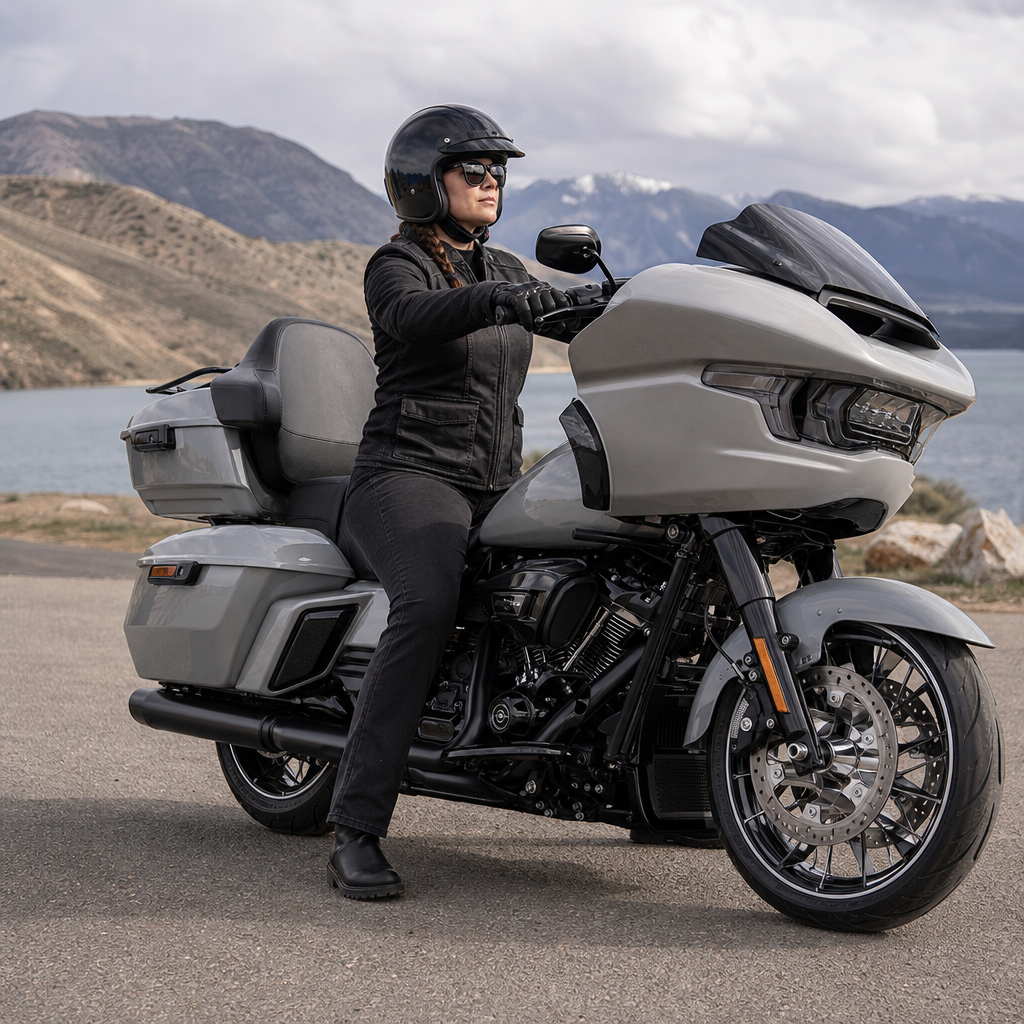
As a hub page, this article needs to connect filtration strategy to the wider question of fit and performance by model. A Road Glide Limited ridden two-up for interstate travel needs a different overall recipe than a Low Rider S used for weekend canyon runs. The Touring rider may prioritize reduced heat at the right leg, lower handlebar reach strain, better wind management, and stable oil performance during long idling and sustained load. The Low Rider S owner may want midrange torque, sharper throttle response, seat support under acceleration, and a filter recipe that handles more spirited rpm use. In both cases, oil system stability contributes to a better ride because it supports consistent hydraulic function, thermal control, and mechanical quietness.
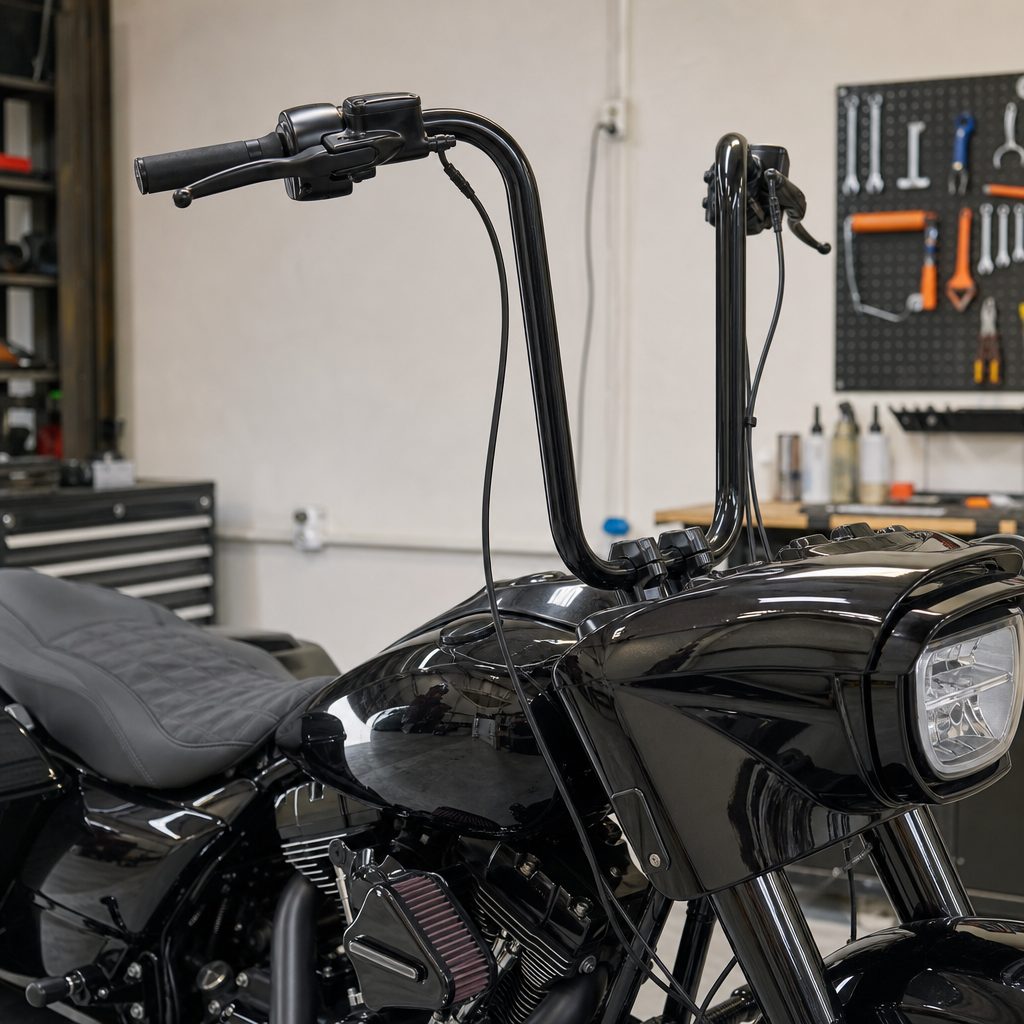
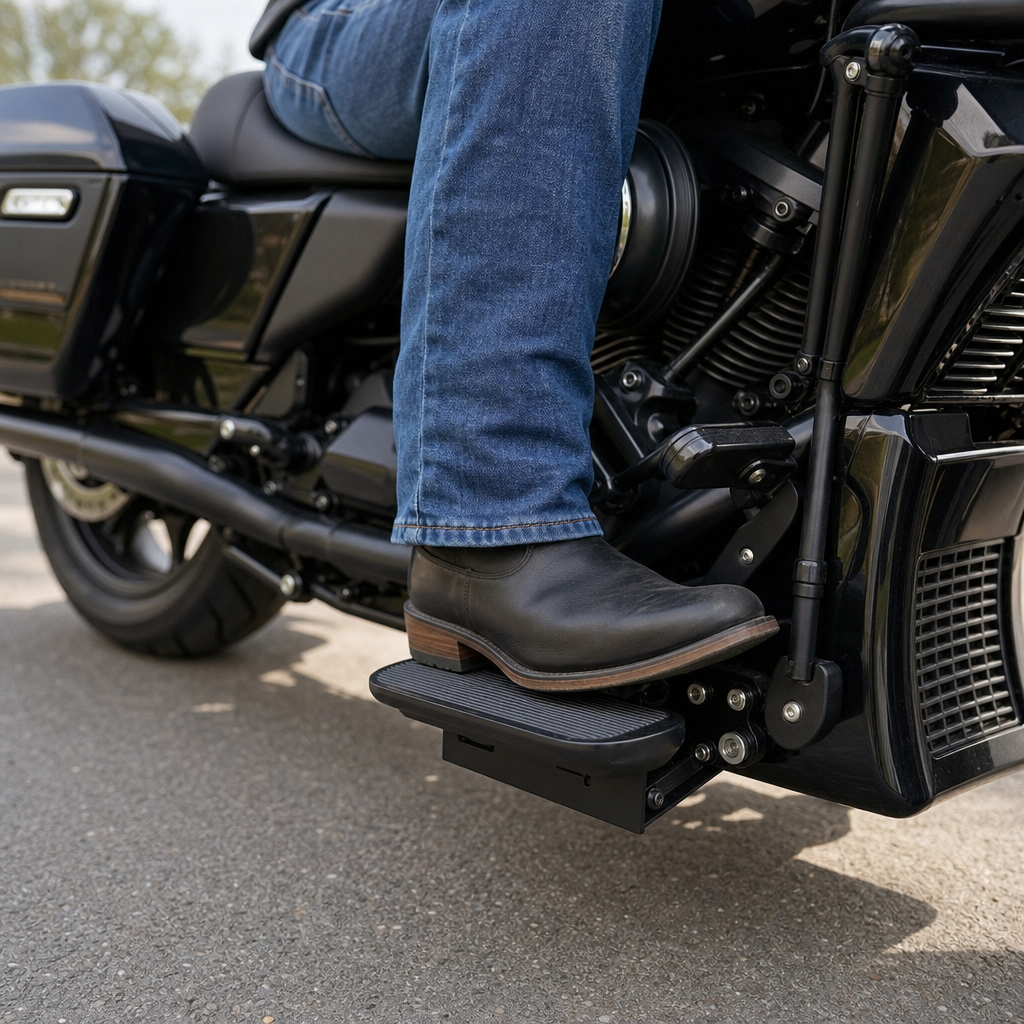
On Street Glide, Road Glide, Road King, and Electra Glide models, I usually see riders benefit most from recipes that combine a high-flow filter, synthetic oil, a well-maintained cooler system, reduced idle time where possible, and ergonomic upgrades that cut rider fatigue on long days. Fatigued riders sit in traffic longer, tolerate rising heat less effectively, and often delay service. On Softail models such as Heritage Classic, Fat Boy, Breakout, and Low Rider ST, ergonomic tuning often starts with reach to bars, seat pocket shape, and foot placement. Performance tuning may follow, and that is when filtration quality becomes more critical. Cammed M8 Softails can produce excellent results, but they also create a stronger need for disciplined maintenance.
For CVO and 117 or 121-equipped bikes, expectations are higher and tolerances for poor parts should be lower. These owners often ride hard, add premium components, and expect factory-like refinement after modifications. A strong recipe includes high-quality filtration, careful torque practices during installation, inspection for glitter or unusual debris at each change, and documentation of mileage, oil brand, viscosity, and riding conditions. Trike and police applications deserve separate attention because weight, idle hours, and thermal load can exceed what many casual owners imagine. In those cases, high-flow filtration is less about chasing performance language and more about preserving durability under severe service.
How Oil Filtration Supports Heat Management, Wear Control, and Rider Confidence
Many riders ask whether a better oil filter can lower engine temperature. Directly, the answer is only slightly; the filter itself is not a cooler. Indirectly, the answer is yes, because stable flow and reduced bypass behavior help the oil do its cooling and lubricating work more effectively. Cleaner oil maintains film strength better, circulates through hot areas more predictably, and supports hydraulic systems with fewer contaminants. On Milwaukee-Eight engines, that contributes to smoother operation, steadier feel in traffic, and fewer surprises on long trips. Those are practical benefits riders notice in the seat, not just in lab numbers.
Wear control is the larger payoff. Metal particles from break-in, clutch material contamination where systems interact through service handling, environmental dust, and carbon byproducts all challenge oil over time. A high-flow filter with robust media captures harmful debris while still letting the system respond to engine demand. I have cut open enough filters to say this plainly: the difference in internal construction between premium and bargain units is often obvious. Uneven pleats, weak adhesive, thin cans, and vague efficiency claims are warning signs. By contrast, a well-built filter shows uniform media packing, solid bonding, and components designed to hold shape under pressure and heat cycling.
Rider confidence matters too. Long-distance Harley travel depends on trusting the bike in remote places, hot weather, and stop-and-go traffic. When owners build a protection recipe around known-quality filters, correct oil, careful installation, and scheduled checks, they reduce avoidable risk. That confidence makes every ergonomic and performance upgrade more valuable, because the machine feels ready for the miles it was built to cover.
Common Mistakes, Compatibility Checks, and Smart Next Steps
The most common mistake is buying by thread fit alone. Two filters may screw on correctly yet differ in media quality, bypass pressure, gasket dimensions, anti-drainback design, and can strength. Another mistake is assuming a high-flow label guarantees superior protection. It does not. Riders also run into trouble by extending intervals after installing premium oil and a premium filter without considering climate, tune, idle hours, or fuel dilution. Milwaukee-Eight engines used for short urban trips may contaminate oil faster than garage-kept highway bikes, even if odometer mileage looks low.
Compatibility checks should include exact model year, engine displacement, oil cooler configuration, exhaust clearance around the filter, and whether the bike has performance parts that change operating temperature or rpm habits. Installation matters just as much. Clean the mounting surface, oil the gasket lightly, tighten to specification or manufacturer guidance, confirm no old gasket remains stuck to the case, and inspect for leaks after startup and again after the first ride. If you want a stronger maintenance program for 2027, add used oil analysis once or twice a season. Labs can reveal fuel dilution, viscosity loss, elevated wear metals, and coolant contamination on liquid-cooled variants before symptoms become expensive problems.
The takeaway for this Harley-Davidson hub is straightforward. Model-specific ergonomics and performance recipes work best when they start with reliability, and reliability starts with lubrication discipline. Build your Milwaukee-Eight high-flow oil filter recipe around verified quality, climate-appropriate oil, realistic service intervals, and the actual way you ride. Then connect that foundation to the next upgrades in your Harley-Davidson plan: seating, bars, foot controls, suspension, intake, exhaust, and tuning. Do that, and you maximize 2027 protection while making every mile more comfortable, more consistent, and more rewarding. Review your current filter choice, confirm fitment and specifications, and schedule your next oil service with the same care you give any major performance part.
Frequently Asked Questions
What does a Milwaukee-Eight high-flow oil filter recipe actually include?
A Milwaukee-Eight high-flow oil filter recipe is more than simply choosing a larger or less restrictive filter. In practical Harley-Davidson terms, it is a repeatable maintenance and setup plan built around four connected elements: the filter itself, the oil being used, the service interval, and the inspection habits that support long-term engine durability. For riders focused on maximizing 2027 protection, that recipe usually starts with a high-quality high-flow filter designed specifically for the Milwaukee-Eight oiling system, paired with a premium oil that matches the bike’s climate, riding style, and operating temperatures. From there, the recipe expands to include consistent oil change timing, routine checks for media collapse or bypass concerns, and attention to heat-producing modifications that can change oil demands.
It also often includes supporting choices outside the filter canister. For example, a strong recipe may account for the motorcycle’s intake and exhaust setup, idle behavior in traffic, tune quality, and the rider’s typical use pattern, such as long highway miles, short urban trips, heavy two-up touring, or hot-weather stop-and-go use. Those factors affect oil temperature, contamination load, and pressure behavior. A truly effective recipe treats the filter as one part of a lubrication strategy rather than a standalone performance part. That is why experienced Milwaukee-Eight owners and technicians usually define success not by marketing claims alone, but by stable oil pressure behavior, clean oil at inspection, predictable service records, and reduced wear risk over many seasons.
How does a high-flow oil filter help protect a Milwaukee-Eight engine?
A high-flow oil filter helps protect a Milwaukee-Eight by balancing two critical jobs at once: it must allow adequate oil volume to move through the engine while still trapping harmful contaminants. The Milwaukee-Eight platform benefits from consistent lubrication because it operates with significant thermal load, especially in touring, performance, or hot-climate applications. If oil flow becomes too restricted under real riding conditions, the engine can experience less-than-ideal lubrication response during cold starts, extended idling, or high-RPM operation. A well-designed high-flow filter reduces the chance that the filter itself becomes an unnecessary bottleneck while still maintaining effective filtration efficiency.
That said, protection is not just about more flow. A good filter for this application uses quality media, a durable canister, dependable anti-drainback characteristics where applicable, and a properly calibrated bypass system. Inferior high-flow filters may advertise performance but sacrifice particle capture or structural integrity. For maximizing 2027 protection, the goal is controlled flow, not careless flow. On a Milwaukee-Eight, that means choosing a filter that can support the oil pump’s demands, hold up under vibration and heat cycling, and continue filtering effectively as contaminants accumulate between service intervals. In real-world terms, the best result is smoother lubrication during varied riding conditions and less risk from abrasive particles circulating through bearings, valvetrain components, and other critical internal surfaces.
How often should I change a high-flow oil filter on a Milwaukee-Eight for the best long-term results?
The ideal oil filter change interval for a Milwaukee-Eight depends on usage, operating temperature, oil quality, and how aggressive the overall engine setup is. For the best long-term results, many riders treat the filter and oil as a matched service item and replace both together on a conservative, repeatable schedule rather than waiting for symptoms. That schedule may be shorter for bikes that see severe service, such as frequent short trips, parade-speed operation, extended idling, high ambient temperatures, dusty roads, performance tuning, or heavy touring loads. Under those conditions, contaminants and heat stress build faster, so the filter has to work harder and can reach the point where flow characteristics and filtration efficiency are no longer ideal.
For maximizing 2027 protection, the smartest approach is to base your interval on how the bike is actually used instead of relying only on a universal number. Keep service records, inspect drained oil for abnormal metallic content, and pay attention to any changes in noise, temperature behavior, or oil pressure indications. If the bike has performance parts or tuning changes that increase heat and cylinder pressure, shortening the interval is often cheap insurance. Consistency matters just as much as mileage. A rider who follows a disciplined maintenance routine with a proven filter and oil combination will generally see better long-term outcomes than someone who uses premium parts but stretches service intervals unpredictably. In other words, the recipe works best when the filter is replaced before it becomes the weak point in the lubrication system.
Should I match my high-flow oil filter choice to riding style, climate, and engine modifications?
Yes, absolutely. One of the most overlooked truths about Milwaukee-Eight maintenance is that the “best” oil filter is only best within a specific use case. Riding style, climate, and engine modifications all influence how hard the oil and filter have to work. A bike used for long interstate touring in moderate weather places different demands on the lubrication system than a machine ridden in desert heat, heavy city traffic, mountain terrain, or frequent short cold-start trips. Similarly, a mostly stock Milwaukee-Eight does not stress the oil system in exactly the same way as an engine with intake, exhaust, cam, or tuning upgrades that increase heat and load.
That is why a true recipe approach matters. If the bike runs hotter due to performance modifications or environmental conditions, the filter should be part of a broader protection plan that includes suitable oil viscosity, proper tune calibration, and realistic service intervals. If the rider spends long periods in stop-and-go traffic, controlling heat becomes just as important as flow capacity. If the bike sees seasonal cold starts, startup lubrication behavior becomes more important. Matching the filter to actual use helps avoid common mistakes, such as picking a part based only on brand reputation or racing language without considering filtration quality, bypass behavior, or real street durability. In the Milwaukee-Eight world, the best protection comes from compatibility and consistency, not from a one-size-fits-all assumption.
What else should I inspect or adjust if I want a complete Milwaukee-Eight oil filter protection recipe for 2027?
If you want a complete protection recipe, look beyond the filter and inspect the systems and habits that influence oil condition and engine temperature. Start with the basics: verify there are no leaks, confirm the oil level is correct, and inspect old filters during service for unusual debris or structural concerns. Then evaluate operating heat. The Milwaukee-Eight responds well to sensible heat management, so make sure the bike’s tune is healthy, the cooling strategy is appropriate for the model and riding environment, and the rider is not unknowingly creating extra thermal stress through prolonged idling or repeated short-trip use. Heat is one of the biggest enemies of oil life, and once oil degrades, even an excellent filter cannot fully compensate.
You should also consider vibration management, intake cleanliness, and overall service discipline. A poorly sealed air intake can introduce contaminants that eventually affect oil cleanliness. Loose mounting hardware or unresolved vibration issues can accelerate wear and stress components over time. If the bike has ergonomic or performance modifications, make sure they have not created side effects that change the engine’s operating pattern, such as lugging at low RPM, higher sustained revs, or excess heat from a lean or poorly optimized tune. Finally, keep records. The strongest 2027 protection strategy is one you can repeat and refine. When you know which oil, filter, interval, and inspection routine produced stable results on your specific Milwaukee-Eight, you turn maintenance from guesswork into a reliable recipe that supports both performance and longevity.