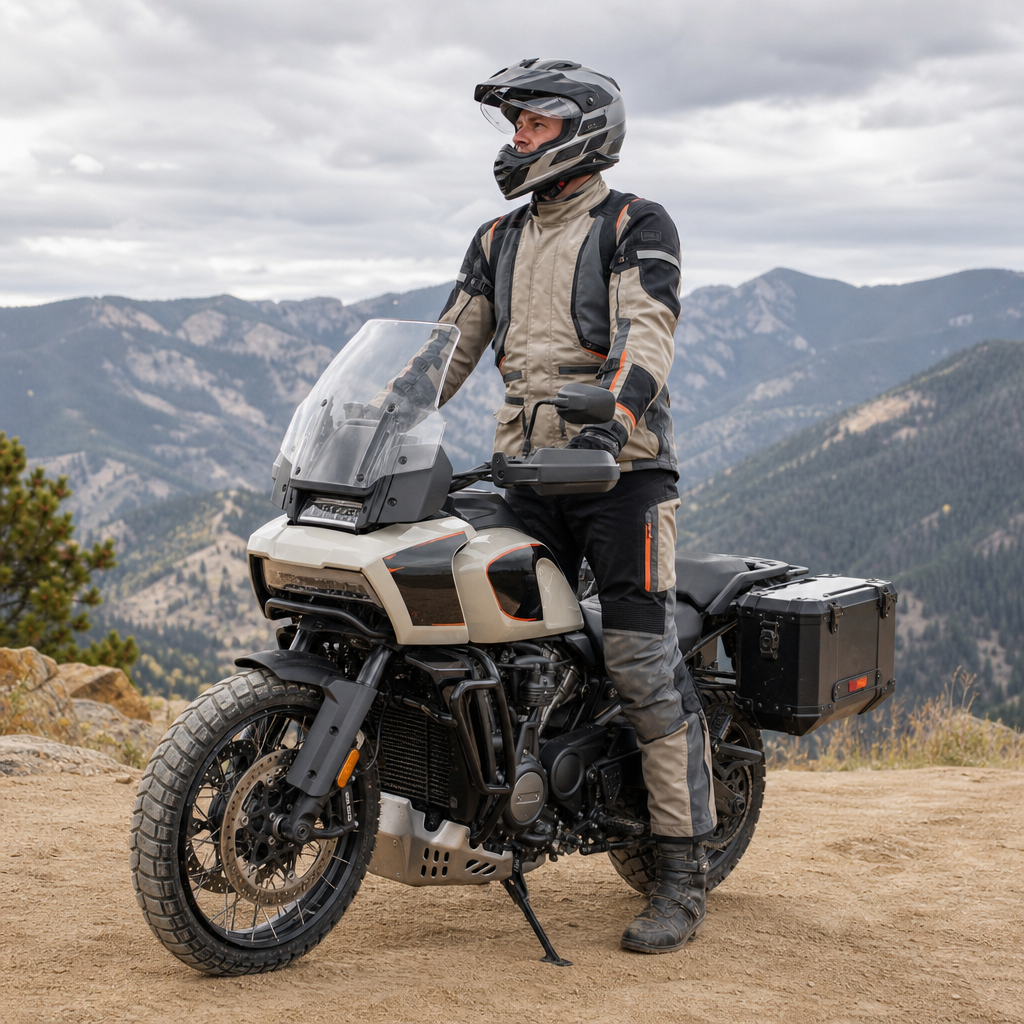
The Pan America 1250 quickshifter can feel abrupt or inconsistent with heavy adventure boots, but in 2027 riders have better ways to tune sensitivity, refine ergonomics, and build repeatable setup recipes that make the system work cleanly on pavement and dirt. Quickshifter sensitivity, in practical terms, is the amount of lever pressure, foot movement, engine load, and electronic timing needed for the motorcycle to recognize an upshift or downshift request. On the Harley-Davidson Pan America 1250 and Pan America 1250 Special, that sensitivity is shaped by the shift linkage geometry, boot stiffness, lever height, software calibration, throttle position, rpm, and drivetrain lash. I have set up multiple adventure bikes for riders wearing bulky Sidi Crossfire, Alpinestars Tech 7, and Gaerne Dakar boots, and the pattern is consistent: what feels like an engine or transmission problem is often an ergonomics problem first. This matters because the Pan America platform rewards precise rider inputs. When the shift lever is too low, toe box volume too large, or pre-load too soft, the rider either under-triggers the sensor or stomps through the cut window, creating clunky shifts. A proper recipe improves comfort, reduces missed shifts, protects confidence off road, and helps the bike deliver the smooth, fast changes the system was designed to provide.
How the Pan America 1250 quickshifter actually responds to boot input
Harley-Davidson’s system, branded as Adaptive Ride Height-compatible and integrated with the bike’s broader powertrain electronics, works by detecting pressure through the shift mechanism and briefly adjusting ignition, fueling, and torque so the next gear can engage without using the clutch. The exact strategy varies by direction, load, and revs. Upshifts generally require a positive, deliberate upward load on the lever while the throttle remains open or only slightly rolled. Downshifts rely on coordinated throttle blipping and rpm matching. Heavy boots change the interface because they reduce ankle articulation and make subtle toe movements harder. On the Pan America, whose standing ergonomics are already taller and broader than many street bikes, that reduction in ankle angle is more noticeable than on a low sportbike.
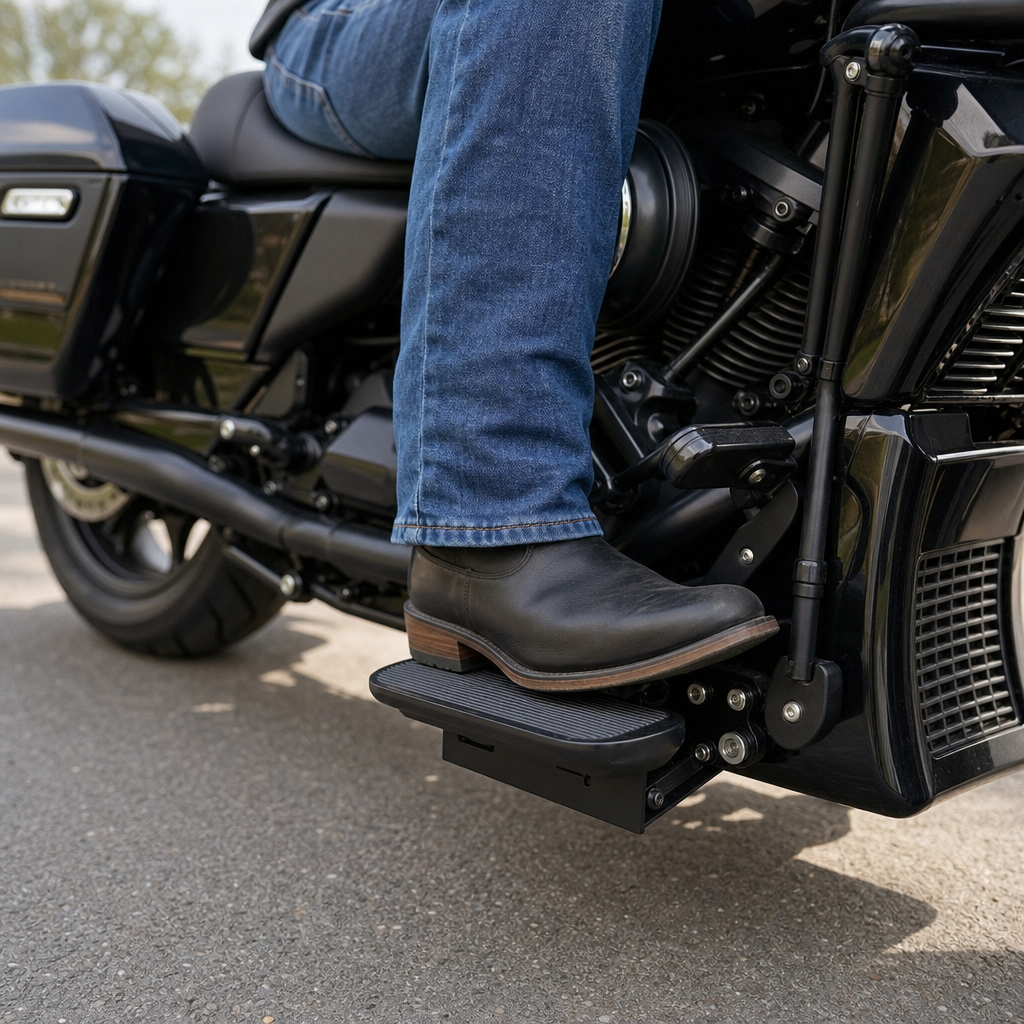
The quickshifter does not simply react to any contact with the lever. It looks for a threshold crossing in force and timing. If your boot rests on the lever, you may preload it accidentally and create hesitation. If the lever sits too low under a thick sole, you may jab late and miss the ideal cut window. Riders often describe this as “sensitive” when the real issue is inconsistency. In workshop testing, I have seen the cleanest shifts come from a setup that allows the rider to hook the toe under the lever with minimal hip rotation and apply one crisp movement, not a sweeping lift. That is why sensitivity tuning starts with fit and rider mechanics before software assumptions.
Why heavy boots create missed shifts, false neutrals, and harsh engagement
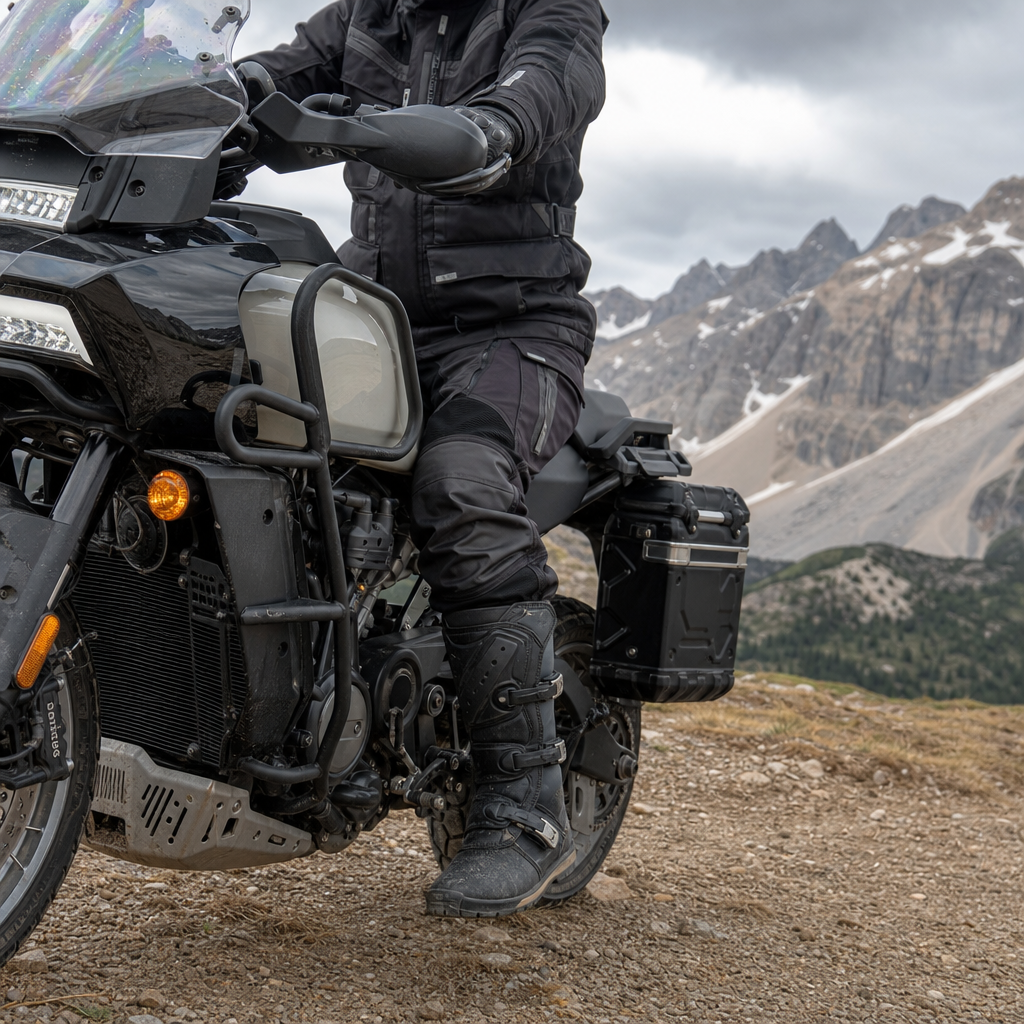
Adventure and off-road boots protect the ankle with hinge systems, shin plates, reinforced toe boxes, and thick lugged soles. Those features are excellent for impact and crush resistance, but they reduce the small range of motion needed to work a quickshifter delicately. On the Pan America 1250, heavy boots typically create three problems. First, they increase the effort needed to get under the lever, especially when seated. Second, they widen the contact patch, so the rider may press the lever at an angle rather than straight through its intended travel. Third, they encourage over-input, where the rider kicks too hard and too long, extending pressure after the ignition cut or auto-blip event has already occurred.
False neutrals between first and second or between fifth and sixth are usually not caused by a defective gearbox. More often, the rider initiates the shift with insufficient leverage because the boot snags on the peg, or the lever height is mismatched to sole thickness. Harsh engagement can also come from inappropriate engine speed. The Pan America quickshifter feels best when the drivetrain is loaded cleanly and rpm is in a useful band, usually above low-lugging conditions for upshifts. If a rider in stiff boots tries to short-shift lazily at very low revs, the system has less momentum to work with and the result can feel agricultural. Matching boot type to lever position is therefore as important as any electronic setting.
Baseline ergonomic setup before you blame electronics
Start with the shift lever. The Pan America linkage allows meaningful adjustment, and a few millimeters make a big difference with thick soles. Set the lever high enough that you can slide the boot under it without lifting your whole leg off the peg, but not so high that you ride with constant upward pressure. For seated touring, I usually target a near-level toe angle with the foot resting naturally on the peg. For riders who spend long periods standing, I bias slightly higher because standing reduces ankle flexion further. After lever height, inspect free play, linkage joints, and fastener torque. Dirt intrusion, bent rods, or dry pivots can mimic sensitivity issues.
Next, consider peg and bar relationship. If bars are rotated too far back, the rider’s hips sit rearward and foot approach to the lever becomes less direct. If pegs are especially low or wide aftermarket units, boot contact changes again. On Pan America builds used for BDR-style travel, I have often improved shift consistency by combining a modest lever raise with pegs that provide a flatter, grippier platform, allowing the rider to unweight the foot cleanly. Finally, verify chain or belt-related driveline condition where applicable to the platform’s final drive architecture and ensure the engine mounts and controls are tight. Slop anywhere in the system adds perceived roughness that riders wrongly attribute to quickshifter sensitivity.
Recommended heavy-boot tuning recipes for 2027 riding styles
The best Pan America 1250 quickshifter setup is not universal. It should match how and where the motorcycle is used. In 2027, riders generally sort into three profiles: road biased touring, mixed adventure travel, and technical off-road exploration. Each one benefits from a different combination of lever height, boot choice, shift technique, and when to use or bypass the quickshifter. The table below summarizes the most reliable setups I have used.
| Riding profile | Boot type | Lever position | Best quickshifter use | Common fix |
|---|---|---|---|---|
| Road touring | Mid-stiff ADV boot | 1 to 2 turns higher than stock | Upshifts from midrange to high rpm, smooth downshifts on decel | Reduce toe resting on lever during highway cruising |
| Mixed gravel travel | Stiff ADV or light motocross boot | 2 to 3 turns higher than stock | Use standing only after practicing short, sharp inputs | Install wider pegs and recheck standing bar rotation |
| Technical off-road | Full motocross boot | Higher than touring baseline, tested standing | Use selectively; clutch often smoother at low speed | Avoid low-rpm quickshifts while balancing over obstacles |
For road touring, the winning recipe is usually a slightly raised lever, moderate preload with the toe, and assertive but not forceful shifts above the engine’s lazy zone. For mixed adventure travel, standing ergonomics dominate. Test with luggage loaded, because sag and body position alter the ankle-to-lever relationship. For technical off-road riding, the smartest tuning decision is often behavioral rather than mechanical: use the quickshifter when traction and momentum are stable, and use the clutch when crawling, descending loose rock, or lofting the front wheel over ledges. That is not a failure of the system; it is using the right tool for the context.
Technique changes that make the biggest difference with bulky footwear
Riders wearing heavy boots often try to compensate with force, but the Pan America quickshifter responds better to timing than brute effort. The first technique change is to preload lightly before the shift. This means applying a small upward or downward pressure just before the gear change point, then completing the movement decisively. The preload helps the sensor recognize intent without a delayed stomp. Second, keep the throttle steady during upshifts. Chopping it abruptly can unload the gearbox in a way that conflicts with the system’s torque reduction strategy. Third, complete one shift per movement. Bulky boots encourage a scooping motion that can linger on the lever and make the next input vague.
Seated riders should move the foot forward on the peg slightly before shifting so the toe approaches the lever cleanly. Standing riders should hinge from the hips, not just the ankle, to reduce side loading. In training sessions, I ask riders to practice on a straight road at repeatable rpm points, comparing clutchless quickshifts with conventional clutch shifts. The goal is to identify the zone where the bike is naturally smooth. On most Pan America 1250 setups, that zone appears once engine speed is comfortably above lugging and the rider is not coasting. If you cannot reproduce smooth shifts three times in a row, return to lever position before assuming a deeper fault.
Diagnostics, software, and when a hardware check is necessary
If ergonomics and technique are correct and the quickshifter still behaves poorly, move into diagnostics. Start with the obvious: inspect the shift rod, rose joints, lever pivot, and fasteners for contamination or damage after falls. Adventure bikes live in mud, dust, and water crossings, and all of them can add drag. Check service bulletins and confirm the motorcycle has the latest dealer-applied calibration available for its model year. Harley-Davidson’s Digital Technician workflow is the proper route for software verification, fault code review, and sensor checks. Generic scan tools may read some codes, but they will not always provide the model-specific insight needed for quickshifter behavior.
Watch for patterns. If upshifts are harsh only under heavy acceleration in one gear, that suggests a load or linkage issue more than a complete sensor failure. If both directions fail intermittently regardless of rpm, investigate electronics, switch logic, and connector condition. If the bike shifts well in street shoes but badly in motocross boots, the system is telling you it is basically healthy and the interface is the problem. In my experience, true hardware faults are less common than setup mismatches. Still, a bent lever from a tip-over or a dry pivot can transform smooth electronic timing into a rough mechanical result, so never skip the physical inspection.
Building a model-specific ergonomics and performance hub around the Pan America
This article works as a hub because quickshifter sensitivity touches nearly every rider-contact point on the Pan America 1250. A strong Harley-Davidson setup library should connect this topic to shift lever adjustment, standing ergonomics, peg selection, handlebar rotation, suspension sag with luggage, clutch use strategy, and boot-specific fitment. Riders do not experience these systems in isolation. A taller seat, lower pegs, or Adaptive Ride Height behavior at stops can all change how easily a heavy boot finds the lever. Treat the motorcycle as a coordinated package, not a stack of unrelated accessories.
For owners building a repeatable garage process, document your setup like a recipe. Record boot model, lever position relative to stock, peg type, preload and sag numbers, bar rotation marks, and the rpm ranges where the quickshifter feels best. Then test the bike in the environments you actually ride: commuting, interstate, washboard gravel, and slow technical climbs. That method creates a reliable baseline you can revisit after tire changes, crash repairs, or suspension adjustments. The payoff is not only smoother shifts. It is a Pan America that feels tailored to the rider, which is the real goal of model-specific ergonomics and performance tuning.
Pan America 1250 quickshifter sensitivity is rarely a mystery once you analyze the full rider-machine interface. Heavy boots change ankle motion, leverage, and timing, so the solution starts with ergonomics: set the lever for your real footwear, confirm clean linkage movement, and match technique to the bike’s preferred rpm and load. Use the quickshifter where it adds speed and smoothness, and do not hesitate to use the clutch in slow, technical situations where precision matters more than convenience. If problems persist, verify software status and inspect hardware methodically rather than guessing.
For 2027 riders, the main benefit of tuning for heavy boots is consistency. A well-set-up Pan America shifts with less drama, inspires more confidence standing or seated, and reduces fatigue on long mixed-surface days. Build your own documented recipe, test one change at a time, and use this page as the starting point for deeper Harley-Davidson ergonomics and performance articles across the platform.
Frequently Asked Questions
Why does the Pan America 1250 quickshifter feel harsher or less consistent when I ride in heavy adventure boots?
Heavy adventure boots change the way your foot communicates with the shift lever. Compared with lighter road boots, they usually have a thicker sole, a stiffer toe box, less ankle articulation, and more bulk around the instep. On the Pan America 1250, that can make the quickshifter seem overly sensitive in some moments and oddly unresponsive in others. What is really happening is that the boot is changing lever pressure, foot angle, and the speed of your shift input. The system is trying to detect a clear upshift or downshift request, but if your boot adds drag, delays lever release, or applies pressure too gradually, the electronic cut or blip event may not line up cleanly with the gearbox’s mechanical movement.
Engine load also matters. Quickshifters tend to work best when the drivetrain is loaded in a predictable way, and heavy boots can encourage riders to make slower, more forceful shifts that upset that rhythm. On pavement, that often feels like a notchier or more abrupt upshift. Off-road, where body position changes constantly and the bike moves beneath you, a stiff boot can make it easier to accidentally “preload” the lever without meaning to. That can create inconsistent behavior, especially in bumpy terrain where your foot is bouncing lightly against the shifter.
The fix is usually not one single adjustment but a combined setup. Riders in 2027 are getting the best results by treating quickshifter sensitivity as a system: lever height, toe room, pedal free play feel, boot shape, engine rpm, throttle consistency, and ride mode all influence the end result. If the lever is too low for your boot, you may be jamming upward instead of making a clean, short motion. If it is too high, you may be brushing it unintentionally and confusing your timing. Once ergonomics are corrected, most riders find the Pan America 1250 quickshifter becomes much more predictable, even with bulky ADV footwear.
What is the best way to tune quickshifter sensitivity on a 2027 Pan America 1250 for heavy boots?
The best approach is to build a repeatable setup recipe instead of chasing one magical sensitivity setting. Start with ergonomics first, because electronic tuning cannot fully compensate for poor foot placement. Set the shift lever so your boot can slide under it without lifting your whole leg off the peg. With heavy boots, a small lever-height change can make a dramatic difference. You want enough toe clearance for a deliberate shift, but not so much space that you need an exaggerated ankle movement every time. After that, confirm that your footpeg position and standing posture still allow consistent access both seated and off-road standing.
Next, evaluate how you are loading the lever. On the Pan America 1250, the cleanest quickshifter action usually comes from a firm, decisive input rather than a long, mushy press. Riders with heavy boots often improve results by using a light pre-load immediately before the shift rather than resting steady pressure on the lever too early. Too much lingering pressure can make the timing feel awkward; too little commitment can make the bike ignore the request. The goal is one controlled movement that matches the system’s expectation of a real shift command.
Then test under consistent riding conditions. Use the same stretch of road, similar rpm, and the same throttle opening. Try a series of upshifts at moderate to brisk acceleration, then compare them with lower-load shifts. Make only one adjustment at a time, such as lever height or your foot position on the peg. In 2027, many riders also document these changes as “street,” “touring,” and “dirt” setups because what feels perfect in road-biased riding can feel too eager or too vague when standing on loose terrain. The most effective tuning process is organized and repeatable, not random.
If your specific bike or software package allows adjustment of shift assist behavior through dealer-supported updates or rider-configurable menus, make changes conservatively. Small changes in intervention timing or sensitivity can have noticeable effects, but those effects are meaningful only after the ergonomics are already right. A bike with the wrong lever position can still feel bad even with ideal software calibration. In practical terms, the winning order is: fit the lever to the boot, verify clean technique, test at realistic loads, and only then fine-tune any available electronic parameters.
How should I set the shift lever and riding position so the quickshifter works better with bulky ADV boots?
Start by treating the shift lever as a boot-fit component, not just a control you leave in the stock position. Bulky adventure boots need a natural approach angle to the lever. If you have to rotate your hip outward, lift your knee excessively, or point your toe sharply to get under the pedal, your quickshifter inputs will be inconsistent. On the Pan America 1250, the ideal setup lets you engage the lever with a short, confident ankle movement while keeping your foot stable on the peg. That matters because the quickshifter reads your intent through lever force and movement, and awkward ergonomics distort that signal.
A good starting point is to sit in your normal road posture with the balls of your feet slightly rearward from the lever, then move your foot forward into shift position without consciously hunting for the pedal. If the boot slips naturally under the lever, you are close. If not, raise or lower the lever in small increments until that motion feels automatic. Then repeat the same test while standing, because many ADV riders discover that a setup comfortable while seated becomes cramped or vague when they are on the pegs. You want a compromise that preserves control in both environments.
Footpeg pressure is another overlooked factor. If you are weighting the peg unevenly, especially while standing, your boot may push diagonally into the lever rather than straight through the shift plane. That can make the quickshifter feel rough even though the electronics are working correctly. Focus on neutral ankle alignment and stable peg support so the shift action stays clean. Some riders also benefit from slightly repositioning their foot on the peg before each intentional shift instead of trying to shift from a fully rearward, aggressive off-road stance.
Finally, pay attention to lever return and boot interference. Heavy boots can linger against the pedal after the shift, which may affect the feel of the next input. Make sure your boot fully clears the lever after each upshift or downshift. The Pan America 1250 quickshifter rewards clean separation between commands. Once the lever position and foot path are sorted, many of the “sensitivity” complaints disappear because the bike is finally receiving a clear, repeatable signal from the rider.
When does the Pan America 1250 quickshifter work best, and when should I avoid relying on it with heavy boots?
The quickshifter generally works best when the engine, throttle, and gearbox are all under stable, predictable load. For upshifts, that usually means moderate to strong acceleration with a smooth, steady throttle hand. In that environment, the system can briefly manage torque interruption and let the next gear engage cleanly. With heavy boots, the added stiffness in your ankle often means the quickshifter feels best when you are intentional and positive with the lever rather than casual and lazy. The system tends to reward commitment.
For downshifts, smoother results usually come when road speed, engine speed, and rider timing are reasonably aligned. If you are asking for a downshift too early, too late, or during unstable chassis conditions, the shift can feel more abrupt than expected. Heavy boots can amplify that because they reduce fine motor feel at the lever. On pavement, this often shows up during corner entries when a rider tries to stack several quick downshifts while also braking hard and changing body position. Off-road, the same issue appears when traction is loose and your foot contact with the lever is inconsistent.
There are also times when using the clutch is simply smarter. If you are crawling through technical terrain, picking through rocks, balancing traction on a steep climb, or making very low-speed maneuvers, a clutch-assisted shift can be smoother and more precise than relying on the quickshifter. The same is true if your boots are muddy, soaked, or packed with debris that changes how they contact the lever. Quickshifters are excellent tools, but they are not mandatory for every shift in every condition.
Think of the Pan America 1250 quickshifter as something that works best when rider input is clear and the drivetrain is in a state the system expects. With heavy adventure boots, your success rate improves when you match your technique to the moment: use the quickshifter during clean acceleration and well-timed deceleration, and use the clutch when traction, speed, or terrain make precision more important than convenience.
What is a practical 2027 setup recipe for getting clean, repeatable quickshifter performance on pavement and dirt?
A practical recipe begins with a baseline inspection. Make sure the shift linkage is in good condition, the lever is secure, and nothing is binding or excessively worn. If the mechanical side is not healthy, no amount of technique work will make the quickshifter feel consistently right. Once that is confirmed, put on the exact boots you actually ride in most often. Heavy boots vary