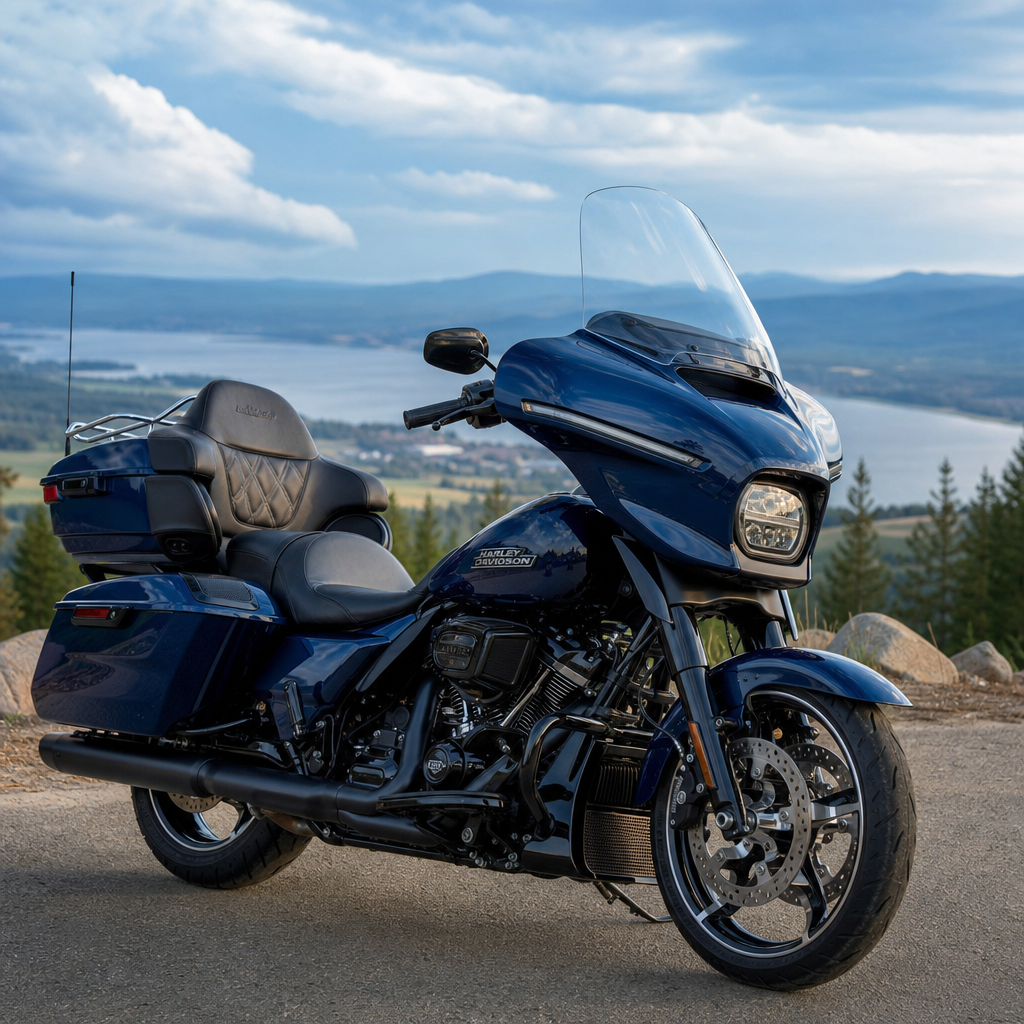
The 2026 Street Glide Limited taller windshield changes rider comfort more than most accessory upgrades because four extra inches alter airflow, posture, noise, weather protection, and even fatigue over a full day in the saddle. On Harley-Davidson touring models, a windshield is not just a piece of tinted plastic. It is an aerodynamic control surface that manages the pressure zone in front of the rider, the path of turbulent air around the fairing, and the amount of wind striking the helmet, chest, and passenger. When riders search for a 2026 Street Glide Limited taller windshield, they usually want a simple answer: will a 4-inch increase actually help? In practical testing, yes, but only when the rider’s height, seat position, helmet shape, and riding speed are considered together. I have set up touring Harleys for riders from about 5-foot-6 to over 6-foot-3, and the same windshield can feel quiet and stable for one rider yet produce head buffeting for another.
That is why measuring the 4-inch advantage matters. “Taller” by itself is too vague. You need to know where the new top edge sits relative to your line of sight, how the recurve or flip at the top redirects air, and whether the shield complements the Street Glide Limited fairing design instead of fighting it. Riders also need model-specific guidance, because a setup that works on a Road Glide with a frame-mounted sharknose fairing will not behave the same way on a Street Glide platform with a batwing fairing. This article serves as the central guide to model-specific ergonomics and performance recipes for the 2026 Street Glide Limited, explaining how to measure, choose, and tune a taller windshield so it improves real-world touring performance rather than just looking substantial.
In plain terms, the four-inch advantage refers to the added vertical height above the stock reference point. That extra height can move the turbulent air stream from chin level to above the helmet, reduce direct wind pressure on the sternum, and improve passenger comfort by smoothing the wake behind the rider. It can also create drawbacks if the shield is too tall, including looking through rain-spattered plastic, increased sail effect in crosswinds, and reduced airflow in hot weather. The goal is not maximum height. The goal is a clean air pocket matched to your body geometry and riding conditions.
Why Four Extra Inches Matter on the 2026 Street Glide Limited
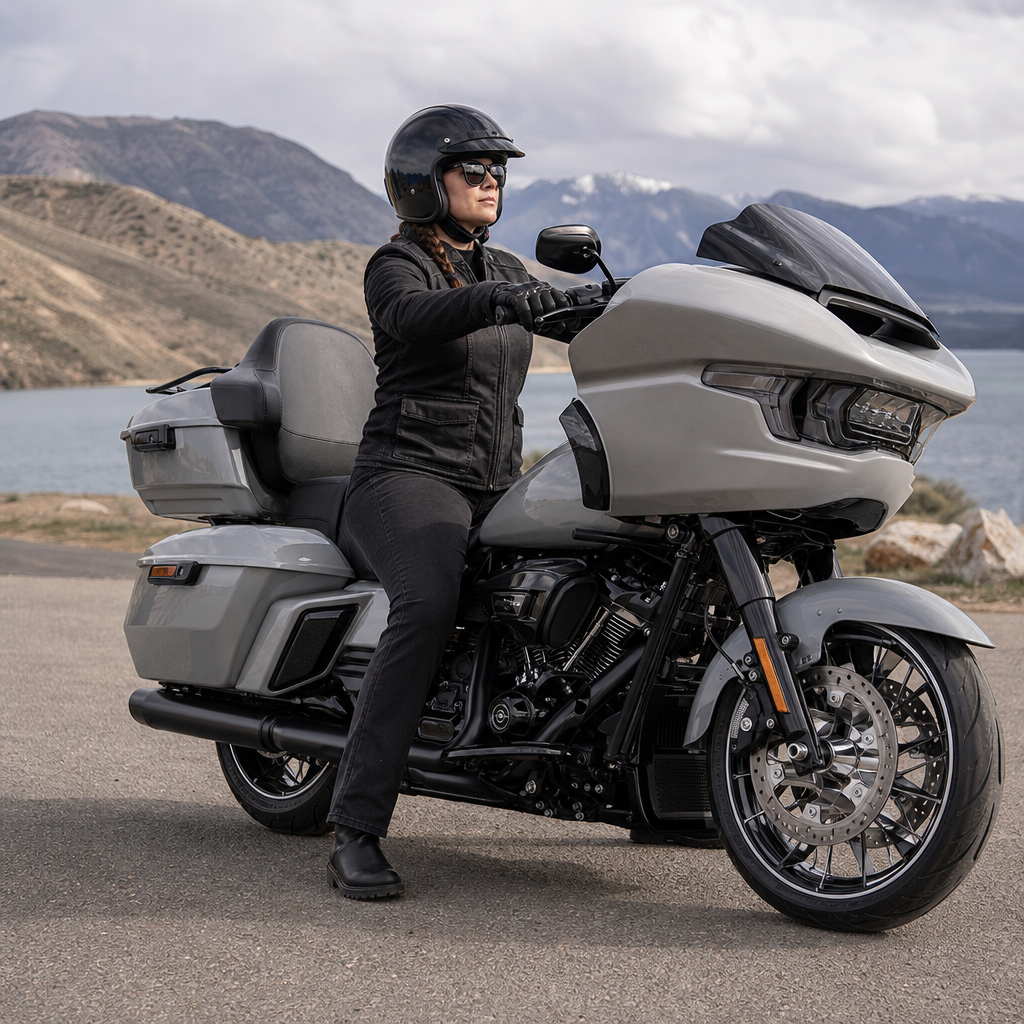
On the 2026 Street Glide Limited, the batwing fairing and rider triangle create a specific aerodynamic environment. The handlebars place many riders in a moderately upright position, and that posture exposes the helmet to the transition zone where smooth air rolling off the fairing becomes turbulence. A 4-inch taller windshield changes that transition point. At highway speeds, especially between 60 and 80 mph, the top edge determines whether airflow hits the rider at the upper chest, visor, forehead, or above the helmet shell. Moving that strike point just a few inches can lower perceived noise dramatically because helmet buffeting is driven by unstable air pulses, not simply wind volume.
From repeated fitment work, I have found that riders often underestimate how little vertical change is needed to transform comfort. On a touring Harley, one inch can be noticeable. Four inches is substantial. It often shifts the rider from “holding on against wind pressure” to sitting more neutrally with relaxed shoulders. That matters for endurance. Less wind load reduces neck strain, decreases hand pressure on the grips, and helps riders maintain steadier throttle control over long interstate runs. In cooler weather, the added protection can also reduce convective heat loss, which preserves comfort without forcing riders into bulkier gear.
The passenger benefit is real as well. When the rider sits in cleaner air, the wake behind the rider often becomes less chaotic. Passengers on stock-height shields frequently describe helmet shake or a drumming sensation. A properly chosen taller windshield can smooth that wake enough to make two-up touring less tiring, especially on all-day rides. This is one reason taller windshields remain one of the most cost-effective comfort upgrades in the Harley-Davidson touring category.
How to Measure the Right Height Instead of Guessing
The correct method is simple and repeatable. Sit on the 2026 Street Glide Limited in your normal riding boots, on your actual seat, with the suspension loaded as it would be on the road. Have a helper hold a straightedge level from the top of the existing windshield toward you. Your ideal top edge usually lands somewhere between the tip of the nose and just below eye level when you look straight ahead in a natural posture. Riders who prefer looking over the shield in all conditions generally target a top edge about 1.5 to 2.5 inches below eye level. Riders prioritizing maximum weather protection may go slightly higher, but looking through the shield full time is rarely ideal on a motorcycle used in mixed conditions.
Width and shape matter almost as much as height. A windshield with a recurve top can perform like a taller flat shield because the lip redirects airflow upward. Venting also matters. Pressure equalization behind the shield reduces the low-pressure pocket that causes backdraft and helmet shake. Some aftermarket manufacturers such as Klock Werks, Freedom Shields, Memphis Shades, and Clearview offer designs with distinct top-edge geometry, tint options, and width profiles. On a Street Glide Limited, those design differences are not cosmetic. They directly affect the air stream.
Use a disciplined approach when evaluating fit. Ride the same test loop at the same speeds with the same helmet. Note chest pressure, visor shake, side gust sensitivity, and passenger feedback. If possible, use a smartphone decibel app only as a rough comparison tool, not laboratory truth, because microphone placement and helmet acoustics distort absolute numbers. What matters is comparative change. If one shield consistently drops your perceived noise and lets you crack the visor at 70 mph without turbulence, that is useful evidence.
Model-Specific Ergonomics Recipe for Rider Height, Seat, and Helmet
A windshield cannot be separated from ergonomics. The 2026 Street Glide Limited may fit very differently depending on seat foam height, suspension sag, handlebar pullback, and boot sole thickness. A low-profile seat effectively makes the windshield taller because your eyes sit lower relative to the fairing. A taller aftermarket saddle can erase much of the 4-inch advantage. This is why model-specific ergonomics recipes work better than generic accessory advice.
Start with three variables: rider seated eye height, seat type, and helmet profile. Eye height is the master dimension. Seat type changes eye height and pelvic tilt. Helmet profile affects how turbulence is perceived, because some helmet shells and visor seals are dramatically quieter in slightly disturbed air than others. A Schuberth, Shoei, or Arai touring-oriented helmet may react differently than a shorty or novelty-style helmet. That does not mean one windshield is objectively good for every rider; it means the system must be tuned as a whole.
| Rider profile | Typical fit result with +4 inches | Main benefit | Common adjustment if needed |
|---|---|---|---|
| 5’6″ to 5’9″ with stock seat | Air often moves above helmet | Maximum quiet and weather protection | Choose a recurve or slightly lower tint line |
| 5’10” to 6’0″ with stock seat | Air usually clears forehead or visor peak | Balanced comfort and visibility | Fine-tune with vented design |
| 6’1″ to 6’3″ with stock seat | Air may hit top of helmet | Reduced chest pressure | Consider recurve, taller seat review, or another inch |
| Any height with tall aftermarket seat | Effective shield height drops | Improved torso protection | Re-measure eye line before buying |
For many average-height riders, the 4-inch increase is the sweet spot because it improves the calm pocket without creating the submarine effect of staring through a tall wall of plastic. For shorter riders, however, four extra inches can be too much if the seat is already low. In rain, bugs, road grime, and night glare, looking through a windshield is always a compromise. The best recipe is usually the shortest shield that still sends turbulent air over the helmet.
Performance Effects Beyond Comfort: Stability, Fuel Use, and Weather Protection
The biggest benefit is comfort, but the 2026 Street Glide Limited taller windshield also influences performance in smaller, measurable ways. First is stability perception. A rider who is not being pushed backward by wind pressure tends to feel the bike is more planted, especially at interstate speeds. That sensation comes from reduced body movement on the seat and less force transferred into the handlebars. It does not turn the bike into a different chassis, but it can make lane tracking feel calmer.
Second is fuel efficiency, though expectations should stay realistic. A taller windshield can either help or hurt slightly depending on shape, speed, luggage, and rider size. If the shield smooths airflow around the rider, drag may improve marginally. If it presents a larger blunt area, drag can rise. On heavy touring motorcycles, any fuel-economy change is usually modest, often too small to notice tank to tank without controlled conditions. Comfort gains are the real return, not miraculous mileage.
Third is weather management. In cold rain, the 4-inch advantage is significant. More airflow is pushed over the helmet and around the shoulders, which keeps the core drier and warmer. In hot climates, the same shield can feel restrictive because it reduces chest ventilation. Riders in the South or Southwest often solve that by using a vented windshield or swapping seasonally. That is a practical strategy, not overkill. Touring riders routinely adjust tires, suspension preload, and luggage setup for conditions; windshield height deserves the same attention.
Choosing Between Stock, Recurve, and Vented Aftermarket Designs
Stock Harley-Davidson windshields are designed to satisfy the broadest range of buyers, which means they are rarely optimized for a specific rider. That is why aftermarket windshield manufacturers thrive in the touring segment. A flat taller shield provides straightforward added height, but a recurve design often delivers similar protection with less material in the line of sight. The upturned lip accelerates and redirects airflow, effectively extending the aerodynamic height of the shield. For many Street Glide Limited owners, this is the most efficient way to gain the four-inch advantage without making the front end feel visually oversized.
Vented designs address a different problem: pressure imbalance. When high-pressure air in front of the shield is not balanced by airflow behind it, the low-pressure pocket can pull turbulent air downward, causing buffeting. A vent introduces controlled airflow behind the windshield, which reduces that vacuum effect. Gold Wing riders have appreciated this principle for years, and it works on Harley touring bikes too when executed properly. The tradeoff is complexity and, in some designs, slightly more airflow on the rider in cold weather.
Tint choice matters less for airflow than for usability. Dark smoke looks sharp, but if the shield approaches eye level, visibility in rain and at dusk becomes a real concern. Light smoke or clear is usually the smarter touring choice. If you ride mostly daytime and always look well over the shield, darker tint is acceptable, but fit should drive that decision, not style alone.
Hub Guide to Model-Specific Ergonomics and Performance Recipes
As the hub page for model-specific ergonomics and performance recipes under the Harley-Davidson topic, this article points to the core questions every Street Glide Limited owner should answer before changing parts. What is your seated eye height? Are you using the stock seat or a tall touring saddle? Do you ride solo or two-up most of the time? Is your main complaint helmet buffeting, chest pressure, rain protection, or passenger discomfort? Once those questions are answered, the windshield decision becomes much clearer.
From here, the most useful supporting articles in this subtopic would drill into related recipes: seat-and-windshield pairings for riders under 5’9″; wind management setups for riders over 6 feet; passenger comfort tuning with Tour-Pak, backrest, and windshield combinations; seasonal touring setups for summer ventilation versus winter protection; and comparisons among Klock Werks, Freedom Shields, and Harley-Davidson branded options on the 2026 Street Glide Limited. Those narrower guides matter because ergonomics on a touring Harley are always system-based. Windshield height alone solves only part of the equation.
If you treat this bike like a long-distance tool rather than a catalog of bolt-ons, the logic is straightforward. Measure first. Match the shield to your eye line and helmet. Test under real speeds. Then refine seat height, suspension sag, and rider posture if needed. That process produces better results than chasing internet opinions from riders with completely different bodies and riding habits.
The 2026 Street Glide Limited taller windshield is worth serious attention because the claimed 4-inch advantage is not marketing fluff when it is measured against the rider’s actual eye line and riding use. On this platform, those four inches can move turbulence off the helmet, reduce chest pressure, calm the passenger pocket, and make long days less fatiguing. They can also create compromises if the shield is chosen only by appearance or brand loyalty. Height, top-edge shape, width, venting, and seat position all determine whether the upgrade works.
The most reliable takeaway is simple: buy the shortest windshield that gives you clean air at your normal cruising speed. For many riders on the 2026 Street Glide Limited, that will be a shield roughly four inches taller than stock, especially when paired with a stock or moderately low seat. Taller riders may need a recurve or additional height. Shorter riders should verify that they can still look comfortably over the top in rain and at night. There is no universal best windshield, but there is a best fit for your geometry.
Use this hub as the starting point for every ergonomics and performance recipe on your Harley-Davidson touring setup. Measure carefully, compare designs intelligently, and test on the road you actually ride. If you do that, the right taller windshield will not just change airflow; it will change how far and how comfortably you want to ride.
Frequently Asked Questions
What does the 4-inch taller windshield actually change on a 2026 Street Glide Limited?
The extra four inches change far more than appearance. On a 2026 Street Glide Limited, windshield height directly affects where the airflow leaves the top edge of the screen and how that air travels toward the rider’s helmet, shoulders, and upper chest. A taller windshield raises the slipstream, which can move wind impact from the middle of the helmet or face shield to a point above the helmet for many riders. That one change often reduces head buffeting, lessens low-frequency wind roar, and makes highway speeds feel less physically demanding.
It also changes the pressure balance around the batwing-style fairing area. Instead of taking a stronger blast of air across the torso, the rider sits in a calmer pocket. That usually means less strain in the neck, less need to brace against wind pressure with the arms, and a more relaxed riding posture over long distances. In practical terms, riders often notice they can hold a neutral seating position more easily and arrive less fatigued at the end of a full day.
Weather protection improves as well. A taller shield can redirect light rain, cold air, road spray, and insect impact away from the rider’s face and chest more effectively than a shorter one. The tradeoff is that windshield performance is always rider-specific. Torso length, seat height, helmet shape, and even whether you sit upright or slightly reclined all affect how the air hits you. So the four-inch advantage is real, but its exact benefit depends on how your body lines up with the bike’s airflow.
Will a taller windshield reduce helmet buffeting and wind noise on long rides?
In many cases, yes, and that is one of the biggest reasons touring riders make the switch. Helmet buffeting happens when turbulent air strikes the helmet unevenly, causing shaking, vibration, and the familiar drumming sensation that can become exhausting after hours on the interstate. A 4-inch taller windshield can help by lifting the air stream higher and smoothing the transition between the fairing and the rider’s upper body. If the top edge of the airflow moves above the helmet instead of hitting it directly, buffeting usually drops noticeably.
Wind noise often improves at the same time, but it is important to understand that noise and buffeting are related without being identical. Some riders get less turbulence but still hear strong rushing air around the helmet because side flow and crosswinds still matter. The windshield height helps most when the previous screen placed the rider right in the turbulent edge of the air pocket. Moving that edge just a few inches can be the difference between constant booming noise and a much calmer ride.
That said, results depend on fit and setup. A rider with a tall torso may still look through the lower half of the airflow instead of over it, while a shorter rider may find the calm pocket nearly ideal. Helmet design, fork-mounted accessories, mirrors, hand deflectors, and even luggage can influence how air moves around the rider. For the best outcome, the goal is usually to look comfortably over the windshield while having the air pass just above the helmet at cruising speed. When that balance is right, a taller windshield can make long-distance riding dramatically quieter and less tiring.
How does a taller windshield affect rider posture, comfort, and fatigue during a full day in the saddle?
A taller windshield can have a surprisingly large effect on posture because wind pressure influences how the body naturally supports itself on the motorcycle. When strong airflow hits the chest and helmet, riders often respond without realizing it by tightening their grip, hunching their shoulders, tucking their chin, or leaning into the wind. Those small compensations may feel manageable for a few miles, but over several hours they contribute to neck soreness, shoulder tension, hand numbness, and overall fatigue.
By reducing the direct force of the wind, the 2026 Street Glide Limited taller windshield allows the rider to sit in a more natural, upright position. The arms can stay looser on the bars, the upper back can relax, and the neck does not need to work as hard to stabilize the helmet. That lower muscular workload is one of the hidden benefits of improved wind management. Riders often describe the bike as feeling calmer or easier to ride at the same speed, even though the engine, chassis, and road conditions have not changed.
Comfort also improves in changing weather. In cold air, less wind on the torso helps preserve body heat and reduces the chilling effect that can wear a rider down. In light rain, the taller screen can keep more water off the face shield and jacket upper, reducing constant exposure. Over a full day, these advantages stack up. Less wind blast, less noise, less tension, and less weather exposure usually mean better endurance and sharper concentration late in the ride. For many touring riders, that makes the windshield one of the most meaningful comfort upgrades available.
Are there any downsides to adding a 4-inch taller windshield on a Harley-Davidson touring model?
There can be, and it is worth considering them honestly. The most common concern is sightline. A windshield that is too tall for the rider can force them to look through it rather than over it, especially in rain, at night, or when the screen picks up bugs, dust, or glare. Most experienced touring riders prefer a height that lets them see clearly over the top edge while still benefiting from redirected airflow. If the taller windshield sits too high relative to your eye line, comfort gains may come with visibility compromises.
Another potential downside is heat management in warm weather. A calmer air pocket feels excellent on cool highway rides, but in hot conditions some riders miss the extra airflow that a shorter windshield allows. Reduced chest and helmet ventilation can make summer riding feel warmer, particularly in stop-and-go traffic where there is less natural cooling air moving around the cockpit. Crosswind behavior can also feel slightly different depending on shield shape and thickness, though on a heavy touring model this is usually manageable when the windshield is well designed.
There is also the simple issue of fitment preference. Not every rider wants maximum coverage. Some prefer a more open-air feel, and others may notice that a shield optimized for solo riding behaves differently with a passenger, a tour pack load, or a different seat. The key point is that taller is not automatically better in every scenario. The best windshield is the one that places the airflow in the right spot for your body, your riding speed, and your typical conditions. The four-inch increase can be a major upgrade, but only if it aligns with how you actually use the bike.
How can riders tell if the 4-inch taller windshield is the right choice for their height and riding style?
The best way to evaluate windshield height is to combine rider fit with real-world riding conditions. Start with your normal riding posture on the 2026 Street Glide Limited, using your usual seat, boots, and helmet. Your eye line should generally fall above the top edge of the windshield, not directly through the center of it. That gives you a clear forward view while still allowing the airflow to rise and pass over or just at the top of the helmet. If you are looking too far through the shield, it may be taller than ideal for daily use.
Think about your riding style as well. If you spend most of your time on highways, cover long distances, or ride in cooler climates, the 4-inch taller windshield is more likely to deliver strong benefits. Touring riders who prioritize reduced fatigue, better weather protection, and less helmet turbulence typically appreciate the added height. On the other hand, if your riding is mostly urban, in very hot weather, or you prefer more direct airflow, you may want to weigh whether maximum wind protection matches your needs.
It also helps to pay attention to the symptoms your current setup creates. If you experience helmet shake, booming wind noise, eye watering, neck tension, or the need to brace against wind pressure at speed, a taller windshield may solve the root problem by moving the turbulence zone. If your current shield already lets you ride in a calm pocket and maintain a comfortable sightline, the improvement may be smaller. In the end, the right windshield height is not just a measurement on paper. It is the height that creates the best balance of visibility, airflow control, comfort, and confidence for the way you actually ride.