The Pan America 1250 fuel injector recipe for performance cleaning in 2026 starts with understanding what the injectors do, how contamination changes spray pattern, and why a model-specific service plan matters more on Harley-Davidson’s liquid-cooled adventure platform than many owners expect. On the Revolution Max 1250 engine, fuel delivery is tightly managed by the ECU, ride modes, throttle-by-wire, and emissions hardware, so even small injector deposits can show up as rough idle, harder cold starts, flat midrange response, reduced fuel economy, or a subtle hesitation when rolling back into the throttle on pavement or loose surfaces. In workshop terms, a “recipe” is not a miracle additive or a generic cleaning trick. It is a repeatable process that matches the motorcycle, the riding conditions, the fuel quality, and the rider’s ergonomic setup so the machine performs consistently after service.
This matters because the Pan America 1250 is used in unusually broad conditions for a Harley-Davidson. One owner may commute daily on E10 pump fuel, another may run extended highway miles in summer heat, and another may spend weekends in dusty fire roads with frequent low-speed heat soak. Those scenarios create different deposit patterns around the injector tip, intake valve area, and combustion chamber. I have seen bikes with less than 10,000 miles respond dramatically to a proper cleaning sequence simply because repeated short rides never allowed stable combustion temperatures, while higher-mile touring bikes stayed cleaner because they were ridden hard enough and fueled consistently from major-brand stations. Performance cleaning, then, is part maintenance, part diagnosis, and part operating strategy.
As a hub for model-specific ergonomics and performance recipes, this article goes beyond injectors alone. The Pan America’s rider triangle, seat height options, handlebar reach, wind management, and luggage load all influence how riders use the throttle and clutch, which affects perceived fueling quality. A bike with poor lever angle or cramped standing posture often feels abrupt off idle because the rider’s inputs are abrupt. A well-set-up bike feels smoother, even before mechanical work begins. The goal here is to explain the best 2026 cleaning approach, identify when cleaning is enough and when testing or replacement is smarter, and connect fuel system maintenance to the broader tuning and ergonomic choices that make this Harley-Davidson platform work well on road and off road.
What the Pan America 1250 fuel injectors actually do
Fuel injectors meter atomized fuel into the intake tract at precisely timed intervals calculated from sensor inputs such as throttle position, manifold pressure, engine temperature, oxygen sensors, and crank position. On the Pan America 1250, that precision supports a high-performance 1,252 cc V-twin with modern emissions control and multiple ride modes, so injector behavior affects far more than peak power. It affects idle stability, low-speed tractability, hot restart behavior, and the consistency of throttle transitions when traction is changing underneath the bike. A clean injector produces a controlled spray pattern with predictable droplet size. A dirty one may still flow enough total volume, yet do it poorly, causing uneven combustion and a harsher feel at the twist grip.
The most common contamination sources are oxidized fuel residue, microscopic particulate matter that passes through despite filtration, ethanol-related moisture issues during storage, and heat cycling after shutdown. Deposit formation is gradual. Riders rarely wake up to a bike that suddenly “has dirty injectors.” Instead, they notice that it no longer feels as crisp as it did after a fresh service interval. On the Pan America, especially on bikes used for mixed adventure riding, dust management also matters. A compromised air filter seal or neglected intake service can change combustion conditions and mislead owners into blaming fueling alone. Good injector work always starts by separating fuel system faults from ignition, air intake, battery voltage, or adaptation issues.
The 2026 performance cleaning recipe
The best fuel injector cleaning recipe for a 2026 Pan America 1250 follows a staged process. First, confirm symptoms: rough idle, surging, weak fuel economy, throttle hesitation, or uneven exhaust note. Second, check the basics: fresh premium fuel from a Top Tier station, correct battery health, no intake leaks, clean air filtration, and no stored diagnostic trouble codes. Third, run a high-quality polyetheramine-based cleaner through a near-empty tank and then refill with fresh fuel. Chevron Techron Concentrate Plus and Red Line SI-1 are widely respected because polyetheramine can remove combustion and injector deposits more effectively than many lower-grade solvent blends. One treatment should be followed by a sustained ride long enough to fully heat soak the engine and cycle varied rpm and load.
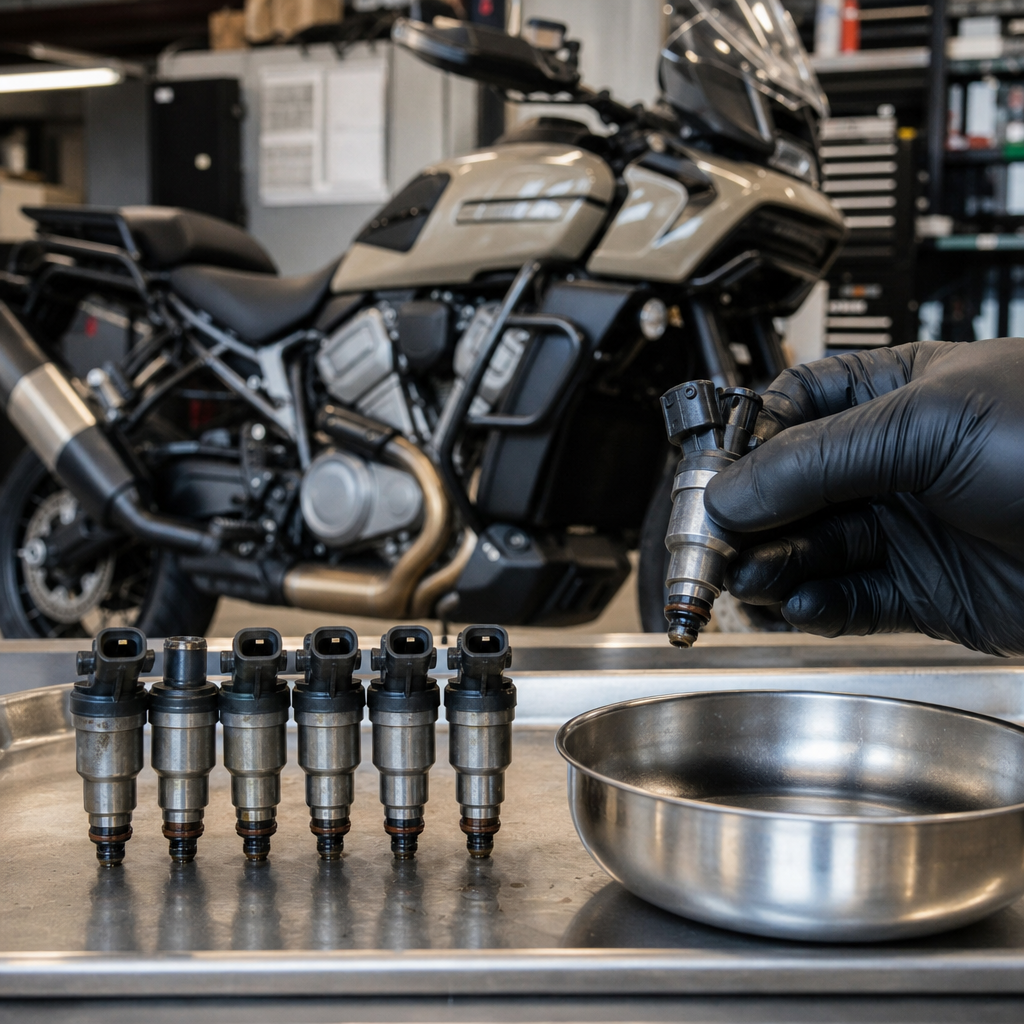
If symptoms remain, move to professional off-bike injector service rather than repeatedly dumping additives into the tank. Off-bike service typically includes flow testing, spray pattern analysis, ultrasonic cleaning, filter basket replacement where applicable, and post-clean balance verification. That matters because a chemical cleaner in the tank cannot show whether one injector is underperforming relative to the other. Balance is important on a 60-degree V-twin because uneven fueling between cylinders can feel like vibration, abruptness, or inconsistent engine braking. In shops that specialize in motorcycle injection, I have seen flow mismatches tighten from several percentage points to near parity after proper cleaning. The rider reports are usually specific: cleaner low-speed response, smoother clutch take-up, and less tendency to hunt at idle when hot.
| Step | Action | Purpose | Best use case |
|---|---|---|---|
| 1 | Verify fuel, battery, air filter, and codes | Rule out false injector symptoms | Every diagnosis |
| 2 | Use PEA-based tank cleaner with fresh premium fuel | Remove light deposits in service | Mild hesitation or preventive maintenance |
| 3 | Ride 50 to 100 miles at varied load and temperature | Allow cleaner and ECU adaptation to work | After additive treatment |
| 4 | Perform off-bike ultrasonic cleaning and flow test | Restore spray pattern and cylinder balance | Persistent symptoms |
| 5 | Reassess throttle response and fuel economy | Confirm service result | Post-clean validation |
How ergonomics change perceived fueling performance
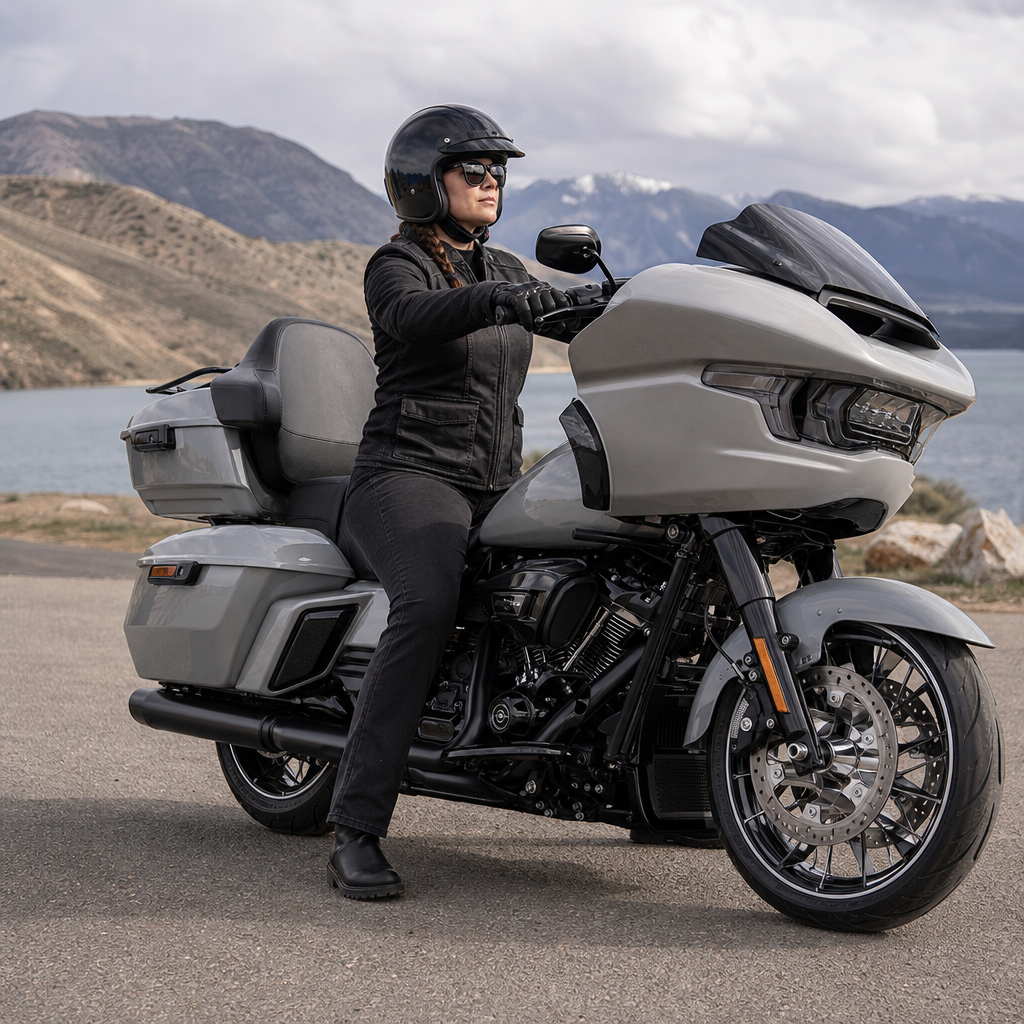
On this model, ergonomics are not separate from performance. They shape how the rider loads the controls, how smoothly weight transfers, and how manageable the engine feels in technical terrain. A Pan America set up with the wrong bar rotation, excessive clutch lever reach, or a seat that locks the rider too far from the tank often feels snatchier at low speed. Riders then assume the fuel injectors are dirty when the bigger issue is mechanical leverage and body position. Standing posture is the clearest example. If the bars are too low for the rider, elbows stiffen, wrists cock downward, and small bumps create unintended throttle inputs. Clean injectors cannot compensate for poor rider interface.
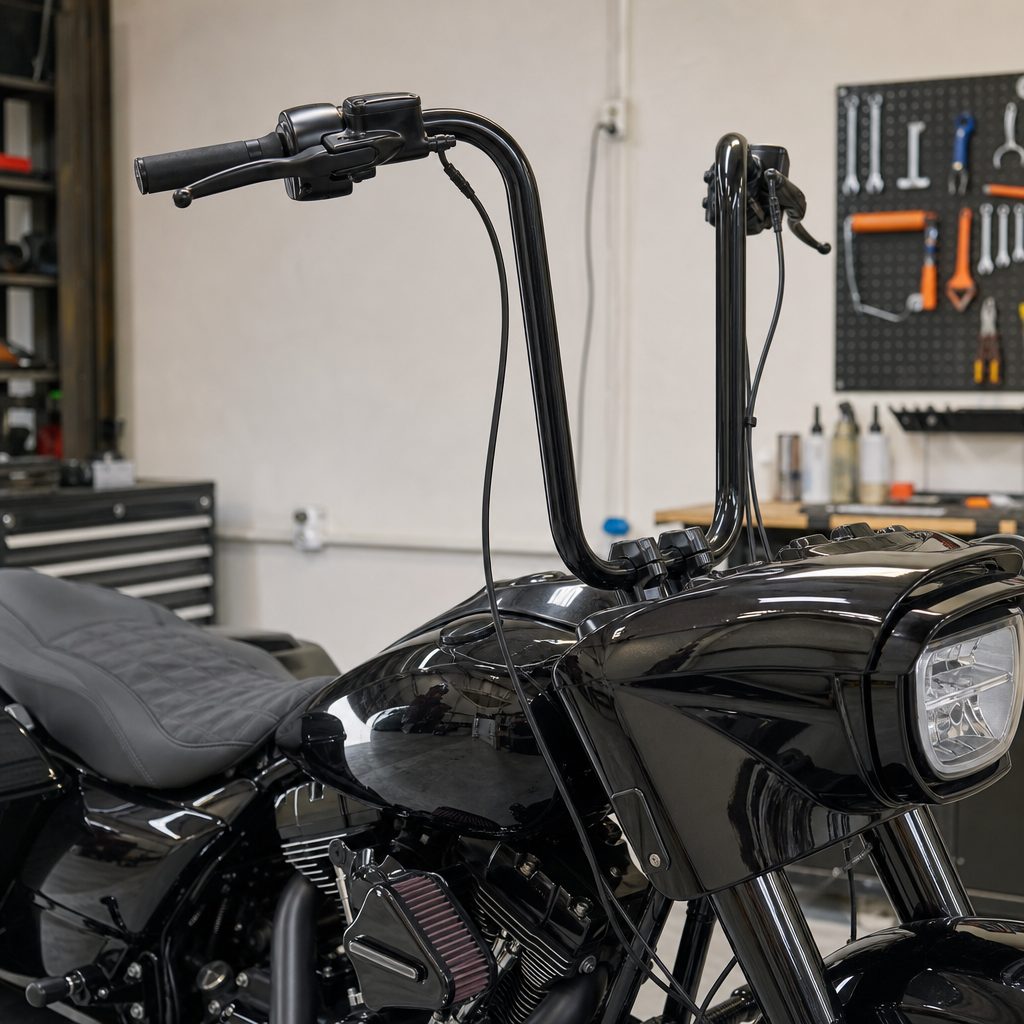
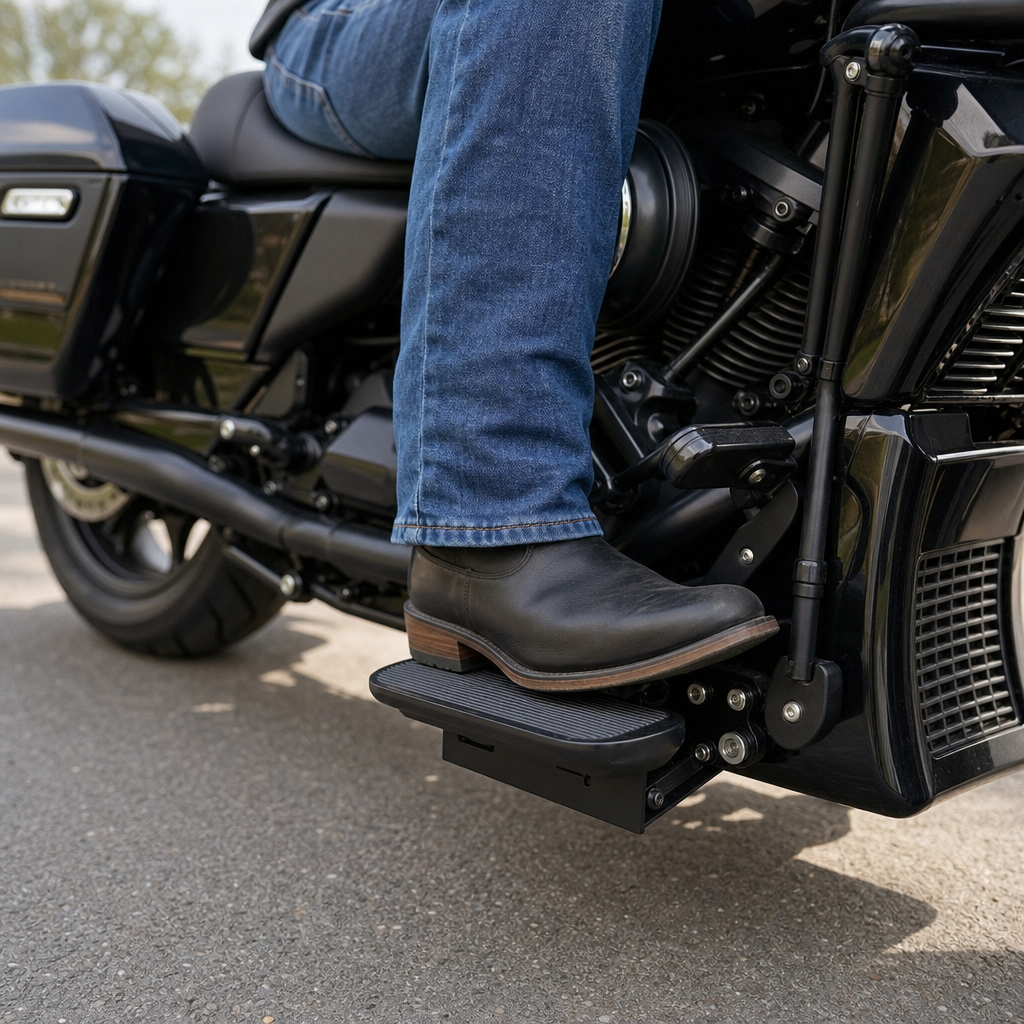
The practical recipe is simple. Before chasing fueling problems, set clutch and brake lever angles for neutral wrists while seated and standing. Confirm handlebar position allows relaxed elbows. Check seat height and fore-aft freedom, especially if adaptive ride height changes your confidence at stops but leaves you cramped when moving. Review footpeg width and boot contact if you ride off road. Then test the bike again. I have worked with riders who thought their Pan America needed remapping when all they needed was a better standing position and slightly increased clutch free play. Once ergonomics were corrected, the same throttle mapping felt precise rather than abrupt. For a hub page on Harley-Davidson model-specific recipes, this is a central lesson: performance is the combined output of mechanical condition and human control.
When cleaning helps, when parts should be replaced
Cleaning is effective when the injector is mechanically sound and the main issue is deposit-related restriction or spray distortion. It is not a cure for every fuel delivery problem. Replace or professionally evaluate injectors when there is a dead miss, electrical failure at the injector coil, severe imbalance after cleaning, cracked bodies, damaged connectors, or repeated contamination caused by rust or degraded tank internals upstream. Also remember that injector symptoms can overlap with fuel pump weakness, regulator issues, sensor drift, vacuum leaks, or software adaptation problems. Diagnosis should be sequential, not assumption-driven.
A useful benchmark is consistency. If the bike improves temporarily after additive use but quickly degrades again, suspect a contamination source rather than ordinary deposit buildup. If one cylinder header consistently runs cooler, if spark plug coloring differs sharply between cylinders, or if scan data shows unusual fuel trims once other variables are controlled, deeper testing is justified. Professional shops use noid lights, resistance checks, fuel pressure verification, and in some cases oscilloscope analysis to confirm command and response. That level of rigor matters on a premium adventure bike because random parts swapping gets expensive quickly. Clean first when the evidence supports it; replace when measured results say the injector can no longer meet specification.
Fuel quality, storage habits, and riding patterns
The easiest way to avoid injector deposits is boring but effective: buy fuel from busy stations, avoid letting ethanol fuel sit for long periods, and keep the tank reasonably full during storage to reduce moisture exchange. If the bike will sit beyond a few weeks, a quality stabilizer is sensible, but stabilizer is not the same thing as cleaner. Riders often confuse the two. Stabilizer slows oxidation; detergent cleaner addresses deposits. For many Pan America owners, the highest-risk pattern is repeated short-trip use followed by storage. The engine warms enough to encourage residue but not enough to maintain the stable operating conditions associated with cleaner combustion. Add dusty environments and infrequent filter inspection, and performance complaints become more likely.
Long mixed-load rides are healthy for this platform. A deliberate maintenance ride after treatment should include full warm-up, steady cruise, moderate acceleration, and deceleration cycles. This helps the cleaner circulate, allows ECU adaptation to settle, and gives you meaningful feedback. Track your fuel economy over several tanks rather than one ride. On motorcycles, wind, luggage, tire type, and speed can distort any single-tank conclusion. Riders who document starting behavior, idle quality, and miles per gallon before and after service make better decisions than those chasing impressions alone. That data-first habit is one of the best ownership practices across the Harley-Davidson range.
Building a broader Harley-Davidson performance recipe hub
As the central page for model-specific ergonomics and performance recipes, this Pan America 1250 fuel injector guide should point owners toward a disciplined approach they can apply across related articles: start with rider fit, verify baseline maintenance, isolate symptoms, choose the least invasive effective fix, and validate results with actual riding. For the Harley-Davidson audience, that framework scales well. Touring models may emphasize heat management and low-speed clutch feel, Sportster variants may focus on control reach and urban fueling manners, and the Pan America adds off-road posture, luggage mass, and altitude swings. The common thread is that “performance” is not only dyno output. It is usable, repeatable response in the conditions riders actually face.
The key takeaway for 2026 is straightforward. If your Pan America 1250 feels slightly dull, hesitant, or uneven, begin with a proper injector cleaning recipe built around diagnosis, quality PEA chemistry, and realistic riding validation. Pair that with ergonomic correction so your hands, feet, and body can use the motorcycle smoothly. Escalate to off-bike testing when symptoms persist, and replace parts only when the evidence supports replacement. That approach saves money, protects reliability, and usually restores the crisp response riders want from Harley-Davidson’s adventure flagship. Use this article as your starting point, then build your own service notes and compare outcomes across future model-specific recipes to keep the bike performing at its best.
Frequently Asked Questions
What does the fuel injector system do on the Pan America 1250, and why does cleaning matter for performance in 2026?
On the Harley-Davidson Pan America 1250, the fuel injectors are responsible for delivering a precise amount of atomized fuel into the Revolution Max 1250 engine at exactly the right moment. That sounds simple, but on this platform the process is closely tied to the ECU, throttle-by-wire control, ride modes, temperature inputs, and emissions systems. The bike is not just spraying fuel mechanically. It is constantly calculating load, throttle demand, engine speed, and operating conditions, then commanding the injectors to open for a very specific duration. For that reason, injector condition has a direct effect on how accurately the engine can meet those targets.
Cleaning matters because injectors rarely fail all at once. More often, they gradually develop varnish, carbon residue, or microscopic deposits that change the spray pattern and fuel flow characteristics. Even a small amount of contamination can shift the injector from a fine, even atomization pattern to a more uneven stream or partial mist. On a modern liquid-cooled adventure bike with tight fueling control, that can lead to rough idle, hesitant throttle response, harder cold starts, inconsistent low-speed manners, and subtle power loss under load. Riders sometimes assume those issues are caused by ignition, battery condition, or software adaptation alone, when injector fouling can be a real contributor.
For 2026, performance cleaning is especially relevant because many owners are balancing long-distance touring, mixed fuel quality, heat cycling, ethanol-blended fuel, and stop-and-go riding. Those conditions can accelerate deposit formation over time. A proper injector cleaning approach helps restore spray quality, supports smoother combustion, and allows the ECU to work with more predictable fuel delivery. In practical terms, that means a Pan America 1250 that starts more cleanly, responds more crisply, and feels more consistent across different ride modes and temperatures.
What symptoms suggest the Pan America 1250 fuel injectors may need performance cleaning?
The most common warning signs are changes in drivability rather than a dramatic failure event. On the Pan America 1250, mildly contaminated injectors may first show up as a rough or wandering idle, especially during cold starts or the first few minutes of operation. You may also notice a slight hesitation when rolling on the throttle from low rpm, uneven response in traffic, or an engine feel that is less smooth than normal in steady-state cruising. Because this model uses advanced fuel and throttle management, small injector problems can feel like general “off” behavior rather than a single obvious fault.
Another frequent symptom is harder cold starting. If the spray pattern is compromised, the engine may not get the properly atomized fuel it needs for clean combustion when temperatures are lower or the bike has been sitting. Some riders also report reduced fuel economy, a smell of unburned fuel, or a sensation that the bike is not pulling as strongly as it used to through the midrange. In more advanced cases, deposits can contribute to misfire-like behavior, surging, or a check engine light if fueling correction reaches a threshold that the system recognizes as abnormal.
It is important to remember that these symptoms are not exclusive to injectors. Air filter restriction, old spark plugs, weak battery performance, poor-quality fuel, sensor issues, and intake leaks can create similar complaints. That is why a model-specific diagnostic mindset matters. On the Revolution Max platform, injector cleaning should be considered when the symptoms fit, especially if the bike has seen variable fuel quality, long storage periods, heavy urban use, or high mileage. The goal is not to blame injectors for everything, but to recognize that even minor deposit buildup can noticeably affect a tightly calibrated engine.
What is a model-specific fuel injector cleaning recipe for the Pan America 1250, and why is it better than a generic approach?
A model-specific fuel injector recipe for the Pan America 1250 focuses on the way Harley-Davidson’s Revolution Max 1250 platform actually operates, rather than applying a one-size-fits-all cleaner or service interval. The “recipe” begins with fuel system assessment, not chemical treatment alone. That means considering symptoms, mileage, storage history, riding style, and fuel quality before deciding whether an in-tank cleaner is appropriate, whether pressurized on-bike cleaning is justified, or whether injector removal and bench testing is the better solution. On a bike with advanced electronic fuel control, that distinction matters.
The practical recipe usually starts with confirming the basics: fresh fuel, correct battery health, no obvious intake issues, and no unresolved ignition or sensor problems. From there, a high-quality fuel system cleaner formulated for injector deposits can be used when the symptoms are mild and the bike is otherwise healthy. If performance issues are more noticeable, a more targeted professional cleaning process may be needed, using equipment that runs cleaning solution through the injectors under controlled conditions. For heavily fouled units, removal, ultrasonic cleaning, filter basket service if applicable, and flow-pattern verification provide the most reliable result.
This is better than a generic approach because the Pan America 1250 is not especially forgiving of fueling inconsistency. The ECU adapts, but it still depends on injectors delivering repeatable flow. Generic advice often assumes older or less sophisticated engines where minor spray degradation is less noticeable. On this platform, even subtle imbalance can affect idle quality, throttle pickup, and rideability across modes. A model-specific cleaning plan respects the bike’s tighter tolerances, its emissions calibration, and the rider expectation that the engine should feel precise and refined both on pavement and off-road. In short, the best recipe is staged, evidence-based, and matched to the severity of contamination rather than relying on a single bottle or blanket recommendation.
Can I clean the Pan America 1250 fuel injectors myself, or should it be done professionally?
There is a middle ground here. Basic preventive cleaning can often be handled by the owner, but deeper performance cleaning is usually best left to a professional who understands modern fuel injection systems and the specifics of the Pan America 1250. If the bike is running reasonably well and you are addressing early-stage deposits, using a reputable fuel system cleaner in fresh fuel can be a sensible first step. This is especially true if the issue is mild, recent, and linked to storage or questionable fuel. Preventive maintenance also includes keeping fuel fresh, avoiding extended storage with untreated ethanol fuel, and riding the bike regularly enough to reduce varnish buildup.
Professional service becomes the smarter option when symptoms are persistent, the bike has meaningful drivability issues, or previous attempts with in-tank cleaner have not helped. A technician can evaluate whether the problem is truly injector-related, then perform a more controlled cleaning method. If needed, the injectors can be removed and tested for flow balance, leakage, and spray pattern quality. That kind of verification is valuable because it confirms whether cleaning solved the issue or whether an injector has a mechanical fault that cleaning alone will not fix.
The reason caution matters is that modern injectors are precision components. Improper handling, incompatible solvents, or amateur disassembly can damage seals, internal components, or electrical connectors. On the Pan America 1250, where fueling precision has a strong effect on overall ride quality, a sloppy cleaning attempt can create more problems than it solves. If you are comfortable with motorcycle maintenance and following service procedures carefully, owner-level preventive care makes sense. But for real performance restoration, professional cleaning and testing usually deliver a more dependable result.
How often should Pan America 1250 fuel injectors be cleaned, and what can owners do to prevent future contamination?
There is no universal mileage number that fits every Pan America 1250 because injector cleanliness depends heavily on fuel quality, storage habits, climate, and how the bike is used. A machine that regularly covers long highway miles on good-quality fuel may go a long time without needing more than preventive treatment. A bike that sees frequent short trips, repeated heat soaking, seasonal storage, or inconsistent fuel sources may develop injector deposits much sooner. That is why service planning should be based on symptoms, operating conditions, and maintenance history rather than a rigid calendar alone.
As a practical guideline, many owners think of injector cleaning in tiers. Preventive care can be done periodically with a proven fuel system cleaner and consistent use of high-quality fuel. More involved cleaning should be considered when the bike begins showing signs such as rough idle, hesitant throttle response, reduced fuel economy, or hard cold starts. If the Pan America 1250 is part of a long-term maintenance plan for touring or adventure travel, it is wise to address mild injector contamination early rather than waiting for drivability to worsen.
Prevention is just as important as cleaning. Use fresh fuel from reputable stations, avoid letting ethanol-blended fuel sit for long periods untreated, and consider fuel stabilizer when storing the bike. Keep up with the broader tune-up schedule as well, because clean air filtration, strong ignition performance, and proper battery condition all help the engine burn fuel more efficiently and reduce the confusion that can mask injector-related issues. Regular operation also helps. Bikes that are ridden consistently tend to fare better than those that sit for months between starts. In the end, the best preventive recipe for 2026 is simple: good fuel, smart storage, early symptom recognition, and service methods that match the Pan America 1250’s modern fuel-control demands.