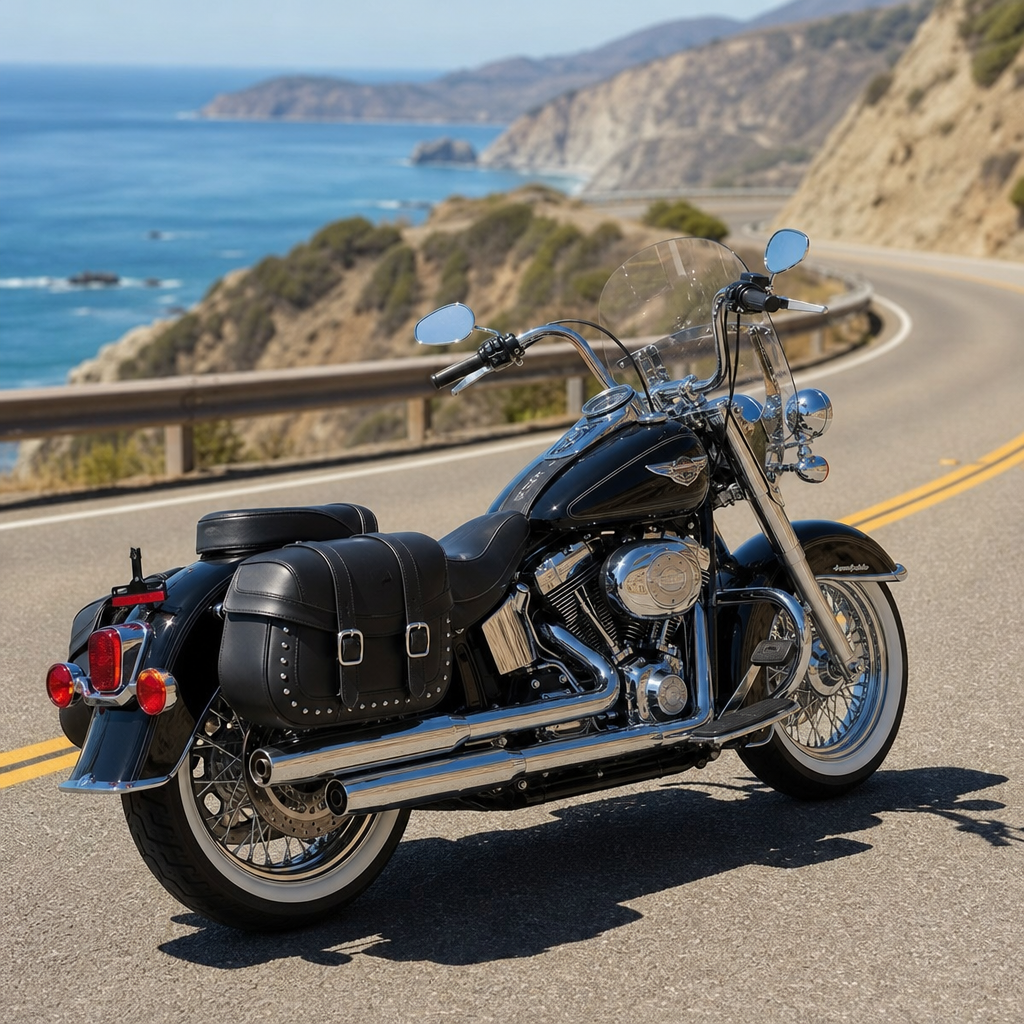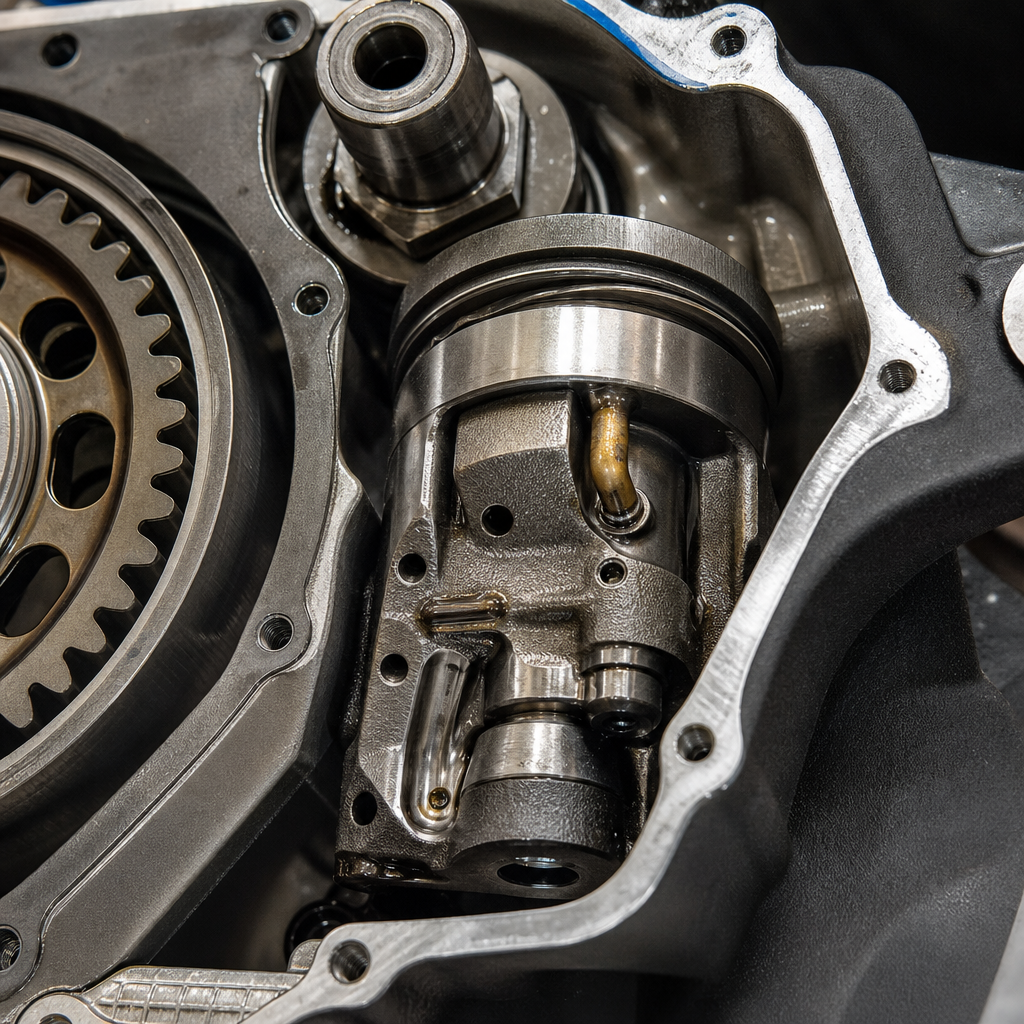
Milwaukee-Eight compensator oil port recipe work sits at the intersection of lubrication, driveline durability, and rider-focused tuning, especially for owners planning ahead for 2027 service intervals and long-term reliability. In Harley-Davidson terms, the Milwaukee-Eight is the current V-twin engine family, the compensator is the front-drive shock-absorbing assembly on the primary side, and the oil port recipe is the specific combination of inspection, passage sizing, flow path verification, parts selection, and fluid strategy used to improve how lubricant reaches high-load surfaces. I have worked on touring and Softail primary drives where compensator wear patterns told the whole story: shiny ramps, heat discoloration, noisy starts, and inconsistent engagement nearly always traced back to lubrication quality, contamination, or operating load. That is why this topic matters within model-specific ergonomics and performance recipes. Riders often think ergonomics only means bars, pegs, and seat height, but the feel at the controls is deeply affected by rotating mass behavior, clutch take-up, and drivetrain harshness. A smoother compensator changes perceived vibration at the floorboards, reduces lurch on startup, and makes low-speed throttle transitions feel more refined. For 2027 lubrication planning, the goal is not a gimmick modification. The goal is a repeatable maintenance and setup method that respects factory tolerances, supports real-world riding conditions, and helps the hub owner connect related subtopics such as primary fluid choice, clutch pack setup, rider weight, gearing, and thermal load. As a hub article, this guide defines the recipe, explains why some bikes respond differently than others, and shows where targeted, model-specific follow-up articles should go next.
What the compensator oil port recipe includes
A compensator oil port recipe is a disciplined process, not simply drilling a hole and hoping for more oil. On Milwaukee-Eight models, the recipe starts with identifying the exact platform: Touring, Trike, Softail, police fleet configuration, or heavily accessorized bagger with audio, trunk, passenger load, and tall gearing. Each one places a different shock load on the primary drive. The recipe then evaluates four variables: oil delivery path, operating temperature, ramp and shoe condition, and the rider’s real use case. In shop practice, I begin by checking startup noise history, clutch feel, idle quality, charging system health, and chain tension because compensator complaints are often mixed with unrelated issues. Next comes primary-side inspection for debris, abnormal polish marks, spring pack behavior, and evidence of cavitation or restricted splash. The oil port element of the recipe refers to improving lubricant access to the loaded surfaces without creating uncontrolled leakage, weakening a component, or masking a failing assembly.
For 2027 lubrication goals, the most useful mindset is controlled flow. Too little oil at the ramp interface increases friction, heat, and impact wear. Too much unmanaged flow can aerate fluid, disturb clutch behavior, or shift heat where you do not want it. A sound recipe therefore combines conservative porting logic with proven service steps: accurate torque procedures, runout checks, chain adjustment within specification, clean mating surfaces, and fluid selection appropriate for climate and riding style. This matters because the Milwaukee-Eight family produces strong low-rpm torque, and that torque repeatedly hammers the compensator during hot restarts, parade speeds, passenger launches, and aggressive roll-ons. The rider experiences those mechanical events as noise, pedal buzz, or a jerky take-up leaving a stop.
Why lubrication changes rider feel and durability
The compensator’s job is to cushion torsional pulses between the crankshaft and the primary drive. When lubrication is healthy, the moving elements slide and recover as designed, reducing sharp impacts. When lubrication is inadequate or contaminated, friction rises and the assembly can momentarily resist smooth motion, producing the classic clunk or harsh rebound riders notice at startup and shutdown. On Milwaukee-Eight touring bikes, that roughness can travel through floorboards and bars, making a machine feel more unrefined than it really is. On Softails, the same issue often shows up as abrupt driveline feedback because the chassis is lighter and transmits more sensation directly to the rider.
Durability improves for a simple reason: oil separates metal surfaces, carries away heat, and suspends wear particles until service removes them. In repeated inspections, I have seen bikes used for two-up mountain riding show darker primary fluid and more visible wear marking than similar-mileage solo commuters. The difference was not rider skill; it was sustained load and heat. That is why any 2027 lubrication recipe must be usage based. A rider commuting in mild temperatures may only need meticulous fluid service and inspection discipline, while a loaded Road Glide used in summer traffic may benefit from a more deliberate oil-port strategy and stricter service intervals.
Model-specific differences across the Harley-Davidson range
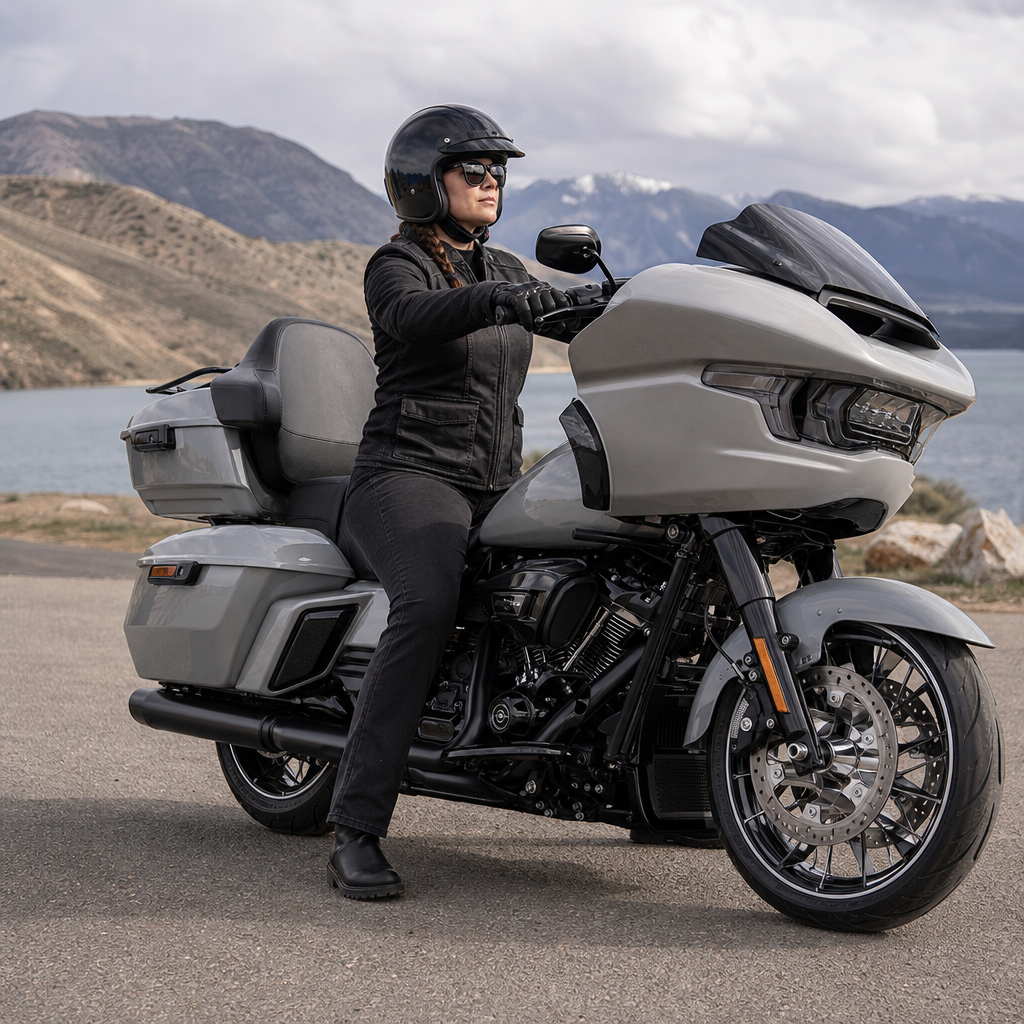
Not every Milwaukee-Eight motorcycle asks the same thing from its compensator. Touring models such as Road King, Street Glide, Road Glide, and Ultra variants carry more mass, often see accessories that increase electrical and thermal demand, and spend time in heat-soaked stop-and-go traffic. Those bikes generally benefit the most from lubrication-focused compensator tuning because they subject the assembly to repeated torsional shocks under weight. Trike models add even more rolling mass and can expose driveline components to prolonged low-speed loading. Softail models, by contrast, are lighter and usually easier on the compensator in stock trim, but modifications such as cams, tuning, exhaust, big rear tires, and aggressive clutch setups can raise shock loads quickly.
Police and fleet motorcycles deserve separate mention. Extended idling, frequent starts, and duty-cycle severity produce lubrication challenges that private owners do not always anticipate. A fleet maintenance recipe should prioritize consistency, contamination control, and documented inspection findings over experimental changes. This hub article therefore sits above narrower guides: touring-specific compensator service, Softail ergonomic response tuning, trike low-speed driveline management, and high-output engine combinations. The core rule across the Harley-Davidson range is straightforward: match any oil port recipe to vehicle mass, torque delivery, rider load, and thermal environment, not internet folklore.
Building a practical 2027 lubrication strategy
A 2027-ready lubrication strategy should be predictable, measurable, and reversible if inspection data says the bike does not need more intervention. The baseline is factory-correct assembly with updated service information, quality fasteners where required, and fresh primary fluid from a reputable manufacturer. Riders often ask whether fluid alone can solve compensator noise. Sometimes it helps, especially when the old fluid is sheared down or contaminated, but fluid is not a cure for worn ramps, damaged springs, or poor chain adjustment. The right sequence is inspect first, service second, modify last.
When I map a recipe for a customer bike, I organize it like this:
| Recipe element | What to inspect or change | Why it matters | Best fit examples |
|---|---|---|---|
| Baseline service | Primary fluid, chain adjustment, clutch adjustment, torque verification | Removes simple causes of harshness and heat | All Milwaukee-Eight models |
| Oil path review | Port condition, splash pattern, debris check, side cover inspection | Confirms lubricant can reach loaded surfaces consistently | Touring, Trike, high-mileage bikes |
| Thermal control | Idle habits, traffic use, tune quality, load profile | Heat accelerates viscosity loss and wear | Urban baggers, fleet bikes |
| Component condition | Ramp finish, spring pack integrity, shoe wear, chain and sprocket state | Physical wear cannot be fixed by thicker oil alone | Noisy starts, harsh engagement complaints |
| Targeted modification | Conservative porting only after measurement and comparison | Aims to improve controlled lubrication without side effects | Experienced builders, documented problem cases |
This framework works because it forces evidence-based decisions. If fluid darkens unusually fast, debris appears, or startup noise worsens after heat soak, you have reasons to go deeper. If the bike runs quietly with stable clutch feel, aggressive modification is harder to justify.
How the oil port approach should be evaluated safely
Any discussion of compensator oil ports must stay conservative because the exact implementation depends on component design, revision level, and machining quality. The safe principle is to improve lubricant access while preserving structural integrity and keeping flow behavior predictable. That means measuring existing passages, documenting stock geometry, checking for bulletin updates, and comparing wear evidence before changing anything. In professional practice, I never treat online dimension claims as universal. Harley-Davidson production revisions, aftermarket compensators, and prior owner work can all change the starting point.
Evaluation should answer six questions directly. Is the bike actually showing lubrication-related symptoms? Is primary fluid appropriate and fresh? Is there evidence of impact wear beyond normal polish? Is the chain adjusted correctly? Has engine tuning reduced lugging and unstable idle? Has any prior modification already altered oil behavior? If you cannot answer those questions, you do not yet have a recipe. You have a guess. Riders should also understand the tradeoff: more oil access is beneficial only if the assembly still operates within its intended mechanics. If porting removes too much material, creates burrs, or introduces metal debris during service, the modification becomes the problem. Precision and cleanliness matter more than ambition.
Connecting lubrication to ergonomics and performance recipes
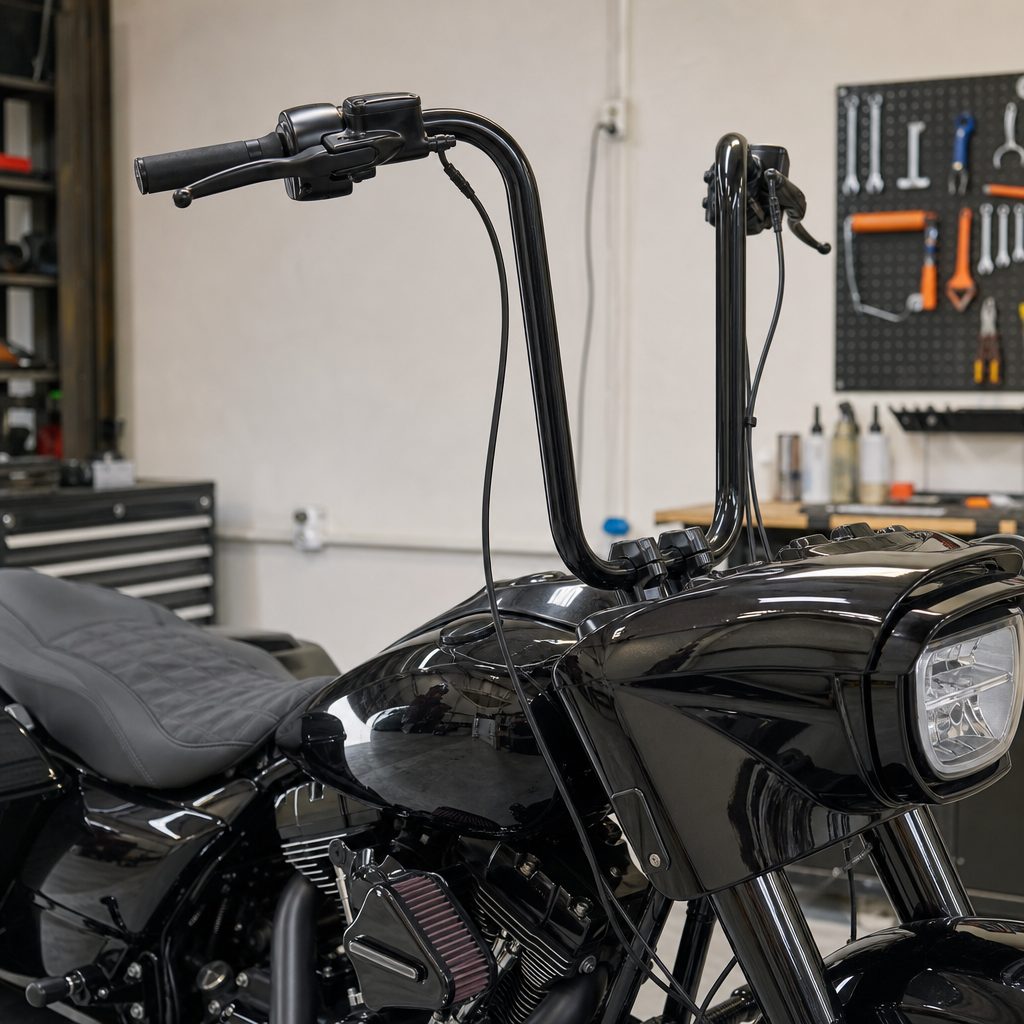
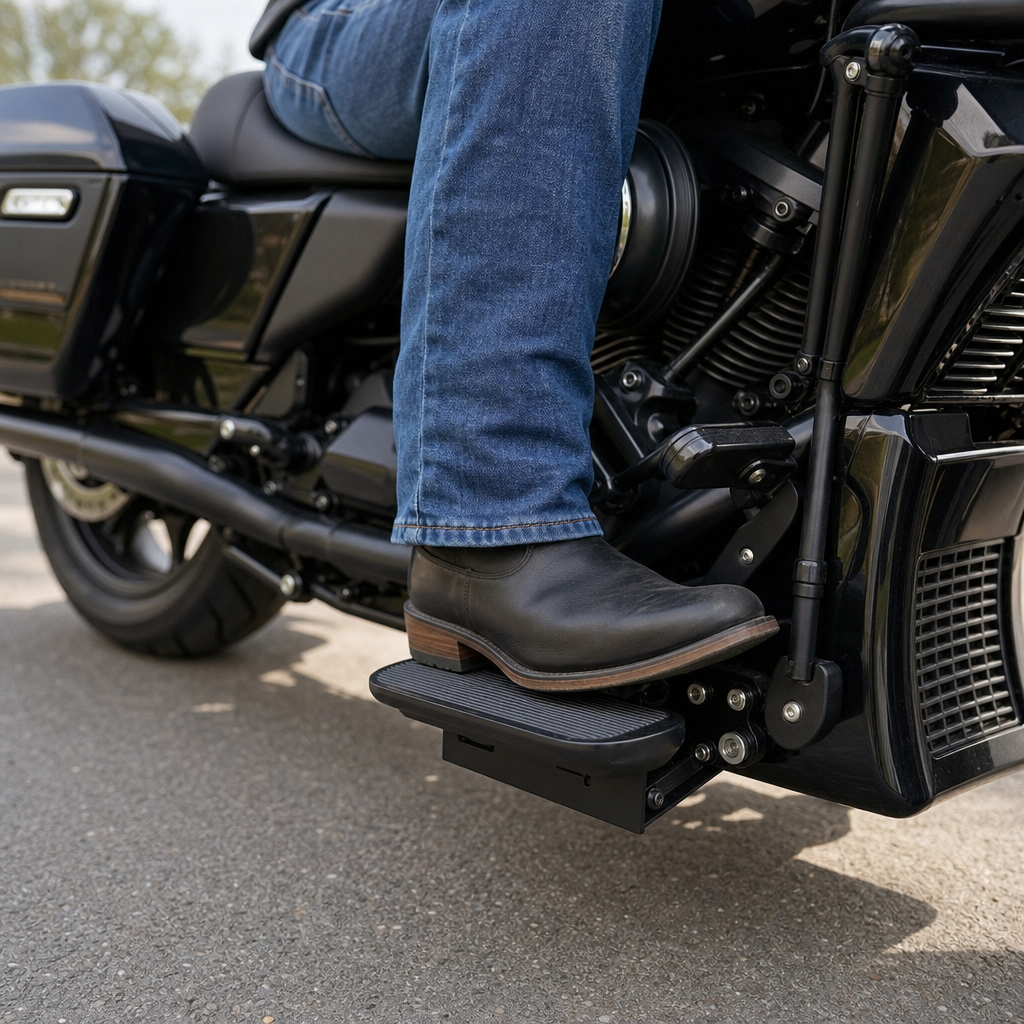
This sub-pillar hub is about more than one primary-side procedure. Model-specific ergonomics and performance recipes work because mechanical smoothness changes how a motorcycle fits the rider. A well-lubricated compensator complements bar position, seat support, footboard placement, and clutch lever effort by reducing the harsh impulses that fatigue hands, hips, and lower back on long rides. On a Road Glide set up for touring, for example, compensator smoothness pairs naturally with a seat that supports pelvic rotation, bars that reduce wrist extension, and floorboards positioned to allow stable weight transfer at parking-lot speeds. The rider feels less driveline shock, which makes the whole ergonomic package seem better calibrated.
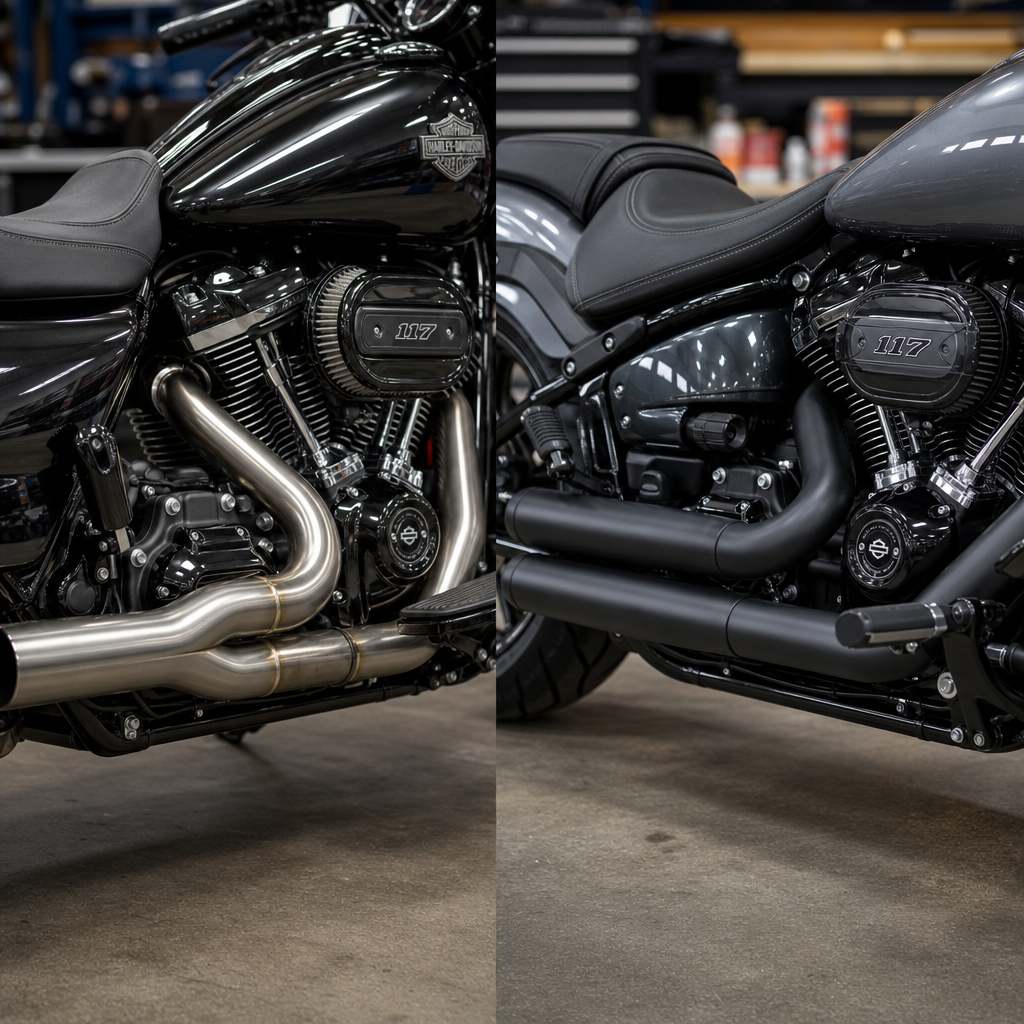
Performance recipes connect as well. Cam timing, throttle mapping, idle speed stability, clutch spring rate, and gearing all influence how torsional pulses hit the primary drive. A bike tuned for strong low-end torque but ridden below comfortable rpm will punish the compensator more than a smoother map that avoids lugging. That is why internal links from this hub should point to related articles on primary fluid selection, clutch setup, touring load management, rider weight and suspension balance, heat control in traffic, and Milwaukee-Eight tuning choices. The benefit is not just component life. It is a motorcycle that starts cleaner, shifts more predictably, and feels calmer everywhere the rider touches it.
Maintenance intervals, warning signs, and owner decision-making
Owners planning for 2027 should think in intervals and symptoms, not only mileage. High-heat urban use, frequent passenger riding, steep terrain, trailer towing where permitted, and performance modifications all justify closer inspection schedules. Warning signs include increasingly sharp startup clatter, a heavier clunk when engaging first gear, inconsistent clutch engagement after a long hot ride, metallic debris in the drained primary fluid, or vibration that appears new despite unchanged tires and mounts. None of those symptoms proves the oil port is at fault, but together they justify methodical diagnosis.
The strongest takeaway is simple: the Milwaukee-Eight compensator oil port recipe is a system-level approach to lubrication improvement, not a one-size-fits-all trick. Start with correct service, inspect for real evidence, and match any modification to the motorcycle’s model, load, tune, and riding environment. When done thoughtfully, better compensator lubrication can reduce harshness, protect expensive parts, and noticeably improve how a Harley-Davidson feels at the controls. Use this hub as the starting point for deeper model-specific guides, then build a maintenance plan that reflects how you actually ride your bike.
Frequently Asked Questions
What does “Milwaukee-Eight compensator oil port recipe” actually mean?
The phrase “Milwaukee-Eight compensator oil port recipe” refers to the specific lubrication strategy used to help the compensator on a Milwaukee-Eight engine receive the right amount of oil in the right way. On Harley-Davidson models, the compensator is the spring-loaded drive assembly mounted on the engine sprocket side of the primary drive. Its job is to cushion drivetrain shock, smooth engagement, and reduce the impact of abrupt torque pulses moving through the primary system. The “oil port recipe” portion of the term points to a methodical combination of inspection, port sizing, passage verification, cleanliness, hardware condition checks, and oil flow confirmation rather than a single magic modification.
In practical terms, riders and builders use this phrase to describe a repeatable approach to improving lubrication at the compensator interface. That can include confirming oiling passages are open, examining any wear that may restrict flow, evaluating whether port dimensions are appropriate for the application, and making sure the entire primary system supports consistent oil delivery during real-world use. It also implies a tuning mindset: the goal is not simply to increase oil volume indiscriminately, but to improve how lubricant reaches high-load contact surfaces under startup, idle, acceleration, heat cycling, and long service intervals.
For owners thinking ahead to 2027 maintenance planning, the value of a good compensator oil port recipe is long-term durability. Proper lubrication can help reduce heat, noise, uneven wear, harsh engagement, and the kind of shock-loading that shortens component life. When discussed seriously, this topic is less about shortcuts and more about building a reliable, documented service process that supports a smoother-running primary drive over time.
Why is compensator lubrication such an important topic for Milwaukee-Eight reliability and 2027 service planning?
Compensator lubrication matters because the compensator lives in a high-load, high-vibration environment where it is constantly managing engine pulses and driveline shock. The Milwaukee-Eight platform produces strong low-end torque, and that means the primary side sees repeated stress during starting, idling, acceleration, deceleration, and stop-and-go riding. If lubrication at the compensator is marginal, the surfaces and moving elements inside that assembly can experience increased friction, elevated operating temperatures, rougher movement, and accelerated wear patterns. Over time, that can translate into more noticeable noise, clunking, harshness during take-up, or premature component replacement.
From a 2027 planning perspective, owners are increasingly thinking beyond immediate repairs and focusing on lifecycle maintenance. That means paying attention to anything that influences long-term service intervals, replacement costs, and confidence on extended rides. A well-executed oil port recipe supports that goal because it helps turn compensator lubrication from a vague assumption into a verified maintenance variable. Instead of waiting for symptoms such as rattling, notching, inconsistent engagement, or primary debris, riders and technicians can proactively inspect the flow path, confirm component condition, and establish a baseline for future service checks.
There is also a practical reliability argument. Modern riders often expect their bikes to handle varied conditions: hotter climates, heavier touring loads, urban traffic, highway miles, and occasional performance tuning. Those factors can all influence oil behavior and component stress. By treating compensator lubrication as part of a structured primary service plan, owners give themselves a better chance of preserving driveline smoothness and avoiding small lubrication shortcomings that can become expensive mechanical problems later. In that sense, compensator oiling is not a niche topic; it is a sensible part of long-term Milwaukee-Eight durability management.
What steps are usually included in a proper compensator oil port recipe?
A proper compensator oil port recipe usually begins with careful disassembly and inspection rather than immediate modification. The first priority is to assess the current condition of the compensator assembly, primary case, related passages, and surrounding hardware. A technician or experienced builder will typically look for signs of abnormal wear, discoloration from heat, scoring, metal debris, sludge accumulation, seal issues, and evidence that oil has not been reaching key surfaces consistently. This initial inspection is critical because poor lubrication symptoms can sometimes be caused by contamination, damaged parts, or assembly issues rather than port design alone.
Next comes oil passage and flow-path verification. This means identifying where oil is intended to travel, checking that any relevant openings are clear, and confirming there are no restrictions caused by burrs, debris, gasket misalignment, old sealant, or wear-related distortion. If passage sizing is part of the recipe, it should be approached conservatively and precisely. The goal is controlled flow improvement, not random enlargement. Any change in port size can alter oil distribution characteristics, so the work should be measured, repeatable, and matched to the specific compensator design and application. Surface finishing and deburring are just as important as dimension changes because rough edges can create debris or disrupt intended flow behavior.
After that, a thorough recipe often includes checking fasteners, torque procedures, alignment, and the condition of adjacent primary components such as the chain, tensioner, clutch basket, and sprockets. Lubrication performance does not exist in isolation; if the system is misaligned or parts are heavily worn, oiling improvements may not deliver the expected results. The final stages typically include careful cleaning, reassembly using correct specifications, fresh fluid where appropriate, and post-service monitoring. Riders may listen for changes in startup behavior, compensator noise, engagement smoothness, and primary feel over the next service interval. The best recipes are documented so future inspections in 2027 and beyond can compare wear patterns, oil condition, and real-world results instead of relying on guesswork.
Can improving the oil port recipe reduce compensator noise, harshness, or premature wear?
It can help, but it is important to set expectations correctly. Improving the oil port recipe can reduce some of the conditions that contribute to compensator noise, rough operation, and wear, especially when the root problem is related to marginal lubrication or inconsistent oil delivery. Better oil access to loaded surfaces may help the compensator move more smoothly, control friction more effectively, and avoid localized heat buildup. In many cases, riders are hoping to address startup clatter, idle-related chatter, harsh engagement feel, or general drivetrain roughness, and lubrication improvements can be part of a successful solution.
However, lubrication is only one piece of the compensator puzzle. Noise or wear can also be caused by existing mechanical damage, fatigued internal components, improper torque, chain issues, clutch-side problems, engine tuning characteristics, or operating habits that place repeated shock loads into the system. If the compensator is already heavily worn, simply optimizing the oil port recipe may not reverse that damage. In those cases, replacement parts or a broader primary service may be necessary before improved lubrication can deliver meaningful benefits.
The most accurate way to think about it is this: a better oil port recipe supports compensator health, but it is not a guaranteed cure-all. It is most effective when used as part of a comprehensive approach that includes inspection, accurate diagnosis, proper assembly, and realistic expectations about component condition. When performed intelligently and combined with regular maintenance, it can absolutely contribute to quieter operation, smoother driveline behavior, and slower wear progression over time. That makes it worthwhile for riders who are focused on preserving their Milwaukee-Eight’s long-term reliability rather than chasing a one-step fix.
Should Milwaukee-Eight owners handle compensator oil port work themselves or leave it to a professional?
That depends on the owner’s experience, tools, and comfort level with precision primary-side work. Compensator oil port work sounds simple when described casually, but in reality it involves critical inspection, accurate measurement, disciplined cleanliness, and a strong understanding of how the primary drive functions as a system. If an owner is already experienced with Milwaukee-Eight service procedures, has access to proper service information, uses quality measuring tools, and understands how even small changes in port geometry or assembly practice can affect lubrication and component life, a careful do-it-yourself approach may be possible.
For many riders, though, this is a job best handled by a qualified Harley-Davidson technician or an experienced independent shop that understands Milwaukee-Eight compensator behavior in depth. A professional can evaluate whether the bike actually needs oiling changes, identify wear that might make modifications pointless, and apply a repeatable process that avoids overcorrection. That matters because mistakes in this area can create new problems, including poor oil control, contamination risk, improper hardware installation, or masking of a larger mechanical issue. The more the bike is relied upon for long-distance use or the more valuable 2027 reliability planning becomes, the stronger the case for expert evaluation.
A smart middle ground is to stay involved even if you do not perform the work yourself. Ask what the shop’s compensator oil port recipe includes. Ask whether they verify passages, inspect wear surfaces, document dimensions, and evaluate related primary components rather than just replacing parts. Request before-and-after notes if possible so future service decisions are based on actual findings. Whether the work is done at home or in a shop, the best outcomes come from a methodical, evidence-based process focused on lubrication quality, driveline smoothness, and long-term Milwaukee-Eight durability.