The Milwaukee-Eight valve stem seal recipe matters because many used 107-powered Harley-Davidson models begin showing light oil consumption, startup smoke, or carbon-fouled plugs long before owners expect major top-end work. In practical terms, a valve stem seal is the small elastomer seal that meters oil around the valve guide; when it hardens, shrinks, or is damaged during prior service, oil can slip into the combustion chamber and burn. On 107 cubic inch Milwaukee-Eight engines, that symptom often gets blamed on rings, breather carryover, or aggressive riding, but repeated workshop inspections show the seals are a frequent first checkpoint. For buyers shopping used Road Glide, Street Glide, Road King, Heritage Classic, and Softail models, understanding this repair can save unnecessary engine teardown.
This article serves as a hub for model-specific ergonomics and performance recipes within the Harley-Davidson category, but it centers on the valve stem seal issue because it connects comfort, drivability, maintenance cost, and long-term engine health. Ergonomics and performance recipes are practical, repeatable combinations of parts, setup changes, and inspection procedures tailored to a specific model family. On a used 107, a recipe may include seating position changes, handlebar adjustments, suspension baseline settings, and targeted mechanical fixes that restore clean combustion and throttle response. I have worked through this sequence on touring bikes with over 40,000 miles and on Softails that looked healthy on paper yet used a quart of oil every 1,500 to 2,000 miles. The pattern is consistent: diagnose carefully, confirm the source, repair methodically, and then tune the rider interface around how the motorcycle is actually used.
Why does this matter in 2027? Because the used market is now full of first-wave Milwaukee-Eight 107 machines with mixed maintenance histories, accessory tuning, and mileage high enough for age-related rubber degradation to show up. A seller may describe consumption as normal, but visible decel smoke after a hot idle, oily valve faces, and plug deposits are not traits to normalize. They are clues. Fixing the seals at the right time can restore cleaner starts, steadier idle quality, and more predictable fuel trims while avoiding the cost of chasing the wrong fault. It also gives owners a structured hub for deciding what else to address on a used Harley-Davidson: rider triangle, heat management, suspension sag, intake and exhaust balance, and the basic service standards that keep a 107 enjoyable rather than tiring.
What the Milwaukee-Eight 107 valve stem seal problem looks like
The classic symptom set is straightforward. The bike starts clean when cold, then puffs blue smoke after sitting on the jiffy stand, or after a long idle followed by throttle pickup. Oil consumption creeps up without obvious external leaks. Spark plugs show wet or dark deposits, usually unevenly. Some owners report a brief haze on deceleration after a downhill section because manifold vacuum can draw oil past compromised seals. On engines with healthy compression, stable leak-down numbers, and no crankcase pressure problem, those signs point strongly toward the top end rather than the bottom end.
Used 107s complicate diagnosis because several Harley-specific factors can mimic seal failure. Overfilled oil tanks can increase carryover through the breathers. Aftermarket air cleaners may make breather mist more visible. Short-trip use creates condensation and carbon that exaggerate startup smoke. Cam timing changes can alter manifold vacuum behavior. I never call seals guilty until I inspect plugs, verify oil level hot and upright, check breather routing, and look at the intake ports with a borescope if access allows. If one cylinder consistently shows heavier oiling around the valve area, the repair path becomes much clearer.
The repair recipe: diagnosis before disassembly
The most reliable valve stem seal recipe starts with a disciplined baseline. Perform a compression test, then a leak-down test with the engine warm. Compression alone does not isolate seal problems, but healthy and even readings make ring failure less likely. Leak-down over about 10 percent deserves closer attention to valve seating and ring seal before blaming seals. Next, inspect the throttle body and intake tract for breather oil, because a breather-heavy engine can fool you into thinking the guides are passing oil. Check oil consumption over at least 1,000 miles using the same fill method every time. Record startup smoke patterns, plug condition, and whether smoke appears after engine braking or long idle periods.
When the pattern still points to valve stem seals, plan the repair around service-manual procedures, correct valve spring compression tools, and new gaskets. On Milwaukee-Eight heads, care in setup matters more than speed. You need clean piston positioning, compressed air or rope support if servicing with heads on, and meticulous parts organization. Many shops remove the heads because it simplifies inspection of guides, seats, and stem wear. That is the better choice when mileage is high, prior work is unknown, or there is any doubt about guide clearance. Replacing seals without checking guide condition can create a short-lived fix.
| Checkpoint | What to inspect | Why it matters on used 107s |
|---|---|---|
| Oil control baseline | Hot oil level, consumption log, breather residue | Rules out overfill and normal misting before major work |
| Combustion condition | Spark plugs, exhaust smoke timing, borescope images | Helps separate seal leakage from rich running or ring wear |
| Mechanical health | Compression and leak-down test | Confirms whether top-end sealing is otherwise sound |
| Head service scope | Valve guide clearance, seat condition, spring height | Prevents replacing seals on worn guides that will keep burning oil |
Parts, materials, and service standards that produce lasting results
A lasting repair depends on parts quality and dimensional control. Use seals that meet original material and temperature requirements, and replace any suspect valve with stem wear beyond service limits. I also inspect guide clearance with the proper measuring method rather than relying on feel. If the guide is loose, the new seal becomes a bandage. Valve face and seat contact should be checked with machinist-grade accuracy, especially on engines that have seen tuner maps, high heat, or long periods of lugging. Fresh umbrella-style or positive-style seals alone cannot compensate for a valve that rocks excessively in the guide.
During reassembly, spring installed height, retainer condition, and keeper fit deserve the same attention as the seals themselves. A sloppy keeper or worn retainer can cause expensive failure later. On Milwaukee-Eight engines, I prefer replacing all seals at once, even if only one cylinder shows visible smoking, because labor overlap is significant and elastomer aging is usually similar side to side. New rocker support gaskets, head gaskets if heads are removed, and careful torque-angle adherence are nonnegotiable. Harley-Davidson service literature, a calibrated torque wrench, and clean mating surfaces are part of the recipe, not optional extras.
Why this belongs in a model-specific ergonomics and performance hub
At first glance, valve stem seals sound purely mechanical, but on Harley-Davidson motorcycles, mechanical condition and rider setup are tightly linked. A 107 that burns oil often idles dirtier, runs hotter in traffic, and leaves the rider compensating with throttle, clutch slip, or reduced confidence on long trips. Once the top end is clean, ergonomic tuning becomes more meaningful because the engine responds consistently. That is why this page acts as a hub. Model-specific recipes should start with engine health, then move outward to controls, suspension, and luggage load distribution.
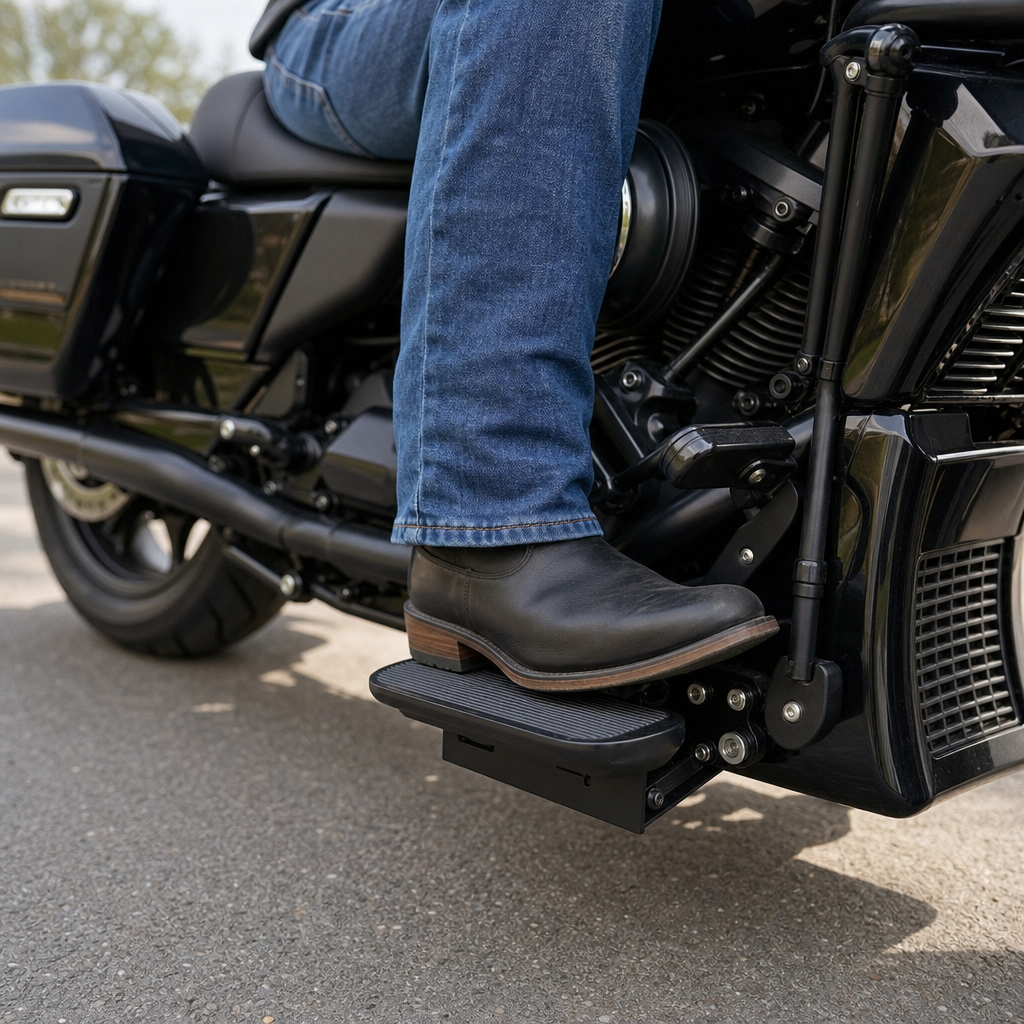
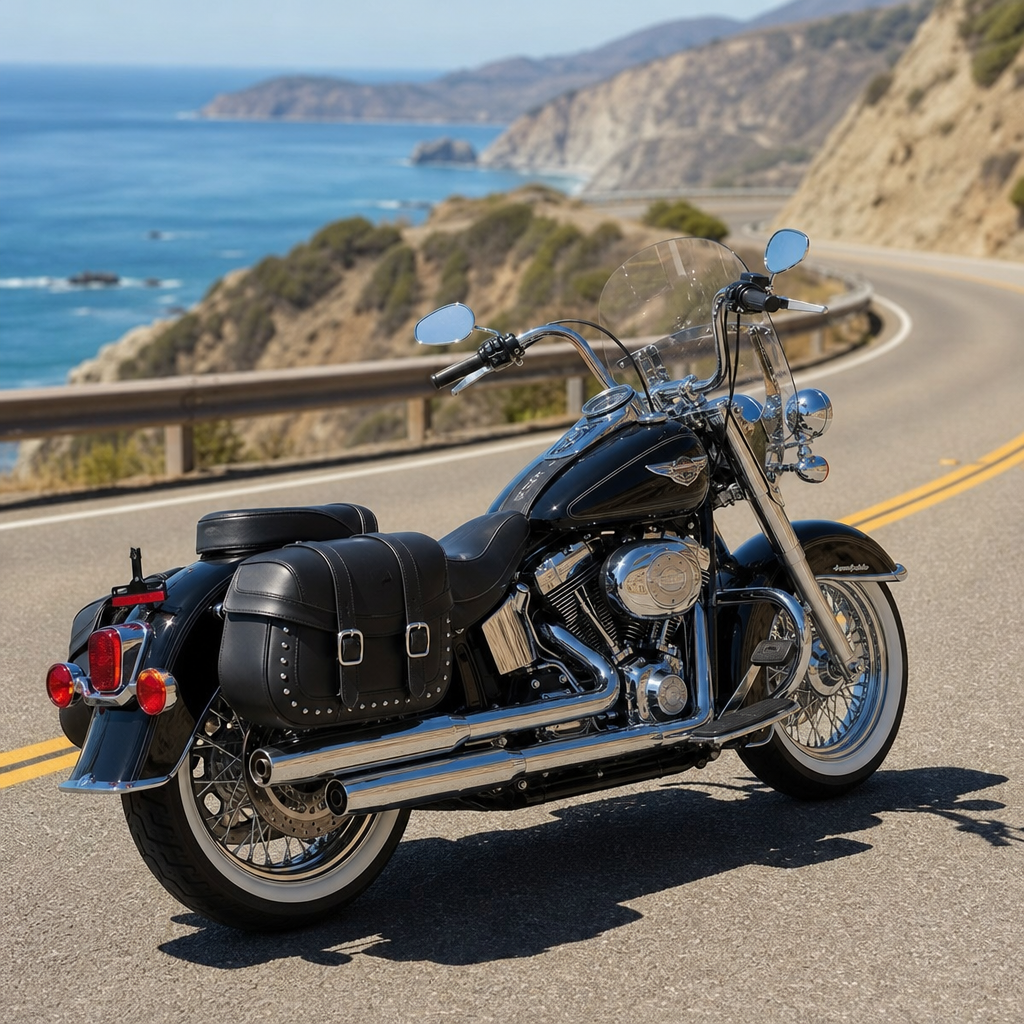
For example, a Road Glide owner who complains of sluggish roll-on and cockpit heat may assume the answer is a cam chest upgrade, when the better first step is to verify the engine is not ingesting oil and skewing combustion quality. A Heritage Classic rider with mid-mileage valve seal wear may also benefit from a seat that opens hip angle and reduces the tendency to lug the engine in high gear at low rpm. On Softail platforms, bar reach and foot control position shape how often the rider uses lower gears, which affects heat load and perceived smoothness. Good recipes account for these interactions instead of treating comfort and performance as unrelated categories.
Model-by-model recipe thinking for used 107 Harleys
Touring models such as the Street Glide Special, Road Glide, Road King Special, and Electra Glide Standard usually arrive with windshield, seat, and handlebar changes already installed. When evaluating a used example, I look at rider triangle first: seat height relative to floorboards, bar pullback, and wrist angle at steady cruise. If the fit forces the rider into a slouched pelvis and locked elbows, the engine often gets blamed for vibration or harshness that is really posture-driven. After the valve seal repair, these bikes respond well to a recipe of proper suspension sag, a seat that supports the sit bones, and bars that allow neutral shoulders. The result is better throttle control and less tendency to cruise below the engine’s happy range.
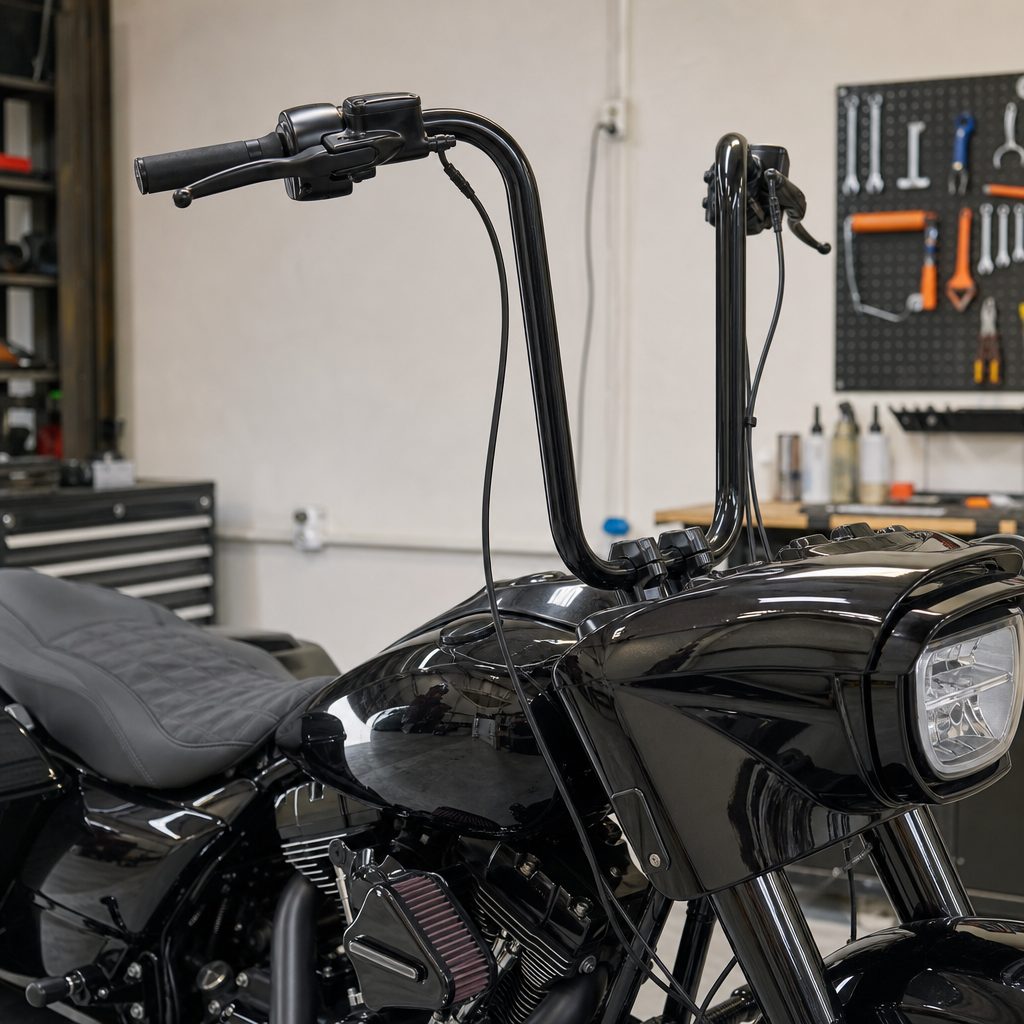
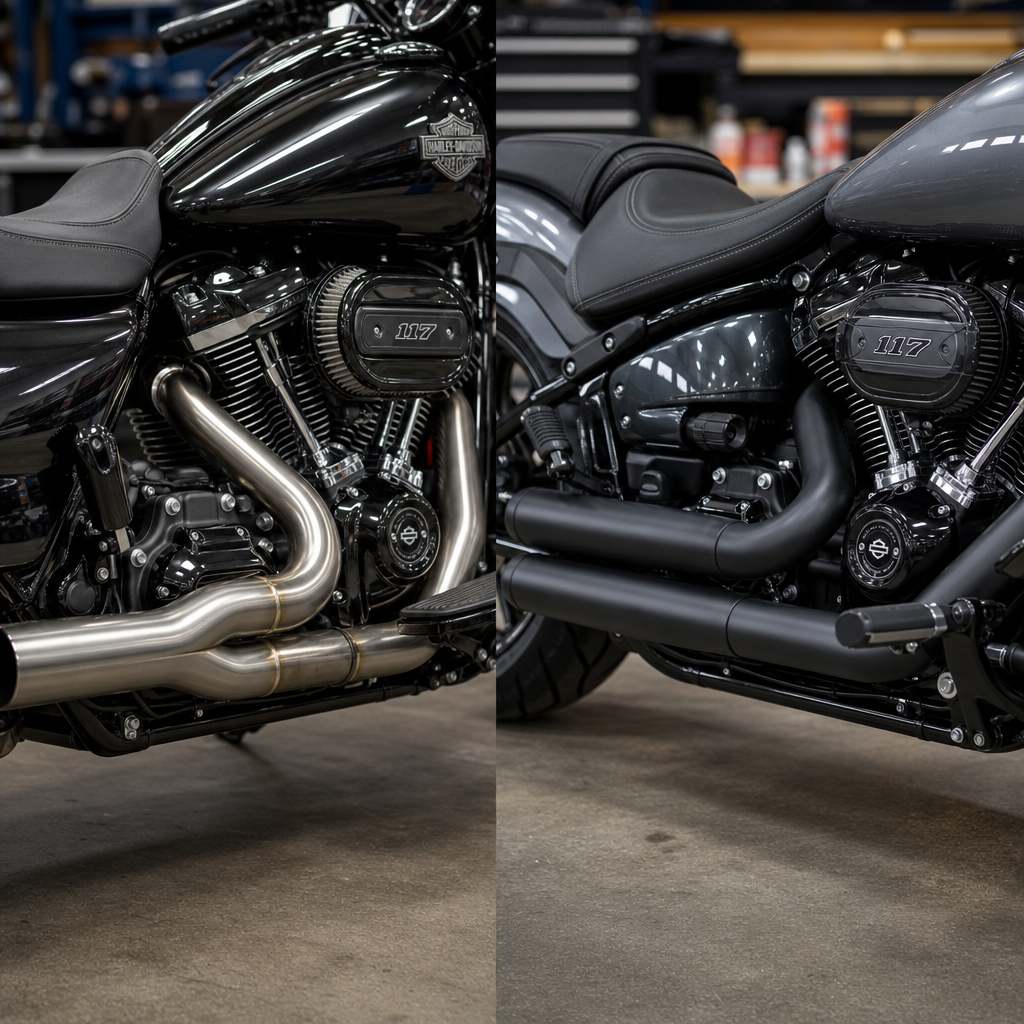
Softail-based 107s require a different recipe because geometry and seating vary more dramatically. A Heritage Classic with a touring windscreen may need only a seat and shock preload correction, while a Fat Boy or Breakout often benefits from bar adjustment and a clearer distinction between boulevard gearing feel and actual engine load. Used Street Bob models can be the most revealing because owners frequently customize them heavily. Ape hangers, short shocks, and loud exhausts may look right but mask a bike that runs dirtier and feels slower than stock. Fix the oil-control issue first, then evaluate intake tune, exhaust scavenging balance, and whether the controls place the rider in command rather than decoration.
Common mistakes when chasing oil burn on Milwaukee-Eight 107 engines
The first mistake is assuming every smoking 107 needs rings. Ring problems happen, but tearing down the bottom end before confirming guide and seal condition wastes money. The second mistake is replacing seals without measuring guides. If the guide is worn, oil burn returns. The third mistake is ignoring crankcase ventilation. Milwaukee-Eight engines route oil vapor through the breathing system by design, and modified air cleaners can make harmless mist appear dramatic. The fourth mistake is tuning around a mechanical problem. Richer fueling may hide symptoms temporarily, but carbon loading and poor fuel economy will follow.
Another frequent error is evaluating oil consumption without a controlled method. Harley-Davidson dry-sump systems can read differently depending on temperature and whether the bike is upright. Owners top off too often, then wonder why the engine seems to consume oil. I advise checking level fully hot, after a ride, upright, on a consistent surface. Finally, many used-bike buyers focus on mileage alone. A 20,000-mile bike with infrequent use, many heat cycles, and years of sitting can have harder seals than a 45,000-mile machine serviced on schedule and ridden regularly. Age, storage, tune quality, and heat history matter as much as odometer numbers.
Building your broader Harley-Davidson recipe from this hub page
This hub page points to a simple strategy for used 107 ownership. Start with engine integrity: oil control, combustion cleanliness, compression, leak-down, and breather function. Move next to baseline chassis setup: tire condition, steering head feel, wheel alignment, and suspension sag. Then tune ergonomics by model: seat shape, bar reach, lever angle, floorboard or peg position, and wind management. Only after that should you stack on performance changes such as intake, exhaust, tuner calibration, or cam selection. In the workshop, this order prevents accessory spending from obscuring the motorcycle’s true needs.
For riders and buyers in 2027, the benefit is clarity. A used Milwaukee-Eight 107 can be an excellent long-term Harley-Davidson if you approach it with a repeatable recipe instead of assumptions. Valve stem seals are one of the smartest early checkpoints because they influence smoke, plug life, idle quality, and owner confidence. Solve that correctly, and every comfort or performance upgrade that follows delivers a cleaner result. Use this page as your starting point, inspect before you modify, and build each model-specific recipe around verified mechanical health. That is how a used 107 becomes a dependable, comfortable motorcycle rather than a project that keeps asking the wrong questions.
Frequently Asked Questions
What are the most common signs that valve stem seals are causing oil burn on a used Milwaukee-Eight 107?
The classic pattern is light but persistent oil consumption without the kind of external leak or dramatic performance loss that usually points to rings, base gaskets, or major mechanical wear. On a used Milwaukee-Eight 107, bad valve stem seals often show up first as a puff of blue smoke on cold startup, especially after the bike has been sitting overnight. That happens because oil seeps past a hardened or shrunken seal while the engine is off, pools near the valve, and then burns off when the engine fires. Owners may also notice carbon-fouled spark plugs, oily residue in one combustion chamber, or a gradual need to top off oil between service intervals even though the bike still runs smoothly.
Another clue is that the symptoms can seem inconsistent at first. The engine may not smoke under steady cruising, and compression can still look acceptable, which is why valve stem seals are often overlooked. If the bike idles fine, pulls normally, and does not have obvious blow-by, but still leaves occasional startup smoke or develops plug fouling, the top end deserves a closer look. On these engines, that symptom set is particularly relevant when the motorcycle has unknown service history, high heat exposure, long storage periods, or evidence of previous top-end work where a seal may have been nicked during installation.
Why do Milwaukee-Eight 107 valve stem seals fail earlier than some owners expect?
Valve stem seals are small parts doing a very precise job in a very hot environment. Their job is not to block all oil, but to meter it so the valve stem and guide receive lubrication without allowing excess oil into the combustion chamber. Over time, heat cycles, oil chemistry, storage conditions, and mileage all work against the elastomer material. On a used 107, especially one with incomplete maintenance records, the seals may already be aged, hardened, or damaged even if the rest of the engine still feels healthy. A bike can have acceptable compression and no major mechanical noise, yet still burn oil because the seals are no longer controlling oil properly around the guides.
Prior service is another major factor. If a cylinder head was previously apart for cam work, head service, or valve train repairs, a seal can be cut, distorted, or improperly seated during reassembly. That kind of installation damage may not cause immediate symptoms, but it can shorten the life of the seal significantly. Excessive guide wear can also worsen the issue by allowing too much valve movement, which places more stress on the seal lip. In short, early oil burn on some used Milwaukee-Eight 107s is often less about catastrophic engine wear and more about the cumulative effect of heat, age, guide condition, and how carefully the last top-end job was performed.
How do you confirm that valve stem seals are the real cause of oil consumption before tearing into the top end?
The best approach is to diagnose methodically instead of assuming every smoking Milwaukee-Eight 107 needs the same repair. Start with the symptom timing. Smoke mainly on startup or after deceleration can suggest oil entering through the valve area, while smoke under load may point more strongly toward rings or broader cylinder sealing problems. Inspect the spark plugs for uneven carbon or oily fouling, and pay attention to whether one cylinder appears worse than the other. A borescope can be useful for checking piston tops and valve faces for wet oil deposits or abnormal carbon patterns without opening the engine immediately.
Compression and leak-down testing help build the full picture. Good compression and a reasonable leak-down result do not automatically prove the seals are bad, but they do make severe ring or valve seating issues less likely. It is also important to rule out simpler causes, including overfilled oil level, oil carryover through the breather system, or external leaks being mistaken for consumption. If the bike has startup smoke, oil use, carbon-fouled plugs, and no strong evidence of ring failure or major guide damage, valve stem seals move high on the suspect list. At that point, disassembly and inspection of the heads is the only way to confirm condition with confidence.
What is included in a proper Milwaukee-Eight valve stem seal “recipe” for fixing oil burn on used 107s?
A proper fix is more than just swapping seals and hoping for the best. The “recipe” starts with careful disassembly and inspection of the cylinder heads, valves, guides, springs, and retainers. New valve stem seals should be high-quality parts matched correctly to the application, but they need to be installed on stems and guides that are clean, measured, and within spec. If guide clearance is excessive, a new seal alone will not provide a durable repair. The valve stem condition matters too, because worn or scored stems can quickly compromise a new seal.
Good practice also includes checking spring installed height, valve face and seat condition, and any signs of overheating or prior service damage. During installation, the technician must protect the seal lip from sharp keeper grooves on the valve stem, use the correct tools, and make sure the seal seats fully and squarely. Many successful repairs also include replacing related wear items while access is available, especially on higher-mileage used engines. Once reassembled, correct oil level, breather function, and general tune should be verified so the engine is not creating conditions that mimic or aggravate oil control issues. In other words, the real recipe is diagnosis, measurement, quality parts, careful installation, and confirmation that the rest of the top-end system supports the repair.
Is replacing valve stem seals on a used Milwaukee-Eight 107 worth it, or is a full top-end rebuild usually the smarter move?
It depends on what inspection reveals. If the heads are otherwise healthy, guide clearance is within limits, valves and seats are serviceable, and the cylinders and rings show no major sealing problem, replacing valve stem seals can be a very worthwhile repair. In that situation, it directly targets the source of startup smoke and light oil burn without the added cost of a complete top-end overhaul. For many used 107s, especially those that still run strong and have only moderate symptoms, that focused repair can restore normal oil control and extend engine life significantly.
However, if teardown shows worn guides, weak valve train components, poor past machine work, or evidence that oil consumption is coming from more than one source, then a broader top-end rebuild may be the smarter long-term decision. A used motorcycle with unknown history often rewards a “fix what you find” mindset rather than a one-part solution. The key is not to over-repair blindly, but not to under-repair either. A careful inspection tells you whether the seals are the main culprit or just one symptom in a larger wear pattern. When handled that way, the owner gets a repair strategy based on actual engine condition instead of guesswork.