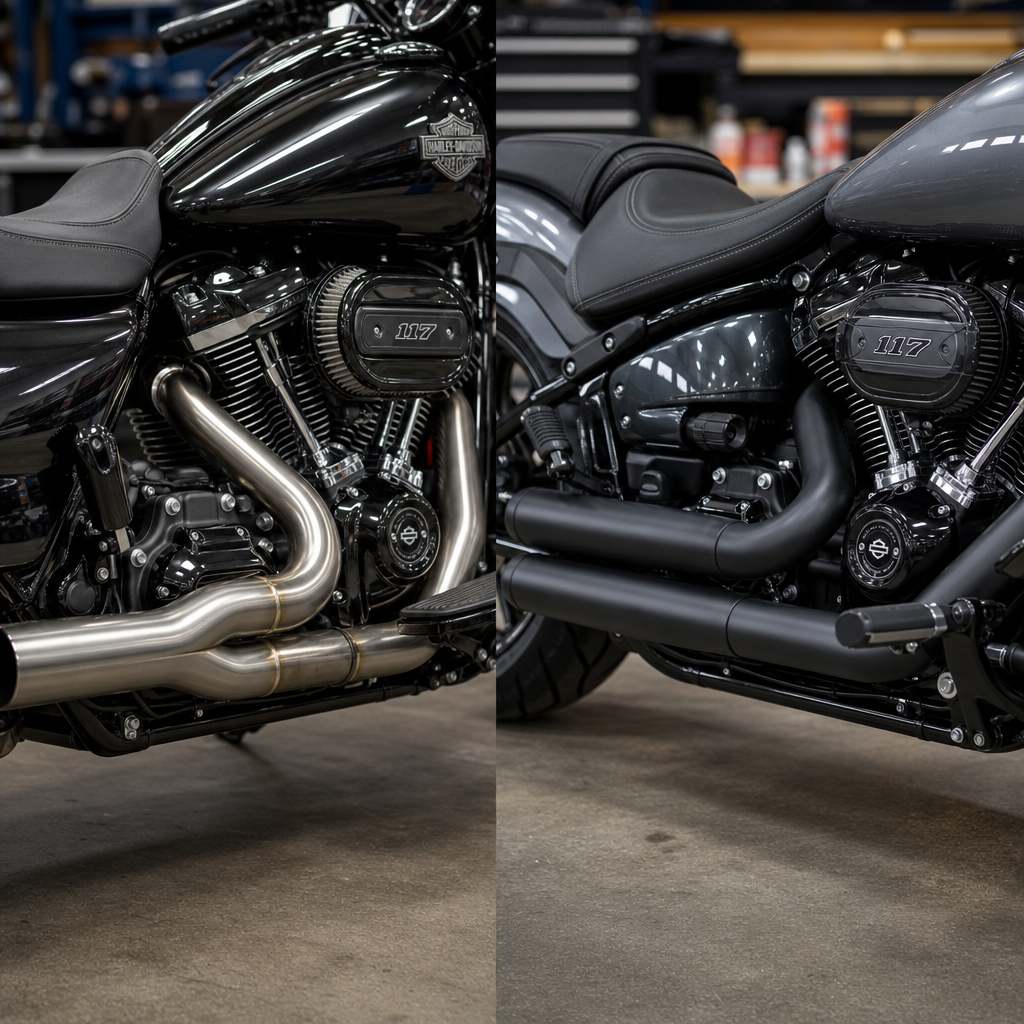
Milwaukee-Eight Stage II cam phasing tuning has become one of the most effective ways to build a Harley-Davidson that fits both the rider and the road, especially when the goal is a machine tuned as a complete recipe rather than a box of unrelated parts. In practical terms, a performance recipe is a coordinated setup that combines rider ergonomics, engine timing, airflow, gearing, calibration, and use case into one repeatable plan. For 2026 owners, that matters because the Milwaukee-Eight platform spans touring, cruiser, trike, and performance-bagger applications, and the right tune for a Road Glide carrying a passenger is not the right tune for a Low Rider ST ridden solo in the mountains.
When I build Stage II packages, camshaft selection gets the headlines, but cam phasing is often where the combination either comes alive or falls flat. Cam phasing tuning means setting and calibrating valve timing events relative to crankshaft position so the engine delivers torque, heat control, throttle response, and top-end power in the rpm range the rider actually uses. On a Milwaukee-Eight, especially with modern flash tuning, that timing strategy works together with volumetric efficiency tables, spark advance, electronic throttle mapping, exhaust scavenging, intake flow, and compression characteristics. The result is not just more horsepower. It is better rideability, cleaner roll-on acceleration, and less mismatch between chassis ergonomics and engine character.
This hub article covers model-specific ergonomics and performance recipes across the Harley-Davidson range with Stage II cam phasing as the anchor point. It explains what changes from Softail to Touring, how rider triangle affects gearing and torque preferences, why two bikes with the same displacement can need different timing targets, and which supporting components make a cam package reliable. If you are researching a Street Glide, Road King Special, Low Rider S, Heritage Classic, Road Glide, or CVO-derived Milwaukee-Eight build, this page gives you the framework to choose the right recipe first, then branch into deeper bike-specific guides with a clear decision path.
What Stage II Cam Phasing Tuning Actually Changes
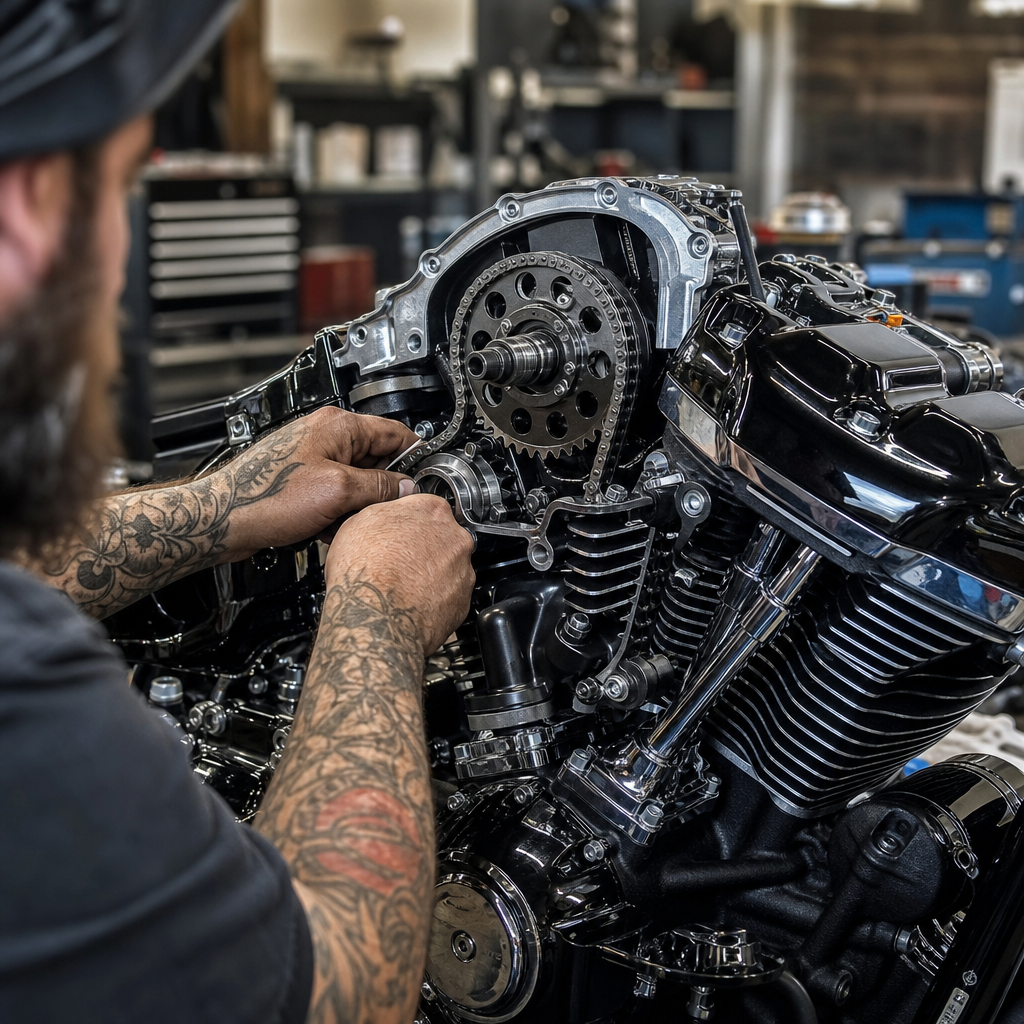
Stage II on a Milwaukee-Eight usually refers to a camshaft upgrade supported by tuning and, depending on the package, stronger pushrods, valve springs, adjustable pushrods, lifters, and intake or exhaust changes. The most important mechanical effect is altered valve opening and closing events. Duration changes how long the valves stay open. Lift changes how far they open. Lobe separation angle and installed centerlines determine overlap behavior, cylinder pressure, and the rpm band where the engine works best. Cam phasing is the practical act of placing those events where the engine and rider benefit most.
On a heavy touring Harley-Davidson, advancing the intake centerline often improves low and midrange torque, which matters for passing from 2,500 to 4,000 rpm with luggage and a passenger. Retarding the cam slightly can trade some bottom-end response for stronger upper-rpm pull. Neither is universally better. The correct answer depends on compression ratio, exhaust design, throttle body size, and the bike’s weight and gearing. I have seen the same 114-inch engine feel dramatically different with only a few degrees of timing change and a revised spark map, especially when the stock torque request tables were also cleaned up.
Tuning software such as Dynojet Power Vision, Screamin’ Eagle Pro Street Tuner, and TTS MasterTune gives calibrators control over fueling, spark, idle behavior, rev limits, and throttle progression, but the best results come when the mechanical cam choice and the electronic tune were planned together from the start. That is why a real performance recipe begins with rider use case, not with a catalog part number.
How Ergonomics Shapes a Harley-Davidson Performance Recipe
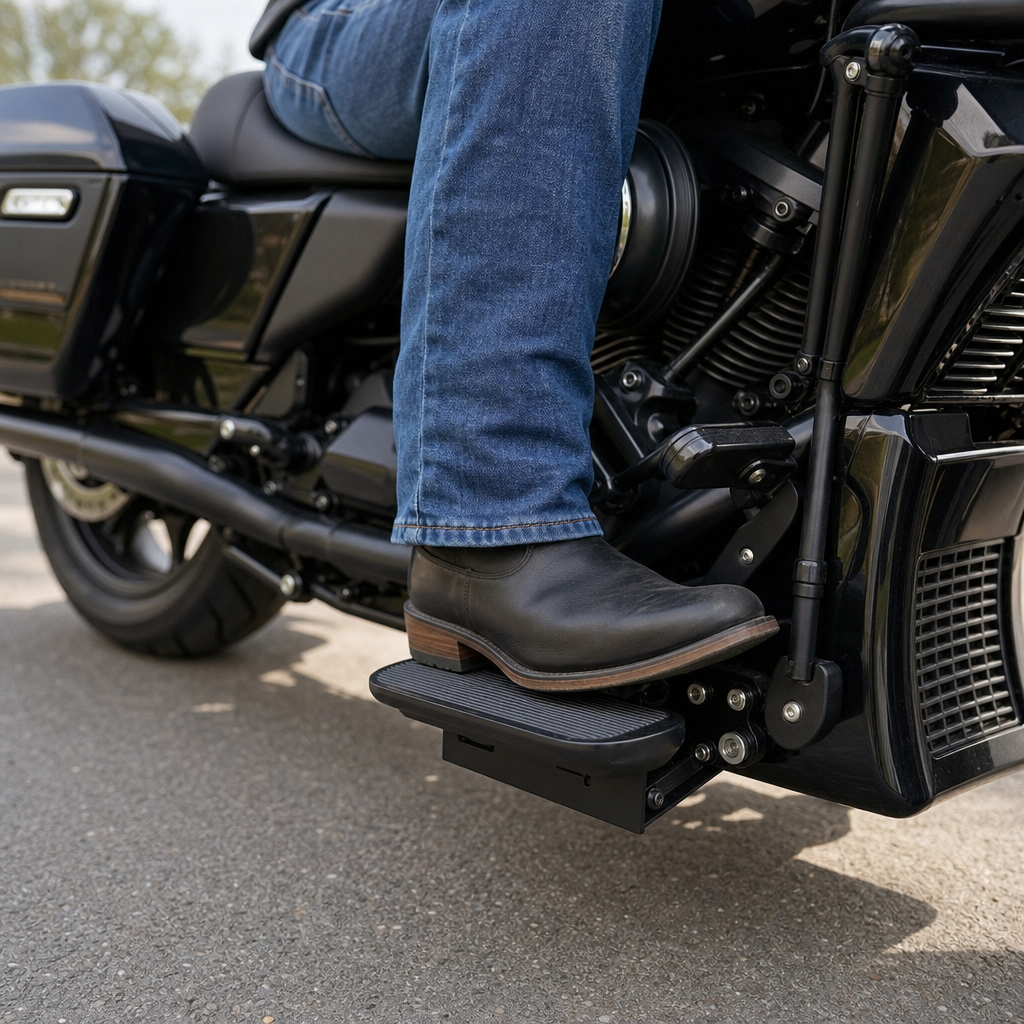
Ergonomics is not separate from engine tuning. It tells you where the rider sits, how much leverage they have over the chassis, how long they stay in the saddle, and what rpm habits feel natural. A rider on mids and a tall seat tends to ride more aggressively and tolerate a narrower powerband. A rider on floorboards and a windshield generally wants effortless torque and low vibration at cruise. On Milwaukee-Eight bikes, those ergonomic realities should influence cam choice, phasing, and gearing just as much as dyno numbers.
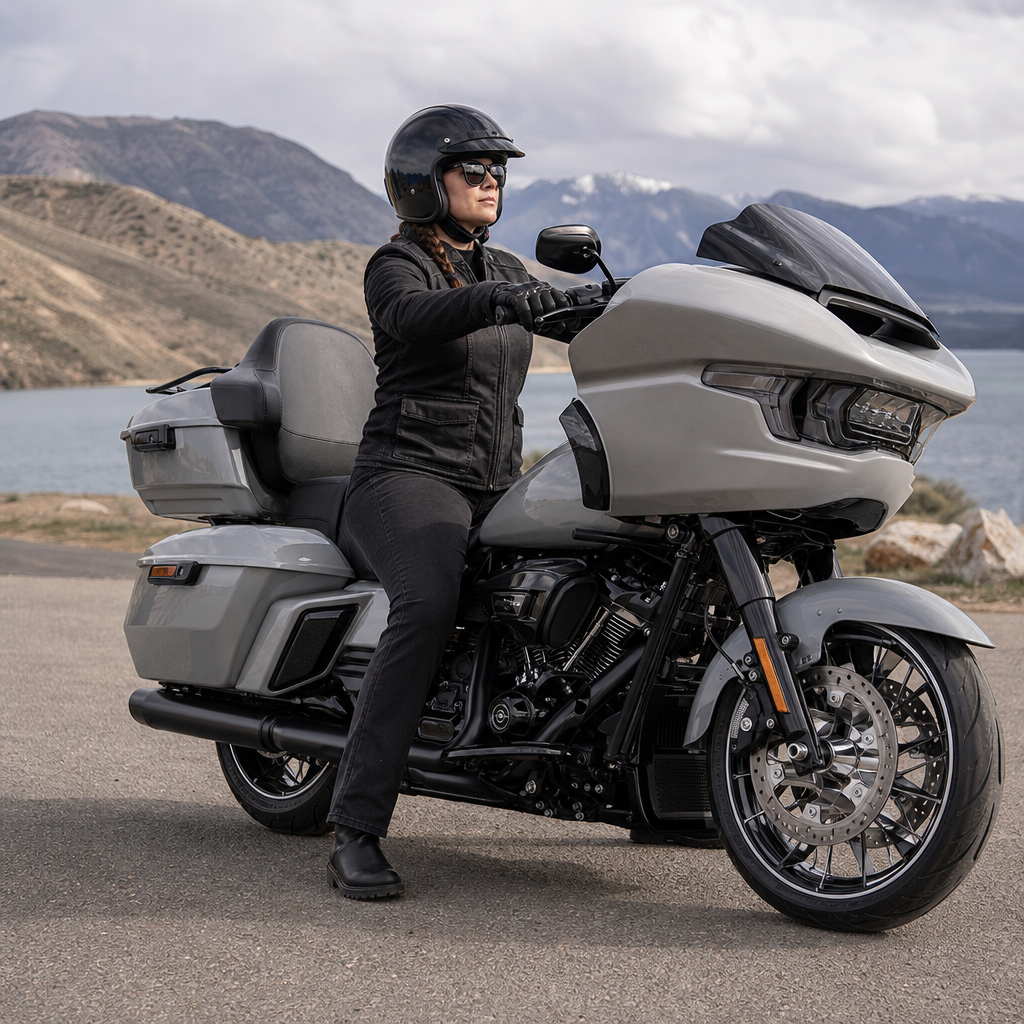
The rider triangle includes seat height, reach to bars, and foot position. On a Road Glide Limited, the more upright posture and touring payload push the recipe toward early torque, cooler exhaust valve temperatures, and smooth throttle transitions. On a Low Rider ST, the sportier stance supports a later-closing intake valve and a cam that pulls harder above 4,000 rpm because the rider is more likely to exploit that range. Suspension also matters. Better rear shocks and fork damping let the rider use the engine more confidently, which changes what “usable power” means in real life.
Wind management changes gearing preference too. Bikes with larger fairings can sustain high-speed cruising more easily, which increases the value of a tune that holds torque under load without excessive downshifting. Smaller cruisers expose the rider to more windblast, making quick roll-on response more useful than chasing top-end horsepower. In workshop terms, I never spec a cam until I know the rider’s inseam, average trip length, highway percentage, passenger frequency, and whether they prioritize corner exits, city manners, or two-up passing.
Model-Specific Harley-Davidson Recipes for 2026 Planning
The table below shows how model family, ergonomics, and intended riding style shape a Milwaukee-Eight Stage II recipe. These are planning baselines, not one-size-fits-all prescriptions, but they reflect what repeatedly works in dyno rooms and on the road.
| Model family | Ergonomic profile | Best cam phasing priority | Supporting parts | Typical outcome |
|---|---|---|---|---|
| Street Glide and Road Glide Touring | Neutral upright posture, floorboards, long-distance wind protection | Advance for strong 2,500-4,000 rpm torque and smooth loaded roll-ons | High-flow intake, quality 2-1-2 or stepped exhaust, clutch check, improved rear shocks | Better passing power, less gear hunting, easier two-up riding |
| Road King and Heritage Classic | Relaxed posture, mixed highway and secondary roads | Broad midrange with conservative overlap for heat and drivability control | Touring-friendly exhaust, heat management tune, comfort seat, windshield setup | Stronger everyday response without sacrificing comfort |
| Low Rider S and Low Rider ST | Aggressive reach, mids or sporty controls, firmer suspension use | Slightly later torque peak with stronger 3,500-5,500 rpm pull | Free-flowing exhaust, intake, suspension tuning, sticky tires | Sharper corner-exit drive and faster real-world acceleration |
| Breakout, Fat Boy, and cruiser Softails | Feet-forward or semi-relaxed, style-forward riding position | Immediate low-rpm punch and crisp throttle pickup | Heat shields, quiet-performance exhaust choice, belt and tire inspection | Stronger launch feel and easier urban riding |
| Tri Glide and trike conversions | High load, unique stability demands, frequent passenger use | Maximum low-end torque and cooling margin under sustained load | Clutch upgrades, oil cooling attention, conservative spark map | Improved hill climbing and less driveline strain |
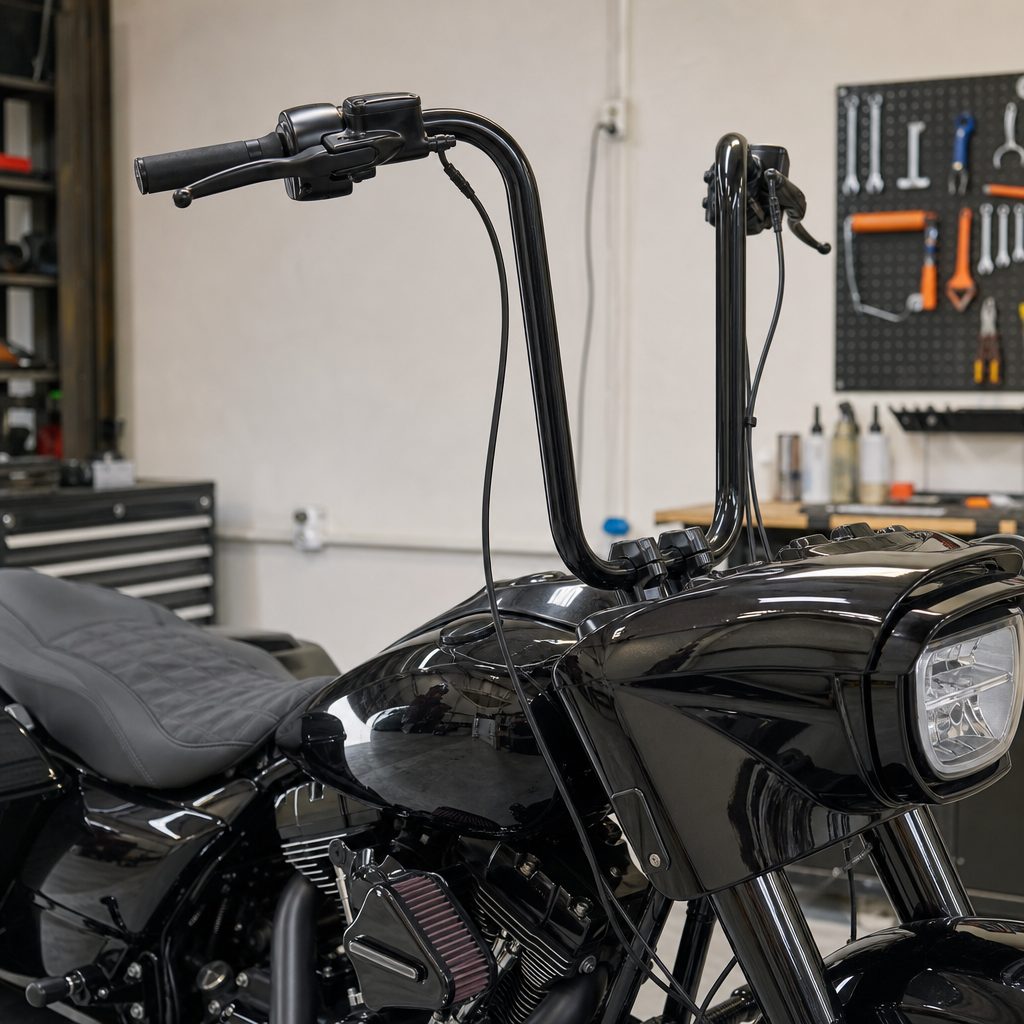
These recipes also act as internal navigation for the wider Harley-Davidson subtopic. Touring models need guides on passenger ergonomics, luggage load tuning, and heat mitigation. Performance-oriented Softails need deeper articles on suspension geometry, brake upgrades, and traction. Cruiser builds often need fitment guidance for bars, seats, and control reach before the owner decides whether the engine should feel relaxed or urgent. The hub structure works best when the reader can move from a broad recipe here to precise model-specific articles next.
Cam Choice, Compression, Exhaust, and Tuning Strategy
No Stage II cam should be chosen in isolation. Dynamic compression is the hidden variable that determines whether the engine feels crisp or lazy. A cam with a later intake closing point bleeds cylinder pressure at low rpm, which can be excellent in a higher-compression build or on a rider who wants more upper-band power. The same cam in a stock-compression, heavy touring bike may feel soft until the rpm climbs. That is why reputable cam grinders publish intake closing figures, overlap characteristics, and recommended compression ranges rather than just horsepower claims.
Exhaust design has a major influence on cam phasing results. A strong 2-1 system often improves scavenging and midrange torque, while some 2-1-2 systems preserve touring sound quality and passenger comfort with only a small tradeoff. Very short or oversized pipes can flatten the torque curve and make tuning harder. Intake changes matter too, but the Milwaukee-Eight usually responds best when the air cleaner, throttle body, and manifold match the cam’s airflow needs rather than exceed them for bragging rights. Bigger is not always better if velocity drops and transient fueling suffers.
The calibration side should include more than wide-open-throttle pulls. Good tuners address front and rear cylinder volumetric efficiency, cruise lambda targets, acceleration enrichment, decel fuel behavior, spark knock sensitivity, idle airflow, and engine temperature strategy. On 2026 planning builds, I recommend asking for before-and-after dyno graphs, air-fuel ratio traces, and an explanation of where torque improved in the usable range. A clean graph from 2,250 to 4,500 rpm tells more about street performance than a single peak horsepower number ever will.
Reliability, Heat, and Ride Quality Tradeoffs
The best Harley-Davidson performance recipe is the one a rider still likes after ten thousand miles. That means acknowledging tradeoffs. More overlap can improve high-rpm breathing, but it may raise reversion sensitivity and hurt low-speed manners with certain exhausts. Aggressive spark advance can wake up throttle response, but it reduces knock margin when fuel quality varies or ambient temperatures soar. Higher lift increases airflow potential, yet it places more demand on springs, lifters, and valvetrain geometry. Reliable Stage II builds respect those limits.
Heat management is especially important on Milwaukee-Eight touring bikes ridden in traffic. Rear-cylinder temperature strategies, oil choice, catalyst presence, fan-assisted cooling accessories on some setups, and sensible idle calibration all affect rider comfort. The old idea that every hot-running Harley just needs richer fueling is incomplete. Often the real fix is a balanced package: proper cam timing, efficient exhaust flow, stable spark control, and enough airflow around the rider through deflectors or seat design. Ergonomics and thermal comfort are linked.
Clutch capacity and driveline condition also deserve attention. A stronger torque curve can expose a marginal clutch pack, worn compensator components on earlier applications, or poor belt alignment. Tires and brakes are performance parts too. If a Stage II Road Glide accelerates harder but still rides on aging rubber and stock suspension with inadequate damping, the recipe is unfinished. In real customer builds, I treat contact points, suspension, and braking consistency as part of the same upgrade plan because that is what makes extra torque usable and safe.
How to Build the Right Hub-and-Spoke Upgrade Path
As the central page for model-specific ergonomics and performance recipes, this article should connect readers to narrower topics based on bike family and riding goal. The most useful paths are straightforward: Touring comfort and loaded torque recipes; Softail sport-handling and midrange power recipes; cruiser fitment and low-rpm response recipes; trike load-management recipes; and supporting guides covering exhaust selection, dyno tuning, seat and bar fit, suspension setup, and heat control. That structure mirrors how owners actually make decisions. They start with the bike, then the fit, then the engine character.
For 2026 buyers and upgraders, the smartest approach is to define success in measurable terms before ordering parts. Decide whether the bike must pass from 60 to 80 mph without a downshift, hold sixth gear on grades, run cooler in parade traffic, or feel stronger exiting second-gear corners. Then choose the cam and phasing strategy that serves that exact need. A Street Glide used for interstate travel with a passenger should not share the same recipe as a solo Low Rider ST canyon bike, even if both use Milwaukee-Eight engines and similar aftermarket catalogs.
The core takeaway is simple: Milwaukee-Eight Stage II cam phasing tuning works best when it is treated as one part of a model-specific Harley-Davidson recipe built around ergonomics, load, riding style, and reliability. Start with how the bike fits and how it is used, then match cam events, airflow, and calibration to that purpose. Do that, and the result is a Harley that feels faster, smoother, and more natural everywhere you ride. Use this hub to map your next step, then move into the model-specific guides that match your motorcycle and goals.
Frequently Asked Questions
What does “Stage II cam phasing tuning” actually mean on a Milwaukee-Eight in 2026?
Stage II cam phasing tuning on a Milwaukee-Eight refers to building a complete calibration and hardware strategy around a camshaft upgrade, then optimizing the relationship between valve timing, ignition timing, fueling, airflow, and the rider’s real-world use. In simple terms, it is not just “install a cam and flash a tune.” It is the process of choosing a cam profile that matches the engine size, compression characteristics, intake and exhaust flow, gearing, weight, riding style, and desired RPM range, then tuning the bike so the cam’s timing events deliver useful power where the rider actually needs it.
For 2026 owners, this matters because the Milwaukee-Eight platform responds best when parts are treated as a system. Cam timing affects cylinder pressure, torque delivery, heat, throttle response, and how aggressively the engine wants to pull through the midrange. Phasing, in practical tuning language, is about how that cam event strategy is positioned and supported within the overall recipe. A touring rider who spends hours between 2,000 and 3,500 RPM needs a very different result from a rider chasing top-end power on a lighter performance build. The right Stage II package should improve rideability, not just produce a dyno number.
That is why experienced tuners frame cam phasing as a performance recipe rather than a parts list. The cam choice has to align with intake tract behavior, exhaust scavenging, injector control, spark advance, knock margin, and thermal management. When all of those are coordinated correctly, the bike feels cleaner off idle, stronger through the passing range, more predictable under load, and less compromised in day-to-day operation. The best 2026 Stage II tunes are built around how the motorcycle is actually used, not around generic “biggest cam wins” thinking.
How do I choose the right cam and tuning strategy for my riding style instead of just chasing horsepower?
The best way to choose a Milwaukee-Eight Stage II cam is to start with where and how you ride, because the engine only feels “fast” when the power curve lines up with your habits. If your motorcycle is a bagger that carries luggage, passenger weight, taller wind protection, and spends most of its life on highways or rolling backroads, you typically want a cam and tune that emphasize low- and midrange torque, smooth throttle transitions, and cool, stable operation under sustained load. That kind of build usually feels stronger and more usable than a peakier setup that only comes alive at higher RPM.
By contrast, a lighter cruiser or performance-oriented build may benefit from a cam with more appetite for upper-midrange and top-end pull, especially if the bike has supporting airflow upgrades and gearing that let it stay in the cam’s sweet spot. Even then, horsepower should not be viewed in isolation. A broad torque curve, crisp part-throttle manners, clean cold starts, and predictable heat behavior often make a bike faster in the real world because the rider can use the power more often and more confidently.
A good tuner will ask practical questions before recommending parts: What RPM do you cruise at? Do you ride solo or two-up? Are you in hot stop-and-go traffic, long interstate stretches, mountain roads, or quick urban hops? What fuel octane is consistently available? Do you value instant roll-on response, relaxed touring manners, or stronger acceleration above 4,000 RPM? Those answers determine whether the recipe should favor earlier cylinder fill, a broader torque band, or a more aggressive high-RPM character.
In other words, the right tuning strategy is the one that creates the least compromise for your use case. The ideal 2026 Stage II build is not necessarily the one with the highest peak graph. It is the one that delivers the right shape of power, keeps combustion stable, manages heat intelligently, and supports the rider’s intended comfort, control, and reliability over time.
Why is a “complete performance recipe” better than mixing popular parts at random?
A complete performance recipe works better because every component on a Milwaukee-Eight influences the others. A camshaft changes how the engine breathes, but the final result also depends on intake efficiency, exhaust design, compression behavior, fuel delivery, spark strategy, rev habits, gearing, and the bike’s weight and aerodynamic load. When riders mix parts based only on popularity, they often end up with combinations that sound impressive on paper but deliver uneven torque, excess heat, poor low-speed manners, or disappointing gains for the money spent.
For example, a cam designed for a stronger upper-RPM bias may underperform if paired with a restrictive exhaust, a calibration that is too conservative, or gearing that keeps the engine below its effective range. On the other hand, a torque-focused cam can feel transformative when matched with the right intake path, efficient exhaust flow, correct fuel and spark tables, and realistic rev limits. The difference is not just power output. It is how quickly and cleanly the motorcycle responds in normal riding, how stable it feels when pulling a grade, and how well it tolerates heat and load over long distances.
This is especially important in 2026 because more owners expect one motorcycle to do multiple jobs well. A modern Harley may need to commute during the week, tour on weekends, carry a passenger occasionally, and still feel lively when the road opens up. A recipe-based approach accounts for rider ergonomics, throttle habits, target cruising RPM, climate, fuel quality, and intended load. That helps prevent the classic mistake of building a bike around internet hype instead of actual use.
In practical terms, a recipe also makes tuning repeatable. A known combination of cam timing characteristics, airflow components, injector behavior, and calibration targets gives the tuner a stable framework for refining the bike. That usually leads to better drivability, clearer expectations, easier troubleshooting, and stronger value from every upgrade dollar.
What supporting upgrades matter most with a Stage II cam phasing tune?
The most important supporting upgrades are the ones that help the cam do its job consistently. That usually starts with intake and exhaust flow. A cam can only improve cylinder filling if the engine can breathe efficiently, so the air cleaner, throttle body path, intake tract quality, and exhaust system design all matter. The goal is not simply “more flow at all costs,” but balanced flow that supports the RPM range and pressure dynamics your cam was chosen for.
Calibration is just as important as hardware. Fueling and ignition need to match the new airflow and combustion behavior precisely, especially in transient throttle conditions where many poorly tuned bikes feel jerky or inconsistent. A well-built tune should address volumetric efficiency, spark advance strategy, throttle response, idle behavior, decel characteristics, and knock resistance. It should also account for heat management and fuel quality, because a bike that makes good power only under ideal conditions is not a good street recipe.
Gearing is another often-overlooked factor. Final drive characteristics influence where the engine lives in the RPM range during actual riding. If the gearing keeps the bike below the cam’s most effective zone, the result can feel lazy even if the dyno sheet looks respectable. Matching the torque curve to real cruising and passing RPM is one of the smartest ways to make a Stage II package feel right on the road.
Beyond that, riders should not ignore clutch capacity, engine mounting condition, and basic mechanical health. A strong Stage II build can expose weak links that were not noticeable on a stock bike. Compression consistency, leak-free intake seals, healthy sensors, and clean fuel delivery all matter. In many cases, the “supporting upgrade” that pays off most is simply making sure the motorcycle is mechanically sound before the tune begins. That creates a stable platform for accurate calibration and reliable long-term performance.
Is Milwaukee-Eight Stage II cam phasing tuning reliable for daily riding and touring, or is it mainly for performance enthusiasts?
When done properly, Stage II cam phasing tuning can be extremely reliable for daily riding and touring. In fact, one of the biggest advantages of a well-planned performance recipe is that it can make the motorcycle feel more relaxed and efficient in normal operation, not less. A torque-focused cam with correct tuning often reduces the need to overwork the engine, improves roll-on performance without constant downshifting, and delivers a more confident feel when carrying passenger weight, climbing grades, or passing at highway speed.
Reliability depends on matching ambition to application. Problems usually come from mismatched components, excessive tune aggression, poor heat control, or unrealistic expectations about fuel quality and operating conditions. If a rider chooses a cam that is too radical for the bike’s purpose, or if the calibration pushes spark and fueling beyond a safe margin, the bike may become fussier, hotter, and less pleasant to live with. But a conservative, intelligent Stage II recipe built around real-world torque and stable combustion can remain very streetable and durable.
For touring riders, the key is broad power, manageable temperatures, smooth part-throttle control, and a tune that respects sustained load. That means the calibration should be designed not just for short dyno pulls but for long rides in changing weather, altitude, and traffic. Good tuners understand that touring reliability is a systems question: engine timing, airflow, fueling, spark, and rider demand all have to stay in