The 2027 CVO 121 HO platform brings impressive torque, premium finishes, and touring presence, but for many riders the most important upgrade is less glamorous: better heat management at the rider contact points. CVO 121 HO heat shields are the panels, deflectors, insulating layers, and exhaust-adjacent covers that reduce how much engine and pipe heat reaches the legs, seat area, and lower torso. On a high-output Milwaukee-Eight configuration, that matters because comfort is not a luxury feature. It directly affects focus, fatigue, and confidence in traffic, on summer rides, and during long-distance touring.
I have worked with Harley-Davidson touring setups where owners loved the power yet dreaded stop-and-go heat soak. The pattern is consistent. Riders first describe “too much heat on the right thigh,” then start changing seats, pants, and airflow before addressing the real source path. Heat shields solve a specific problem in a model-specific way: they interrupt radiant heat, redirect convective flow, and create a buffer between the hottest components and the rider’s body. That makes them central to model-specific ergonomics and performance recipes for the CVO 121 HO, especially as 2027 buyers expect premium comfort to match premium performance.
This hub article explains how CVO 121 HO heat shields improve rider temperature control, how to evaluate shield designs, what supporting modifications work with them, and how to build practical recipes for different riding styles. It also serves as the anchor page for deeper Harley-Davidson content on exhaust tuning, seating position, airflow management, and touring comfort. If you want a clear answer to whether heat shields really work on a CVO 121 HO, the short answer is yes: when designed for the specific frame, exhaust routing, and rider triangle, they reduce perceived heat substantially without compromising service access or performance.
Why the CVO 121 HO Runs Hot at Rider Level
The CVO 121 HO uses a large-displacement V-twin built to deliver strong low-end and midrange output. That means combustion heat, exhaust gas temperature, and component surface temperature are all significant by design. The engine is not “too hot” in the sense of malfunction; it is producing the thermal load expected of a high-output air- and oil-managed touring engine. The rider feels that load because the bike packages cylinders, headers, catalytic elements, floorboards, and side covers close to the body.
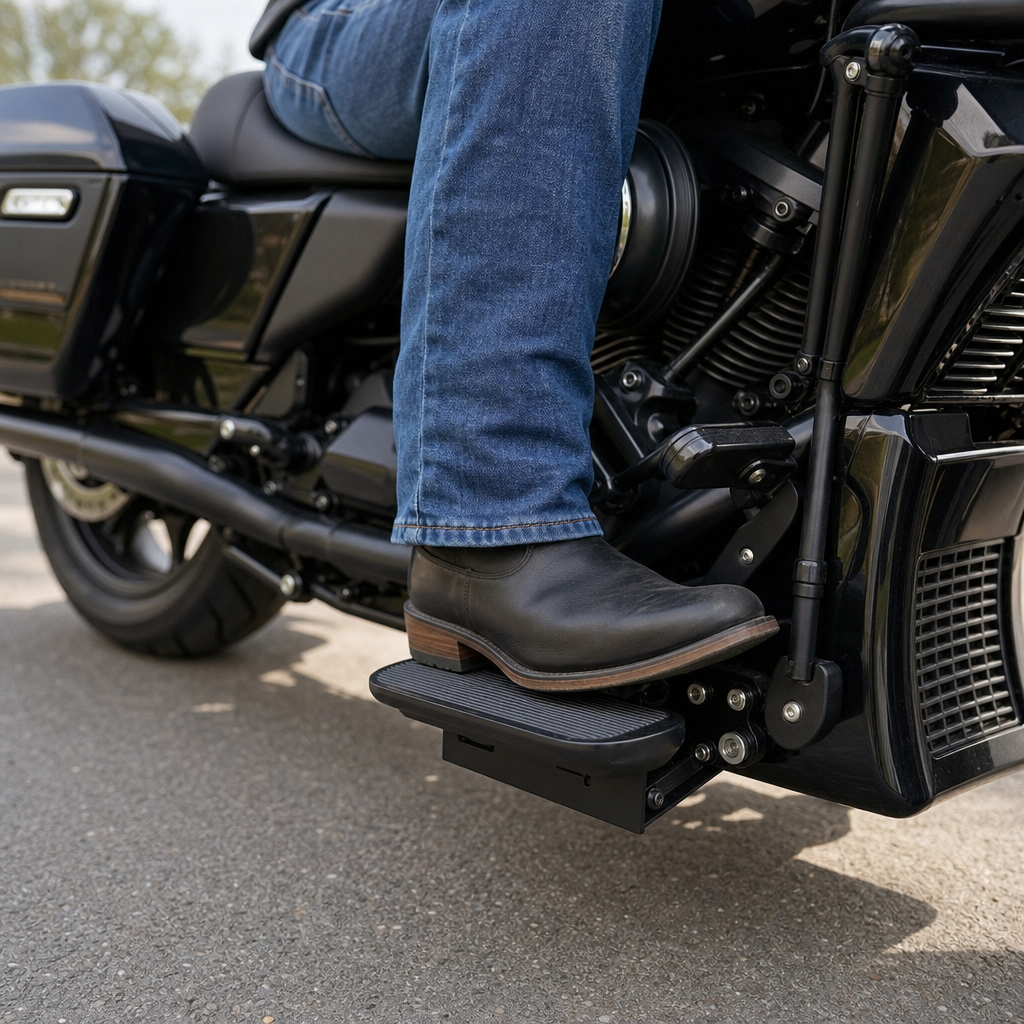
Three heat transfer modes explain the problem. First, radiant heat travels from hot metal surfaces directly to the rider, especially from headers and crossover-adjacent areas. Second, convection carries hot air upward and rearward when the bike is stationary or moving slowly, which is why traffic feels worse than highway cruising. Third, conduction matters when side panels, seat bases, or inner fairing-adjacent surfaces absorb heat and then warm the rider over time. On the CVO 121 HO, right-side exposure often feels stronger because of exhaust proximity and lower-leg placement, though left-side complaints appear in dense urban riding as engine case temperatures climb.
Ambient conditions amplify everything. At 95 degrees Fahrenheit, there is less temperature difference between the bike and surrounding air, so cooling is less efficient. Add heavy riding gear, a passenger, and luggage that changes airflow around the rear cylinder area, and rider discomfort rises quickly. This is why temperature control should be treated as an ergonomics issue, not just a mechanical one. If the rider constantly shifts a knee away from heat or lifts off the seat at stoplights, the machine’s real-world usability declines.
What CVO 121 HO Heat Shields Actually Do
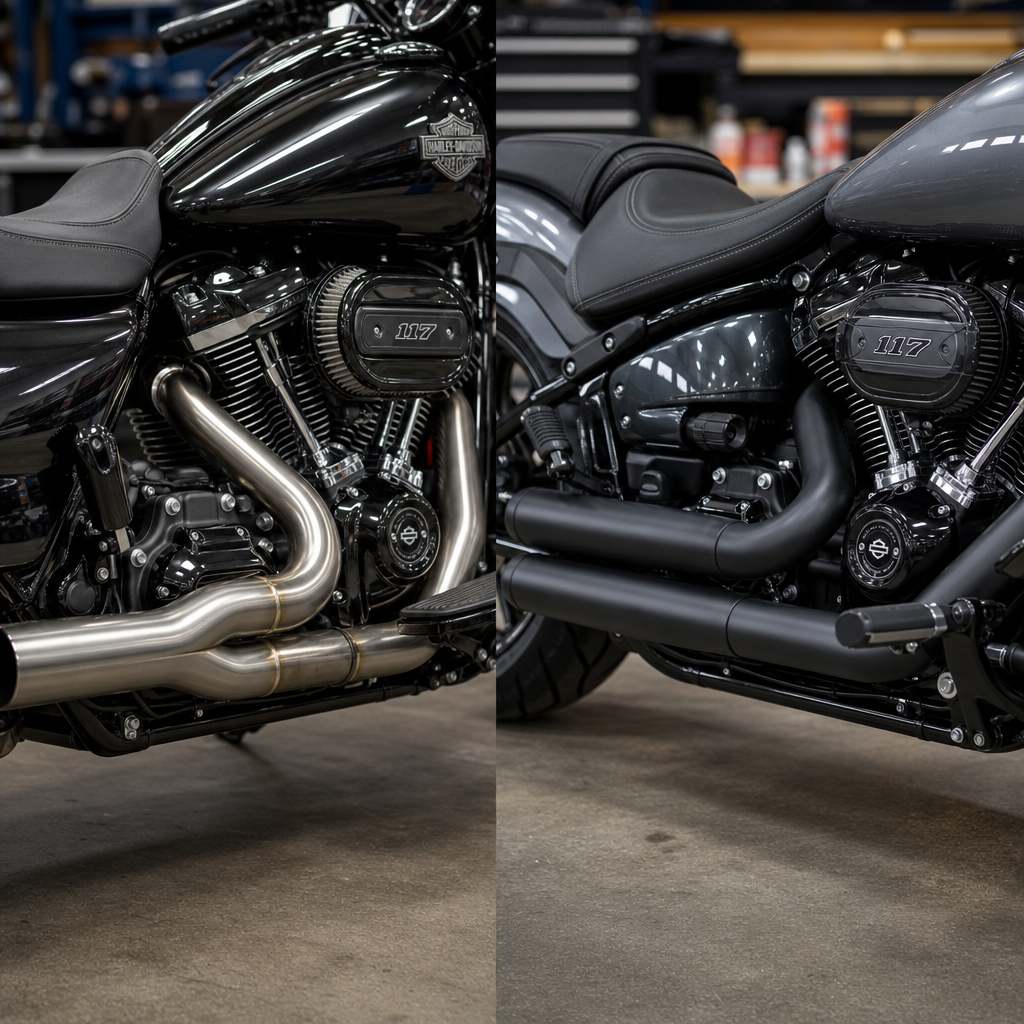
CVO 121 HO heat shields are not a single part category. In practice, they include exhaust pipe shields, catalytic-adjacent covers, saddle-side deflectors, under-seat insulation, and lower fairing airflow pieces that redirect hot air. The best systems combine reflection, spacing, and redirection. A polished or ceramic-coated outer surface reflects radiant energy better than bare dark metal. An air gap between the hot pipe and outer shield slows heat transfer. Strategic venting or shaping then moves heat away from the rider rather than trapping it under bodywork.
Good shields also preserve serviceability. On Harley touring bikes, I always look for designs that allow access to fasteners, oxygen sensor wiring paths, and routine maintenance points without forcing a complete teardown. A heat shield that works thermally but rattles, discolors, or blocks inspection is not a good long-term solution. Material quality matters. Stainless steel resists corrosion, formed aluminum saves weight, and basalt or fiberglass-backed insulation pads can protect hidden surfaces when rated for appropriate temperatures.
The biggest benefit is perceived temperature reduction where the rider notices it most. Riders rarely measure this with thermal cameras after every ride, but the practical indicators are clear: less burning sensation at the inner thigh, fewer hot spots at the calf, and less heat rising through the seat area after idling. Those changes improve stamina and let the rider use the bike’s performance more confidently in mixed conditions.
How to Evaluate Model-Specific Heat Shield Designs
Not every shield marketed for a Harley touring model is truly optimized for the 2027 CVO 121 HO. This subtopic matters because the CVO trim can have distinct finishes, packaging details, and owner expectations compared with standard Road Glide or Street Glide variants. When evaluating options, start with fitment precision. A shield should follow the exact exhaust routing, mounting points, and clearances of the model. Generic universal wraps can reduce heat, but they often look temporary and may accelerate moisture retention or finish wear if used carelessly.
Next, examine thermal strategy. A simple decorative cover is not enough. The best products specify whether they target radiant heat, convective redirection, or panel insulation. I prefer solutions tested around known rider complaint zones: right thigh at idle, right calf at low speed, and seat edge warming during summer touring. Look for hardware isolation, anti-vibration mounts, and retained airflow spacing. A shield mounted directly against a hot component without a proper standoff often underperforms.
| Shield Type | Main Heat Problem Addressed | Best Use Case | Tradeoff |
|---|---|---|---|
| Exhaust outer shield | Radiant heat from headers and muffler inlets | Riders feeling strong leg heat on one side | May add width or complicate detailing |
| Deflector panel | Hot air rising at stops | Urban commuting and parade-speed riding | Can alter airflow in winter |
| Under-seat insulation | Heat soak into seat base | Long rides in hot climates | Hidden part, harder to inspect |
| Ceramic-coated shield system | Surface temperature reduction plus appearance | Premium builds balancing comfort and style | Higher cost |
Finally, evaluate finish durability and compatibility with the bike’s visual theme. CVO owners usually care about fit and appearance as much as function. Heat management parts should complement factory premium trim, not look like an afterthought. That is why model-specific ergonomics recipes always balance thermal performance, aesthetics, and maintenance practicality.
Ergonomics Recipes for Different Riding Profiles
A rider temperature control recipe is a coordinated package, not a single accessory. For the daily commuter, the ideal CVO 121 HO heat shield setup focuses on stop-and-go conditions. That usually means an effective right-side exhaust shield, a compact deflector that pushes hot air away from the inner thigh, and a seat with breathable cover material. In testing bikes for urban clients, this combination delivered a more noticeable comfort gain than exhaust sound changes or foot placement tweaks alone.
For long-distance touring, I build around sustained comfort over several hours. The recipe starts with premium heat shields near the primary complaint area, then adds under-seat insulation, vented lower fairing management, and a seat shape that keeps the rider planted without trapping heat. If the rider uses highway pegs, leg position changes should also be considered because exposing the inner calf to a header zone can create a new hot spot. Touring riders benefit from repeating the same route in similar conditions before and after changes so comfort gains are judged consistently.
For performance-oriented riders, the recipe must protect comfort without blunting service access or adding unnecessary bulk. Ceramic-coated shields, slimline deflectors, and precise exhaust spacing work well here. The goal is to preserve the crisp feel of the 121 HO while reducing distraction from heat during aggressive backroad riding or warm-weather events. Riders who prioritize appearance often choose coated systems because they combine lower surface temperature with a custom finish that suits a premium CVO build.
Passenger use changes the equation again. A pillion can experience side heat differently because leg position is higher and more rearward. In two-up setups, inspect saddlebag clearance, lower leg angle, and whether redirected hot air exits toward the passenger’s ankle area. The best recipes solve both rider and passenger comfort together.
Supporting Modifications That Work With Heat Shields
Heat shields perform best when paired with complementary modifications. Exhaust coatings are one of the most effective partners because ceramic barriers reduce external surface temperature and help the shield start from a lower baseline. Seats also matter more than most riders assume. A seat with dense closed-cell support and a breathable top layer can reduce perceived heat soak better than a soft foam saddle that traps warmth. On several Harley touring builds, seat changes made the final ten percent difference after shields handled the major heat source.
Airflow management is another major factor. Lowers, fairing vents, fork-mounted wind deflectors, and side panels influence where hot air exits at low speed. A shield that redirects heat into a stagnant pocket behind a panel can create a delayed discomfort problem. That is why testing should include idle periods, neighborhood speeds, and highway cruising. Engine calibration and mechanical condition also matter. A bike with exhaust leaks, poor idle quality, or restricted airflow can feel hotter than one in proper tune, even before comfort parts are installed.
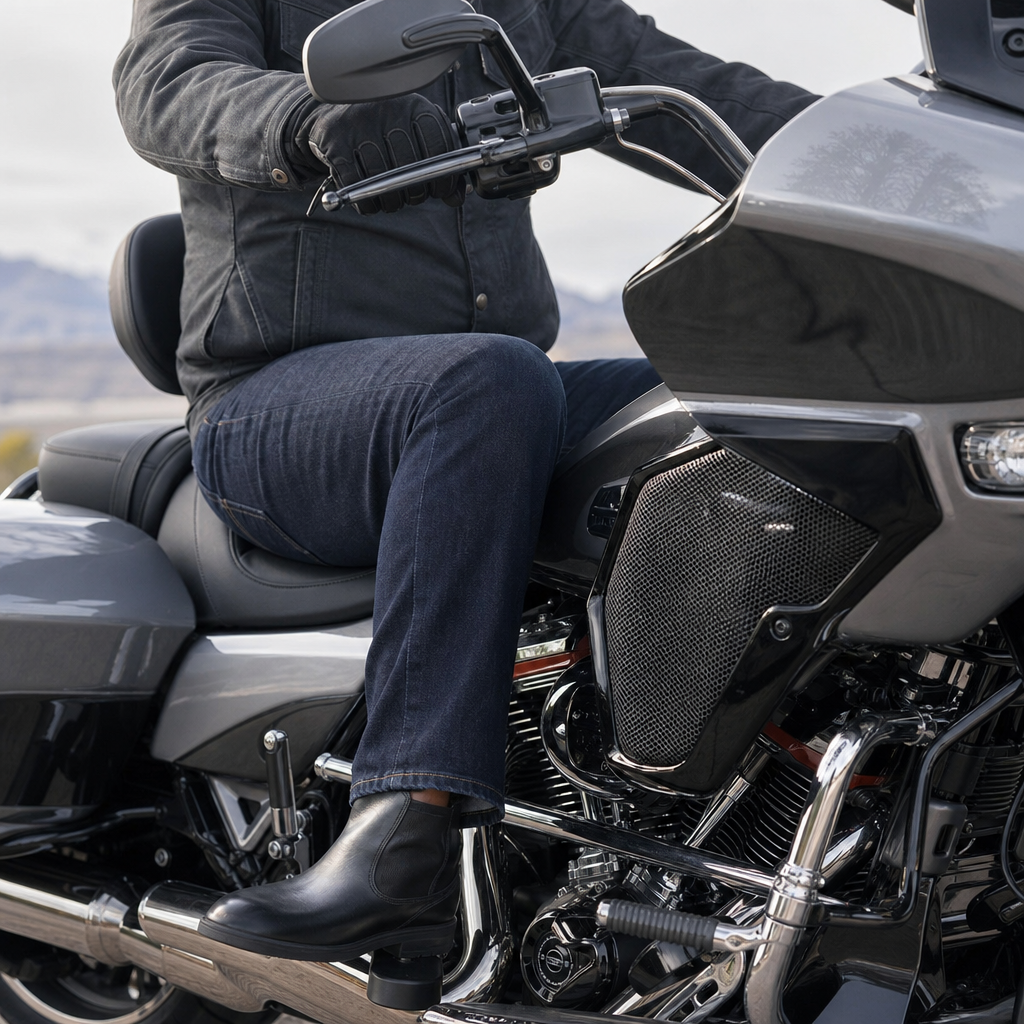
Riding gear is part of the complete system. Heat-resistant riding jeans, textile pants with leather inner panels, and proper boot height can improve outcomes without pretending gear alone solves the issue. The best result comes when the bike’s thermal path is addressed first and rider equipment supports that improvement.
Installation, Testing, and Maintenance Best Practices
Proper installation determines whether CVO 121 HO heat shields help or disappoint. Start with clean mounting surfaces, correct torque values, and enough clearance to account for engine vibration and heat expansion. Any shield near exhaust components must avoid contact points that can buzz, wear through finishes, or transmit heat directly into a bracket. I recommend a staged install: mount loosely, cycle steering and suspension clearances where relevant, heat-soak the bike, then retorque after cooldown.
Testing should be structured. Use an infrared thermometer or thermal camera if available, but rider feedback is still crucial. Compare the same route, similar ambient temperature, and the same riding gear. Note when discomfort starts, where it appears, and whether it fades at speed. These observations reveal whether the problem is radiant heat from hardware, convective wash at low speed, or seat soak after idling. Maintenance is simple but essential: inspect fasteners, look for trapped debris, watch for discoloration indicating excessive temperatures, and replace insulation materials that harden or separate over time.
Why This Hub Matters for Harley-Davidson Owners in 2027
The CVO 121 HO heat shield conversation is really about making a high-performance Harley-Davidson easier to ride well in the real world. Comfort upgrades are often dismissed as secondary, yet any experienced touring rider knows temperature control shapes endurance, attention, and enjoyment as much as horsepower figures do. A well-designed shield system reduces distraction, preserves the premium feel expected from a CVO model, and supports safer, calmer riding in heat, traffic, and long-distance conditions.
As the hub for model-specific ergonomics and performance recipes, this page connects the core idea: the best Harley-Davidson setup is never one-size-fits-all. Rider height, inseam, climate, route type, passenger use, seat choice, and exhaust configuration all influence the right solution. Start with the dominant heat complaint, choose truly model-specific shields, and then build a complete recipe around airflow, seating, and riding style. If you are refining a 2027 CVO 121 HO, use this hub as the starting point and map each comfort change with the same discipline you would apply to suspension or engine tuning.
Frequently Asked Questions
What do CVO 121 HO heat shields actually do on a 2027 touring bike?
CVO 121 HO heat shields are designed to manage where engine and exhaust heat goes before it reaches the rider. On a high-output Milwaukee-Eight touring platform, the motor, headers, catalytic components, side covers, and nearby panels all generate and hold significant heat, especially in traffic, hot weather, or low-speed riding. Heat shields work by creating a barrier, an air gap, or an insulating layer between those hot components and the rider’s legs, inner thighs, seat area, and lower torso. Instead of letting radiant heat move directly outward to the rider, the shields reflect, redirect, or disperse it into less sensitive areas.
That matters because rider comfort is closely tied to usable performance. A powerful touring bike can feel dramatically different depending on how much heat builds up at stoplights, during parade-speed operation, or on long summer rides. Better heat management reduces the “hot spot” effect that riders often notice on one side of the bike near the exhaust routing or rear cylinder area. In practical terms, a well-designed shield setup helps the motorcycle feel less fatiguing over time, improves comfort for riders and passengers, and makes it easier to enjoy the bike’s torque and long-distance capability without constantly adjusting leg position to escape heat.
Why is heat management such a big deal on the 2027 CVO 121 HO platform specifically?
The 2027 CVO 121 HO platform combines a large-displacement V-twin layout with premium touring bodywork and a performance-oriented power delivery, which is exactly the type of combination that makes heat control especially important. Bigger torque output and sustained load capability are great for acceleration, passing power, and two-up touring, but they also mean more thermal energy is being produced during normal operation. On a fully dressed touring motorcycle, that heat can collect around fairings, floorboard areas, side panels, and the seat zone rather than simply dissipating into open air.
That is why riders often focus so much on comfort upgrades that target the lower body. Even if the bike performs flawlessly, excessive heat around the inner legs or seat edge can limit how enjoyable it feels in everyday use. The CVO badge also raises expectations. Riders buying a premium touring machine expect the experience to be refined, and heat refinement is part of that equation. Strong temperature control at rider contact points can make the difference between a motorcycle that feels powerful but demanding and one that feels powerful, polished, and ready for all-day travel. In that sense, heat shields are not cosmetic accessories alone; they are functional comfort components that support the overall touring mission of the motorcycle.
Where do riders usually notice the biggest improvement after adding or upgrading heat shields?
The biggest improvement is usually felt at the rider contact points closest to major heat sources. That commonly includes the inner thighs, calves, knee area, lower right leg near the exhaust path, and the seat edge or lower torso area where trapped heat can rise in slow traffic. On many touring motorcycles, the heat is not always constant; it tends to spike in very specific riding situations such as extended idling, stop-and-go city traffic, long uphill climbs, or hot-weather cruising with reduced airflow. In those moments, upgraded shields and deflectors can noticeably reduce the amount of heat that radiates directly onto the body.
Riders also often report that the improvement is less about making the bike feel “cold” and more about making the heat feel controlled and predictable. That is an important distinction. A good heat shield setup may not eliminate every trace of warmth from a large V-twin, nor should anyone expect that from a high-output touring platform. What it can do is prevent concentrated heat from pouring onto one leg, stop the seat area from becoming uncomfortably hot, and reduce the need to constantly reposition feet and knees to avoid discomfort. For long-distance riders, that reduction in heat fatigue can be just as valuable as suspension comfort or wind protection because it improves endurance over the course of an entire day in the saddle.
Are aftermarket CVO 121 HO heat shields worth considering, or is the factory setup usually enough?
That depends on how, where, and when the motorcycle is ridden. The factory setup is typically engineered to deliver a balanced mix of safety, durability, styling integration, and baseline comfort for a wide range of owners. For many riders, that may be sufficient, especially in moderate climates or for riders who spend most of their time at highway speeds where airflow helps carry heat away. However, riders in consistently hot regions, riders who commute in congestion, and riders who are particularly sensitive to heat at the seat and leg area often find that aftermarket heat shields, deflectors, insulation kits, or exhaust-adjacent covers provide a meaningful upgrade.
The value of aftermarket parts usually comes down to specialization. Some products focus on reflecting radiant heat away from the rider. Others add insulation to side covers or seat-adjacent surfaces. Some improve airflow redirection so hot air exits the bike in a less intrusive way. High-quality aftermarket options can be worthwhile if they are designed specifically for the 2027 CVO 121 HO platform and account for exact component placement, clearances, and bodywork shape. The key is avoiding universal solutions that look promising but do not manage airflow or heat paths correctly. Well-engineered parts should improve comfort without interfering with maintenance access, trapping excessive heat against critical components, or clashing with the premium finish expected on a CVO model.
What should riders look for when choosing the best heat shields for comfort, durability, and fit?
Start with platform-specific fitment. The best CVO 121 HO heat shields are designed around the exact geometry of the motorcycle, including exhaust routing, panel spacing, mounting locations, and rider contact zones. Good fitment matters because even a high-quality material can underperform if it leaves gaps where heat can escape toward the rider or if it sits too close to a hot surface without proper air space. Riders should also look at the shield’s purpose. Some are meant to block radiant heat directly, while others are designed to redirect airflow or insulate body panels that become warm over time. Knowing whether the problem is leg heat, seat heat, or lower torso heat helps determine which product category makes the most sense.
Material quality is equally important. Heat-resistant composites, layered insulation systems, coated metals, and durable mounting hardware generally hold up better over repeated heat cycles than thin, decorative pieces. The finish should also match the premium nature of the bike, since this is a touring platform where appearance matters alongside function. Ease of installation, service access, and long-term durability in wet and hot riding conditions are practical considerations that should not be overlooked. Finally, riders should pay attention to real-world feedback from owners with similar riding habits. A shield that performs well in cool-weather weekend use may not deliver the same results for someone riding daily in summer traffic. The best choice is the one that provides measurable comfort improvement without compromising reliability, appearance, or normal operation of the bike.