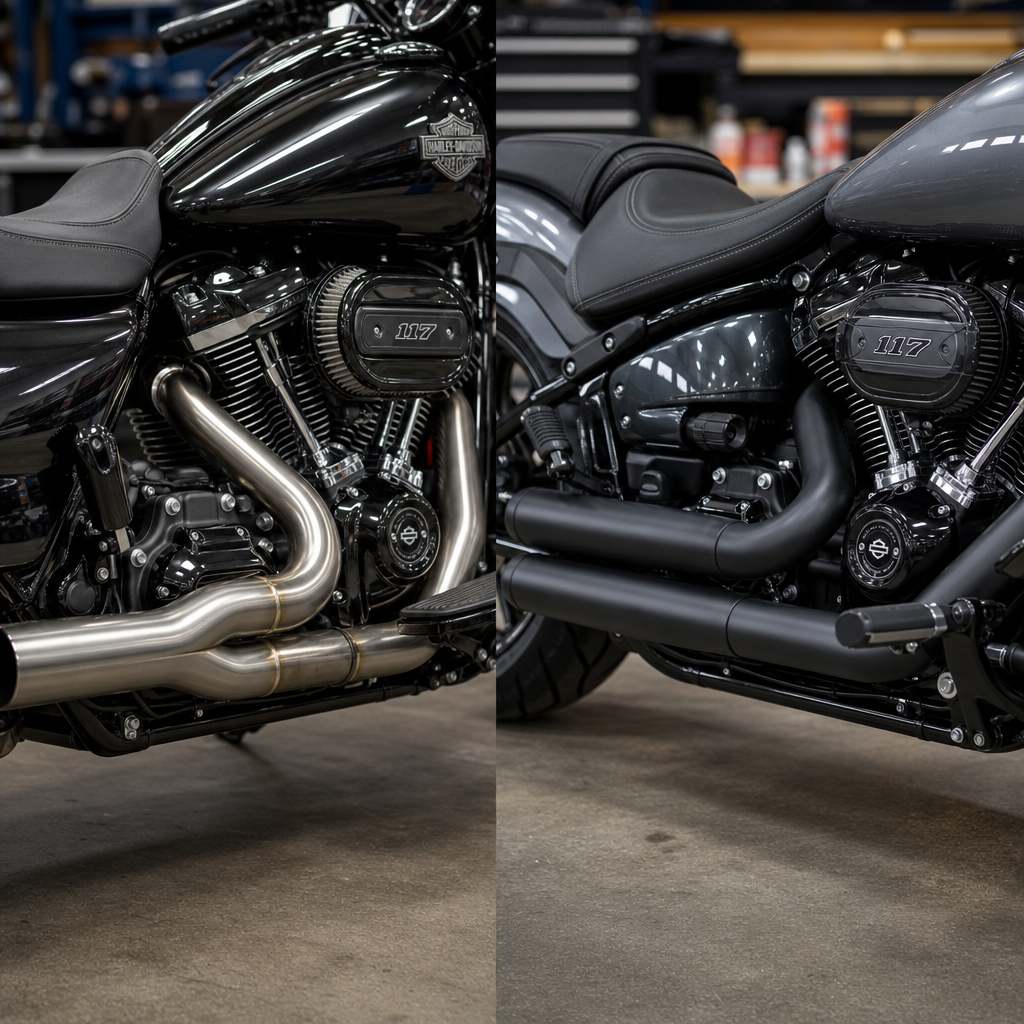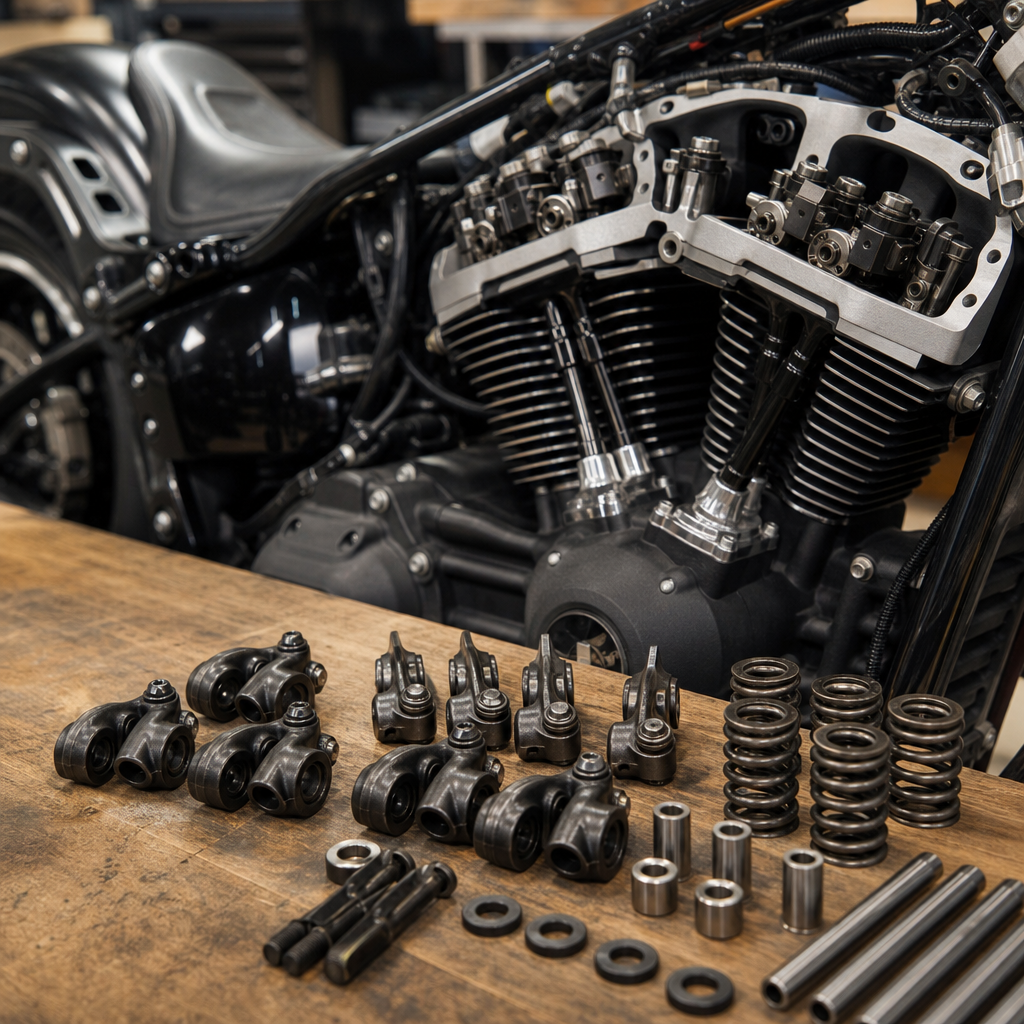
The Milwaukee-Eight rocker arm recipe for 2027 builds starts with understanding what the rocker arm assembly actually does, why Harley-Davidson riders modify it, and how those changes affect power, noise, durability, and rider comfort across different models. In the Milwaukee-Eight valvetrain, the rocker arms convert camshaft motion transmitted through pushrods into valve lift at the cylinder heads. That simple mechanical job has outsized influence on breathing efficiency, oil control, valvetrain stability, and the feel riders describe as crisp throttle response or smooth top-end pull. For a 2027 build, especially one intended as a long-term street package rather than a dyno-only experiment, the best recipe is never just a parts list. It is a matched combination of rocker geometry, lift targets, spring pressure, pushrod setup, cam timing, and rider ergonomics tuned to the specific Harley-Davidson platform.
I have built Milwaukee-Eight combinations for touring riders, Low Rider ST owners, and Road Glide customers who wanted very different results from the same basic engine family. The common mistake is treating rocker arms as isolated bolt-ons. In practice, a quieter touring machine with stronger passing torque may need a different rocker and cam strategy than a lighter performance bagger or a Softail set up for aggressive backroad riding. Riders searching for model-specific ergonomics and performance recipes usually want one answer to several connected questions: Which rocker arm upgrades are worth the money, which supporting parts are mandatory, how does the setup change by model, and what tradeoffs come with more lift and rpm? This hub article answers those questions and frames the subtopic so every later deep-dive on handlebars, seats, cams, floorboards, suspension, and rider triangle changes connects back to a coherent 2027 Milwaukee-Eight build plan.
What a Milwaukee-Eight rocker arm upgrade changes
A Milwaukee-Eight rocker arm upgrade changes valve motion control, friction behavior, and valvetrain reliability more than it changes peak horsepower by itself. Stock rocker systems are designed for broad production tolerance, emissions compliance, acceptable noise, and long service intervals. Performance rocker arm recipes focus on more precise geometry, improved bushing or bearing quality, better tip contact pattern, and greater stability under higher spring loads. On a street 107, 114, 117, or 121-based combination, that usually translates into cleaner high-lift operation, more consistent valve action above the midrange, and reduced risk of accelerated wear when paired with an aftermarket cam. The result is not magic horsepower from rocker arms alone. The result is a valvetrain that accurately follows the cam profile you paid for.
That distinction matters. If a cam is designed to deliver stronger cylinder fill from 2,500 to 5,500 rpm, weak geometry or excessive rocker flex can blunt the intended lift curve and create instability. On the road, riders experience that as flattening power, noise, or mechanical harshness. Good rocker arm setups also help oil management around the top end. Brands serving the Harley-Davidson market typically address rigidity, shaft quality, adjustability considerations, and compatibility with high-lift cam packages. The best-known names in Milwaukee-Eight valvetrain discussions include S&S Cycle, Feuling, Star Racing, T-Man Performance, and fueling strategies built around Screamin’ Eagle or custom tuner-supported packages. The exact rocker choice still has to match the engine’s cam chest, headwork, compression ratio, and intended rpm ceiling.
Building the right recipe for touring, Softail, and performance bagger models
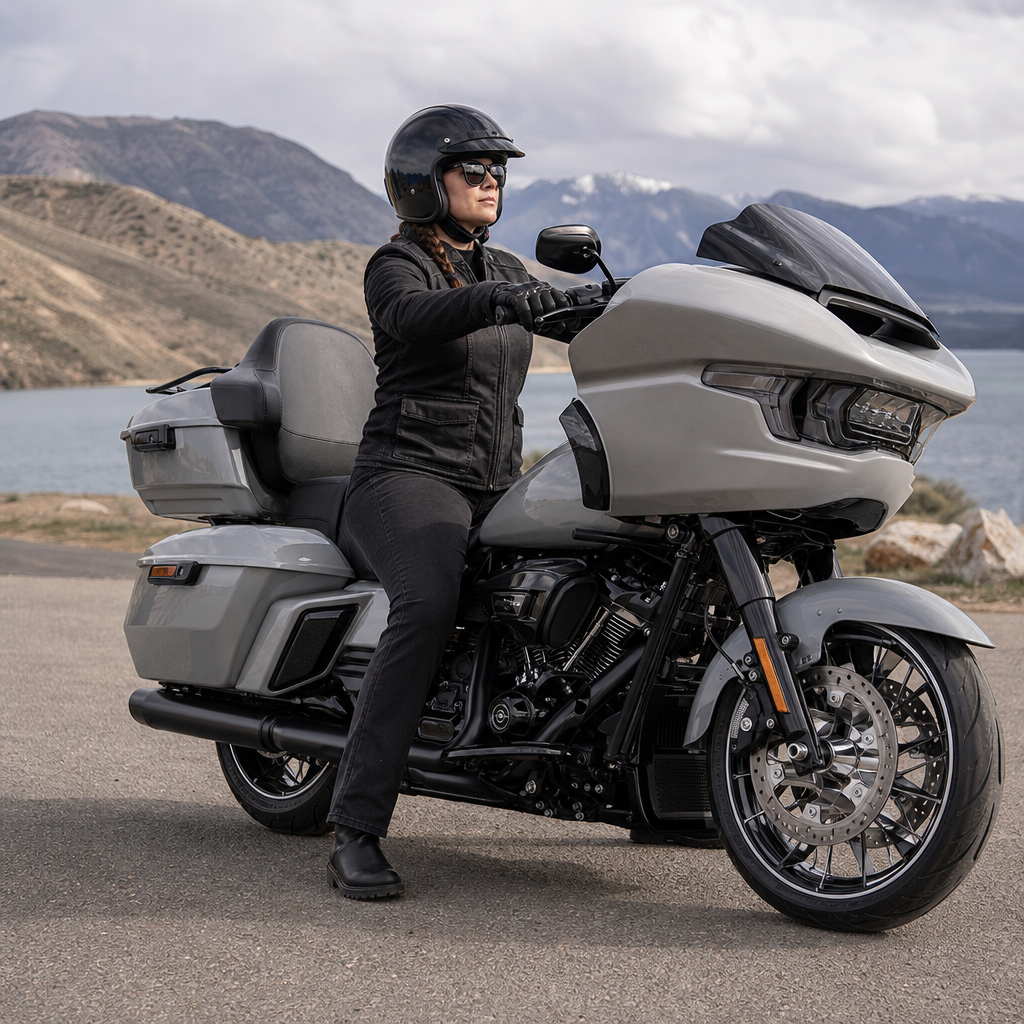
Model-specific ergonomics and performance recipes matter because the same engine behaves differently depending on gearing, weight, rider position, wind load, and typical usage. A Road Glide used for interstate travel with luggage and a passenger benefits most from a torque-centered rocker and cam package that stays mechanically calm, keeps heat manageable, and works with floorboard ergonomics that do not force the rider to chase rpm. A Low Rider ST or Street Bob built for solo use can tolerate a more responsive, slightly peakier combination because rider mass is lower, the bike is lighter, and the ergonomics encourage active throttle application. A performance bagger built around upgraded suspension and stronger brakes often gets treated like a sport-touring platform, so top-end stability and repeated heat cycles become more important than absolute idle civility.
In my experience, riders make better decisions when performance recipes are grouped by real use case instead of by catalog category. For touring models, the sweet spot is usually moderate lift, dependable spring pressure, adjustable pushrods for serviceability, and rocker components chosen for longevity over bragging rights. For Softails, packaging and vibration feel become larger variables, so noise control and smooth valve action are especially valuable. For CVO and 117 or 121-based builds, the factory baseline is already stronger, which means the rocker arm recipe should complement higher airflow without overcomplicating a machine that may already meet the owner’s riding goals with tuning, exhaust, and rider-fit changes alone.
| Model type | Primary goal | Best rocker recipe focus | Common supporting parts |
|---|---|---|---|
| Touring models | Low-end torque and durability | Stable geometry, low noise, long-service setup | Torque cam, springs, pushrods, oil pump |
| Softail models | Responsive street performance | Precise tip sweep, moderate lift compatibility | Cam kit, tune, intake, exhaust |
| Performance baggers | High-speed pull and heat control | Rigidity under spring load, rpm stability | Headwork, stronger clutch, cooling upgrades |
| CVO or 121 builds | Balanced premium street package | Matched valvetrain, minimal compromise | ECM calibration, dyno tune, ergonomic fitment |
Core components in a 2027 Milwaukee-Eight valvetrain package
The core components in a 2027 Milwaukee-Eight rocker arm recipe are the rocker arms themselves, shafts or supports, valve springs, collars or retainers where applicable, pushrods, lifters, camshaft, and the tune that controls how the engine uses the added airflow. These parts work as a system. Installing stiffer rocker assemblies without checking spring requirements is incomplete. Installing a high-lift cam without verifying coil bind, retainer-to-seal clearance, and pushrod length is worse. Established engine-building practice requires measuring geometry, not assuming it. Even on repeatable Harley-Davidson combinations, production variation and previous owner changes can alter the stack-up enough to matter.
For 2027 builds, material quality and machining consistency should outrank marketing language. A durable rocker arm assembly needs accurate shaft bores, controlled oiling, predictable thermal behavior, and a contact pattern that stays centered across the valve tip through the lift cycle. Excessive sweep increases side loading and wear. Good builders also watch lifter bleed characteristics and pushrod stiffness, because a strong rocker on a weak lower valvetrain still produces unstable motion. If the engine is moving toward bigger-inch combinations, ported heads, or sustained operation beyond the stock powerband, upgrading the oil pump and cam plate at the same time is a practical decision, not a luxury. Feuling and S&S packages are popular for exactly that reason: they let builders create an integrated valvetrain and lubrication plan instead of scattered upgrades.
Ergonomics and performance recipes: matching engine character to rider position
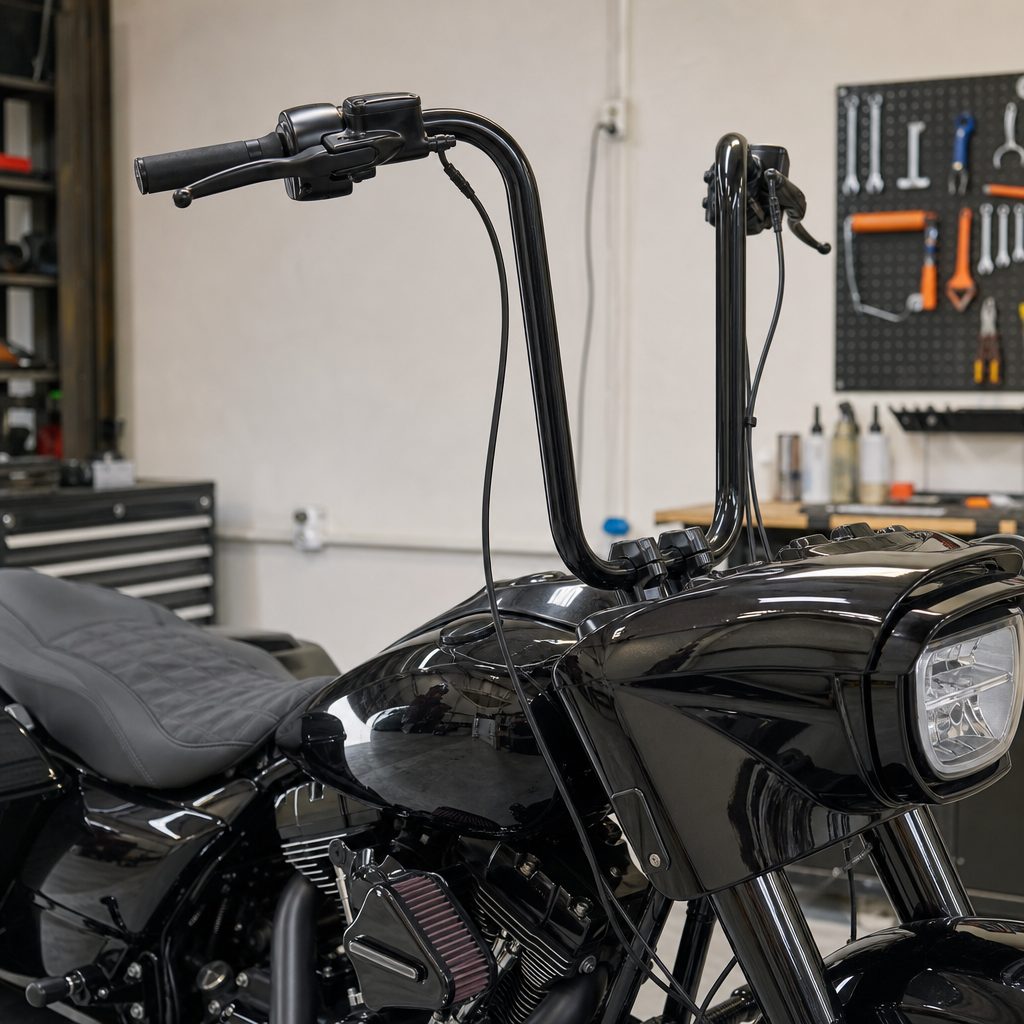
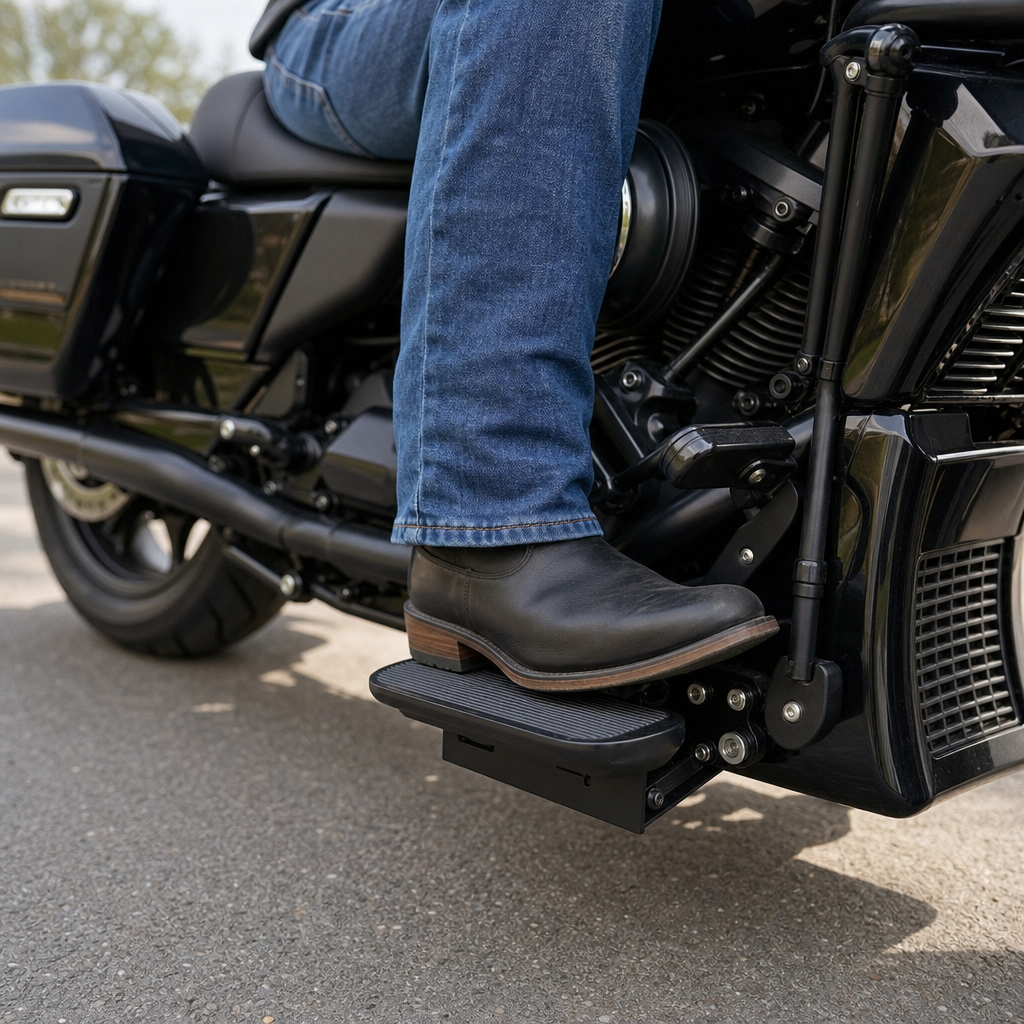
This sub-pillar topic goes beyond internal engine parts because ergonomics determine how usable a performance recipe feels. A bike with a strong midrange cam and refined rocker arm setup can still feel wrong if the bars place the rider too upright, the seat locks the hips in one spot, or floorboard position limits lower-body support under acceleration. On Harley-Davidson models, rider triangle changes alter perceived engine behavior. When a rider has better leverage at the bars and proper reach to controls, they modulate throttle more precisely and often describe the motorcycle as smoother and faster, even when no internal changes occurred. That is why this hub connects rocker arm performance upgrades to model-specific ergonomics. Real-world performance is the interaction between mechanical output and rider control.
For example, a Road Glide with a torque-biased 114 build, quality rocker components, and a conservative cam can become dramatically better on long rides when paired with a seat that reduces tailbone pressure and bars that bring the grips back one or two inches. The engine’s broad torque then becomes easier to use because the rider is less fatigued and steadier at partial throttle. On a Low Rider ST, a similar principle applies in the opposite direction: slightly more aggressive rearset-style foot positioning and firmer suspension can make a sharper valvetrain package feel more coherent because the chassis now matches the engine’s urgency. The best Harley-Davidson performance recipe is therefore not just horsepower per dollar. It is the package that lets the rider access that power confidently for the kind of miles they actually ride.
Choosing upgrades by budget, reliability target, and riding style
Choosing the right Milwaukee-Eight rocker arm recipe starts with three filters: budget, reliability target, and riding style. A rider who wants 40,000 dependable miles with stronger passing power should not be sold the same combination as a customer chasing dyno numbers and occasional track use. Entry-level builds usually stop at a well-matched cam, quality adjustable pushrods, inspection or light refinement of the stock rocker setup, and a proper calibration using Dynojet Power Vision or Screamin’ Eagle tuning tools where supported. Mid-level builds add upgraded rocker components, springs, and supporting oiling parts to improve control and durability. Premium builds layer in ported heads, higher compression, clutch upgrades, and heat management strategies such as improved oil cooling or richer cruise tuning where emissions regulations and local law allow compliant solutions.
Reliability depends on restraint as much as on part quality. The safest street recipe usually keeps lift and rpm within a window that preserves valve control with reasonable spring pressure and acceptable top-end noise. Aggressive spring loads increase wear on lifters, pushrods, and rocker interfaces. Big cams can trade away the exact low-speed manners touring riders value most. Heat also rises when owners chase power without considering compression ratio, exhaust scavenging, and spark control. For that reason, the strongest recommendation I give most Harley-Davidson owners is simple: define the riding mission first, then choose the rocker arm recipe that supports it. If the mission is loaded two-up travel, optimize torque, smoothness, and service access. If it is canyon-style solo riding or a performance bagger build, accept firmer behavior and tune the chassis and controls to match.
How this hub connects to the broader Harley-Davidson build path
As a hub for model-specific ergonomics and performance recipes, this page should guide riders into the next decisions after rocker arms: cam selection by engine size, pushrod and lifter compatibility, touring bar and seat fitment, Softail control placement, suspension balance, and heat management for larger Milwaukee-Eight combinations. Those topics are inseparable. A rider deciding between a torque cam and a high-output cam also needs to understand whether their Road King, Street Glide, Low Rider S, or Road Glide ST places them in a posture that favors steady-distance comfort or active corner entry. Similarly, anyone planning headwork and upgraded rocker assemblies should learn how exhaust diameter, intake flow, and dyno calibration shape the usable result. Internal linking across those subtopics helps riders move logically from engine hardware to real riding outcomes.
The key takeaway is that a Milwaukee-Eight rocker arm recipe for 2027 builds is best treated as a system blueprint, not a catalog shortcut. Start with the model, rider size, and riding mission. Select rocker upgrades that preserve geometry and valve control for the chosen cam and rpm range. Support the top end with compatible springs, pushrods, lubrication, and a professional tune. Then finish the motorcycle with ergonomic changes that let the rider use the new power without fatigue or compromise. That is how durable Harley-Davidson performance is built. If you are planning a 2027 Milwaukee-Eight project, use this hub as the starting map, then move into the linked cam, fitment, suspension, and tuning guides to build a package that works as well on the road as it does on paper.
Frequently Asked Questions
What does the rocker arm assembly do in a Milwaukee-Eight engine, and why is it such an important part of a 2027 performance build?
The rocker arm assembly is one of the most important moving parts in the Milwaukee-Eight valvetrain because it turns pushrod motion into actual valve movement at the cylinder head. In simple terms, the camshaft creates lift, the lifters and pushrods transfer that movement upward, and the rocker arms apply it to the intake and exhaust valves. That sounds straightforward, but in practice the rocker system affects how accurately the valves open and close, how stable the valvetrain stays at rpm, how well oil is managed in the top end, and how much mechanical noise the engine produces.
For a 2027 build, that matters because most riders are not upgrading a rocker arm assembly in isolation. They are usually pairing it with a cam change, valve spring upgrades, higher compression, better flowing heads, or tuning for a broader torque curve. Once lift, spring pressure, and rpm demands increase, the rocker setup has to maintain geometry and stability under greater stress. If it does not, you can see accelerated bushing wear, inconsistent valve motion, excess heat, unwanted top-end noise, and long-term reliability issues that cancel out the gains from the rest of the build.
On Milwaukee-Eight engines specifically, the rocker arm assembly also has a major influence on rider comfort and perceived refinement. A well-matched setup can reduce ticking, improve oil control, and help the engine feel smoother and more composed. A poorly chosen or poorly installed setup may still run, but it can sound harsher, create more vibration through the chassis, and wear out faster. That is why experienced builders treat the rocker arm recipe as a system decision rather than a single bolt-on part. If your goal for 2027 is stronger performance without giving up durability, the rocker arm assembly deserves the same attention as the camshaft and cylinder heads.
Why do Harley-Davidson riders upgrade Milwaukee-Eight rocker arms instead of leaving the stock components in place?
Riders upgrade Milwaukee-Eight rocker arms because the stock assembly is designed to serve a broad range of factory conditions, emissions targets, warranty expectations, noise requirements, and riding styles. For a stock or mildly modified engine, the factory setup can work well. But when the build moves toward more cam lift, more spring pressure, more sustained rpm, heavier touring loads, or aggressive throttle use, the limits of the stock rocker system become more relevant.
The most common reasons for upgrading are improved valvetrain stability, better durability, reduced flex, more precise valve action, and lower operating noise. Performance rocker arms and related components are often built with tighter tolerances, stronger materials, improved trunnion or bushing arrangements, and better machining quality. Those upgrades can help the valves follow the cam profile more accurately, which supports more consistent airflow and more predictable power delivery. In a performance build, that accuracy matters because the engine only makes the power the cylinder heads and cam timing allow. If the valvetrain loses control, the engine cannot fully use the rest of the parts you paid for.
Another major reason is longevity. Milwaukee-Eight riders who rack up a lot of miles, especially on baggers and touring models, often want a top end that stays quieter and healthier over time. A well-engineered rocker arm package can reduce side loading, improve contact patterns, and help control wear in the shafts, bushings, tips, and valves. That is especially valuable on builds that mix everyday street miles with occasional hard use. Instead of treating rocker arms as a race-only concern, many builders now see them as a smart insurance upgrade for high-value 2027 engines that need both performance and reliability.
There is also the tuning and rideability side. Riders often describe a good rocker arm upgrade not only in terms of horsepower, but in terms of smoother operation, cleaner acceleration, less mechanical clatter, and a more confidence-inspiring engine feel. So while stock components may be acceptable for some combinations, upgraded rocker arms become much more attractive once the build is expected to work harder, run cleaner at higher demand, and stay dependable for the long haul.
How do rocker arm upgrades affect power, throttle response, and overall engine performance on a Milwaukee-Eight?
Rocker arm upgrades can influence performance in both direct and indirect ways. Directly, the rocker arms determine how faithfully the engine translates camshaft motion into valve lift and valve timing events at the valve itself. If the rocker assembly is more rigid, more precise, and more stable at speed, the valves are more likely to open to the intended lift, remain controlled through the event, and close consistently. That supports efficient cylinder filling and scavenging, which are fundamental to making torque and horsepower.
Indirectly, a better rocker arm setup allows the rest of the engine combination to work as designed. For example, if you install a performance cam and upgraded heads, but the rocker system introduces excess deflection or instability, you may never see the full benefit of those parts. In that case, the rocker arms are not adding power by themselves in the same way a bigger cam might, but they are removing a bottleneck and helping preserve the intended airflow characteristics of the build. That is why many serious engine builders view rocker arm upgrades as an enabling modification rather than a flashy dyno part.
Throttle response can also improve when the valvetrain behaves more consistently. Cleaner valve motion often translates to crisper combustion behavior, especially in the midrange where touring and performance street riders spend most of their time. The result may be an engine that feels more immediate when rolling on the throttle, more composed during quick gear changes, and less ragged at the top of the rpm range. On a heavy touring bike, that can make the motorcycle feel stronger and more responsive without needing to chase extreme peak horsepower numbers.
That said, it is important to stay realistic. Rocker arms alone typically do not produce dramatic gains on an otherwise stock Milwaukee-Eight. Their biggest value comes when they are matched with a larger performance package and installed with proper geometry, clearances, and supporting parts. The best results come from a balanced recipe: cam, springs, pushrods, rocker supports if needed, cylinder head compatibility, and tuning that all work together. In a 2027 build, the smart question is not “Will rocker arms make power by themselves?” but “Will this rocker arm package help my entire valvetrain deliver stable, repeatable performance?” In most serious builds, the answer is yes.
Can upgraded rocker arms reduce top-end noise and improve rider comfort, or do performance parts usually make the engine louder?
Upgraded rocker arms can absolutely reduce top-end noise and improve rider comfort, but the outcome depends on the quality of the parts, the rest of the valvetrain combination, and the precision of the installation. Many riders assume that any performance valvetrain part will automatically make the engine louder, but that is not always true. In reality, a noisy top end is often the result of clearance issues, poor geometry, inconsistent oiling, weak component control, or cumulative wear. A better rocker arm system can address several of those problems at once.
When the rocker assembly is built with better tolerances and stronger support, it can reduce unwanted movement that contributes to ticking, clatter, and harsh mechanical sound. If the rocker tips track more cleanly across the valve stems and the shafts or bushings maintain better stability, the engine may sound tighter and more refined. On Milwaukee-Eight engines, where riders are often sensitive to heat, vibration, and mechanical noise on long rides, that can make a real difference in perceived quality and comfort.
Oil control is another factor. Excess oil in the top end or inconsistent oil distribution can contribute to both noise and performance issues. Some upgraded rocker-related packages are designed to improve how the top end handles lubrication under real riding conditions. Better oil management can help maintain component protection while also reducing some of the messy, inefficient behavior that contributes to roughness and unwanted sound. The result is not silence, because a performance V-twin will always have mechanical character, but a cleaner, more controlled operating feel.
However, not every “performance” setup gets quieter. If a build uses aggressive cam profiles, heavy springs, incorrect preload, mismatched pushrod length, or poor assembly practices, noise can increase no matter how expensive the rocker arms are. That is why rider comfort should be treated as an engineering goal, not a marketing claim. If your 2027 build is intended for real-world street and touring use, the best approach is to choose rocker components that support your power goals while also maintaining sane clearances, stable geometry, and good lubrication. Done correctly, upgraded rocker arms can help the engine feel stronger and smoother at the same time.
What should riders look for when choosing a Milwaukee-Eight rocker arm recipe for durability, compatibility, and long-term reliability in 2027 builds?
The first thing to look for is compatibility with the entire valvetrain combination, not just the rocker arms themselves. A durable Milwaukee-Eight rocker arm recipe must match the camshaft lift, valve spring pressures, pushrod setup, head configuration, rpm target, and intended use of the motorcycle. A street-torque bagger, a high-compression hot rod, and a long-distance touring bike may all benefit from rocker upgrades, but they will