The Milwaukee-Eight platform changed Harley-Davidson performance by delivering stronger torque, better breathing, and cleaner combustion than the Twin Cam it replaced, but serious riders and builders know the next gains come from heat management, rider fit, and repeatable tuning recipes that match specific models. In this hub, “Milwaukee-Eight piston cooling recipe: 2027 performance mod” means a practical blueprint for reducing piston crown temperature, preserving ring seal, and supporting reliable power on 107, 114, 117, and larger builds while also addressing the model-specific ergonomics that determine whether a fast motorcycle is enjoyable for hours at a time. A recipe is not a random list of parts. It is a tested combination of oiling strategy, piston design, calibration, exhaust flow, compression control, rider triangle adjustments, and use-case matching. I have worked through enough hot-running baggers and cramped Softails to know that the best performance mod is rarely a single component; it is a system that balances combustion heat, airflow, lubrication, gearing, and rider position.
This matters even more for 2027-oriented planning because current Milwaukee-Eight owners are building toward longer service life, stricter emissions realities, heavier touring loads, and customer expectations shaped by fast factory models such as the Low Rider ST, Road Glide ST, and CVO variants. Piston cooling sits at the center of that conversation. When piston temperatures climb, ring lands see more stress, oil control gets harder, detonation margins shrink, and power consistency falls off during repeated pulls or summer traffic. Harley’s oil-cooled and partially liquid-cooled variants already acknowledge the thermal challenge, but there is still room to improve through smarter parts selection and calibration discipline. At the same time, ergonomics cannot be treated as cosmetic. Seat height, bar reach, floorboard position, peg location, and wind management influence throttle control, braking confidence, fatigue, and how effectively a rider can use added torque. This hub page connects those topics and provides a framework for choosing upgrades that work together instead of fighting each other.
What piston cooling actually means on a Milwaukee-Eight
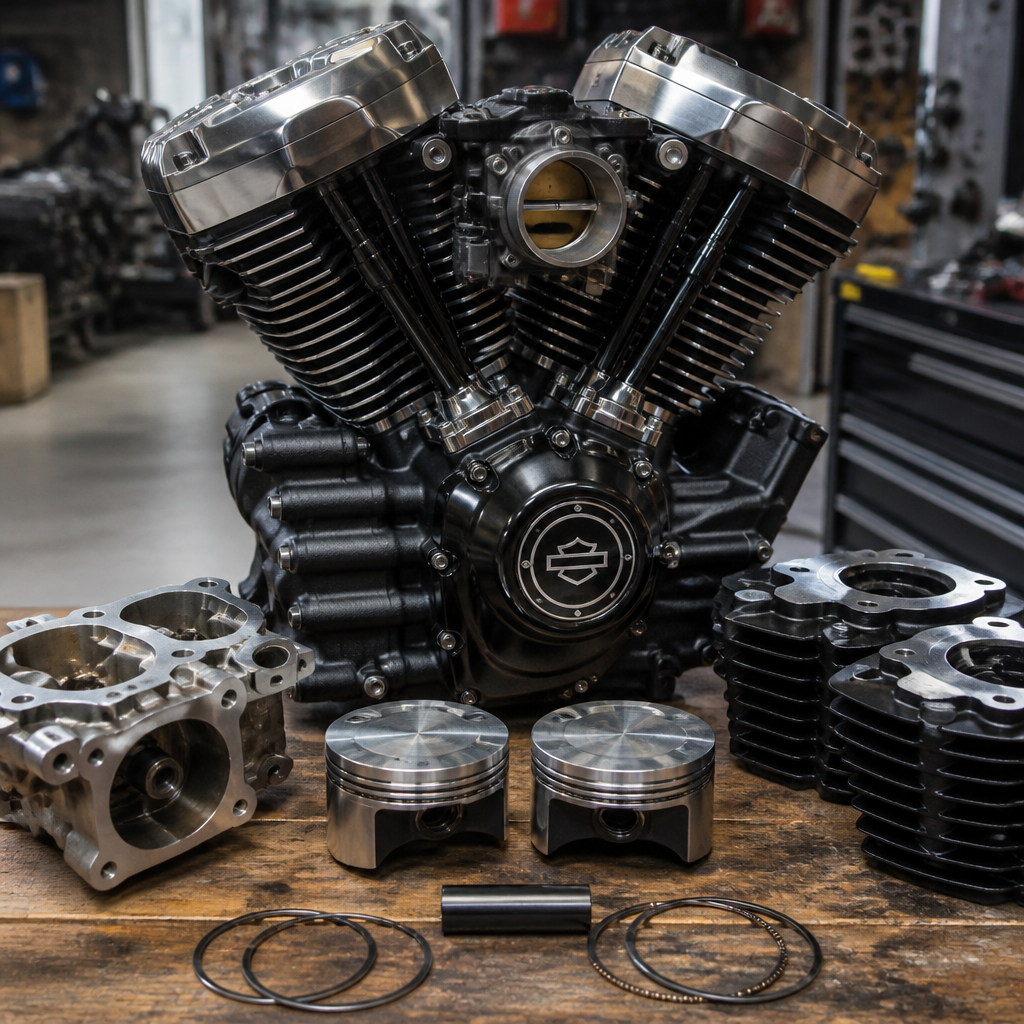
Piston cooling on a Milwaukee-Eight is the process of moving heat away from the piston crown, ring belt, and pin area quickly enough to prevent knock, scuffing, and oil breakdown under load. In practical terms, that usually involves three things: adequate oil supply to the underside of the piston, piston and cylinder materials that tolerate heat well, and a tune that keeps combustion pressure under control. Most builders start with the oil side because it is foundational. Factory piston oil jets, where fitted in the architecture, spray oil at the piston underside to pull heat out of the crown and pin bosses. That oil then returns to the sump carrying heat with it. If oil temperature is already too high, or if clearances and pump efficiency are marginal, the cooling effect drops. That is why a so-called piston cooling mod must be considered together with oil pump scavenging quality, viscosity choice, and sustained operating temperature.
The second part is mechanical design. Forged pistons, thermal barrier crown coatings, low-friction skirt coatings, and ring packages with proper tension all affect heat handling. A forged piston generally tolerates detonation and heat better than a cast unit in high-output street builds, although it can require more careful cold-clearance planning. Compression ratio also matters. A modest increase paired with tight quench and the right cam can improve efficiency without spiking heat, while a poorly matched high-compression setup can produce exactly the hot piston problem riders were trying to solve. The third part is calibration. Spark advance, target air-fuel ratio under load, intake air temperature compensation, and knock control strategy determine whether the engine runs crisp and safe or fast and fragile. Dyno charts can hide thermal problems if the pull is short. Real validation means repeated runs, data logging, and road testing in traffic, uphill, and in hot weather.
Core 2027 performance recipe for heat control and durable power
A strong 2027-ready Milwaukee-Eight recipe starts with oiling integrity. For many street performance builds, I recommend evaluating the oil pump and cam plate first, especially on engines that will see aggressive cams, elevated rpm, or heavy touring duty. High-quality aftermarket pump and plate assemblies from established names such as Feuling or S&S can improve scavenging and pressure stability, which supports piston cooling indirectly by keeping hot oil moving and reducing aeration. Pair that with an oil cooler sized for the application, not just styled for looks. Touring models hauling luggage and a passenger need more thermal capacity than a solo cruiser used for short rides. Good oil lines, leak-free fittings, and verified oil pressure at operating temperature are nonnegotiable.
Next comes the top end. Choose pistons with a crown and skirt design proven in air-cooled and oil-cooled V-twin conditions. Many successful builds use forged pistons with skirt coatings and ring packs selected for street longevity rather than only peak horsepower. Tight quench, careful deck measurement, and combustion chamber consistency matter more than catalog claims. On the fuel and spark side, tune for safe cylinder pressure, not just the biggest number on the screen. A realistic recipe often includes premium fuel, conservative advance in hot zones, and richer commanded mixture under heavy load. Exhaust selection should support scavenging without creating a narrow, peaky torque curve that overheats the engine in the midrange. Finally, address rider contact points. If the bike’s ergonomics force the rider to brace against the bars or sit in turbulent air, they will use the throttle and clutch less smoothly, which makes a torquey build feel worse than it is.
| Recipe Area | Recommended Focus | Main Benefit | Common Mistake |
|---|---|---|---|
| Oil system | High-efficiency pump, matched cam plate, proper cooler | Lower operating temperature and steadier pressure | Adding power parts before checking scavenging |
| Pistons | Forged design, coated skirts, correct clearances | Better heat tolerance and durability | Using race clearances on a street bike |
| Compression and quench | Balanced ratio with tight quench | Efficient combustion with wider knock margin | Chasing compression without chamber matching |
| Tuning | Load-based fueling and conservative spark in hot zones | Reduced detonation risk and repeatable power | One dyno pull treated as proof of safety |
| Ergonomics | Seat, bars, pegs, wind management matched to rider | Better control and less fatigue | Ignoring fit while increasing torque output |
Model-specific ergonomics recipes across Harley-Davidson families
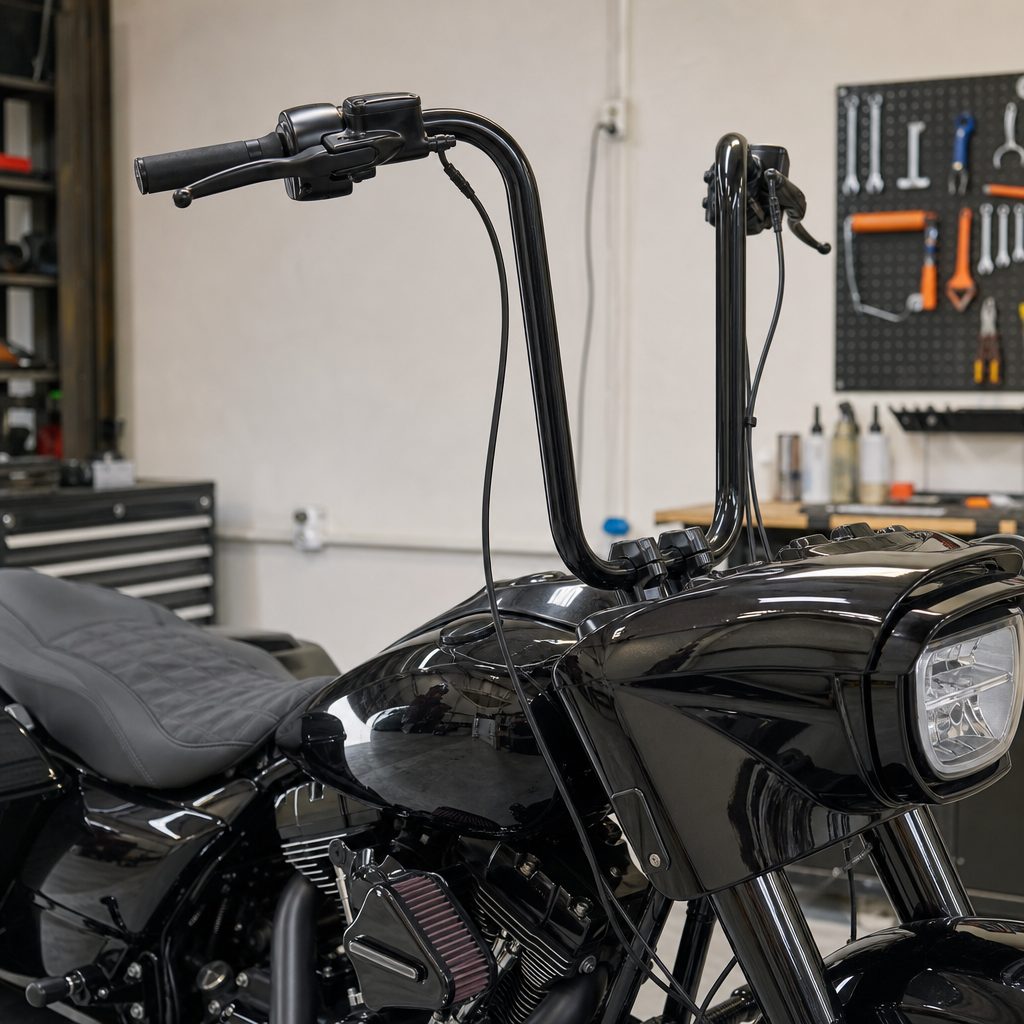
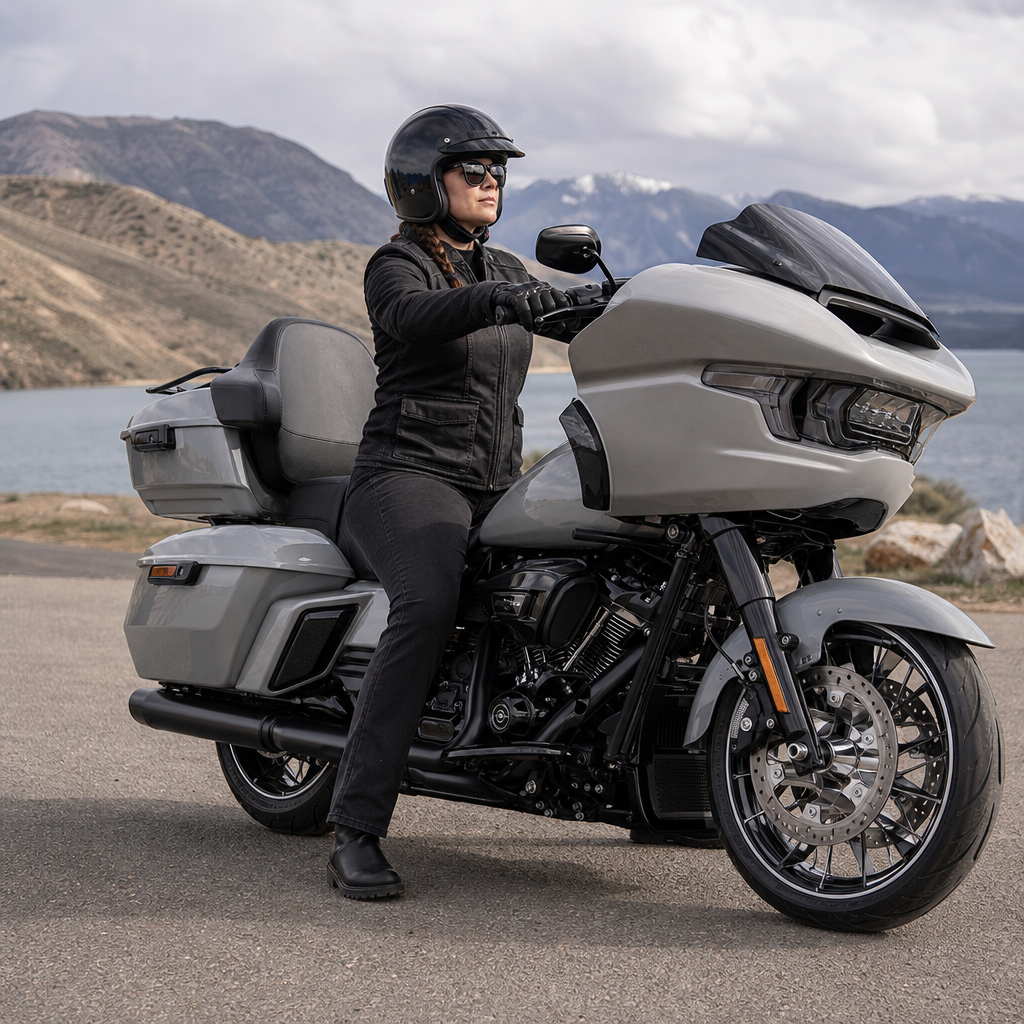
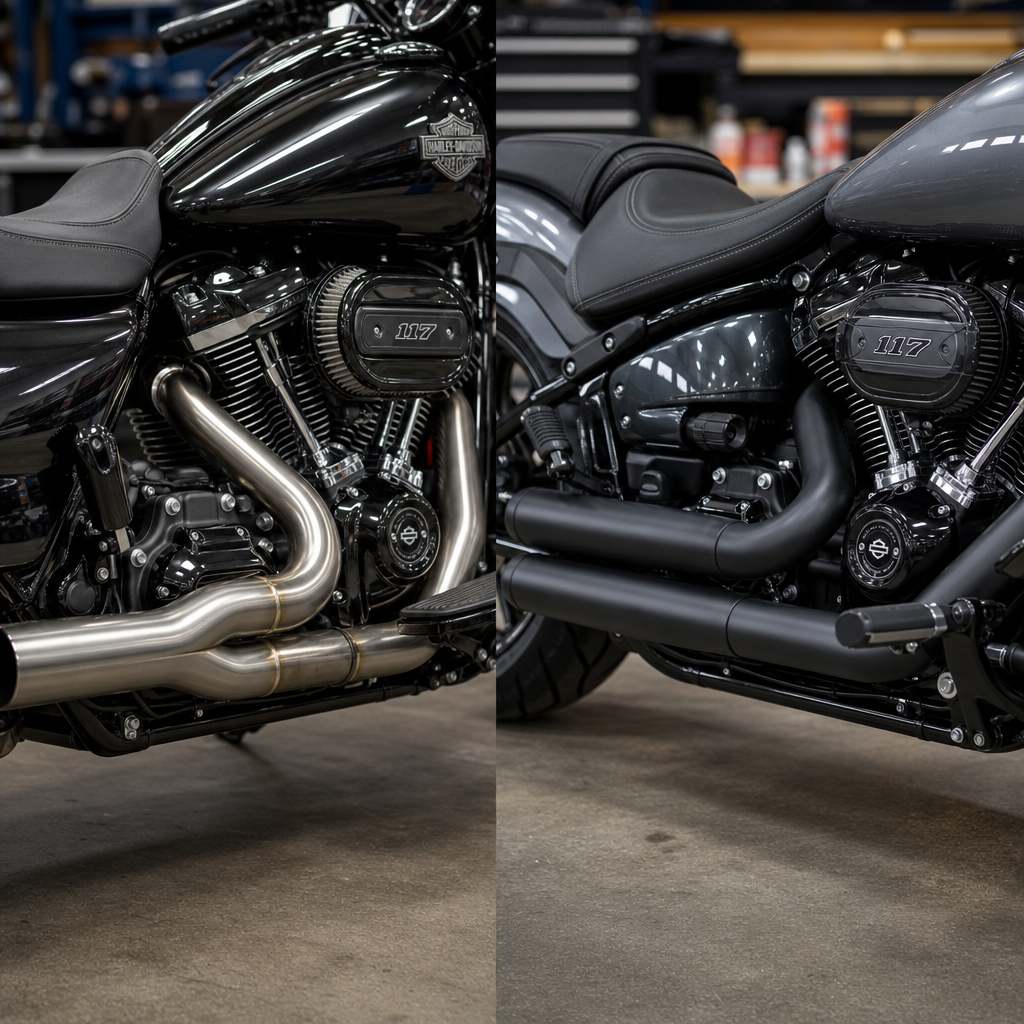
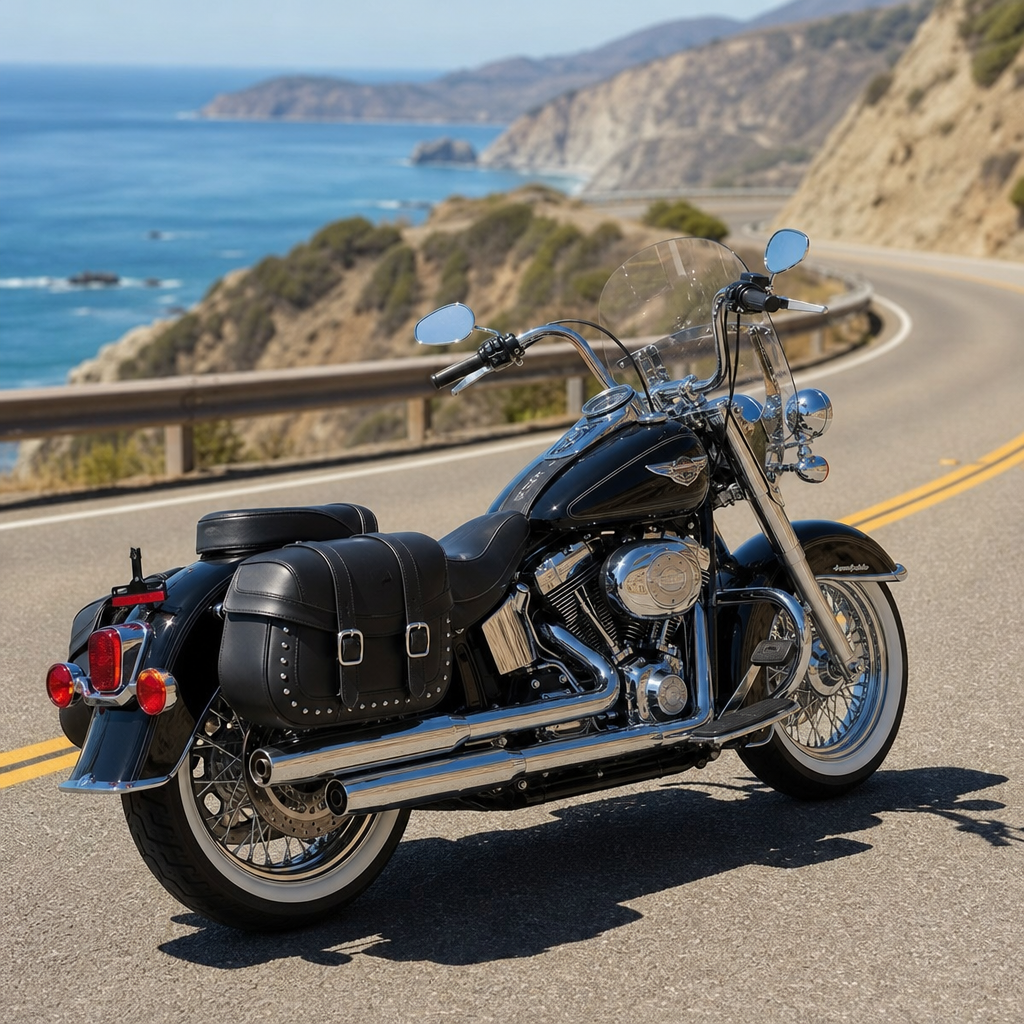
Milwaukee-Eight ergonomics are not universal because a Road Glide, Street Glide, Low Rider S, Heritage Classic, and Road King place the rider in different relationships to bars, boards, seat pocket, and wind. On touring models, the biggest gains usually come from seat shape, bar pullback, and windscreen tuning. A saddle that supports the pelvis and opens the hip angle can reduce lower-back fatigue more effectively than softer foam alone. Mid-height bars that keep wrists neutral improve steering input and reduce shoulder strain on long days. On a Road Glide, fork-mounted wind effects are not the issue, but fairing airflow and helmet buffeting often are. On a Street Glide, both bar sweep and fairing pressure matter. Riders adding more engine torque need stable body support so they are not sliding rearward during acceleration.
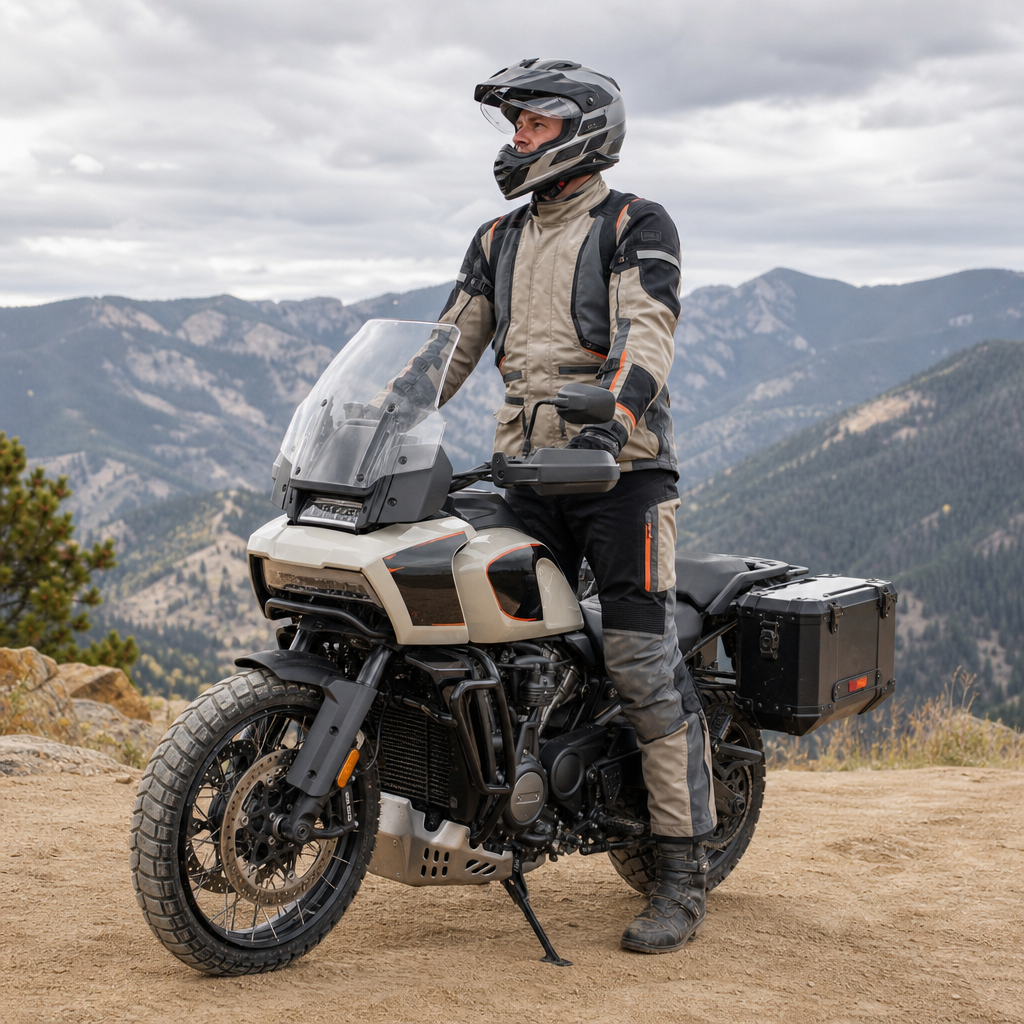
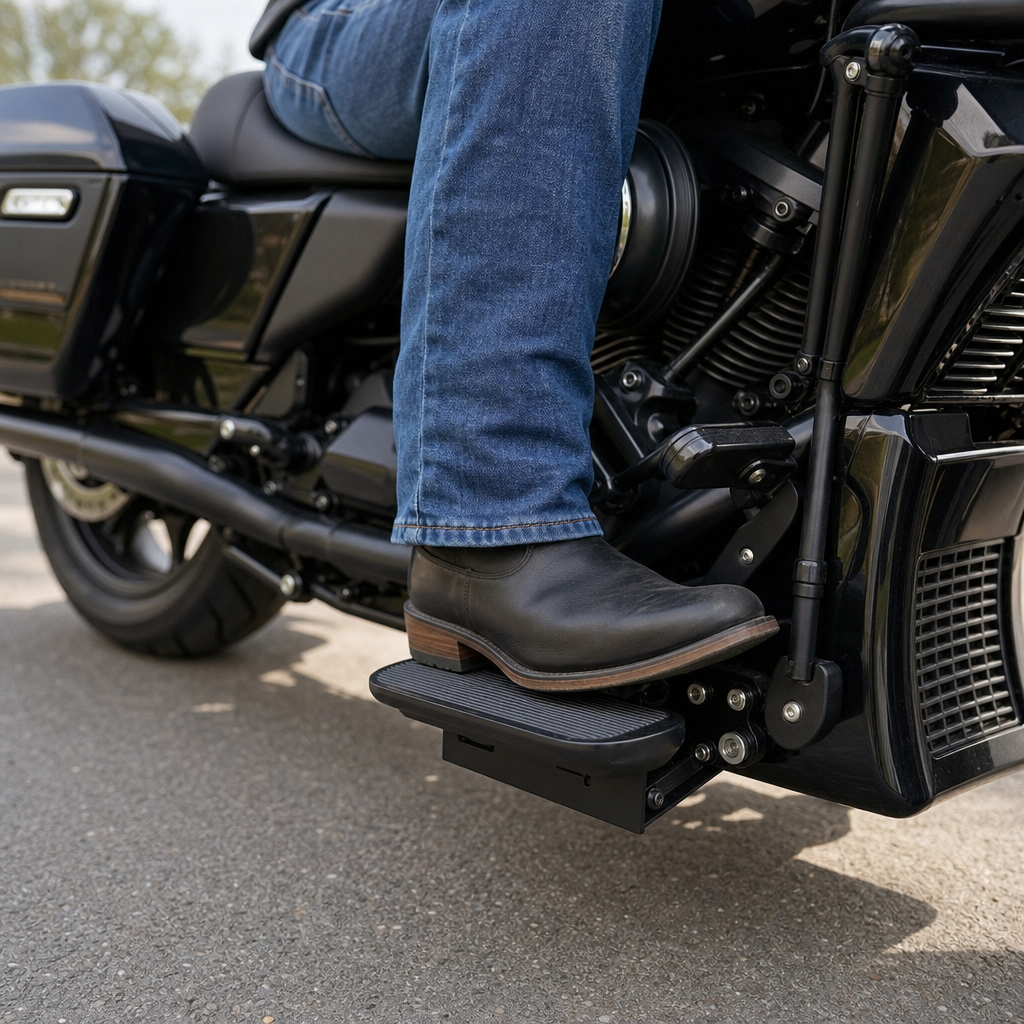
Softail models require a different recipe. Low Rider S and ST riders often want more legroom without losing cornering confidence, while Fat Boy and Breakout owners need to balance style-driven controls with practical control reach. Forward controls can look right yet compromise low-speed precision for shorter riders; mids or adjustable systems often restore confidence immediately. Taller seats can improve knee angle on a short-trip cruiser and also make a high-torque engine easier to modulate because the rider gains leverage. Adventure-minded Pan America ergonomics differ again, but the principle is the same: performance only counts when the rider can repeatedly access it without strain. In the Harley-Davidson ecosystem, model-specific fit is not a finishing touch. It is part of the performance recipe, and this hub supports linked deep dives on each platform so owners can choose parts according to inseam, reach, load, and riding speed.
Thermal management, tuning strategy, and supporting mods
Heat management on the Milwaukee-Eight is never solved by one part because heat enters and leaves the engine through multiple paths. Intake temperature, combustion efficiency, oil temperature, exhaust valve heat, and vehicle speed all interact. That is why smart builders validate the entire system. Start with a leak-down and compression baseline, confirm injector health, inspect fuel pressure stability, and verify that the throttle body and manifold seals are sound. An intake leak on a hot-running V-twin can create a tuning chase that looks like a piston cooling problem. The same goes for exhaust restrictions, weak battery voltage affecting sensors, or a clutch slipping under torque and forcing repeated heat cycles.
When tuning, prioritize repeatability. Use a wideband-based process, review spark tables by load and rpm, and examine cylinder head temperature or equivalent thermal indicators if available through the tuning platform. Screamin’ Eagle Pro Street Tuner ecosystems, Dynojet Power Vision workflows, and ThunderMax strategies each have strengths, but none excuse poor methodology. I prefer tuning that includes hot restarts, low-speed traffic simulation, and back-to-back pulls after the engine is fully stabilized. Supporting mods should also be selected with intent. A cam with early intake closing can build cylinder pressure quickly and improve response, but paired with high compression and poor fuel it can push piston temperatures up. Conversely, a balanced torque cam, efficient intake, quality header, and disciplined spark map often produce a faster real-world bike because the engine can repeat its performance all day.
How to choose the right recipe for touring, cruiser, and performance builds
The right Milwaukee-Eight performance recipe depends on how the motorcycle is actually used. For a touring bike that spends hours at highway speed with luggage and a passenger, durability, oil control, and rider comfort outrank headline horsepower. That build should emphasize oil cooling capacity, moderate compression, a broad torque cam, stable fueling, and ergonomics that reduce pressure on the lower back and shoulders. For a cruiser or boulevard build, low-end response and visual simplicity may matter more, but the same thermal rules apply. Short trips are not harmless; frequent heat soak without enough airflow can be hard on oil and piston skirts. For a performance-oriented bagger or club-style Softail, suspension and braking must be upgraded alongside engine output. More torque with stock damping and poor fit simply overwhelms the chassis.
A useful decision framework is to rank goals in order: reliability, heat control, comfort, acceleration, top-end power, and appearance. Then select parts that serve more than one goal. A better seat improves comfort and control. A quality oiling system protects the engine and stabilizes power. A carefully chosen cam can broaden torque and reduce the need for excessive spark advance. This hub exists to organize those choices under the broader Harley-Davidson topic, especially around model-specific ergonomics and performance recipes. Use it as the starting point for linked guides on touring fitment, Softail control layouts, bagger cooling strategies, and streetable engine combinations. When the recipe is right, piston cooling is not an isolated trick. It becomes part of a coherent build that runs cooler, lasts longer, and lets the rider enjoy every bit of the Milwaukee-Eight’s character.
The main takeaway is simple: the best Milwaukee-Eight piston cooling recipe for a 2027 performance mod is a system, not a slogan. Effective oil management, properly chosen pistons, balanced compression, disciplined tuning, and model-specific ergonomics all work together to protect the engine and improve the ride. Ignore any one of those areas and the others have to compensate, usually with worse durability or comfort. Riders often chase temperature problems with cosmetic add-ons or internet folklore, but the reliable solution is methodical. Verify the oiling system, measure the top end carefully, tune with heat in mind, and fit the motorcycle to the rider so added torque can actually be used.
That system approach is also the benefit of treating this page as a hub within Harley-Davidson performance planning. Whether you own a Road Glide, Street Glide, Low Rider ST, Heritage Classic, Road King, or another Milwaukee-Eight model, your ideal recipe should reflect your weight, reach, climate, fuel quality, passenger load, and riding style. The parts that work on a dyno queen are not always the parts that survive summer traffic, mountain grades, and thousand-mile weekends. Build for your real conditions, document changes, and test them honestly. Then use the related articles in this subtopic to refine ergonomics, cooling, tuning, and supporting chassis setup one step at a time. Start with heat control and rider fit, and the rest of the performance package becomes easier to get right.
Frequently Asked Questions
What does a “Milwaukee-Eight piston cooling recipe” actually include in a 2027 performance build?
A Milwaukee-Eight piston cooling recipe is not one single part or trick. It is a coordinated approach to reducing piston crown heat, stabilizing ring seal, and keeping combustion temperatures under control so the engine can make repeatable power without becoming fragile. In a practical 2027 performance build, that usually starts with confirming the health and configuration of the base engine: bore condition, ring end gap, piston-to-wall clearance, deck height, compression ratio, and the exact cam and cylinder head combination being used. From there, the “recipe” typically centers on improved oil control and heat transfer, including properly functioning piston oil jets where applicable, a stable oiling system, correct oil viscosity for the real operating environment, and careful attention to oil temperature management rather than relying on guesswork.
It also includes combustion strategy. A cooler, more efficient piston lives in an engine with a balanced air-fuel ratio, sensible ignition timing, and chamber motion that avoids excessive detonation risk. That means the tune matters just as much as the hardware. Builders often pair the cooling strategy with cam timing that supports cylinder fill without trapping unnecessary heat, exhaust flow that helps evacuate the chamber cleanly, and intake components that do not force the tune into lean, hot operating zones. If the goal is real-world reliability, the recipe should also account for rider fit and usage. A loaded touring bike in summer traffic has a different heat burden than a lighter performance cruiser used for short bursts. In short, a proper Milwaukee-Eight piston cooling recipe is a blueprint that ties together oiling, piston and ring setup, compression, airflow, and calibration so the engine stays consistent under the conditions it will actually see.
Why is piston cooling so important on Milwaukee-Eight engines when chasing more torque and horsepower?
Piston cooling matters because the piston crown is one of the first places that shows the consequences of aggressive tuning. As torque and cylinder pressure rise, the piston is exposed to more heat from combustion. If that heat is not managed, the crown can run hot enough to affect ring stability, reduce oil control, and increase the chance of detonation or pre-ignition. Even before there is a dramatic failure, excess piston temperature can slowly erode performance by softening the ring seal, increasing blow-by, and making the tune less tolerant to weather, fuel quality, and traffic conditions. On a Milwaukee-Eight, which already responds well to breathing and displacement upgrades, it is easy to make impressive dyno numbers while unintentionally narrowing the safety margin. Good piston cooling helps preserve that margin.
There is also a reliability and consistency benefit that serious riders care about more than one peak pull. A cooler piston sheds heat more effectively into the rings, cylinder wall, and oil system, which helps maintain dimensional stability. That translates into better sealing, more predictable combustion, and less variation from one ride to the next. For bikes that see long-distance touring, hot climate use, heavy loads, or repeated hard acceleration, this becomes especially important. The goal is not simply to make the engine “run cooler” in a vague sense. The goal is to control the heat where it matters most so the engine can hold power, resist knock, and maintain durability over time. That is why piston cooling is a core part of a mature performance plan rather than an optional add-on.
What parts and tuning changes usually make the biggest difference in lowering piston crown temperature?
The biggest gains usually come from the combination of proper fueling, correct ignition timing, and an oiling system that is doing its job under load. Many riders look first to bolt-on cooling hardware, but a Milwaukee-Eight that is lean in critical cells or over-advanced in timing will build piston heat no matter how many premium parts are installed. A careful calibration that targets safe, efficient combustion under cruise, acceleration, and heat-soak conditions is often the most important step. The second major area is piston and ring package selection. Quality pistons with the right skirt and crown design, paired with ring materials and end gaps appropriate for the intended heat level, can dramatically improve how the engine manages thermal stress. If the clearances are wrong, the rest of the recipe is compromised from the start.
After that, the oil side becomes very important. Confirming piston oil squirter operation if the engine is equipped with them, maintaining healthy oil pressure, and controlling oil temperature all contribute to moving heat away from the underside of the crown. Builders may also choose supporting components such as improved oil coolers, high-quality synthetic lubricants, and carefully selected cams that reduce unnecessary heat retention while still building strong torque. Exhaust and intake balance matter too, because restricted flow can force hotter combustion and higher residual heat in the chamber. Finally, chamber efficiency should not be ignored. Well-matched cylinder heads, quench characteristics, and compression ratios can make power more cleanly, which means less wasted heat. The strongest results come when these changes are treated as a system rather than a collection of isolated upgrades.
How do you build a reliable Milwaukee-Eight piston cooling setup without sacrificing rideability or street manners?
The key is to define the bike’s real mission before choosing parts. A reliable street-focused Milwaukee-Eight does not need the same recipe as a high-rpm race build, and many reliability problems begin when owners install parts intended for a different use case. For a streetable 2027 performance mod, the best approach is usually moderate, balanced improvement: compression that is assertive but fuel-compatible, cam timing that enhances torque without making the engine lazy below the powerband, and a tune that prioritizes repeatable combustion over edge-of-the-map numbers. This kind of build keeps throttle response clean, reduces heat accumulation in stop-and-go conditions, and avoids the irritating behavior that makes some “performance” bikes worse to ride in the real world.
Reliability also depends on details that are easy to overlook. Proper piston-to-wall clearance, ring end gap for expected operating temperature, careful break-in, and realistic oil service intervals all matter. So does the cooling package around the engine: unrestricted airflow where possible, clean oil passages, and a calibration reviewed after the engine has accumulated some miles and fully seated. If rider comfort is part of the goal, it is smart to address the complete heat experience, not just the piston itself. That can include exhaust routing considerations, seat and leg position, and airflow management around the cylinders and rider contact points. A well-executed piston cooling recipe should make the bike easier to live with, not more temperamental. The best street builds feel stronger, smoother, and more repeatable in every condition, which is exactly what most serious Milwaukee-Eight owners want.
How can you tell if your Milwaukee-Eight needs a piston cooling-focused upgrade or tune revision?
Usually the signs appear before catastrophic damage does. If a Milwaukee-Eight feels strong when cool but loses consistency as it heat-soaks, that is a clue that thermal control may be limiting performance. Excessive pinging under load, a tune that becomes fuel-sensitive in hot weather, oil temperatures that stay elevated during normal use, or spark plugs that suggest the engine is running hotter than expected can all point to a need for closer inspection. Riders may also notice roughness, a drop in repeatability between dyno runs, or an engine that seems less happy in traffic than its parts list would suggest. None of those symptoms automatically means the piston crown is in danger, but they do justify reviewing the full recipe: tune, oiling, clearances, compression, and airflow.
The right way to diagnose the need for a piston cooling upgrade is with evidence, not assumptions. Compression and leak-down testing, plug reading, oil analysis, data logging, and a calibration review often reveal whether the engine is dealing with excess heat or simply a poor tune. In more advanced builds, inspection during teardown can show whether the rings, skirts, or crown are seeing abnormal thermal stress. If the bike is being upgraded anyway, that is the ideal time to address piston cooling proactively. It is much less expensive to refine the recipe during a planned build than to repair damage after detonation, ring seal loss, or oil control problems develop. In general, if the bike is making more power than stock, carrying heavy loads, living in a hot climate, or spending time in repeated high-load riding, a piston cooling-focused review is not overkill. It is smart insurance for power you can actually keep.